



Heritage and forest in Hauts-de-France · Hauts-de-France
Visiting Compiègne: Château, Forest and Historic Sites
Visiting Compiègne means discovering a town in the Oise shaped by royal and imperial stays, surrounded by an extensive forest and close to several major historic sites. Direct regional trains connect Paris-Nord with Compiègne on select services; schedules and journey times vary. The town center and château are easy to explore on foot, while a bicycle, taxi, or private vehicle makes it easier to reach Rethondes, Royallieu, and the forest sites.
Explore Compiègne
Compiègne Highlights
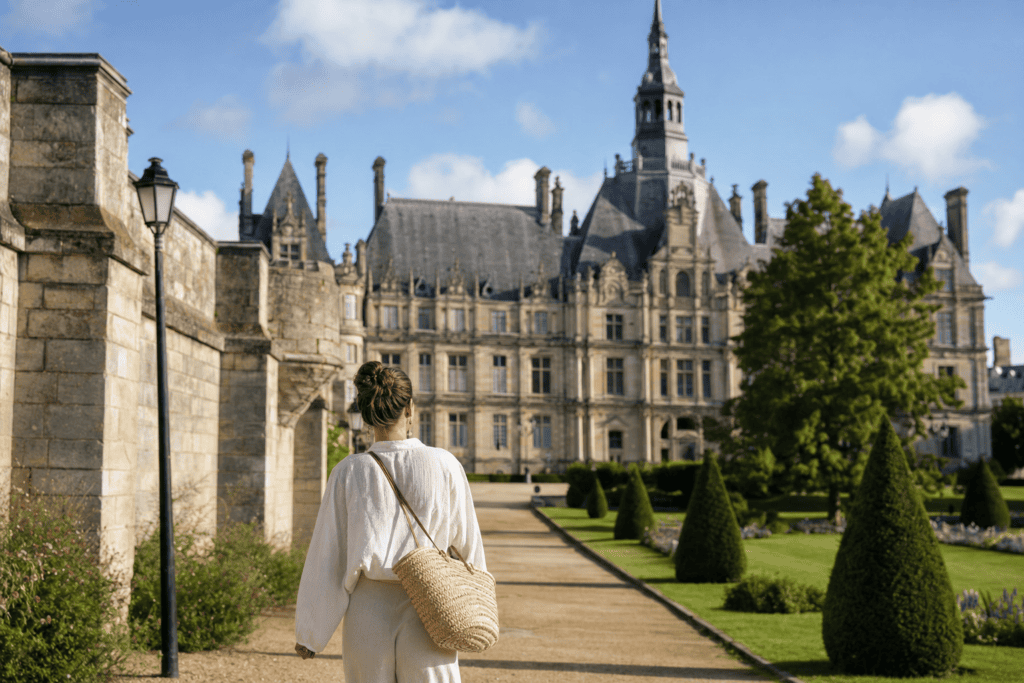 What to do
What to Do in Compiègne Without a Car from the Train Station
A car-free itinerary from Compiègne train station: imperial château, museums, historic center, Oise riverfront,…
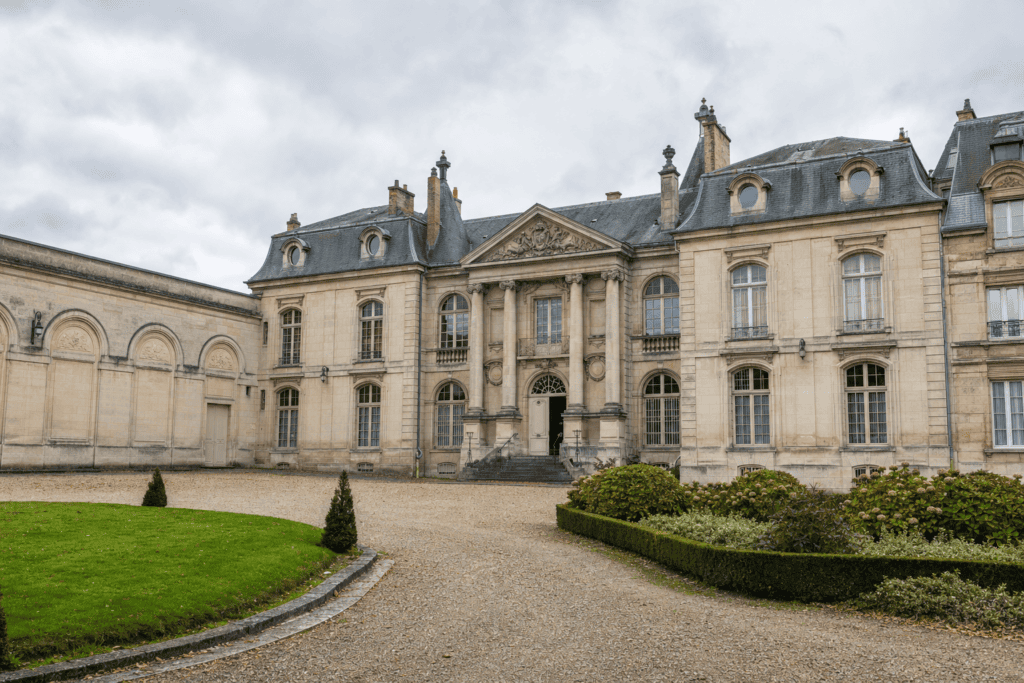 Museums
Antoine Vivenel Museum and Historical Figurine Museum
Two museums in central Compiègne exploring art, archaeology, and history through very different collections.
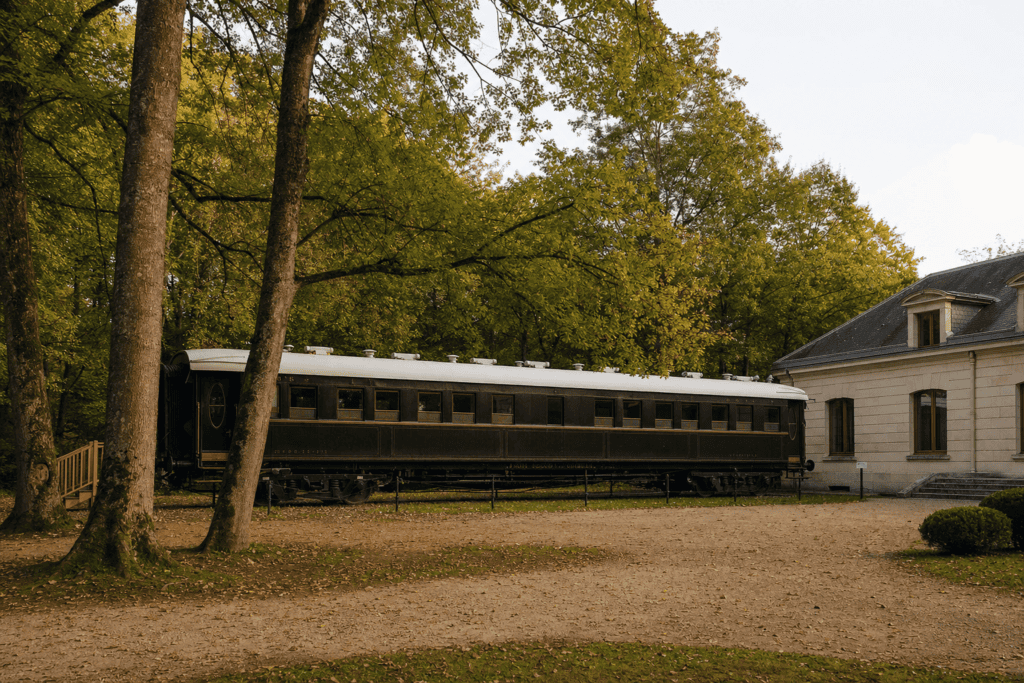 Must-see
Armistice Clearing and Armistice Museum
In the Compiègne forest, a memorial site dedicated to the 1918 and 1940 armistices, their…
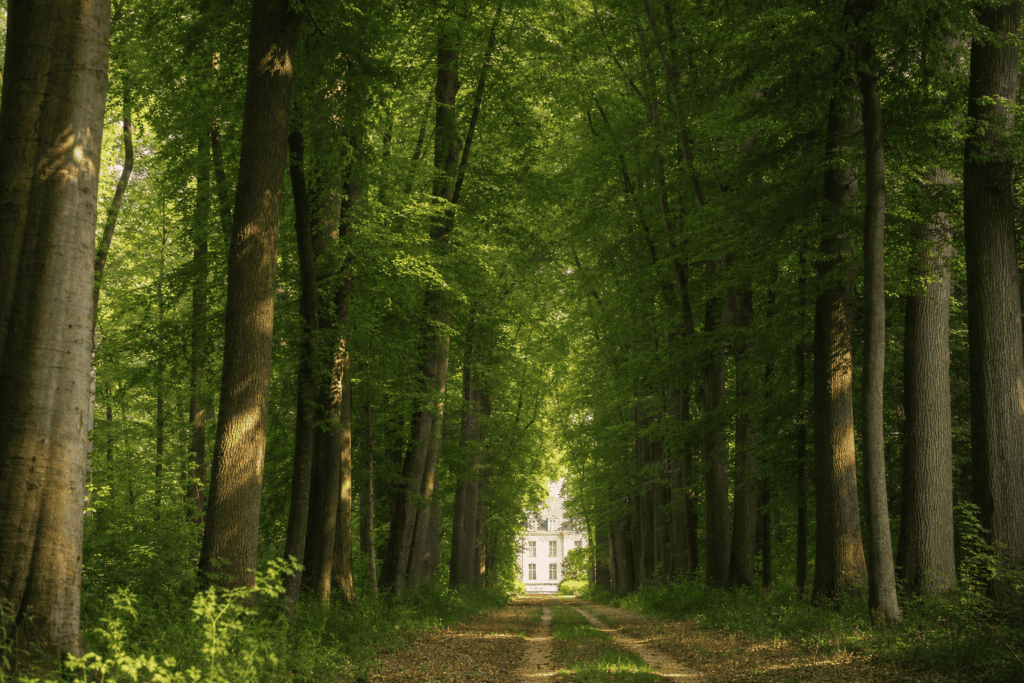 Must-see
Compiègne Forest
A historic forest near Compiègne, ideal for walking, cycling, observing nature, and connecting several heritage sites.
 Must-see
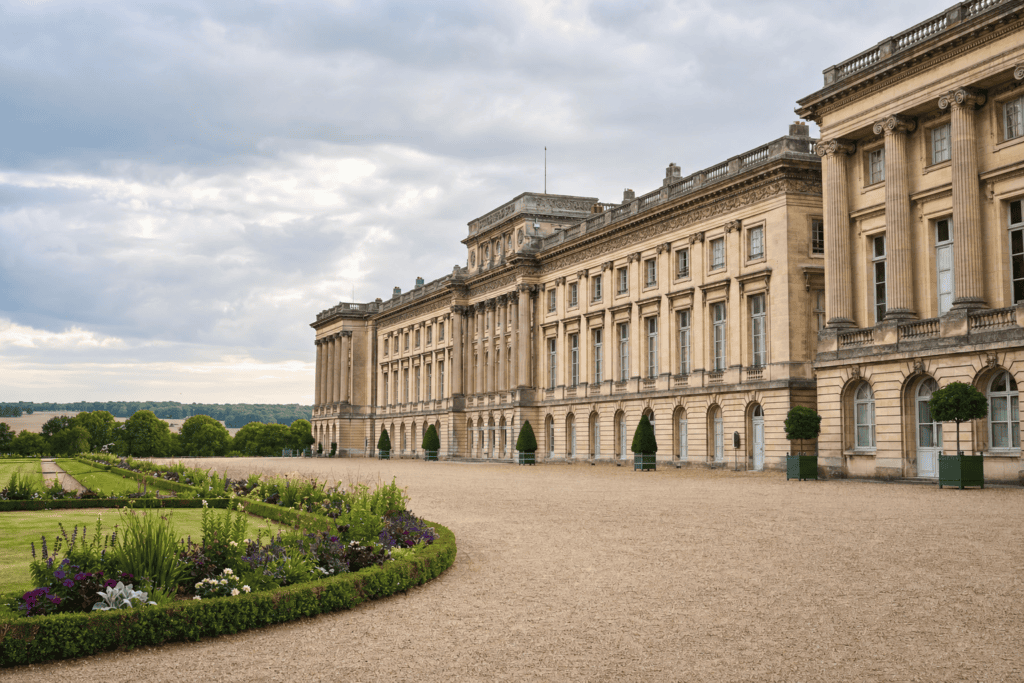
Château de Compiègne and Imperial Apartments
A remarkable royal and imperial palace, with historic apartments, museums, a park, and the Compiègne Forest.
Other destinations to discover

Boulogne-sur-Mer
A seaside city on the Opal Coast, with ramparts, a fishing port, Nausicaá, seafood cuisine and major…
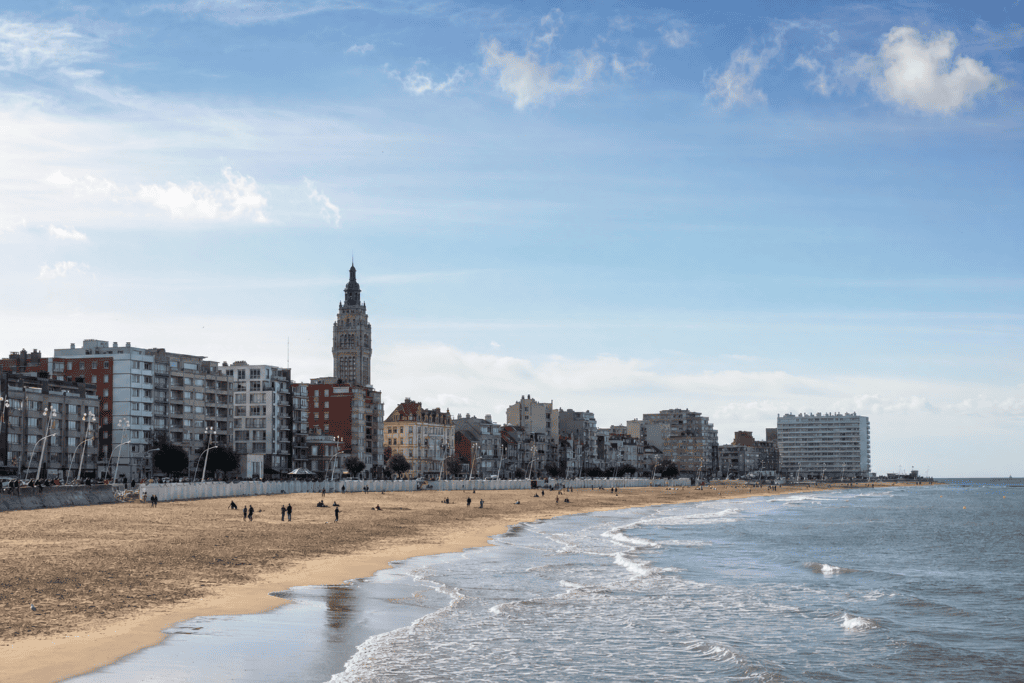
Dunkirk
A complete maritime destination with Malo-les-Bains beach, a port, carnival, museums and the history of Operation Dynamo.
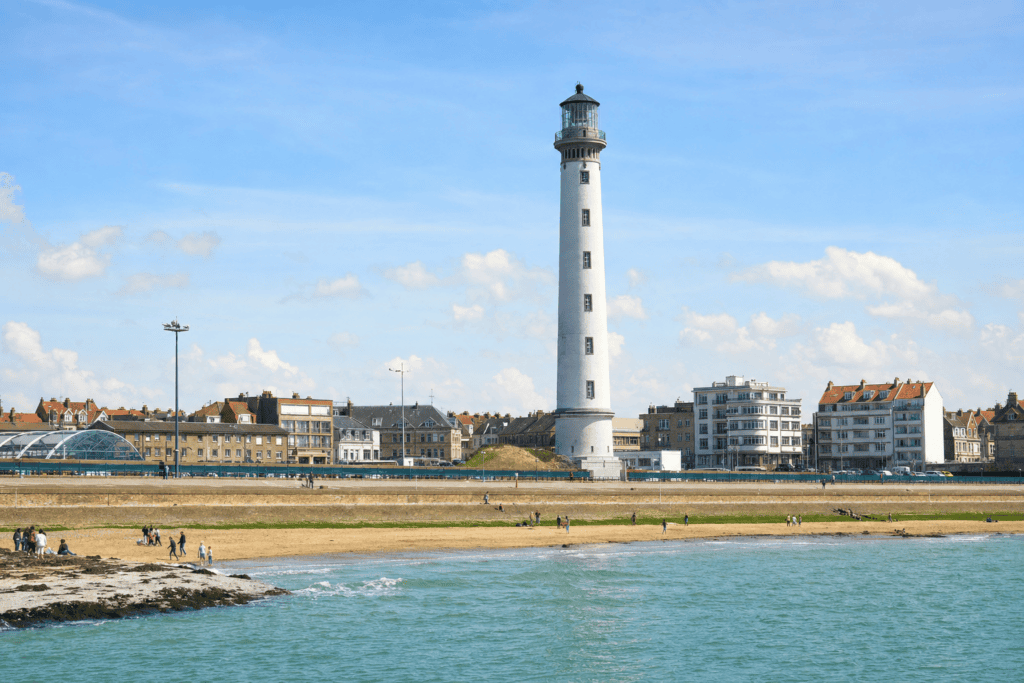
Calais
A maritime city with a beach, listed belfry, lace, Dragon, regional cuisine, and the landscapes of the Deux-Caps.
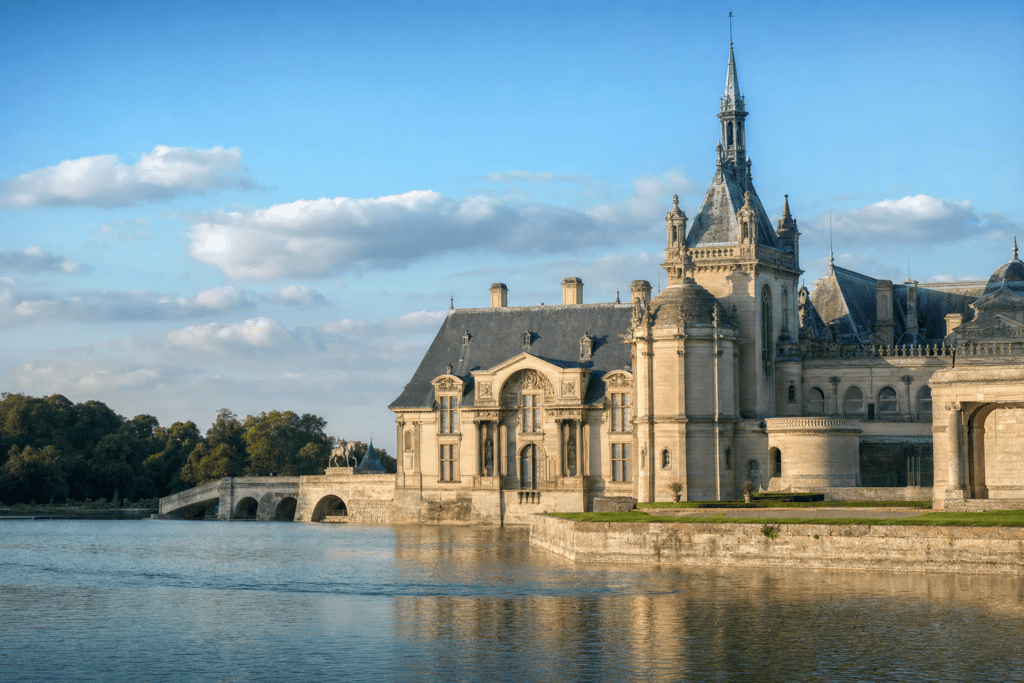
Chantilly
A remarkable princely estate near Paris, featuring the Condé Museum, Great Stables, formal French gardens,…
Beauvais
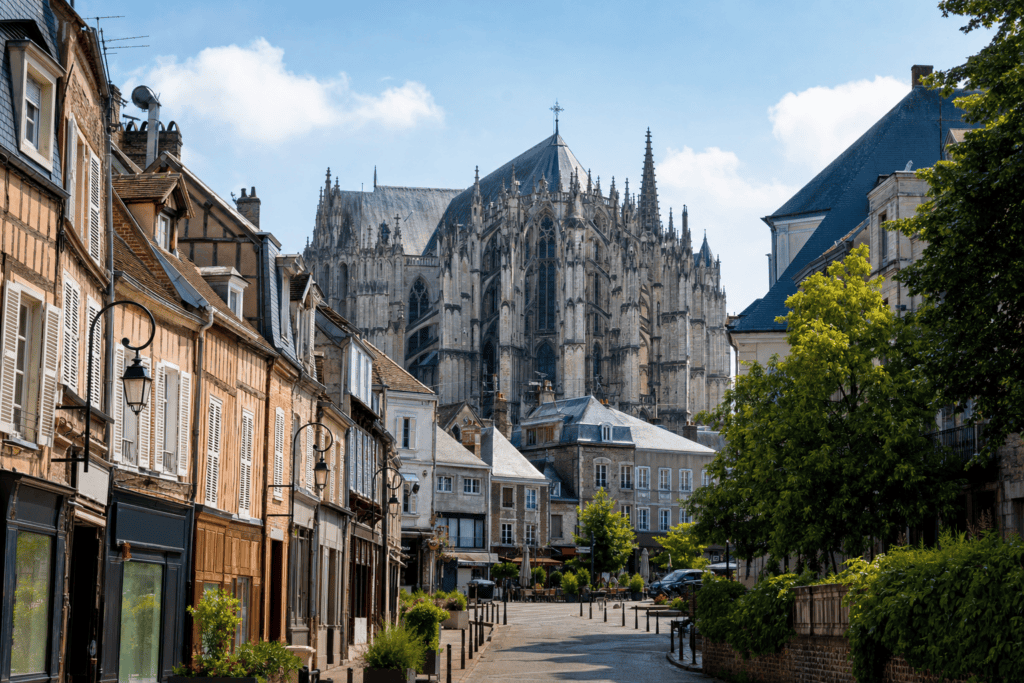
A heritage destination north of Paris, with an unfinished Gothic cathedral, astronomical clock, episcopal palace, tapestry and…
Arras
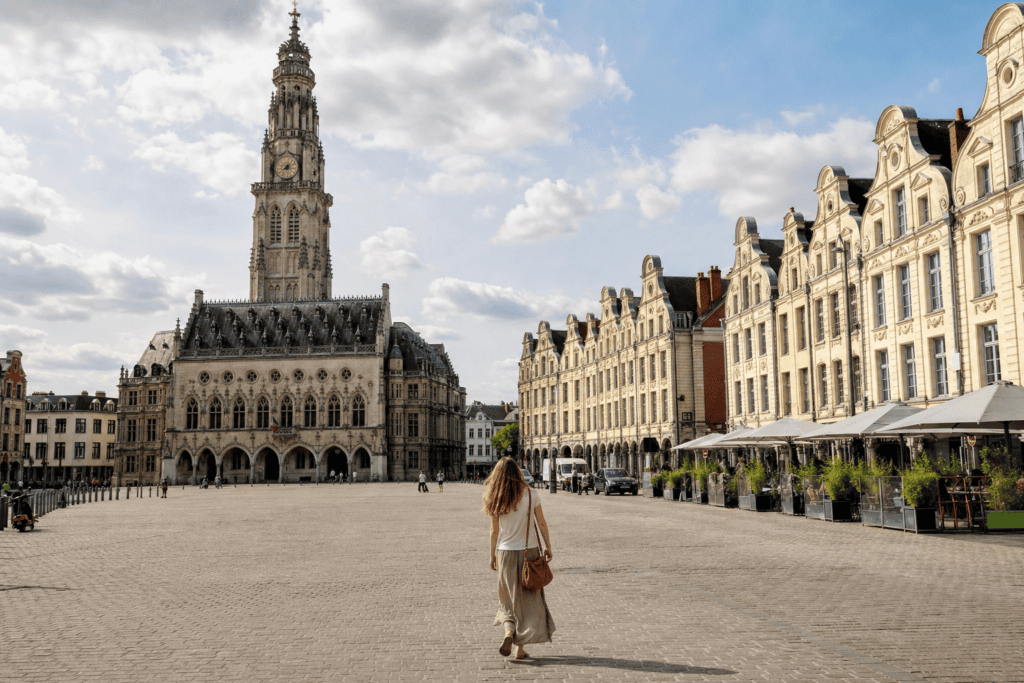
With Baroque squares, a belfry, underground passages, the Citadel and memorial sites, Arras offers a wealth of heritage in…
DESTINATION GUIDE
Compiègne Travel Guide
A Former Royal and Imperial Residence
Located along the Oise River, Compiègne occupies a strategic position between Paris, Picardy, and the routes leading north. The kings of France stayed here as early as the Middle Ages, before the town became a favored residence under the Ancien Régime. This history can still be seen in the palace, the town’s grand vistas, and the state forest once used for royal hunts.
Hall Château de Compiègne is the natural place to begin. Rebuilt in the 18th century under Louis XV and Louis XVI, then redesigned for Napoleon I and Napoleon III, it retains richly decorated apartments and furnishings connected with court life. The site is also home to the National Museum of the Automobile, devoted to the history of transportation, and the Second Empire Museum. The collections connect the palace’s architecture with the social, artistic, and technological changes of the period.
Accessible areas, guided tours, and activities vary depending on the program. Check the official information before you leave, especially if you are traveling with children or would like to visit several collections on the same day.
The Historic Center and Urban Walks
From the train station, the château and the heart of Compiègne are within walking distance. A stroll can begin at Place du Général de Gaulle, continue along the shopping streets, then lead to Saint-Jacques Church and the area around the palace. The church recalls the town’s religious importance along former routes, while the remains and spaces associated with the former Saint-Corneille Abbey bear witness to its long history.
The town center is well suited to exploring without an overly packed schedule. Allow time to admire the façades, stop for a drink on a terrace, and make your way to the château park. Families can alternate indoor visits with walks, as the distances between the main points in the center are manageable. For a first visit, it is better to save outlying sites for another time than to fit too many journeys into a few hours.
Compiègne Forest and the Beaux-Monts Vista
The state forest is one of the area’s main attractions. From the château park, the Beaux-Monts vista extends the monumental axis toward the wooded massif. This long historic vista is particularly interesting for understanding the connection between the palace and its former hunting grounds. However, it should not be mistaken for a short stroll of just a few minutes: depending on the route, the distance, moderate elevation changes, and trail conditions call for suitable footwear and water.
- Start at the château park and check the access information for the Beaux-Monts vista.
- For a bike ride, use authorized routes and watch for forest vehicles, other users, and signage.
- Forest crossroads, ponds, and nearby villages are more enjoyable with a map or prepared route, as shops are scarce in the forest.
- Check the recommendations from the French National Forestry Office before hiking, especially during hunting seasons, storms, or temporary trail closures.
A short walk around the accessible areas is suitable for a first visit. More distant routes require greater self-sufficiency and transportation to reach the starting point or return to town.
Rethondes and the Armistice Memorial
The Armistice Clearing is located in the town of Rethondes, in the forest away from central Compiègne. The Armistice Memorial presents the history of the signing of the November 11, 1918 armistice and the June 1940 armistice. The museum, clearing, monument, and railway line form a memorial site to be visited respectfully.
The railway carriage on display at the site is not the original historic carriage, which disappeared during World War II. The memorial presents a replica of the carriage and recreates the setting of the negotiations through documents, objects, and a dedicated exhibition design. This wording clearly distinguishes the object on display from the original vehicle while conveying its symbolic importance. As visiting conditions and accessible areas may change, check the memorial’s information before setting out.
Public transportation does not necessarily drop visitors off at every part of the site. From Compiègne, plan a solution for the last mile: taxi, bicycle, or reserved vehicle. Simply walking from the train station is not a realistic option for most visitors. In Compiègne itself, the Royallieu Internment and Deportation Memorial complements this itinerary by presenting the history of the camp and deportations during World War II. The two memorials are far apart; a vehicle is convenient for visiting both.
Restaurants and Accommodation for a Weekend
The town center has most of the dining options: brasseries, traditional restaurants, contemporary spots, and cafés around the shopping streets and central squares. For lunch between the château and the train station, choose a restaurant in the center to limit travel. In the evening, check opening days and make a reservation when traveling on Friday or Saturday, as options may be more limited in the off-season. Local markets and shops also make it possible to put together a simple meal or picnic, provided you follow the rules applicable in natural areas.
For overnight stays, Compiègne offers hotels and guesthouses in the town center, as well as properties near major roads and the edge of the forest. The center is the most convenient choice without a car: it provides easy access to the château, restaurants, and train station. More outlying accommodations may be suitable if you are driving and want to explore Rethondes, Pierrefonds, or the forest roads. Compare the location, check-in hours, and parking options before booking; services vary from one property to another.
Getting There from Paris and Planning Your Stay
Compiègne train station is served by direct regional trains from Paris-Nord, depending on the day’s schedules and services. Journey times and frequency may vary, so check real-time schedules before finalizing your plans. From the station, the château and town center are within walking distance, but Rethondes, Royallieu, the forest areas, and Pierrefonds require additional planning.
By car, travel time from Paris, Paris-Charles de Gaulle, or Paris-Orly depends heavily on traffic in the Île-de-France region. A private transfer from Paris or its airports can simplify a day combining several sites. This is a reserved transportation service, without a guide, historical interpretation, or admission tickets included. A guided excursion or monument visit must be arranged separately with the relevant establishments.
For a day trip, choose the château, town center, and a short walk. For a weekend, add Royallieu, Rethondes, a forest hike, and possibly Pierrefonds. Spring and early fall are pleasant for combining heritage and the outdoors; fall showcases the forest’s colors. In winter, the museums and château can provide the structure for a more indoor-focused itinerary. In all cases, check opening hours, programming, and access conditions before setting out.
Getting to Compiègne from Paris or Its Airports
Booking Paris Transfer peut organiser un transfert privé au départ de Paris, de l’Île-de-France, de Paris-Charles-de-Gaulle ou de Paris-Orly vers Compiègne, avec retour à Paris ou intégration dans un itinéraire culturel dans les Hauts-de-France. Ce service assure le transport entre les étapes ; il ne constitue ni une excursion guidée, ni une billetterie pour le château, les musées ou les mémoriaux.