



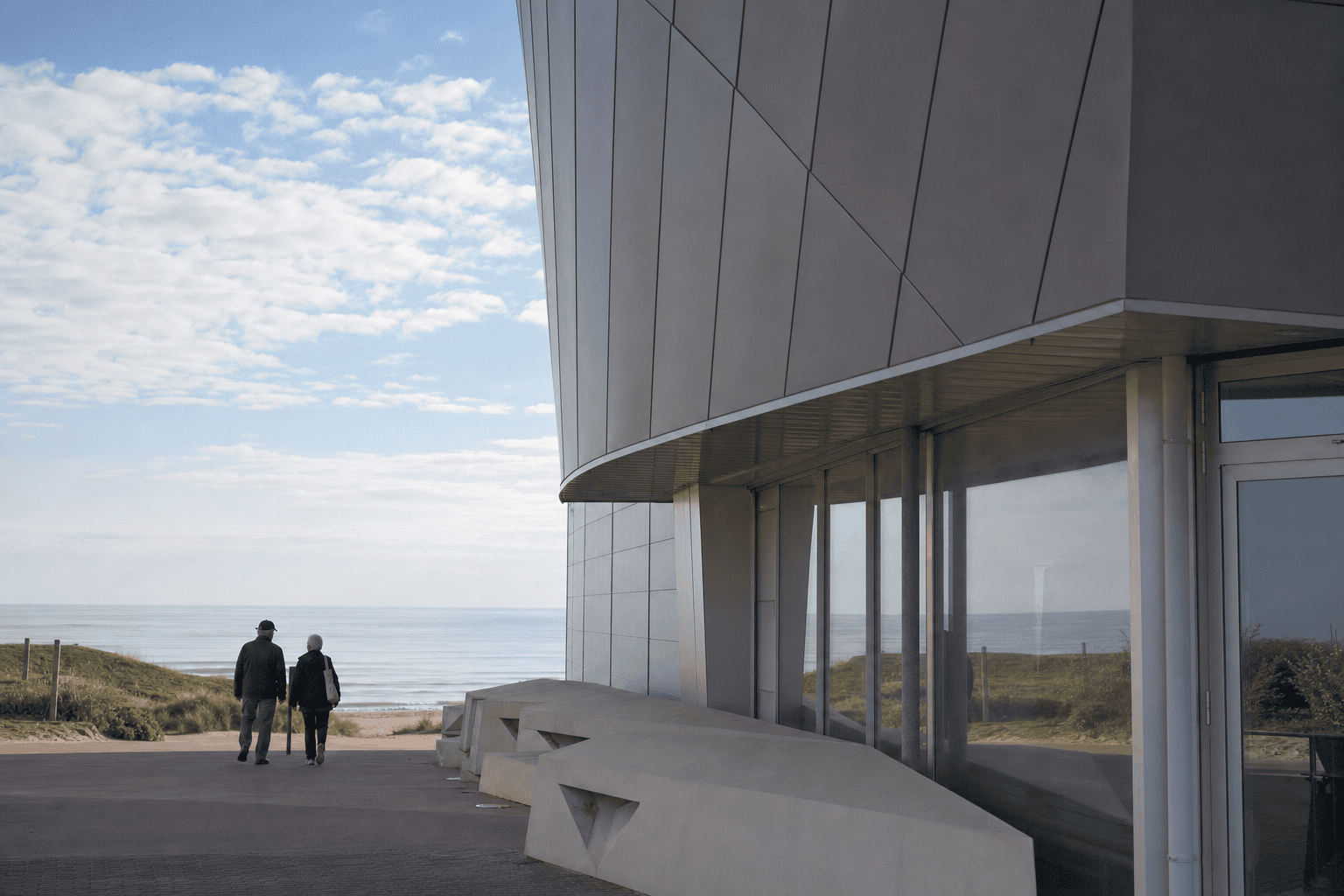
Juno Beach Centre: Visitor Guide in Courseulles-sur-Mer
Courseulles-sur-Mer
Facing Juno Beach in Courseulles-sur-Mer, Normandy, the Juno Beach Centre is the Canadian museum dedicated to Canada’s role during World War II and the D-Day landings on June 6, 1944. Its exhibits bring together artifacts, photographs, personal accounts, films, and explanations of Canadian society during wartime. The visit naturally continues with Juno Park, the beach, the harbor, and nearby villages. The museum is a major stop on an itinerary focused on the D-Day beaches, between Courseulles-sur-Mer, Bernières-sur-Mer, Ver-sur-Mer, Arromanches-les-Bains, Bayeux, and Caen.
Practical information
Start at the museum, continue to Juno Park and the beach, then plan a break around the harbor. If you want to visit several D-Day sites, having a vehicle makes it easier to travel between the coastal towns.
Getting to Juno Beach from Paris
Booking Paris Transfer can arrange a private transfer from Paris, the Île-de-France region, a train station, or airports CDG and ORY to Courseulles-sur-Mer. The return can be arranged to Paris or included in a Normandy itinerary covering several D-Day beaches. Transportation does not include museum admission tickets.
Departure from Paris, the Île-de-France region, CDG, or ORY; return to Paris or continuation to the D-Day beaches, depending on the itinerary chosen.
A Canadian museum facing Juno Beach
The Juno Beach Centre is located in Courseulles-sur-Mer, on the stretch of coast where Canadian forces landed on June 6, 1944. Its location gives the visit a tangible dimension: after exploring the galleries, visitors can reach the shoreline and see the beach, channel, and harbor that still shape the landscape. The center was created at the initiative of Canadian veterans, their families, and volunteers before opening to the public in 2003.
The museum is not limited to a military presentation of D-Day. It explores Canadian society during mobilization, civilian life, the various fronts, and the consequences of the war after 1945. This approach appeals to Canadian families, French visitors, and travelers discovering the D-Day beaches. The building’s openness to the sea connects remembrance, landscape, and education. Wear clothing suitable for windy conditions if you plan to enjoy the outdoor areas, and check the official information for the day’s visitor arrangements.
Understanding Canada’s role in D-Day
The exhibits place Juno Beach within the broader context of Operation Overlord. The Canadian sector lay between Gold Beach to the west and Sword Beach to the east. The 3rd Canadian Infantry Division, supported by armored units and other Allied formations, was tasked with breaching the coastal defenses, securing the villages, and advancing inland. The objectives were achieved under difficult conditions, at the cost of heavy losses.
The museum focuses on individual experiences. Letters, photographs, uniforms, artifacts, films, and personal accounts give a human face to soldiers, families, and civilians. They also remind visitors that D-Day was only the beginning of a long and difficult campaign in Normandy. To broaden this perspective, Gold Beach at Arromanches-les-Bains, Sword Beach around Ouistreham, Omaha Beach, and the American Cemetery at Colleville-sur-Mer offer other viewpoints. Together, these sites help distinguish the sectors, units involved, and national memories.
Juno Park and nearby sites
Juno Beach is more than the beach in front of the museum. The historic area also includes Bernières-sur-Mer, Saint-Aubin-sur-Mer, Graye-sur-Mer, and several coastal areas associated with the Atlantic Wall. A walk offers another way to read the landscape: seawalls, dunes, the channel, seaside homes, and monuments recall the rapid transformation of the front on June 6, 1944. Juno Park complements the museum with outdoor remains and on-site explanations, depending on the facilities offered by the institution.
For a first day, start at the center, continue to the beach and Juno Park, then head toward Bernières-sur-Mer. Another stop can take you to Ver-sur-Mer and the British Normandy Memorial, followed by Arromanches-les-Bains. Weather, tides, walking distances, and parking affect the pace. Several areas are easier to connect by vehicle. Respect private property, dune areas, and the commemorative nature of the monuments.
A family-friendly visit
The Juno Beach Centre is well suited to families, with exhibits that alternate between artifacts, maps, audiovisual archives, and personal stories. Children can understand that war mobilizes not only soldiers but an entire society: industrial production, training, soldiers leaving for the front, worried loved ones, and the return to peace. Multimedia displays and educational content make this history more accessible than a succession of dates and battles.
Adults will appreciate the museum’s specialized focus. It does not attempt to tell the story of all the Allied armies in equal depth, but instead explains the Canadian experience, the diversity of the units involved, and how remembrance developed after the war. After the visit, a break on the beach or a seaside walk offers time to reflect. Bring clothing suitable for wind and changing coastal weather. Before setting out, check visitor arrangements, any educational activities, and rules regarding photography or strollers.
Courseulles-sur-Mer: Harbor and Seaside Resort
Courseulles-sur-Mer deserves more than a quick museum visit. The town has a fishing and pleasure harbor, a central beach, a seafront promenade, and shops where you can extend your day. The quays offer another way to understand the site: visitors move from the coast’s military and commemorative landscape to a lively resort focused on fishing, boating, and seaside recreation.
The harbor is a convenient place to take a break between visits, but restaurant and shop opening hours vary by season. The market and local stalls can also offer an opportunity to discover Normandy products. Courseulles-sur-Mer is also on the Vélomaritime cycling route, appealing to travelers by bike who want to reach Bernières-sur-Mer and other coastal towns. However, a coastal loop requires taking wind, weather, and sections shared with other users into account.
Getting Here from Caen, Bayeux or Paris
From Caen, a car-free itinerary generally begins at the bus station or a stop served by the NOMAD regional network, then continues to Courseulles-sur-Mer according to the day’s route and schedule. Exact stops and connections depend on the service selected: check the official NOMAD journey planner by entering Courseulles-sur-Mer and, if needed, the stop closest to the Juno Beach Centre. Do not assume that the same service runs at the same frequency year-round.
From Bayeux, also check the combination offered by NOMAD: depending on the date, a connection in Caen or a suitable bus service may be necessary. Trains arrive at Bayeux station, but the museum is not immediately near the station. By car, traveling from Caen, Bayeux, or Paris makes it easier to combine several beaches. From Paris, private transportation can depart from a hotel, a train station, CDG, or ORY; this covers transportation only and does not include museum admission. Do not use the seasonal connection mentioned between Courseulles-sur-Mer and Grandcamp-Maisy to plan a trip without directly confirming the official NOMAD schedule, dates, stops, and times.
Planning an Itinerary Along the D-Day Beaches
The Juno Beach Centre is an excellent first stop for understanding the Canadian dimension of D-Day. From Courseulles-sur-Mer, continue to the British Normandy Memorial at Ver-sur-Mer, then to Arromanches-les-Bains to learn about the artificial harbor. An itinerary westward can take you to Omaha Beach and the American Cemetery at Colleville-sur-Mer. These places do not tell exactly the same story: together, they help distinguish the sectors, forces involved, and national memories.
A day trip from Paris is possible for a focused visit to Juno Beach, but two days are more comfortable if you want to add Bayeux, Arromanches, or Omaha Beach. June 6 ceremonies and school holidays can increase crowds and slow travel. Respect the commemorative nature of the beaches, monuments, and cemeteries. Before setting out, check the museum’s official hours, Juno Park visitor arrangements, and any reservations that may be required. A realistic itinerary with breaks will be more rewarding than rushing through too many sites.
Frequently Asked Questions
Where is the Juno Beach Centre located?
How much time should I allow?
Can I visit without a car?
Does the connection to Grandcamp-Maisy operate year-round?
What can you visit near the museum?
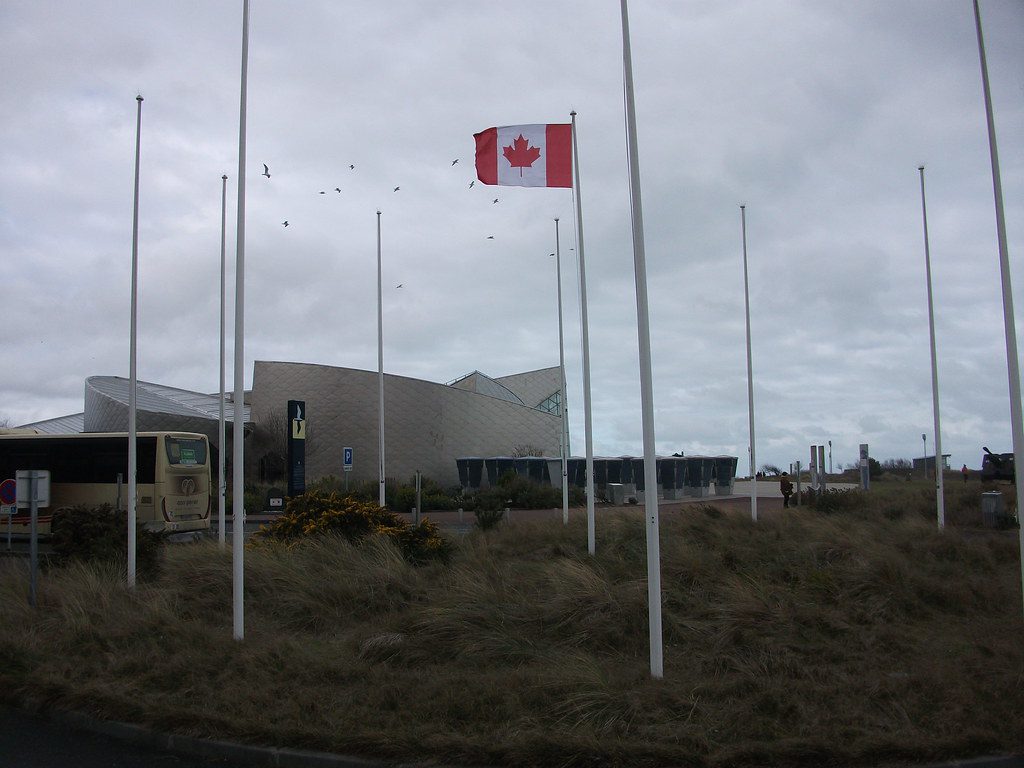 Courseulles-sur-Mer Market A Côte de Nacre market to combine with the harbor, local products, and the…
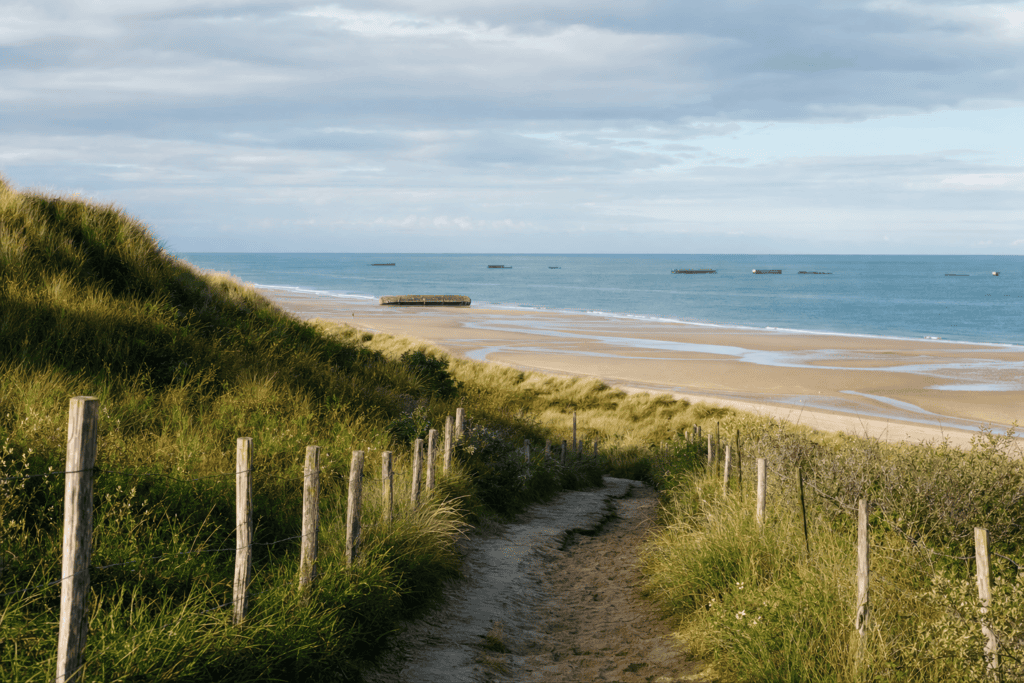 D-Day Beaches from Courseulles-sur-Mer From Courseulles-sur-Mer, discover Juno Beach, the Juno Beach Centre, Ver-sur-Mer, Arromanches, and the main sites of…
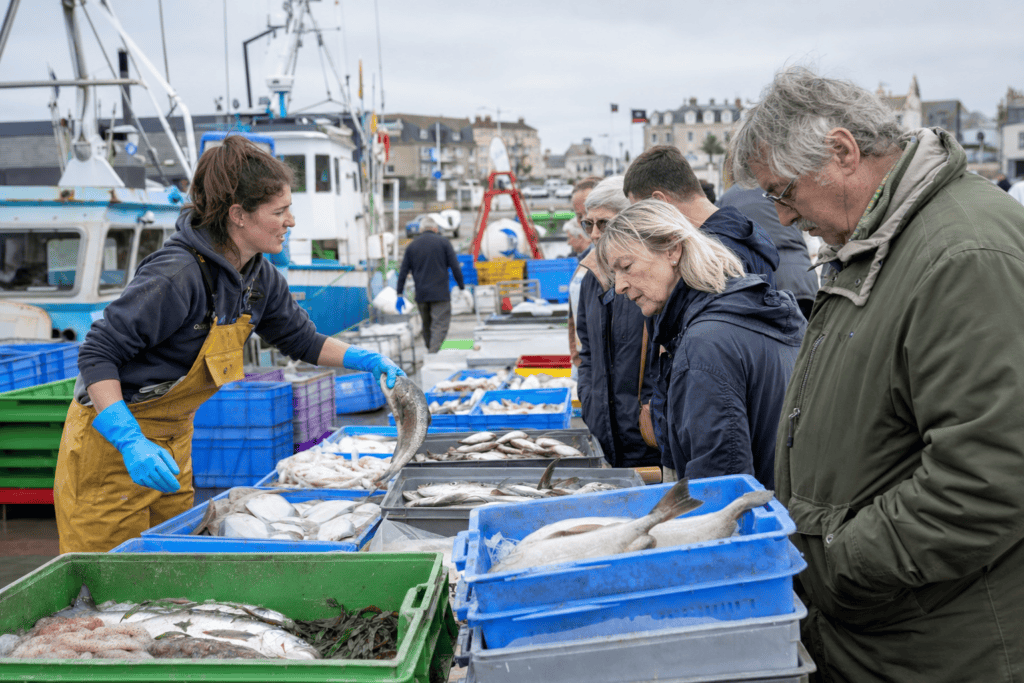 Courseulles-sur-Mer Fish Market A harbor market where you can discover the coast’s daily catch, the quays of Courseulles-sur-Mer, and its history…
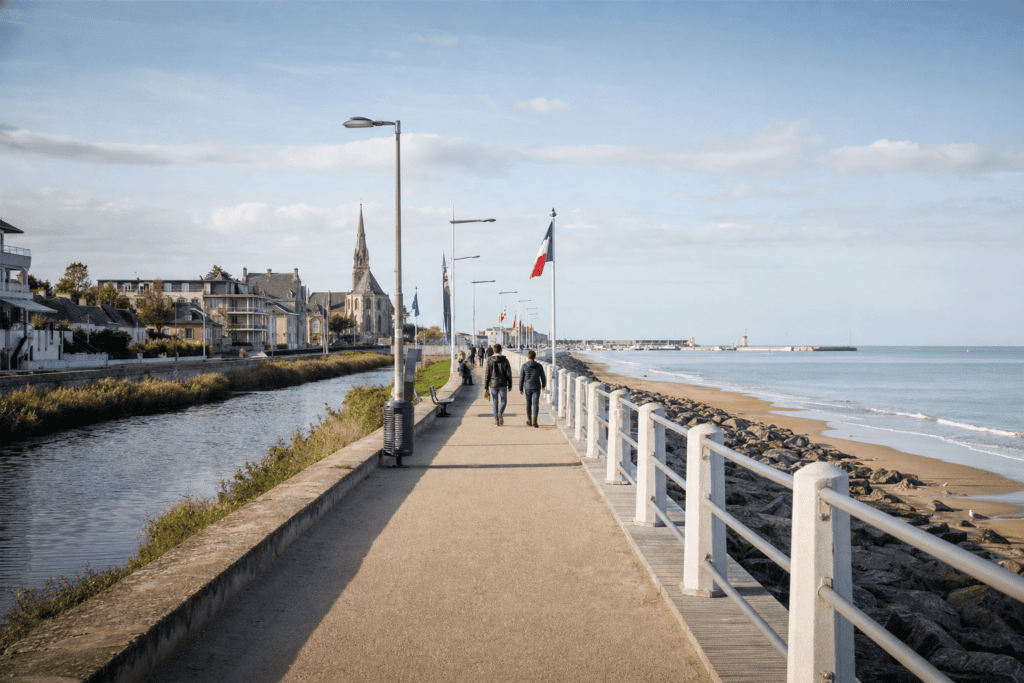 Seulles Riverside Walk and Seafront A walk along the Seulles, the port, Plage Plaisance, and the seawall of Courseulles-sur-Mer. Caen Memorial A historical excursion from Courseulles-sur-Mer to understand D-Day, the war, the Occupation, and the Battle of…
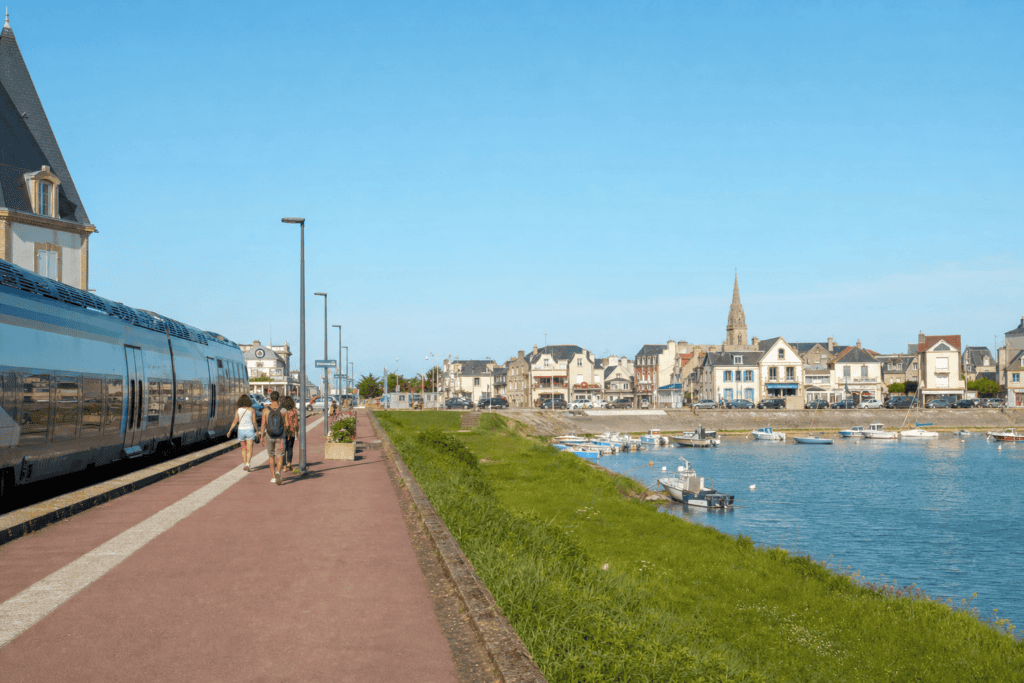 Getting to Courseulles-sur-Mer from Caen, Bayeux and Normandy train stations Train stations, the Nomad network, airports, and driving: every option for getting to Courseulles-sur-Mer and Juno Beach…
Online booking · Paris → Voie des Français Libres, 14470 Courseulles-sur-Mer, Normandy, France
Choose your pickup date and time
Your departure and arrival details are already pre-filled. You can adjust them in the fare calculator before viewing the vehicles and fare.