



Visiting the Caen Memorial from Courseulles
Courseulles-sur-Mer
From Courseulles-sur-Mer, the Caen Memorial offers a broad perspective on World War II, the D-Day landings, and the Battle of Normandy. This visit naturally complements discovering Juno Beach, the Juno Beach Centre, and the Canadian memorial sites along the Côte de Nacre. By car, the trip from central Courseulles is generally around 25 to 30 kilometers, or approximately 30 to 40 minutes depending on traffic and your starting point. Allow half a day for the museum, or a full day if you add Caen’s historic center. Hours, exhibitions, admission fees, reservations, accessibility arrangements, and parking procedures may change: check the official information before you leave.
Practical information
Spend one day at the Memorial and in Caen, then another in Courseulles, at Juno Beach, and at the Canadian sites. This schedule avoids packing too many memorial sites into a single day.
Planning your itinerary from Paris
Private transportation can connect Paris, the Île-de-France region, Paris-Charles-de-Gaulle, or Paris-Orly with Courseulles-sur-Mer and the Caen Memorial, with a return to Paris according to your schedule. The service covers transportation only: it does not include admission tickets, ticketing, or a guided tour.
Service departing from Paris, the Île-de-France region, CDG, or ORY. Booking Paris Transfer is not a local operator based in Caen and does not sell museum tickets.
Why visit the Memorial from Courseulles-sur-Mer?
Courseulles-sur-Mer holds an important place in the memory of D-Day. On June 6, 1944, Canadian forces landed on Juno Beach, an area that included Courseulles and neighboring towns along the Côte de Nacre. Today, the beach, seawall, harbor, and monuments offer a tangible understanding of the operational terrain. The Juno Beach Centre provides a specifically Canadian perspective, while the Caen Memorial places this episode within a much broader history.
A visit to the Memorial thus complements the coastal experience. It explains the preparation for the landings, the political and military context of the war, the Occupation, and the fighting of the Battle of Normandy. Starting from Courseulles, travelers move from a landscape directly associated with June 6 to a chronological and international perspective.
This excursion is ideal for visitors staying along the Côte de Nacre who want to deepen their experience without changing accommodations. It is also relevant for an itinerary focused on the D-Day beaches from Caen or Bayeux.
The museum’s collections and historical exhibits
The Caen Memorial is not limited to an account of the D-Day landings. Its exhibits cover the origins of World War II, the rise of totalitarian regimes, the war in Europe, the Occupation, the Resistance, persecution, and the lives of civilians. This broader context is useful before visiting Juno Beach, as it shows that the June 6, 1944 operation was part of a global conflict prepared over several years.
The sections devoted to the D-Day landings and the Battle of Normandy present Allied coordination, logistics, the fighting, and the consequences of liberation. The city of Caen holds a special place in this history: heavily damaged by bombing and fighting, it was later rebuilt. Maps, photographs, objects, films, and personal testimonies make the visit substantial and sometimes poignant.
To get the most from your visit, choose a focus before entering: the civilian experience, military strategy, Canada’s role, or reconstruction. Regular breaks are recommended, as the historical content is extensive and some galleries may be emotionally difficult.
Driving from Courseulles-sur-Mer to Caen
From central Courseulles-sur-Mer, the route generally follows the roads along the Côte de Nacre toward Caen. As you approach the city, take the urban roads leading toward northwestern Caen and Esplanade Général Eisenhower. Enter the museum’s address directly into your navigation, rather than Caen Castle or the train station, since the Memorial is in another part of the city.
The trip is often 25 to 30 kilometers and takes approximately 30 to 40 minutes under normal conditions. This is only a guideline: roadwork, traffic entering Caen, weather, local events, and commemorative ceremonies can affect the journey time. In July, August, and around June 6, allow plenty of extra time, especially if you have a reservation or a fixed appointment.
For a well-balanced day, a morning museum visit can be followed by lunch and a walk through the old town. Adding Arromanches, Bayeux, and Omaha Beach on the same day would generally be too ambitious. These sites are better visited on a separate day.
Connecting the museum with Caen and the D-Day beaches
Caen is worth exploring beyond the Memorial. Caen Castle recalls the city’s medieval history, while the Abbaye-aux-Hommes and Abbaye-aux-Dames bear witness to its ducal and religious past. The neighborhoods rebuilt after 1944 offer another perspective on the war: they show the consequences of the bombings and the city’s postwar revival. Depending on the time available, a walk through the city center can therefore usefully complement a museum visit.
Back in Courseulles-sur-Mer, set aside time for the Juno Beach Centre, the beach, the seawall, the harbor, and the Canadian monuments. The Canadian military cemetery at Bény-sur-Mer, located in Reviers, can extend your itinerary into the countryside. Check its exact location, access, and visitor guidelines before setting out.
Arromanches, Bayeux, Omaha Beach, and the American Cemetery at Colleville-sur-Mer are also major stops, but their distance makes it preferable to plan your trip over several days. A stay beginning in Paris can include Courseulles, Caen, and the other Normandy sites without multiplying long round trips.
Getting there without a car: regional routes and connections
Without a car, traveling from Courseulles-sur-Mer requires a connection in Caen. Check the network Nomad Normandie to find the regional route, departure stop, and exact service for the day. Schedules vary depending on weekdays, school holidays, and traffic periods; it is best to check the route using the official journey planner rather than rely on a theoretical itinerary.
Once you arrive in Caen, the Memorial is not immediately near the train station. Continue using the urban network Twisto, or consider taking a taxi depending on your arrival time and the connections available. Check the name of the final stop, walking time, and return frequency before leaving Courseulles. Also allow extra time if you are traveling with children or luggage.
From Bayeux, you can take the train to Caen, but it does not go directly to Courseulles-sur-Mer or the museum. In both cases, an additional urban or regional connection is required. Private transportation departing from Paris, the Île-de-France region, or a Paris airport can simplify the journey, without including admission tickets or a guided tour.
Harbor, accommodations, and dining in Courseulles
Courseulles-sur-Mer’s harbor, located at the mouth of the Seulles River, shapes the character of the resort. The quays, marina, and maritime activity make for a pleasant walk before or after visiting Juno Beach. However, the fish auction and seafood sales should not be considered permanent attractions: their hours and operations depend on the businesses and the season.
For a meal, places such as La Crémaillère, located on the seafront, or Chez Suzanne, in the harbor area, may appeal to travelers looking for coastal cuisine. Check menus, opening days, hours, and whether reservations are required directly with the restaurants. Outside the high season, options may be more limited; in summer, demand is often higher.
The Hôtel La Crémaillère, vacation residences, and accommodations in the town center offer several options for staying overnight. Compare the actual distance to the beach and harbor, arrival arrangements, and parking availability. Spending a night in Courseulles makes a quieter morning visit easier and avoids combining Juno Beach and the Memorial on the same day.
Tips for a family and remembrance-focused visit
The Memorial is particularly suited to teenagers and adults, but its content may be difficult for younger children. The galleries address persecution, bombing, combat, destruction, and civilian casualties. Before your visit, explain the context in age-appropriate terms and feel free to select certain sections if your children’s attention span or sensitivity calls for it.
Four hours is a useful guideline, but there is no need to go through every gallery without a break. Comfortable shoes, a pause during the visit, and a flexible schedule make it easier to take in the testimonies. After the museum, a walk through central Caen or along the Courseulles seawall offers a change of pace. Enjoy the museum’s gardens and outdoor areas according to the day’s conditions and access rules.
People with reduced mobility, groups, and visitors who need specific assistance should contact the museum before their visit to learn about the facilities available. Guided tours, educational activities, temporary exhibitions, and any reservations follow their own schedules. At all the Juno Beach and Battle of Normandy sites, behave respectfully and allow enough time to honor the memory preserved there.
Useful sources
Frequently Asked Questions
How long does it take to get from Courseulles-sur-Mer to the Caen Memorial?
Does the Caen Memorial have parking?
Can you visit the Memorial and Juno Beach on the same day?
How do you get to the Memorial without a car from Courseulles-sur-Mer?
Does the Memorial cover only the D-Day landings?
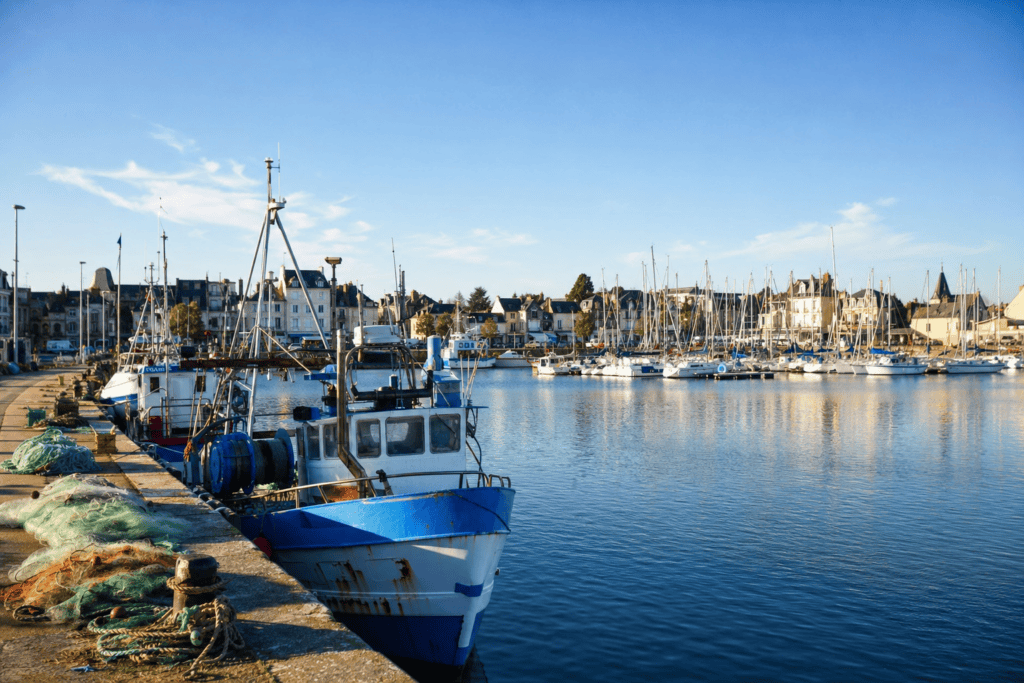 Courseulles-sur-Mer Marina and Fishing Port A lively Côte de Nacre harbor, combining fishing, boating, Plage Plaisance, and Canadian remembrance…
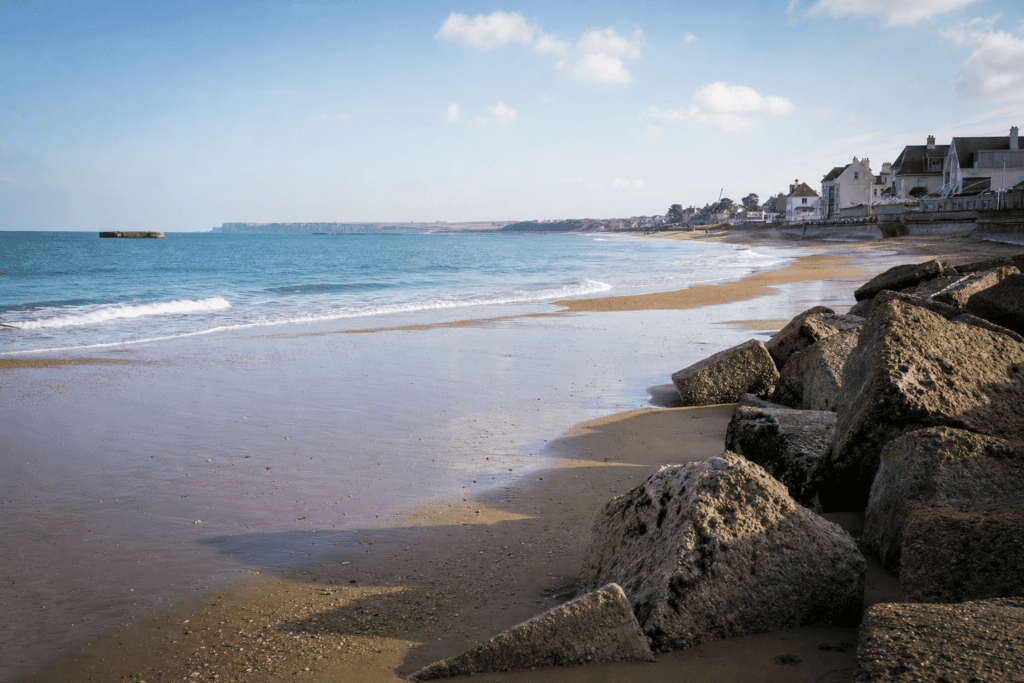 Juno Beach In Courseulles-sur-Mer, Juno Beach brings together the memory of the Canadian D-Day landings, the Juno Beach Centre, bunkers, the beach, and the harbor.
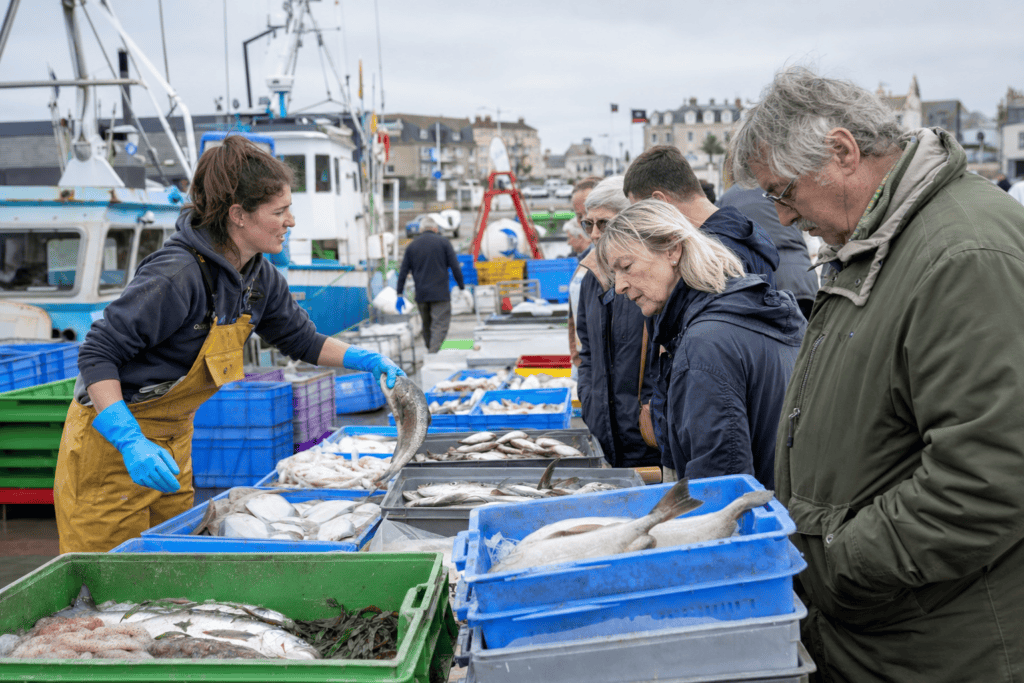 Courseulles-sur-Mer Fish Market A harbor market where you can discover the coast’s daily catch, the quays of Courseulles-sur-Mer, and its history…
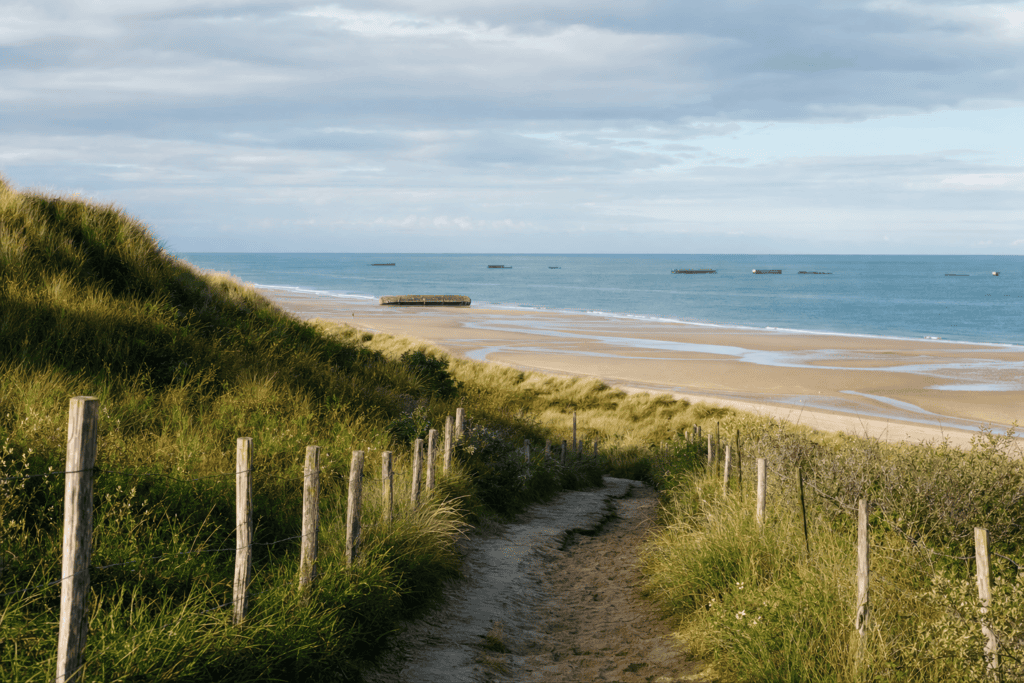 D-Day Beaches from Courseulles-sur-Mer From Courseulles-sur-Mer, discover Juno Beach, the Juno Beach Centre, Ver-sur-Mer, Arromanches, and the main sites of…
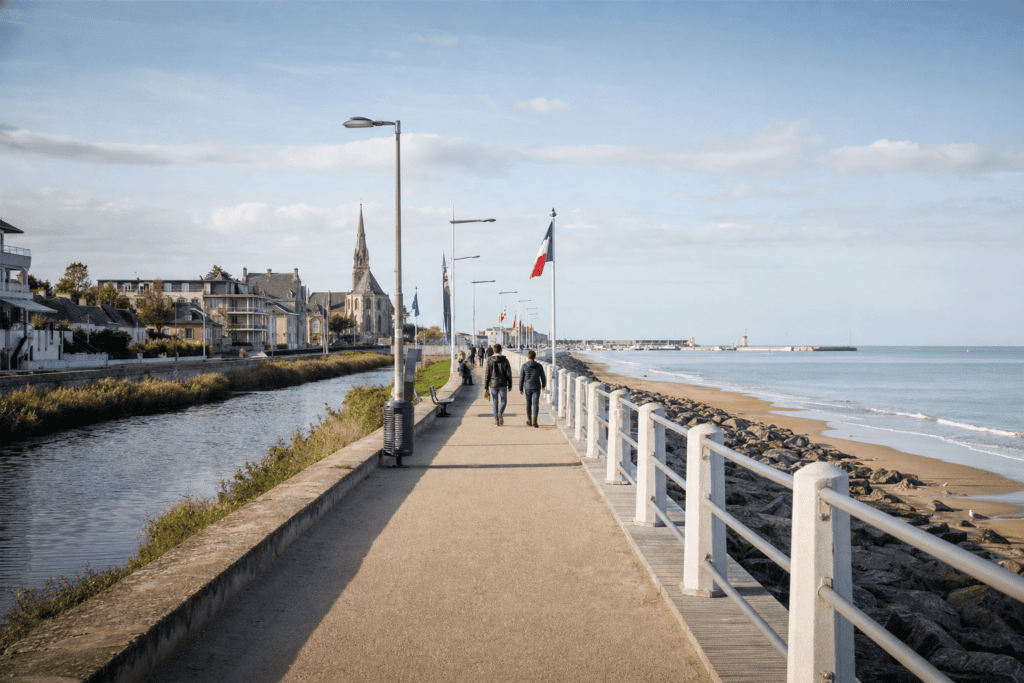 Seulles Riverside Walk and Seafront A walk along the Seulles, the port, Plage Plaisance, and the seawall of Courseulles-sur-Mer.
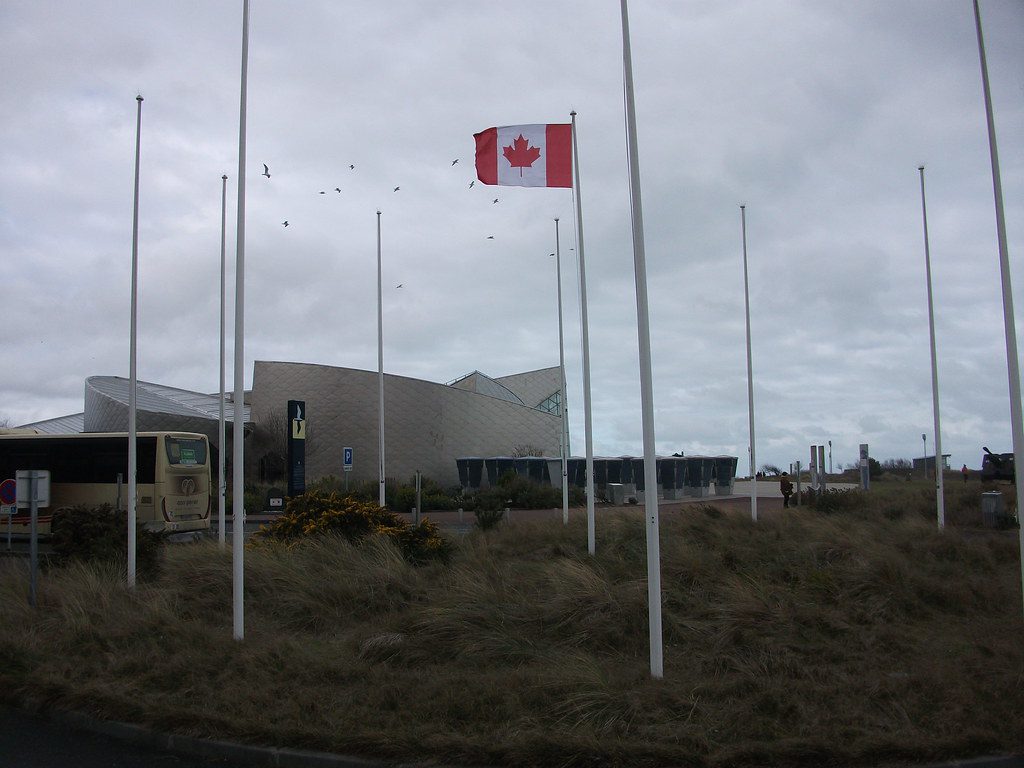 Courseulles-sur-Mer Market A Côte de Nacre market to combine with the harbor, local products, and the…
Online booking · Paris → Esplanade Général Eisenhower, 14050 Caen, France
Choose your pickup date and time
Your departure and arrival details are already pre-filled. You can adjust them in the fare calculator before viewing the vehicles and fare.