



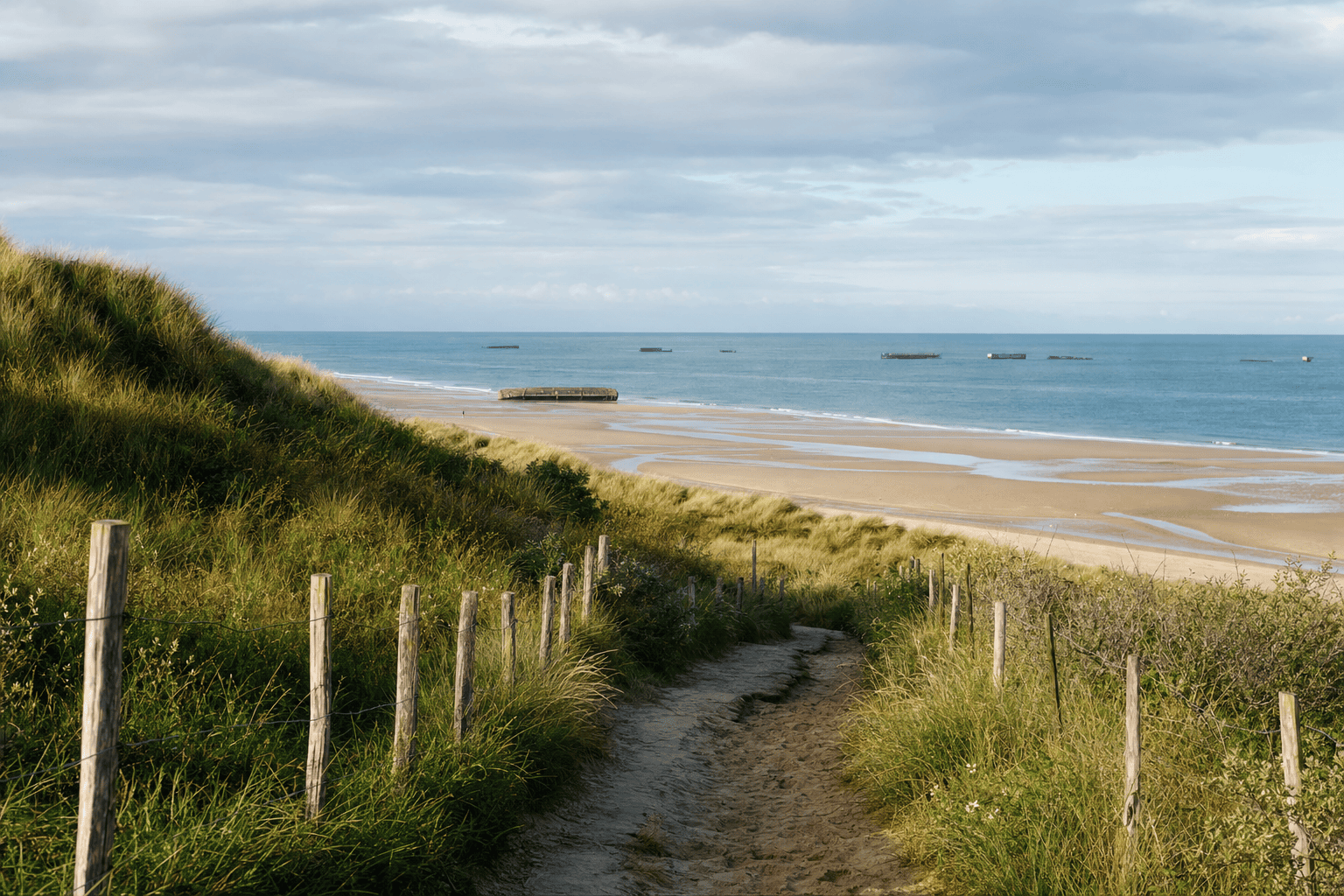
D-Day Beaches from Courseulles-sur-Mer
Courseulles-sur-Mer
The D-Day Beaches from Courseulles-sur-Mer begin at Juno Beach, the sector assigned to Canadian forces on June 6, 1944. The Juno Beach Centre, the seafront, the Cross of Lorraine, and the remains of the Atlantic Wall form a coherent first route before branching out toward Ver-sur-Mer, Arromanches-les-Bains, Sword Beach, Bayeux, and the military cemeteries. Courseulles-sur-Mer also offers a harbor at the mouth of the Seulles, a beach, and a waterfront promenade where visitors can alternate between remembrance, heritage, and coastal scenery. This Calvados base works well for a day focused on Juno as well as for a longer stay devoted to the different D-Day sectors.
Practical information
Start at the Juno Beach Centre, check tide times for coastal walks, and limit the number of stops so you can devote enough time to the museums and memorial sites.
Getting to Courseulles-sur-Mer from Paris
For a private itinerary departing from Paris, the Île-de-France region, CDG, or ORY, Booking Paris Transfer can arrange transportation to Courseulles-sur-Mer and several coastal sites, with a return to Paris or onward travel to another destination in Normandy. Admission tickets and visits must be booked directly with the official venues.
Transportation is available from Paris, the Île-de-France region, CDG, or ORY. Booking Paris Transfer does not sell admission tickets and is not a local operator based in Courseulles-sur-Mer.
Why choose Courseulles-sur-Mer as a base?
Courseulles-sur-Mer occupies a particularly strategic position on the Côte de Nacre, at the heart of the Juno Beach sector. The town lies between Gold Beach to the west and Sword Beach to the east, making it possible to plan several itineraries without changing accommodations every night. For a first visit, this location offers a more balanced base than an itinerary attempting to connect all the beaches in a single day.
Your visit can begin on foot around the harbor, the mouth of the Seulles, and the seafront. The Juno Beach Centre is close to the beach and immediately provides essential context about the role of the Canadian forces. From there, a car makes it easy to reach Ver-sur-Mer, Arromanches-les-Bains, Bény-sur-Mer, or Bayeux. Travelers get a historical base as well as a genuine seaside resort with shops, cafés, restaurants, and a waterfront promenade. Opening hours may vary outside the high season, so it is best to check them before planning a full day of sightseeing.
Juno Beach and the Juno Beach Centre
The Juno Beach Centre is the main stop in Courseulles-sur-Mer. This Canadian museum presents Canada’s involvement in World War II, the role of Canadian forces on June 6, 1944, and the consequences of the conflict for local populations. Its collections and educational exhibits place Juno in the context of Operation Overlord and the Battle of Normandy. This background is valuable before walking along the beach, as it keeps the site from being reduced to a simple coastal landscape.
After the museum, the seafront and the preserved elements of the Atlantic Wall offer a more tangible understanding of the terrain. The Cross of Lorraine commemorates General de Gaulle’s visit to Courseulles on June 14, 1944. The beach remains a lively seaside space, but the commemorative markers invite a more thoughtful visit. Check the Juno Beach Centre’s official website before departure for opening hours, possible reservations, and access information. When traveling with children, allow enough time for the educational content rather than making a quick photographic stop.
From Juno Beach to Ver-sur-Mer and Arromanches
Ver-sur-Mer is a logical stop to the west. The British Normandy Memorial, located on the heights, honors the forces involved in the D-Day landings and the Battle of Normandy. Its setting offers a geographical view of the coast and inland area: the beaches, villages, and military objectives appear within a single landscape. The visit focuses on names and dates, calling for a respectful attitude and time to walk through the memorial.
At Arromanches-les-Bains, the remains of the Mulberry artificial harbor can be seen offshore and on the foreshore, depending on the tide. The D-Day Museum explains the construction and use of this infrastructure, which was essential to Allied resupply, while Arromanches 360 offers an audiovisual perspective on the Battle of Normandy. From Courseulles, the Juno, Ver-sur-Mer, and Arromanches sequence makes for a coherent day, but you will need to prioritize indoor visits. Check each venue’s opening hours, any ongoing work, and access arrangements directly before setting out.
Sword Beach, Ouistreham, and Pegasus Bridge
The Sword Beach sector extends eastward around Hermanville-sur-Mer, Colleville-Montgomery, and Ouistreham. British forces landed here with the participation of the French commandos led by Commander Kieffer. Today’s beaches and sea walls provide a few points of reference, but the museums and monuments are essential for understanding the objectives of June 6, particularly the advance toward Caen and the securing of strategic points along the coast.
In Ouistreham, the Grand Bunker – Museum of the Atlantic Wall occupies a former German command post. The N°4 Museum covers the operations involved in the capture of the port. Farther south, the Pegasus Memorial and Bénouville Bridge extend the visit to the airborne operations carried out during the night before the landings. From Courseulles, this is a packed loop, so plan on a separate half-day or full day. Combining it with Juno, Arromanches, and Bayeux risks turning the visit into a series of overly brief stops.
Cemeteries, memorials, and museums around Juno
The beaches show the operation’s geographical scale; the cemeteries and memorials recall its human cost. The Bény-sur-Mer Canadian War Cemetery, inland behind Juno Beach, contains the graves of Canadian soldiers who died during the Battle of Normandy. Its peaceful setting invites visitors to read the inscriptions and respect the site’s funerary character. This is not a stop to rush through between two tourist attractions.
The Douvres-la-Délivrande radar station offers another perspective on German surveillance and intelligence operations. In Bayeux, the Memorial Museum of the Battle of Normandy places the D-Day landings within the weeks of fighting that followed June 6. The Bayeux British War Cemetery complements this perspective with its scale and memorial significance. A balanced itinerary might combine the Juno Beach Centre, Bény-sur-Mer, Ver-sur-Mer, and Arromanches. With more time, add Bayeux or Sword Beach, checking the rules and opening hours for each site.
Access from Caen, Bayeux, and car-free routes
From Paris, trains serve Caen, the main rail gateway to Courseulles-sur-Mer. NOMAD Car line 3 connects Caen with Courseulles-sur-Mer; the exact stop, frequency, and timetable depend on the day and season and should be checked on nomad.normandie.fr before departure. This line is useful for reaching the resort, but it does not by itself serve all the museums and cemeteries along the coast. From Bayeux, a car, a taxi booked in advance, or a private transfer offers greater flexibility for creating a loop.
Cycling can complement your visit thanks to the Vélomaritime routes and the small roads between the towns. However, take the wind, distances, moderate elevation changes, and summer traffic into account. For a realistic day, start in Courseulles, continue toward Ver-sur-Mer or Bény-sur-Mer, then choose Arromanches or a return via Bayeux. Restaurants and shops may have seasonal hours, so booking ahead or checking in advance can prevent an ill-timed break. If you use the bus, plan an itinerary centered on Courseulles rather than trying to tour several beaches.
Seasonality, tides, and respect for the sites
The D-Day Beaches can be visited year-round, with different atmospheres depending on the season. In spring and early fall, the light and visitor levels often make it easier to walk at a more relaxed pace. In summer, Courseulles-sur-Mer becomes a busy seaside resort again, and parking capacity may be under greater pressure. June attracts large crowds for the ceremonies and D-Day Festival Normandy; traffic restrictions, checks, or changes in access may then affect certain villages, beaches, or memorials.
The tide changes how the remains at Arromanches are seen and affects walking conditions on the foreshore. Check local tide times and respect restricted areas, private property, and safety instructions. At cemeteries, museums, and memorials, behave quietly: do not climb on monuments, move any objects, or make excessive noise. Before setting out, check official information about opening hours, reservations, construction, parking, and public transportation access. This preparation makes the itinerary smoother while leaving sufficient time for reflection, observing the landscape, and engaging with the sites you visit.
Frequently Asked Questions
Which visit should you start with from Courseulles-sur-Mer?
Can you see Gold, Juno, and Sword in one day?
How do you get to Courseulles-sur-Mer from Caen by public transportation?
How do you get to Courseulles-sur-Mer from Paris?
Is Courseulles-sur-Mer suitable for a family visit?
Do you need to book the D-Day museums?
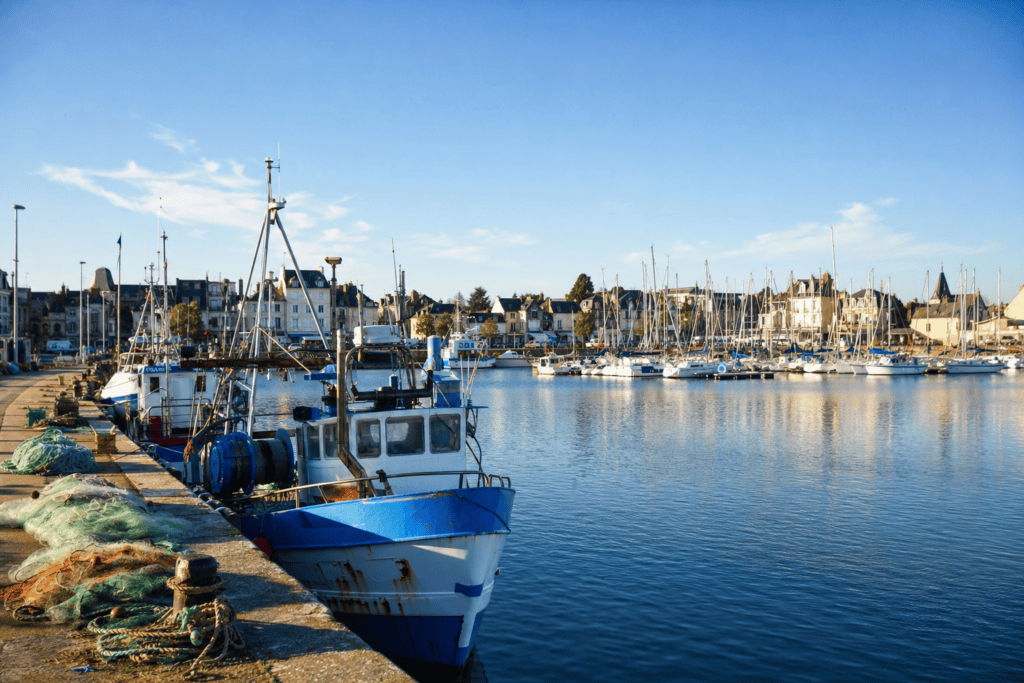 Courseulles-sur-Mer Marina and Fishing Port A lively Côte de Nacre harbor, combining fishing, boating, Plage Plaisance, and Canadian remembrance…
 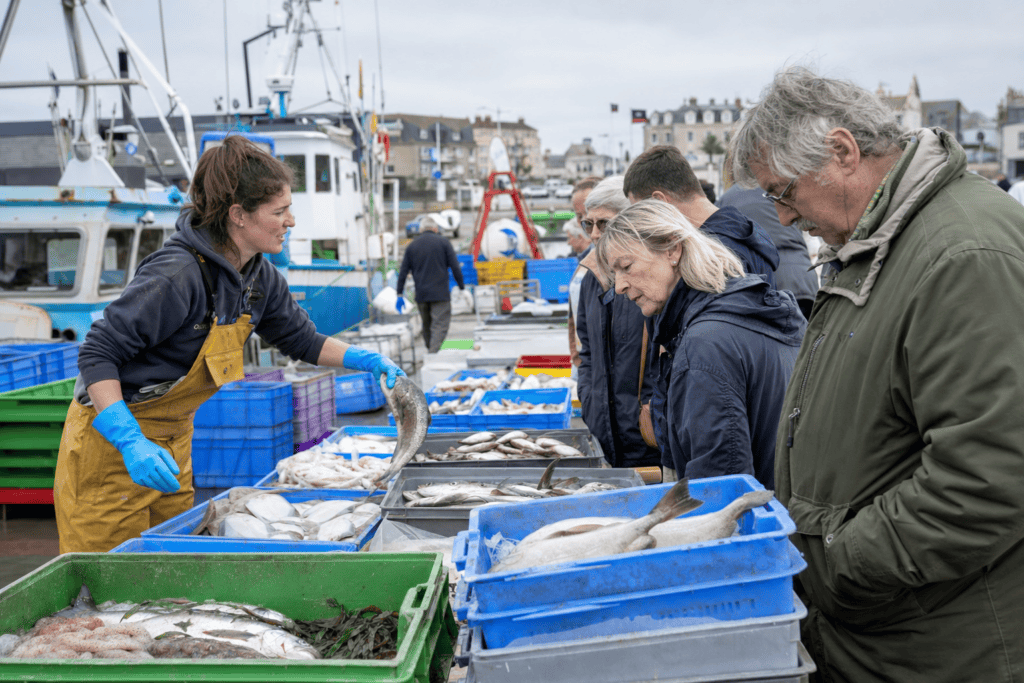 Courseulles-sur-Mer Fish Market A harbor market where you can discover the coast’s daily catch, the quays of Courseulles-sur-Mer, and its history…
 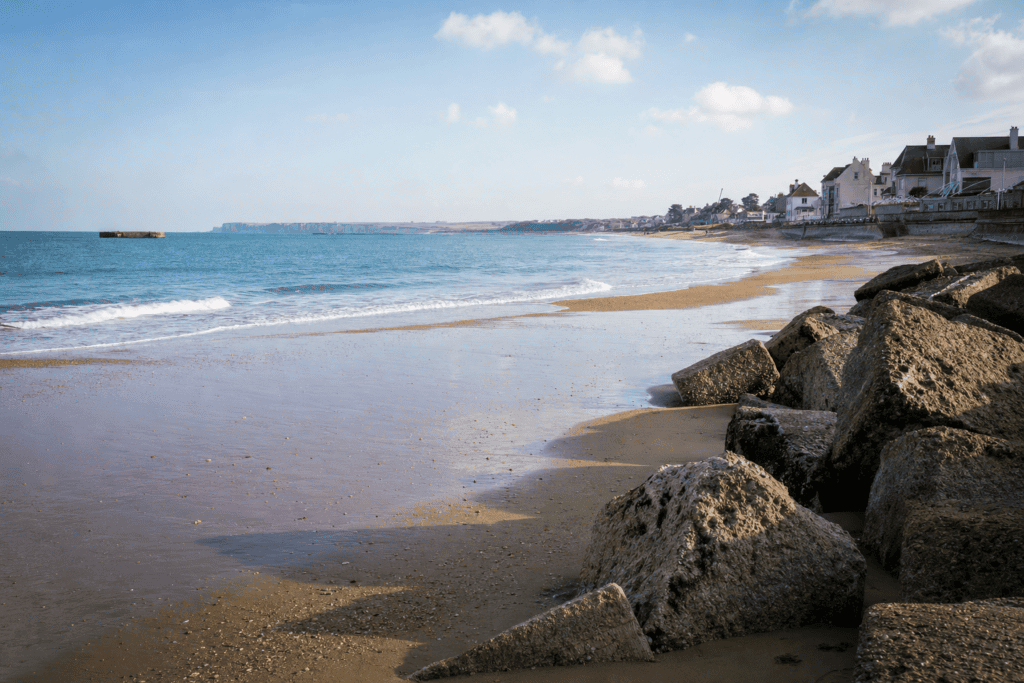 Juno Beach In Courseulles-sur-Mer, Juno Beach brings together the memory of the Canadian D-Day landings, the Juno Beach Centre, bunkers, the beach, and the harbor.
 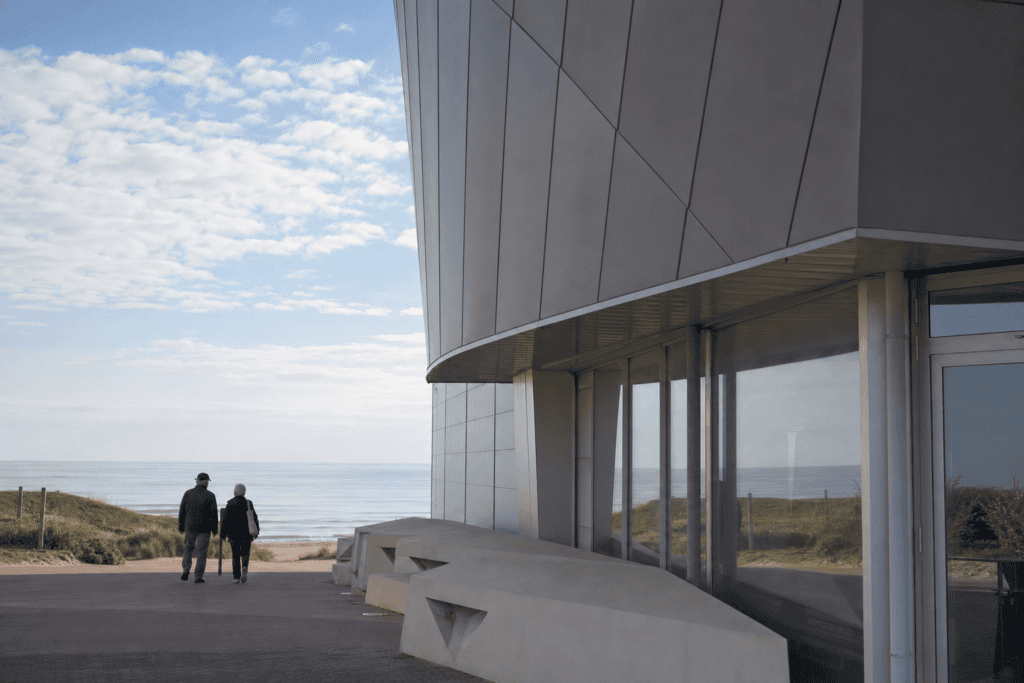 Juno Beach Centre The leading Canadian museum at Juno Beach, exploring D-Day history, personal testimonies, and the discovery of…
 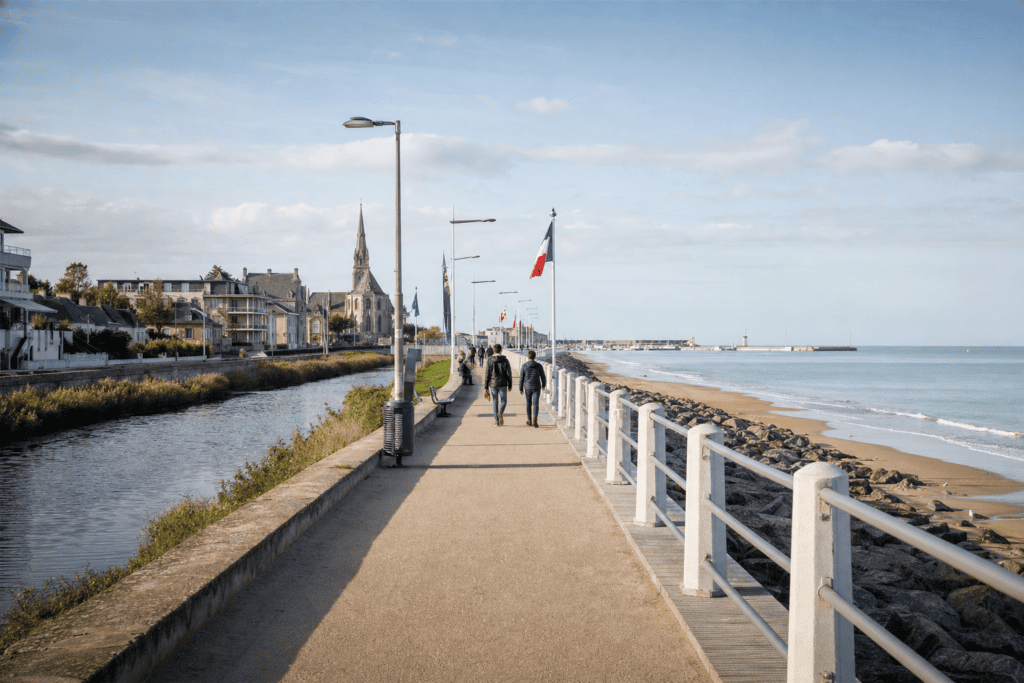 Seulles Riverside Walk and Seafront A walk along the Seulles, the port, Plage Plaisance, and the seawall of Courseulles-sur-Mer.
 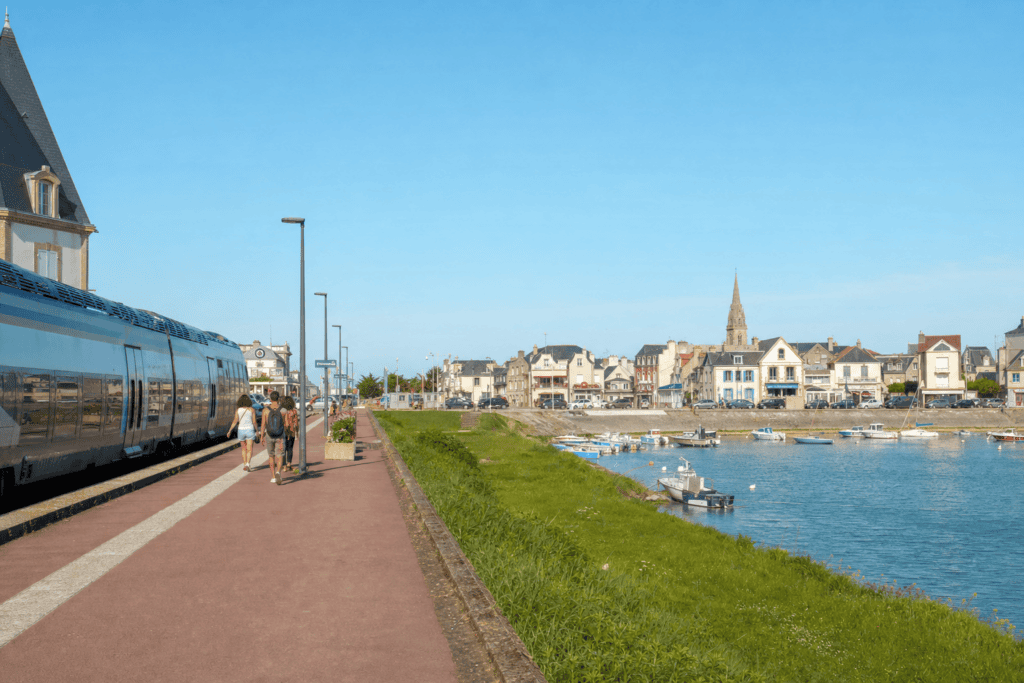 Getting to Courseulles-sur-Mer from Caen, Bayeux and Normandy train stations Train stations, the Nomad network, airports, and driving: every option for getting to Courseulles-sur-Mer and Juno Beach…
 Online booking · Paris → Courseulles-sur-Mer, Calvados, Normandy
Choose your pickup date and time
Your departure and arrival details are already pre-filled. You can adjust them in the fare calculator before viewing the vehicles and fare.