



Courseulles-sur-Mer Fish Market: A Practical Guide
Courseulles-sur-Mer
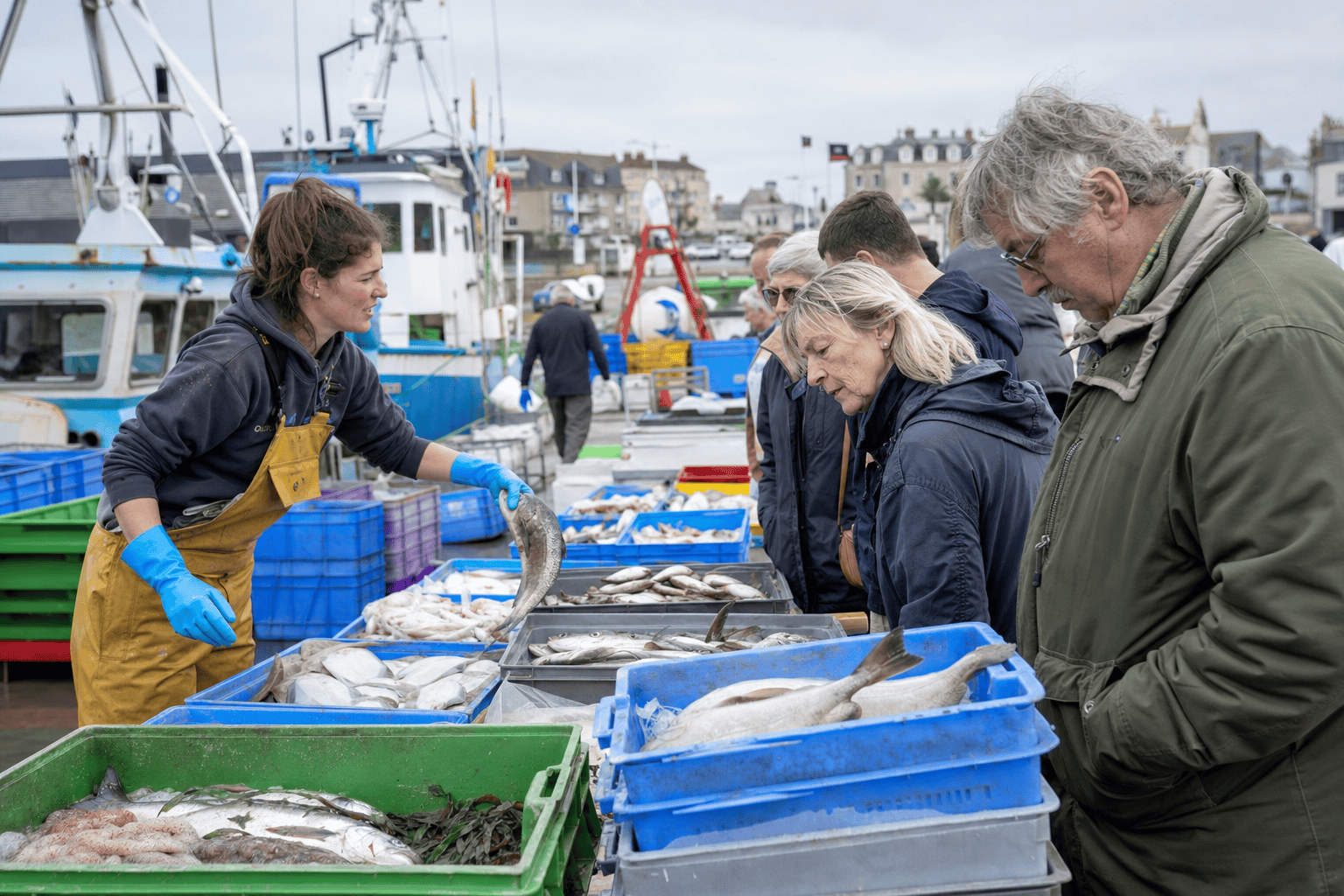
On Quai des Alliés, the Courseulles-sur-Mer fish market offers a close-up look at the maritime identity of the Côte de Nacre. The stalls reflect the day’s catch and the work of local professionals, so the species, quantities, days of operation, and hours may vary. This short visit combines easily with the fishing port, marina, Juno Beach, and the Juno Beach Centre. Here’s how to make the most of the site, choose seafood, transport it properly, and plan a respectful visit to a quay that remains a working space.
Practical information
To buy fish or shellfish, bring a clean cooler with ice packs and plan the market for the end of your itinerary to minimize the time before refrigeration.
Getting to Courseulles-sur-Mer from Paris
Booking Paris Transfer offers a private transfer from Paris, a Paris hotel, CDG, or ORY to Courseulles-sur-Mer, with a return to Paris or continuation of an itinerary focused on the D-Day beaches. This option makes it easy to combine the market, Juno Beach, Bayeux, and several Normandy sites. Admission fees, meals, and purchases are not included.
Departure from Paris, a Paris hotel, CDG, or ORY; return to Paris or continuation of an itinerary in Normandy.
The Market in Courseulles Harbor
The fish market is best understood by first exploring its surroundings. Quai des Alliés is part of the port of Courseulles-sur-Mer, where commercial fishing, boating, walking, and water activities exist side by side. The stalls are therefore set in a genuinely maritime setting, near boats, port equipment, and handling areas. This setting distinguishes the market from an ordinary regional-produce shop.
The town is one of the landmarks of the Côte de Nacre and the Juno Beach area. However, visible activity varies depending on trips at sea, weather, tides, maintenance periods, and crew availability. Don’t expect to see every boat or the same volume of products on every visit. The site’s appeal lies precisely in its connection to the day’s activity.
Visitors can observe crates, catches, and the organization of the quays without disrupting the work. Stay in areas open to the public, allow vehicles and professionals to pass, and do not handle equipment or merchandise. The market is both a place to shop and a window into local harbor life.
Days, Stall Availability, and Fresh Catches
The presence of vendors should not be treated like that of a business operating on a fixed schedule. Municipal and tourism information may mention the market, but the reality of any stall depends on landings, the season, weather, and professional activity. Before coming specifically for a particular species, check the town’s calendar or the tourist office and confirm the day’s conditions.
Morning generally offers a better chance of seeing the port at its liveliest and finding fresh products, but this does not guarantee an opening time or a catch. A canceled trip, rough seas, or a quieter period may change the atmosphere and the amount available. Market days and the summer season may also draw more visitors, making parking more difficult.
Sales are directly tied to the products available: quantities may be limited and some stalls may not be present. Ask the vendor where the products came from, when they were landed, and how to prepare them. For an observational visit, allow some flexibility rather than building your plans around an assumed schedule.
Fish, Shellfish, and Crustaceans
The selection changes with the season and the catch. You may find different fish, shellfish, or crustaceans from the Normandy coast, but no fixed list can be guaranteed. Species, sizes, and quantities depend on fishing conditions and the landings that actually take place. Old photographs or traveler reviews should not be treated as an inventory of the day’s selection.
Scallops are particularly associated with Normandy cuisine and the English Channel coast. However, availability depends on the season, regulations, and the catch. Confirm their availability, size, and price directly. The same applies to whole fish, fillets, mussels, oysters, and crustaceans: ask what is available and what quantity is suitable for your meal.
Vendors may sometimes offer cleaning, scaling, preparation, or packaging, but these services are not necessarily the same at every stall. Explain how long you’ll be traveling and what kitchen equipment you have. A visitor staying nearby will make a different choice from a family traveling for several hours to Caen, Bayeux, or Paris.
Tips for Buying on the Quay
Start by looking over the stalls before choosing. Check the available information, compare formats, and tell the vendor how many people you’re serving. This helps avoid buying too much or choosing a product that is difficult to prepare in a vacation rental. If you don’t know a species, ask about its flavor, cooking method, and recommended serving size.
Also ask the professional about origin and storage. Freshness cannot be judged by appearance alone: transport conditions, packaging, and the time before refrigeration matter just as much. A vendor can tell you whether the product should be eaten promptly, cooked the same day, or stored with particular precautions.
The port remains a working environment. Keep children close, don’t stand in front of vehicles, crates, or service entrances, and ask before photographing someone at work. Keep pets under control. An attentive, discreet visit lets you enjoy the site’s authenticity without turning fishing operations into a spectacle.
Transporting and Storing Your Purchases
Storage arrangements should be made before you buy. A clean cooler with ice packs can work for a short trip, provided you keep it closed and out of the sun. It does not replace a refrigerator: avoid leaving products in a hot car or carrying them around during several other visits. If your itinerary includes the Juno Beach Centre, Bayeux, or several towns, plan the market as your last stop.
Ask for product-specific storage instructions, especially for shellfish and crustaceans. Don’t automatically apply the storage life of one type of fish to another product. Follow the vendor’s instructions and any information on the packaging. If in doubt, it’s better to buy an amount suited to quick consumption.
Travelers without a kitchen may prefer a meal at a Courseulles-sur-Mer restaurant rather than carrying fresh products all day. If you have accommodations, go straight there after making your purchase. For a return to Paris or a long excursion, make sure the travel time and cooling conditions are compatible with the product you bought.
Combining the Market with Juno Beach
Courseulles-sur-Mer is inseparable from Juno Beach, a D-Day sector where Canadian forces came ashore on June 6, 1944. The current port, seawalls, and beach do not tell the whole story of the operation on their own, but their proximity to the memorial sites adds historical depth to the walk. After exploring the quays, head to the beach and take time to look at the landscape before entering a museum.
The Juno Beach Centre presents Canada’s role in World War II and the experiences of Canadians during the Normandy campaign. Check its official source for opening hours and access conditions, especially in the off-season or on public holidays. The market, beach, and center form a coherent group of attractions, but it is best to allow separate time for each.
An extension to Bernières-sur-Mer or Saint-Aubin-sur-Mer allows you to continue exploring the Côte de Nacre. Monuments, cemeteries, and memorial spaces call for a respectful attitude: these are sites of remembrance, not merely photo backdrops. Wear suitable shoes and take wind, rain, and coastal tide conditions into account.
Getting There from Caen, Bayeux, and Paris
Courseulles-sur-Mer has no railway station. From Paris, travelers generally take a train to Caen or Bayeux, then complete the journey by road. The regional NOMAD Car network may suit some routes, but lines, stops, operating days, and schedules change. Check official information for the exact date and confirm the connection to the port rather than relying on a general timetable.
From Caen, follow the direction of the Côte de Nacre. From Bayeux, Courseulles-sur-Mer fits easily into an itinerary focused on Juno Beach and the neighboring towns. Summer weekends, June commemorations, and school holidays can increase driving times and make parking more difficult. Allow extra time, especially if you have a scheduled visit or need to keep fresh products chilled.
Booking Paris Transfer can arrange a private transfer from Paris, a Paris hotel, Charles de Gaulle Airport, or Orly Airport to Courseulles-sur-Mer, with a return to Paris or onward travel as part of a Normandy itinerary. The service covers transportation only: tickets, tours, meals, and purchases are arranged separately. This option is useful for combining the market, Juno Beach, and Bayeux without multiple connections.
Useful sources
Frequently Asked Questions
Where is the Courseulles-sur-Mer fish market located?
What days and hours is the market open?
Can you buy scallops there?
What can you visit near the market?
How can you get there without a car?
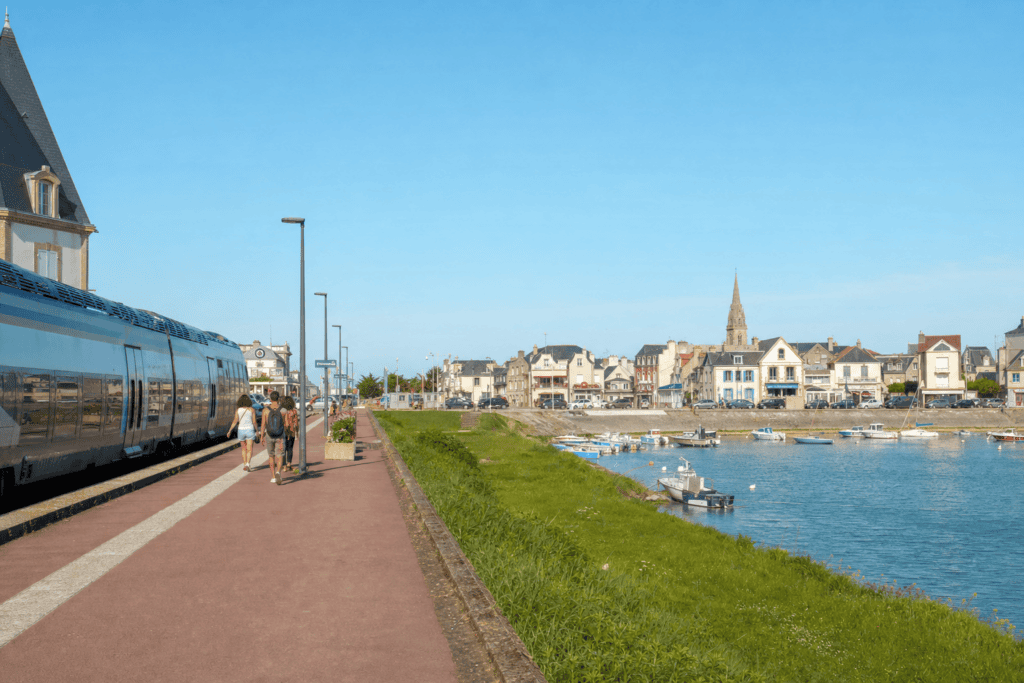 Getting to Courseulles-sur-Mer from Caen, Bayeux and Normandy train stations Train stations, the Nomad network, airports, and driving: every option for getting to Courseulles-sur-Mer and Juno Beach…
 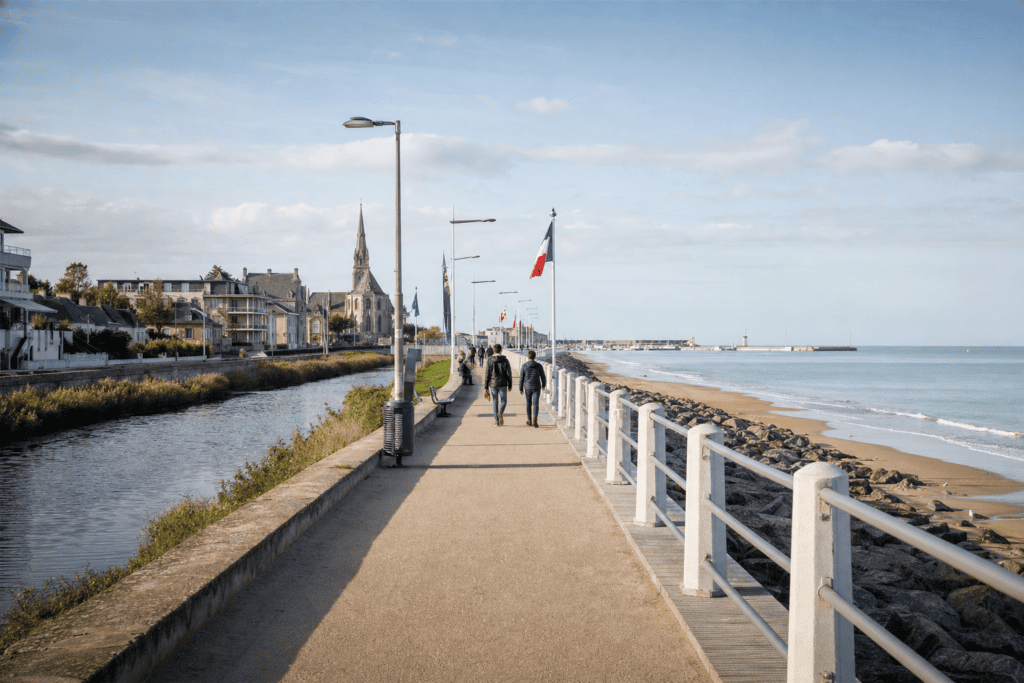 Seulles Riverside Walk and Seafront A walk along the Seulles, the port, Plage Plaisance, and the seawall of Courseulles-sur-Mer.
 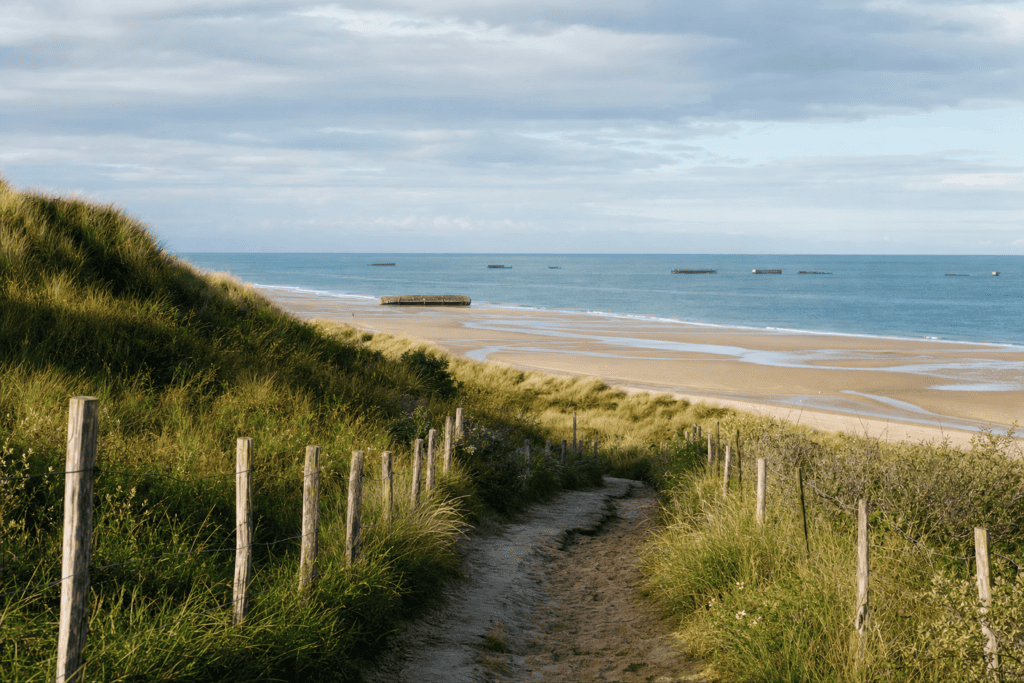 D-Day Beaches from Courseulles-sur-Mer From Courseulles-sur-Mer, discover Juno Beach, the Juno Beach Centre, Ver-sur-Mer, Arromanches, and the main sites of…
 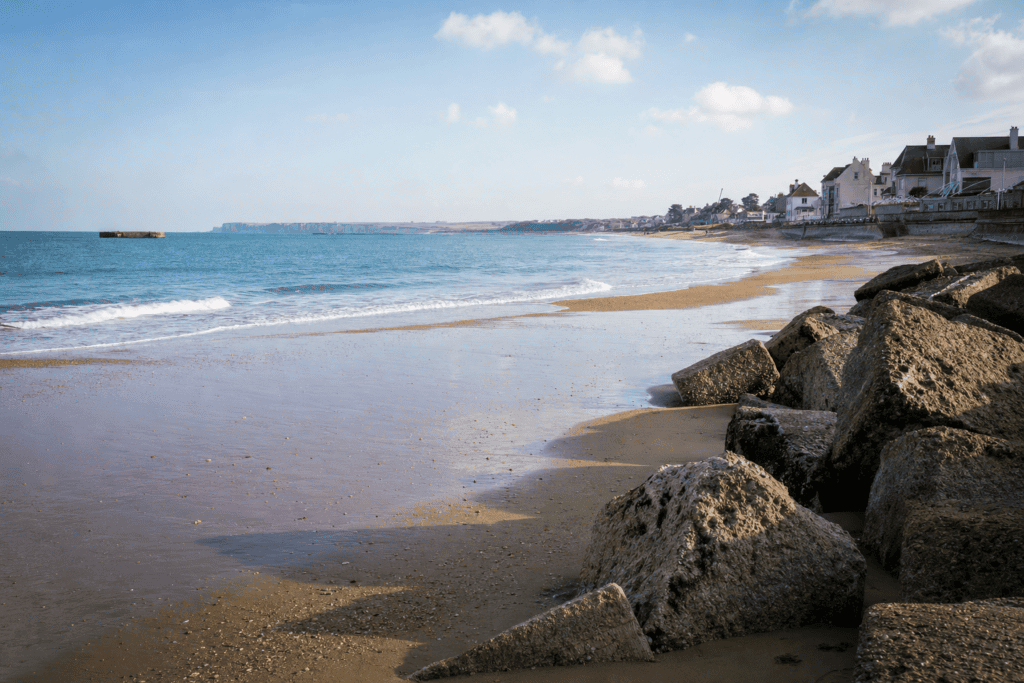 Juno Beach In Courseulles-sur-Mer, Juno Beach brings together the memory of the Canadian D-Day landings, the Juno Beach Centre, bunkers, the beach, and the harbor.
 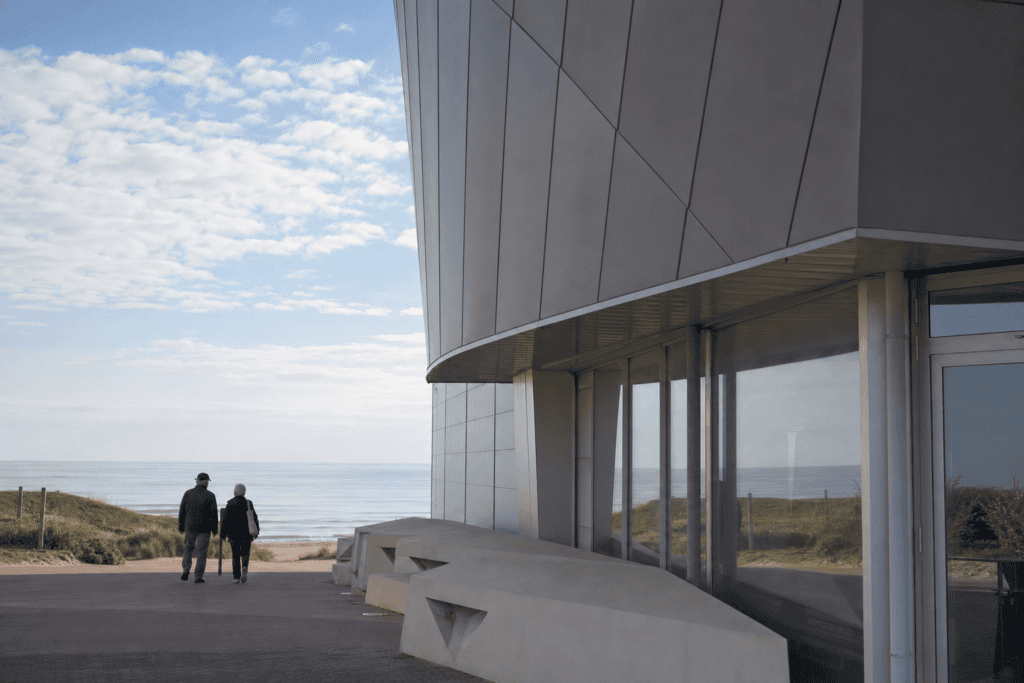 Juno Beach Centre The leading Canadian museum at Juno Beach, exploring D-Day history, personal testimonies, and the discovery of…
 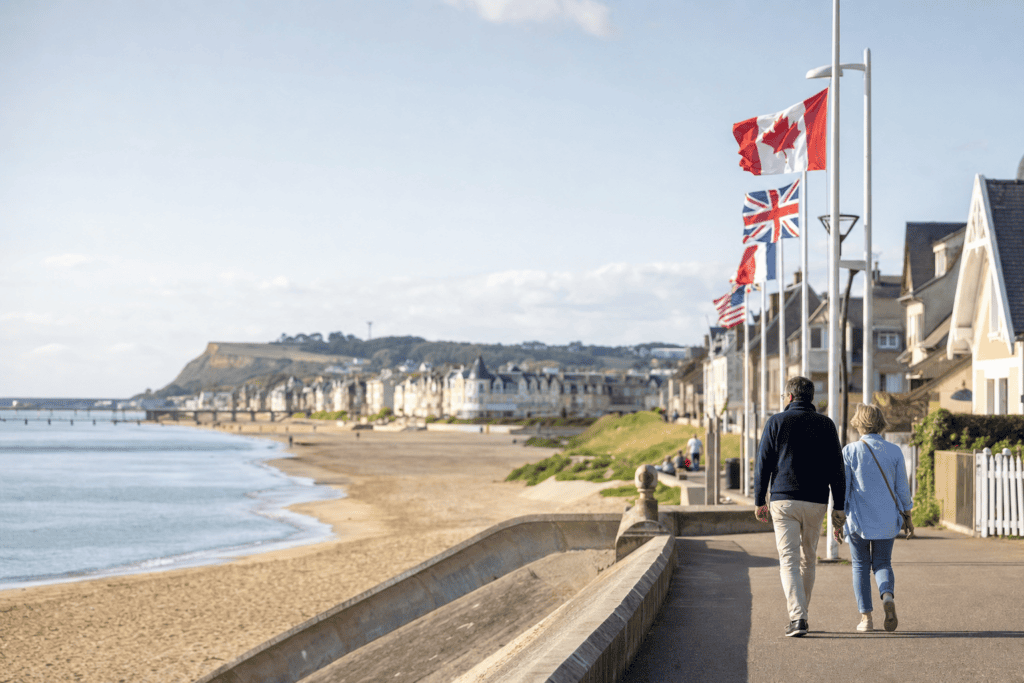 What to Do in Courseulles-sur-Mer Around D-Day A remembrance route around Juno Beach, the Juno Beach Centre, the harbor, and the surrounding towns…
 Book online · Paris → Quai des Alliés, fishing port, 14470 Courseulles-sur-Mer, Normandy, France
Choose your pickup date and time
Your departure and arrival details are already pre-filled. You can adjust them in the fare calculator before viewing the vehicles and fare.