



Côte de Nacre · Normandy · Normandy
Courseulles-sur-Mer: Juno Beach, Harbor and Remembrance
Courseulles-sur-Mer combines a family-friendly beach, a fishing and marina harbor, and a major site of Canadian remembrance at Juno Beach. Easy to include in an itinerary from Caen, Bayeux, or Paris, the town offers a chance to discover the Côte de Nacre coastline beyond the D-Day sites alone.
Explorer Courseulles-sur-Mer
Popular Experiences in Courseulles-sur-Mer
 Experiences
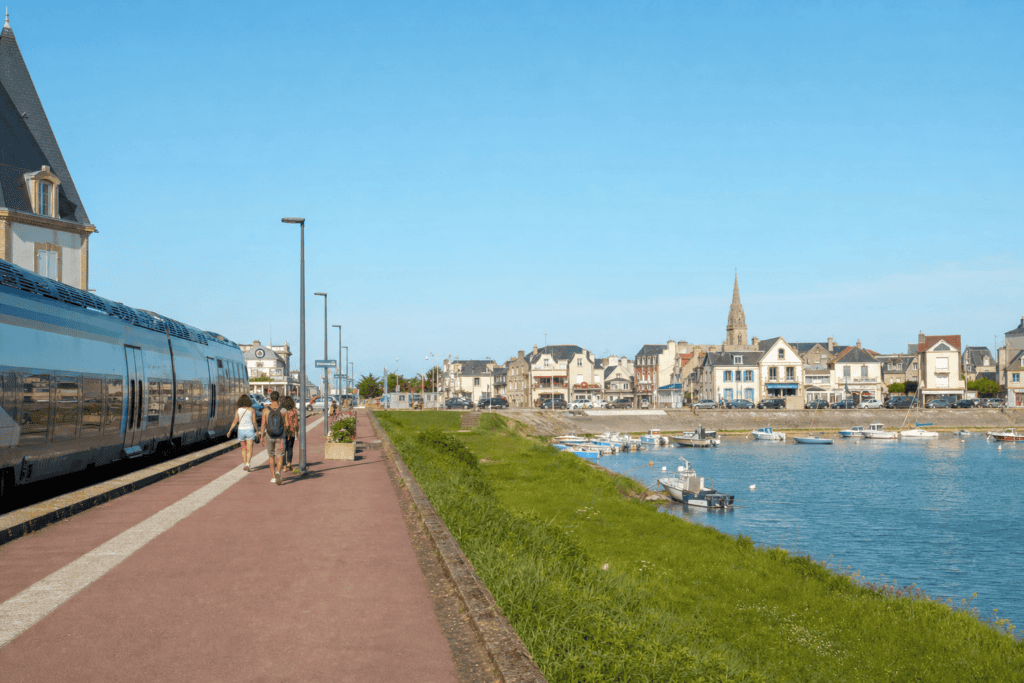
Getting to Courseulles-sur-Mer from Caen, Bayeux and Normandy train stations
Train stations, the Nomad line, the airport, and driving: all the ways to reach Courseulles-sur-Mer and Juno Beach from Paris,…
 Gastronomy
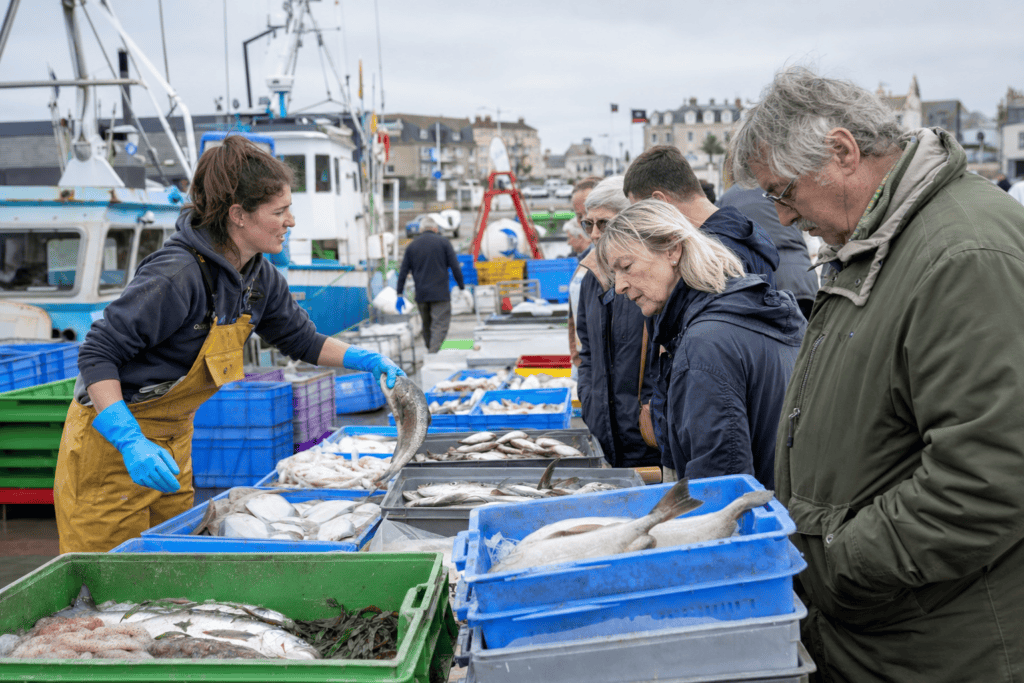
Courseulles-sur-Mer Fish Market
A harbor market where you can discover the coast’s daily catch, the quays of Courseulles-sur-Mer, and the history of Juno…
 Nature
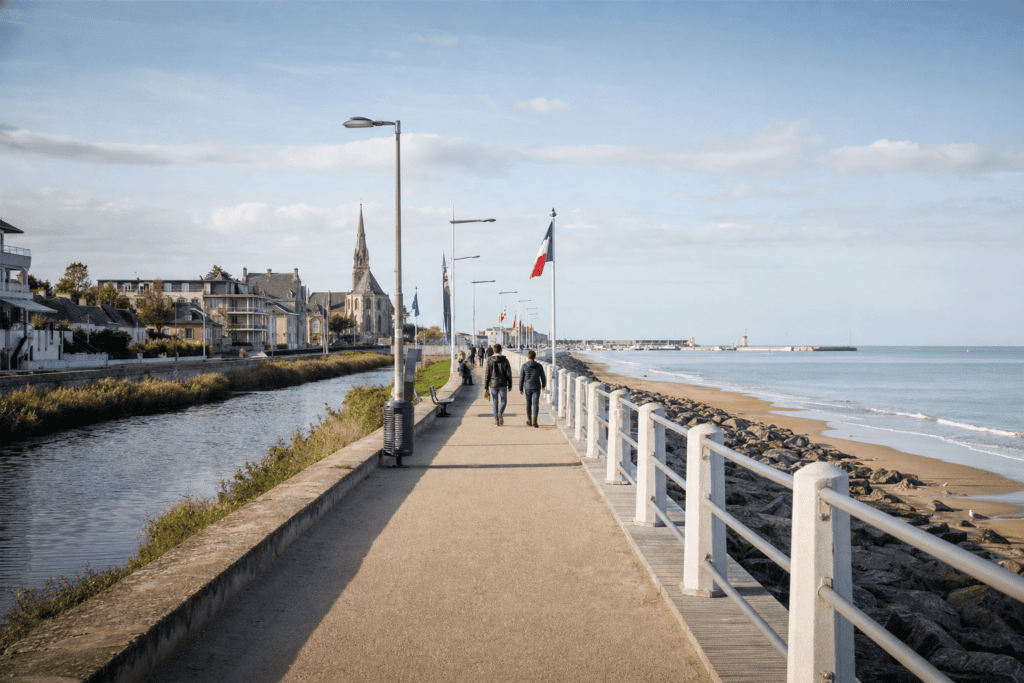
Seulles Riverside Walk and Seafront
A walk along the Seulles, the port, Plage Plaisance, and the seawall of Courseulles-sur-Mer.
 Markets
Courseulles-sur-Mer Market
A Côte de Nacre market to combine with the harbor, local products, and the Juno Beach Centre…
 Attractions
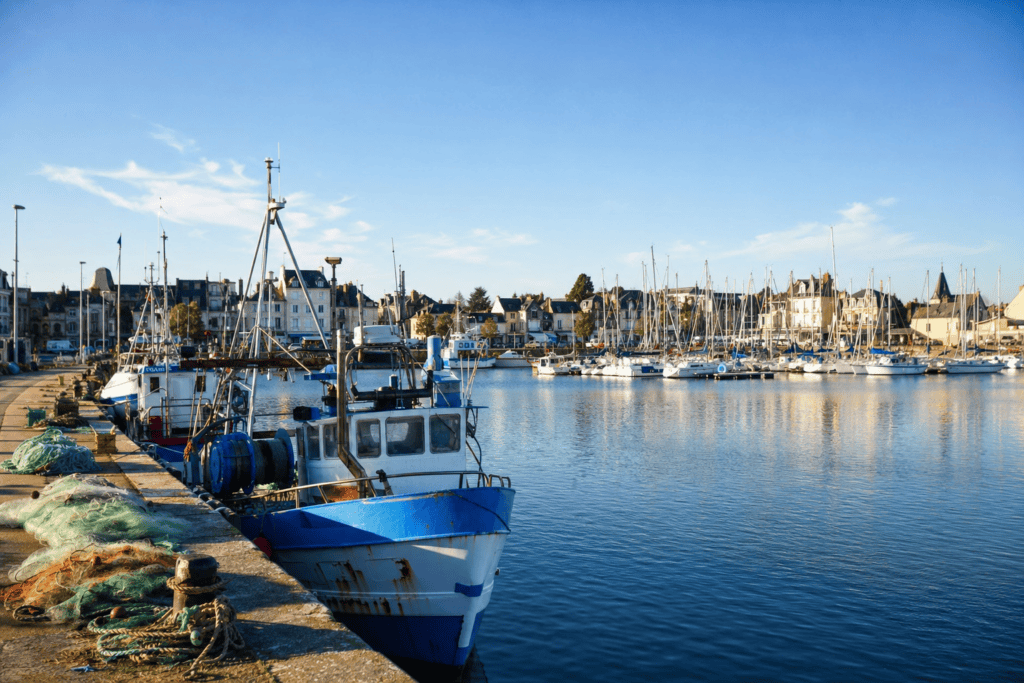
Courseulles-sur-Mer Marina and Fishing Port
A lively Côte de Nacre harbor, combining fishing, boating, Plage Plaisance, and Canada’s remembrance of Juno…
 Must-see
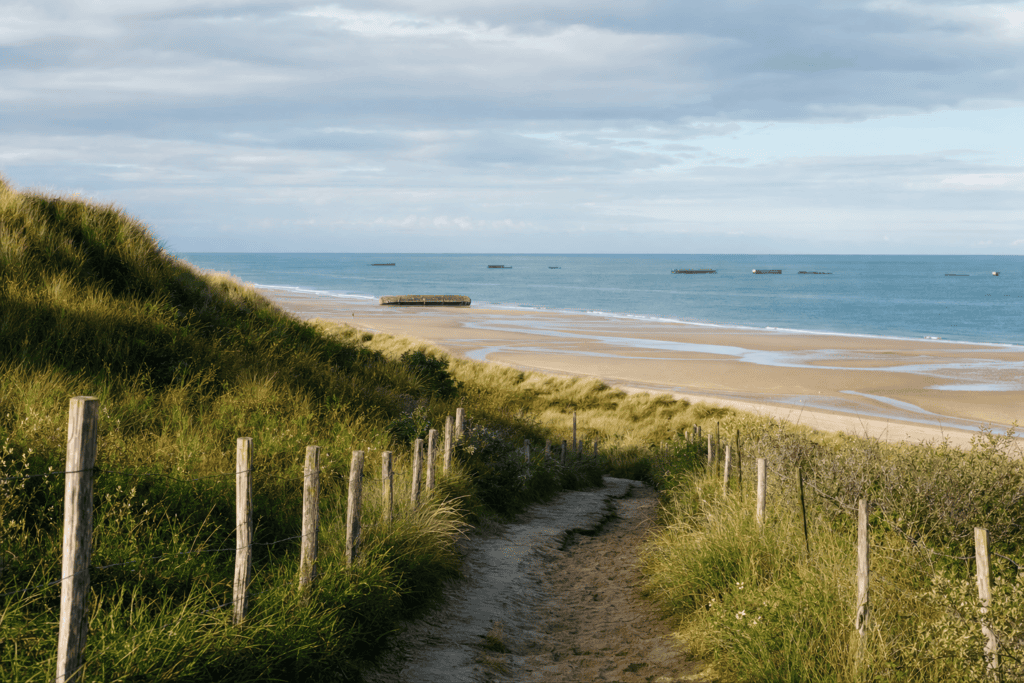
D-Day Beaches from Courseulles-sur-Mer
From Courseulles-sur-Mer, discover Juno Beach, the Juno Beach Centre, Ver-sur-Mer, Arromanches, and the main remembrance sites of the…
Caen Memorial
A historical excursion from Courseulles-sur-Mer to understand D-Day, the war, the Occupation and the Battle of Normandy.
 Must-see
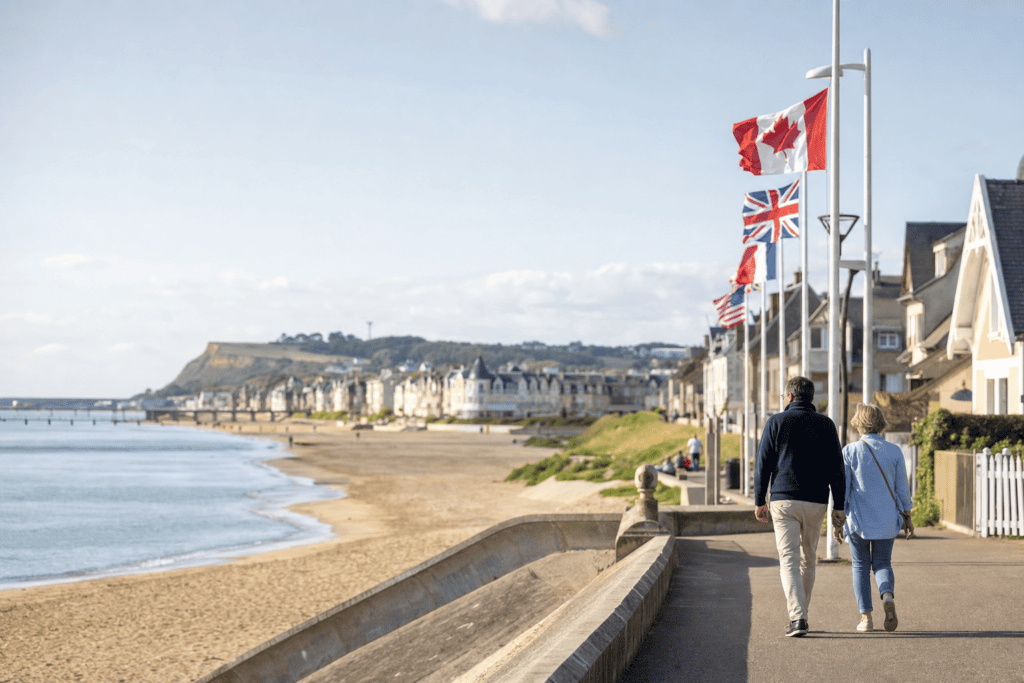
What to Do in Courseulles-sur-Mer Around D-Day
A remembrance itinerary around Juno Beach, the Juno Beach Centre, the harbor, and the neighboring towns of…
 Must-see
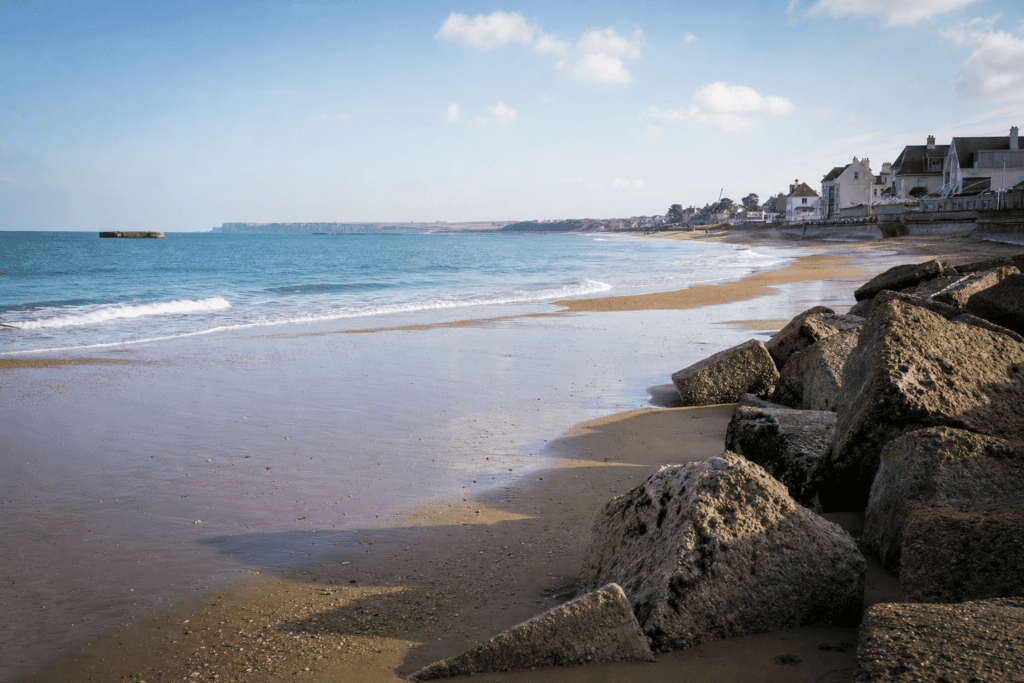
Juno Beach
In Courseulles-sur-Mer, Juno Beach brings together the memory of the Canadian D-Day landings, the Juno Beach Centre, bunkers, the beach, and the harbor.
 Must-see
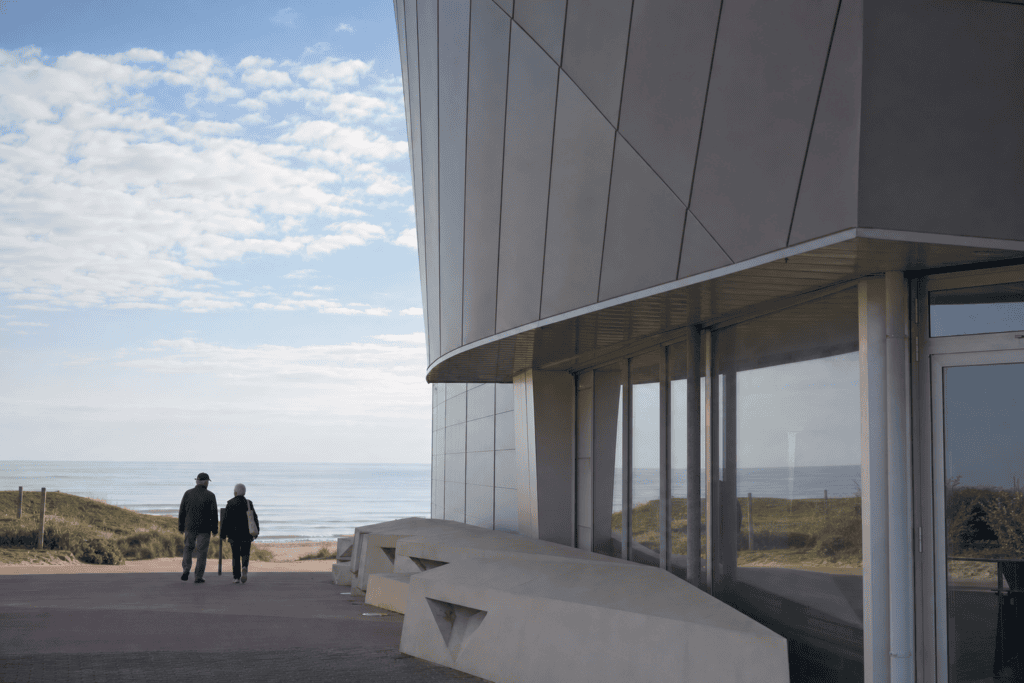
Juno Beach Centre
The leading Canadian museum at Juno Beach, combining D-Day history, personal accounts, and discovery of the…
Other destinations to discover
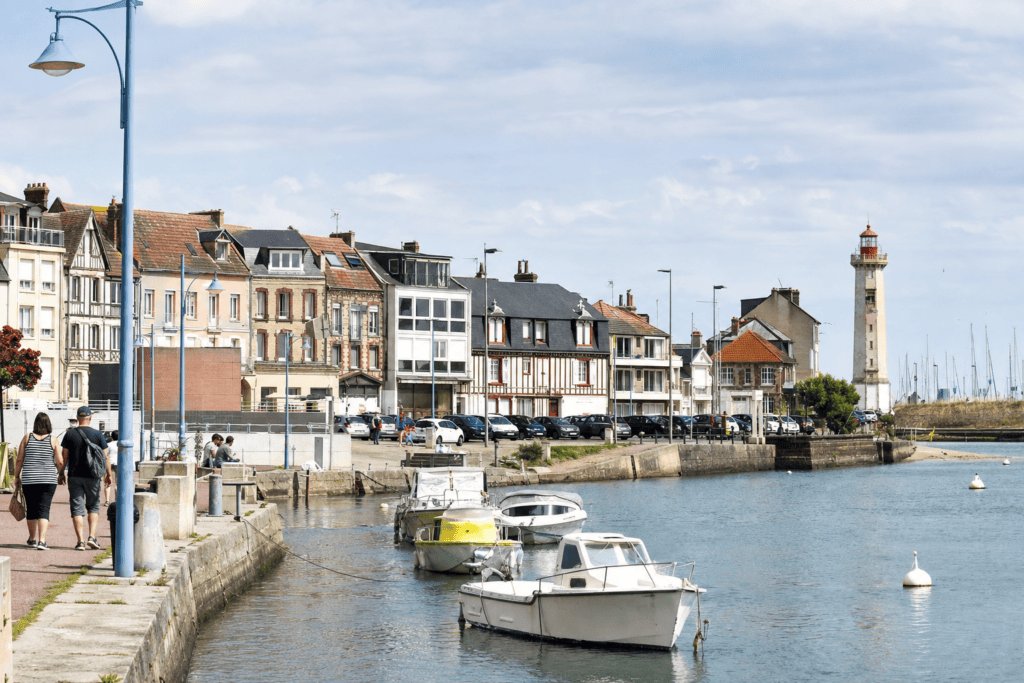
Ouistreham
Discover Riva-Bella Beach, Sword Beach, the Grand Bunker, the harbor and D-Day sites…
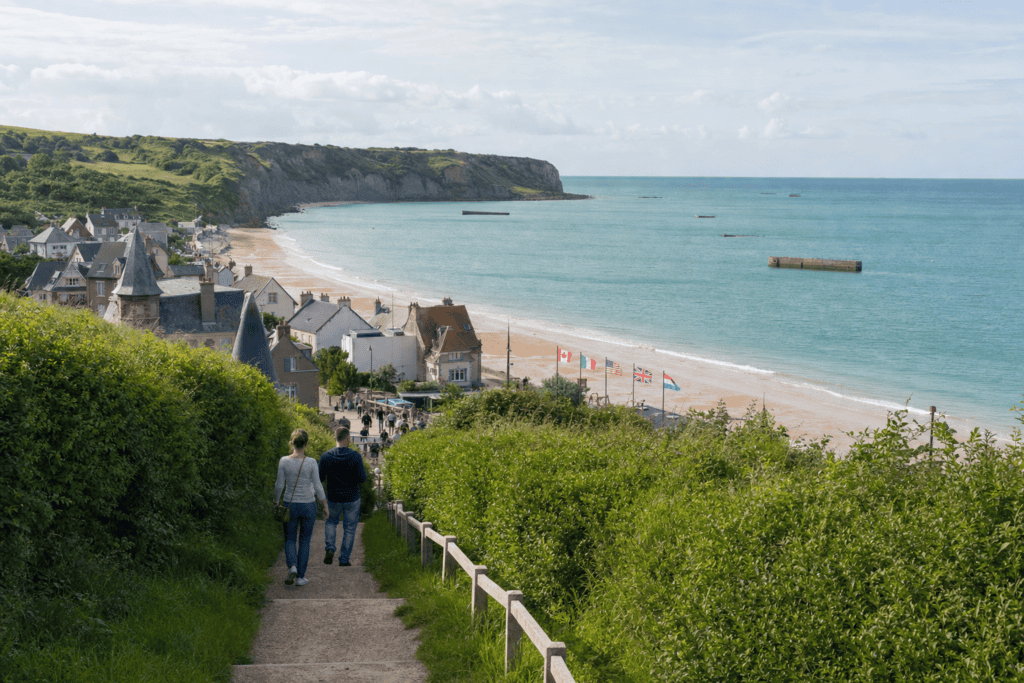
Arromanches-les-Bains
A major D-Day site featuring Mulberry B harbor, Gold Beach, a museum, and remembrance routes from Bayeux.

Sainte-Mère-Église
Discover the Airborne Museum, John Steele’s church, La Fière, and Utah Beach from Sainte-Mère-Église.
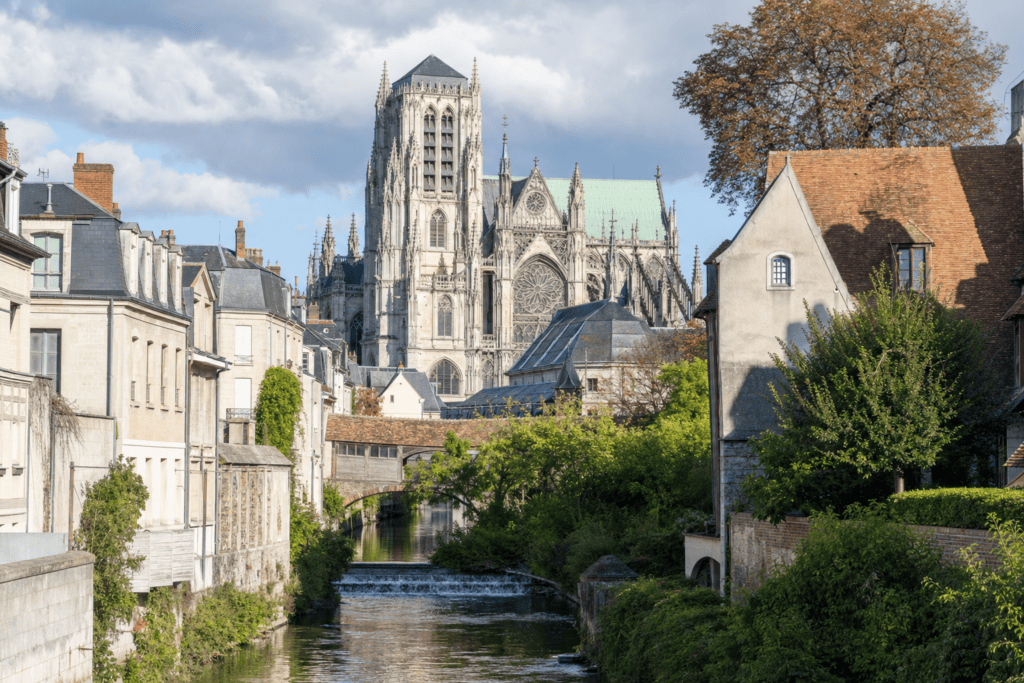
Évreux
A charming Norman town where the cathedral, belfry, museum and banks of the Iton make for a rich and…

Alençon
Alençon charms visitors with its historic heritage, exceptional needle lace, religious legacy and landscapes…
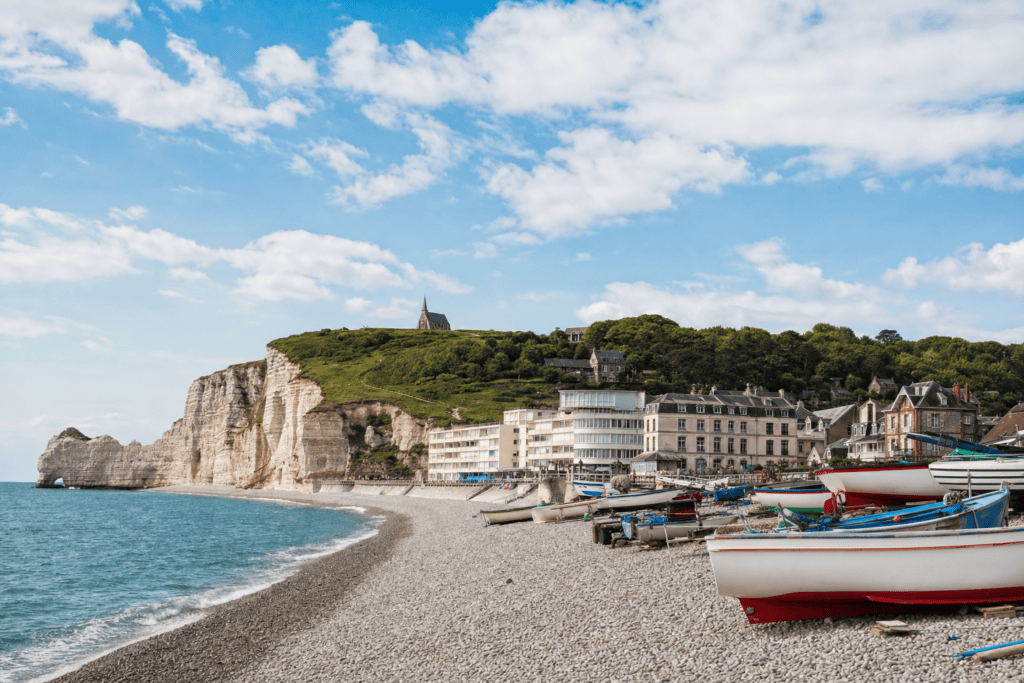
Fécamp
Between its port, cliffs, and heritage, Fécamp reveals an authentic maritime Normandy, ideal for a getaway from Paris.
DESTINATION GUIDE
Courseulles-sur-Mer Travel Guide
A Coastal Resort on the Côte de Nacre
Courseulles-sur-Mer is located on the Côte de Nacre in Calvados, at the mouth of the Seulles River. The town has several distinct faces: a seaside resort with a long seawall, an active harbor, natural areas shaped by the tides, and a remembrance district associated with Juno Beach. This diversity makes it an appealing stop for a day trip or a stay of several nights.
The beach is pleasant for walking, especially at low tide, when the landscape opens broadly toward the English Channel. The seawall connects the main sections of the waterfront and makes it possible to walk to the harbor. Swimming conditions, lifeguard coverage, and facilities vary by season, so it is wise to check municipal information before going out with young children. Plage Plaisance, near the Juno Beach Centre, offers a different setting, more directly connected with remembrance trails and coastal scenery.
The Harbor, Fishing, and Local Life
The harbor of Courseulles-sur-Mer combines recreational boating, commercial fishing, and activities connected with the sea. The quays are especially interesting in the morning, when the activity around the boats and stalls shows that the town remains a working harbor, not just a vacation destination. Fish, shellfish, and crustacean landings depend on the season and fishing conditions; visitors can ask local professionals directly for information and should respect areas reserved for harbor operations.
A walk around the basin offers views of the boats, the mouth of the Seulles River, and the connection between the harbor and beach. The town center has cafés, bakeries, stores, and restaurants, while the waterfront features establishments serving seafood, crêpes, and Norman cuisine. When choosing a restaurant or accommodation, check opening days, reservations, and off-season services, as options may be more limited in the fall and winter.
Accommodations are located mainly in the town center, near the beach, and around the harbor. Hotels, bed-and-breakfasts, vacation rentals, and campgrounds are the main options. A place near the seawall makes it easy to walk without a car, while lodging farther inland may better suit travelers seeking peace and quiet or easier parking.
Juno Beach and Canadian Remembrance
On June 6, 1944, Courseulles-sur-Mer was in the Canadian sector of Juno Beach. Troops from the 3rd Canadian Infantry Division landed here as part of Operation Overlord. The coastline still features monuments, plaques, and markers connected with the Liberation. These sites should be visited respectfully: they are places of remembrance, often located in public areas where walkers should remain mindful of ceremonies and commemorative practices.
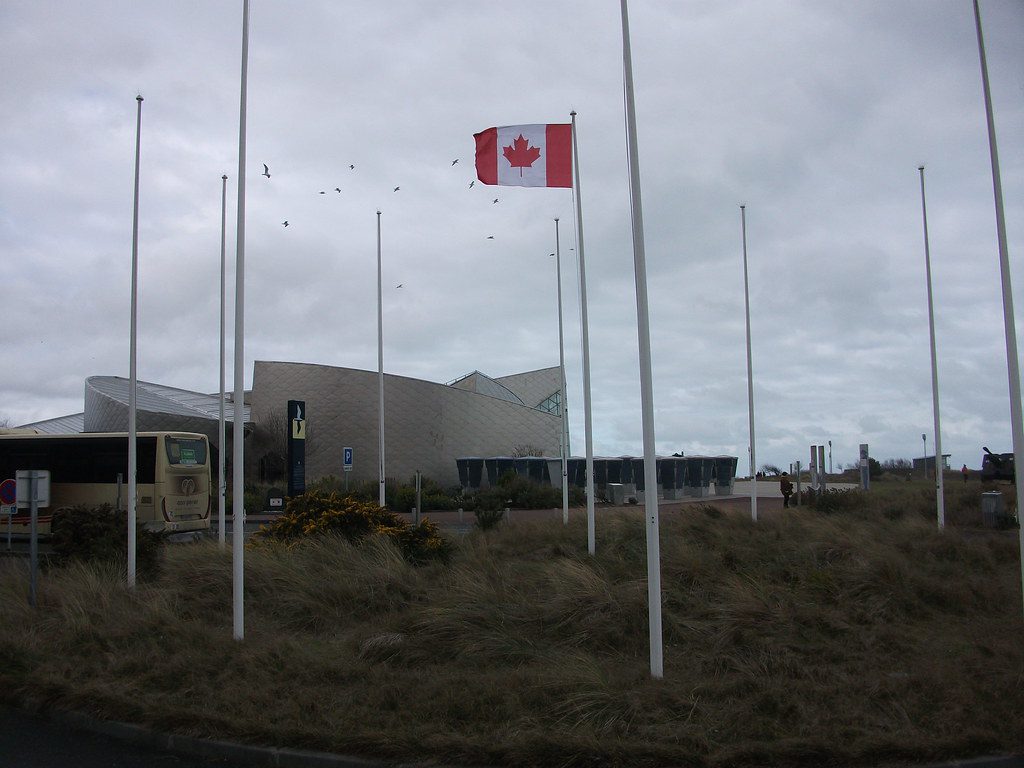
The Juno Beach Centre is the town’s main museum. It presents Canada’s role during World War II, the commitment of its soldiers, and the evolution of Canadian society during the conflict. Its collections, personal accounts, photographs, and educational exhibits go beyond the D-Day timeline alone. Before visiting, check the official website for hours, access conditions, possible guided tours, and family-friendly arrangements.
Juno Park complements the museum with an outdoor trail. It connects features related to the area’s landscape, history, and biodiversity. Remnants of the Atlantic Wall, including bunkers and defensive structures, can be seen across the landscape, but accessibility varies. Underground spaces and structures included in tours should not be considered freely open: entry may depend on a guided visit, the season, site conditions, or safety rules. Never enter a closed structure or one not clearly marked as accessible.
A Base for Exploring the D-Day Beaches
From Courseulles-sur-Mer, an itinerary can follow the Côte de Nacre toward Bernières-sur-Mer, Saint-Aubin-sur-Mer, and the Sword Beach area, then continue to Ouistreham. In the other direction, the road leads to Arromanches-les-Bains and Gold Beach, while Bayeux offers museums, a cathedral, and convenient access to several Battle of Normandy routes. Travel times vary depending on the route, traffic, and stops; a car is preferable for combining several sites in one day.
- For a half-day: beach, harbor, Juno Beach Centre, and a walk along the seawall.
- For a D-Day day trip: Courseulles-sur-Mer, the villages of Juno Beach, and another section of the coast.
- For a cultural stay: The Juno Beach Centre, the Caen Memorial, Bayeux, and military cemeteries along a planned itinerary.
- For a coastal getaway: harbor, market or fish stalls, beach, and tide watching.
Getting Here from Caen, the Train Station, and the Airport
Caen is the main regional arrival point. Its train station receives services from Paris and other cities in Normandy, among others. From Caen station, you must continue to Courseulles-sur-Mer by regional bus service, taxi, or rental car. Connections and frequencies vary by day and season, so check the regional network before departing. The road journey should not be reduced to a fixed distance: the route selected, roadworks, and traffic on roads leaving Caen can significantly affect the travel time.
Caen-Carpiquet Airport is west of Caen. It is not located in Courseulles-sur-Mer, so travelers must plan for a road connection, taxi, or rental car. For an itinerary including Bayeux, the beaches, and several museums, a car offers greater flexibility, but visitors can also arrange a car-free stay by combining a train to Caen, regional transportation, and tours booked in advance.
Ferries, Ouistreham, and Access Limitations
The Ouistreham ferry terminal, in the town also known as Port of Caen, handles cross-Channel services operated by Brittany Ferries, including routes to Portsmouth depending on the company’s schedule. The terminal is a port facility several miles from Courseulles-sur-Mer. It should not be confused with a local Côte de Nacre service: passengers should check their reservation for check-in times, security checks, conditions applying to pedestrians, and transfer options.
From the terminal, reaching Courseulles requires a car, taxi, or prearranged transfer. Access to boarding areas is reserved for authorized travelers and subject to port regulations; they cannot be freely accessed like a tourist quay. For an itinerary beginning in Paris or at the airport, a private transfer can connect Paris, Ouistreham, Courseulles-sur-Mer, and the D-Day beaches, with a return to Paris.
When Should You Visit Courseulles-sur-Mer?
Spring is ideal for historical tours and walks along the coast. The period around June 6 attracts many visitors and can mean heavy traffic at ceremonies, museums, and on the roads. July and August are well suited to the beach, water activities, and the resort atmosphere, but reservations are recommended. In the fall, the light and high tides give the shoreline a distinctive character; in winter, the atmosphere is peaceful, with more limited opening hours.
Always check the official websites of the Juno Beach Centre, the town hall, and transportation networks before you leave. Museum hours, visits to historic remains, beach services, restaurants, and regional connections may change. Careful planning helps you respect these places of remembrance while making the most of the harbor, sea, and Côte de Nacre.
Useful sources
Getting to Courseulles-sur-Mer from Paris
Booking Paris Transfer can arrange a private trip from Paris, the Paris region, or airports CDG and ORY to Courseulles-sur-Mer. An itinerary starting in Paris can also connect Caen, Ouistreham, Courseulles-sur-Mer, the D-Day beaches, and Bayeux before returning to Paris.