



Côte Fleurie · Normandy · Normandy
Deauville: A Chic Seaside Guide to the Côte Fleurie
Deauville embodies a distinctive vision of a Normandy seaside resort: a long beach opening onto the English Channel, the famous Les Planches boardwalk, elegant villas, a strong equestrian culture, and a festival calendar that keeps the town lively well beyond summer. Easy to reach from Paris, Deauville is ideal for a day trip or a weekend combined with Trouville-sur-Mer, Honfleur, or the Pays d’Auge.
Explorer Deauville
Deauville’s Must-See Attractions
 What to do
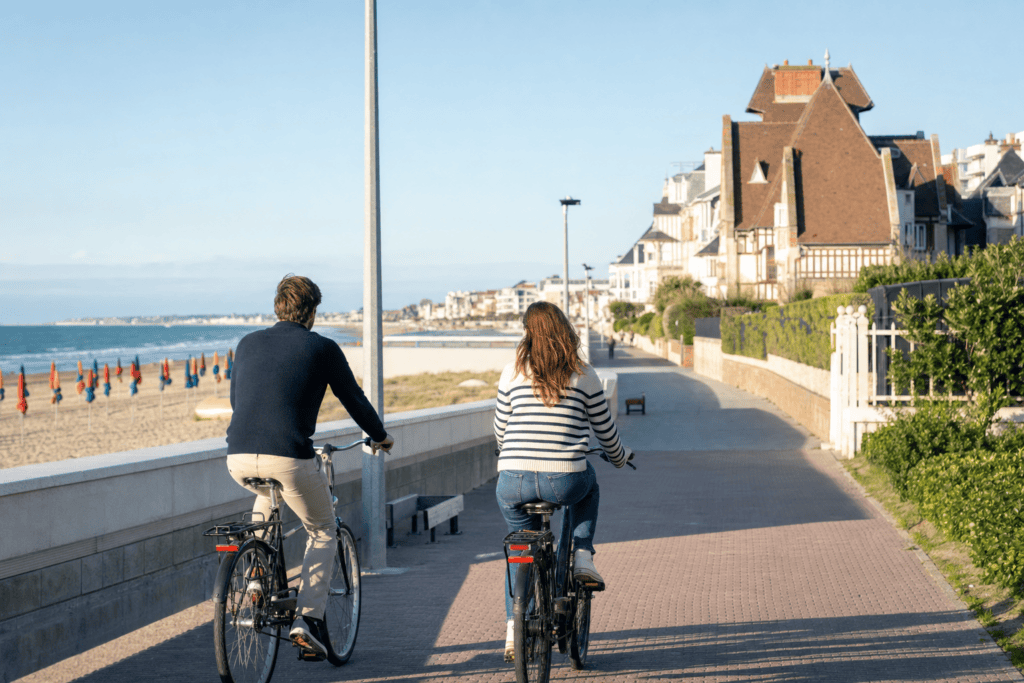
Discover Deauville by Bike: Beaches, Villas, and Racecourses
A cycling route connecting Deauville’s Les Planches boardwalk, villas, the Touques River, and racecourses.
 Heritage
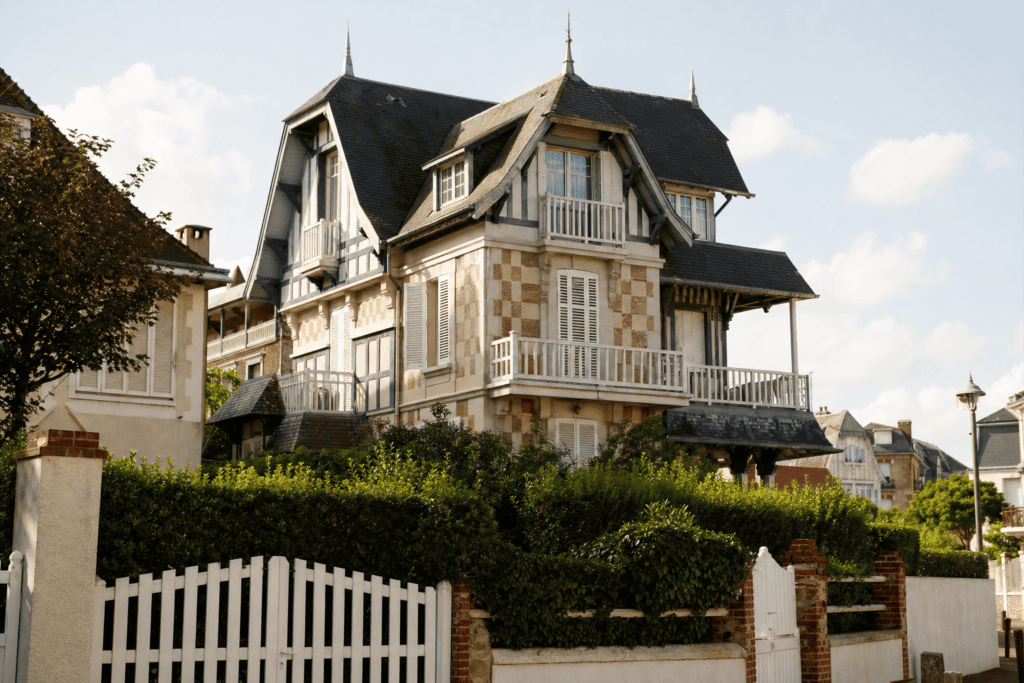
Villa Strassburger
A remarkable Neo-Norman residence connected to Deauville’s social, equestrian and architectural history.
 Markets
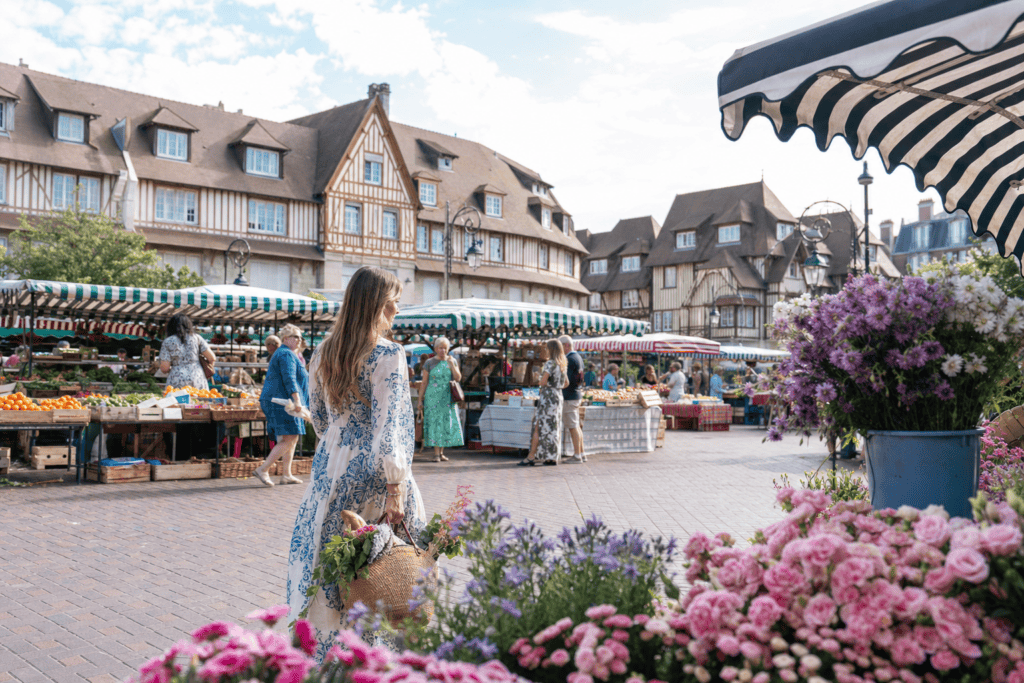
Deauville Market
Under the half-timbered market halls of Place du Marché, discover fresh produce, Normandy specialties, and a taste of local life…
 Must-see
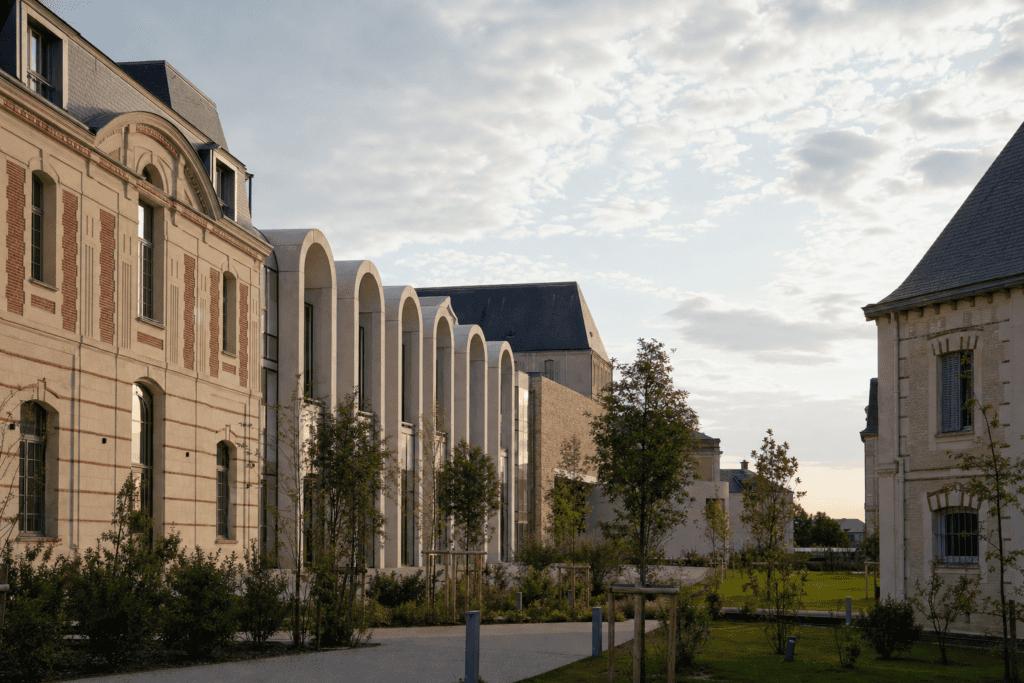
Les Franciscaines – Museum, Media Library, and Cultural Venue
A former convent transformed into a comprehensive cultural center, featuring the André Hambourg Museum, the Universes trail, a media library, and exhibitions.
 Must-see
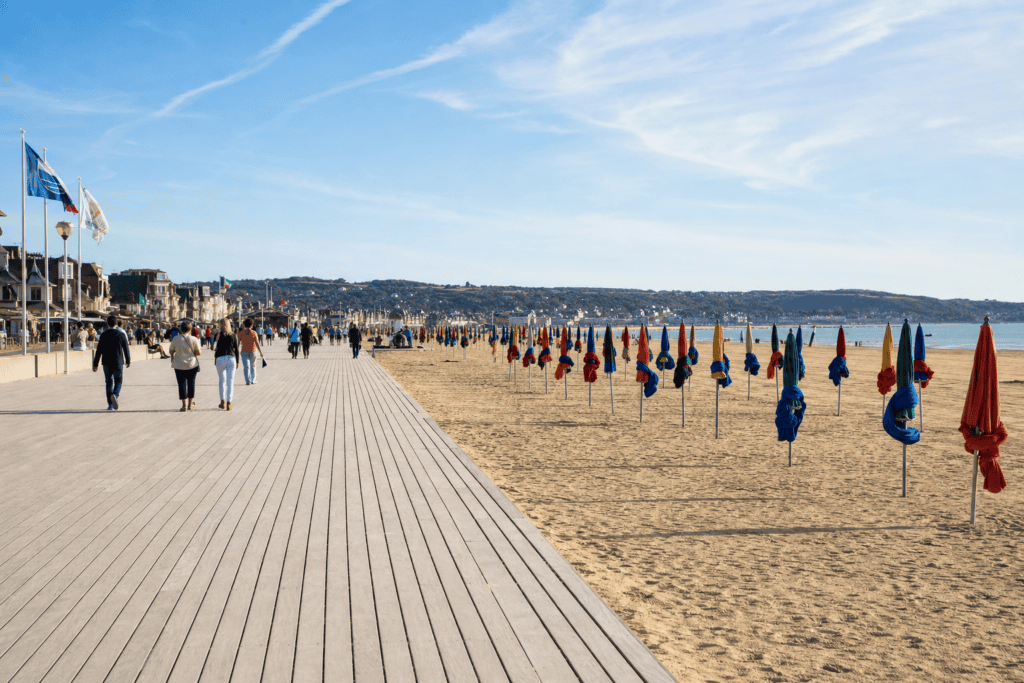
Deauville's Les Planches and beach
A legendary promenade lined with beach cabins, cinema, fine sand, and sea views.
Other destinations to discover
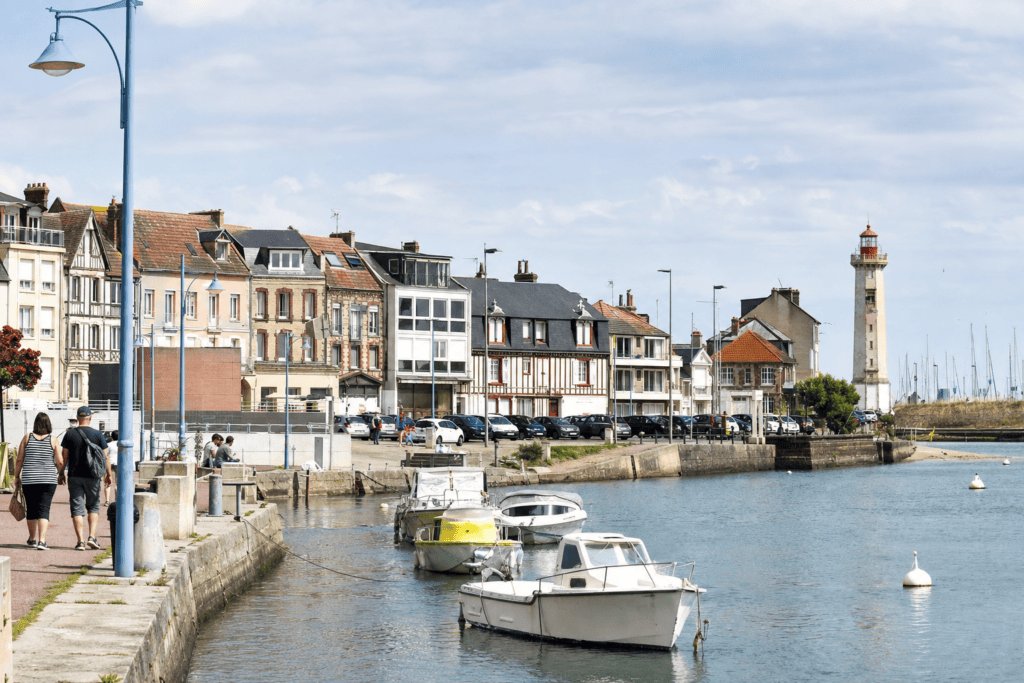
Ouistreham
Discover Riva-Bella Beach, Sword Beach, the Grand Bunker, the harbor and D-Day sites…
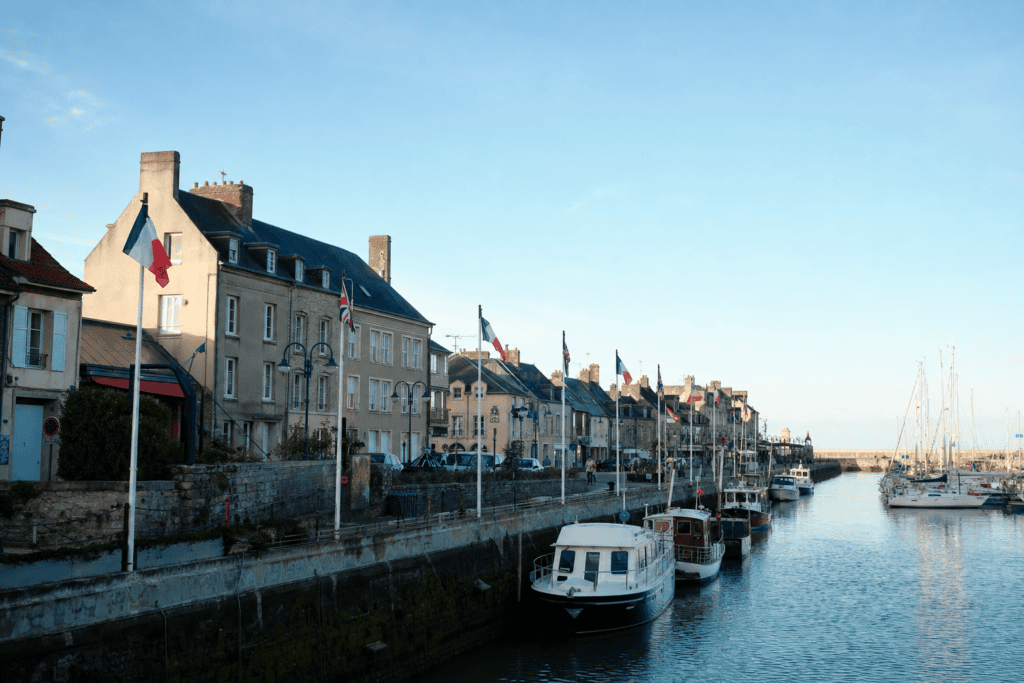
Courseulles-sur-Mer
A Côte de Nacre resort with beaches, a harbor, seafood and Canadian heritage…
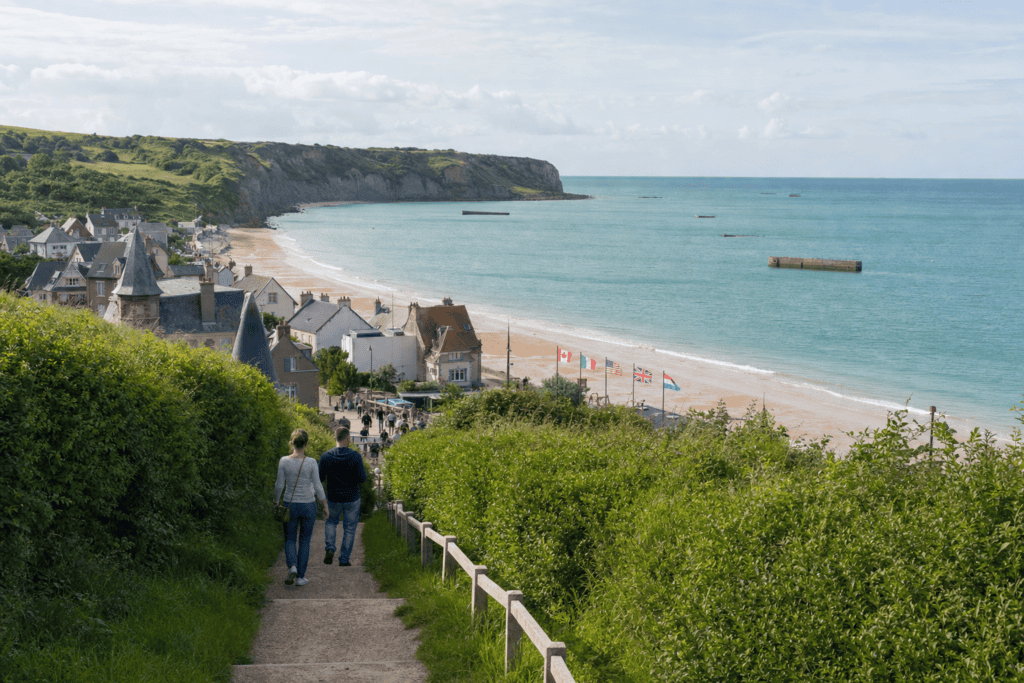
Arromanches-les-Bains
A major D-Day site featuring Mulberry B harbor, Gold Beach, a museum, and remembrance routes from Bayeux.
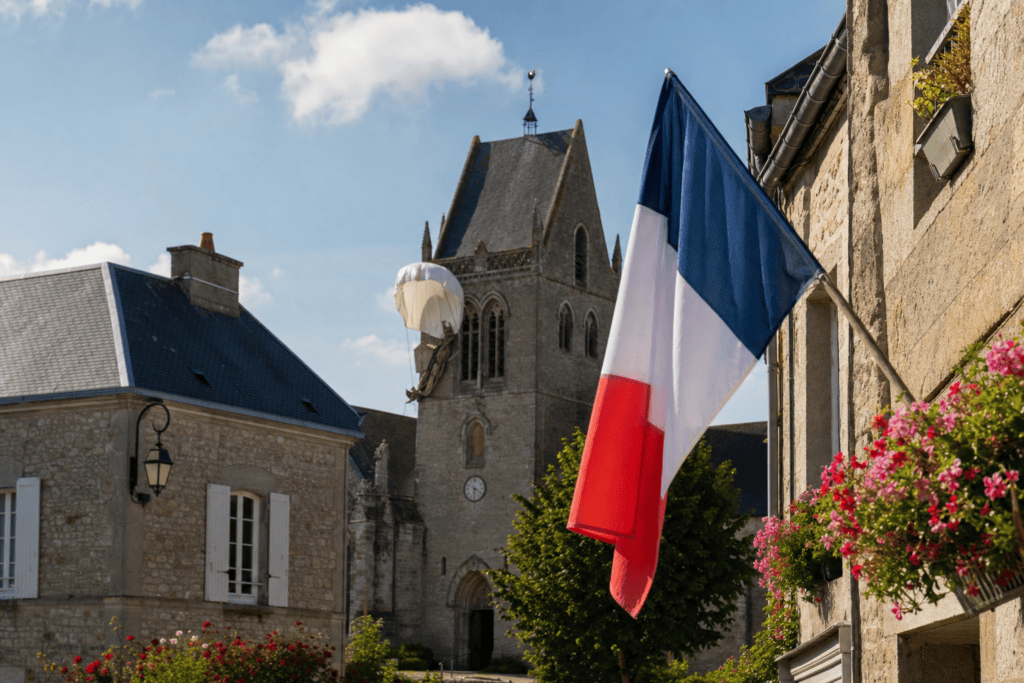
Sainte-Mère-Église
Discover the Airborne Museum, John Steele’s church, La Fière, and Utah Beach from Sainte-Mère-Église.
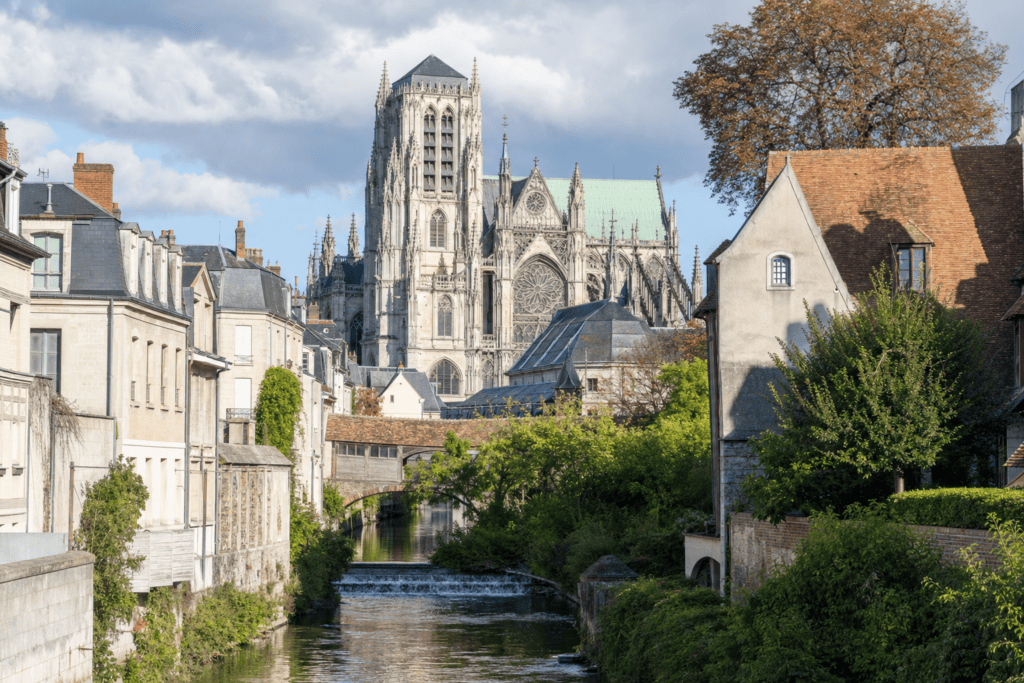
Évreux
A charming Norman town where the cathedral, belfry, museum and banks of the Iton make for a rich and…
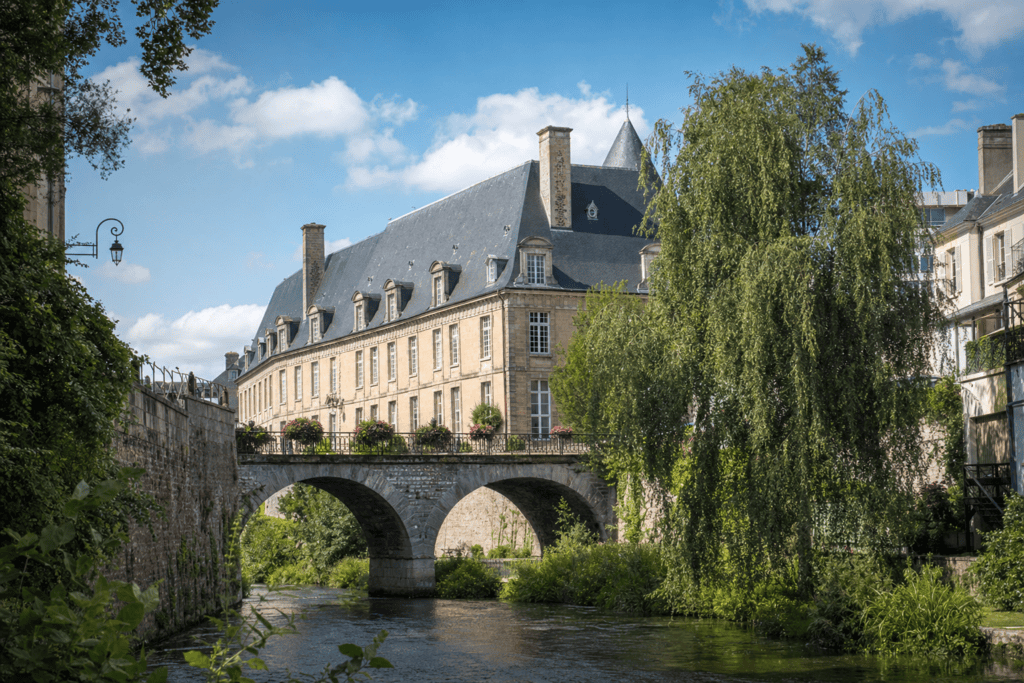
Alençon
Alençon charms visitors with its historic heritage, exceptional needle lace, religious legacy and landscapes…
DESTINATION GUIDE
Deauville Travel Guide
A Seaside Resort Where Elegance Meets the Great Outdoors
Located on the Côte Fleurie in Calvados, Deauville is one of Normandy’s best-known seaside resorts. Its image is built on a distinctive combination of refined resort architecture, a broad open beach, a strong equestrian identity, and major cultural events. Yet the town is more than its glamorous setting. It is also well suited to a leisurely stroll, a family getaway, a heritage-focused visit, or a nature-oriented stay.
The best way to experience Deauville is to explore its different sides in turn: start along the seafront, continue through the villa districts and horse-related facilities, then take time to visit the cultural sites and neighboring towns. Deauville and Trouville-sur-Mer complement each other, separated by the Touques but connected by footbridges, quays, and well-loved walking routes.
Les Planches, the Beach, and Seaside Bathing
Les Planches is Deauville’s most instantly recognizable symbol. This wooden boardwalk runs alongside the seaside bathing complex and its Art Deco cabins, whose names pay tribute to figures from the world of cinema. Visitors come to walk by the sea, watch the changing light over the English Channel, and reach the beach from Boulevard Cornuché.
The beach is spacious enough for many different activities: an early-morning walk, games with the children, photography, a break overlooking the horizon, or activities shaped by the wind and tides. Conditions change quickly along the Normandy coast, so it is best to check local information before swimming or taking part in any water activity. At low tide, the landscape opens up considerably, offering a clearer understanding of the geography of the Touques estuary.
- Choose early morning for a quieter walk during busy periods.
- Wear clothing suitable for the wind, even on a sunny day.
- Follow the notices posted on the beach and respect the areas reserved for different activities.
A Seaside Heritage Best Explored on Foot
Deauville is best discovered at a leisurely pace. Its villas, hotels, bathing facilities, and views over the basins tell the story of the development of seaside resorts in the 19thth and early 20thth century. The architecture combines Norman influences, Art Deco details, brick, stone, half-timbering, and grand façades designed to be seen from the street or the sea.
Villa Strassburger is one of the town’s notable buildings. Built at the beginning of the 20thth century and listed as a historic monument, it recalls the importance of grand vacation homes in Deauville’s history. Depending on the time of year, visits or openings may be available, so check with the tourist office or the town before setting out.
The viewpoints on the peninsula offer another way to understand the area. From these vantage points, you can see the ports, the Touques, Trouville-sur-Mer, and the coastline. It is an appealing stop for photographers and for visitors who want a higher perspective without straying far from the town center.
Horses, a Defining Part of Local Identity
Horses are inseparable from Deauville and the Pays d’Auge. Deauville-La Touques Racecourse plays a major role in the resort’s sporting life. Races, training sessions, yearling sales, polo, and nearby stud farms create a world that extends well beyond horse racing as a spectacle.
To better understand this identity, combine a walk around the racecourse with an excursion into the countryside. The roads of the Pays d’Auge pass through villages, orchards, meadows, and equestrian estates. Event schedules and access conditions vary by date, so it is best to check official calendars before planning your visit.
Culture, Cinema, and the City’s Heritage
Les Franciscaines is now one of Deauville’s leading cultural centers. Housed in a renovated former convent, it brings together exhibitions, collections, reading spaces, and programming focused on horses, cinema, performing arts, photography, and the art of living. It is a good option on a rainy day or a way to add a cultural dimension to a beach-centered stay.
Cinema also holds a special place in the town’s contemporary identity. The Deauville American Film Festival attracts industry professionals, directors, actors, and enthusiasts every year. Other events devoted to photography, visual arts, and cultural discussions also shape the calendar. Dates and access arrangements vary from one edition to the next, so checking the official program before departure is recommended.
What to See Around Deauville
Deauville is an excellent base for exploring the Côte Fleurie. Trouville-sur-Mer is easy to reach and offers a different atmosphere, with its port, fish market, and sloping streets. Villers-sur-Mer is a chance to discover the Vaches Noires cliffs, the marsh, and a coastline more focused on geology and nature. Benerville-sur-Mer and Mont Canisy offer wide-open landscapes along with interesting military and natural heritage.
For a more rural getaway, head to the Pays d’Auge. Half-timbered villages, orchards, local producers, and small country roads make for a pleasant itinerary by car or bicycle, provided you allow enough time. Honfleur, farther east, can also round out a trip along the Normandy coast, with its Old Harbor and artistic heritage.
- For the sea: Deauville, Trouville-sur-Mer, and Villers-sur-Mer.
- For nature: the Blonville-Villers marsh and the protected coastal areas.
- For history: the batteries of Mont Canisy and the seaside villas.
- For rural landscapes: the villages and stud farms of the Pays d’Auge.
Getting There and Getting Around
From Paris, Deauville can be reached by train at Trouville-Deauville station, with a journey of around two hours and forty-five minutes according to Normandy Tourism. Long-distance coaches and regional connections provide additional options depending on your departure point. Once there, the town center, beach, Les Planches, and some of the historic districts are easy to explore on foot.
Bicycles are especially convenient for reaching neighboring towns and routes along the Côte Fleurie. Trails connect Deauville with Saint-Arnoult, Bénerville-sur-Mer, and the Blonville-Villers marsh, among other destinations. The Vélomaritime and Seine à Vélo routes offer even more options for travelers who want to minimize car use.
When Is the Best Time to Visit Deauville?
Deauville can be visited year-round. Summer is ideal for the beach, outdoor terraces, and open-air activities, but it is also the busiest season. Spring and early fall often offer a good balance of light, walks, and heritage discoveries. In winter, the resort moves at a different pace: the colors of the sky, the wind, and the nearly silent beach give the seafront an entirely different character.
For a first visit, plan on at least one full day. A weekend gives you time to visit Les Franciscaines, explore Trouville-sur-Mer, and add an excursion into the Pays d’Auge. Since activities, guided tours, and events may change, always check official information before you leave.
Travel from Paris to Deauville with a Private Driver
Booking Paris Transfer arranges private rides from Paris, the Île-de-France region, or airports CDG and ORY to Deauville. You can also arrange a return to Paris or a multi-city itinerary in Normandy starting in Paris. The service covers transportation only; admission tickets and tours are not sold by Booking Paris Transfer.