



Normandy · Manche · D-Day history · Normandy
Visiting Sainte-Mère-Église and the D-Day Sites
Visiting Sainte-Mère-Église means discovering a major site commemorating the Normandy landings. The Airborne Museum, the church associated with John Steele’s parachute landing, the La Fière area, and nearby Utah Beach make up a fascinating itinerary in the Cotentin Peninsula.
Explore Sainte-Mère-Église
Top experiences
 Experiences
Getting to Sainte-Mère-Église from Carentan, Bayeux or Caen
A practical guide to reaching Sainte-Mère-Église from Carentan, Bayeux, or Caen and planning an itinerary around…
 Markets
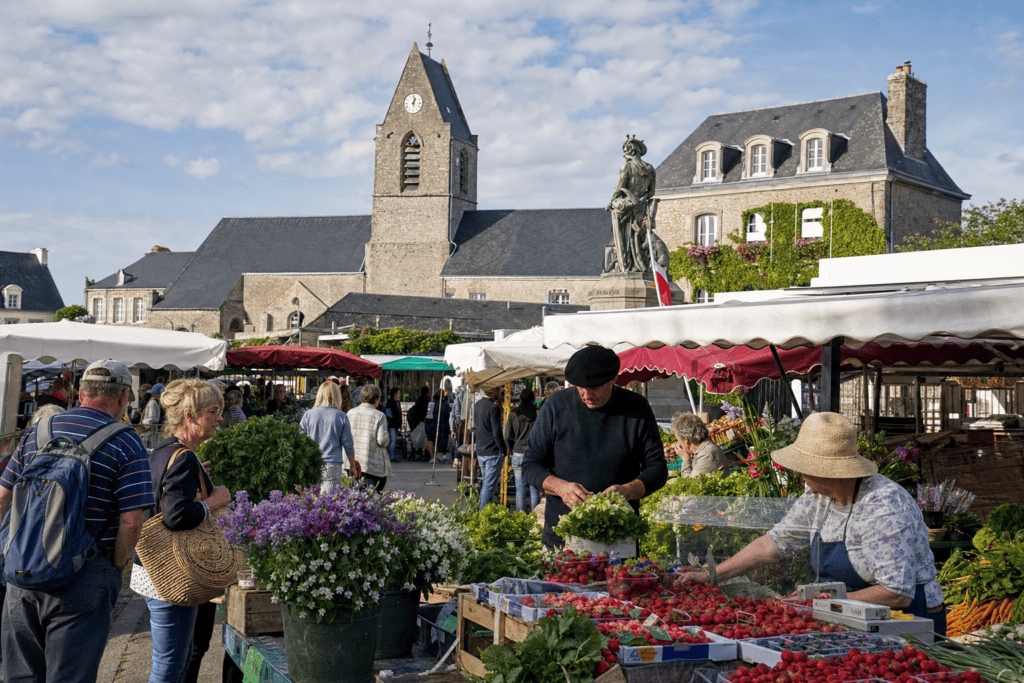
Sainte-Mère-Église Market
A Cotentin food stop to confirm, ideal before visiting the Airborne Museum and the D-Day sites around Utah…
 Nature
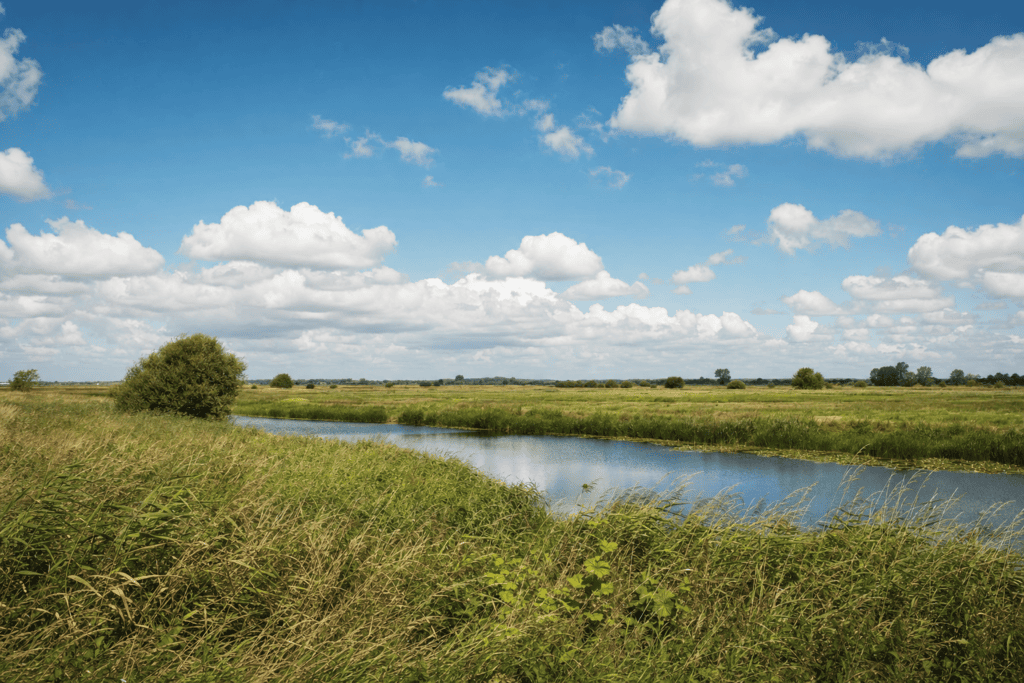
Cotentin and Bessin Regional Nature Park
Discover the marshes, birds, and bocage landscapes of the Cotentin Peninsula from Sainte-Mère-Église, combining nature, history, and scenery…
 Heritage
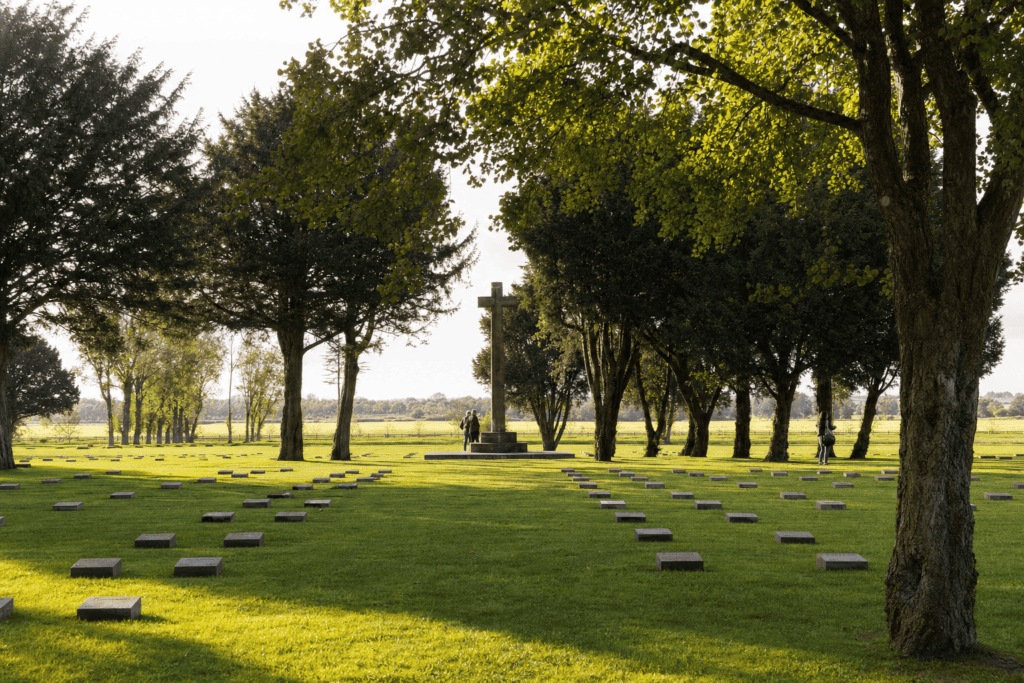
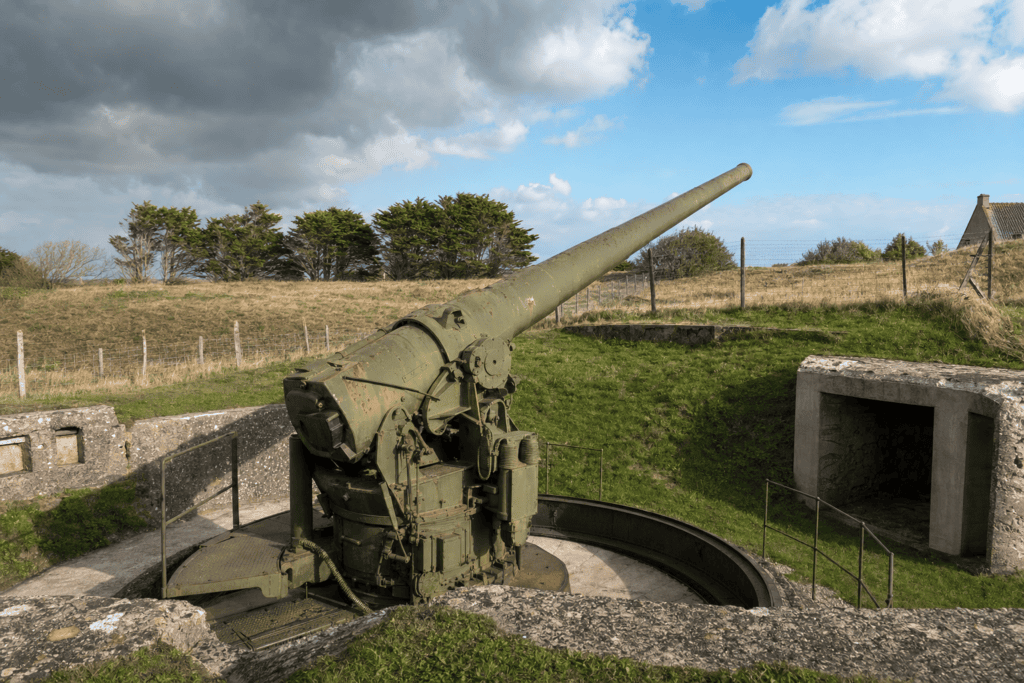
Orglandes German Military Cemetery
A solemn German cemetery in the Cotentin, to combine with Sainte-Mère-Église, Utah Beach, and Carentan.
 Heritage
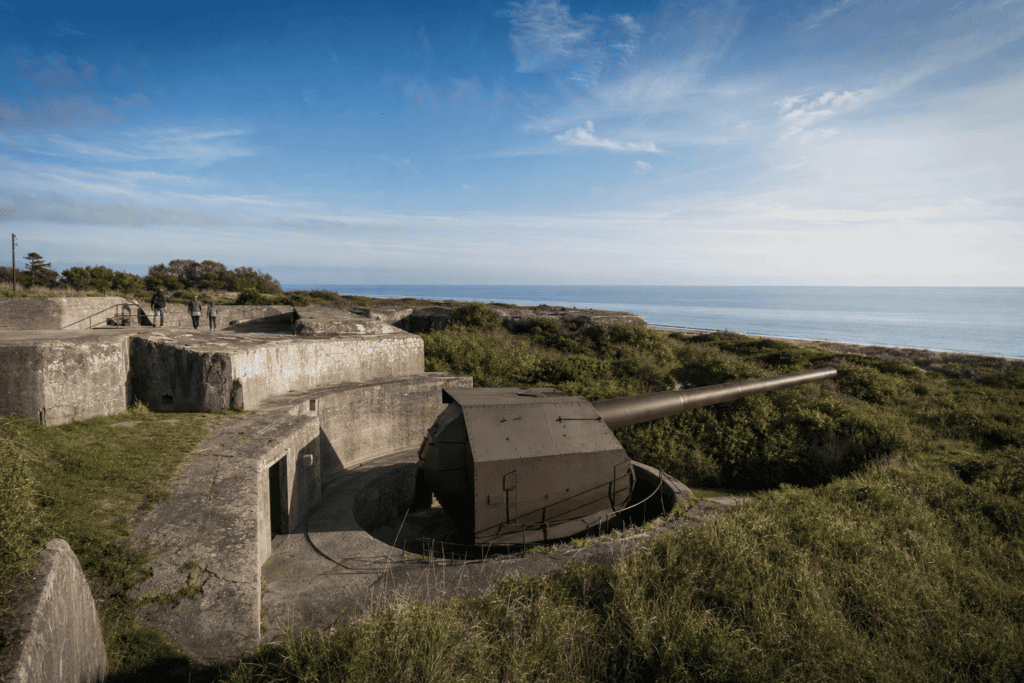
Crisbecq Battery
A major fortified site in the Cotentin Peninsula, to explore between Saint-Marcouf, Utah Beach, Sainte-Mère-Église, and the other…
 Heritage
Azeville Battery
A German battery in the Cotentin Peninsula that reveals the defenses of the Atlantic Wall and the battles after…
 Must-see
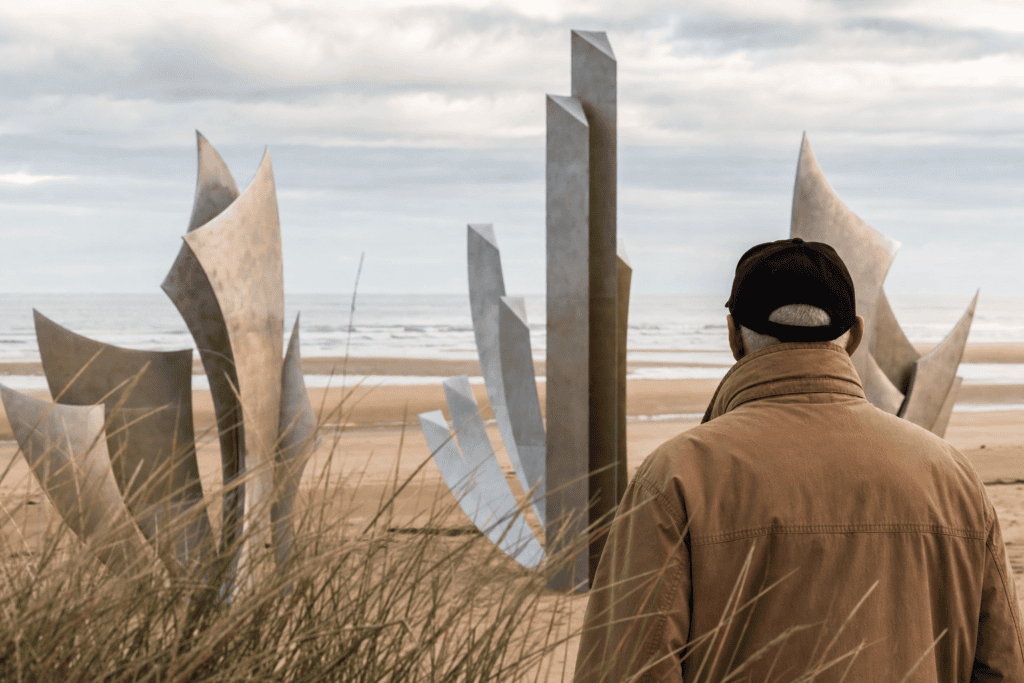
Utah Beach and the D-Day Museum
Discover Utah Beach in Sainte-Marie-du-Mont: museum, beach, monuments, landmarks along the Liberty Road, and tips…
 Must-see
What to Do on the D-Day Beaches from Sainte-Mère-Église
A one-day historical route between Sainte-Mère-Église, Azeville, and Utah Beach in the Cotentin.
 Must-see
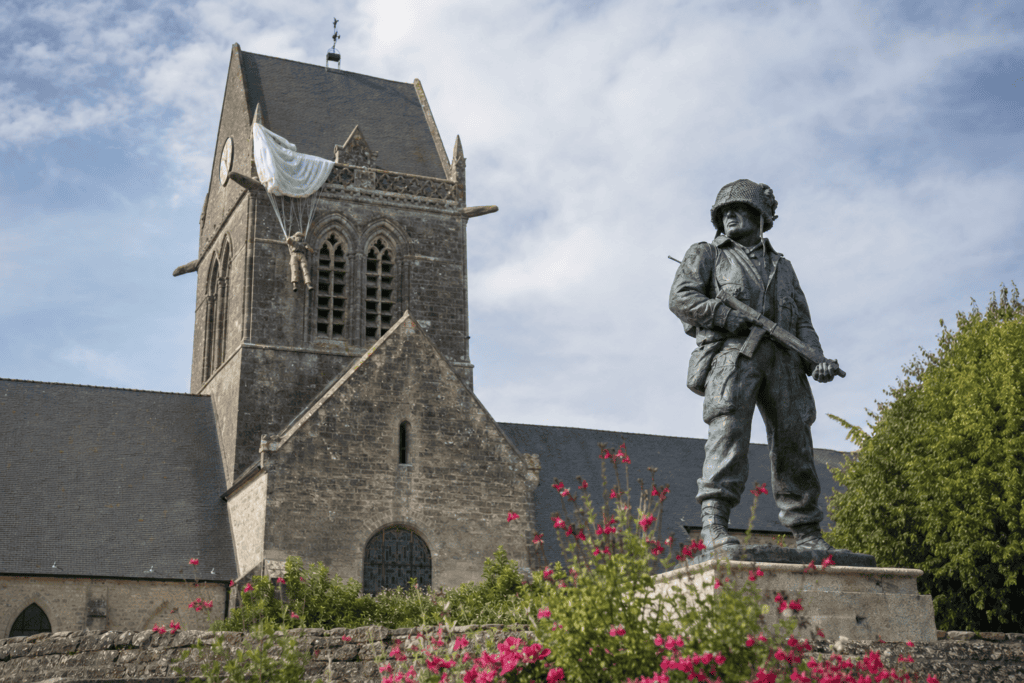
Sainte-Mère-Église Church and Paratrooper John Steele
The bell tower associated with John Steele, commemorative stained-glass windows, and the Airborne Museum make this a major stop on the…
 Must-see
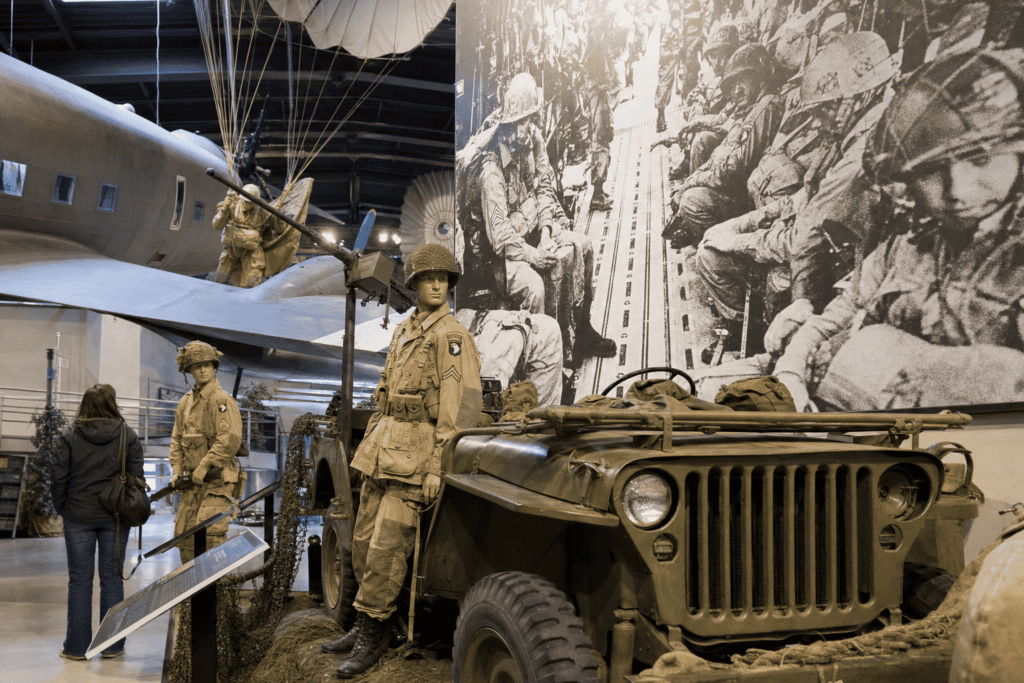
Airborne Museum
A major D-Day museum dedicated to American paratroopers and the battles around Sainte-Mère-Église.
Other destinations to discover
Ouistreham
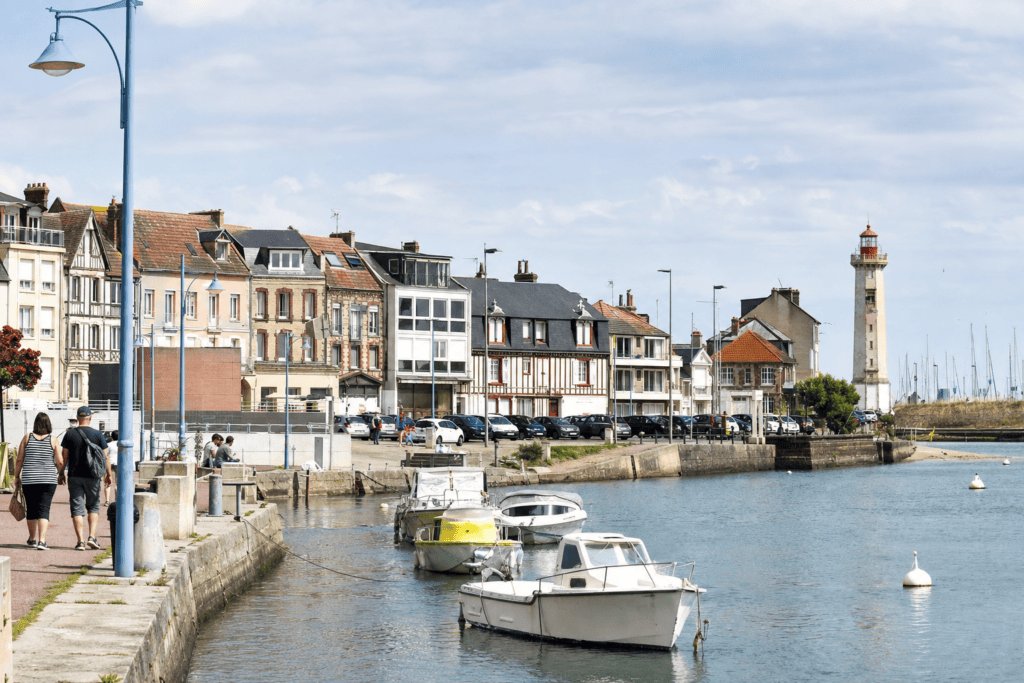
Discover Riva-Bella Beach, Sword Beach, the Grand Bunker, the harbor and D-Day sites…
Courseulles-sur-Mer
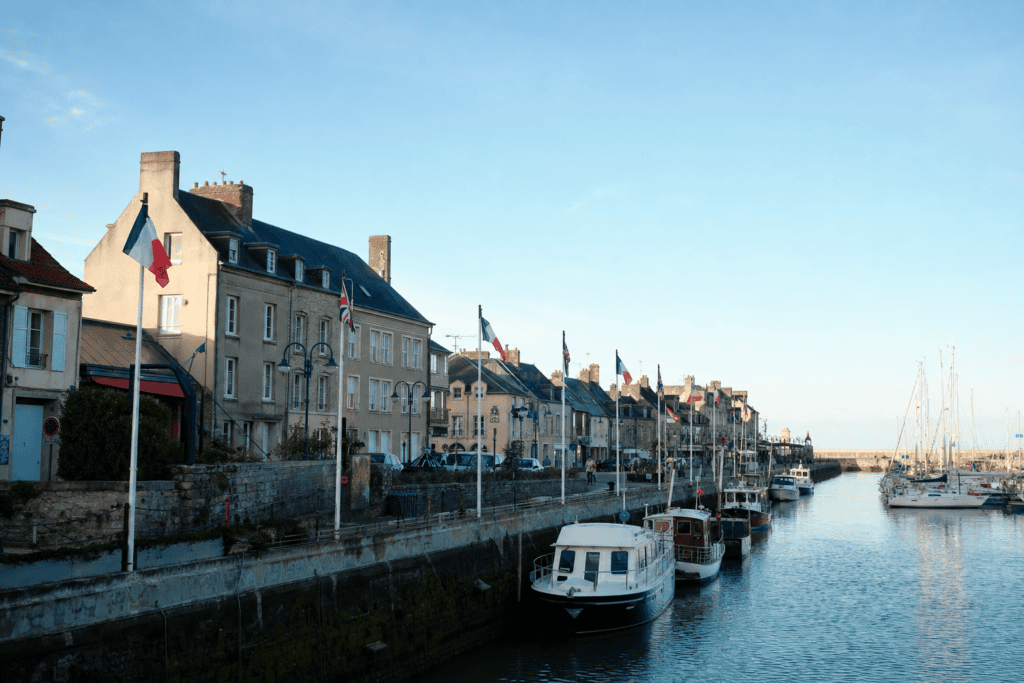
A Côte de Nacre resort with beaches, a harbor, seafood and Canadian heritage…
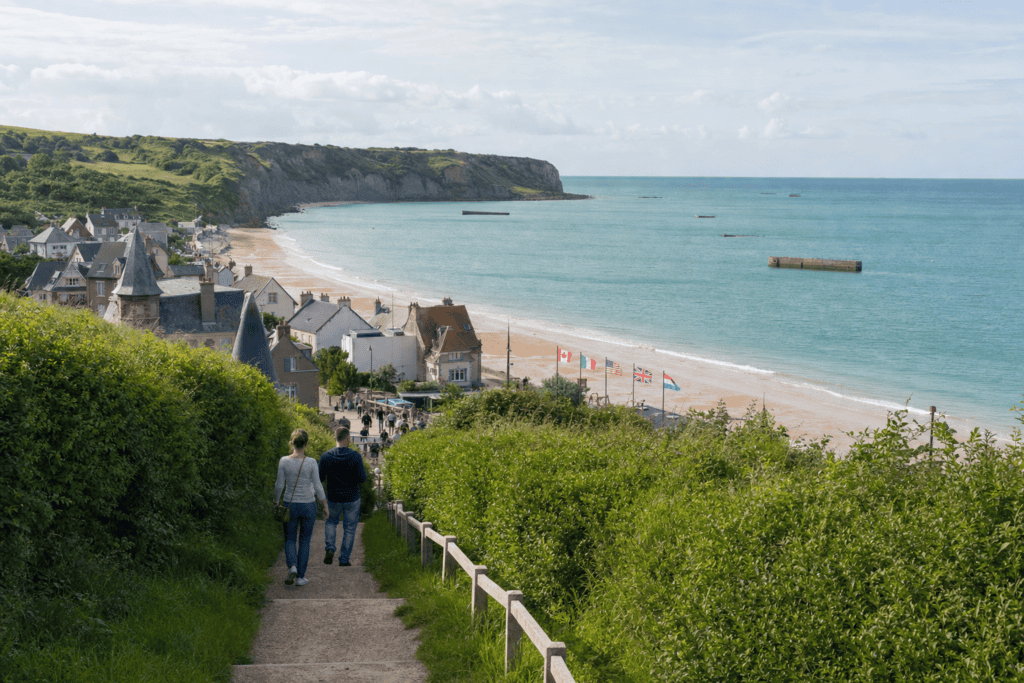
Arromanches-les-Bains
A major D-Day site featuring Mulberry B harbor, Gold Beach, a museum, and remembrance routes from Bayeux.
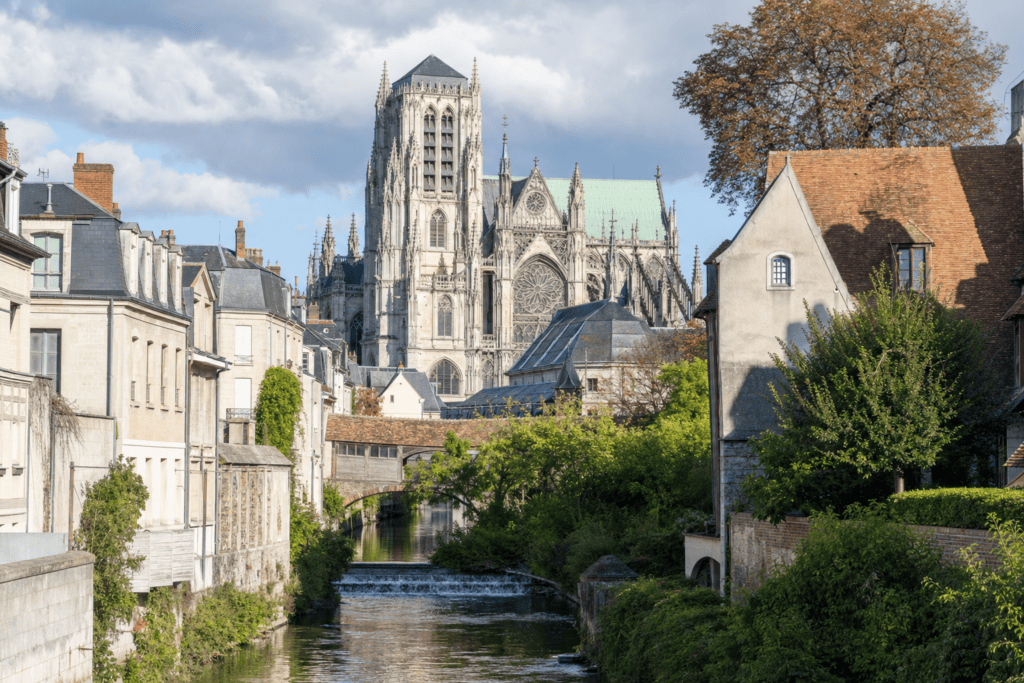
Évreux
A charming Norman town where the cathedral, belfry, museum and banks of the Iton make for a rich and…
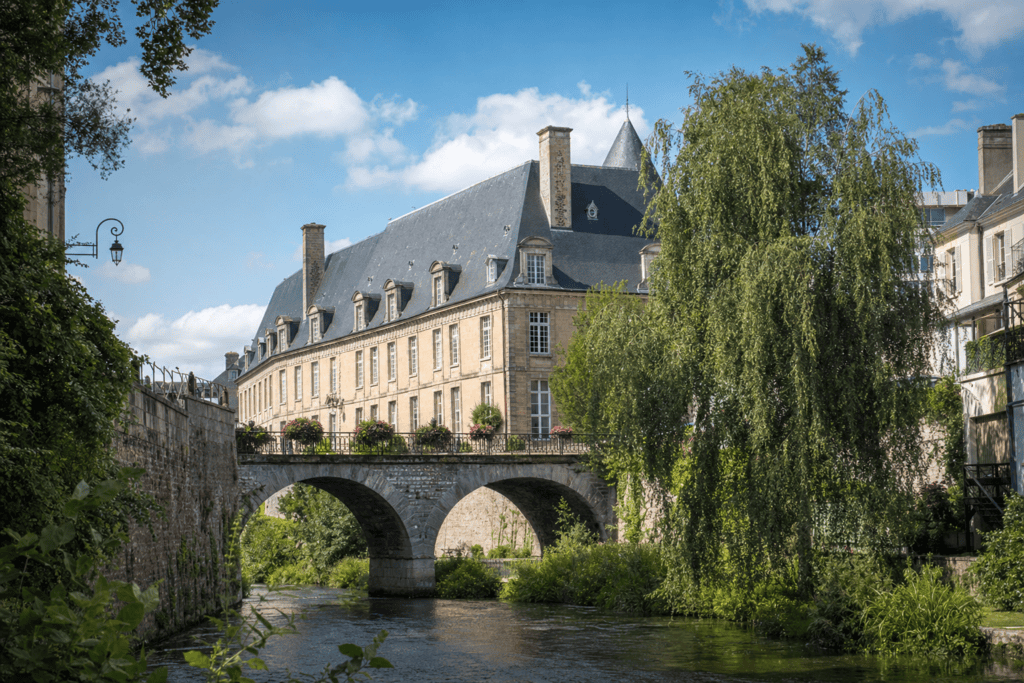
Alençon
Alençon charms visitors with its historic heritage, exceptional needle lace, religious legacy and landscapes…
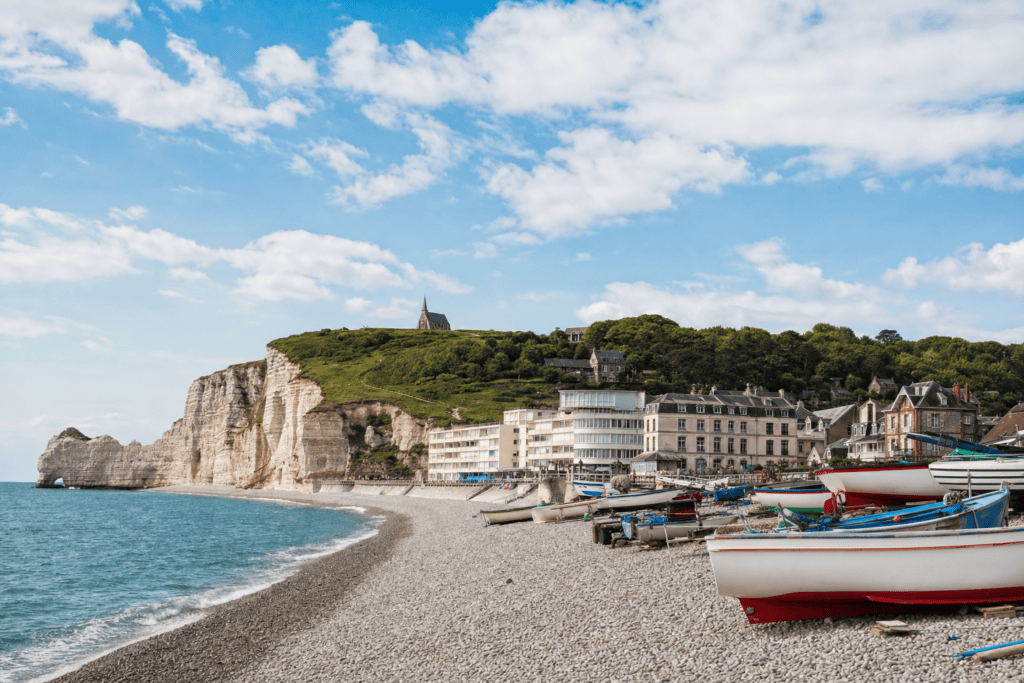
Fécamp
Between its port, cliffs, and heritage, Fécamp reveals an authentic maritime Normandy, ideal for a getaway from Paris.
DESTINATION GUIDE
Sainte-Mère-Église Visitor Guide
Why visit Sainte-Mère-Église?
Sainte-Mère-Église is one of the most important sites for remembrance tourism in Normandy. During the night of June 5–6, 1944, American paratroopers from the 82nd and 101st Airborne Divisions were dropped over the Cotentin Peninsula. Their mission included disrupting German communications, securing roads and bridges, and protecting the western flank of the troops landing at Utah Beach.
The village was liberated early on June 6. Its history is best understood alongside the bocage landscapes, the Merderet marshes, and the roads linking the interior of the Cotentin Peninsula with the coast. A visit to the town center and the Airborne Museum can easily fill half a day. A full day allows you to add La Fière. Over two days, you can reach Utah Beach, a German battery, and Carentan without spending too much time on the road.
The Airborne Museum: a must-see
Located in the heart of the town, the Airborne Museum tells the story of American paratroopers in the Cotentin Peninsula. Its collections include uniforms, equipment, documents, vehicles, and aircraft. The exhibition spaces follow the preparation for the operation, the jump, arrival on the ground, and the fighting during the first hours.
The visit is especially useful before exploring La Fière or Utah Beach: it helps explain the objectives of the airborne units and the confusion of the nighttime operations. Some immersive exhibits may be unsettling for young children. Visitor numbers increase around June 6 and during the summer, so it is wise to check the museum’s official website for opening hours, prices, possible reservations, and events before setting out.
The church and the memory of John Steele
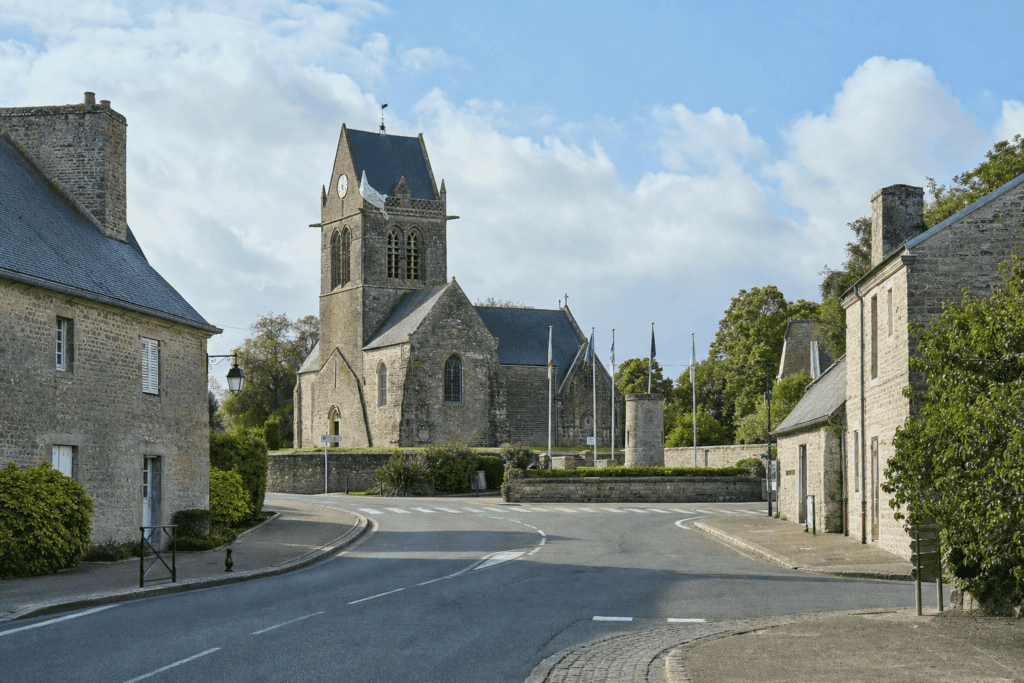
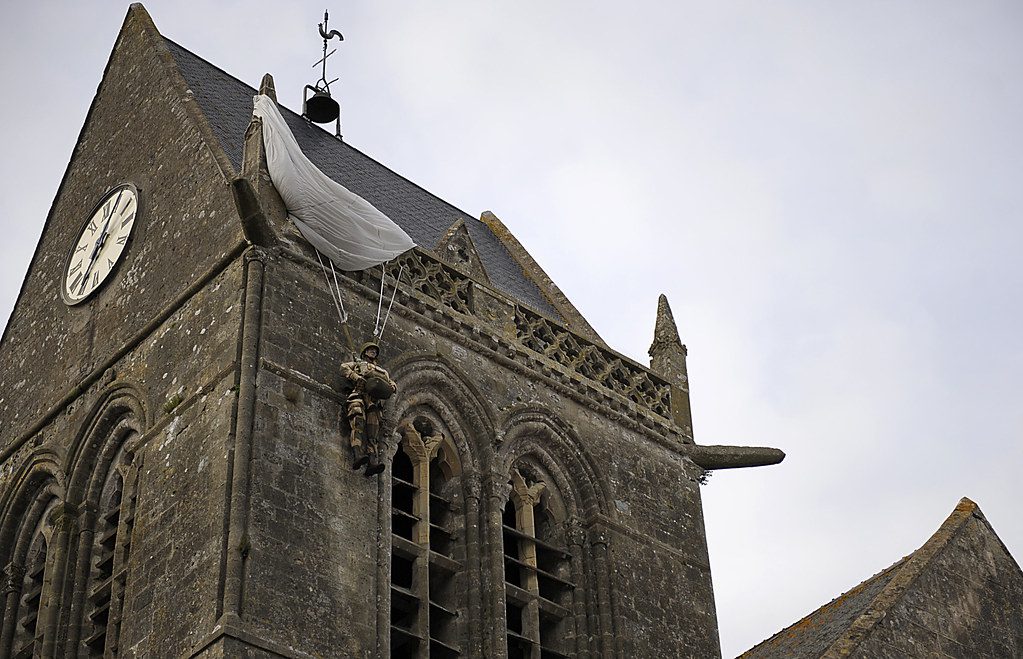
The church in Sainte-Mère-Église is associated with American paratrooper John Steele, whose parachute became caught on the bell tower during the jump. The episode, made famous by the film The Longest Day, is commemorated by an effigy visible on the bell tower. The figure has become one of the best-known symbols of D-Day.
The square, church, and surrounding streets are easy to explore on foot. Plaques, monuments, and commemorative stained-glass windows add to the walk. The church remains a place of worship, however, and interior access may depend on services and parish activities. The Open-Air Museum and the area’s historical trails can further enrich your visit, depending on their opening arrangements and locally provided information.
La Fière and the Merderet marshes
The La Fière area, a few miles from the village, recalls the fighting around a bridge over the Merderet. The airborne troops had to hold this crossing to limit German movements and secure a route inland.
The marshes, ditches, hedgerows, and raised roads make the difficulty of the terrain especially tangible. La Fière is not a traditional museum: some viewpoints are along roads or near private property. Stay in authorized areas, watch for traffic, and never touch any metal object or ammunition found on the ground. If you discover anything suspicious, move away and notify the authorities.
Utah Beach and nearby sites
Utah Beach is located in the commune of Sainte-Marie-du-Mont. The journey from Sainte-Mère-Église is generally around 12 miles and takes approximately 20 to 30 minutes by car, depending on the route, traffic, and stops. The Utah Beach Museum presents the preparations for the assault, the units involved, and the equipment used. The beach, dunes, and monuments connect military history with the geography of the coast.
- Azeville Battery features German casemates and underground passages inland from Utah Beach. Opening periods and visiting conditions should be checked.
- Crisbecq Battery, in Saint-Marcouf-de-l’Isle, adds to the exploration of the Cotentin Peninsula’s fortifications.
- Carentan-les-Marais offers insight into the fighting around transportation routes and the marshes.
- Le Normandy Victory Museum, in the Carentan area, broadens the story to include the Battle of the Cotentin Peninsula and everyday life during the Liberation.
- Omaha Beach, Pointe du Hoc, and the Normandy American Cemetery at Colleville-sur-Mer are farther away. They are better suited to a separate day than to a rushed round trip.
Getting there from Paris, train stations, and local travel
From Paris, the drive to Sainte-Mère-Église is generally around 205 miles. It often takes between 3½ and 4½ hours, or longer on busy weekends, in summer, or during commemorations. The route usually follows the A13, then continues through Caen and the Cotentin Peninsula, with variations depending on traffic conditions.
Sainte-Mère-Église does not have a passenger train station. Carentan-les-Marais station is a nearby rail gateway, approximately 9 to 12 miles away by road. Trains, connections, and schedules vary by day; check them before departure. From Carentan, plan on taking a taxi, renting a car, or booking a transfer. Caen and Bayeux offer more services for a regional itinerary, but you will still need a road connection afterward.
A car is very useful for connecting museums, beaches, batteries, and memorials. Distances remain manageable across the Cotentin Peninsula, but rural roads, frequent stops, and the season can make travel times longer than those shown by navigation apps.
Ferries and cruises: what are the realistic options?
Cherbourg is the closest cross-Channel port to Sainte-Mère-Église. From the relevant terminal, the drive generally takes between 45 minutes and 1 hour 15 minutes, depending on the berth, traffic, and vehicle. This option is particularly convenient for travelers arriving with their car or who have arranged a transfer.
The Ouistreham ferry terminal, also known as the port of Caen, is to the east. You should generally allow around 1½ to 2 hours by road to Sainte-Mère-Église, with variations due to roadworks and traffic. Ferry passengers usually have more flexibility than cruise passengers, but boarding times must still be observed.
Le Havre welcomes ferries and cruise ships, but it is considerably farther away. From a cruise ship, an excursion to Sainte-Mère-Église involves several hours of driving round trip and a substantial buffer before the ship’s departure. This is not a spontaneous local visit. You must confirm the terminal, disembarkation time, formalities, and the final time to return on board. Ferry tickets, excursions, and museum visits must be arranged separately.
Where to stay and eat
In the village, theHôtel du 6 Juin is a well-known address for D-Day visitors, close to the town center and the Airborne Museum. Availability may be limited around June 6. Cottages and guest rooms in neighboring communities offer a quieter alternative. Carentan, Bayeux, and the coast offer a wider range of hotels, at the cost of longer daily drives.
Hall Restaurant C-47, in Sainte-Mère-Église, is associated with the village’s commemorative atmosphere. The Café du Musée, in the Airborne Museum area, may be convenient depending on its hours. Opening days, services, and reservations vary by season: check directly with the establishments. For a wider range of dining options, Bayeux and the Normandy coast offer more choice, but require a detour.
When to visit and what itinerary to plan
Spring and early fall are well suited to alternating museum visits with walks. June has particular commemorative significance, but ceremonies around June 6 can bring heavy crowds, traffic restrictions, and changes to access. In July and August, book accommodations early and check site calendars. Wind and rain showers are possible year-round, so bring a waterproof jacket and suitable shoes.
Over two days, start with the Airborne Museum, the church, and the center of Sainte-Mère-Église, then continue to La Fière. The next day, head to Utah Beach and choose one battery before possibly continuing to Carentan. Add a day for Bayeux, Omaha Beach, and Colleville-sur-Mer. Tickets, guided tours, meals, and accommodations must be booked separately with the relevant organizations.
Planning a private transfer from Paris
A private transfer can begin in Paris, a town in the Île-de-France region, at Paris Charles de Gaulle Airport, or at Paris Orly Airport. It can connect Sainte-Mère-Église, Utah Beach, and several D-Day sites before returning to Paris, or form part of a longer itinerary starting in the Paris region. This option suits families, groups, and travelers with luggage when the sites are spread out.
Booking Paris Transfer arranges private journeys departing from Paris and the Île-de-France region, with a return to Paris or an itinerary beginning in Paris. The company does not sell admission tickets and does not operate as a tour agency or as a local driver based in the Cotentin Peninsula. For pickup in Cherbourg, Ouistreham, or Le Havre, the request must be part of a journey beginning in Paris or the Île-de-France region.
Getting to Sainte-Mère-Église from Paris
Booking Paris Transfer offers private journeys departing from Paris, the Île-de-France region, CDG, or ORY to Sainte-Mère-Église, Utah Beach, and the D-Day sites, with a return to Paris or an itinerary beginning in Paris. Tickets, visits, meals, and accommodations must be arranged separately.