



Granville, a Maritime Town in Normandy · Normandy
Visiting Granville: Ramparts, Sea and Norman Heritage
Visiting Granville means discovering a coastal town with a deeply maritime identity, situated at the northern end of Mont-Saint-Michel Bay. Between the fortified Upper Town, harbors, beaches and views over the English Channel, Granville offers a well-rounded getaway combining heritage, culture, nature and gastronomy. The town is also an excellent base for exploring the Normandy coast, Mont-Saint-Michel Bay and the landscapes of the Avranchin area.
Explore Granville
Granville’s Must-See Attractions
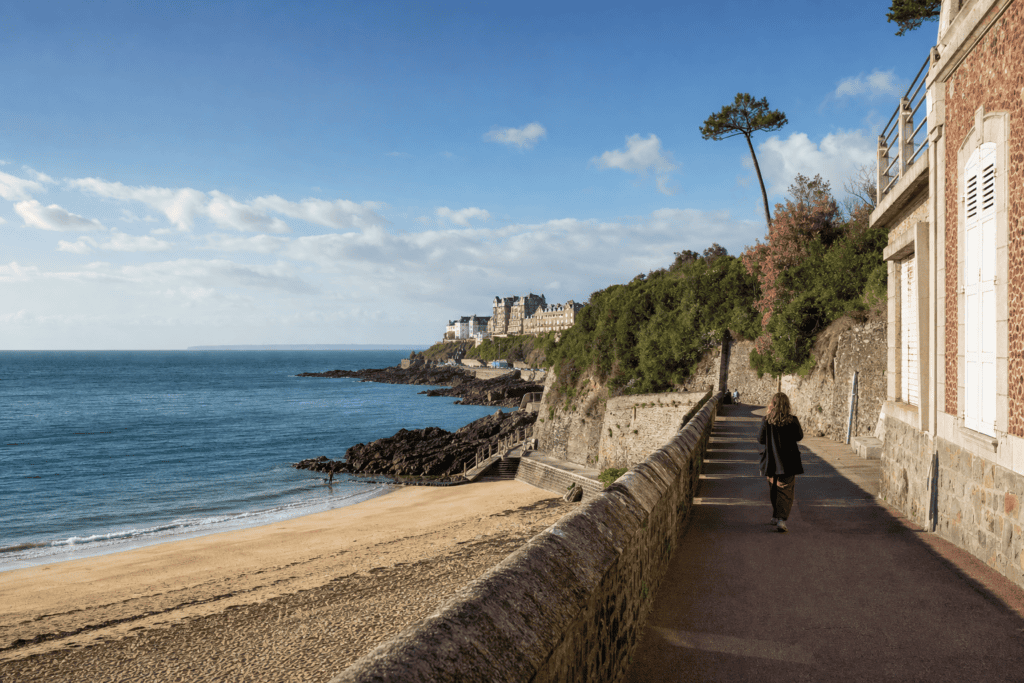 Beaches
Plat Gousset Beach and Seafront Promenade
A stylish central beach for enjoying the sea, the promenade and views of Chausey…
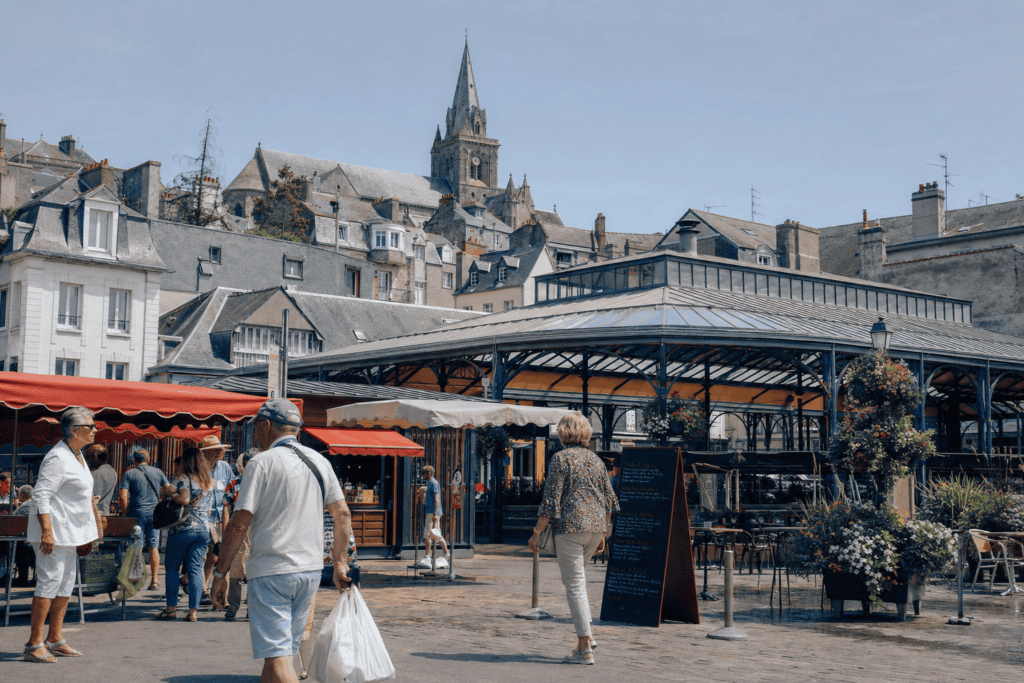 Must-see
Granville Market
A central market for discovering Manche products, Granville’s harbor atmosphere, and Norman flavors.
 Attractions
Le Roc des Curiosités
In Granville, an original indoor visit featuring an aquarium, natural curiosities, and Channel Coast landscapes.
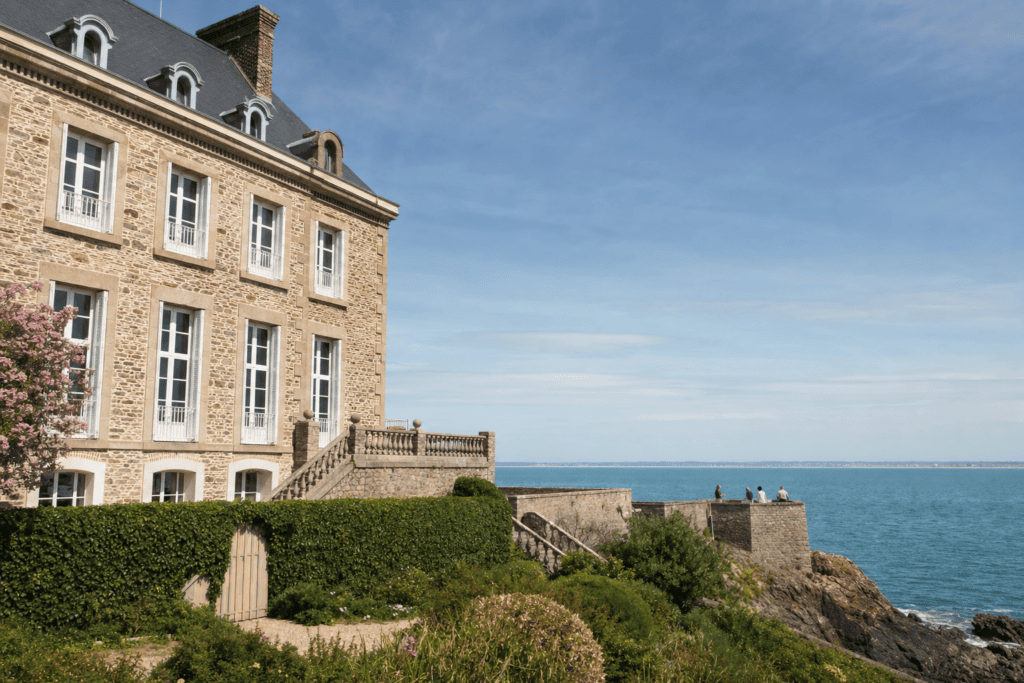 Must-see
Christian Dior Museum
A family villa overlooking the sea, a rotating Dior exhibition, and a garden to discover in Granville.
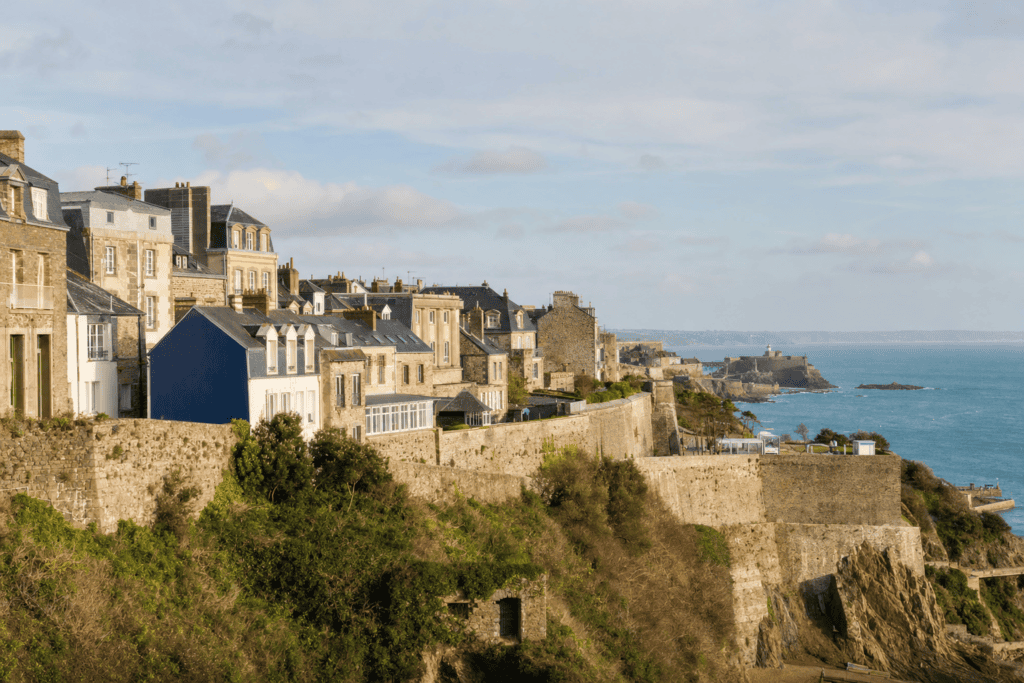 Must-see
Granville’s Upper Town
A characterful fortified district with historic lanes, maritime heritage, and views over the English Channel.
Other destinations to discover
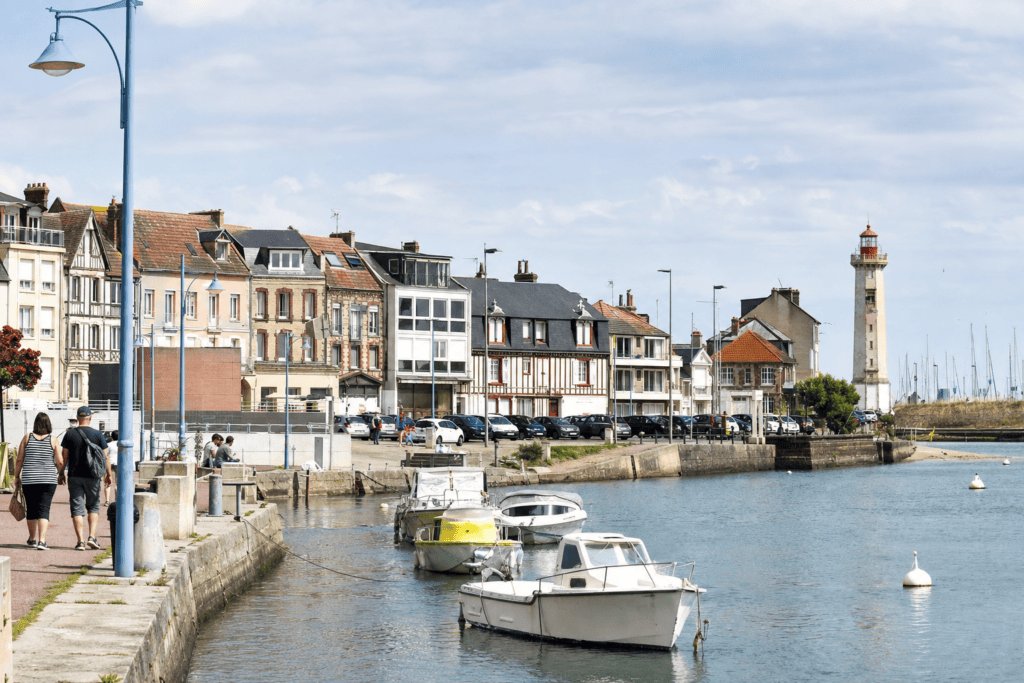
Ouistreham
Discover Riva-Bella Beach, Sword Beach, the Grand Bunker, the harbor and D-Day sites…
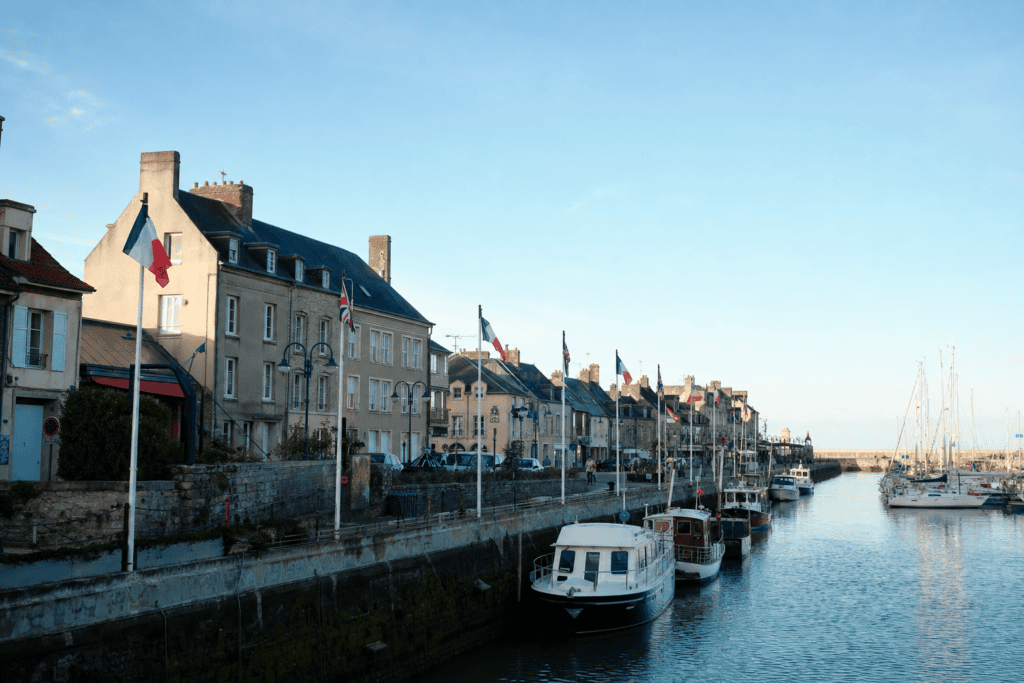
Courseulles-sur-Mer
A Côte de Nacre resort with beaches, a harbor, seafood and Canadian heritage…
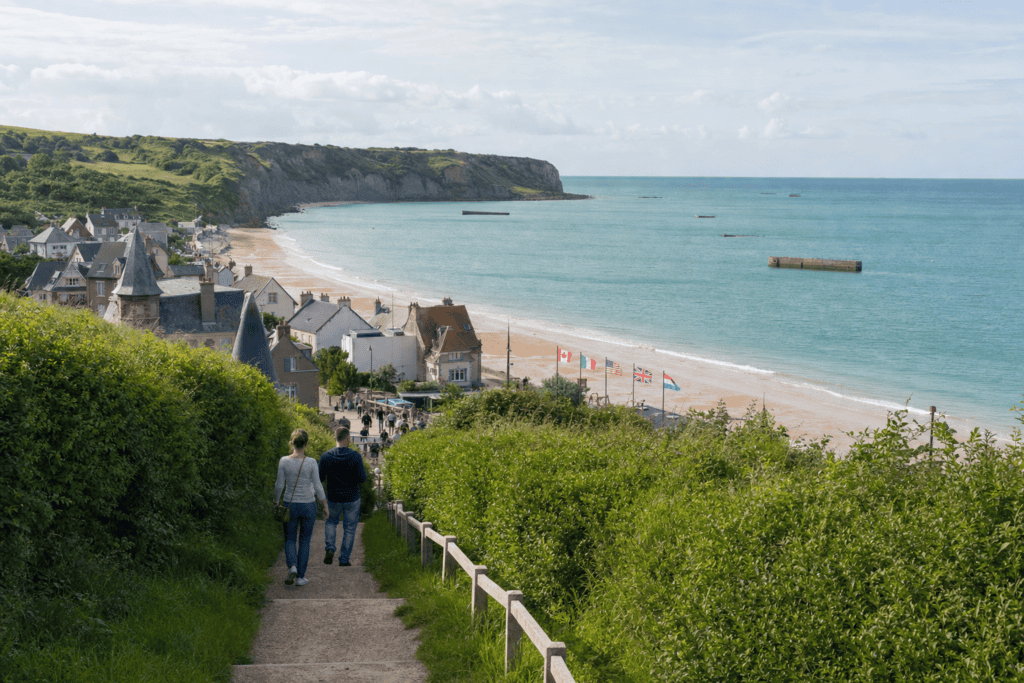
Arromanches-les-Bains
A major D-Day site featuring Mulberry B harbor, Gold Beach, a museum, and remembrance routes from Bayeux.

Sainte-Mère-Église
Discover the Airborne Museum, John Steele’s church, La Fière, and Utah Beach from Sainte-Mère-Église.
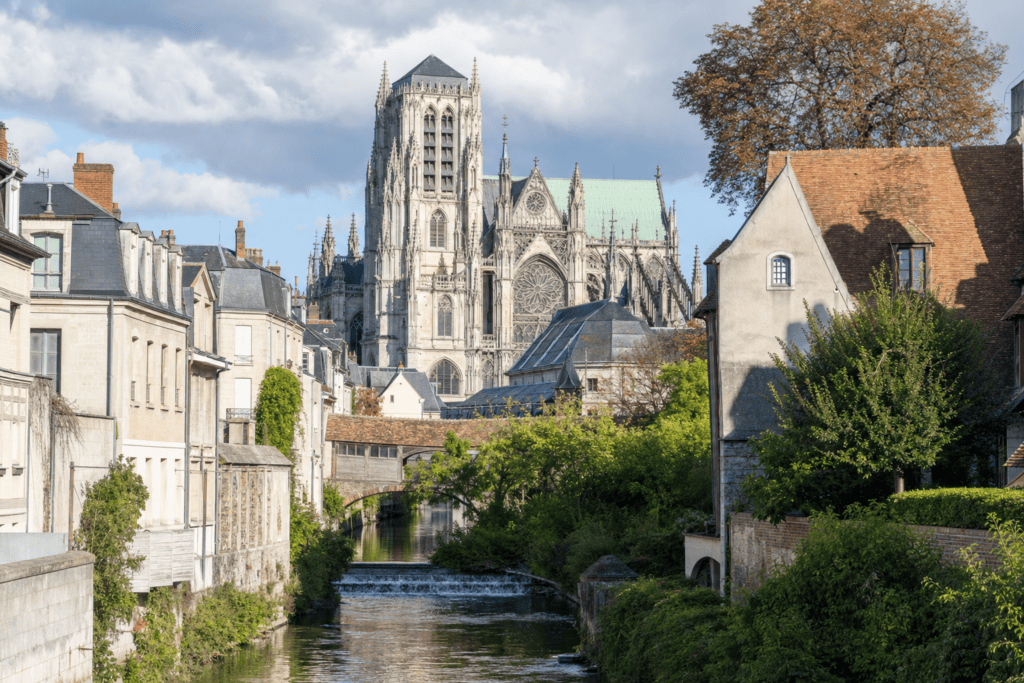
Évreux
A charming Norman town where the cathedral, belfry, museum and banks of the Iton make for a rich and…
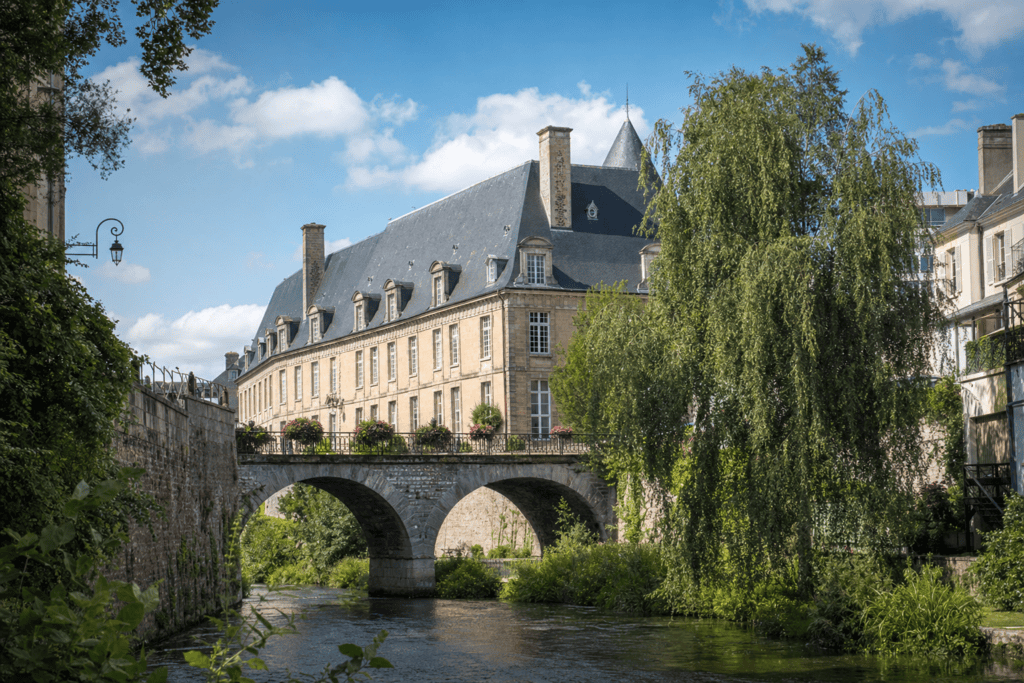
Alençon
Alençon charms visitors with its historic heritage, exceptional needle lace, religious legacy and landscapes…
DESTINATION GUIDE
Granville Travel Guide
A Maritime Town Between the Bay and the English Channel
Granville occupies a distinctive position on the west coast of the English Channel, at the northern end of Mont-Saint-Michel Bay. Built on a rocky promontory, the town looks out toward the open sea, the beaches of the Normandy coast and the Chausey Islands, which belong to the municipality. This geography largely explains its history: Granville was successively a stronghold, a privateering town, a commercial and fishing port, and later a seaside resort.
The sea remains ever-present today. It shapes the views from the ramparts, brings the harbors to life, and influences the promenades, water activities and products served in restaurants. For a first visit, ideally plan on a full day. Two days allow you to visit the main museums, take your time exploring the Upper Town and discover the surrounding area.
The Upper Town and the ramparts
The Upper Town is the historic heart of Granville. Its fortifications, old gates, narrow streets and stone houses bear witness to the town’s founding in the 15th century and its military role. Walking along the ramparts is one of the best ways to begin understanding Granville’s layout, with open views over the harbor, Lower Town, Plat Gousset Beach and the maritime horizon.
Don’t limit yourself to the ramparts alone. Take time to explore the Upper Town’s streets, particularly around Notre-Dame Church, Rue Saint-Jean and Rue Notre-Dame. The neighborhood retains grand townhouses associated with shipowners and the former deep-sea fishing industry. It is also home to galleries, studios and cultural venues that give the area an artistic atmosphere, especially enjoyable outside the busiest periods.
- Start with the ramparts to enjoy panoramic views over the bay.
- Take a look at the gates and defensive structures of the former town.
- Visit Notre-Dame Church when opening conditions allow.
- Wear comfortable shoes: the streets may be cobbled or steep.
Harbors, Beach and Seafront Promenade
Granville’s Lower Town has a more open and lively character. The harbor basins reflect the town’s professional maritime role, while the seafront continues toward Plat Gousset Beach. This urban beach is bordered by a promenade that is popular for an evening stroll, when the light changes across the bay.
The harbor is also an interesting place to observe activities related to fishing, recreational boating and maritime connections. The atmosphere varies with the tides and seasons: the harbor landscape never looks exactly the same. As everywhere along the bay’s coastline, it is best to pay attention to local information about sea conditions, access and any restrictions.
For a wilder walk, head toward Pointe du Roc. This area combines cliffs, military structures and unobstructed coastal views. It offers a sense of Granville’s strategic importance while showcasing a particularly spectacular seascape in clear weather.
Museums and the Town’s History
Granville has a rich cultural offering for a town of its size. The Christian Dior Museum is housed in the Rhumbs family villa, surrounded by a garden overlooking the sea. It explores the designer’s childhood and hosts exhibitions devoted to the history of the Dior house. Themes, opening periods and visiting arrangements may vary, so checking the official website before setting out is recommended.
The Richard Anacréon Museum of Modern Art presents a collection associated with the Granville bibliophile and collector after whom it is named. Its visit pairs well with exploring the Upper Town and offers a cultural break away from the bustle of the seafront. The Granville Museum of Art and History focuses on the town’s maritime, military and seaside-resort history; its location and opening arrangements should be checked in advance, particularly during renovation work or collection reorganizations.
The town also offers historical and maritime trails that help connect its various sites of remembrance. These routes are especially useful for visitors who want to understand Granville beyond its panoramic views.
Gardens, Nature and Landscapes
The Christian Dior Garden is one of Granville’s best-known landscaped spaces. Set around the Rhumbs villa, it combines greenery, sea views and a romantic atmosphere. It can make a pleasant stop between the beach, the Upper Town and the residential neighborhoods.
Granville’s landscapes can also be discovered on foot, by following the coastal promenades and nearby shoreline areas. The tides constantly reshape the foreshore: before heading onto the shore, check tide times and local recommendations, as some areas can become difficult or dangerous to leave. Photography enthusiasts will particularly enjoy the views from Pointe du Roc, the ramparts and the area around the harbor.
Local Flavors and Trip Ideas
A stop in Granville is an opportunity to sample products from the Manche region: fish, shellfish, crustaceans, Normandy dairy products and regional specialties. The market and shops in the center are good places to put together a simple lunch or find products to take home. Restaurants in the town center and Upper Town offer a range of atmospheres, from crêperies to seafood restaurants.
For a one-day stay, start in the Upper Town, continue to the ramparts and Pointe du Roc, then head down to the harbor and Plat Gousset. Set aside the afternoon for a museum or the Christian Dior Garden. Over two days, add a longer coastal walk, a visit to the neighboring towns of Saint-Pair-sur-Mer or Jullouville, and, depending on the season and sailing conditions, an excursion to Chausey. Maritime connections are subject to schedules and weather constraints, so always check official information before planning this outing.
When to Go and How to Plan Your Visit
Spring and early fall often offer a good balance of light, walks and more moderate visitor numbers. Summer is enjoyable for the beach and lively atmosphere, but weekends and vacation periods can be busier. Winter reveals a quieter side of Granville, appealing to those interested in heritage, seascapes and harbor atmospheres.
Granville’s center is easy to explore on foot, but the Upper Town includes slopes and uneven surfaces. For a wider excursion to Mont-Saint-Michel Bay, nearby beaches or several Normandy destinations, a car can make getting around easier. Remember to check parking conditions, site access and museum schedules before you leave.
Getting to Granville from Paris
Booking Paris Transfer can arrange a private trip from Paris, your hotel, CDG or ORY to Granville, with the option of planning a return to Paris or a multi-city itinerary in Normandy. The service covers transportation between Paris and your destination; admission tickets, boat crossings and tours are not sold by Booking Paris Transfer.