



Destination Guide · Auvergne-Rhône-Alpes · Auvergne-Rhône-Alpes
Lyon, a Historic City Between the Rhône, Saône and Hills
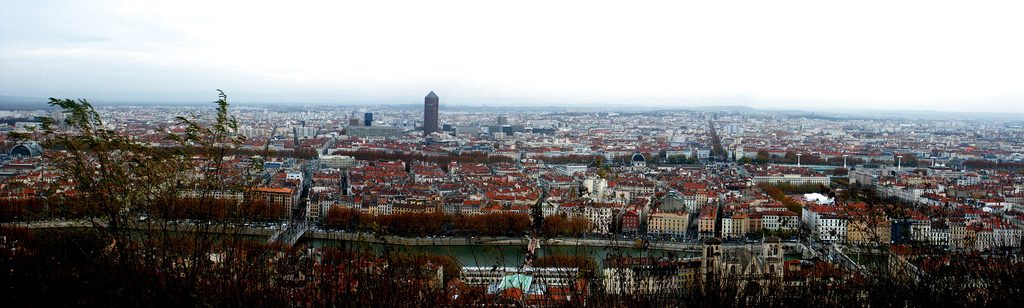
At the confluence of the Rhône and Saône, Lyon brings together more than two thousand years of history, remarkable architectural heritage, neighborhoods shaped by the silk industry and a distinctive culinary culture. From Vieux-Lyon to Fourvière and from the Presqu’île to the slopes of Croix-Rousse, the city is easy to explore on foot, although you should expect some hills, stairs and cobblestone streets. Its historic site has been listed as a UNESCO World Heritage Site since 1998.
Explorer Lyon
Lyon’s Must-See Attractions
Other destinations to discover
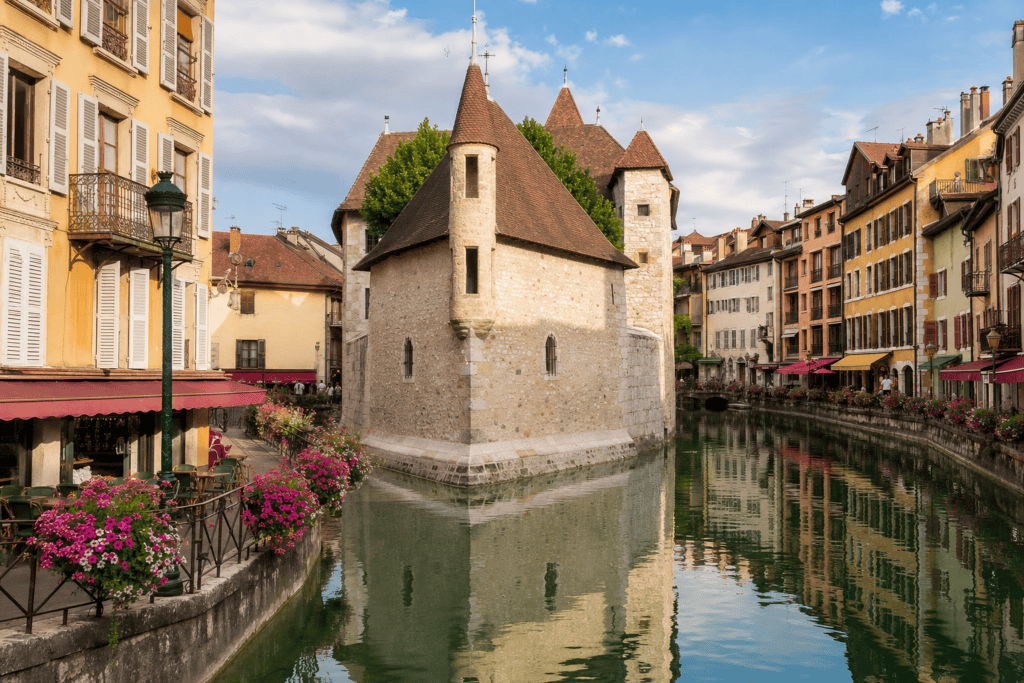
Annecy
Between historic lanes, lakeshores and the slopes of Semnoz, Annecy offers a balance…
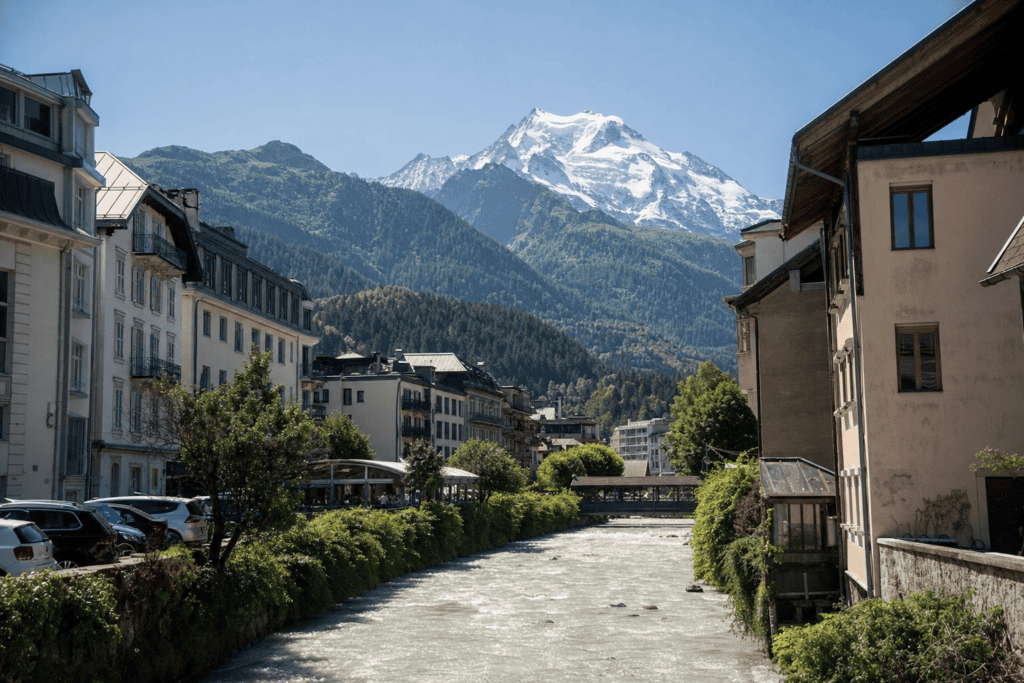
Chamonix-Mont-Blanc
A legendary valley in the French Alps, featuring glaciers, high-altitude panoramas, hikes, villages, and mountaineering heritage.
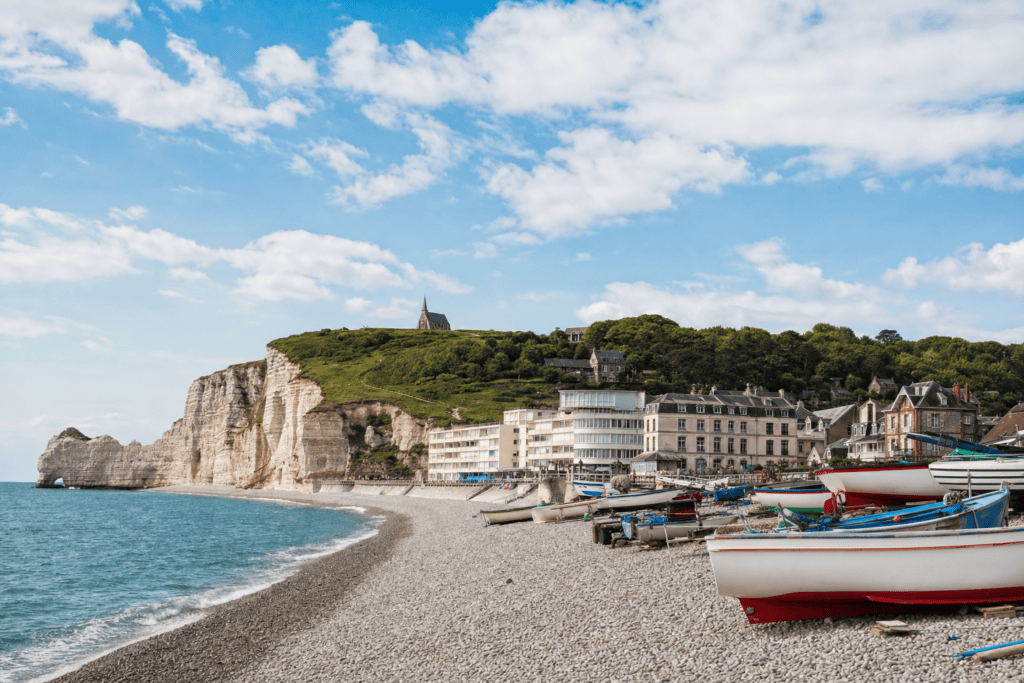
Fécamp
Between its port, cliffs, and heritage, Fécamp reveals an authentic maritime Normandy, ideal for a getaway from Paris.
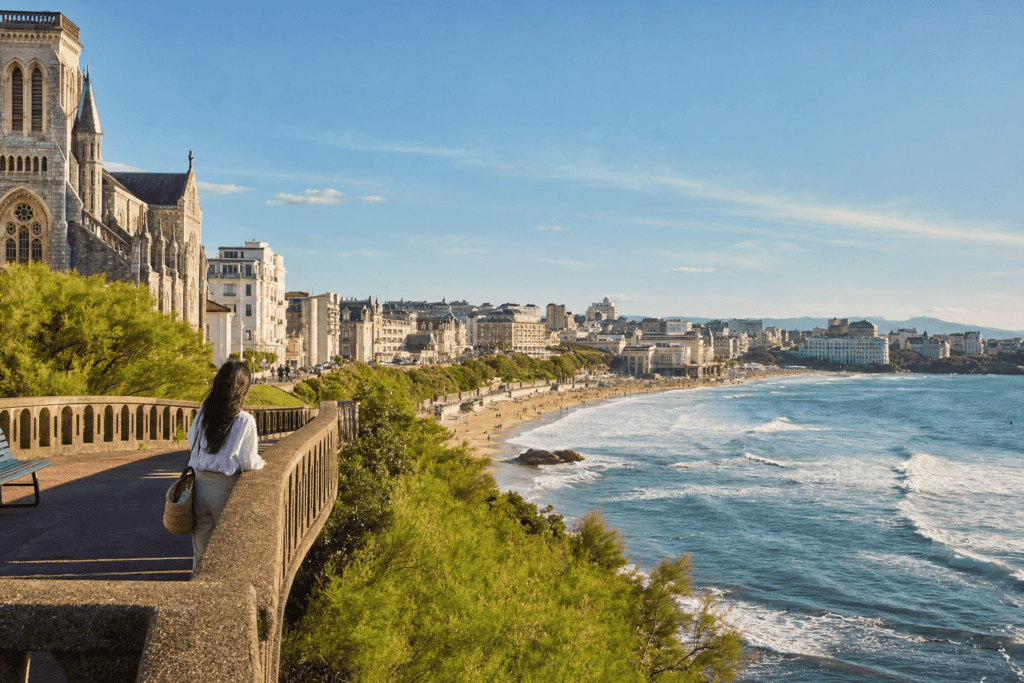
Biarritz
Between surfing, elegant villas, cliffs, and Basque specialties, Biarritz offers a lively, refreshing coastal escape.
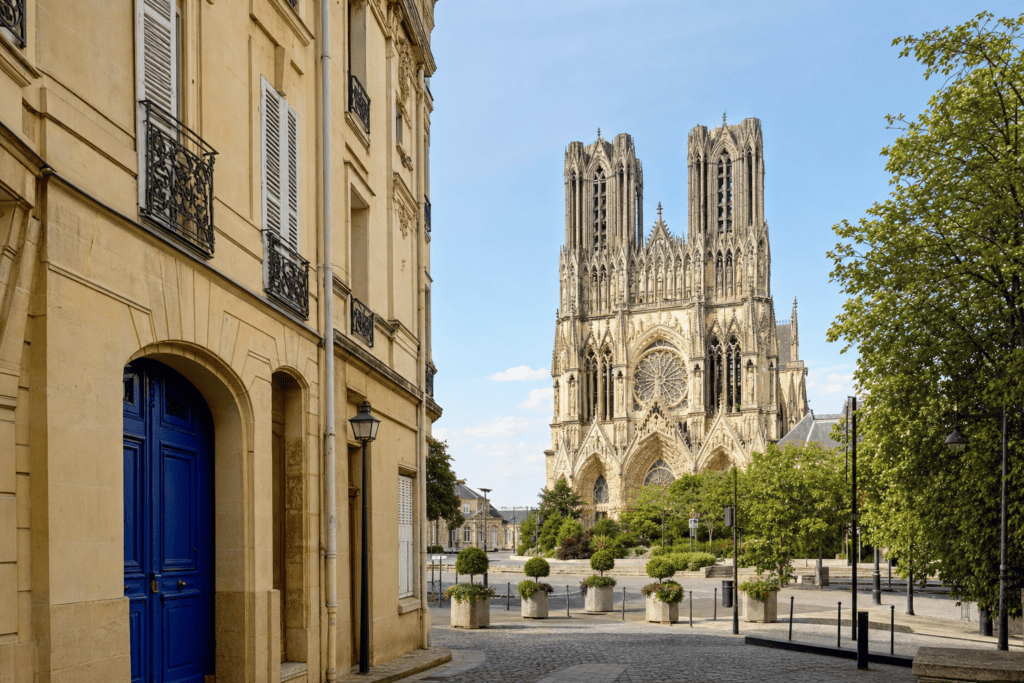
Reims
A major heritage destination in the Grand Est, ideal for combining a cathedral, royal history, Art Deco architecture, and…
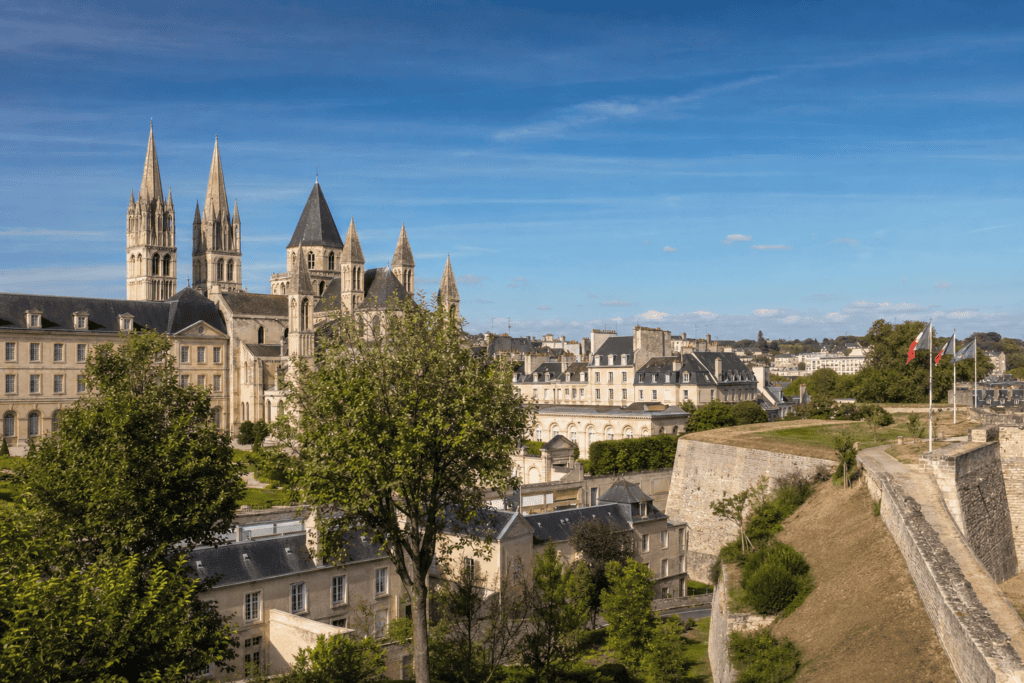
Caen
Une ville normande où se rencontrent Guillaume le Conquérant, les grandes abbayes, le château ducal et la…
DESTINATION GUIDE
Lyon Travel Guide
Why visit Lyon?
Lyon is a destination where different eras can be read directly in the urban landscape. Founded by the Romans in the 1st century BC under the name Lugdunum, the city grew around the confluence of the Rhône and Saône, then expanded onto the hills of Fourvière and Croix-Rousse.
This history explains the diversity of its neighborhoods: ancient remains, medieval lanes, Renaissance courtyards, grand classical squares, landscaped riverfronts and buildings linked to the silk industry. Lyon’s historic site has been listed as a UNESCO World Heritage Site since 1998 and notably includes Vieux-Lyon, Fourvière, the slopes of Croix-Rousse and part of the Presqu’île.
For a first introduction, a well-planned day can allow you to see several iconic sites. If you would like to visit museums, explore the history of the neighborhoods in greater depth and enjoy the local cuisine, plan on two or three days instead.
Vieux-Lyon and the Traboules
Le Vieux-Lyon s’étend au pied de Fourvière, le long de la Saône. Les secteurs de Saint-Jean, Saint-Paul et Saint-Georges offrent une promenade entre façades colorées, cours intérieures, hôtels particuliers et édifices religieux. La cathédrale Saint-Jean-Baptiste, les rues Saint-Jean, du Bœuf et de la Juiverie constituent de bons repères pour commencer la découverte.
Traboules are passageways that cross courtyards and buildings to connect two streets. Some are open to the public under an access agreement, while others remain private or may be temporarily closed. Follow posted instructions, avoid making noise and remember that these places are also residential spaces. To learn more about their history, see the tourist office’s information about the traboules or choose a guided tour.
Fourvière and the Remains of Lugdunum
Fourvière Hill overlooks Lyon and offers several viewpoints over the rooftops, rivers and central neighborhoods. Notre-Dame de Fourvière Basilica, designed by Pierre Bossan with Louis Sainte-Marie Perrin, stands out for its architecture blending several influences. Construction began in 1872; it was consecrated in 1896 and elevated to basilica status the following year.
Admission to the basilica is free, subject to services and sanctuary guidelines. Guided tour arrangements may differ. Before setting out, check the official Fourvière information.
Nearby, Lugdunum – Museum and Roman Theaters helps place Lyon in the history of Roman Gaul. The site notably includes a large theater and an odeon, while the museum displays mosaics, sculptures, everyday objects and other archaeological evidence. Check opening hours, admission prices, exhibitions and reservation requirements on the official page opening hours, reservations and admission prices.
The Presqu’île: Squares, Shops and Museums
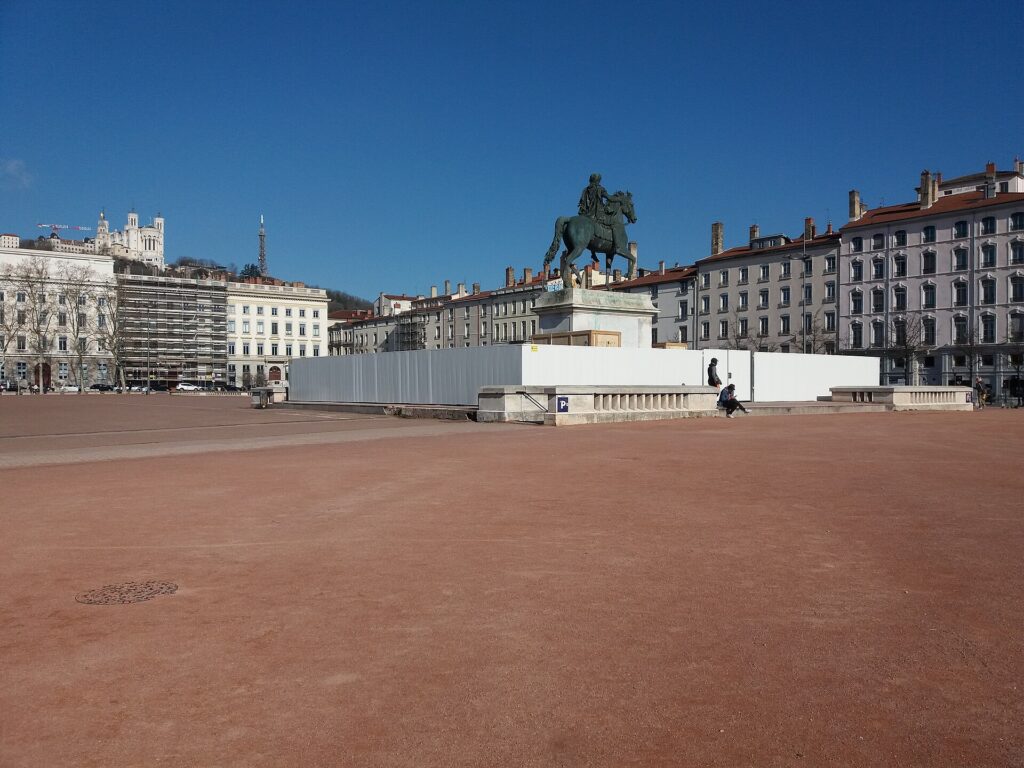
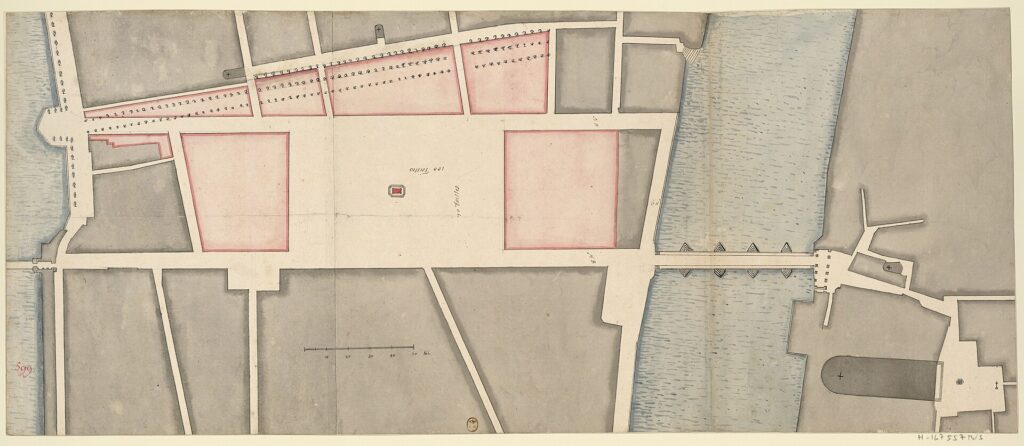
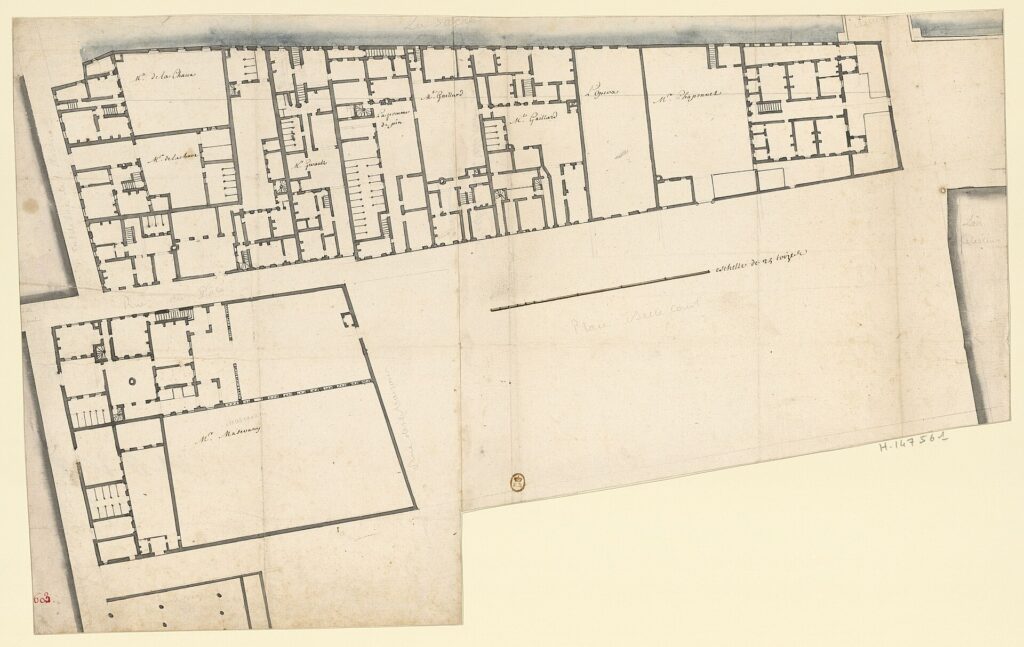
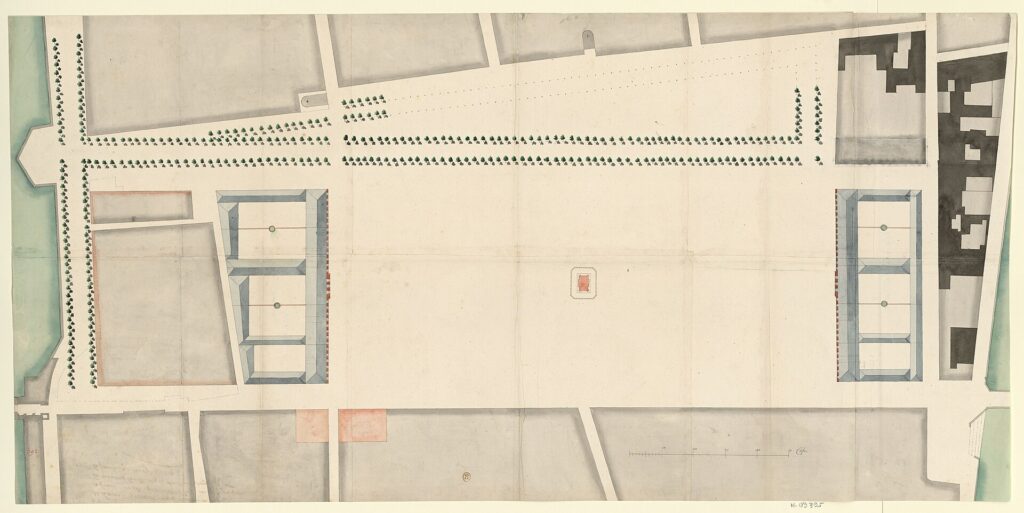
Between the Rhône and Saône, the Presqu’île forms Lyon’s monumental and commercial center. Place Bellecour is a convenient starting point for reaching Rue de la République, Place des Jacobins, Place des Cordeliers and Place des Terreaux.
The area combines classical and 19th century buildings, boutiques, cafés and cultural institutions. The Lyon Museum of Fine Arts, located near Les Terreaux, houses collections ranging from antiquity to modern art. Along the Rhône, the Grand Hôtel-Dieu illustrates the contemporary redevelopment of a former hospital complex.
The Rhône and Saône riverfronts let you continue exploring in a more open setting. They also offer beautiful views of Fourvière, the façades of Vieux-Lyon and the bridges in the city center.
Croix-Rousse and the Legacy of the Canuts
Croix-Rousse is inseparable from the history of the canuts, the silk workers who shaped Lyon’s economy and social life in the 19th th century. Buildings with high ceilings recall the layout of former workshops and the importance of weaving in the neighborhood.
The slopes connect the plateau to the Presqu’île via stairways, passageways and sometimes steep streets. On the plateau, markets, cafés and small squares create a more residential atmosphere. The Canuts mural is part of Lyon’s tradition of painted walls and is an interesting landmark for understanding the neighborhood’s identity. A guided tour can help connect the visible sites with the social history of silk.
Museums and Cultural Visit Ideas
Lyon offers a cultural scene suited to many different types of stays. The Musée des Confluences explores the relationships between societies, science and living things in a contemporary building south of the Presqu’île. The Gadagne Museum, the Museum of Printing and Graphic Communication and the Museum of Contemporary Art round out the itinerary according to your interests.
For information about exhibitions, tours, workshops and any reservations that may be required, use the institutions’ official websites. The Visit Lyon platform also provides tourist information and ideas for exploring the city. Since opening hours and access requirements may change, check the information before your visit.
Lyon Cuisine
Lyon’s cuisine can be discovered in its bouchons, covered markets, open-air markets and contemporary restaurants. Specialties often associated with the city include quenelles, Lyonnaise salad, pâté en croûte, rosette sausage, cervelle de canut and pink praline desserts and pastries.
Bouchons may offer very different atmospheres and menus. Contact your chosen establishment directly for its opening days, menus and reservation requirements. The Halles de Lyon – Paul Bocuse offer another way to explore regional products, with artisans, merchants and restaurateurs gathered under one roof.
How Long Should You Stay in Lyon?
- One day: plan a focused route around Vieux-Lyon, Fourvière and part of the Presqu’île.
- Two days: add Croix-Rousse, a museum and a meal featuring Lyon specialties.
- Three days or more: allow more time for museums, the riverfronts, markets and neighborhoods away from the main monuments.
Practical Tips for Planning Your Stay
The historic center is easy to explore on foot, but Fourvière and the slopes of Croix-Rousse include hills, stairs and cobblestone streets. For public transportation, check the réseau TCL. For road conditions, construction and disruptions, use Onlymoov. Check routes on the day of your journey.
Opening hours, admission prices, access requirements and reservation procedures may change. Consult the official pages for Lugdunum, the Museum of Fine Arts, and Fourvière and the tourist office before your visit.
Lyon can be included in a cultural itinerary in France departing from Paris or the Île-de-France region. Booking Paris Transfer can arrange private transportation between Paris, Charles de Gaulle or Orly airports, and Lyon, or support a multi-city itinerary beginning in the Paris region. Admission tickets, guided tours, and restaurant reservations should be arranged directly with the establishments concerned.
Getting to Lyon from Paris
Based in Paris, Booking Paris Transfer arranges private trips to Lyon departing from Paris, CDG, or ORY, as well as multi-city itineraries beginning in the Île-de-France region. A return to Paris can be planned according to your itinerary. The service covers transportation only and does not include admission tickets or tourist activities on site.