



Grand Est · Heritage and Champagne · Grand Est
Visit Reims: Cathedral, Royal Coronations and Champagne Cellars
Visiting Reims means exploring a city where the history of the French monarchy meets the Champagne way of life. From Notre-Dame Cathedral to the chalk cellars beneath Saint-Nicaise Hill, Reims brings together World Heritage, Art Deco architecture, the memory of World War I, and renowned Champagne houses.
Explorer Reims
Reims Highlights
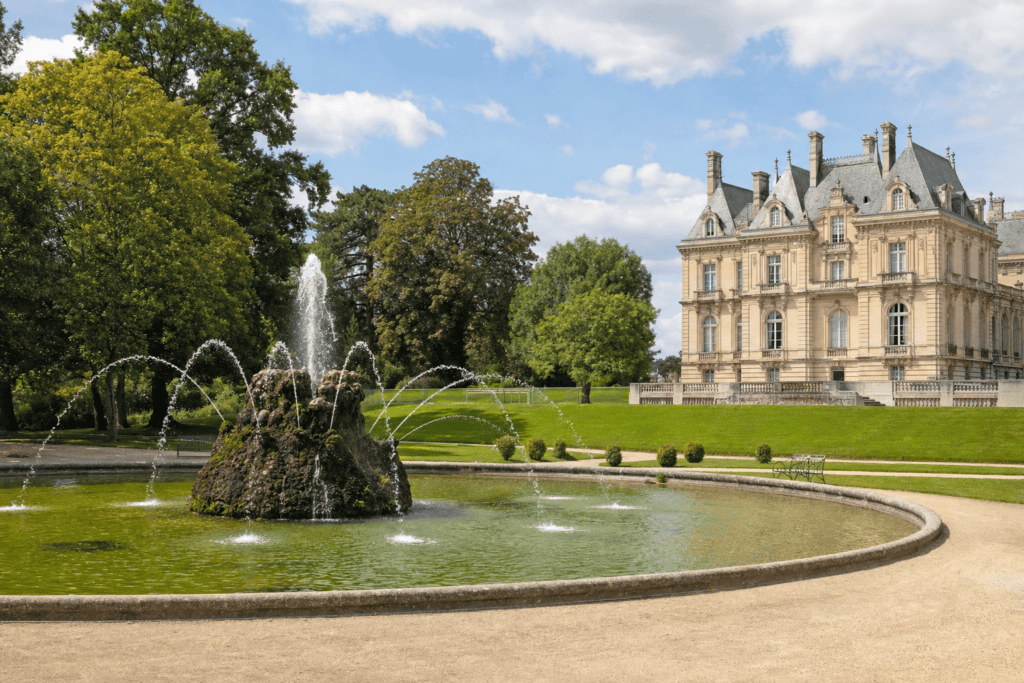 Parks & gardens
Champagne Park
A large 22-hectare park in Reims where nature, leisure, sports and champagne history come together.
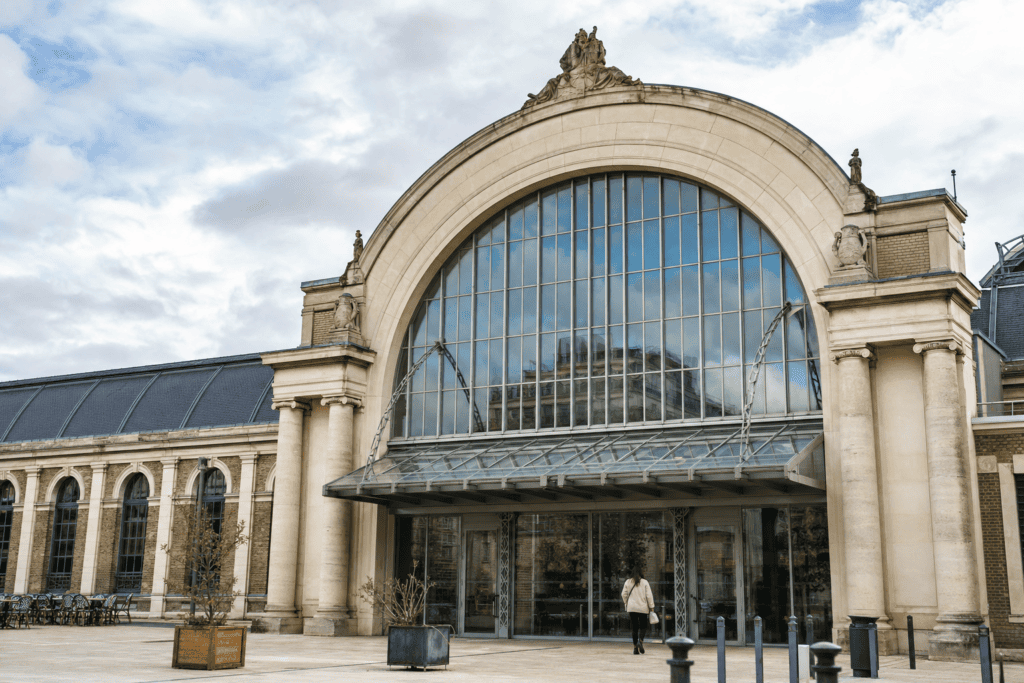 Markets
Halles du Boulingrin
An iconic covered market in Reims, where Art Deco architecture complements a delicious discovery of local products.
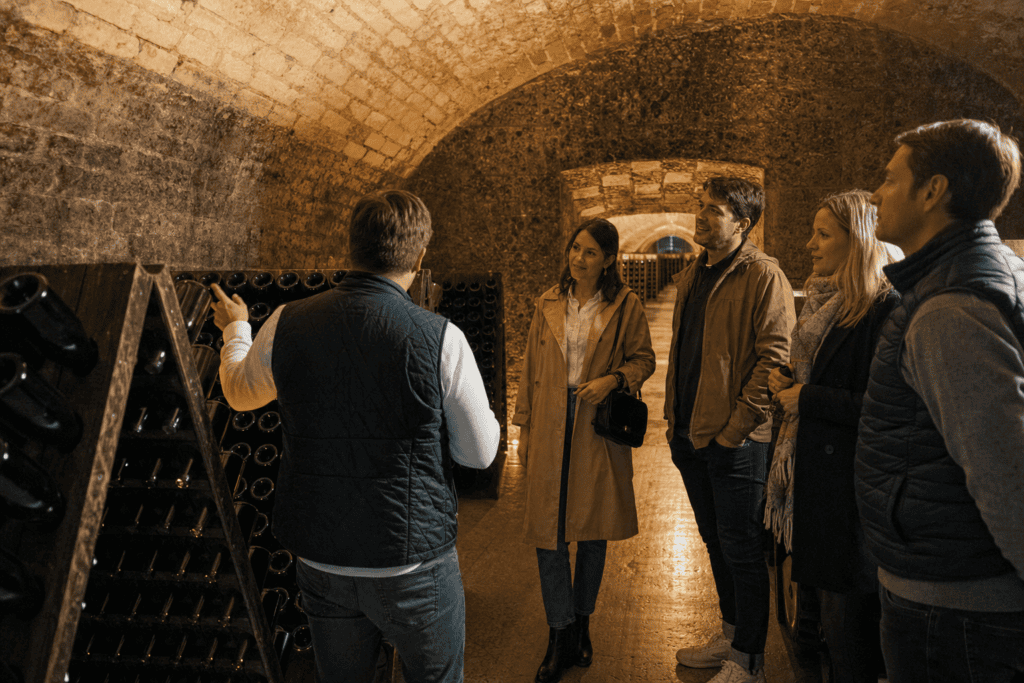 Must-see
Champagne cellar tour in Reims
Descend into Reims’ chalk cellars to learn how Champagne is made and enjoy a tasting at the heart of the…
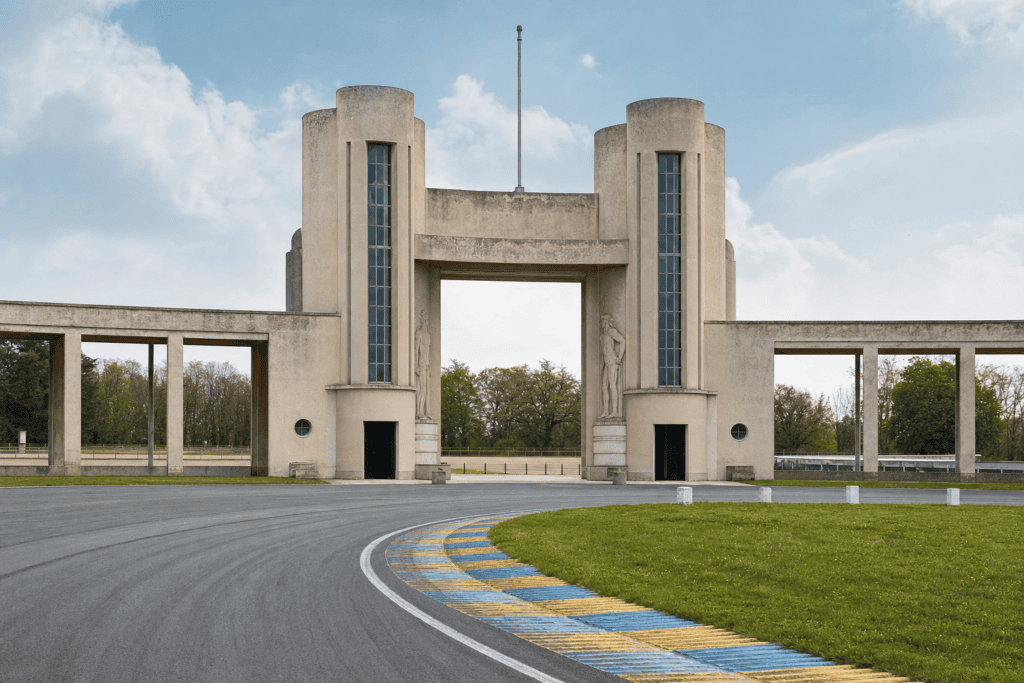 Must-see
Reims Art Deco Walking Tour
A 2- to 3-hour walk between the train station, Les Promenades, Cours Langlet, Passage Subé…
 Must-see
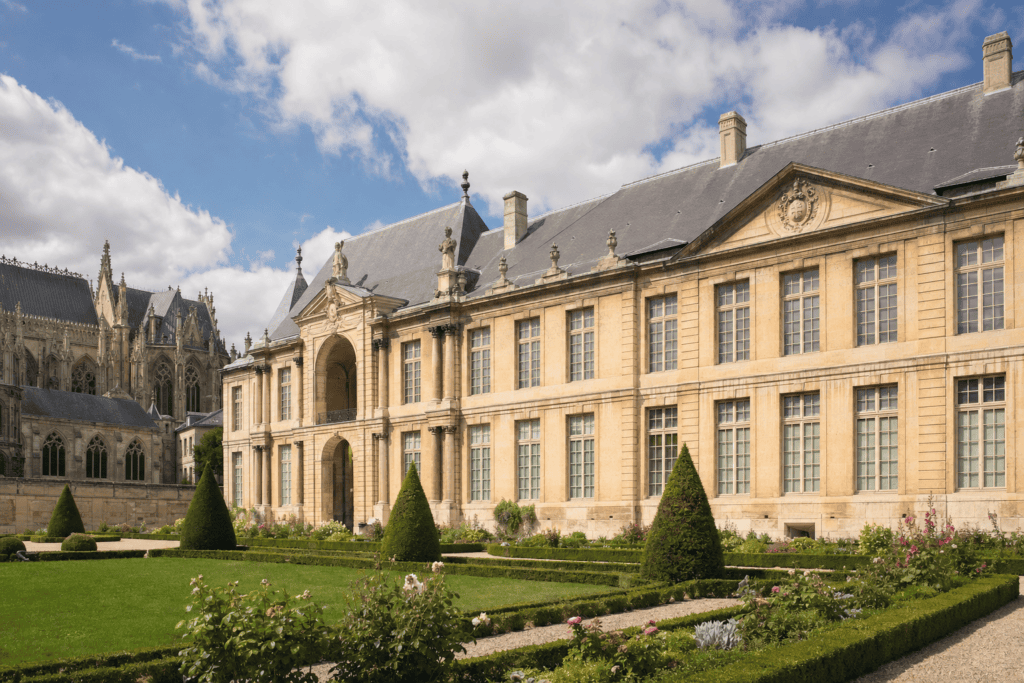
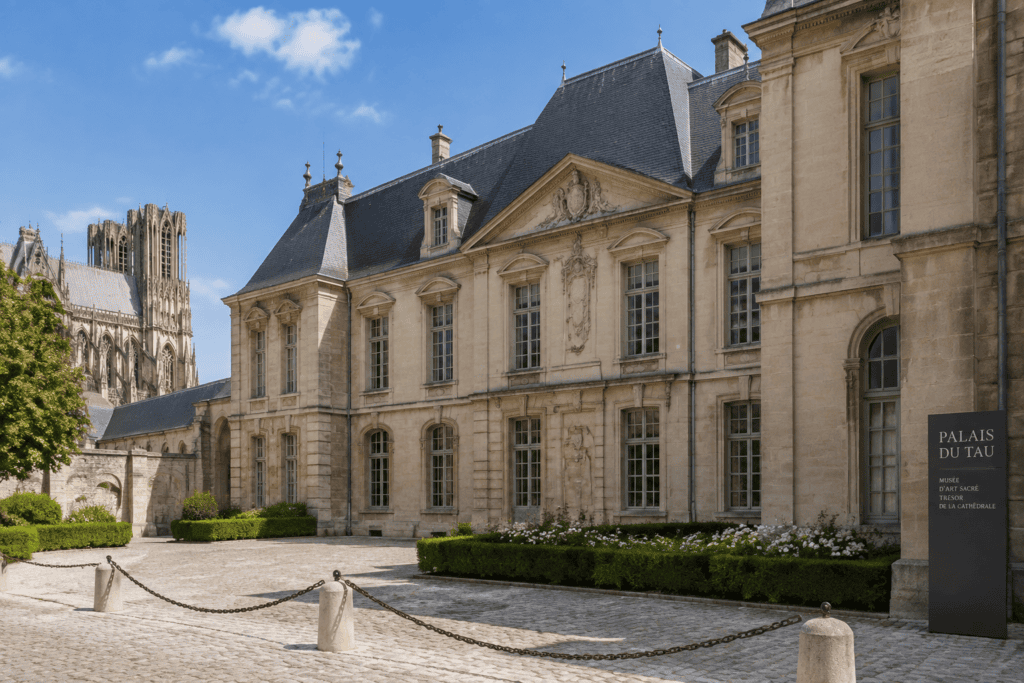
Palace of Tau
Next to Reims Cathedral, the Palais du Tau recounts the royal coronations through its…
 Must-see
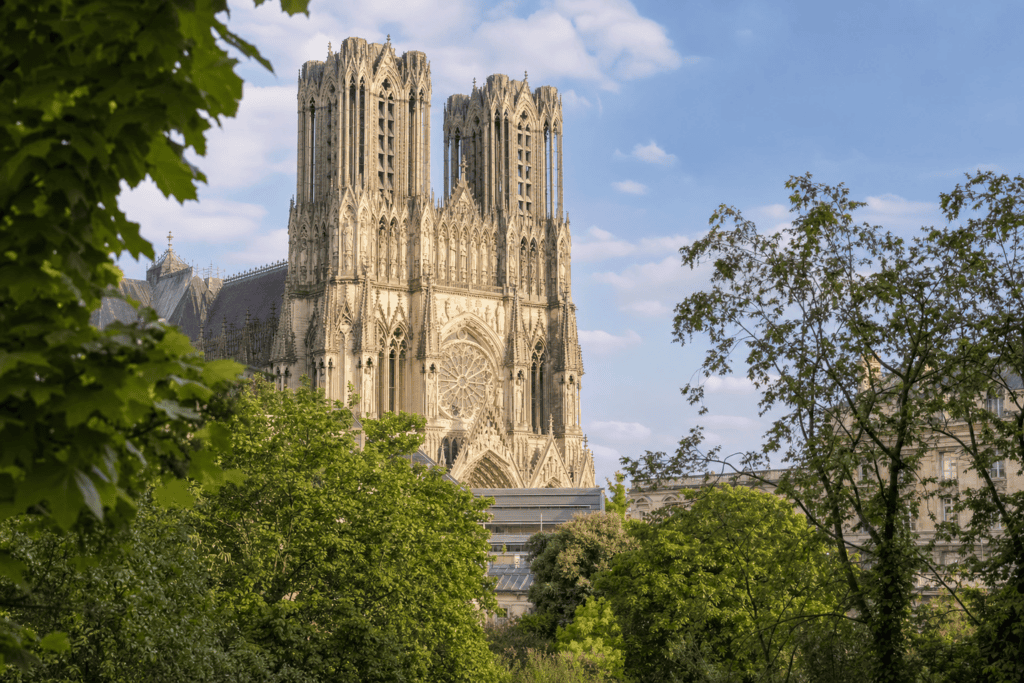
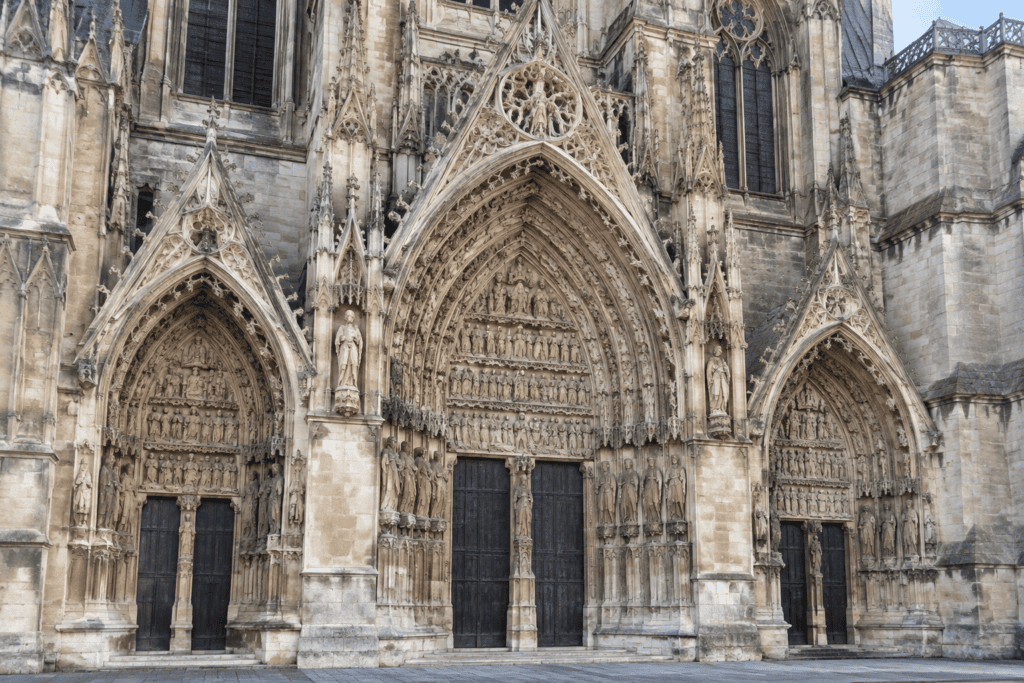
Notre-Dame Cathedral of Reims
A Gothic masterpiece in the heart of Reims, featuring monumental sculptures, remarkable stained-glass windows, and the memory of royal coronations…
 Must-see
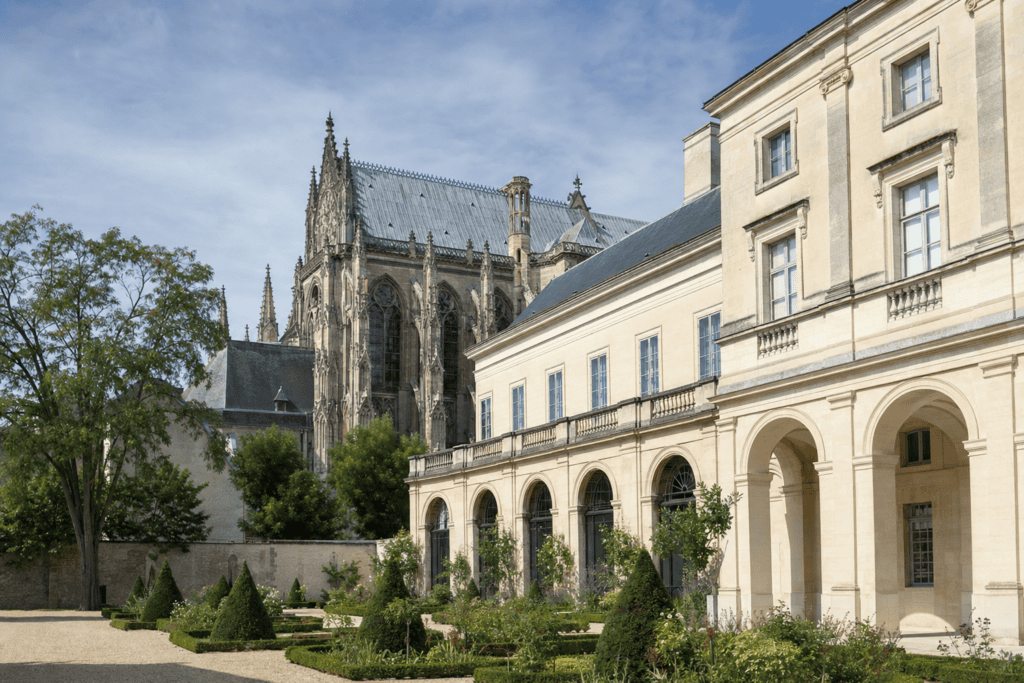
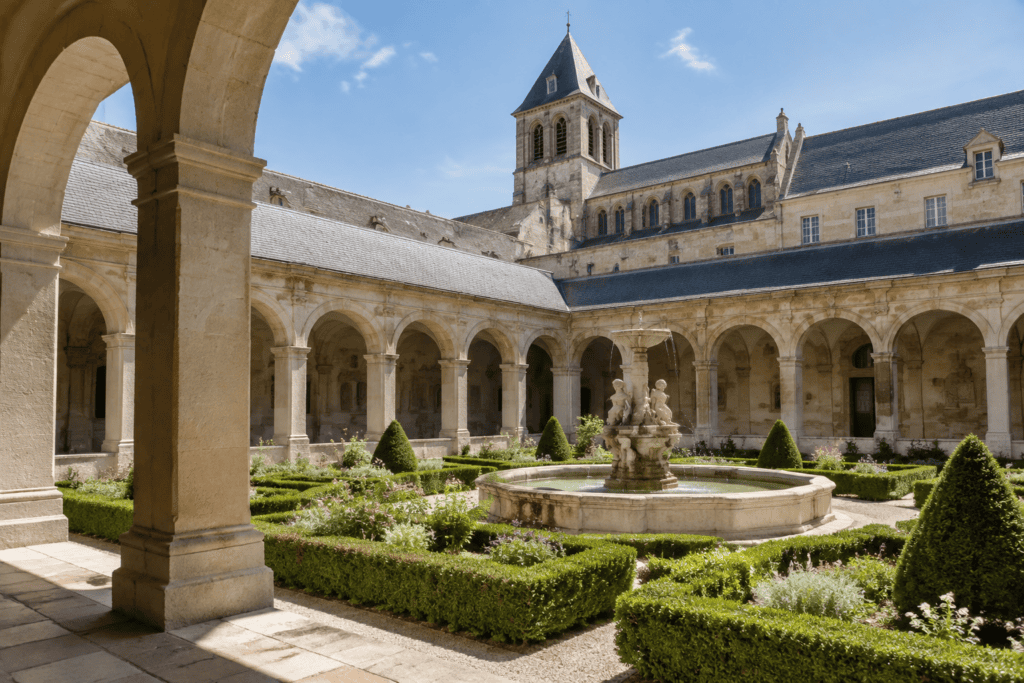
Musée Saint-Remi
Housed in a former Benedictine abbey, the Musée Saint-Remi traces the history of Reims from antiquity to the modern era, through…
Other destinations to discover
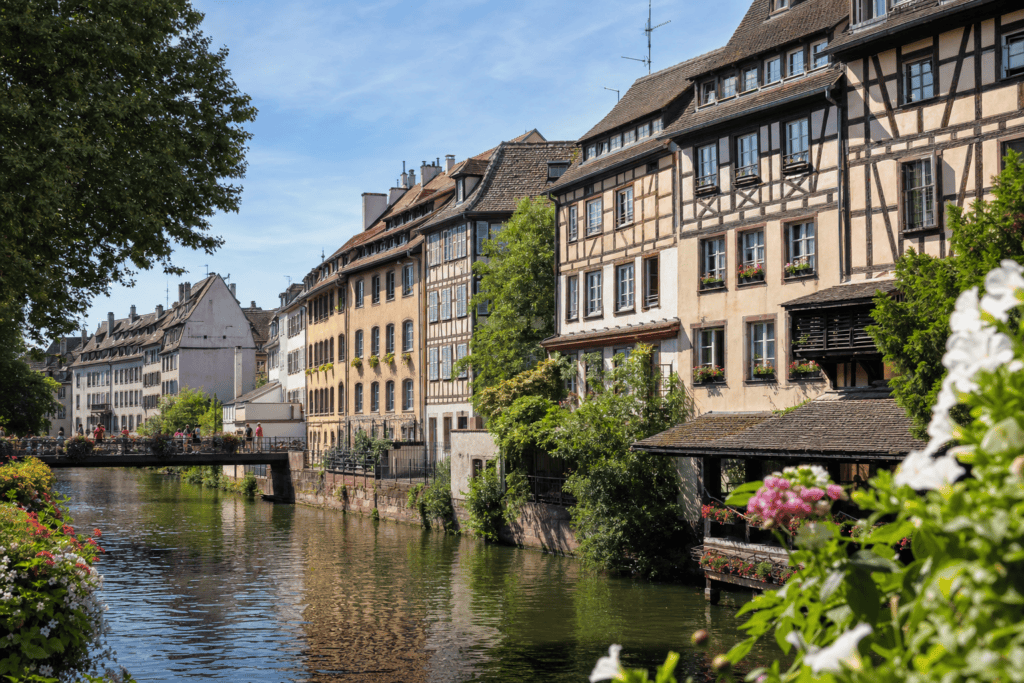
Strasbourg
With its Gothic cathedral, half-timbered houses, Imperial Quarter and European institutions, Strasbourg offers a rich cultural experience…
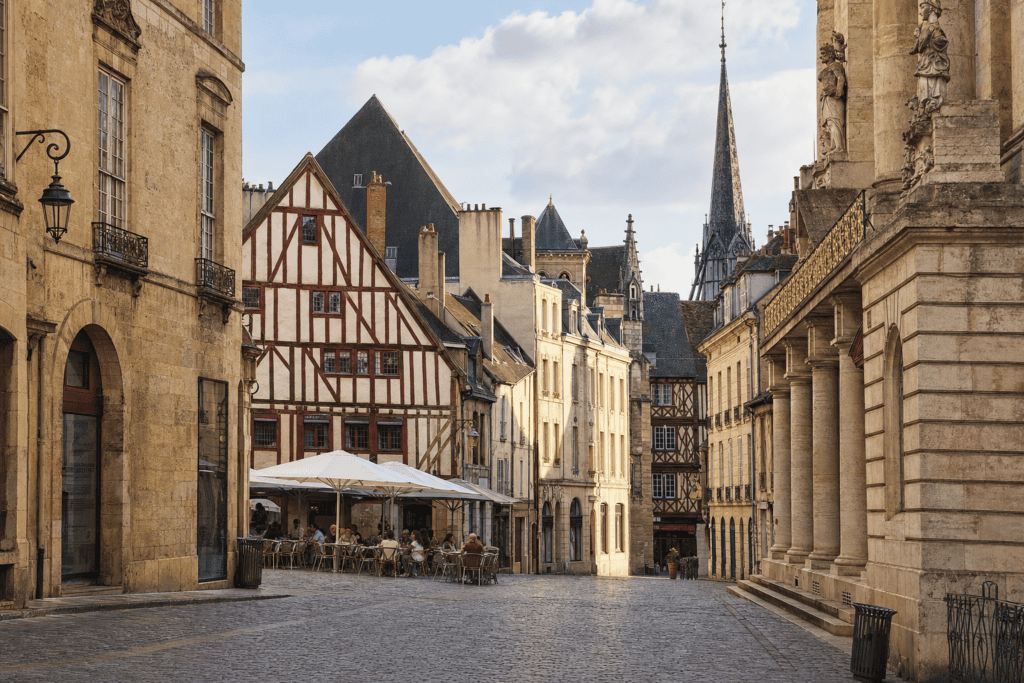
Dijon
An elegant, food-loving city, with the dukes’ palace, the Owl’s Trail, and renowned local wine regions of…
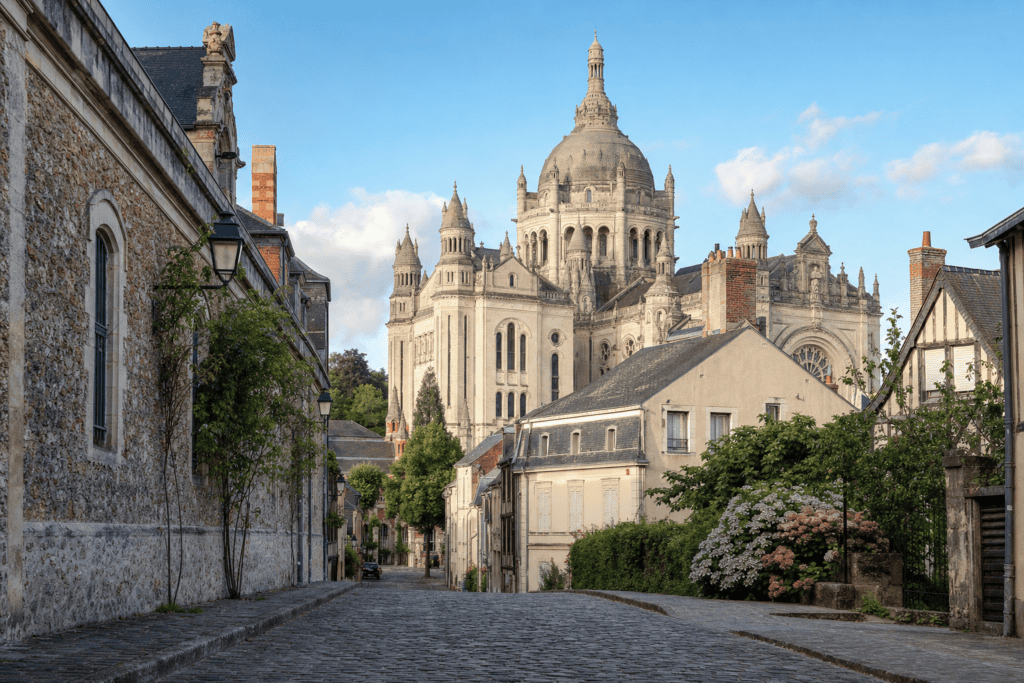
Lisieux
A sanctuary town in Calvados, Lisieux combines a monumental basilica, a medieval cathedral, museums, the legacy of Thérèse and the landscapes of…
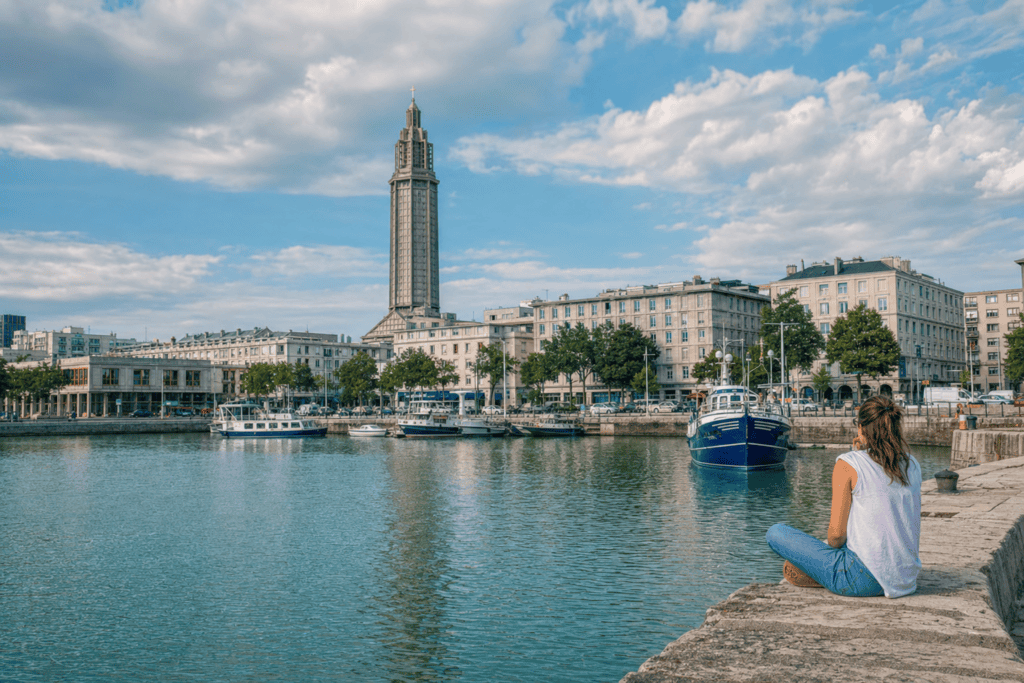
Le Havre
A maritime, contemporary city known for its Perret architecture, beach, museums and activity…
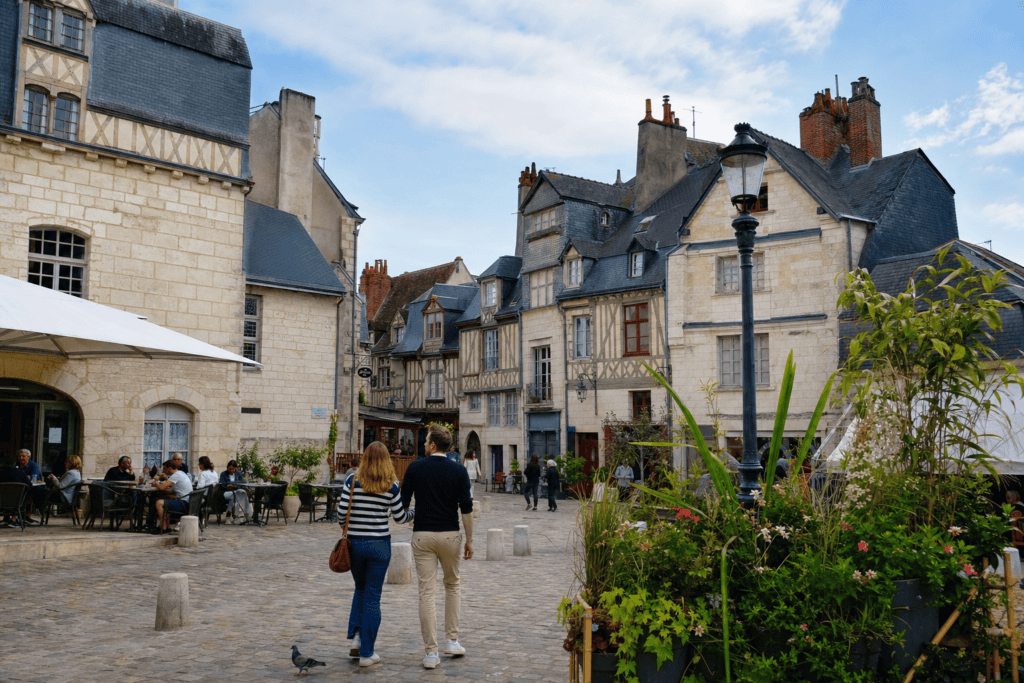
Caen
Ville d’Art et d’Histoire, Tours séduit par son centre ancien, ses quais de Loire, ses musées et…
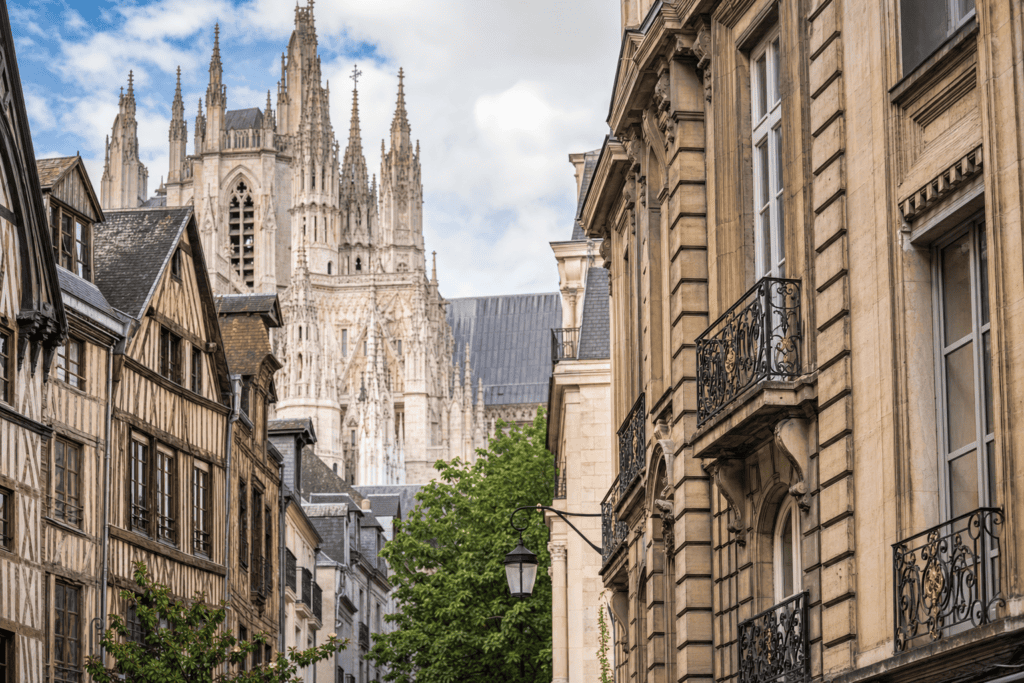
Rouen
Cathedral, half-timbered houses, museums, and the legacy of Joan of Arc: Rouen offers a historic center…
DESTINATION GUIDE
Reims Travel Guide
A City Shaped by the Coronations of the Kings of France
Reims holds a unique place in French history. Notre-Dame Cathedral hosted twenty-five royal coronations, explaining the enduring connection between the city, the monarchy, and religious ceremonies. The Gothic building, begun in the 13th century, impresses with the scale of its façade, the richness of its sculptures, and its famous smiling figures. Take time to observe the portals, stained-glass windows, and sculptural details rather than limiting your visit to a photo from the square.
Nearby, the Palais du Tau completes the experience. Once an archbishop’s residence, it was associated with coronation ceremonies and preserves the memory of this royal protocol. The ensemble formed by the cathedral, the Palais du Tau, and the former Abbey of Saint-Remi has been listed as a UNESCO World Heritage Site since 1991. This concentration of monuments makes it easy to create a coherent historical walking route through central Reims, between its squares, shopping streets, and monumental vistas.
The Basilica and Musée Saint-Remi
The Saint-Remi district adds another layer to Reims’ history. The Basilica of Saint-Remi is associated with Bishop Remi, a major figure in the Christianization of the Franks traditionally linked to the baptism of Clovis. His former abbey now houses the Musée Saint-Remi, devoted to the history of Reims and its region. The collections place the monuments within a broader chronology, from antiquity through the modern era.
This area is also one of the best starting points for understanding Champagne’s contemporary heritage. Saint-Nicaise Hill preserves former underground chalk quarries converted into cellars. These galleries, excavated or repurposed for aging and storing wine, form the hidden side of the wine-growing landscape. Several Champagne houses have established their cellars and visitor facilities here. It is advisable to book directly with your chosen establishment and bring suitable clothing for the generally cool underground temperature.
Champagne, Cellars and Vineyard Routes
Reims is a prime gateway to the Champagne vineyards, but the city is not the same as the wine-growing villages. The UNESCO listing of the Champagne Hillsides, Houses and Cellars includes Saint-Nicaise Hill in Reims, as well as landscapes and villages around Épernay, Aÿ-Champagne, and Hautvillers. This designation reflects a complete system: the vineyards provide the grapes, the houses organize production, and the cellars ensure aging and storage.
For a first introduction, combine a cellar visit in Reims with a day in the vineyards. Épernay is particularly well suited to a stroll along Avenue de Champagne, while the villages of the Montagne de Reims offer views of the hillsides, forests, and hiking routes. However, getting between estates requires planning: distances may look short on a map, but appointments are spread out, and tastings make driving yourself less suitable. A chauffeur-driven itinerary from Paris or Reims may be considered depending on your plans, without replacing reservations with the producers.
Reims After the Destruction: An Art Deco Identity
World War I severely damaged Reims, particularly its cathedral and much of the city center. Reconstruction gave the city a highly distinctive architectural character. Throughout the center, Art Deco façades combine brick, mosaics, ironwork, geometric patterns, and references to the vine. A careful walk around Place Drouet-d’Erlon, Rue de Vesle, the train station, and the rebuilt neighborhoods reveals this urban rebirth.
Reims’ heritage is therefore not limited to the Middle Ages. It also includes reconstruction-era buildings, former shops, public facilities, and residential neighborhoods designed in the 20th century. For a more local perspective, the tourism office offers tours and resources devoted to the city’s history, neighborhoods, and architecture. The European Heritage Days and Fêtes Johanniques also provide special opportunities to reconnect with the history of the coronations and Joan of Arc, depending on the year’s program.
Getting to Reims from Paris and the Île-de-France Region
Reims is easily accessible from Paris by high-speed train. Reims Centre station serves the heart of the city directly, while Champagne-Ardenne TGV station, located in Bezannes, handles high-speed services and is connected to the local transit network. This dual arrangement is important when planning a trip: a booking may specify Reims Centre or Champagne-Ardenne TGV, and these two arrival points are not the same pickup location.
From Paris-Charles de Gaulle Airport, rail access to the region is also a practical option for international visitors. By road, Reims lies on major routes linking Paris, Champagne, and eastern France. A car can be convenient for exploring several wine-growing villages, but it is less comfortable for an itinerary involving multiple tastings. For a private transfer, it is therefore important to plan the route: departure from Paris, CDG, or ORY, arrival in Reims, followed by a possible return to Paris or onward travel to Épernay and other destinations in the Grand Est.
When Should You Visit Reims?
Spring and fall are particularly pleasant for combining city visits with vineyard landscapes. In the fall, the harvest and the colors of the hillsides create a distinctive atmosphere, but availability at Champagne houses and small producers may be more limited. Summer is ideal for walks and outdoor terraces, with heavier visitor numbers at the best-known sites. Winter is a good time to focus on museums, the cathedral, cellars, and Reims restaurants, while checking each establishment’s visiting conditions.
To plan a well-balanced stay, allow at least one day for the historic center and a second half-day or full day for the cellars and vineyards. Reims also works well as a two- or three-night stop between Paris, the Marne Valley, and eastern France. The city combines enough monuments, museums, restaurants, and distinct neighborhoods to offer more than a simple tasting excursion.
Reims Itinerary Ideas
- First day: Notre-Dame Cathedral, the Palais du Tau, the rebuilt city center, and an Art Deco walk.
- Second day: Basilica of Saint-Remi, Musée Saint-Remi, Saint-Nicaise Hill, and a cellar visit booked in advance.
- Extended getaway: Reims, Épernay, and several wine-growing villages in the Montagne de Reims, with an organized itinerary to minimize driving time.
- Heritage and remembrance stay: Reims monuments, the museum, reconstruction sites, and excursions to memorial sites in the Marne.
By combining listed monuments, cellars, reconstruction-era architecture, and Champagne landscapes, Reims offers a complete destination for enthusiasts of history, religious heritage, wine tourism, gastronomy, and short trips from Paris.
Useful sources
Travel from Paris to Reims with a Tailored Itinerary
Booking Paris Transfer peut organiser un trajet privé au départ de Paris, de Paris-Charles-de-Gaulle ou de Paris-Orly vers Reims, ainsi qu’un retour vers Paris. Pour un séjour en Champagne, demandez un itinéraire multi-ville commençant à Paris et intégrant Reims, Épernay ou les villages viticoles, selon vos visites réservées. Booking Paris Transfer ne vend pas de billets d’entrée et n’est pas un chauffeur local implanté à Reims.