



Alabaster Coast · Normandy · Normandy
Visiting Fécamp: Port, Cliffs and Norman Heritage
Visiting Fécamp means discovering a seaside town on the Alabaster Coast, where chalk cliffs, a former cod-fishing port, and remarkable religious and industrial heritage come together. With walks along the quays, a visit to the Abbey Church of the Holy Trinity, a tour of Palais Bénédictine, and views from Cap Fagnet, Fécamp offers a Norman stop that is as culturally enriching as it is refreshing.
Explore Fécamp
Fécamp’s Must-See Attractions
 Must-see
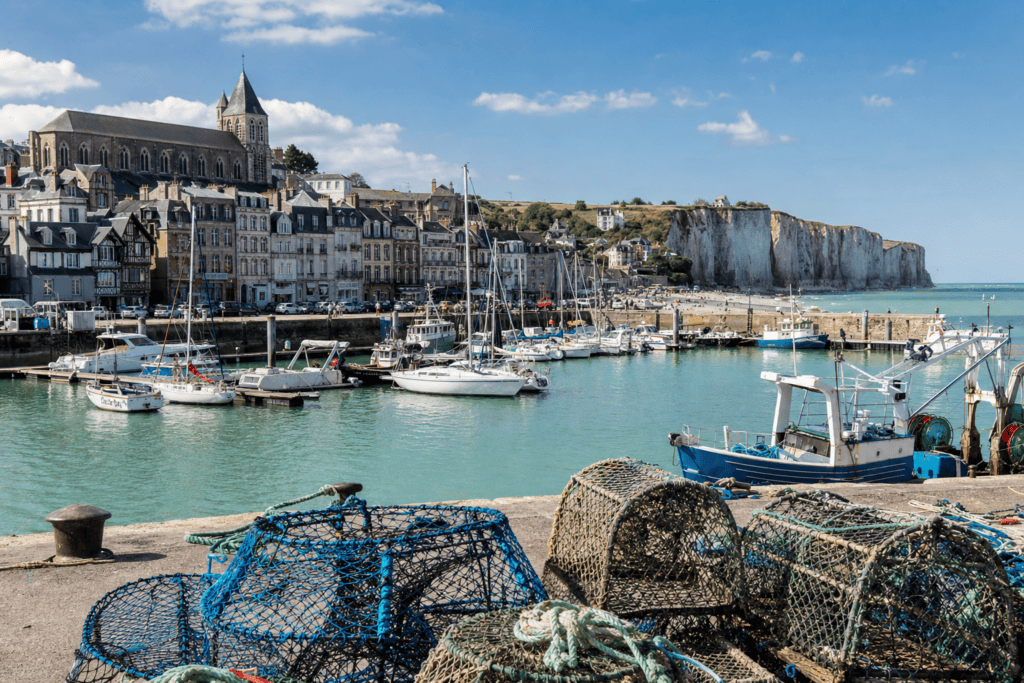
What to do in Fécamp between the harbor, beach, and Côte d’Albâtre
A practical itinerary for discovering Fécamp’s harbor, beach, piers, maritime heritage, and Côte d’Albâtre panoramas.
 Must-see
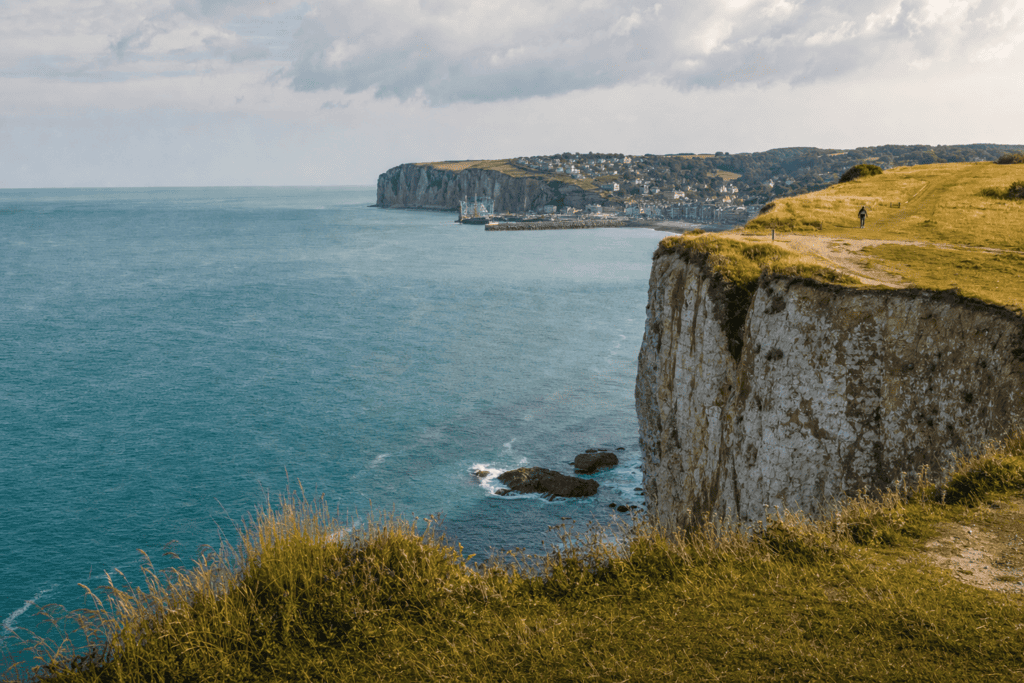
Cap Fagnet
A natural viewpoint above Fécamp, with cliffs, the English Channel, a sailors’ chapel, trails, and remnants of the Atlantic Wall…
 Must-see
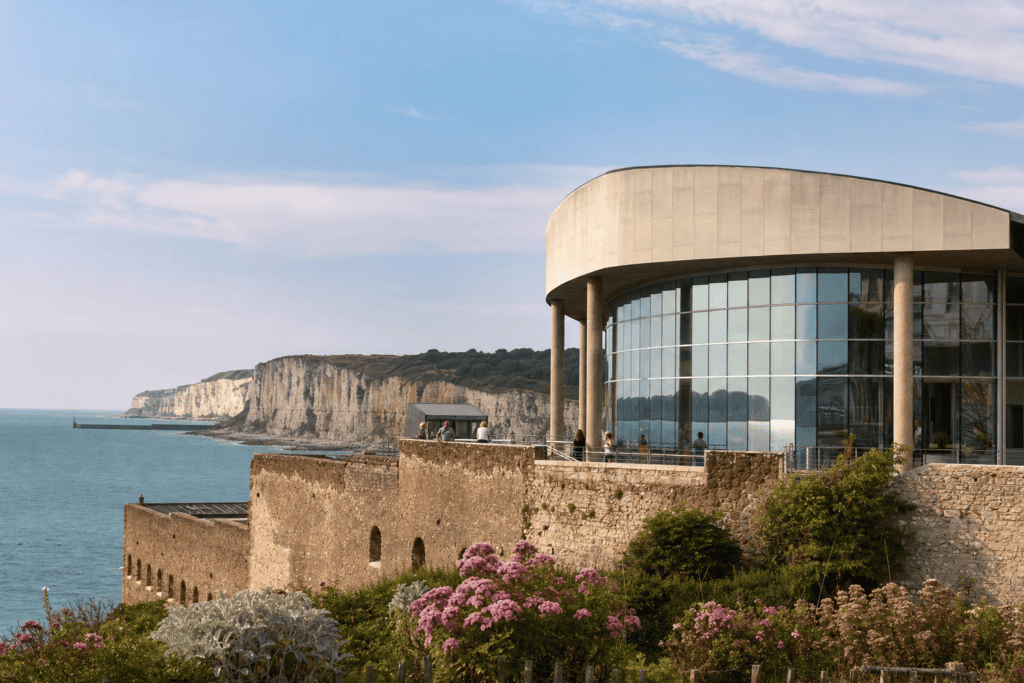
Fisheries Museum
Inside a former cod-drying facility, discover deep-sea fishing, art collections, and the maritime heritage of…
 Must-see
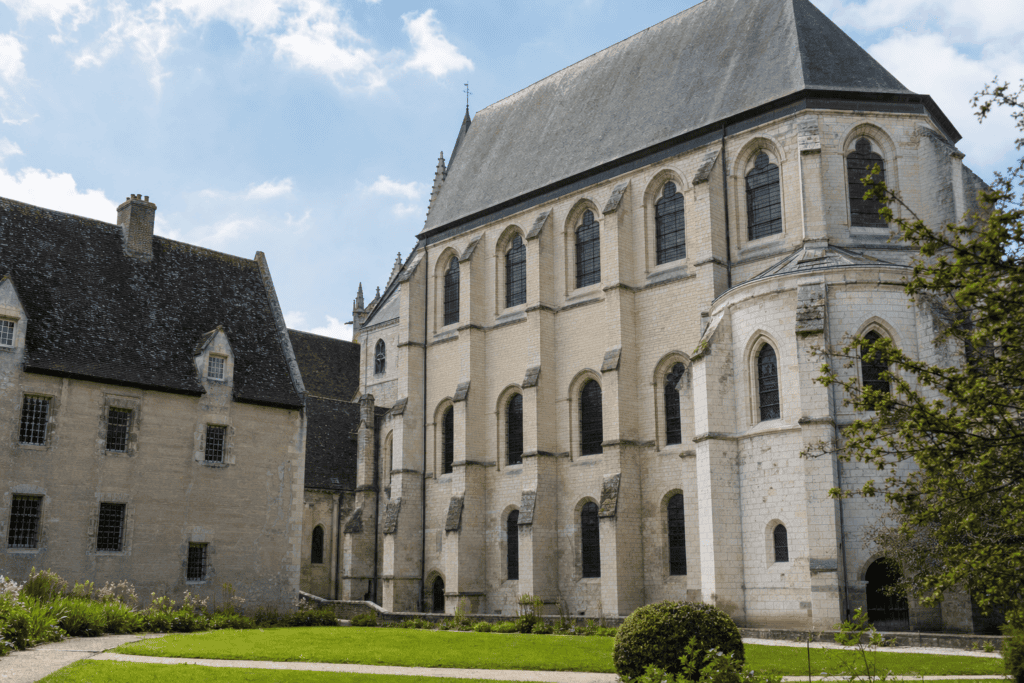
Trinity Abbey of Fécamp
A grand Norman abbey church in the heart of Fécamp, featuring Gothic architecture, Benedictine history, the relic of the Precious Blood, and heritage…
 Must-see
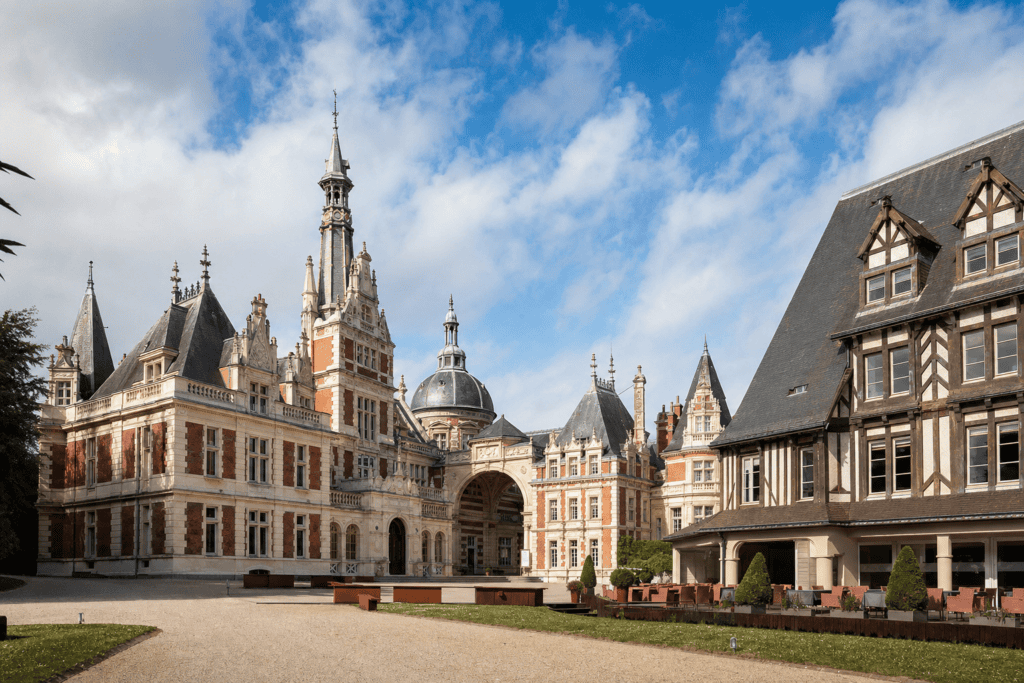
Bénédictine Palace
A unique eclectic palace in Fécamp, with an art museum, historic distillery, antique collections, and an introduction to Bénédictine.
Other destinations to discover
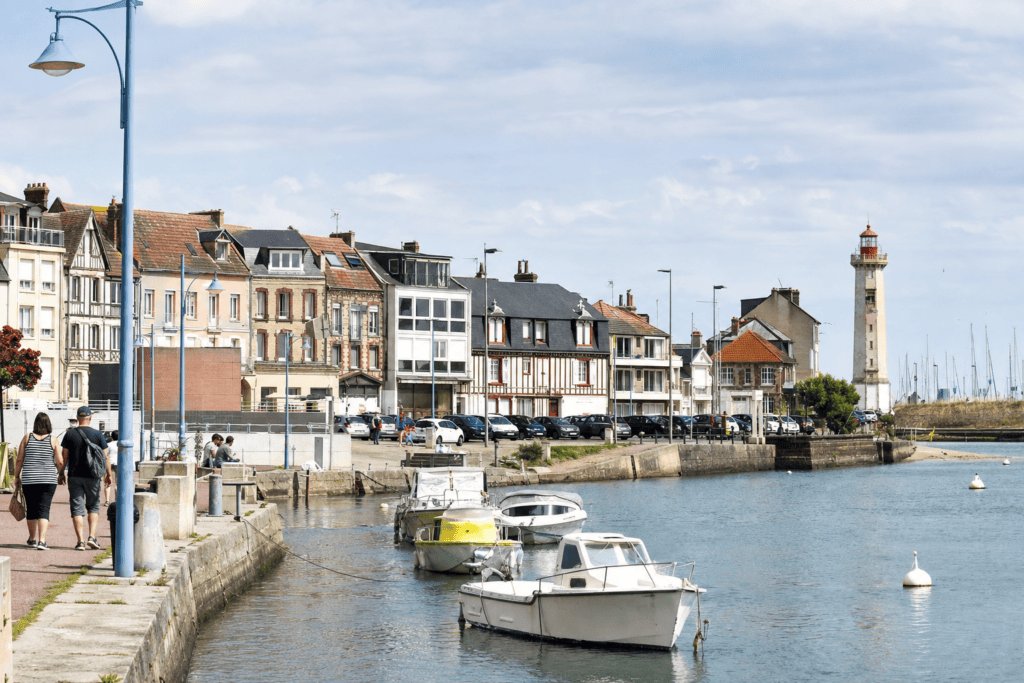
Ouistreham
Discover Riva-Bella Beach, Sword Beach, the Grand Bunker, the harbor and D-Day sites…
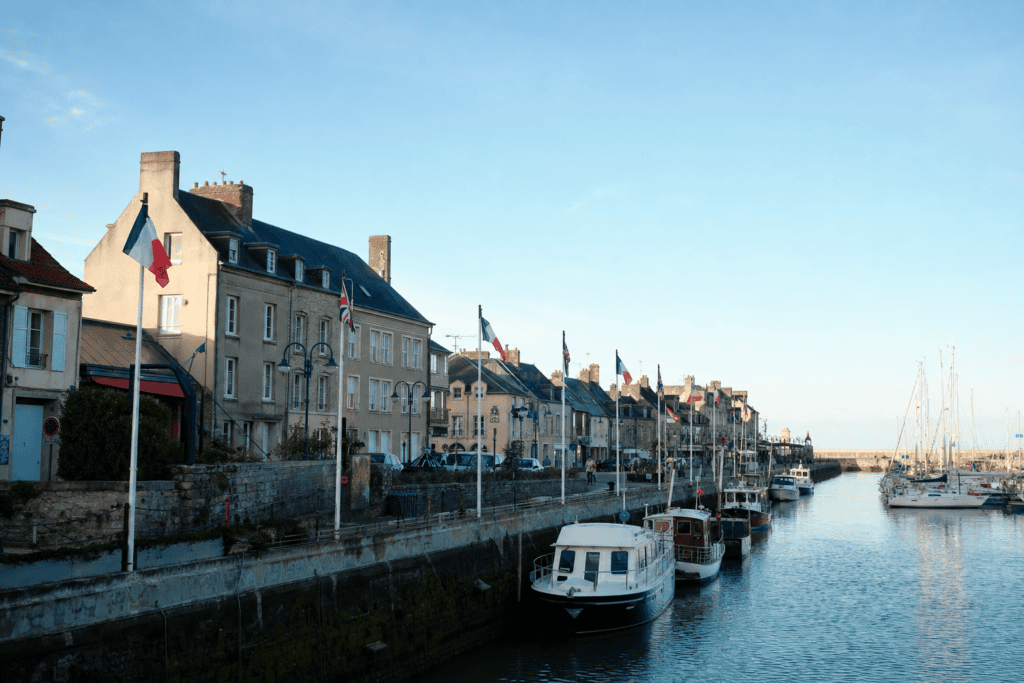
Courseulles-sur-Mer
A Côte de Nacre resort with beaches, a harbor, seafood and Canadian heritage…
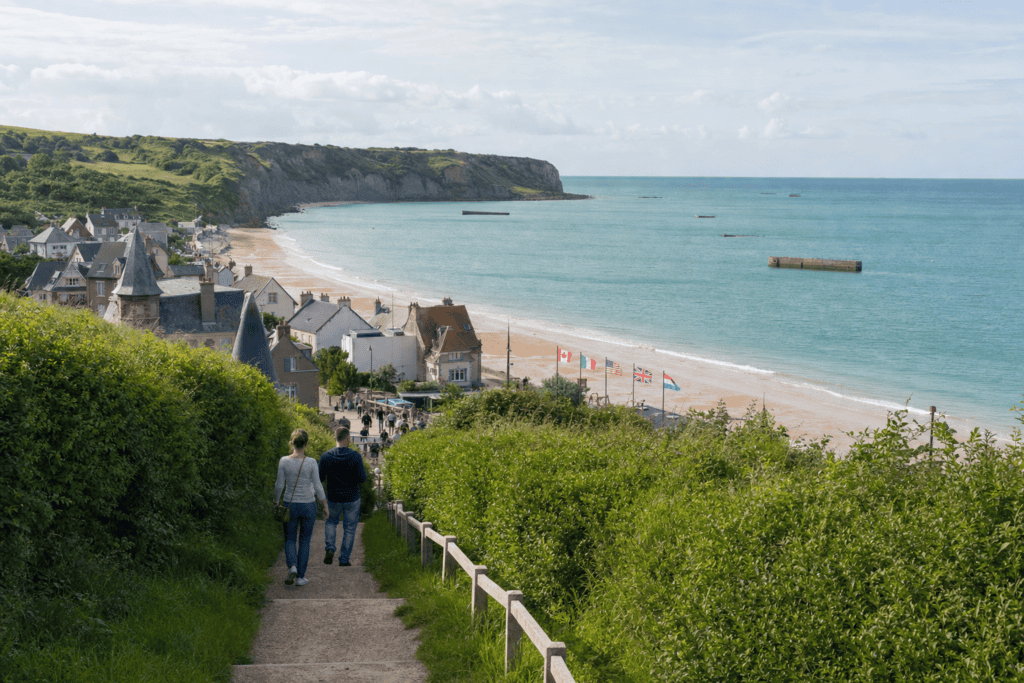
Arromanches-les-Bains
A major D-Day site featuring Mulberry B harbor, Gold Beach, a museum, and remembrance routes from Bayeux.

Sainte-Mère-Église
Discover the Airborne Museum, John Steele’s church, La Fière, and Utah Beach from Sainte-Mère-Église.
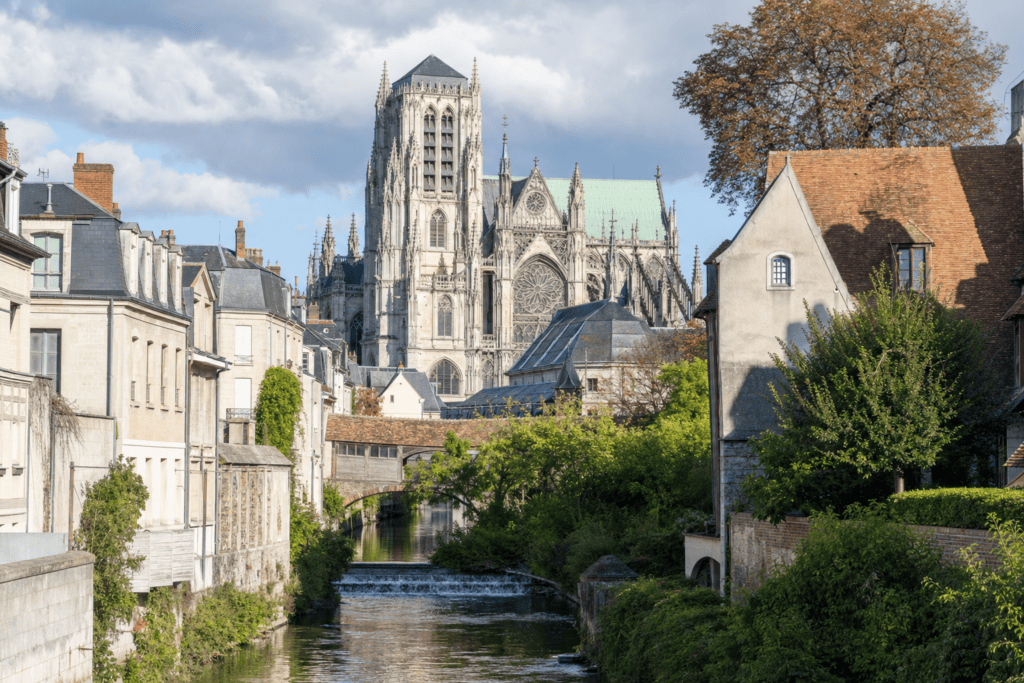
Évreux
A charming Norman town where the cathedral, belfry, museum and banks of the Iton make for a rich and…
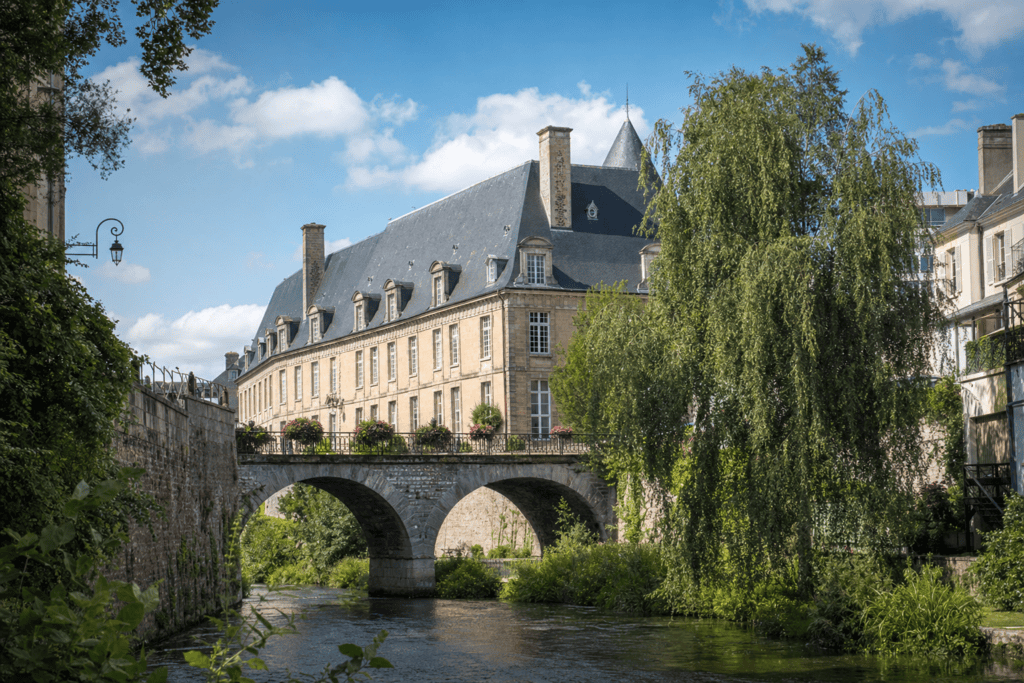
Alençon
Alençon charms visitors with its historic heritage, exceptional needle lace, religious legacy and landscapes…
DESTINATION GUIDE
Fécamp Travel Guide
A Seaside Town at the Heart of the Alabaster Coast
Set along the Seine-Maritime coast, Fécamp lies at the bottom of a valley opening onto the English Channel. The town is part of the Alabaster Coast, famous for its high white chalk cliffs and lush coastal valleys. It has a different atmosphere from more upscale seaside resorts: here, the port, fishing, jetties, and the memory of local sailors are central to the landscape.
Fécamp was once one of France’s major cod-fishing ports. Ships sailed to the Grand Banks of Newfoundland before returning with their catches, supporting a large community of sailors, shipowners, and workers involved in fish processing. This history explains the extensive quays, port buildings, and collections dedicated to the Terre-Neuvas, the fishermen who sailed to Newfoundland.
The Port, Jetties, and Seafront
A first look at Fécamp can begin around the port. The quays offer views of pleasure boats, port facilities, and the two jetties framing the entrance to the channel. The red lighthouse is one of Fécamp’s iconic landmarks, while the promenade opens onto views of the sea and cliffs.
Fécamp Beach is just a short distance from the town center. It is bordered by a pleasant promenade for walking, getting some fresh air, or admiring the changing light over the English Channel. On clear days, the view helps explain the geography of the coast: the town is protected by the Pays de Caux hills but still faces directly out to sea.
- Choose walks along the quays at high tide to watch activity on the channel.
- Bring a windbreaker, even in summer, as the seafront can be cool and exposed.
- Take care near the cliffs and respect any restricted or marked-off areas.
Cap Fagnet and Sea Views
Cap Fagnet overlooks Fécamp and offers one of the best views of the town, port, and English Channel. Several walking routes lead there from the town center or the higher ground. The elevation gives a different perspective on Fécamp: from the plateau, the cliffs appear as a long white line while the town stretches below, between valley and coast.
Cap Fagnet also has strong historical significance. It is home to the Notre-Dame-du-Salut Chapel, associated with local maritime traditions, as well as military remains from World War II. The site combines scenery, history, and nature observation. Hikers can extend their outing along the Alabaster Coast trails, particularly toward the nearby coastal valleys and villages.
Conditions can change quickly on the higher ground. For a comfortable hike, check the weather, wear suitable shoes, and stay away from the cliff edge, where the rock may be unstable.
The Abbey Church of the Holy Trinity
In the center of Fécamp, the Abbey Church of the Holy Trinity recalls the town’s religious and political role in Normandy’s history. The building is linked to the former Benedictine abbey founded in the early Middle Ages and developed under the dukes of Normandy. Its long nave, Gothic architecture, and lantern tower give the complex an impressive sense of scale.
The church deserves special attention for its ducal tombs, liturgical furnishings, grand organ, and astronomical tide clock. It also preserves the memory of the Precious Blood legend, which contributed to Fécamp’s religious prominence. Even without a guided tour, it is worth taking time to observe the proportions of the nave and the details of the chapels.
The abbey church is easy to visit as part of a walking route linking the historic district, the ducal palace, the quays, and Palais Bénédictine. Access information and visiting conditions may vary by season, so it is advisable to check the tourism office or town’s guidance before setting out.
Palais Bénédictine: Architecture, Art, and Craftsmanship
Palais Bénédictine is one of Fécamp’s most distinctive landmarks. Built in the late 19th century for Alexandre Le Grand, it combines Gothic Revival and Renaissance references with eclectic decorative elements. The building was designed as a production site, museum, and reception venue.
The tour explores the history of Bénédictine liqueur, the art collections assembled in the palace, and the areas associated with distillation. The site’s appeal is not limited to the tasting: its architecture, stained-glass windows, ironwork, historic objects, and production rooms form a cohesive experience that is especially interesting for visitors drawn to industrial heritage.
The visit generally includes a sensory experience and a tasting reserved for adults. Details, time slots, and any reservations may vary by season, so it is best to check the official Palais Bénédictine website before planning this stop.
Les Pêcheries: A Museum for Understanding Fécamp
Housed in a restored former cod-drying facility, Les Pêcheries museum brings together several aspects of local history. Its collections cover the Newfoundland fishery, maritime life, fine arts, childhood, and Fécamp’s development as a seaside resort. The museum is particularly helpful for understanding what you will later see in the streets and around the port.
The displays combine objects, artworks, documents, and testimonies. They move from the history of sailors’ families to fishing techniques, then back to everyday life and urban change. The rooftop terrace also offers an interesting view of the port basins and cliffs.
For a first day in Fécamp, consider visiting the museum before the port and Cap Fagnet: this sequence provides context for reading the landscape and placing the different monuments within the town’s history.
Fécamp Stay and Excursion Ideas
Fécamp can be explored in a full day, but staying overnight lets you enjoy the seafront and walks at a more relaxed pace. A well-balanced itinerary could begin at the port, continue to Les Pêcheries, the abbey church, and Palais Bénédictine, then end with sunset views from the higher ground, weather permitting.
For a longer stay, the villages and coastal valleys of the Alabaster Coast offer natural extensions. Yport, the cliffs, and the Pays de Caux trails provide varied scenery while retaining the region’s maritime identity. Fécamp can also be included in a Normandy itinerary linking several coastal stops, provided you allow enough time for coastal roads and scenic viewpoints.
- For heritage: the abbey church, ducal palace, Palais Bénédictine, and historic routes through the town center.
- For scenery: Cap Fagnet, the beach, jetties, and Alabaster Coast trails.
- For maritime history: the port, Les Pêcheries museum, and traces of the cod fishery.
- For a rainy day: focus on museums and monuments, then take a short walk between showers.
Fécamp ultimately stands out for its rare combination of dramatic scenery and local memory. The town is more than its cliffs: it also tells the story of the people who went to sea, the monks who shaped the abbey, the industrialists who transformed the port, and the artists drawn to Normandy’s light.
Getting to Fécamp from Paris
Booking Paris Transfer peut organiser un trajet privé au départ de Paris, de l’Île-de-France ou des aéroports CDG et ORY vers Fécamp, avec possibilité de retour vers Paris ou d’itinéraire multi-ville en Normandie. Le service concerne le transport uniquement : les billets des musées et monuments ne sont pas vendus par Booking Paris Transfer.