




What to Do Around Montpellier: City, Sea, and Nature
Montpellier
What to do around Montpellier if you want to combine heritage, the Mediterranean, and natural landscapes? The easiest approach is to treat this suggestion as a flexible itinerary rather than a list to rush through. Spend the morning exploring the Écusson and the Peyrou area, then choose just one afternoon destination: a walk near a lagoon or a beach at Palavas-les-Flots, Carnon, or La Grande-Motte. This plan avoids too much travel and is more enjoyable in summer. Without a car, focus on the city center and one well-connected coastal destination after checking the schedules. From Paris, a private transfer can support a broader itinerary, but visits and activities must be booked separately.
Practical information
Choose one natural or seaside area in advance. Bring water, suitable shoes, and sun protection, and leave some extra time for the return journey.
Planning a Paris–Montpellier itinerary
For an itinerary starting in Paris, at a Paris hotel, at CDG, or at ORY, Booking Paris Transfer can arrange a private transfer with Montpellier as a stop and a return to Paris according to your schedule. This option means you do not have to drive between multiple stops, but it does not turn a packed day into a light schedule: choose your stops in advance and allow time for breaks. Monuments, restaurants, beaches, guided tours, and activities must be booked separately.
Private transfer departing from Paris, a Paris hotel, CDG, or ORY, with a return to Paris or Montpellier included in a broader itinerary.
Start with the Écusson and Place de la Comédie
For a first introduction, start at Place de la Comédie, an easily recognizable landmark in the heart of Montpellier. From there, explore the Écusson on foot, taking time to leave the busiest streets behind. The old streets, small squares, and façades of private mansions give the city center real architectural variety. Place Jean-Jaurès, Place Saint-Roch, Place Sainte-Anne, and Place de la Canourgue can all make pleasant stops, without trying to visit them all too quickly.
The neighborhood’s charm also lies in its side streets: stairways, passageways, independent shops, and terraces appear as you stroll. Two to three hours is already enough for a comfortable introduction, with time for a coffee break or a little shopping. The streets can be very busy during peak season; a morning visit makes it easier to get around and offers softer light. Check with the tourist office for guided tours and routes available during your stay.
See the Peyrou, the Triumphal Arch, and Saint-Pierre
Continue to the Promenade du Peyrou, a vast open space offering sweeping views over the city. The Triumphal Arch marks the entrance to this monumental area and is an interesting landmark along the way. From the Peyrou, head to Saint-Pierre Cathedral, recognizable by its monumental porch supported by two circular pillars. The contrast between the open esplanade and the narrower streets of the Écusson makes this route especially enjoyable.
Montpellier also has a very long-standing university and medical history. The medieval mikveh, the faculty of medicine, and several religious buildings enrich the visit, but access conditions vary. Some sites can only be visited with a guided tour or during specific time slots. Check official information before planning your morning. To keep a realistic pace, select two monuments or indoor visits, then leave time for lunch before leaving the city center.
Plan a practical lunch in the city center
Lunch can be simple and local without taking too much time away from your itinerary. Around Saint-Roch, Place Jean-Jaurès, and Place de la Comédie, you’ll find restaurants, counters, bakeries, and terraces. To sample local fare, look for dishes featuring Mediterranean vegetables, fish, shellfish, or products from Hérault, optionally paired with a Languedoc wine. Tielle sétoise, a specialty from nearby Sète, is also an easy takeout option, while a plate of regional products is better suited to a sit-down meal.
Your choice of restaurant depends on where you are heading in the afternoon. A table near a transport route is convenient if you are going to the coast; a meal in the Écusson, on the other hand, extends your walking tour. Opening days, reservations, and hours vary by establishment. In hot weather, eat early enough and fill your water bottles before setting off. Avoid turning lunch into a long break if you have planned a walk in full sun.
Choose a lagoon landscape without leaving access to chance
South of Montpellier, the ponds and lagoons offer a different perspective on the Languedoc coast. Étang de l’Or, also known as Étang de Mauguio, is part of a wetland area home to many bird species, as well as landscapes of huts and reed beds. This stop is best suited to travelers who want to observe nature and slow down rather than move from one seaside activity to another. Observation points and trails are not interchangeable: find out exactly where you are going before setting off.
The names of some paths or facilities can be confusing, and access conditions may change. It is therefore best to follow directions from the municipality, tourist office, or site manager rather than relying on an unverified name. Stay on authorized routes, do not enter sensitive areas, and avoid disturbing the birds. In summer, the heat, lack of shade, and wind make water, a hat, and binoculars especially useful.
Choose just one beach for the afternoon
If the sea is your priority, choose one destination rather than trying to compare every beach. Palavas-les-Flots is suitable for a first seaside outing, with a promenade, shops, and a lively atmosphere. Carnon offers a long waterfront where you can combine a walk along the shore with time on the beach. La Grande-Motte has a different setting, defined by its architecture and planted spaces; the Grand Travers areas feel more open, depending on where you go.
A walk by the water may be all you need: there is no need to plan a swim or water activity. Before setting off, check access, any supervised areas, swimming conditions, and seasonal restrictions using local information. If you are driving, plan ahead for parking on summer weekends. By public transportation, check connections and the last return service. Arriving in the late afternoon is often more comfortable than spending a long time in the midday sun.
Build a realistic itinerary with or without a car
The main pitfall of this day is trying to connect several lagoons, two beaches, and the city center. The Écusson is compact and walkable; beyond it, each change of area takes time. Without a car, choose the historic center in the morning, then a coastal destination accessible via the local network after checking schedules, construction, and connections. Routes, frequencies, and terminals may change with the season. Also allow enough time to reach the stop from the beach or trail.
A car provides flexibility, but it does not eliminate traffic and parking constraints. A private transfer may be suitable for an itinerary starting in Paris, Île-de-France, at CDG, or at ORY, with Montpellier as a stop and a return to Paris. In that case, define your stops clearly and accept that a full day from Paris will be very long. Transportation does not include admission tickets, meals, guided tours, or activities booked with other providers.
Return to the city for dinner and extend the evening
After the coast or lagoons, return to Montpellier with some extra time to spare. The city center comes alive again around Saint-Roch, Sainte-Anne, Jean-Jaurès, and Place de la Comédie. You can explore a few streets you missed in the morning, settle onto a terrace, or choose dinner in the Écusson. Menus range from Mediterranean recipes to contemporary cuisine; Languedoc wines and products from Hérault offer a tangible way to continue discovering the area.
The cultural program changes regularly: concerts, shows, exhibitions, and seasonal events should not be presented as permanent offerings. Check the city’s official calendar or the relevant cultural venues before your stay. A walk around Esplanade Charles-de-Gaulle can bring the day to a close without adding a complicated journey. During peak season, reserve dinner and check the last transportation service to your accommodation. If the schedule seems too full, leave the beach or lagoons for the next day: Montpellier also deserves a less tightly timed visit.
Useful sources
Frequently Asked Questions
Can you visit Montpellier, a lagoon, and a beach in the same day?
Which coastal destination should you choose near Montpellier?
Can you easily walk around Étang de l’Or?
Do you need a car to explore the area around Montpellier?
Can you arrange a trip from Paris to Montpellier?
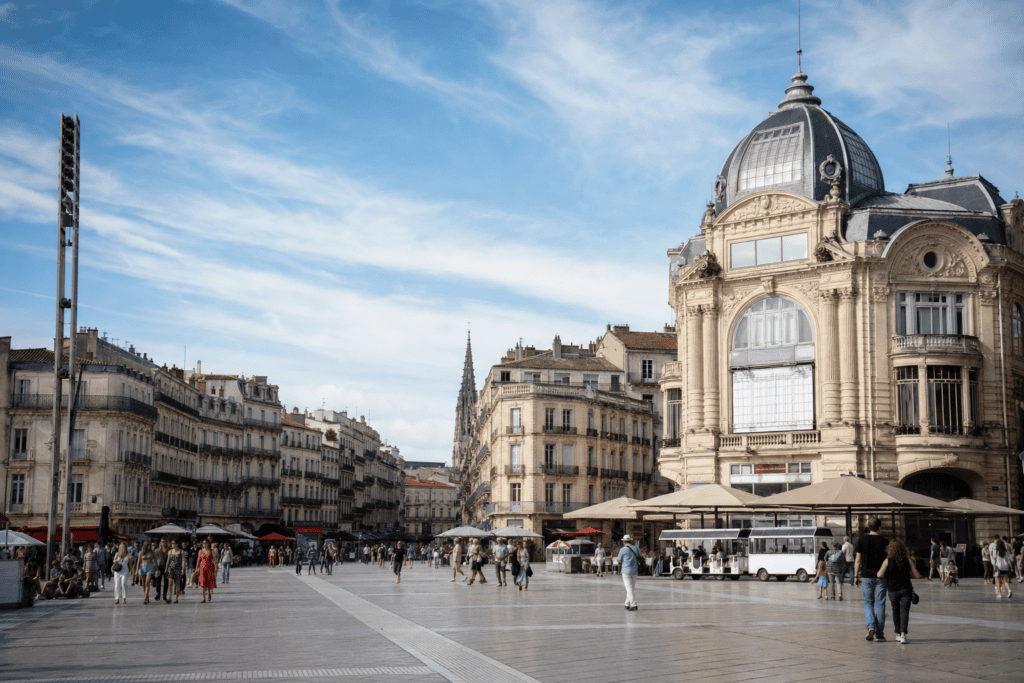 Place de la Comédie and Écusson The best starting point for exploring Montpellier on foot, from the Three Graces fountain to…
 Musée Fabre A major journey from the Renaissance to contemporary art, in the heart of Montpellier, featuring Bazille, Soulages…
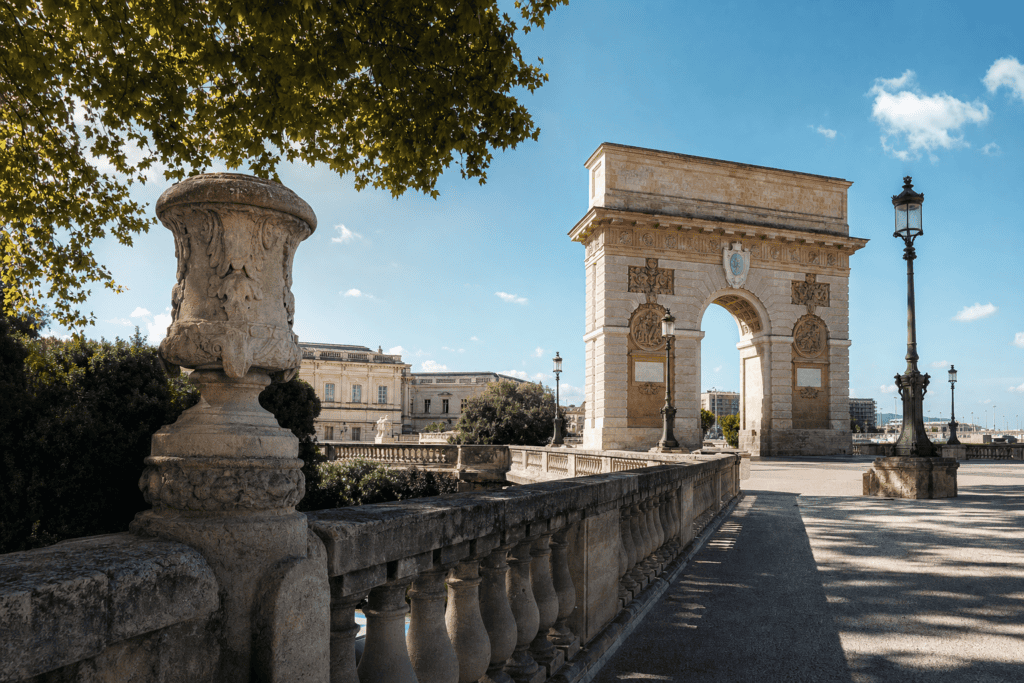 Peyrou Promenade and Triumphal Arch A monumental Montpellier complex bringing together a triumphal arch, a statue of Louis XIV, a water tower, and…
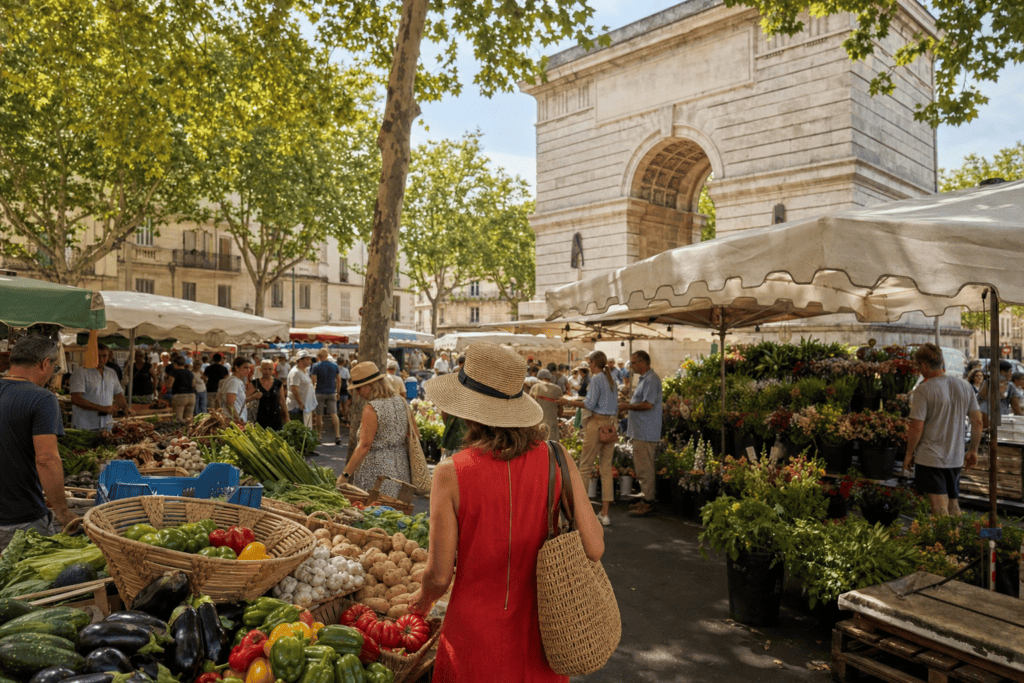 Arceaux Market A lively market beneath the Saint-Clément aqueduct, ideal for discovering local products and the atmosphere of the neighborhood…
Online booking · Paris → Montpellier, Hérault, Occitanie
Choose your pickup date and time
Your departure and arrival details are already pre-filled. You can adjust them in the fare calculator before viewing the vehicles and fare.