



Montpellier, Between Medieval History and the Mediterranean · Occitanie
Visiting Montpellier: A Cultural and Mediterranean Guide
Visiting Montpellier means going within just a few streets from a character-filled medieval center to a contemporary city open to the Mediterranean. From Place de la Comédie to the narrow streets of the Écusson, and from the Musée Fabre to the modern districts of Antigone and Port Marianne, the city offers a rich mix of heritage, culture, gastronomy, and walks.
Explore Montpellier
Montpellier’s Must-See Sights
 Must-see
What to Do Around Montpellier: City, Sea, and Nature
A realistic guide to the area around Montpellier: the Écusson in the morning, then one choice between a lagoon, beach, or…
 Must-see
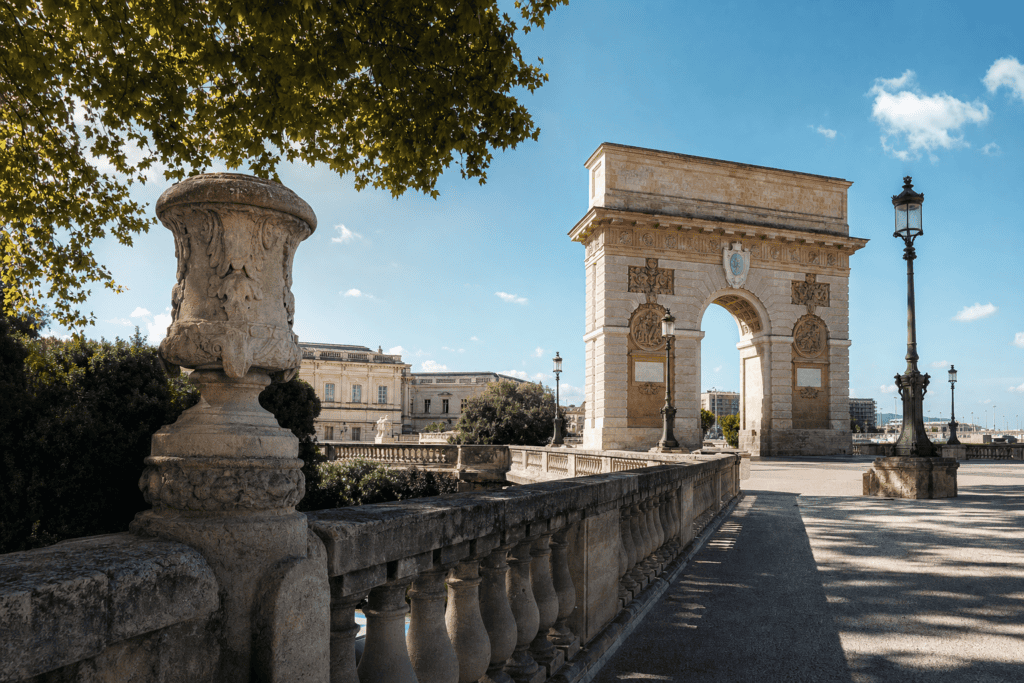
Peyrou Promenade and Triumphal Arch
A monumental ensemble in Montpellier featuring a triumphal arch, a statue of Louis XIV, a water tower, and the aqueduct of…
 Markets
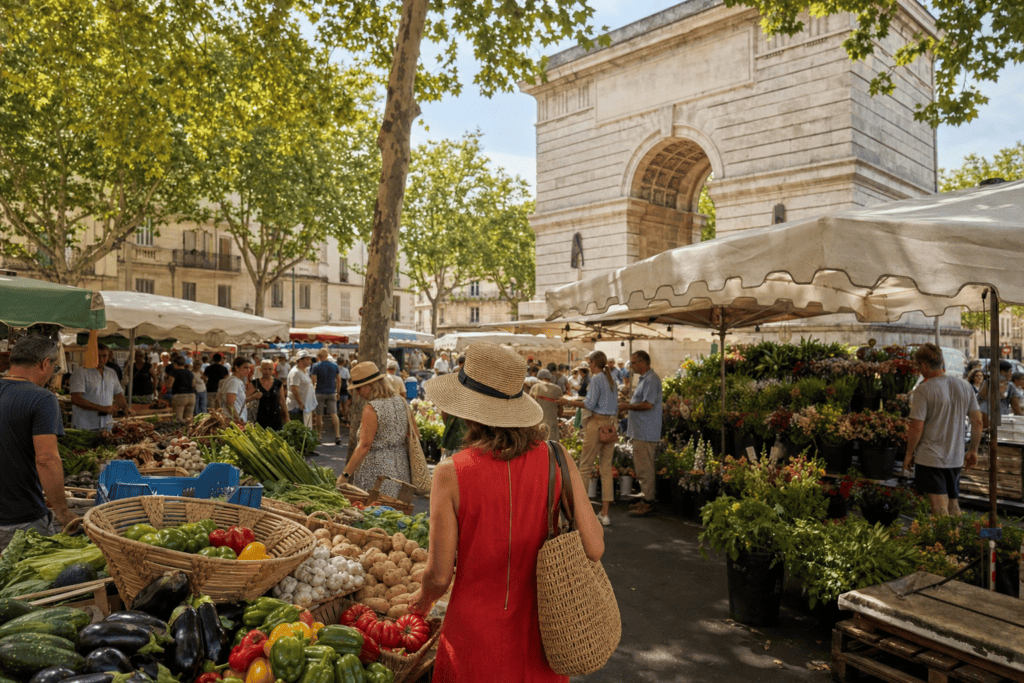
Arceaux Market
A lively market beneath the Saint-Clément aqueduct, ideal for discovering local products and the atmosphere of the Arceaux neighborhood.
 Must-see
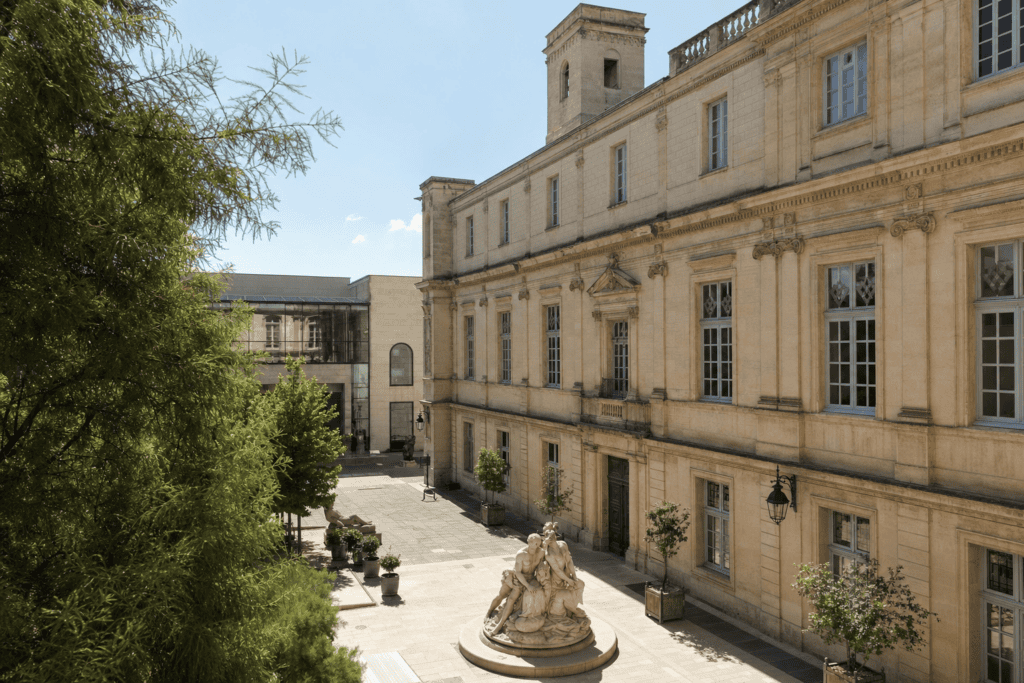
Musée Fabre
A major journey from the Renaissance to contemporary art in the heart of Montpellier, featuring Bazille, Soulages, and…
 Must-see
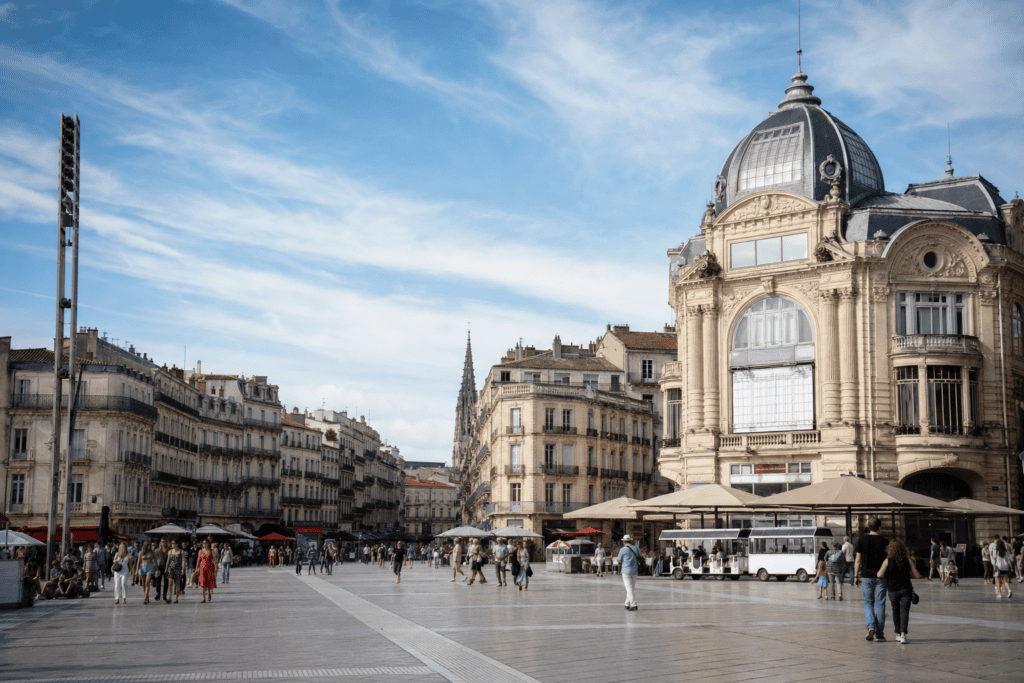
Place de la Comédie and Écusson
The best starting point for discovering Montpellier on foot, between the Three Graces fountain, the narrow streets…
Other destinations to discover
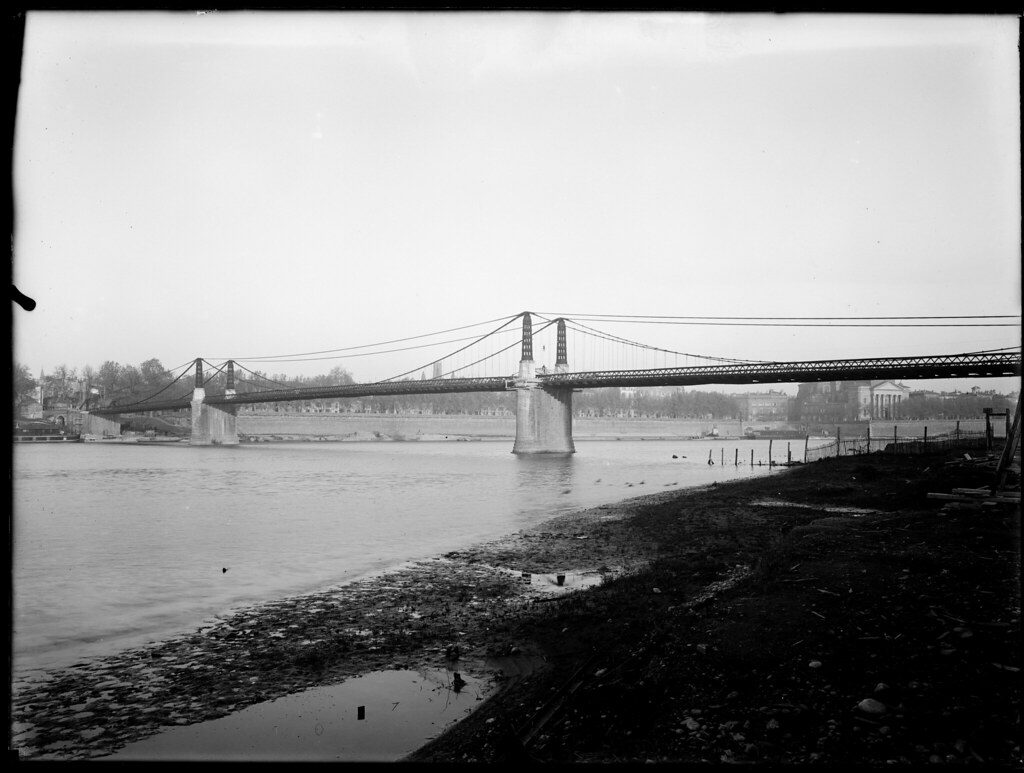
Toulouse
Between pink brick, religious heritage, scientific culture and a gentle pace of life, Toulouse offers a complete getaway…
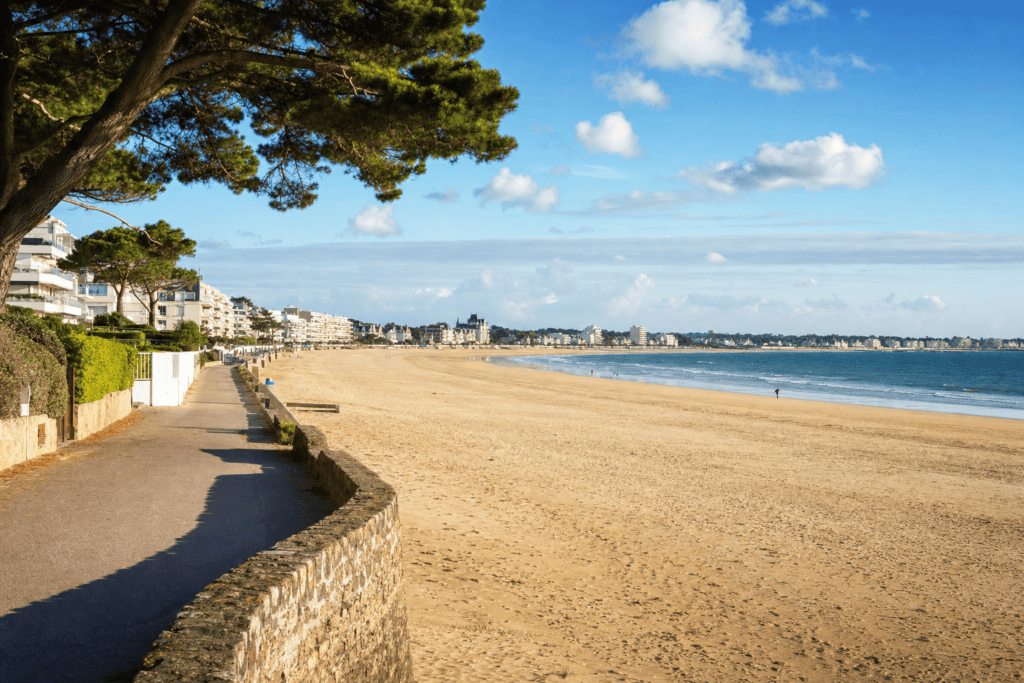
La Baule-Escoublac
An iconic Atlantic seaside resort featuring a beach, villas, pine forest, and discoveries around Guérande.
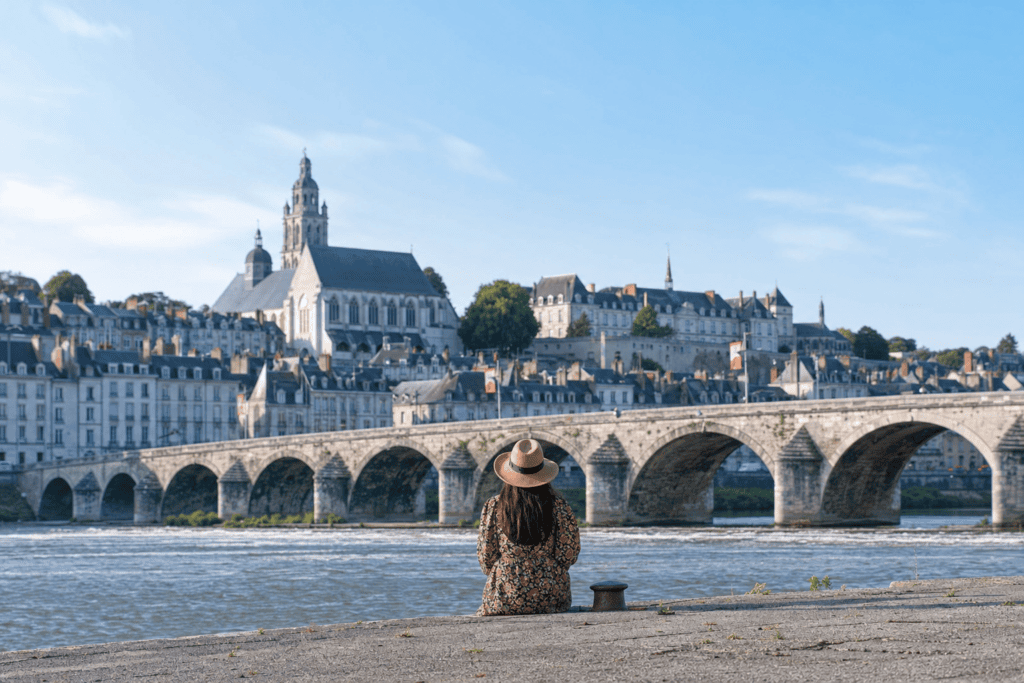
Blois
Royal château, historic lanes, views over the Loire, and the Maison de la Magie: Blois brings together a…
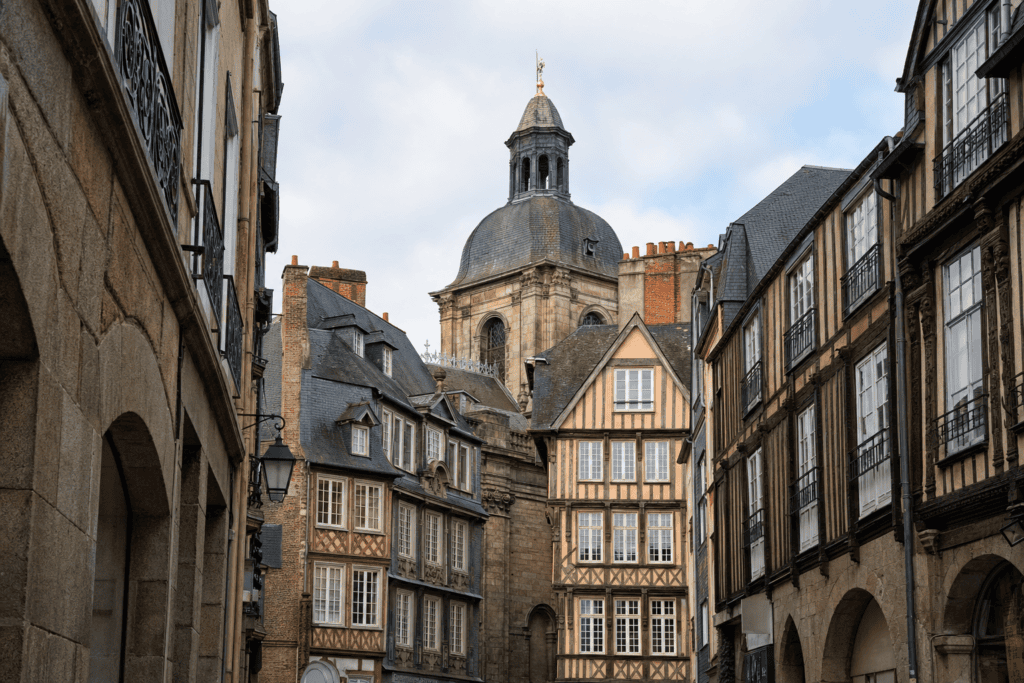
Rennes
Rennes charms visitors with its historic center, colorful half-timbered houses, and Thabor Gardens…
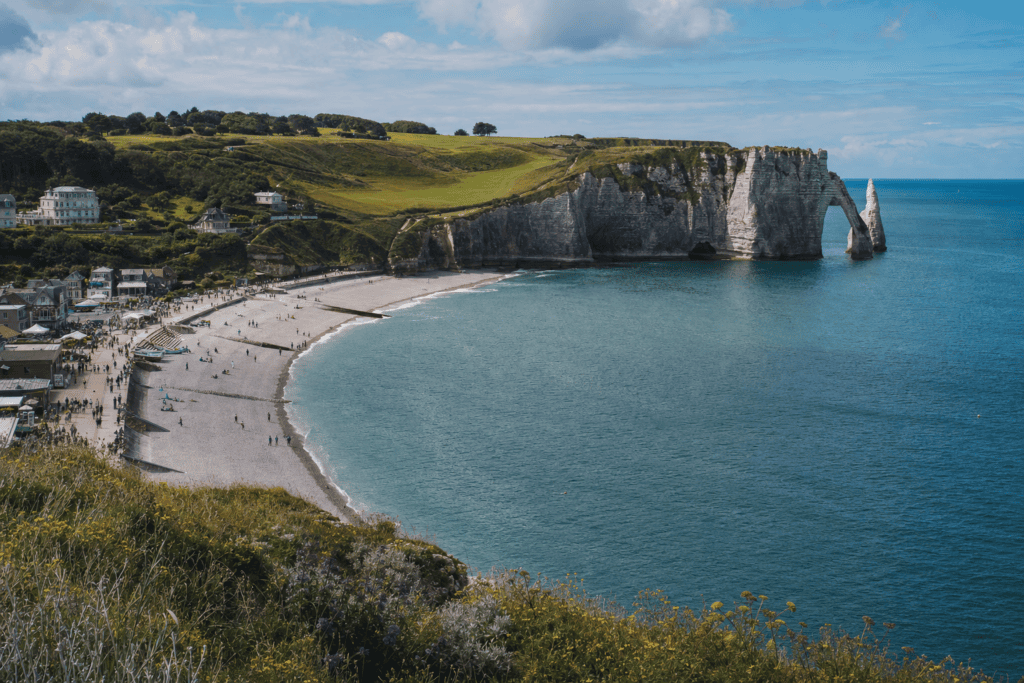
Étretat
Chalk cliffs, natural arches, coastal trails, and Belle Époque villas: Étretat reveals a Normandy landscape…
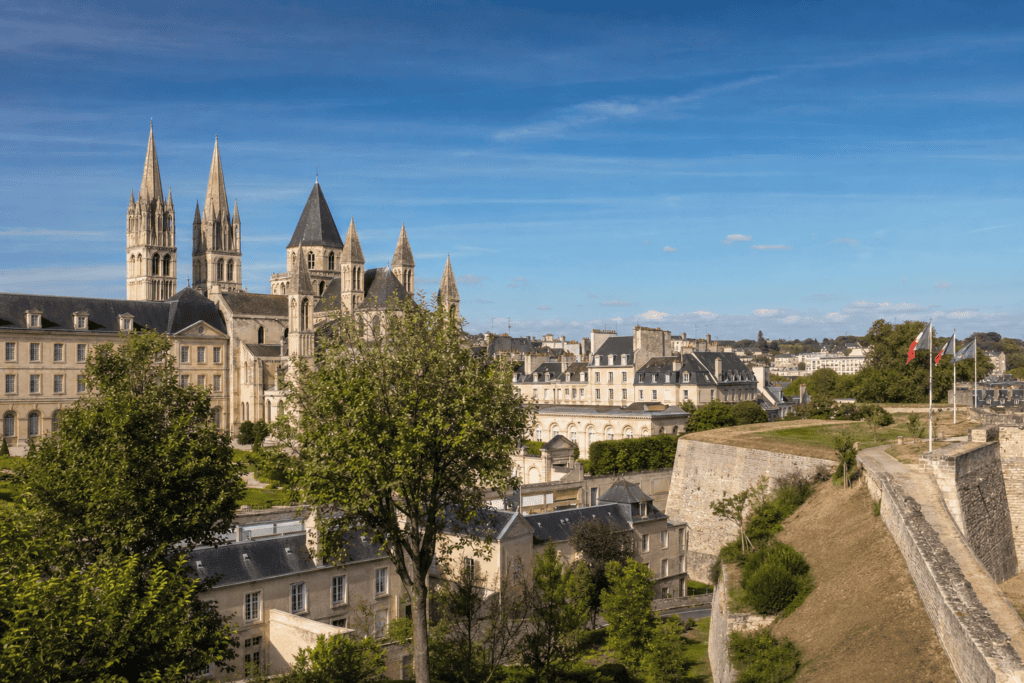
Caen
Une ville normande où se rencontrent Guillaume le Conquérant, les grandes abbayes, le château ducal et la…
DESTINATION GUIDE
Montpellier Travel Guide
Understanding Montpellier Before You Go
Montpellier is a distinctive city in southern France. Founded in the Middle Ages, it developed around a dense historic center known as the Écusson, while becoming a student, cultural, and scientific hub. This coexistence of historic heritage and contemporary architecture is one of its main attractions. You can spend a day seeing the essential sights, but a two- or three-day stay gives you more time to enjoy the museums, newer districts, markets, gardens, and surrounding area.
The city center is easy to explore on foot. The distances between Place de la Comédie, Place Royale du Peyrou, Saint-Pierre Cathedral, and the Jardin des Plantes are manageable. Public transportation is a useful complement for reaching more distant neighborhoods. As in any Mediterranean city, the hottest periods are best suited to cultural visits in the morning or late afternoon, leaving time for breaks on a café terrace.
Start with Place de la Comédie and the Écusson
Place de la Comédie is the natural starting point for a first look at the city. Once known as Place de l’Œuf because of its shape, it is dominated by the Opéra Comédie and marked by the Three Graces fountain, created in the 18thth century. It is a lively place at any hour, lined with cafés and shops, with passageways leading into the old town.
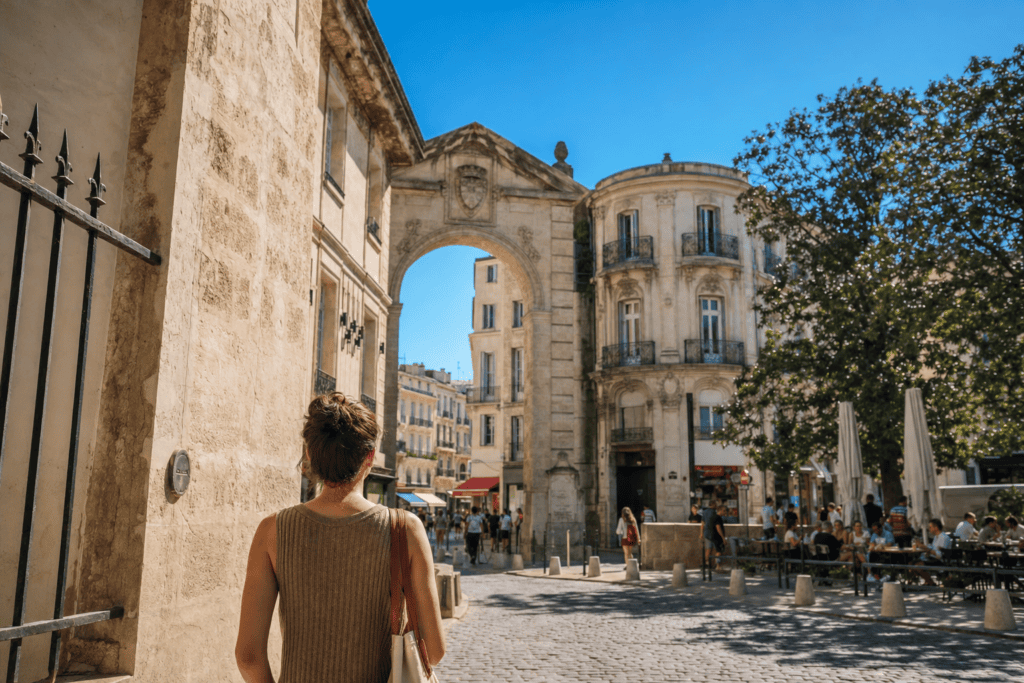
From the square, pedestrian streets lead into the Écusson. Be prepared to get a little lost in its maze of narrow streets, stairways, small squares, and historic façades. Rue de l’Ancien Courrier, Rue du Bras-de-Fer, and Rue de la Valfère are among the most enjoyable routes for admiring architectural details and private mansions. Place Saint-Roch, Place Sainte-Anne, and Place Saint-Côme each offer a different atmosphere, with terraces, workshops, galleries, and religious heritage.
Explore the Monuments and Historic Gardens
The triumphal arch marks the entrance to the Peyrou and opens up an elegant view toward Place Royale du Peyrou. Erected at the end of the 17thth century, it celebrates the reign of Louis XIV and is one of Montpellier’s symbols. The walk continues toward the esplanade, the Saint-Clément Aqueduct, and the gardens, which are especially pleasant for a break away from the bustle of the city center.
Saint-Pierre Cathedral impresses with its monumental porch supported by tall pillars. It stands immediately next to the medical school, one of the most emblematic sites in Montpellier’s academic history. Founded in the 16thth century, the Jardin des Plantes brings a quiet green refuge just steps from the cathedral. Its peaceful atmosphere contrasts with the energy of the shopping streets.
For a deeper look, a guided tour can be worthwhile. The Tourist Office regularly offers tours focused on the historic center, private mansions, medicine, or more unusual sites such as the medieval mikveh. Since access arrangements and visiting conditions may vary, it is best to check the official information before booking.
Discover the Museums and Contemporary Art
The Musée Fabre is Montpellier’s premier art destination. Its collections span several centuries of European painting and sculpture, with significant attention given to artists connected to the region. The museum combines historic spaces with more contemporary additions and is a good option when the heat is intense or the weather turns less favorable.
Montpellier also has a dynamic contemporary art scene. MO.CO. and MO.CO. Panacée present exhibitions and projects devoted to current artistic creation. Their programming changes regularly, so it is best to check the current exhibitions on the official websites. Architecture enthusiasts can continue toward Antigone and Port Marianne, where recent buildings, squares, and urban perspectives offer a very different side of the city from the Écusson.
Enjoy the Neighborhoods, Markets, and Food
Montpellier is also meant to be savored through its neighborhoods. Les Halles Laissac and the central markets offer a glimpse of local life and a chance to discover products from Languedoc. Along Rue Saint-Guilhem, Rue de l’Ancien Courrier, and around Saint-Roch, restaurants and cafés often occupy the ground floors of historic buildings. Local cuisine readily draws on Mediterranean ingredients, fish, vegetables, cheeses, and wines from Hérault.
For a more contemporary walk, the Port Marianne district offers broad views, landscaped public spaces, and bold architectural projects. Walking routes along the Lez let you slow down and experience another side of the city. Families can also consider Odysseum, which brings together several leisure activities, while checking each venue’s opening conditions.
Plan a Getaway Around Montpellier
The city is a good base for exploring Occitanie’s Mediterranean landscapes. The coastal beaches, lagoons, and natural areas around Étang de l’Or offer very different atmospheres depending on the season. Saint-Pierre de Maguelone Cathedral, set in a protected environment, combines religious heritage with coastal scenery.
Inland, villages, wine estates, and garrigue landscapes make it possible to plan a more rural day trip. Exact destinations and access conditions depend on the season, events, and any environmental restrictions in place. For a well-balanced itinerary, it is useful to choose two or three stops rather than adding too many detours.
Practical Tips for Planning Your Stay
- Wear comfortable shoes: the Écusson’s narrow streets include cobblestones, stairs, and some tight passages.
- Start in the historic center, then alternate heritage sites, museums, and walks to avoid packing too much into one day.
- Check schedules, reservations, and access conditions with the official sites, especially for guided tours and monuments.
- In summer, protect yourself from the sun and carry a bottle of water on long walks through the city.
- For trips to the coast or inland, check available transportation and any restrictions related to weather conditions.
Montpellier is well suited to travelers who enjoy combining cultural discovery, urban life, and Mediterranean escapes. Its historic center invites leisurely wandering, while its museums, modern districts, and surroundings offer plenty to experience again on future trips.
Getting to Montpellier from Paris
Booking Paris Transfer est basé à Paris et peut organiser un trajet privé au départ de Paris, de CDG ou d’ORY vers Montpellier, un retour vers Paris, ou un itinéraire multi-ville commençant en Île-de-France. Les billets d’entrée et les prestations de chauffeur local à Montpellier ne sont pas vendus par Booking Paris Transfer.