



Sainte-Croix Cathedral in Orléans: Visitor Guide
Orléans
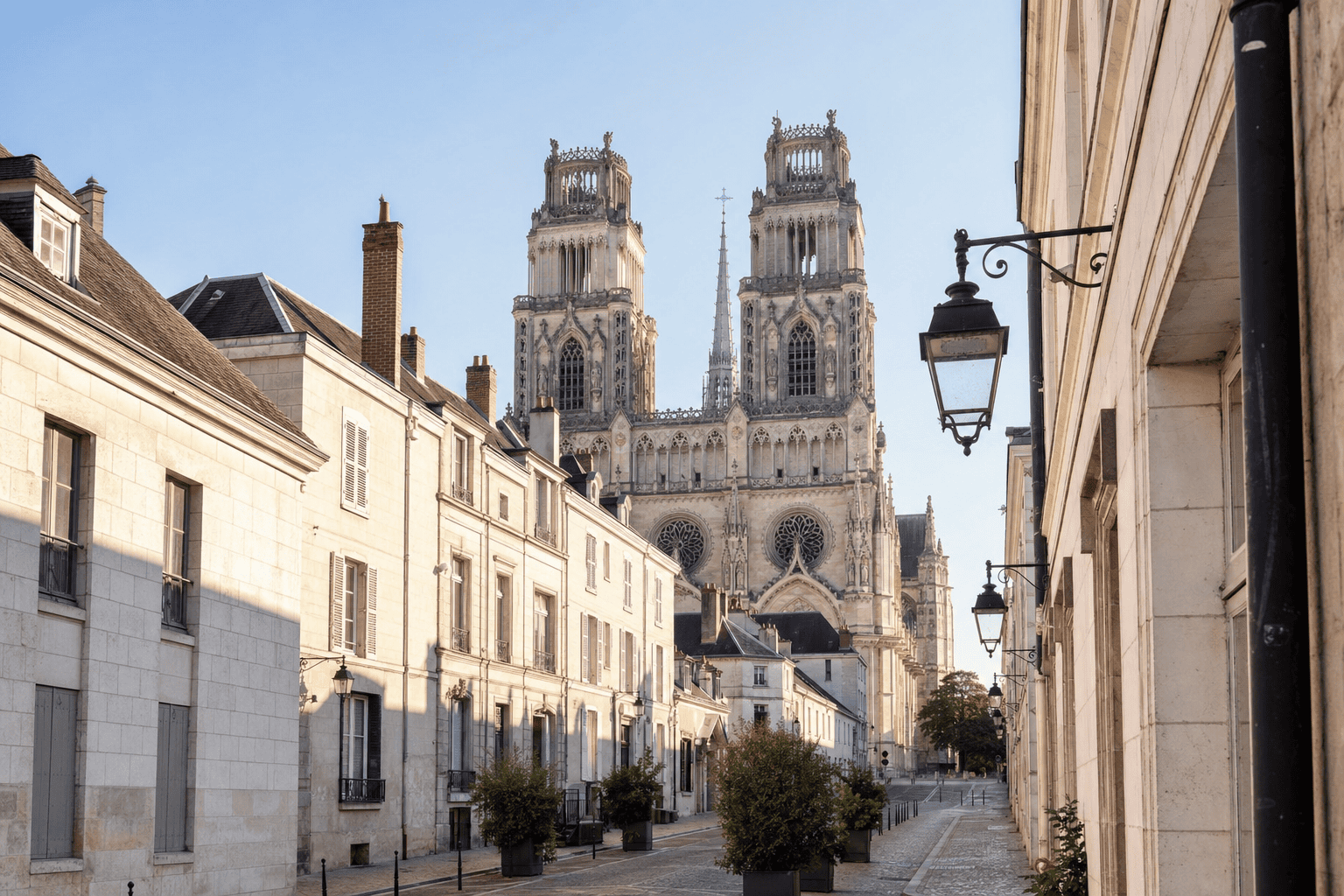
At the heart of the historic center, Sainte-Croix Cathedral in Orléans dominates the city with its Gothic façade, towers, and spire. The current building is the result of several construction and restoration campaigns following the destruction that shaped its history. Inside, the stained-glass windows dedicated to Joan of Arc tell the story of the special connection between the cathedral, the city, and the heroine of 1429. This visit fits easily into a walk through the old town, from Rue Jeanne-d’Arc and Place du Martroi to the museums and the banks of the Loire.
Practical information
Start by viewing the façade from Rue Jeanne-d’Arc, then go inside and follow the stained-glass windows dedicated to Joan of Arc as a visual story. Leave some extra time rather than planning a tight schedule.
Getting to Orléans from Paris by private chauffeur
To visit Sainte-Croix Cathedral without dealing with the drive, Booking Paris Transfer can arrange a private journey from Paris, a Paris hotel, Charles de Gaulle Airport, or Orly, with a return to Paris based on your itinerary. The service drops you off in Orléans for an independent visit to the landmark; admission is not included, and the service does not replace the cathedral’s official information.
Transportation service departing from Paris, the Île-de-France region, CDG, or ORY. Check the cathedral’s visitor information before departure.
A Monumental Landmark in the Heart of Orléans
Sainte-Croix Cathedral is one of the main landmarks of Orléans’s urban landscape. It stands on Place Sainte-Croix in the historic center, forming the visual endpoint of Rue Jeanne-d’Arc. From the surrounding streets, its towers and spire rise above the rooftops, giving the city an instantly recognizable perspective.
Before going inside, take in the façade: a monumental portal, large windows, rose windows, pinnacles, and vertical lines create an architecture designed to impress. The spire visible at the top belongs to the cathedral’s current silhouette; it is best understood as part of the building’s construction and restoration history rather than assigned a single date without consulting heritage documentation.
The square in front of the cathedral is an excellent starting point for a walk. From there, you can reach Rue Royale, Place du Martroi, Hôtel Groslot, and several museums on foot. The cathedral is therefore more than an isolated stop: it provides a thread for discovering central Orléans.
A History Shaped by Reconstruction
Sainte-Croix’s current appearance reflects a long and eventful history. A place of worship already stood on this site before the major medieval construction phases. A Romanesque cathedral preceded the Gothic building, whose construction encountered difficulties and underwent changes over time. The monument’s history should therefore be understood as a succession of building campaigns rather than the completion of a single project.
The destruction associated with the Wars of Religion, particularly in 1568, severely damaged the cathedral. Work resumed under the reign of Henry IV at the beginning of the seventeenthth century and continued under subsequent reigns. This continuity explains the coexistence of a Gothic-inspired structure and elements from later periods.
The façade and several parts visible today were also completed or restored in later periods. To avoid an overly simplified chronology, keep in mind that Sainte-Croix is the result of centuries of construction, rebuilding, and maintenance. This layering is precisely one of its heritage attractions.
The Stained-Glass Windows Dedicated to Joan of Arc
The stained-glass windows dedicated to Joan of Arc are among the features most sought out by visitors. They depict several episodes associated with the young woman’s life and her role in the relief of Orléans in 1429. Their sequence invites a narrative reading, although a detailed interpretation is best supported by a visitor guide or a guide’s explanations.
These windows date from the period when Joan of Arc’s image was rediscovered and promoted, a particularly important part of Orléans’s collective memory. Rather than automatically attributing each window to a specific artist without a verified reference on site, observe the color choices, scenes, inscriptions, and the way the figures are integrated into the architecture.
Move slowly through the nave to compare the compositions. Light changes how the colors appear depending on the time of day and the weather. The chapel associated with Joan of Arc also deserves close attention, while respecting the religious nature of the site and any services taking place.
Nave, Choir, and Interior Details
Passing through the portal immediately reveals the height and depth of the nave. Your eyes naturally move toward the vaults, but a careful visit also reveals the pillars, side chapels, windows, and various furnishings. This layout reflects the cathedral’s role as a place of prayer, a historic monument, and a civic landmark for the city.
The choir and its surroundings bring together decorative elements from several periods of renovation. The woodwork, choir stalls, and liturgical furnishings should be viewed cautiously in chronological terms: some pieces or ensembles may have been altered, moved, or restored. They nevertheless add a warmer tone to the nave’s stone interior and help illustrate how the space has been used over time.
The side chapels reveal other details, including statues, altars, paintings, and inscriptions. Take time to look up while remaining discreet. Photography may be restricted or discouraged depending on the circumstances; always follow posted instructions and the directions of those responsible for the site.
Joan of Arc in Orléans’s Collective Memory
Joan of Arc’s presence at Sainte-Croix takes on its full meaning when placed in the context of Orléans’s history. In 1429, the city was under siege during the Hundred Years’ War. Joan took part in its relief, an episode that became foundational to local memory. The stained-glass windows and spaces associated with her reflect the lasting place of this event in the city’s identity.
This memory extends well beyond the cathedral. Rue Jeanne-d’Arc connects the monument to Rue Royale, while Place du Martroi is home to an equestrian statue of the heroine. Maison de Jeanne d’Arc and the collections of Orléans museums offer other ways to explore her representation across history, religion, art, and civic memory.
To extend your visit, choose a coherent route rather than trying to fit in too many places. You could follow the cathedral with a stop at Maison de Jeanne d’Arc or the Fine Arts Museum, then take a walk through the old streets. This approach helps distinguish historical facts from later interpretations and commemorative practices.
Practical tips for planning your visit
The cathedral is easy to include in a walking itinerary through central Orléans. Place Sainte-Croix is easy to find, and approaching via Rue Jeanne-d’Arc offers a particularly spectacular view. If you are traveling by public transportation, allow a few minutes to walk from your arrival point instead of trying to stop as close as possible to the cathedral square.
Check the official information before your trip. Visiting hours, access conditions, and open areas may vary depending on services, ceremonies, construction work, and events. It is best to keep some flexibility in your schedule, especially if you want to view the stained-glass windows in peace.
Respectful clothing and a discreet manner are appropriate for this place of worship. Visitors with reduced mobility can check the most convenient route in advance, as accessibility may depend on the entrances and the temporary layout of the site. Finally, respect marked areas, avoid talking during services, and do not photograph worshippers.
What to See Around the Cathedral
Sainte-Croix Cathedral is located in an area rich in heritage. Walking down Rue Jeanne-d’Arc toward Rue Royale, you discover an urban perspective connecting the monument with the shopping district. Place du Martroi is a natural stop, particularly for its statue of Joan of Arc and its role in the city’s historic routes.
Hôtel Groslot, recognizable by its brick façade and Renaissance character, adds to the architectural discovery of the city center. Depending on current opening arrangements, it may be visited or simply viewed from the public space. Art and history enthusiasts can then continue to the Fine Arts Museum or Maison de Jeanne d’Arc.
For a change of scenery, continue toward the banks of the Loire. The promenade offers another view of Orléans and recalls the river’s importance in the city’s development. By combining the cathedral, a few historic streets, and a walk along the Loire, you can create a well-balanced half-day outing without making too many trips.
Frequently Asked Questions
Where is Sainte-Croix Cathedral in Orléans located?
How much time should I allow for the visit?
What are the most remarkable features?
Can you visit the cathedral during a service?
What is there to see near the cathedral?
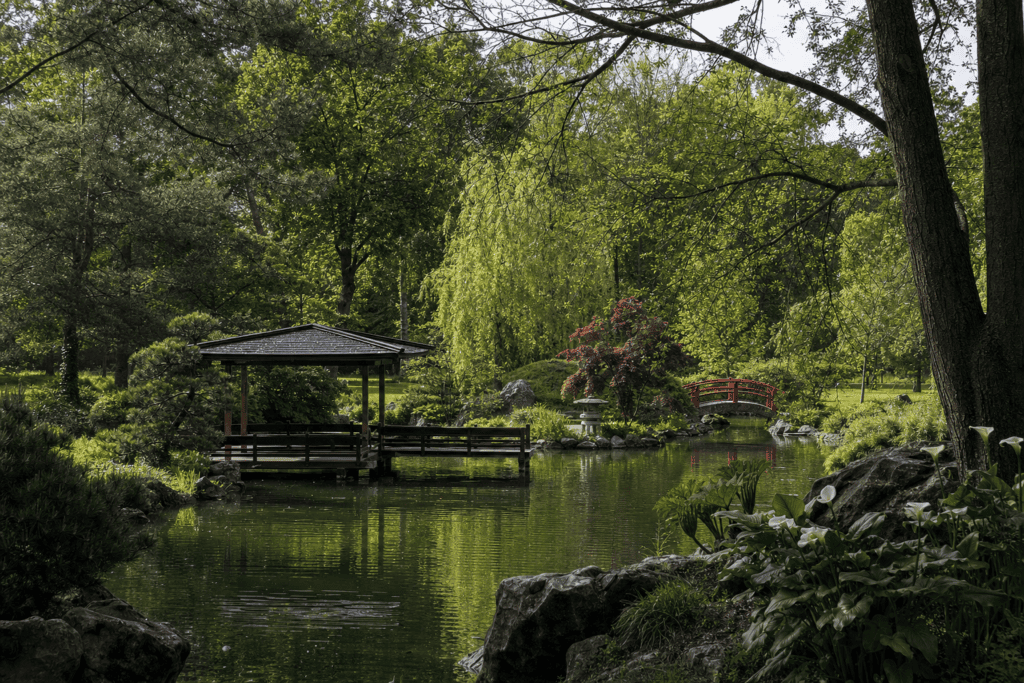 Parc Floral de la Source A large landscaped park in Orléans where gardens, animals, butterflies, and the source of the Loiret create a pleasant outing…
 Orléans Historic Center and Rue de Bourgogne A walking loop between Place du Martroi, Rue de Bourgogne, Le Châtelet, the…
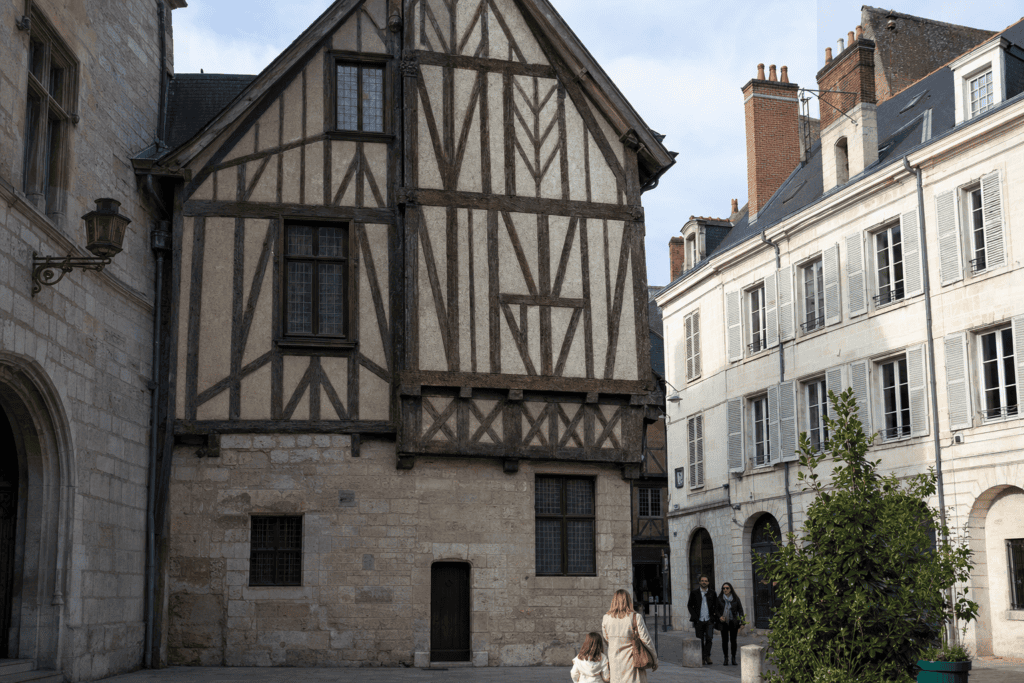 Joan of Arc House An accessible museum exploring Joan of Arc’s stay in Orléans, the 1429 siege…
 Cycling Along the Loire in Orléans A gentle ride along the Loire in Orléans, with quays, bridges, Loire islands, and natural landscapes—ideal by bike or…
Online booking · Paris → Place Sainte-Croix, 45000 Orléans, Centre-Val de Loire
Choose your pickup date and time
Your departure and arrival details are already pre-filled. You can adjust them in the fare calculator before viewing the vehicles and fare.