



Centre-Val de Loire · Loire Valley · Centre-Val de Loire
Visiting Orléans: Heritage, the Loire, and the French Art of Living
Visiting Orléans means discovering a Loire city that is historic, cultural, and easy to explore on foot. Shaped by the story of Joan of Arc, dominated by Sainte-Croix Cathedral, and open to the river, Orléans is also an excellent gateway to the Loire Valley and its UNESCO World Heritage landscapes.
Explore Orléans
Orléans Highlights
 Experiences
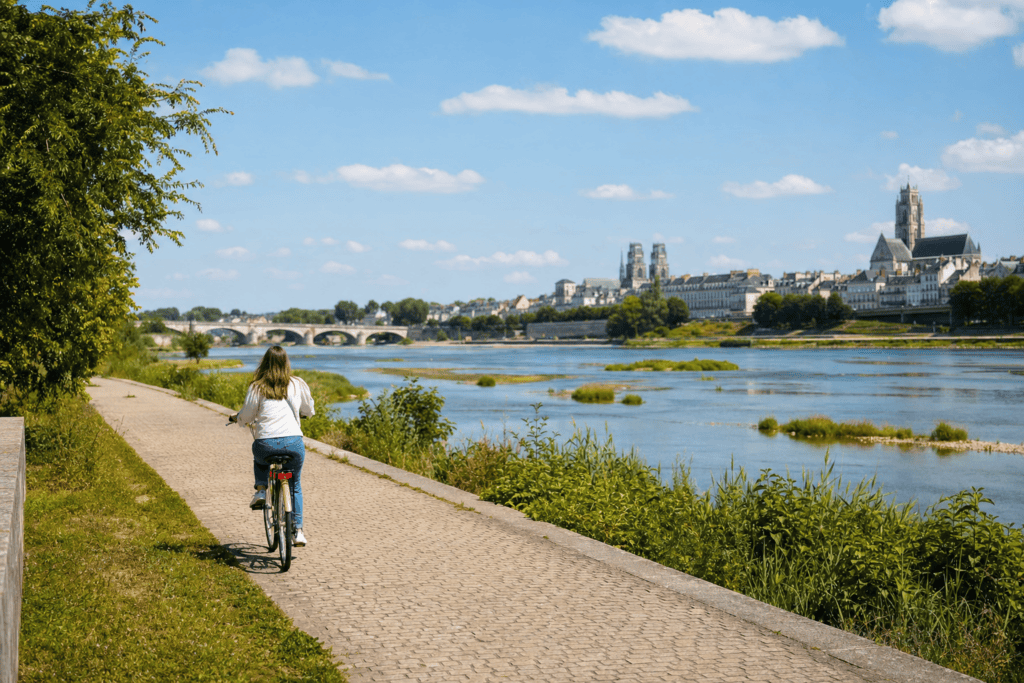
Cycling Along the Loire in Orléans
A gentle ride between Orléans’ riverfront, bridges, Loire islands and natural landscapes, ideal by bike or on foot.
 Must-see
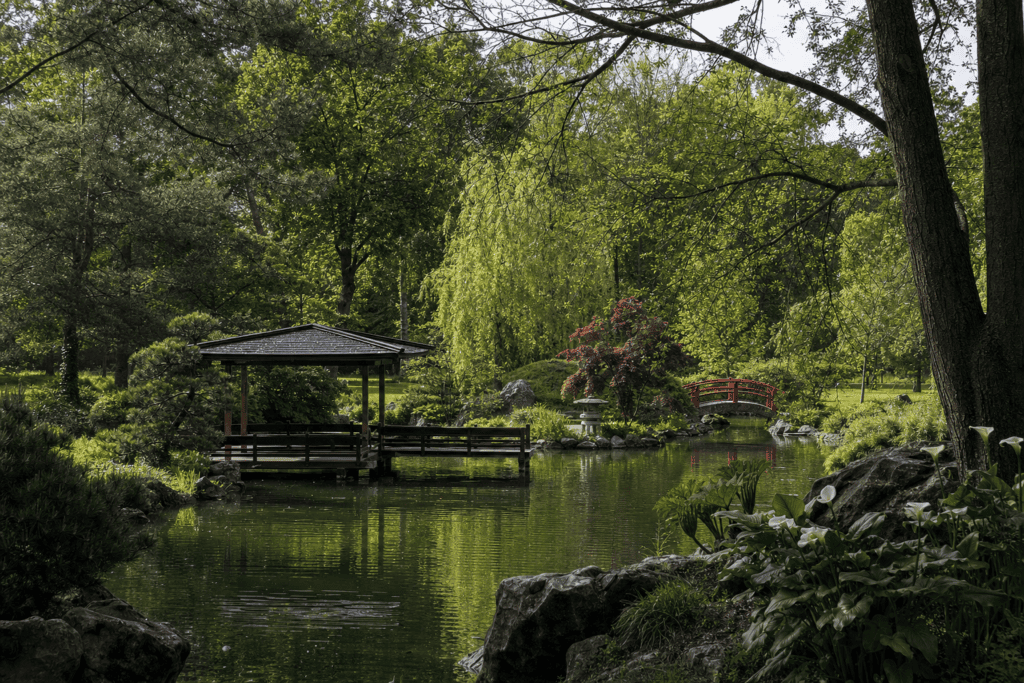
Parc Floral de la Source
A large landscaped park in Orléans where gardens, animals, butterflies, and the source of the Loiret create a pleasant walk in…
 Must-see
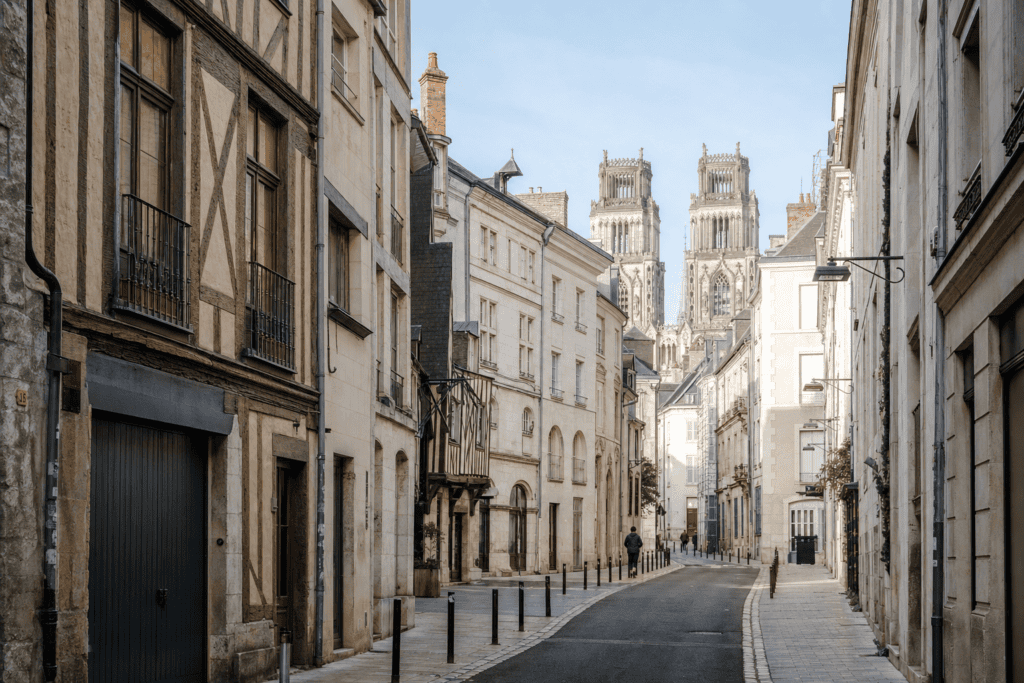
Orléans Historic Center and Rue de Bourgogne
A walking loop between Place du Martroi, Rue de Bourgogne, Le Châtelet, historic façades…
 Must-see
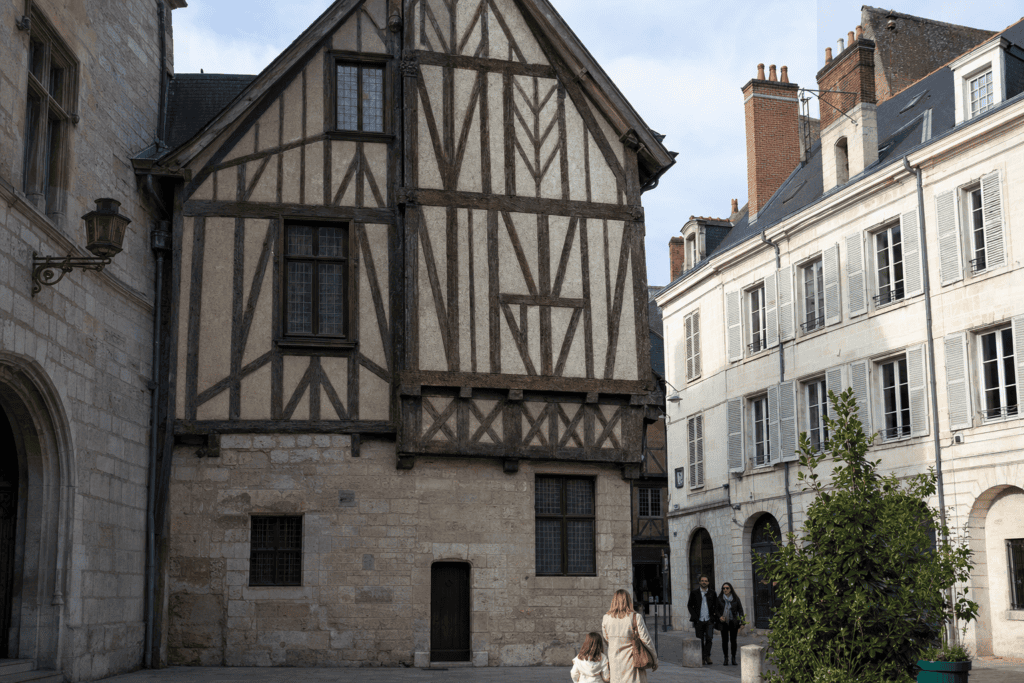
Joan of Arc House
An accessible museum explaining Joan of Arc’s time in Orléans, the 1429 siege, and the…
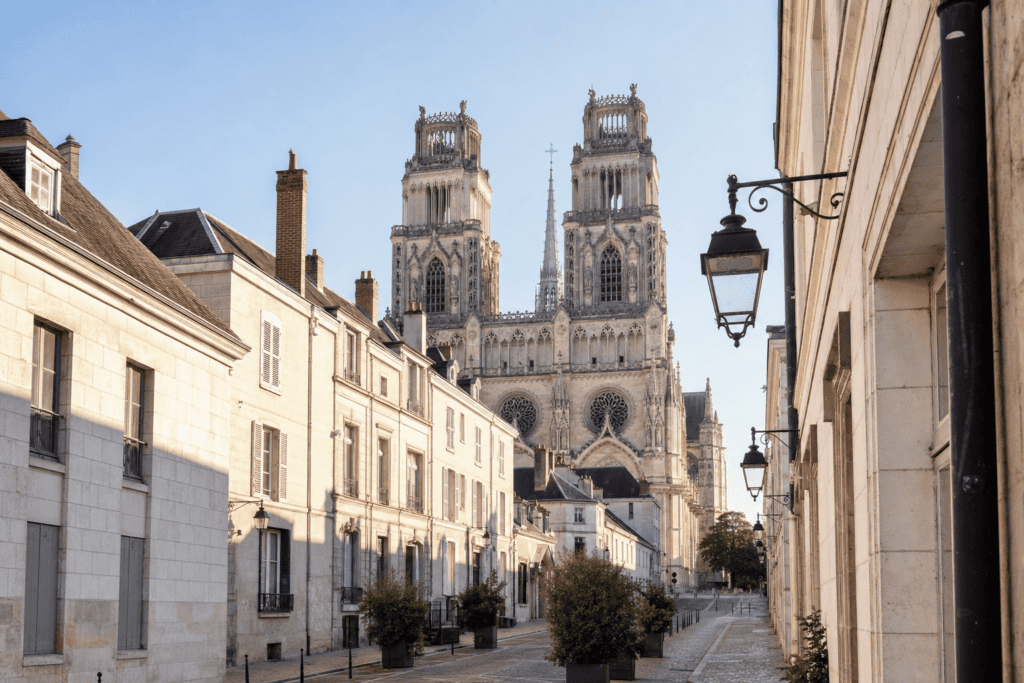 Must-see
Sainte-Croix Cathedral of Orléans
A major Gothic cathedral in Orléans, known for its stained-glass windows dedicated to Joan of Arc and its monumental silhouette.
Other destinations to discover
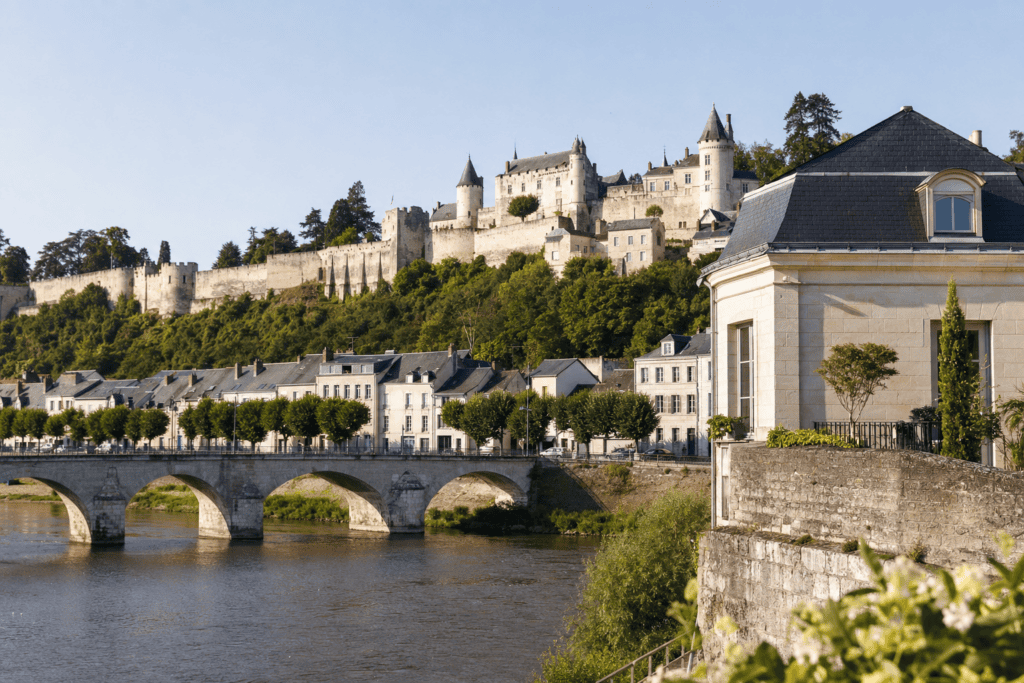
Chinon
A medieval town dominated by a royal fortress, amid heritage, vineyards, and the landscapes of the Vienne.
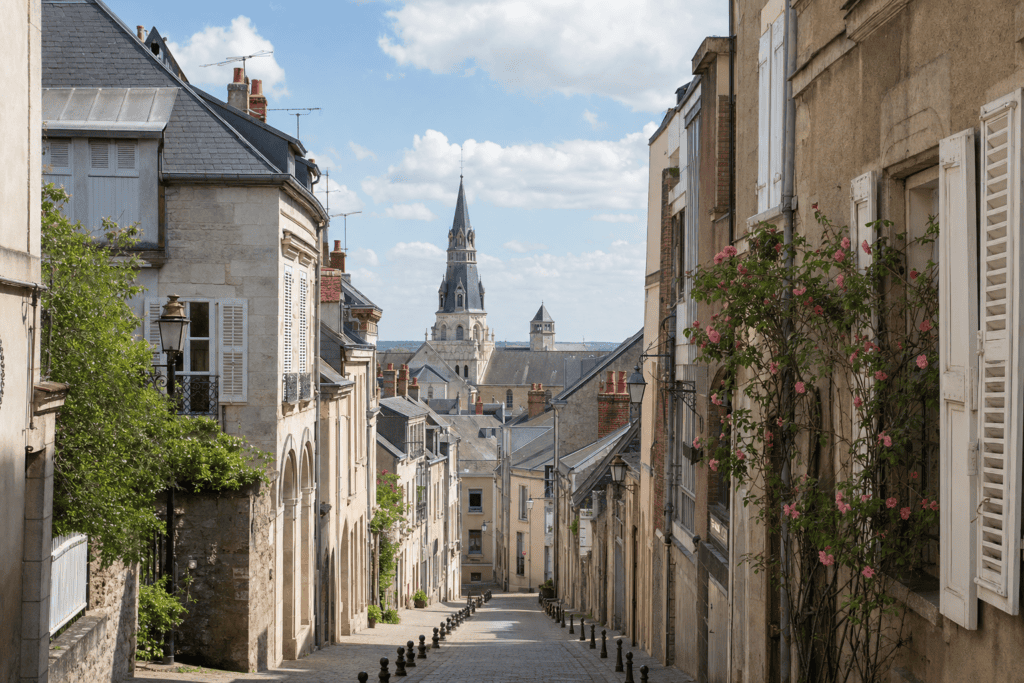
Châteauroux
From Château Raoul and the historic center to gardens, museums, and excursions in the Indre, Châteauroux reveals a discreet, cultural side of Berry…
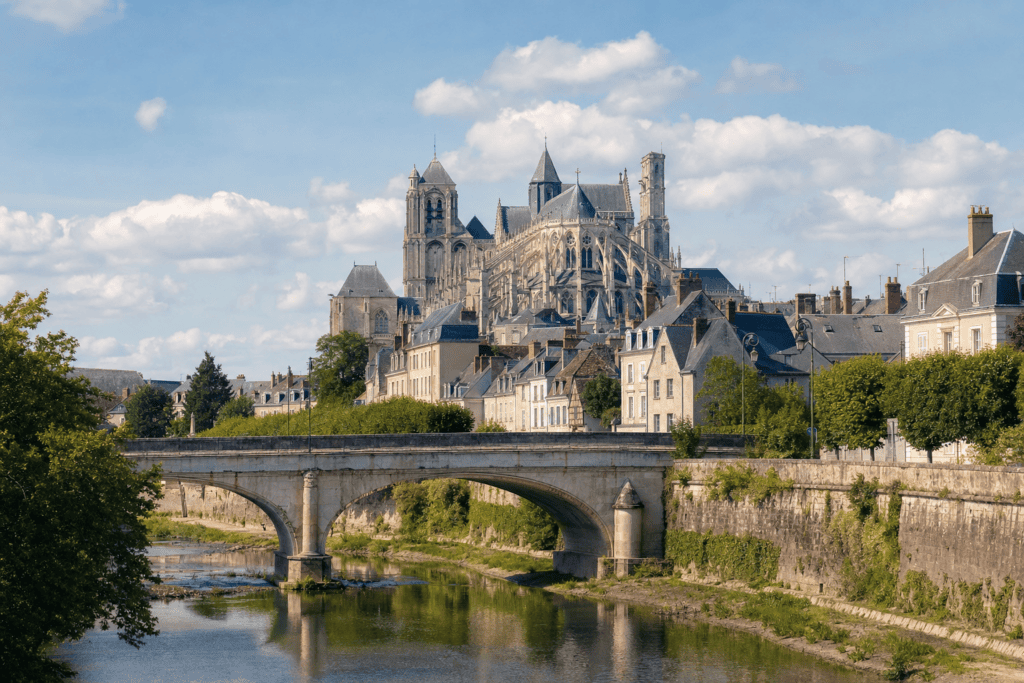
Bourges
A charming heritage town with a Gothic cathedral, medieval palace, half-timbered houses, and gardens of…
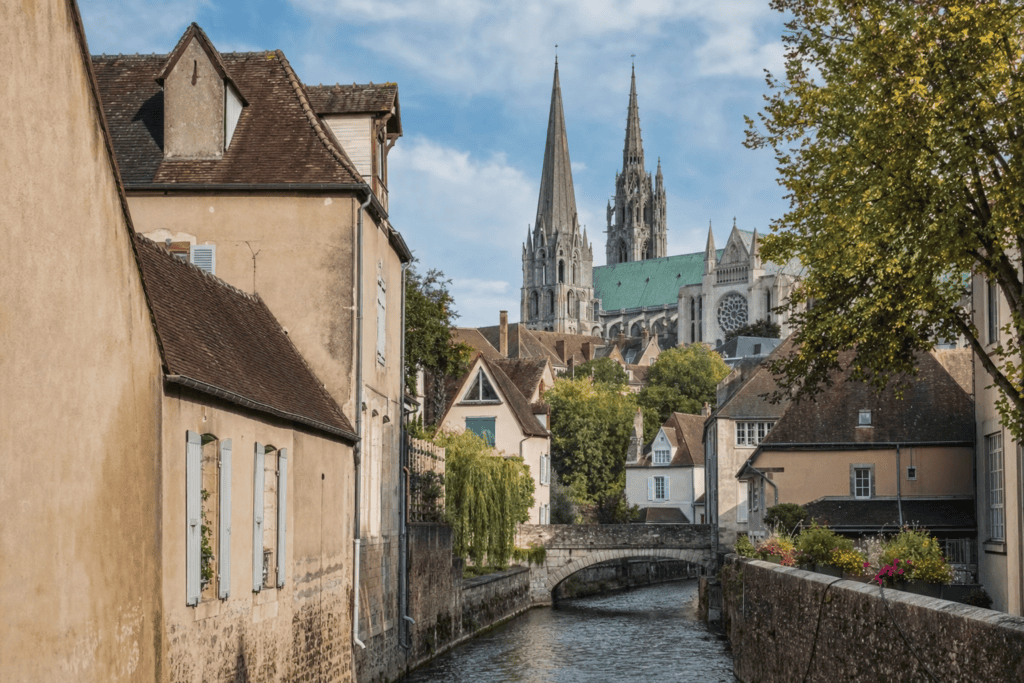
Chartres
A heritage getaway from Paris featuring a Gothic cathedral, medieval stained glass, historic lanes, and surprising creations by…
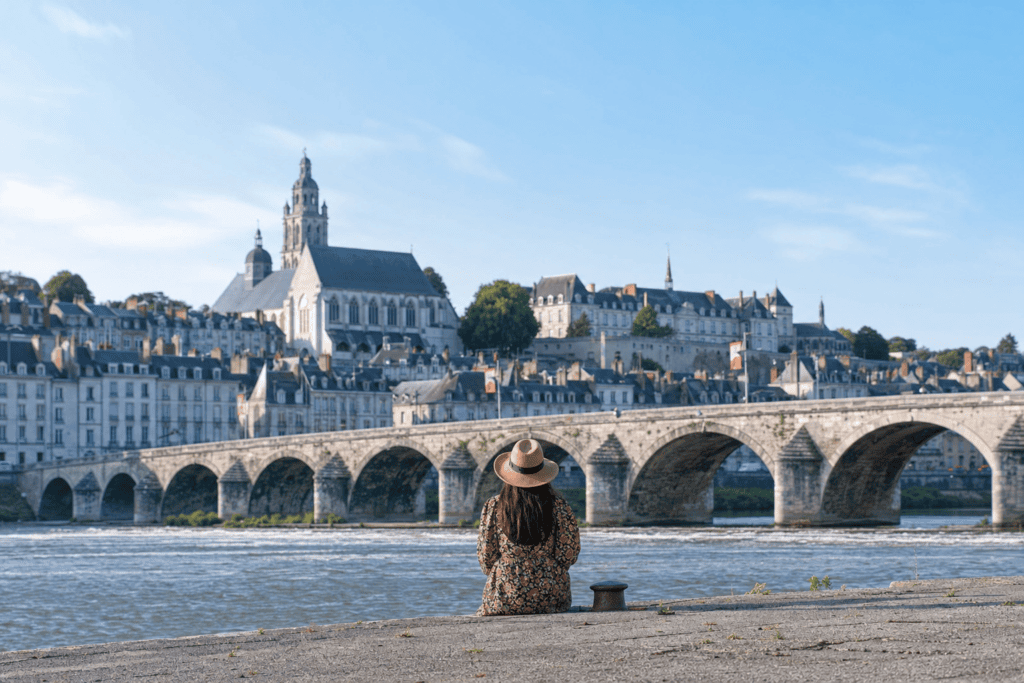
Blois
Royal château, historic lanes, views over the Loire, and the Maison de la Magie: Blois brings together a…
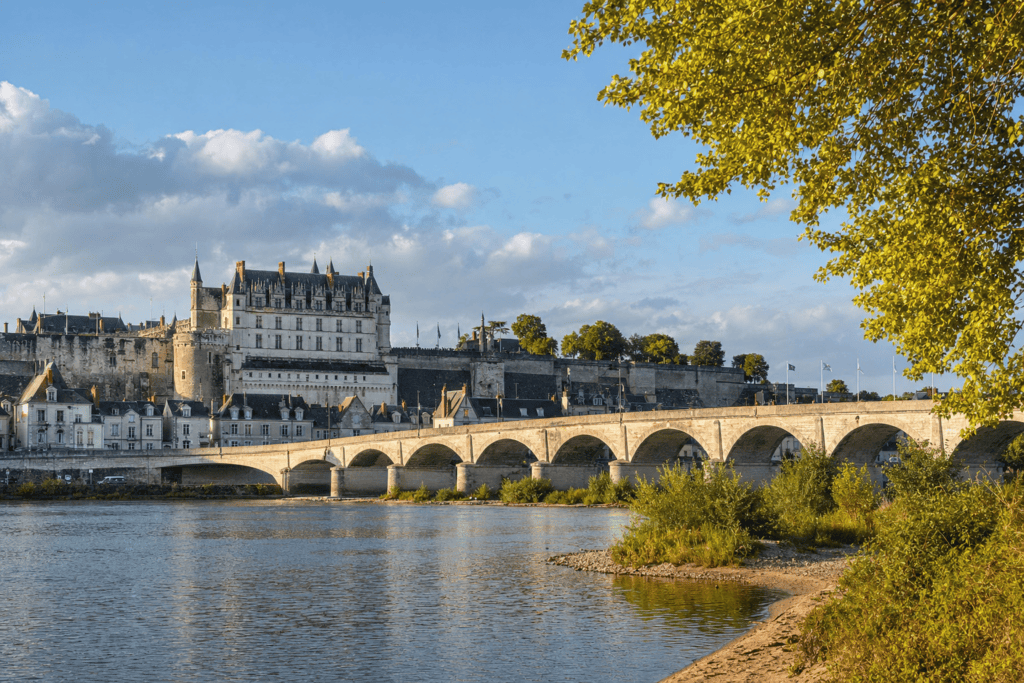
Amboise
Between the royal château, Clos Lucé, the Loire, and historic gardens, Amboise offers a rich and elegant discovery of…
DESTINATION GUIDE
Orléans Travel Guide
A Loire city steeped in history and heritage
Orléans stretches along the banks of the Loire, within the cultural landscape of the Loire Valley recognized by UNESCO. The city holds a distinctive place in French history: a crossroads between the Loire Valley, the Île-de-France region, and the major routes to the west, it developed as a river port, trading city, and university center. This history can still be seen in the old town, along the quays, and in the monuments that shape the urban landscape.
Your visit can begin around Place du Martroi, one of Orléans’ central squares. Its equestrian statue of Joan of Arc recalls the event that profoundly shaped the city’s identity: in 1429, the young heroine helped liberate besieged Orléans. Joan of Arc’s legacy is present in several places, including the Joan of Arc House, historical walking routes, and the events held each year for the Joan of Arc celebrations.
Sainte-Croix Cathedral, an iconic landmark
Sainte-Croix Cathedral dominates the historic heart of the city with its towers and monumental façade. This Gothic building has a long and turbulent history, with construction spanning several centuries. Inside, the vaulted ceilings, chapels, choir woodwork, and stained-glass windows devoted to the life of Joan of Arc invite careful exploration.
The cathedral remains an active place of worship, so visitors should respect the silence and services. Visitor information and certain guided tours can provide a better understanding of the architecture, artworks, and successive transformations of the monument. For visits to the upper levels or guided offerings, it is best to check the details with the tourism office or the cathedral’s official website before setting out.
Strolling Through the Historic Center
Orléans’ city center is well suited to an unhurried stroll without a rigid itinerary. Historic streets alternate between half-timbered houses, private mansions, open squares, and reconstructed or restored buildings. Hôtel Groslot, with its remarkable façade and historic interiors, is one of the city’s architectural landmarks. Nearby, several museums and religious buildings add to the heritage experience.
For a first introduction, a walking route can connect Place du Martroi, Rue Jeanne-d’Arc, Sainte-Croix Cathedral, Hôtel Groslot, the shopping streets, and the quays. This walk helps explain the relationship between the upper city, organized around monuments and squares, and the Loire, which long shaped Orléans’ economic activity.
The Loire quays and river landscapes
The Loire gives Orléans a distinctive atmosphere, more open and brighter than that of many historic cities. The quays are pleasant places to walk, admire the bridges, and take in views of the river. Depending on the season and local conditions, they can also serve as a starting point for bike rides or activities connected with the Loire landscape.
Take time to see the Loire as a living environment rather than simply a backdrop. The river level, sandbanks, islands, birds, and riverside vegetation change throughout the year. The Loire à Vélo cycling routes also make it possible to experience Orléans as a stop on a longer journey combining heritage, nature, and valley villages.
Museums, culture, and themed tours
Orléans offers a diverse cultural scene. The Fine Arts Museum presents collections spanning several periods in art history, while the Hôtel Cabu – Museum of History and Archaeology helps place the city within its regional context. The Joan of Arc House offers an approach centered on the historical figure and on how her legacy was shaped in Orléans.
The city is also known for FRAC Centre-Val de Loire, dedicated to architecture and contemporary creation. The institution provides an interesting counterpoint to the city’s historic heritage: it shows that Orléans is not limited to its past and continues to question urban forms, housing, and the ways space is used.
- Plan a visit to the cathedral and historic district.
- Allow time for the museums if the weather is unfavorable.
- Take a themed tour focused on Joan of Arc, architecture, or the Loire.
- Combine the city center with a walk along the quays.
Orléans as a base for exploring the Loire Valley
Orléans’ location makes it possible to explore several sites across the Centre-Val de Loire region. To the east, Château de Sully-sur-Loire and the Loire landscapes naturally extend the river experience. To the west, the towns and châteaux of the Loire Valley offer numerous cultural excursion options. Distances and travel times vary depending on the sites, so it is advisable to create a coherent itinerary rather than trying to fit too many visits into a single day.
A two-day stay generally allows you to combine the historic center, cathedral, museums, and quays. With an additional day, Orléans can become the starting point for a broader itinerary including a château, a bike ride, or a visit to Loire villages. Families will appreciate the shorter routes and outdoor spaces, while history enthusiasts can explore the medieval period, the Renaissance, and the legacy of Joan of Arc in greater depth.
Tips for Planning Your Stay
The center is easy to explore on foot, but some preparation is still useful to check museum opening days, guided tours, and any temporary events. Religious monuments may change their visitor arrangements during services or events. For reserved activities, always consult the official information before your arrival.
Orléans can be visited year-round. Spring and fall are particularly pleasant for walking along the Loire, while summer offers more opportunities to enjoy the quays and outdoor events. During busy periods, starting the day with the most popular monuments helps maintain a comfortable pace. In every season, Orléans’ appeal lies as much in its iconic sites as in the transition between historic streets, squares, river, and Loire Valley landscapes.
Getting to Orléans from Paris by private chauffeur
Booking Paris Transfer organise des trajets privés au départ de Paris, de l’Île-de-France, de l’aéroport Charles-de-Gaulle ou d’Orly vers Orléans. Le service peut aussi convenir à un retour vers Paris ou à un itinéraire multi-ville dans le Val de Loire. Booking Paris Transfer n’est pas un chauffeur local à Orléans et ne vend pas de billets d’entrée.