



Orléans Historic Center: A Loop Through Heritage and the Loire
Orléans
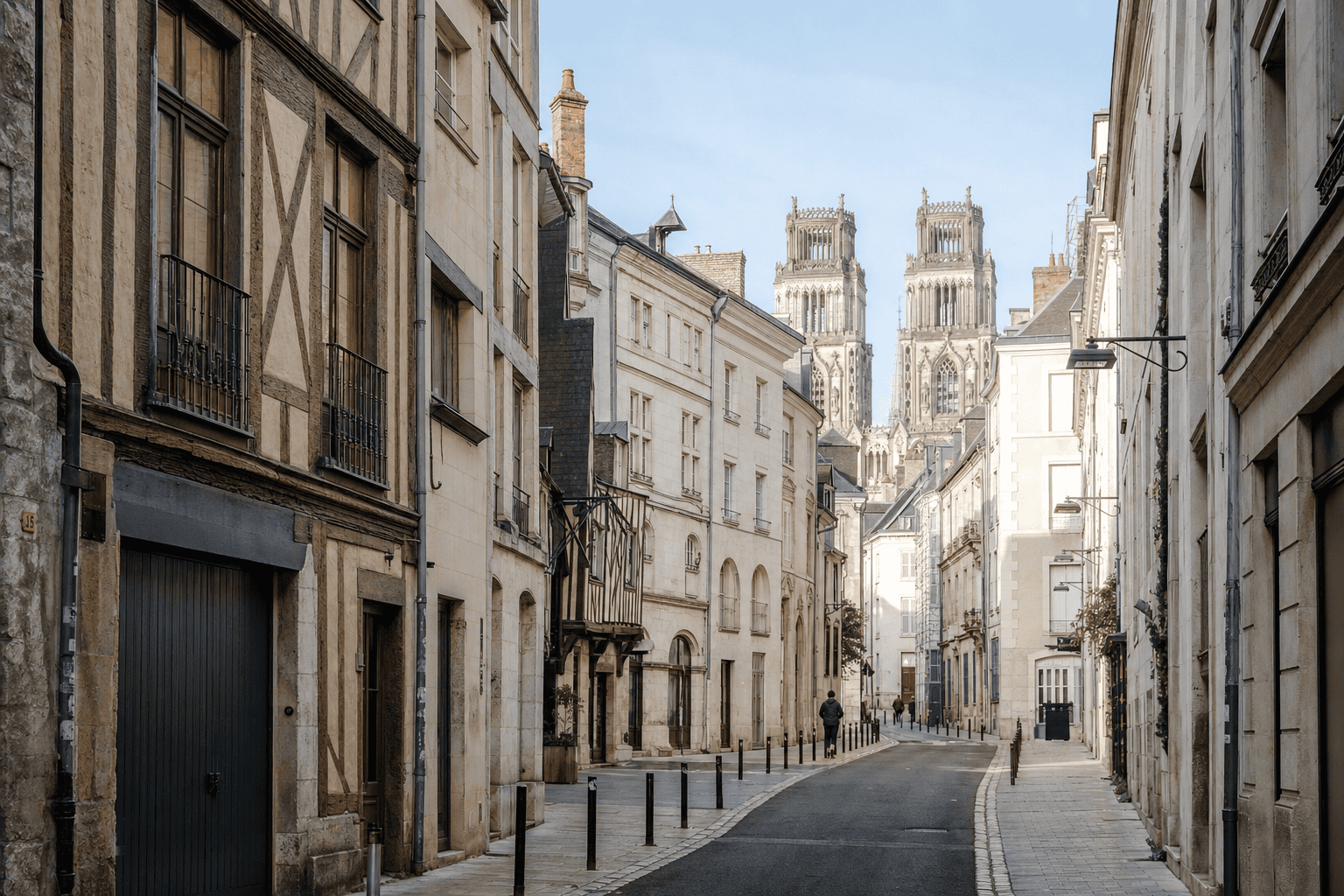
Orléans’ historic center is easy to explore on foot via a roughly two- to three-hour loop between Place du Martroi, Rue de Bourgogne, the Châtelet area, Place de la Loire and the riverbanks. This route brings together the main highlights of the old town: the statue of Joan of Arc, nearby Sainte-Croix Cathedral, half-timbered houses, historic mansions, shopping streets and open views of the river. For a first look, start at Martroi, walk up or across the center to Rue de Bourgogne, continue toward Châtelet and finish along the Loire. Detours, breaks and optional indoor visits can easily turn this walk into a half-day outing.
Practical information
Start at Place du Martroi, locate Rue Royale and Sainte-Croix Cathedral, head to Rue de Bourgogne, then continue to Châtelet, Place de la Loire and the riverbanks.
Getting to Orléans from Paris
Booking Paris Transfer can arrange private transportation from Paris, a hotel in the Île-de-France region, Charles de Gaulle or Orly Airport, with a return to Paris or continuation of an itinerary begun in the region. The service covers transportation only; visits, meals and any tickets must be arranged separately.
Departure from Paris, the Île-de-France region, CDG or ORY; return to Paris to be planned according to your itinerary.
Start at Place du Martroi
Place du Martroi is a convenient starting point for understanding the layout of Orléans’ historic center. Its broad open space connects several important routes, including Rue Royale, Rue Bannier and the streets leading toward Rue de Bourgogne. At its center, the equestrian statue of Joan of Arc recalls Orléans’ major role in the young heroine’s history, although the work visible today belongs to a more recent artistic period.
Before setting off, take a look at the facades surrounding the square and the different urban views. Within a few minutes, you can also reach Sainte-Croix Cathedral, an unmissable landmark located north of the old-town area. This short detour adds a glimpse of Orléans’ religious heritage to your neighborhood walk.
To follow the planned route, head back toward the central streets in the direction of Bourgogne. Martroi is also a useful return point if you are short on time or would like to split the walk into two parts.
Cross the Old Town Toward Bourgogne
Rue de Bourgogne is one of the clearest routes through the old town. It leads east from the central districts and brings together shops, cafés, restaurants and historic buildings. Its appeal lies in the succession of urban scenes rather than a single monument: a narrow facade, an ornate doorway, a side view or a shop sign may catch your eye along the way.
From Martroi, make your way to Rue de Bourgogne using the local signs, and take time to look down the cross streets. Some offer views of historic buildings or quieter squares. Pedestrian traffic can be heavy at certain times; watch for bicycles, deliveries and residential entrances.
The route is especially appealing to visitors who want to combine architecture with everyday life. Active ground-floor businesses give the neighborhood a lively atmosphere, while the upper floors and continuous facades reflect the historic depth of the urban fabric.
Spot the Half-Timbered Houses
In the streets around Bourgogne and Châtelet, several historic half-timbered houses reflect the diversity of Orléans’ built heritage. Look for exposed beams, overhanging upper floors, window surrounds and differences in the width of the plots. These details are often more revealing than the grand facades alone, showing how the houses have been adapted, restored or transformed over the centuries.
The presence of timber framing is not enough to date a house precisely. Successive renovations may have altered the plasterwork, openings or decorative features. For further information, consult heritage resources from the City of Orléans and tours offered by the tourist office rather than relying on an unsupported attribution.
This area is pleasant for photography, especially when the light highlights the relief of the facades. From public spaces, however, be considerate of homes, businesses and the people who live in these buildings. Heritage is first and foremost a living environment, not simply a backdrop.
Explore the Châtelet Area
Continuing east, the Châtelet area forms a transition between the center’s shopping streets and the banks of the Loire. It is an easy landmark for structuring your walk: after Bourgogne’s more tightly packed facades, the spaces gradually open up and the routes point more directly toward the river. Take time to explore the adjoining streets before heading down to Place de la Loire.
This part of the route offers a change of perspective. A side street may reveal an old house, a courtyard visible from public space or a view toward a bell tower. Urban arrangements and uses may vary depending on market days, events or construction; follow the information posted on site.
With children, Châtelet offers a natural break before the more open section of the route. With a stroller, wheelchair or luggage, use marked pathways and allow extra time when the area is busy.
Plan a Food Break
Rue de Bourgogne and the Châtelet area offer plenty of places to stop, from quick cafés to restaurants where you can extend your visit. This fits naturally into the route: a break lets you catch your breath, watch the neighborhood come alive and enjoy a less linear pace. Squares and terraces can also serve as useful landmarks when planning a family visit.
For an efficient itinerary, walk from Martroi to Châtelet first, then choose a place based on the time and atmosphere you prefer. This way, you avoid interrupting your exploration of the facades too early. Specialties, menus, hours and opening days vary by establishment, so check directly with the business you choose, especially on Sundays, public holidays and during the off-season.
A break in the center also makes it easy to continue the loop. After lunch or coffee, head toward Place de la Loire and the riverbanks, or return at a leisurely pace along a different street to discover another view of the old neighborhood.
Planning a Comfortable Visit
Comfortable shoes are recommended, as the walk alternates between sidewalks, squares, busy streets and occasionally uneven surfaces. The main loop can be completed in two hours at a steady pace, but photos, breaks and indoor visits can easily make it a half-day outing. The route suits solo travelers, couples and families who can alternate walking with stops.
Before setting out, check the latest information from the City of Orléans and the tourist office regarding construction, events, guided tours and any traffic changes. This is especially useful if you are traveling with a wheelchair, stroller or luggage. In pedestrian areas, follow the signs and keep access to shops and homes clear.
Visitors interested in history can plan a visit to Sainte-Croix Cathedral or look for a tour focused on Joan of Arc without trying to fit in too many stops. The best pace is to focus on a few specific landmarks, such as Martroi, Bourgogne, Châtelet and the Loire, then leave room for discovery.
Finish Along the Loire Riverbanks
Place de la Loire and the riverbanks provide a natural conclusion to this walk. After the denser streets of the old town, the river creates a sense of space and offers a different perspective on Orléans. Rooflines, bell towers and facades look different from the water’s edge, while the riverbanks give the Loire landscape a more prominent role.
From Châtelet, follow the local signs toward Place de la Loire, then choose between a short out-and-back walk and a longer stroll along the river. Conditions may vary depending on the weather, events or temporary arrangements. Stay on permitted paths and watch children near open areas and any changes in elevation.
To return to the center, head back up toward Rue de Bourgogne or reach Martroi by a different route. This loop combines heritage, shopping, food and scenery without requiring transportation between stops. It offers a well-rounded first introduction to Orléans and can easily be extended to other sites around the city.
Useful sources
Frequently Asked Questions
How long does it take to visit Orléans’ historic center?
What is the best starting point?
Where can I see half-timbered houses?
Is the walk suitable for families?
Can I take a guided tour?
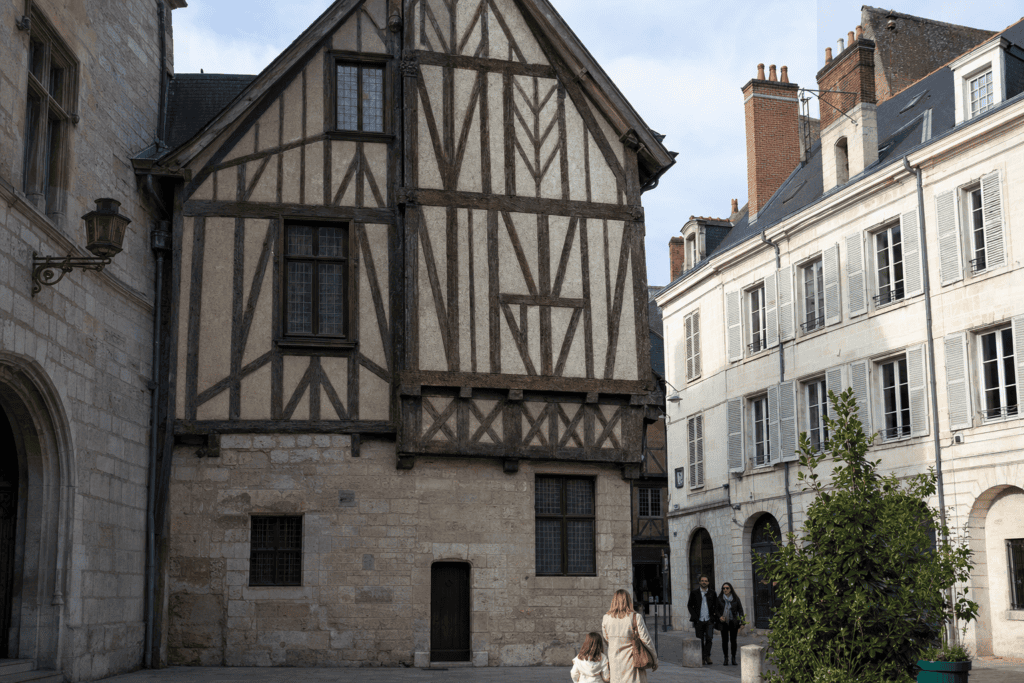 Joan of Arc House An accessible museum exploring Joan of Arc’s stay in Orléans, the 1429 siege…
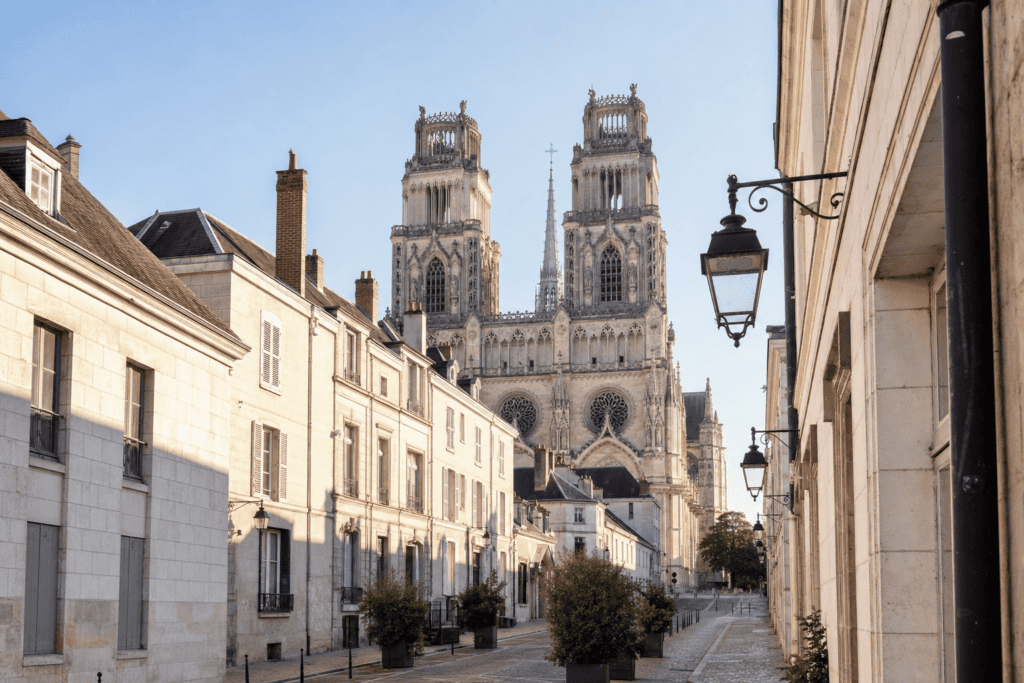 Sainte-Croix Cathedral of Orléans A major Gothic cathedral in Orléans, known for its stained-glass windows dedicated to Joan of Arc and its distinctive silhouette…
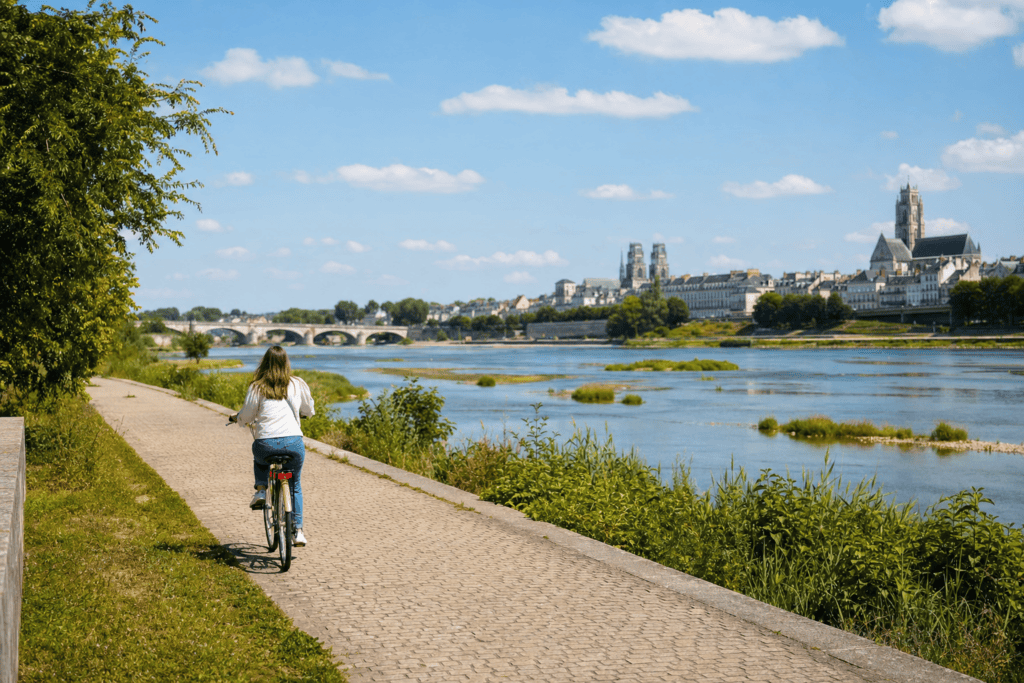 Cycling Along the Loire in Orléans A gentle ride along the Loire in Orléans, with quays, bridges, Loire islands, and natural landscapes—ideal by bike or…
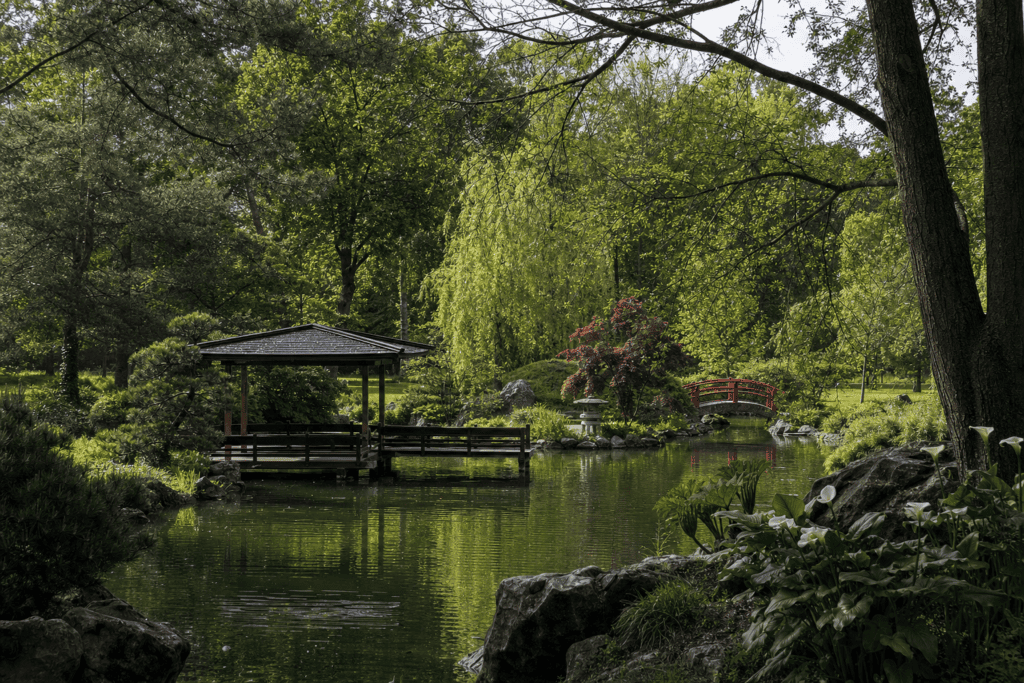 Parc Floral de la Source A large landscaped park in Orléans where gardens, animals, butterflies, and the source of the Loiret create a pleasant outing…
Online booking · Paris → Place du Martroi, Rue de Bourgogne, Châtelet area and Loire riverbanks, 45000 Orléans, France
Choose your pickup date and time
Your departure and arrival details are already pre-filled. You can adjust them in the fare calculator before viewing the vehicles and fare.