



Maison de Jeanne d’Arc in Orléans: Visitor Guide
Orléans
In the heart of Orléans’ historic center, the Maison de Jeanne d’Arc recalls Joan of Arc’s stay with Jacques Boucher during the 1429 siege. The building visible today is a 20th-century reconstruction, but it helps visitors understand the city’s strategic role, the events of the Hundred Years’ War, and Joan’s place in Orléans’ collective memory. Its multimedia exhibit, complemented by documentary resources, suits visitors who want to explore this episode without spending several hours in a museum. The visit fits easily into a walk that also includes Sainte-Croix Cathedral, the Hôtel Groslot, and the Loire riverfront.
Practical information
Check the opening hours, screening arrangements, admission prices, and any accessibility adaptations before setting out. Also allow time to explore the historic center on foot.
Getting to Orléans from Paris Made Easy
Arrange a private transfer from Paris, a Paris hotel, CDG, or ORY to Orléans, with a return to Paris or onward travel through the Loire Valley. Transportation is booked separately from museum admission.
Booking Paris Transfer provides transportation from Paris and the Île-de-France region. Admission tickets, guiding, and independent local chauffeur services in Orléans are not included.
Why Visit the Maison de Jeanne d’Arc?
The Maison de Jeanne d’Arc is one of the most evocative places connected with Orléans’ history. In 1429, the city was under siege during the Hundred Years’ War. Joan of Arc arrived with the French army and stayed with Jacques Boucher, treasurer general to the Duke of Orléans. This brief but decisive presence in local memory coincided with the operations that led to the lifting of the siege.
The museum places this episode in its political, military, and religious context. It does more than tell the story of a heroic figure: the exhibit also explains Orléans’ situation, the importance of the Loire, and the stakes of the war. Visual displays make the visit accessible to families as well as history enthusiasts.
For a first introduction to the city, this stop works especially well before visiting Sainte-Croix Cathedral or strolling through the old quarter. It provides useful context for the monuments, statues, and street names connected with the memory of Joan of Arc.
A Reconstructed Medieval House
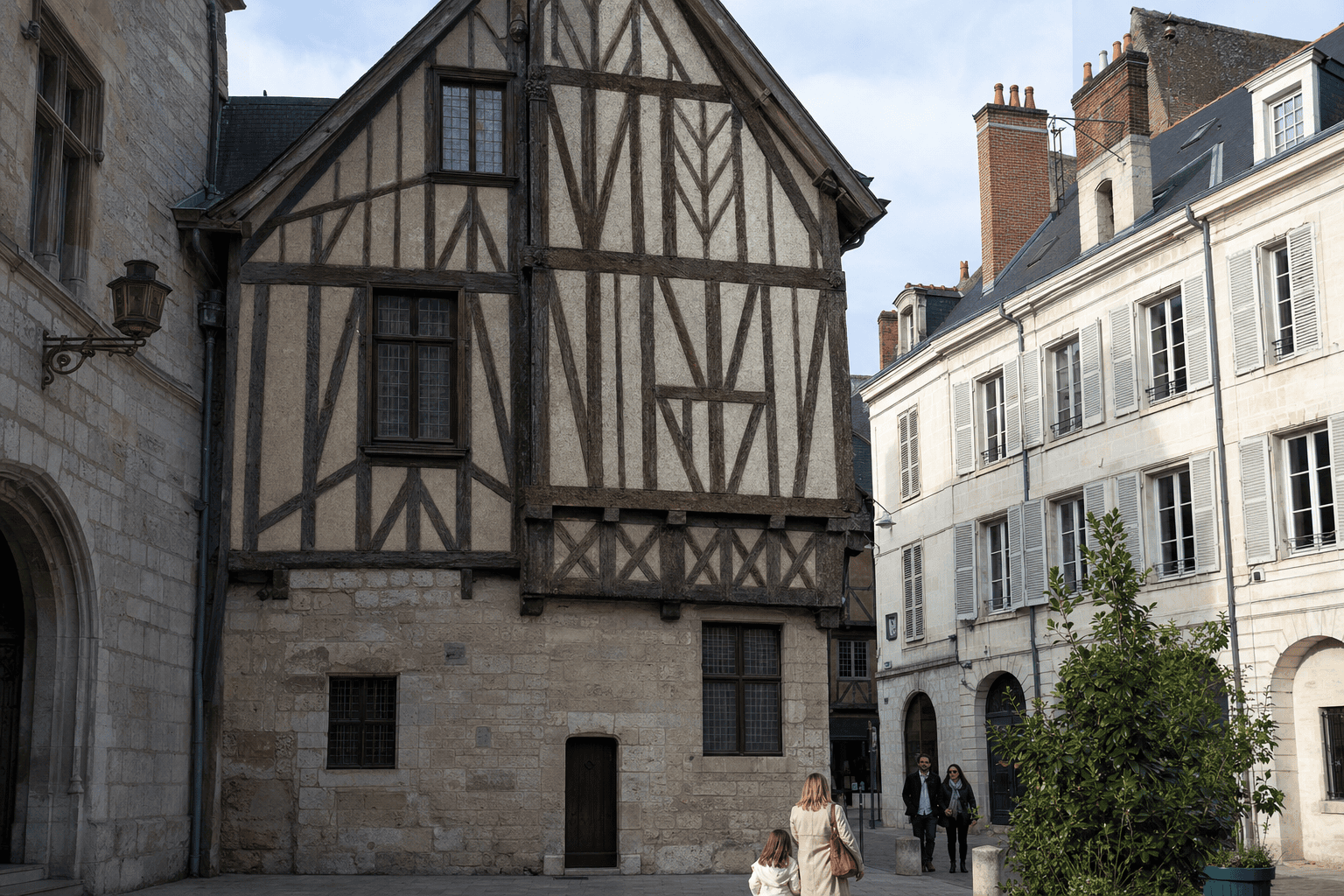
The current building should not be mistaken for an intact medieval house. The residence associated with Jacques Boucher was extensively altered over time and later destroyed during the events that affected Orléans in 1940. The building visible today is a 20th-century reconstruction created to evoke medieval urban architecture.
This distinction between a historic site and a reconstructed building is important for understanding the visit. The half-timbered façade suggests the setting in which Joan may have stayed, while the interior spaces primarily tell the story of how her legacy has been passed down. The house is therefore a heritage site with two dimensions: it evokes the 15th century while also reflecting Orléans’ commemorative choices after the destruction caused by the war.
Take time to observe its setting on Place du Général-de-Gaulle. Its appearance, proportions, and proximity to the other monuments in the center offer an initial reading of the historic landscape even before you go inside.
A Multimedia Exhibit on the Siege of Orléans
The multimedia exhibit is at the heart of the visit. It presents key episodes from Joan of Arc’s life, her arrival in Orléans, the 1429 siege, and the way the city has preserved the memory of her intervention. The panoramic film provides a useful visual overview for visitors who are not familiar with the Hundred Years’ War.
Interactive displays, a timeline, and maps complete the presentation. They help place the events in chronological order and explain Orléans’ strategic position on the Loire. This approach is particularly suitable for families: information is spread across several formats rather than relying solely on long texts.
To get the most from the screening, follow the museum’s instructions on arrival and allow some extra time before it begins. After the film, take time to revisit the maps and chronological markers. They help explain the stages in the city’s liberation and prepare you for a historical walk through the center.
Joan of Arc in the Orléans Cityscape
The visit takes on its full meaning when extended into the streets of Orléans. Joan’s stay was not limited to one address; it took place in a fortified city organized around the Loire and subject to intense military tensions. After the museum, head to Sainte-Croix Cathedral, then walk through the old center to see traces of the city’s memory of Joan of Arc.
The Hôtel Groslot, central squares, and the Loire riverfront can round out this walking itinerary. Depending on the time available, the historical and archaeological museum housed in the Hôtel Cabu offers another perspective on the city’s development. Together, these stops turn a visit of less than an hour into a rewarding half-day cultural outing.
The Fêtes de Jeanne d’Arc, held each year around May, add a special dimension to the visit through ceremonies and events. They can also bring larger crowds and changes to traffic patterns. Outside this period, the urban route is often quieter.
The Joan of Arc Documentation Center
The Maison de Jeanne d’Arc also includes a documentation center devoted to Joan of Arc and her era. Its resources are aimed in particular at researchers, students, teachers, and visitors who want to explore the subject further after the public exhibit. It contains books and various documents related to history, iconography, and the reception of Joan’s legacy.
This center is not an additional room that can be freely visited during the multimedia exhibit. Consultation is arranged under specific conditions and requires contacting the team in advance. Opening hours, reception procedures, and available documents may depend on the request and the service’s schedule.
If you are preparing a presentation, historical research, or publishing project, explain your topic clearly when you make contact. This will help you confirm that the available resources are relevant and avoid an unnecessary trip. This documentary aspect shows that the memory of Joan of Arc in Orléans also rests on ongoing preservation and research.
Practical tips for planning your visit
Opening hours, admission prices, closure days, and access conditions may change depending on the season, public holidays, or the cultural program. Consult the information published by the Orléans Museums or the City of Orléans just before your visit. Do not rely on an old tourist listing, even if it appears detailed.
The Maison de Jeanne d’Arc is in the city center, making it easy to continue exploring on foot. If you arrive by train, allow enough time to travel between the station and Place du Général-de-Gaulle. If you use public transportation, check the routes and stops operating on the day of your trip.
For a smooth visit, first find out about the screening arrangements, then build your itinerary around that constraint. Visitors with reduced mobility or traveling with a stroller should confirm access conditions for the different levels. Finally, allow extra time for the cathedral, the old streets, and the Loire riverfront.
Planning a day trip from Paris
Orléans is well suited to a cultural day trip from Paris or as a stop on an itinerary through the Loire Valley. Arriving in the morning allows you to visit the Maison de Jeanne d’Arc, then continue to Sainte-Croix Cathedral and the main sites in the center. You can have lunch in town and extend your walk toward the Loire riverfront or the Hôtel Groslot.
A private transfer can be convenient for families, groups, or travelers with luggage. Booking Paris Transfer can arrange transportation from Paris, a Paris hotel, Charles de Gaulle Airport, or Orly Airport, with a return to Paris or continuation of an itinerary begun in Île-de-France. The service covers transportation, not museum admission or a local guided tour.
Before booking, check the site’s hours and allow extra time for traffic when leaving Paris. If you plan to visit several places in the Loire Valley, decide the order of your stops in advance so you can keep a pleasant and realistic pace.
Useful sources
Frequently Asked Questions
Where is the Maison de Jeanne d’Arc located?
Is the building Joan of Arc’s original house?
How much time should I allow for the visit?
Can visitors consult the documentation center?
Are the opening hours the same year-round?
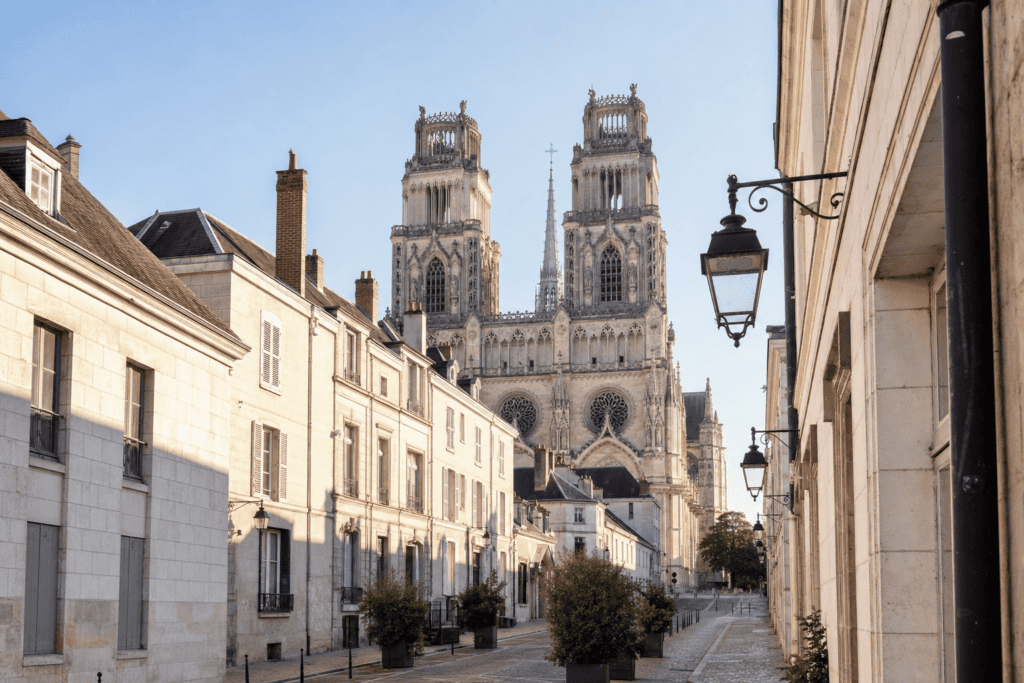 Sainte-Croix Cathedral of Orléans A major Gothic cathedral in Orléans, known for its stained-glass windows dedicated to Joan of Arc and its distinctive silhouette…
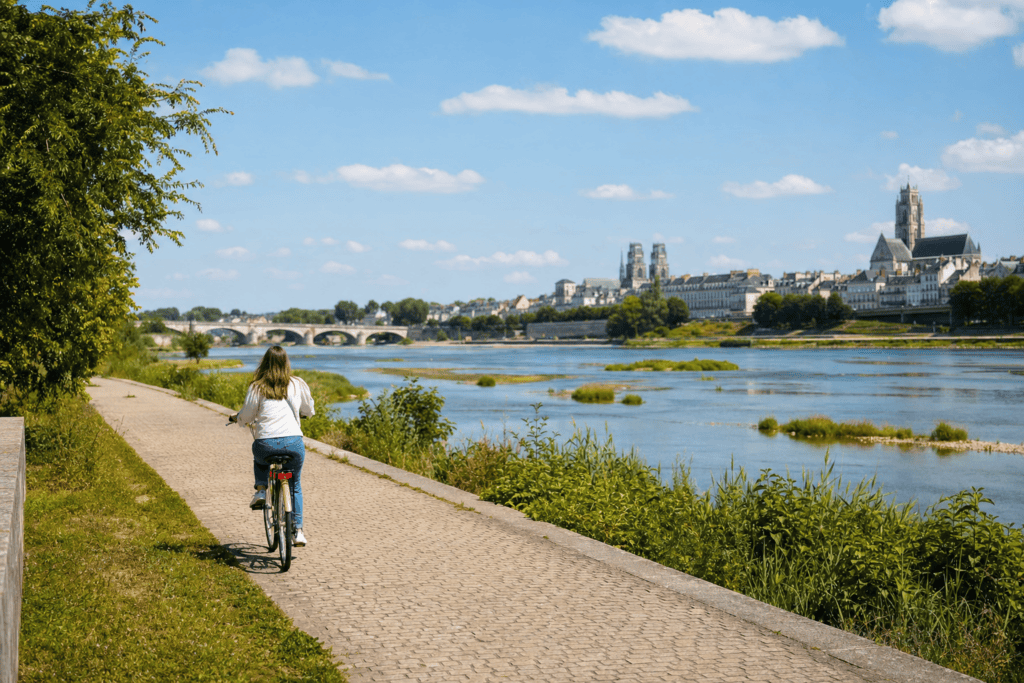 Cycling Along the Loire in Orléans A gentle ride along the Loire in Orléans, with quays, bridges, Loire islands, and natural landscapes—ideal by bike or…
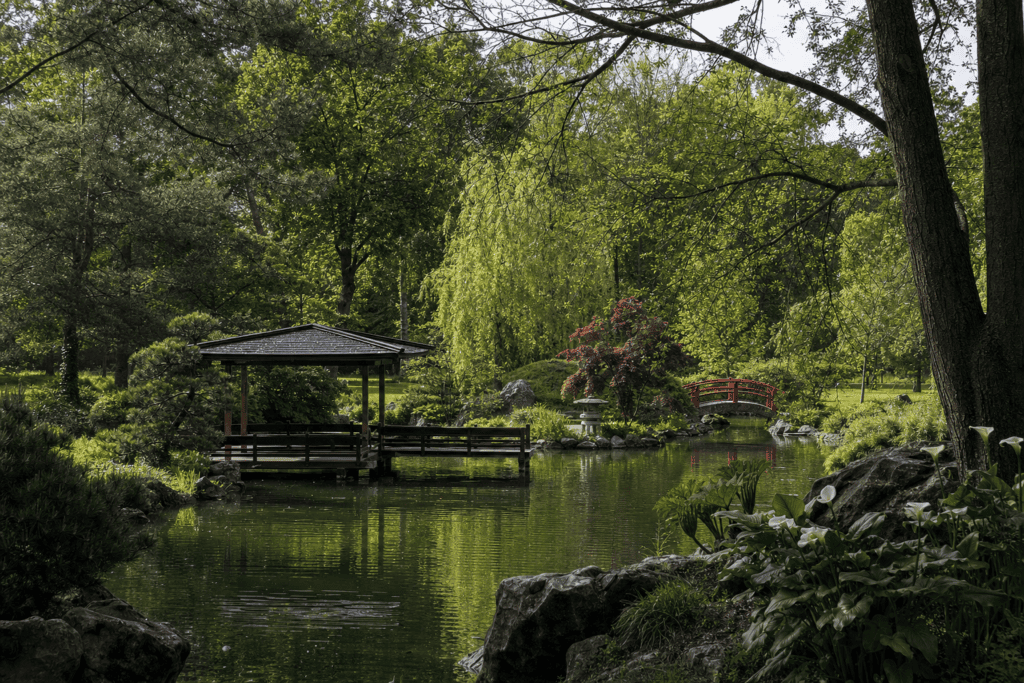 Parc Floral de la Source A large landscaped park in Orléans where gardens, animals, butterflies, and the source of the Loiret create a pleasant outing…
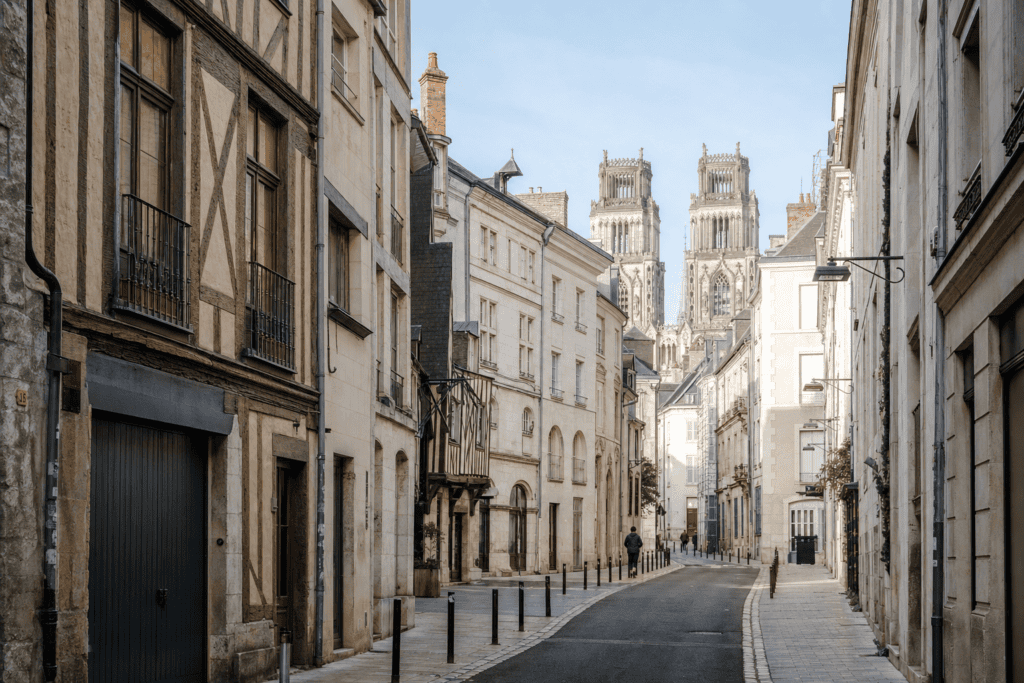 Orléans Historic Center and Rue de Bourgogne A walking loop between Place du Martroi, Rue de Bourgogne, Le Châtelet, the…
Online booking · Paris → 3 Place du Général-de-Gaulle, 45000 Orléans, Centre-Val de Loire
Choose your pickup date and time
Your departure and arrival details are already pre-filled. You can adjust them in the fare calculator before viewing the vehicles and fare.