



Musée de Cluny: The Middle Ages in the Heart of Paris
Paris
Located in the Latin Quarter, the Musée de Cluny brings together a medieval mansion, the remains of ancient baths, and one of Europe’s most famous textile works: the Lady and the Unicorn tapestry. A visit here spans nearly fifteen centuries of history, from Roman Lutetia to the fine arts of the late Middle Ages, in a setting that is an integral part of the experience.
Practical information
Start with the ancient baths, then gradually make your way up through the medieval collections before finishing in the Lady and the Unicorn room. This will help you better understand the dialogue between architecture and artworks.
Getting to the Musée de Cluny from Paris with peace of mind
Booking Paris Transfer can arrange a private ride from your Paris hotel, a train station, Paris-CDG or Paris-Orly to the Musée de Cluny, followed by a return trip to Paris. Your driver will drop you off near the Latin Quarter; museum admission and tickets must be booked separately through the official institution.
Transportation service departing from Paris, Île-de-France, Paris-CDG or Paris-Orly, with return service to Paris available. No admission ticket included.
An exceptional museum in the heart of the Latin Quarter
The Musée de Cluny holds a unique place in Paris’s cultural landscape. It stands in the heart of the Latin Quarter, between Boulevard Saint-Germain, the Sorbonne and Boulevard Saint-Michel, in an area where ancient, medieval, academic and literary history overlap on every street. A visit therefore fits naturally into a broader walk along the Left Bank.
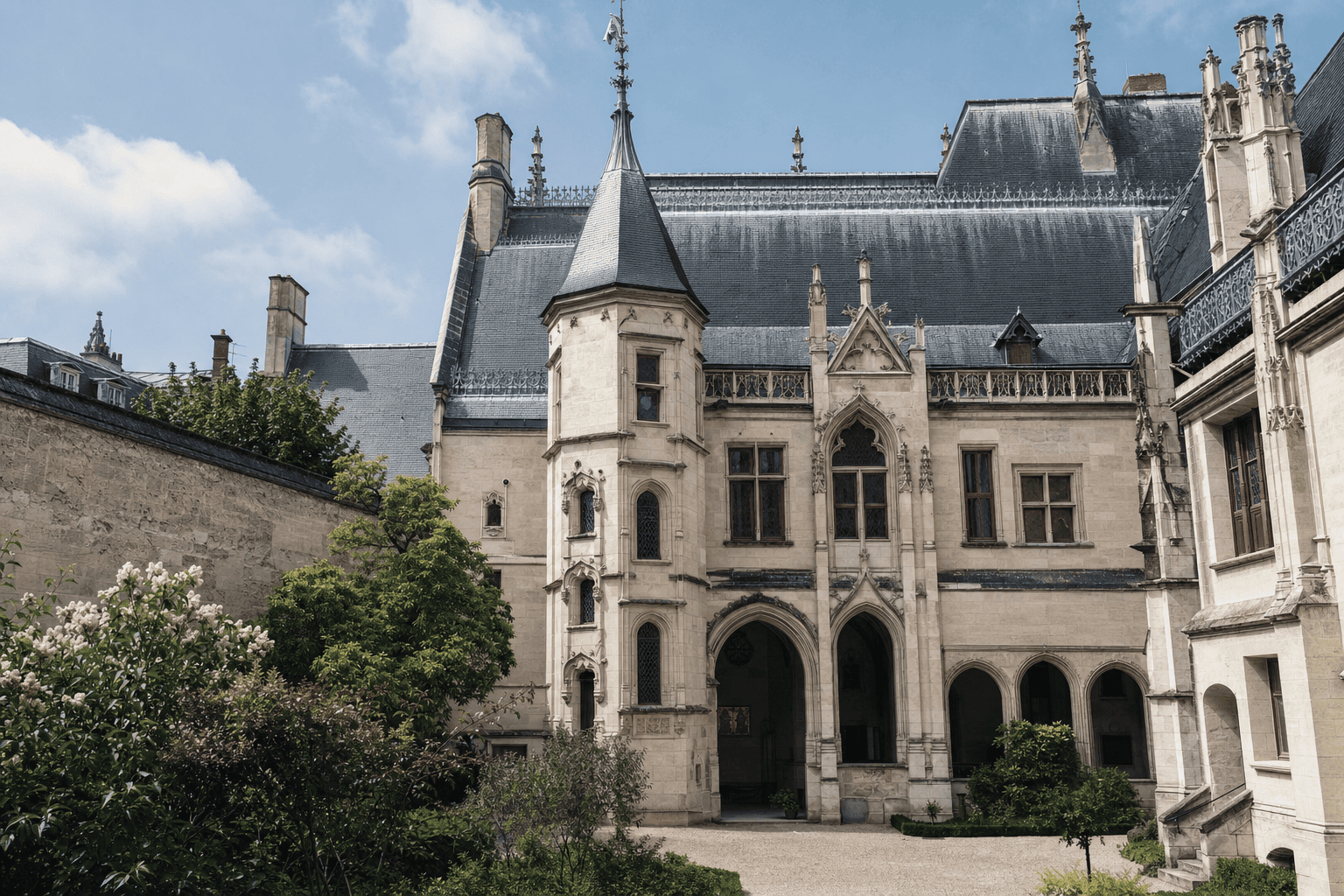
The site brings together two very different architectural styles: the former Gallo-Roman baths of Lutetia and the Hôtel des Abbés de Cluny, a late-15th-century building associated with Flamboyant Gothic. This juxtaposition gives the museum a distinctive atmosphere, far removed from that of a conventional exhibition space. You come not only to see objects, but also to discover a historic site that helps explain their era.
After your visit, you can continue on to the Sorbonne, the Panthéon, the Arènes de Lutèce, the Jardin du Luxembourg or the banks of the Seine. The museum works equally well for a first introduction to Paris or as a cultural stop between Notre-Dame and Saint-Germain-des-Prés.
The Ancient Baths of Lutetia
The first surprise at the Musée de Cluny lies in its Roman remains. The ancient baths belonged to a vast public complex built in Lutetia, probably between the late 1st and early 2nd centuries. They testify to the city’s importance within the urban network of Roman Gaul and remind us that the Latin Quarter has a history far older than the medieval monuments visible above ground.
The frigidarium is the most spectacular space. Its large vaulted hall, preserved to an impressive height, makes it possible to imagine the monumental layout of the ancient baths. The walls, volumes and traces of construction are as important as the objects on display: they give tangible scale to a period often studied only through dates and maps.
Look closely at the materials, arches, circulation levels and traces of alterations to the building. Visiting the baths is an excellent introduction before exploring the medieval works, as it shows how Paris was built up in successive layers.
The Hôtel de Cluny and the Birth of the Museum
The Hôtel de Cluny forms the site’s other major architectural chapter. Built in the late Middle Ages for the abbots of Cluny, it has a fortified residential appearance, with a courtyard, turrets and carved details. It was not an isolated castle, but a prestigious urban mansion built in a city undergoing profound change.
The building now houses collections that shed light on the religious, political, aristocratic and everyday life of the Middle Ages. The galleries showcase a wide range of media: sculptures, paintings, stained glass, precious objects, furniture, manuscripts and textiles. This variety is essential, because medieval art is not limited to cathedrals or illuminated manuscripts.
The museum was founded in the 19th century, when interest in France’s medieval heritage was growing rapidly. Its history helps explain the richness and diversity of its collections. Take time to look at the passageways, door surrounds and views of the courtyard: the architecture is not simply a backdrop; it is part of the story presented to visitors.
The Lady and the Unicorn, a Must-See Masterpiece
The Lady and the Unicorn tapestry is the museum’s best-known masterpiece. Created around 1500, it consists of six tapestries traditionally associated with the five senses and a final, more enigmatic scene entitled “Mon Seul Désir.” The recurring presence of a lady, a unicorn and a lion creates a symbolic world in which decorative details play as important a role as the figures themselves.
The room is intentionally designed for slow observation. If possible, sit down and start by comparing the compositions: colors, gestures, animals, vegetation, jewelry and visual inscriptions. Each panel offers several levels of interpretation, from courtly scene and allegory to desire, self-control and the representation of luxury.
The unicorn is not merely a popular mythical animal. In medieval and Renaissance imagination, it could evoke purity, wonder, the symbolic hunt or Christian interpretations. The museum presents this work as an open-ended ensemble that rewards viewing without searching for a single explanation. It is precisely this air of mystery that makes the visit memorable.
Medieval Collections Not to Miss
The Lady and the Unicorn naturally draws attention, but it should not overshadow the breadth of the collections. The museum presents works produced between Late Antiquity and the early 16th century, with a particular focus on artistic practices and objects from medieval society. The sculptures trace the evolution of religious and secular forms, while the stained glass reveals the importance of light in sacred spaces.
Goldsmiths’ works, caskets, weapons, furniture elements and objects connected with everyday life also demonstrate the importance of craftsmanship and precious materials. Manuscripts and textiles invite visitors to consider color, artisanal skill and the considerable cost of some works.
For a first visit, avoid trying to read everything. Choose a few groups of works: sculpture, stained glass, textiles and precious objects. This approach makes it easier to understand the connections between religion, power, wealth and daily life. The museum’s thematic routes can also help families and visitors who prefer to follow a narrative thread rather than a strict room-by-room order.
Getting to the Museum from Paris and Exploring the Neighborhood
The museum is easily accessible by public transportation from Paris’s main neighborhoods. Cluny–La Sorbonne station, served by Line 10, is the one most directly associated with the site. Saint-Michel and Odéon are also convenient options depending on your starting point. Saint-Michel–Notre-Dame station, served by RER, provides access to the museum from several areas of Île-de-France; however, check the network status on the day of travel.
The entrance is at 28 rue du Sommerard, in a busy part of the Latin Quarter. By car, traffic and parking can be challenging, especially during tourist seasons, events or holiday weekends. For a transfer from a Paris hotel, train station or airport, allow plenty of extra time and confirm the drop-off point with your driver.
The museum can be combined with visits to Notre-Dame, Sainte-Chapelle, the Panthéon or the Jardin du Luxembourg. For a well-balanced day, alternate an indoor visit with a walk through the streets of the Latin Quarter and a break at a nearby café or bookstore.
Practical Tips for Enjoying Your Visit
Check the official ticketing service and calendar before your visit. Opening hours, booking requirements, prices, temporary exhibitions and certain access arrangements may change. The museum generally posts updated information on its official pages; it is best to refer to those rather than rely on an old publication or printed guide.
To appreciate the tapestries, avoid visiting at times when groups tend to gather in the Lady and the Unicorn room, if possible. Visitors who tire easily can plan breaks: the richness of the collections calls for a slower pace, especially in front of the textiles and sculptures. Families can select a few works and tell their stories rather than trying to see every display case.
A guided tour, thematic route or scheduled activity can add depth to your visit. Check the options available for children, adults, people with disabilities and international visitors. Finally, allow time to explore the Latin Quarter after the museum: its appeal lies as much in the nearby monuments as in the historic continuity of the urban landscape.
Frequently Asked Questions
How much time should you allow for the Musée de Cluny?
Where is the Musée de Cluny in Paris?
Which metro station serves the museum?
Can you see the ancient baths during the visit?
Is the Lady and the Unicorn always on display at the museum?
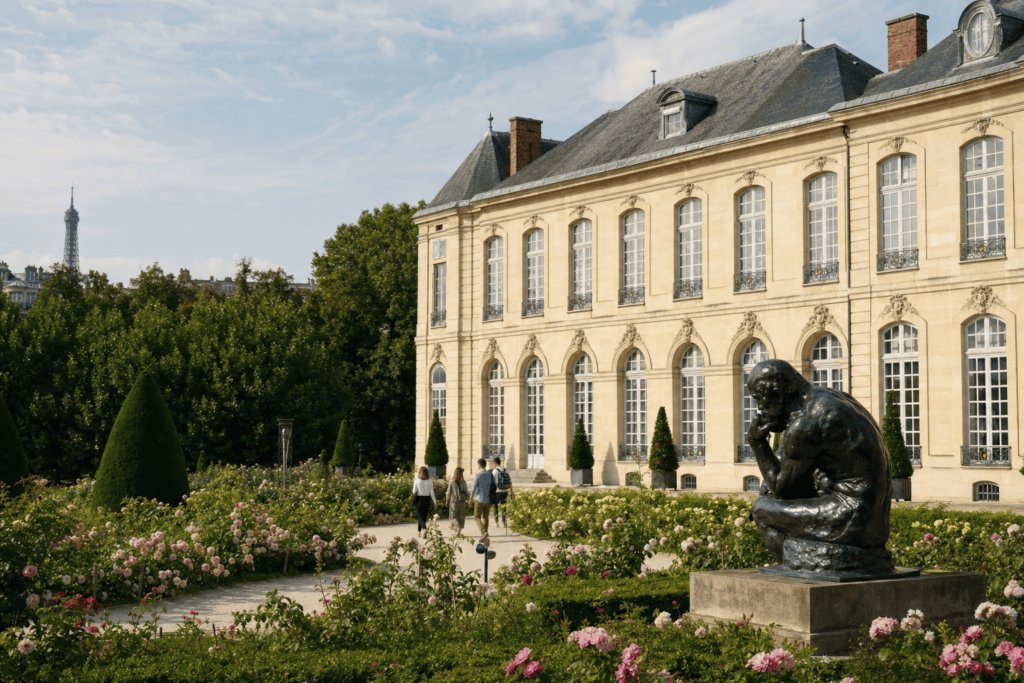 Musée Rodin A historic mansion, a sculpture garden, and major works by Rodin near the…
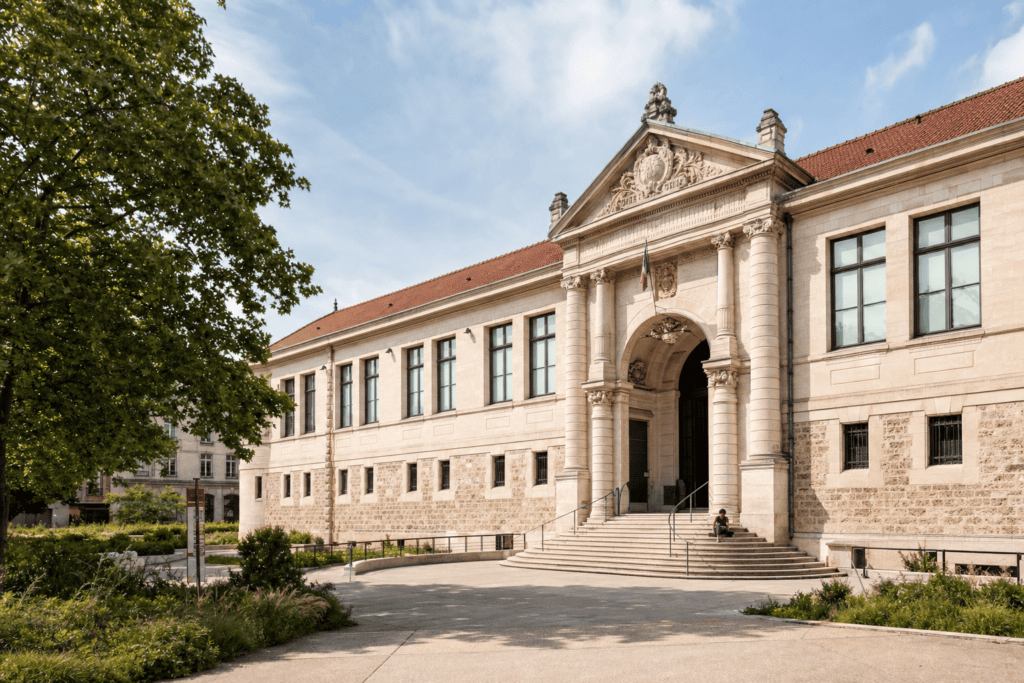 National Museum of the History of Immigration An essential Paris museum for understanding the history of migration, individual journeys, and the role…
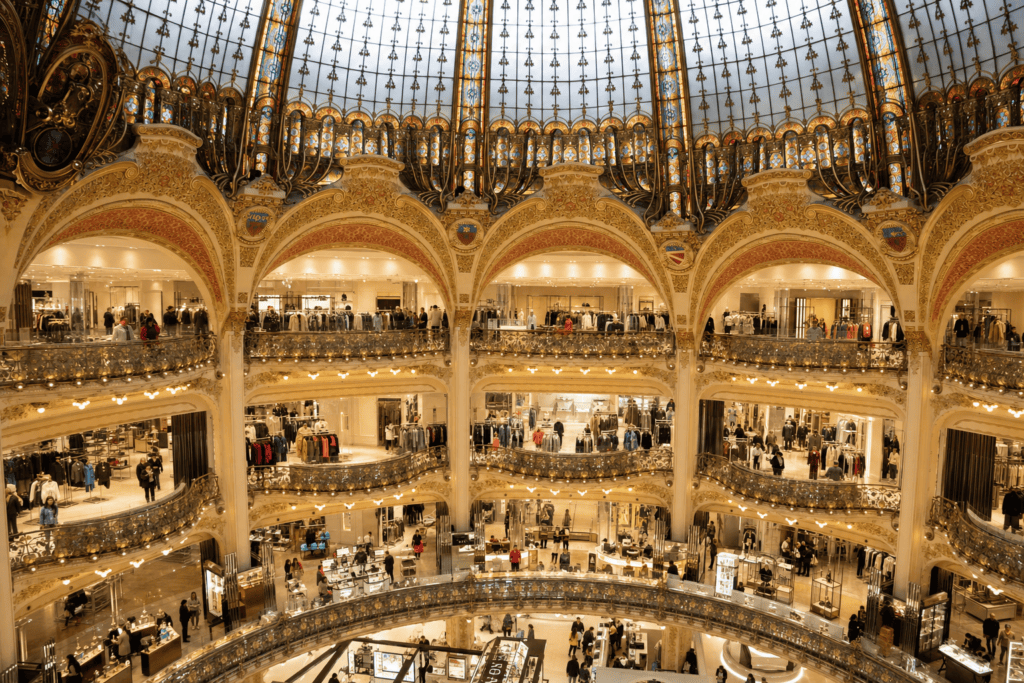 Galeries Lafayette Haussmann A historic Paris department store where you can admire an Art Nouveau dome, shop, and…
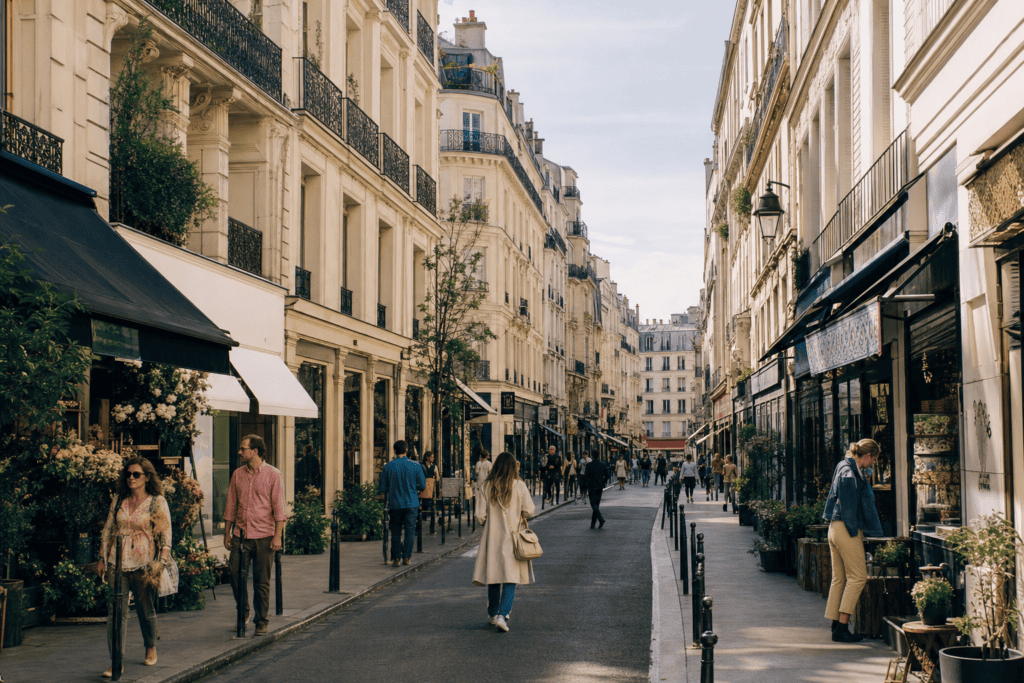 Rue des Martyrs A Parisian uphill route through food shops, cafés, 9th-arrondissement heritage, and the route toward Montmartre.
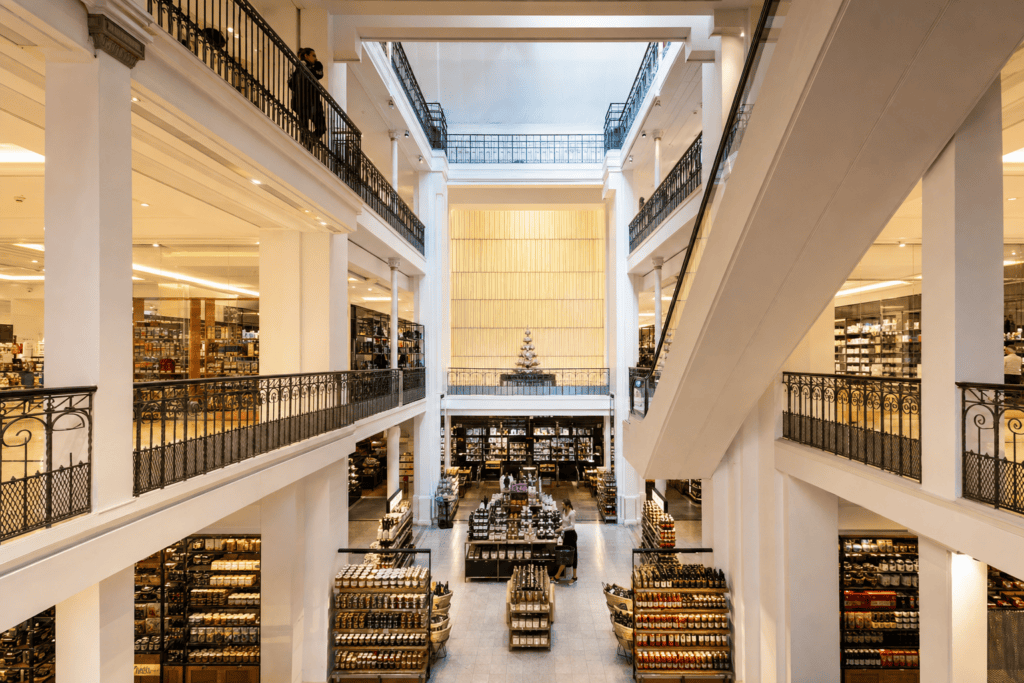 La Grande Épicerie de Paris Two Paris locations for discovering French specialties, fresh produce, pastries, chocolates, condiments, and international selections.
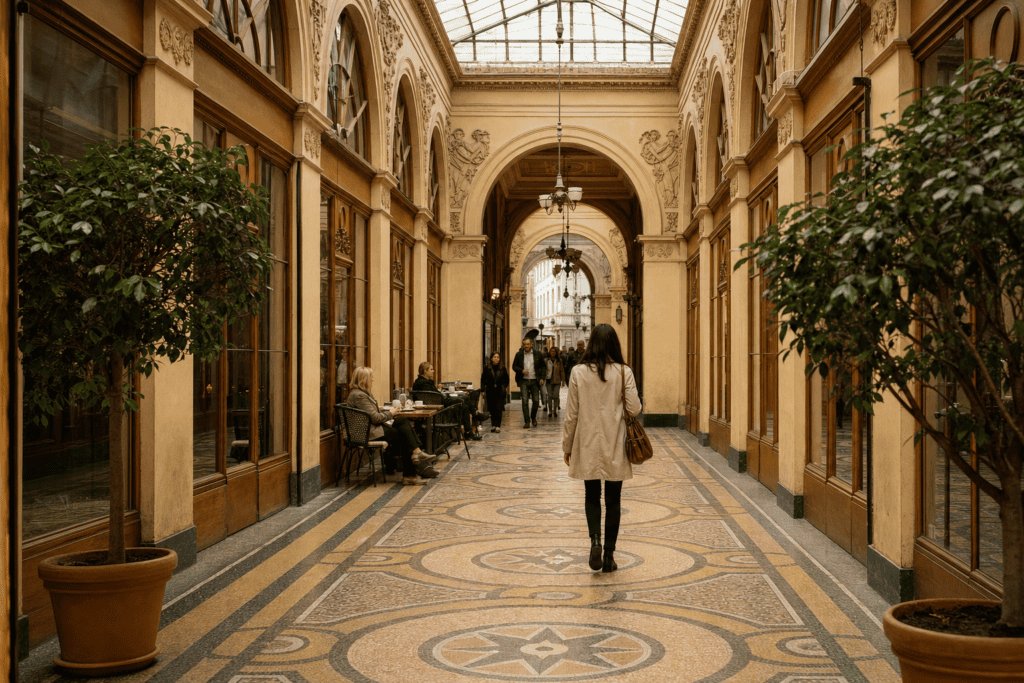 Galerie Vivienne A historic Parisian covered passage where mosaics, a glass roof, an old bookshop, and refined boutiques create an elegant stroll…
Online booking · Paris → 28 rue du Sommerard, 75005 Paris, France
Choose your pickup date and time
Your departure and arrival details are already pre-filled. You can adjust them in the fare calculator before viewing the vehicles and fare.