



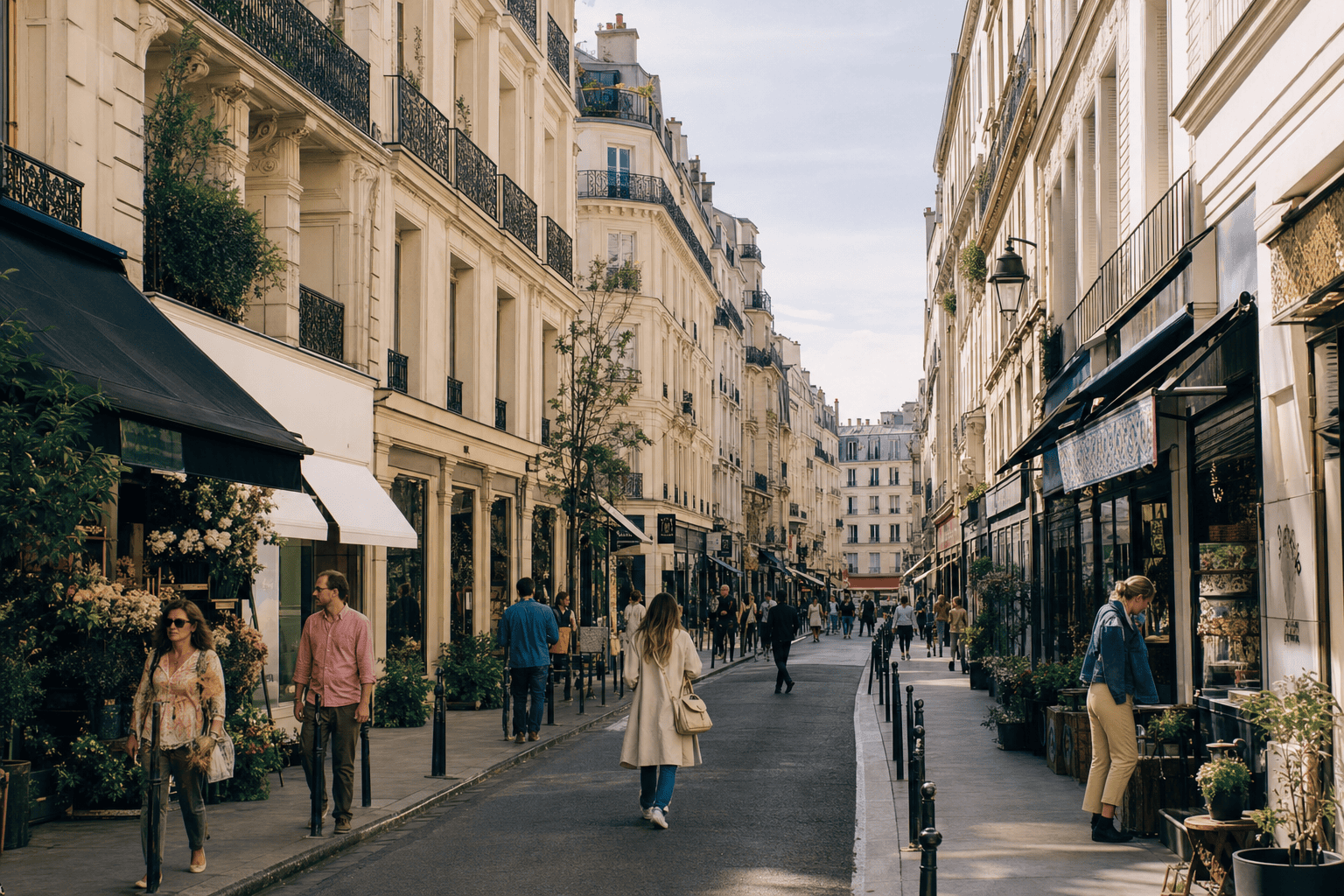
Rue des Martyrs: A Food-Lovers’ Walk to Montmartre
Paris
Between Notre-Dame-de-Lorette Church, Pigalle, and the first streets of Montmartre, Rue des Martyrs offers one of the liveliest walks in northern Paris. This long slope is lined with bakeries, pastry shops, cafés, restaurants, grocery stores, and neighborhood businesses, while retaining a genuine residential character. You can put together a picnic, admire the façades of Nouvelle Athènes, take a break around Pigalle, then continue toward Abbesses and Sacré-Cœur. The street is best explored on foot, in stages, allowing time to leave the main route and discover the small streets of the 9th arrondissement.
Practical information
Start at the bottom of the street, near Notre-Dame-de-Lorette, then make your way uphill in stages toward Pigalle. Wear comfortable shoes, bring a light bag, and plan a return route if you are traveling with a stroller, suitcase, or someone who has difficulty walking.
Getting to Rue des Martyrs from Paris
From a Paris hotel, train station, Charles de Gaulle Airport, or Orly Airport, Booking Paris Transfer can arrange a private ride into Paris. Being dropped off with your luggage makes it easier to start the walk; you can then explore Rue des Martyrs independently on foot, among its shops, cafés, Pigalle, and Montmartre.
Transportation service departing from Paris, a Paris hotel, CDG, or ORY. The walk, shopping, and sightseeing remain independent.
Starting near Notre-Dame-de-Lorette
Le meilleur point de départ se trouve dans la partie basse de la rue, à proximité de l’église Notre-Dame-de-Lorette. Depuis sa façade néoclassique, rejoignez la Rue des Martyrs en quelques minutes par la rue Bourdaloue ou la rue Saint-Lazare, selon votre arrivée. Ce secteur appartient au 9e arrondissement et marque la transition entre les Grands Boulevards, la Nouvelle Athènes et l’axe qui monte vers Pigalle.
Notre-Dame-de-Lorette station on Line 12 is a particularly logical place to begin on foot. Le Peletier on Line 7 also works well, with a route via Rue de Châteaudun and Rue Lamartine. Once on Rue des Martyrs, take time to look at the shop windows before heading uphill: the first pastry shops, bakeries, cafés, and food stores immediately set the tone for the walk.
Starting at the bottom also makes it easier to manage the slope. There are plenty of places to stop, and you can shorten the route at any time by heading toward Pigalle or Anvers stations.
Follow a Food-Focused Route in Stages
Rue des Martyrs is best experienced as a succession of short stops rather than as a single route to cover quickly. From Notre-Dame-de-Lorette, walk uphill toward Rue Milton, then continue toward Pigalle while taking in the storefronts and specialty shops. Bakeries, pastry shops, grocery stores, caterers, and confectionery shops let you gradually put together lunch or an afternoon snack to take away.
For a picnic, buy perishable or hot items first, then add to your bag farther up the street. This approach means you will not have to carry your purchases for too long and leaves room to adjust your route. Nearby streets—notably Rue des Abbesses, Rue Henry-Monnier, and Rue Clauzel—add cafés and neighborhood spots without requiring you to retrace your steps.
The retail selection changes regularly. If a particular place is the main reason for your outing, check its latest information directly before setting out. The appeal of the street lies in the variety of its shops and its overall atmosphere, rather than in any single business.
Take a Break at Pigalle’s Cafés
As you approach Boulevard de Clichy, the atmosphere becomes livelier. The cafés and restaurants on Rue des Martyrs, Place Lino-Ventura, and the streets around Pigalle can turn the walk into an outing lasting several hours. A morning break works well at the start of the route; a sit-down lunch, on the other hand, can provide a pause before continuing toward Montmartre.
Pigalle station, served by Lines 2 and 12, is a useful landmark for ending the walk or easily reconnecting with the metro network. Boulevard de Clichy has a more urban, nighttime feel, while the parallel streets often retain a more residential pace. Visitors who want to continue into the evening can check the schedules of the neighborhood’s performance venues directly with the establishments concerned.
Menus, reservations, and opening hours vary from one place to another. It is best to choose your break based on the time of day and how long you want to stop, rather than treating the entire area as uniform. Keep passageways and building entrances clear: this street remains a place where people live their daily lives.
Understanding the History and Nouvelle Athènes
The street’s name traditionally refers to the Mont des Martyrs and the tradition associated with Saint Denis. The route has long connected the lower neighborhoods of Paris with the Montmartre hill, which explains its slope and its role as a thoroughfare. Its present-day surroundings are largely the result of 19th-century urban transformations, when the northern part of the 9th arrondissement grew denser around the boulevards and new buildings.
To continue exploring the area’s history, leave the street via Rue Chaptal, Rue Blanche, or Rue de La Rochefoucauld. You then enter Nouvelle Athènes, a neighborhood known for its buildings, private mansions, and connections with Romantic-era artists and writers. The Musée de la Vie Romantique, located on Rue Chaptal, is a fitting cultural detour; check its official website before visiting.
Look at the proportions of the façades, the gateways, and the sightlines rather than focusing only on famous landmarks. This approach helps show how a contemporary shopping street fits into an urban fabric shaped by several centuries of change.
Explore the Streets Around Pigalle
A well-balanced route can leave Rue des Martyrs near Rue Victor-Massé or Rue Frochot to reach Pigalle and its performance venues. Place Pigalle is just a short distance from the main route and is an easy landmark to identify. During the day, the cafés, shops, and façades give the neighborhood an energy quite different from that of Nouvelle Athènes; in the evening, activity increases around the theaters, bars, and music venues.
For a quieter walk, head toward Rue des Abbesses via Rue Tholozé or Rue des Abbesses, allowing for the additional uphill section. This route gradually leads toward Montmartre and reveals shopping streets, small squares, and buildings more closely connected with the hill.
Anvers on Line 2 is another useful exit when you want to reach the lower slopes of Montmartre or Boulevard de Rochechouart. Depending on your arrival time and final destination, choose Notre-Dame-de-Lorette, Pigalle, or Anvers rather than planning the same route there and back.
Continue on Foot to Sacré-Cœur
Rue des Martyrs does not lead directly to the Sacré-Cœur Basilica. To continue, walk uphill toward Rue des Abbesses, then head to Place des Abbesses and Rue du Chevalier de la Barre. This route passes through several different Montmartre settings before reaching the basilica area. It includes slopes, sometimes-narrow sidewalks, and, depending on the route, stairs.
One alternative is to reach Boulevard de Rochechouart and then the Anvers area before making your way to the foot of the hill. The Montmartre funicular may be useful in this area, but access conditions and service may change; check the Paris transit network’s official information. Anyone wishing to avoid stairs should plan the route in advance rather than improvise on site.
The area around Sacré-Cœur is generally busier than the lower part of the street. Keep an eye on your purchases, respect pedestrian areas, and allow time for the descent. A loop via Abbesses and Rue Lepic lets you return toward Pigalle without following exactly the same route.
Plan a Comfortable, Respectful Visit
Allow about an hour and a half to walk the street with a few stops, or closer to two to three hours if you add a meal, shopping, and a detour toward the hill. The slope is continuous in places, while sidewalks can become narrow when terraces, deliveries, or crowds take up space. Comfortable shoes and a lightly packed bag make the walk considerably more pleasant.
Families with strollers, people with reduced mobility, and travelers carrying large suitcases should plan for curbs, slopes, and metro connections. Accessibility conditions may depend on construction work and available facilities. Check RATP’s up-to-date information and adapt your route, choosing a meeting point on a wider street if necessary.
Shops and restaurants do not all have the same opening days or service hours. To avoid an unnecessary trip, check the address and current information for your chosen location on the day of your visit. Finally, shop considerately, do not block entrances, and remember that Rue des Martyrs is a residential neighborhood: its richness comes precisely from this local life.
Useful sources
Frequently Asked Questions
How long does it take to visit Rue des Martyrs?
Where should you start your walk?
Does Rue des Martyrs lead directly to Sacré-Cœur?
Can you buy what you need to prepare a picnic?
Is the walk suitable for people with reduced mobility?
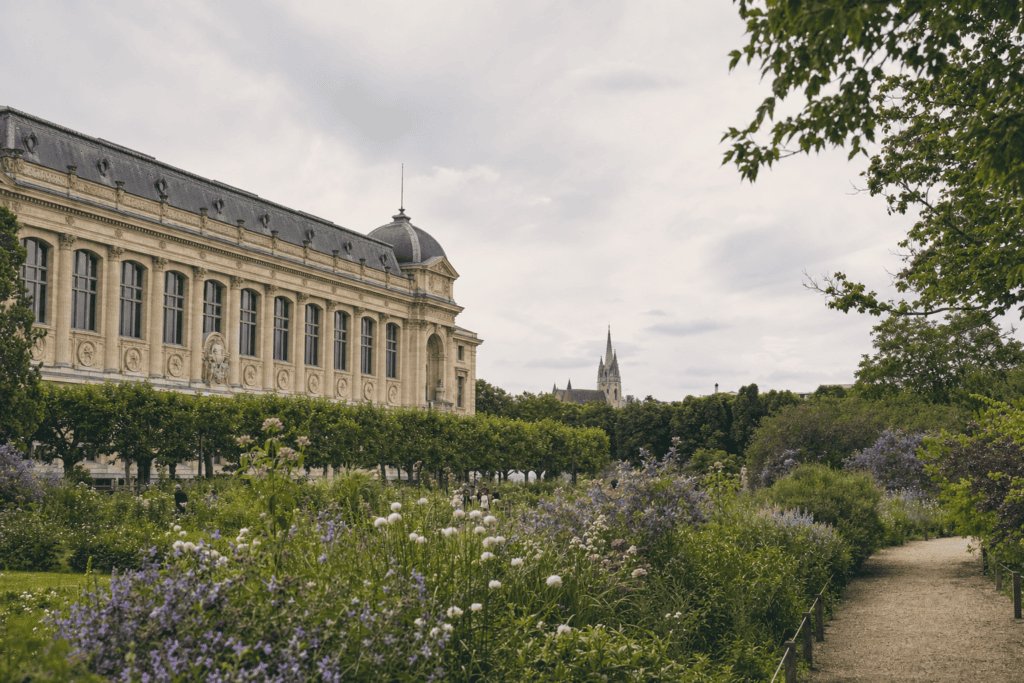 Jardin des Plantes A historic botanical garden where you can see the great greenhouses, plant collections, remarkable trees, and…
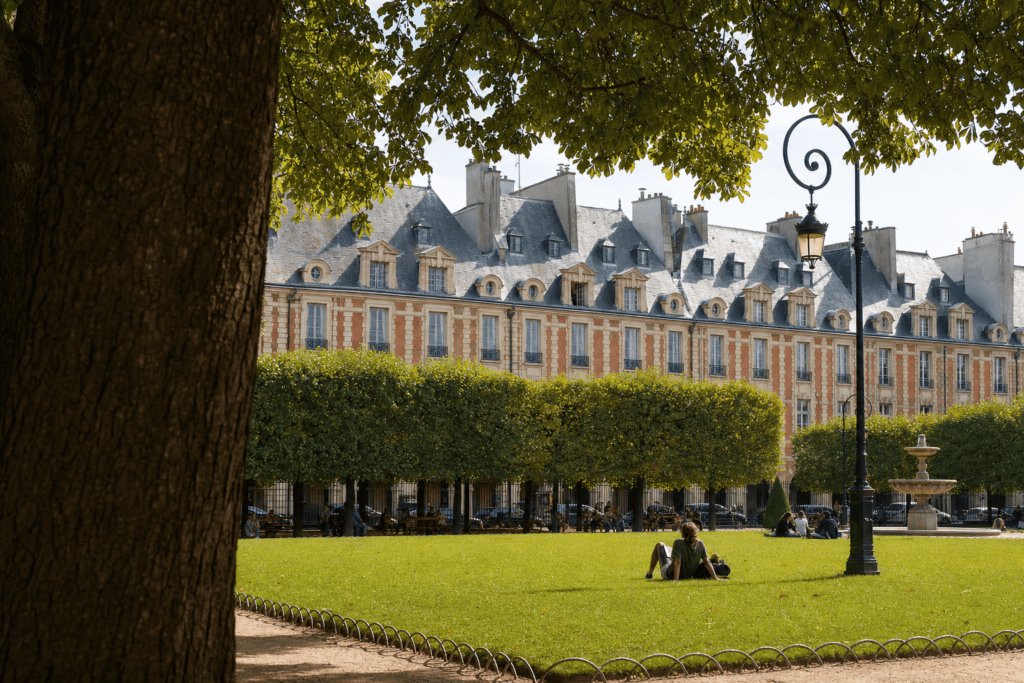 Place des Vosges A remarkably well-preserved royal square, with arcades, gardens, and memories of Victor Hugo.
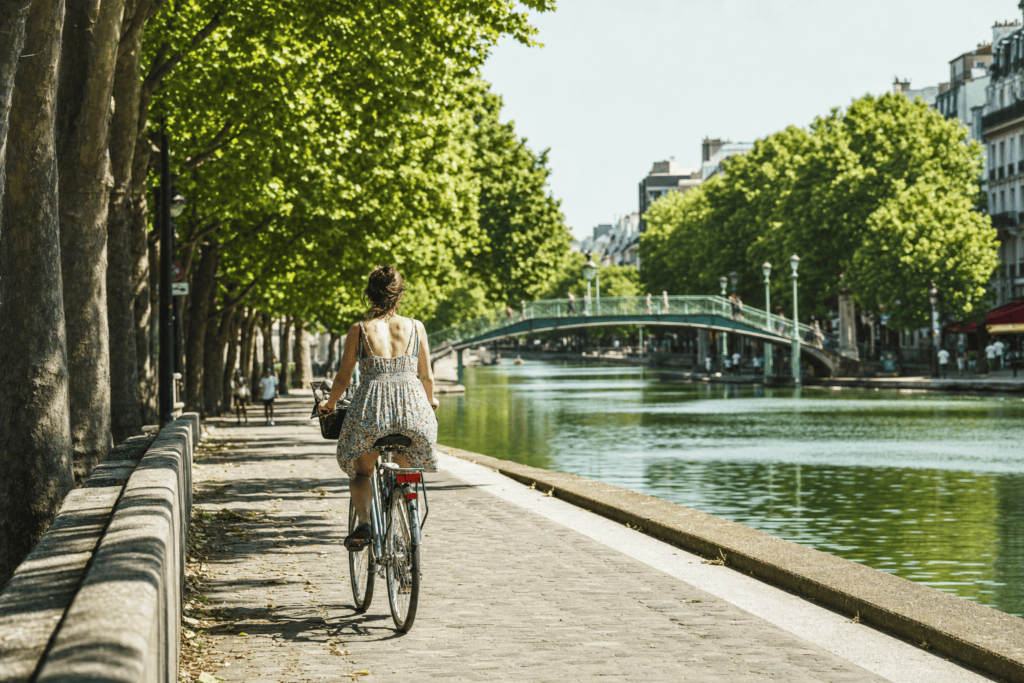 Paris by Bike Along the Ourcq Canal A flexible cycling outing between Bassin de la Villette, Pantin, Bobigny, and more scenic landscapes…
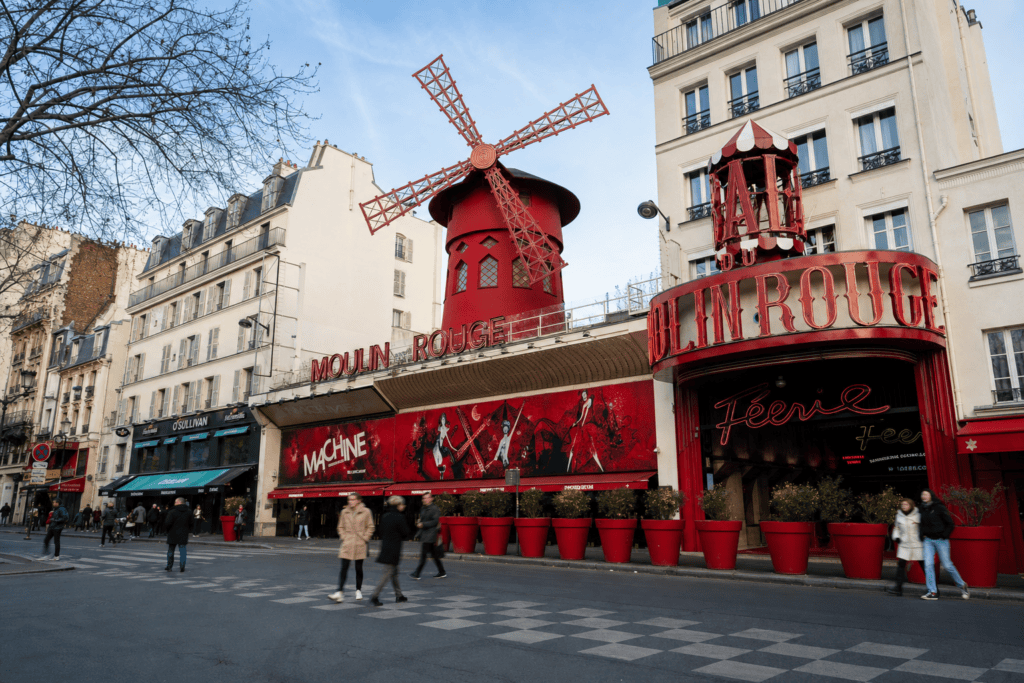 Moulin Rouge A historic Montmartre cabaret, famous for its Féerie revue, spectacular costumes, and the legacy of…
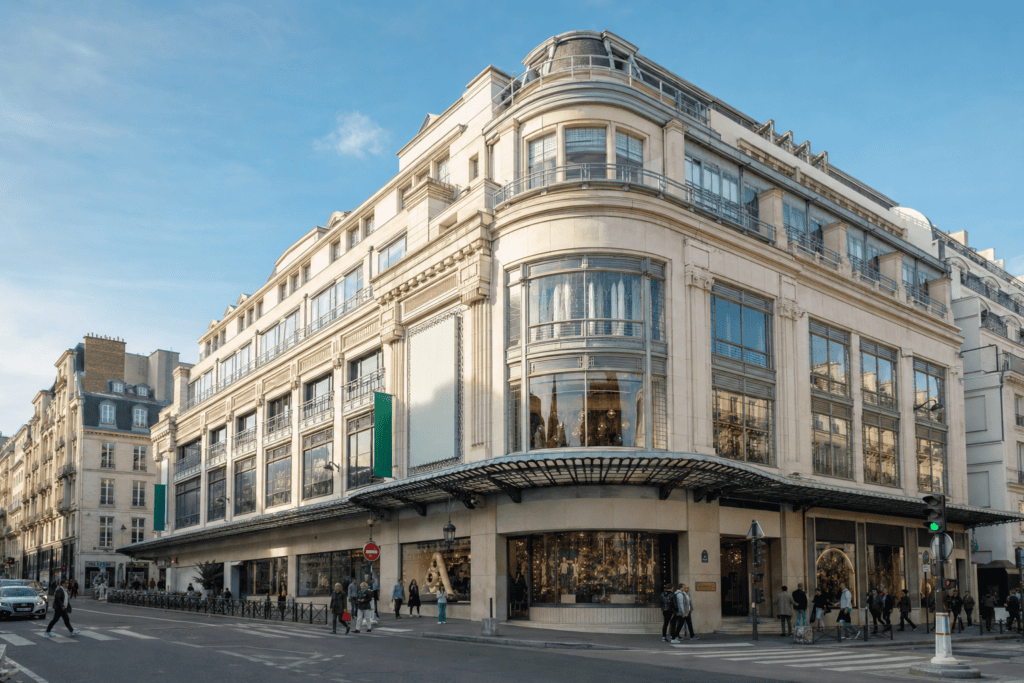 Le Bon Marché Rive Gauche A historic Left Bank department store combining fashion, design, gastronomy and the art of living…
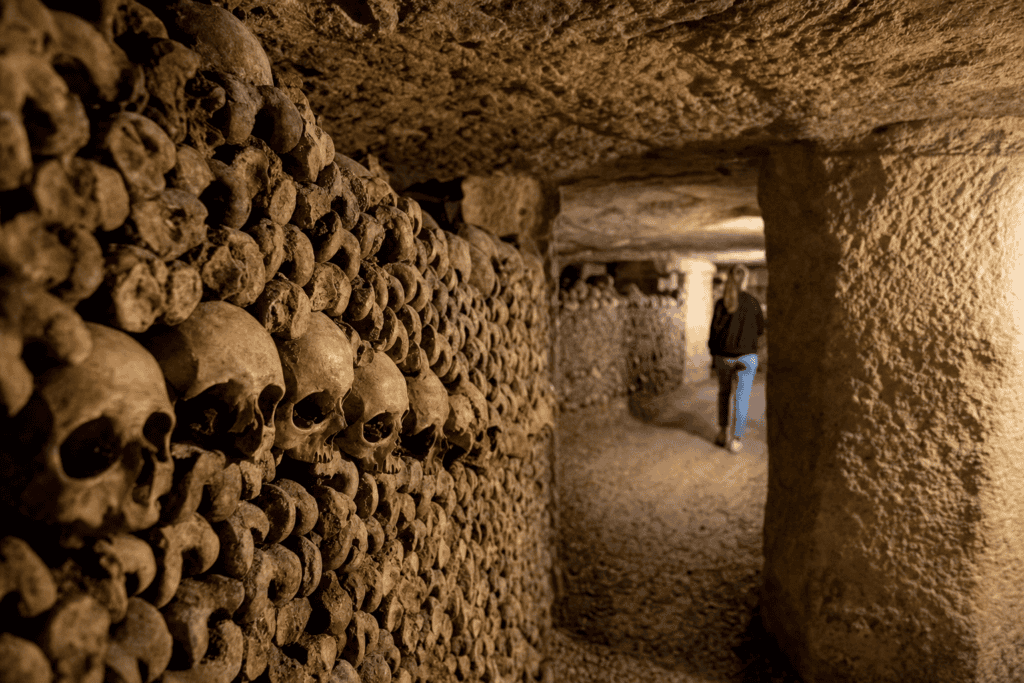 Paris Catacombs A 1,500-meter underground route through the former quarries and municipal ossuary of Paris,…
Online booking · Paris → Rue des Martyrs, from Place Lino-Ventura in Paris’s 9th arrondissement to the Montmartre area, Paris
Choose your pickup date and time
Your departure and arrival details are already pre-filled. You can adjust them in the fare calculator before viewing the vehicles and fare.