



Musée Grévin in Paris: A Practical Family Guide
Paris
Located at 10 boulevard Montmartre, the Musée Grévin offers a unique indoor experience in the heart of the Grands Boulevards. The tour combines wax figures, theatrical sets, historical and contemporary figures, photo opportunities, and visual effects such as the Palais des Mirages. It is particularly well suited to families who want to combine entertainment, observation, and an introduction to the history of live performance in Paris. Its location also makes it easy to continue on to the passages Jouffroy and des Panoramas, the Opéra Garnier, or the department stores.
Practical information
Before setting out, check the opening hours, booking requirements, rules concerning minors, and guidelines for strollers, luggage, and accessibility. From CDG or ORY, allow extra time for traffic and luggage.
Getting to the Musée Grévin from Paris
From Paris, the Île-de-France region, Charles de Gaulle, or Orly, Booking Paris Transfer can arrange a private ride to central Paris, with a return to Paris or continuation of your itinerary. Transportation is arranged separately from the visit and does not include an admission ticket or museum reservation.
Departure is possible from Paris, the Île-de-France region, CDG, or ORY, depending on the requested itinerary. Tickets, schedules, and access conditions for the Musée Grévin should be confirmed directly with the museum.
Why Visit the Musée Grévin with Your Family?
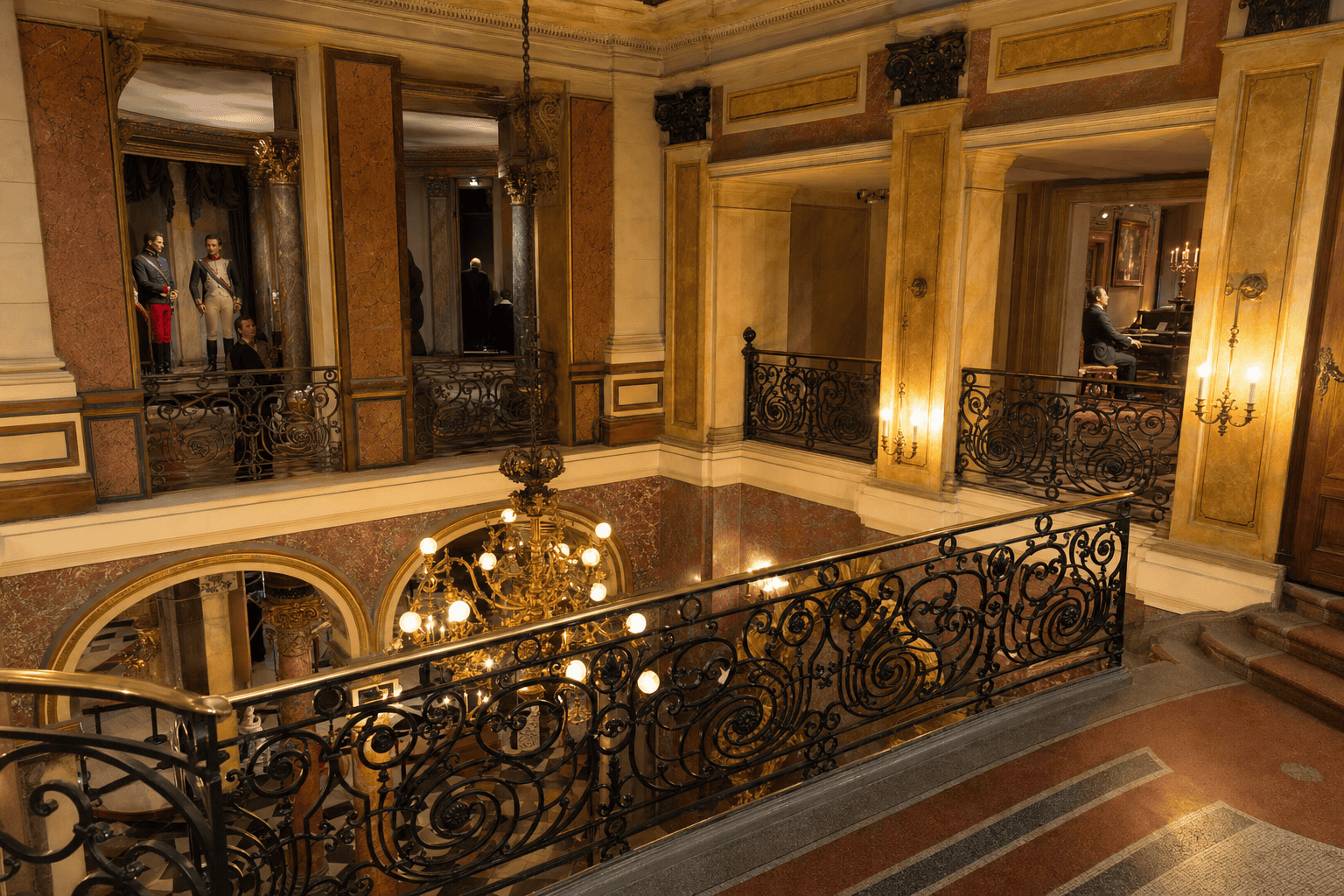
The Musée Grévin offers a different kind of family outing from a traditional museum. You can admire wax figures, but you also enter sets designed like theatrical stages. Children can recognize certain figures, pose for photos, and examine the costumes, expressions, and accessories. Adults, meanwhile, can reconnect with figures from their generation and from history, film, music, sports, and television.
This variety makes the visit appealing to multiple generations: everyone can choose their favorite figures and share what they know about them. The tour does not require sustained attention in the same way as a highly documentary exhibition, which can suit children who tire easily. Still, it is worth taking time to look at the sets rather than simply moving from one photo opportunity to the next.
The visit takes place indoors, which is especially helpful on a rainy day or when the family wants a break between two walks around Paris. After the museum, the nearby covered passages let you continue your outing without crossing a large part of the city.
A History Connected to the Press and Live Entertainment
The Musée Grévin opened its doors on June 5, 1882, in a Paris shaped by the rise of the illustrated press and popular entertainment. The project was led by Arthur Meyer, founder of the newspaper Le Gaulois, who wanted to give the figures featured in newspapers a three-dimensional form. He joined forces with caricaturist Alfred Grévin, whose name would be chosen for the establishment, as well as Gabriel Thomas.
This origin explains the venue’s distinctive identity. It is not simply a collection of portraits: the figures are placed in scenes, salons, and settings designed to create the impression of meeting them. Celebrity, current events, history, and theater come together in a form of visual entertainment created for a broad audience.
With children, this history provides a simple thread to follow. Before digital photography and social media, how did readers discover public figures? Why would a newspaper want to represent its figures in three dimensions? The visit offers a concrete, accessible way to explore how media and entertainment in Paris have evolved.
Figures, Sets, and the Palais des Mirages
The tour features several hundred wax figures, with the selection subject to change as displays are renewed and current events evolve. The themes include history, culture, film, music, sports, and television. This variety prevents any one generation from dominating the visit: parents can stop in front of a historical figure while children recognize a contemporary personality.
To make the experience more engaging, observe how each figure is presented. The pose, lighting, clothing, furniture, and viewing angle all contribute to the likeness. Ask children to identify these details and turn the visit into an observation game rather than simply a parade of celebrities.
The Palais des Mirages creates a different atmosphere. Its mirrors, lighting effects, and perspectives create a visual experience that contrasts with the wax scenes. Children often enjoy this section, but it is important to remain attentive to the group’s pace and to each person’s sensitivity to light effects. Since the exhibits may change, check the museum’s information before your visit.
Practical Tips for Visiting with Children
Start by checking the official calendar for your date. Hours, available time slots, booking procedures, and access conditions may vary by season. Last admission is before closing, so it is best not to arrive at the last minute, especially with a stroller or several children.
The museum gives an average visit time of about one and a half hours, but this depends on the group. A family that takes photos in every area or spends time discussing the figures will stay longer. Allow extra time if the visit falls between lunch and another activity. Children can also choose three figures to find or compare the likenesses between several statues.
According to the museum’s official information, visitors under 15 must be accompanied by an adult. Review this rule on the practical information page before your visit, particularly for school groups, teenagers, or children accompanied by a supervisor. Guidelines for strollers, large luggage, and accessibility may depend on the day’s setup: contact the museum if you have a specific question.
Getting to the Musée Grévin from Paris, CDG, and ORY
The museum is located at 10 boulevard Montmartre, in the 9thth arrondissement. Grands Boulevards station, served by Lines 8 and 9, is the most direct reference point. The area is also served by several bus lines and can be reached on foot from Opéra, the Bourse, the department stores, or some central streets. Check RATP information on the day of your journey, as construction, events, and diversions may change the route.
From Charles de Gaulle, the journey to the Grands Boulevards crosses a large part of the Paris metropolitan area. Travel time depends on your arrival time, traffic, security checks, luggage, and the mode of transportation chosen. From Orly, the distance is generally shorter, but reaching central Paris is still affected by traffic and schedules. Avoid planning admission immediately after landing: allow time to collect your luggage, leave the airport, and account for traffic.
If traveling by car, do not improvise a drop-off on the boulevard. Traffic is heavy and stopping areas are regulated. A private transfer from Paris, the Île-de-France region, CDG, or ORY can simplify arrangements for a family with luggage, but it does not include museum admission. Tickets, schedules, and access rules must be confirmed separately with the museum.
Covered Passages and Things to Discover Around the Grands Boulevards
The Musée Grévin’s location makes it easy to plan a short architectural walk after your visit. Passage Jouffroy is right nearby and stands out for its glass roof, shops, and atmosphere inherited from the 19thth century. Passage des Panoramas, described by the Paris tourism office as the oldest covered passage in the capital, continues the route toward specialty shops and restaurants.
These galleries offer children an urban setting very different from the museum. Ask them to look for the metal structures, old signs, shop windows, or changes in light beneath the glass roofs. The walk is easy to adapt: it can last just a few minutes or become a longer stroll toward the Bourse and the surrounding streets.
Depending on the group’s energy, continue toward the Opéra Garnier, the department stores on boulevard Haussmann, or the theaters of the Grands Boulevards. For lunch or an afternoon snack, choose a place suited to the children’s ages and check its hours, accessibility, and booking requirements directly. Availability can vary considerably on weekends and during school holidays.
Planning the Musée Grévin into Your Paris Itinerary
The Musée Grévin fits easily into a family-oriented Paris itinerary. Its average duration makes it easy to pair with a walk rather than devote an entire day to the museum. A morning around the Grands Boulevards can combine the visit, the covered passages, and lunch. In bad weather, this plan limits time outdoors while still offering a genuine variety of activities.
Travelers arriving at Gare du Nord, Gare de l’Est, or Saint-Lazare can reach the area by public transportation, subject to network conditions. If arriving from CDG or ORY, do not schedule a time slot too close to your flight: delays, luggage, and traffic can affect the entire itinerary. Spending a night in Paris before the visit is often more comfortable than booking admission immediately after landing.
The outing also works well for multigenerational trips. Grandparents may recognize figures unfamiliar to the children, while younger visitors bring their own references. This naturally encourages conversation. To keep the experience enjoyable, adjust the pace, limit your goals, and allow time for photos. The museum then becomes a fun interlude followed by a tangible exploration of a historic Paris neighborhood.
Useful sources
Frequently Asked Questions
How long does a visit to the Musée Grévin take?
Which metro station should I use for the Musée Grévin?
Is the Musée Grévin suitable for children?
Do I need to book to visit the Musée Grévin?
Can I bring a stroller or large piece of luggage?
What can I visit around the Musée Grévin?
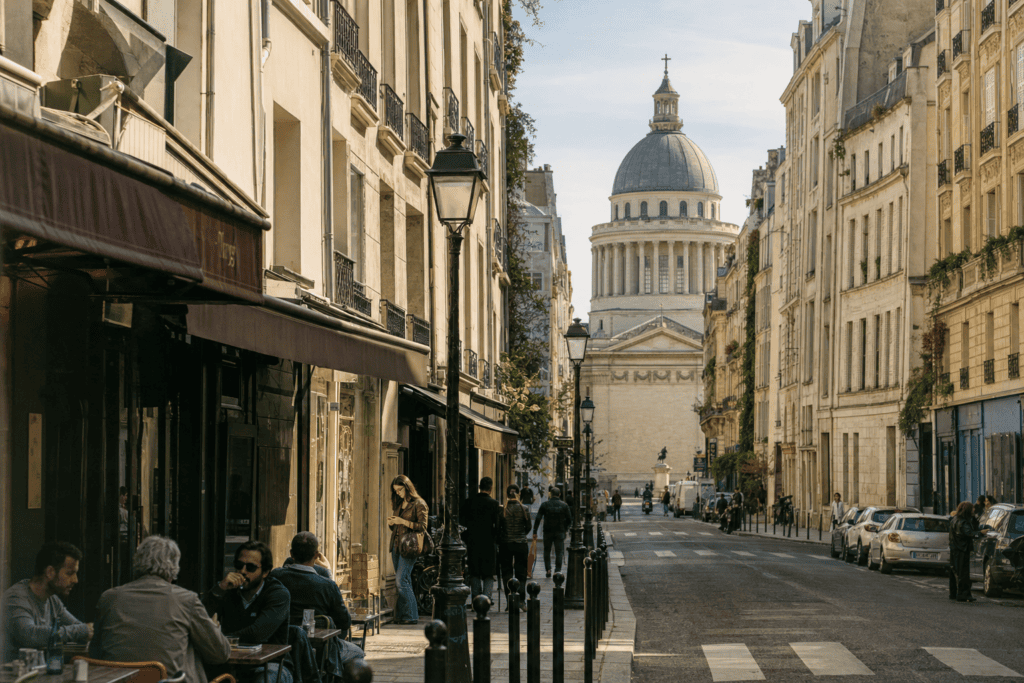 Latin Quarter A lively Parisian neighborhood where ancient remains, universities, museums, bookshops, gardens, and great places to eat come together.
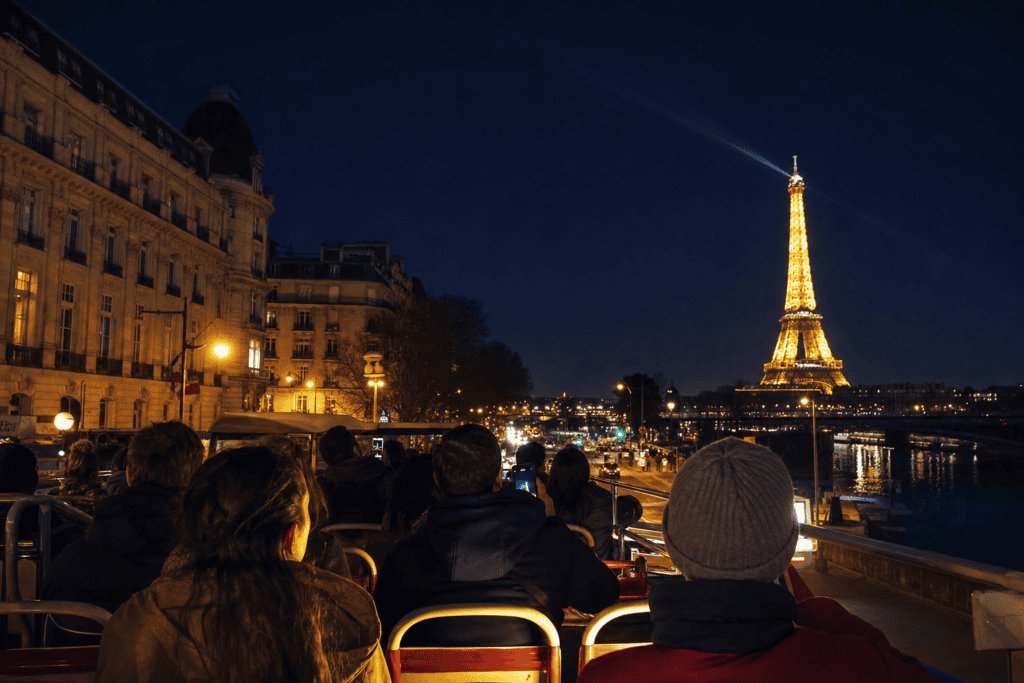 Paris by Night on a Panoramic Bus A comfortable evening loop for admiring Paris’s illuminated monuments, with a route and a…
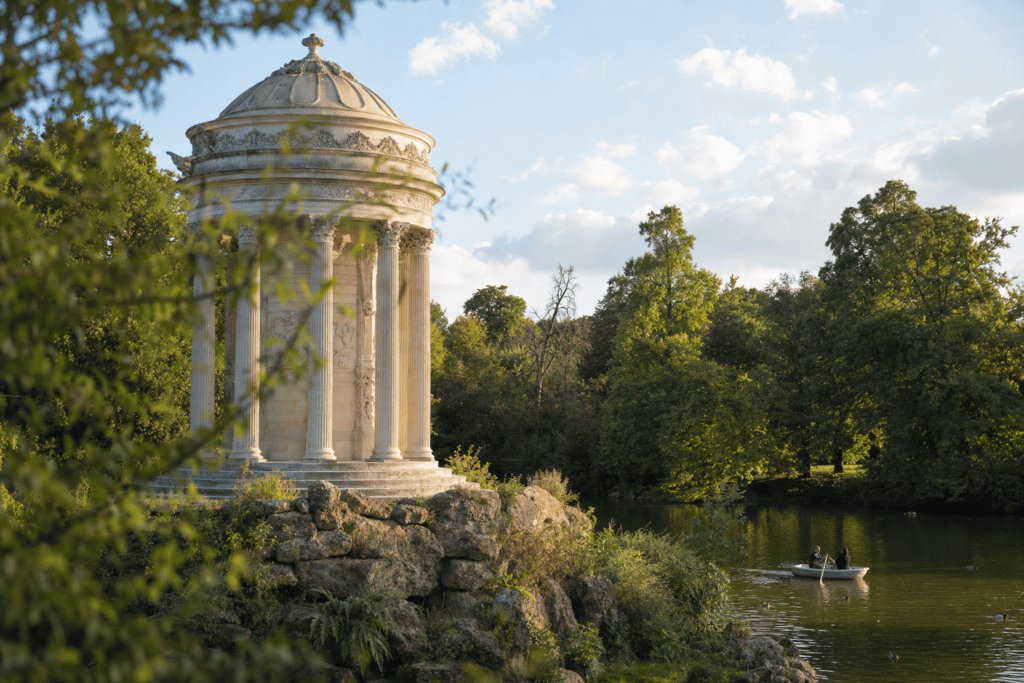 Bois de Boulogne A vast green space west of Paris, ideal for walking, cycling, exploring gardens, and…
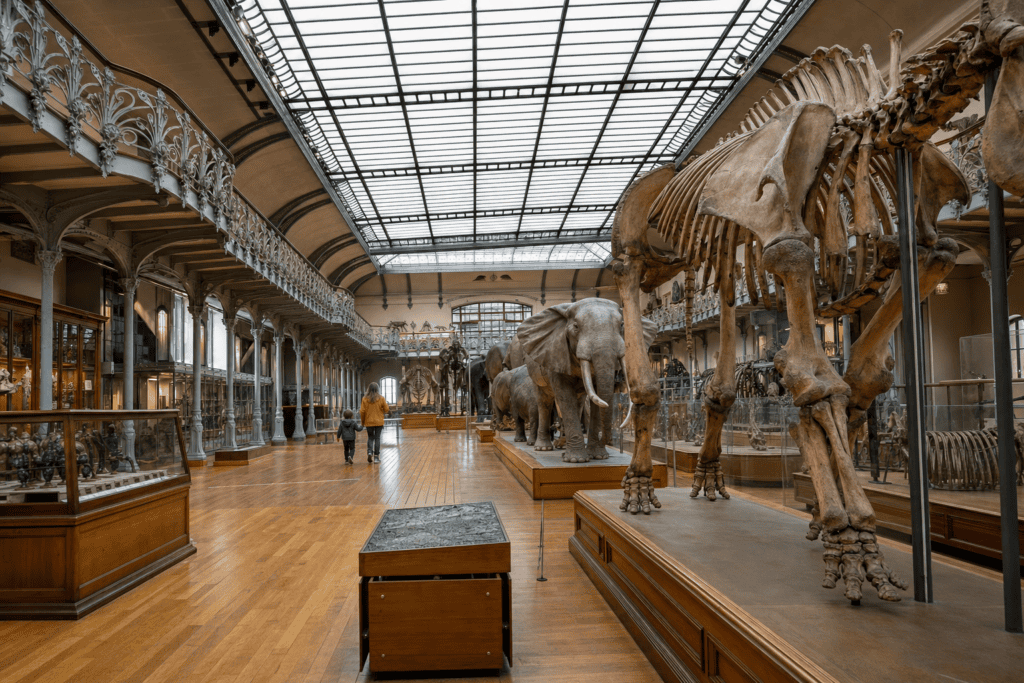 Gallery of Evolution A monumental gallery and an impressive display of animals in the heart of the Jardin des Plantes, ideal for…
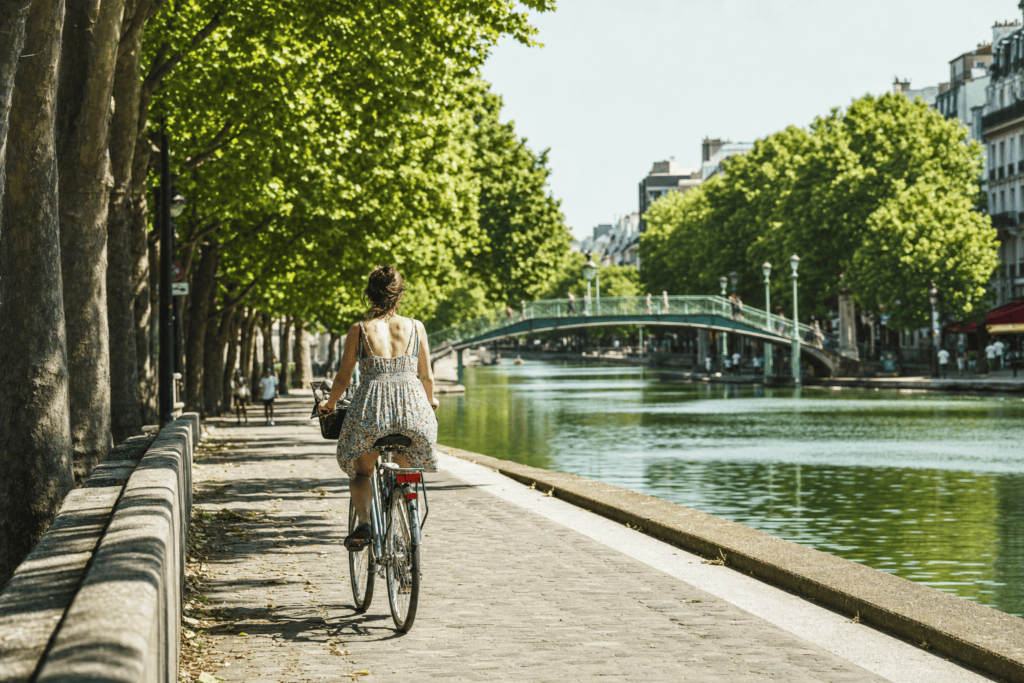 Paris by Bike Along the Ourcq Canal A flexible cycling outing between Bassin de la Villette, Pantin, Bobigny, and more scenic landscapes…
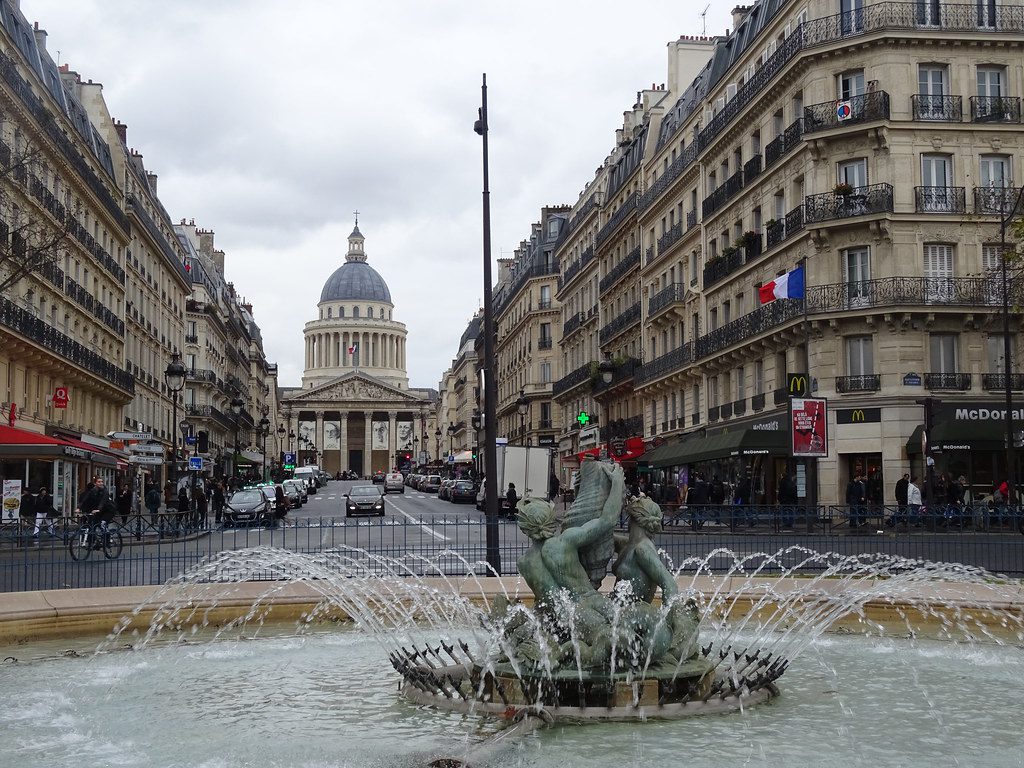 Panthéon Beneath its vast dome, the Panthéon tells the story of France through its architecture, decorations…
Online booking · Paris → 10 boulevard Montmartre, 75009 Paris, France
Choose your pickup date and time
Your departure and arrival details are already pre-filled. You can adjust them in the fare calculator before viewing the vehicles and fare.