



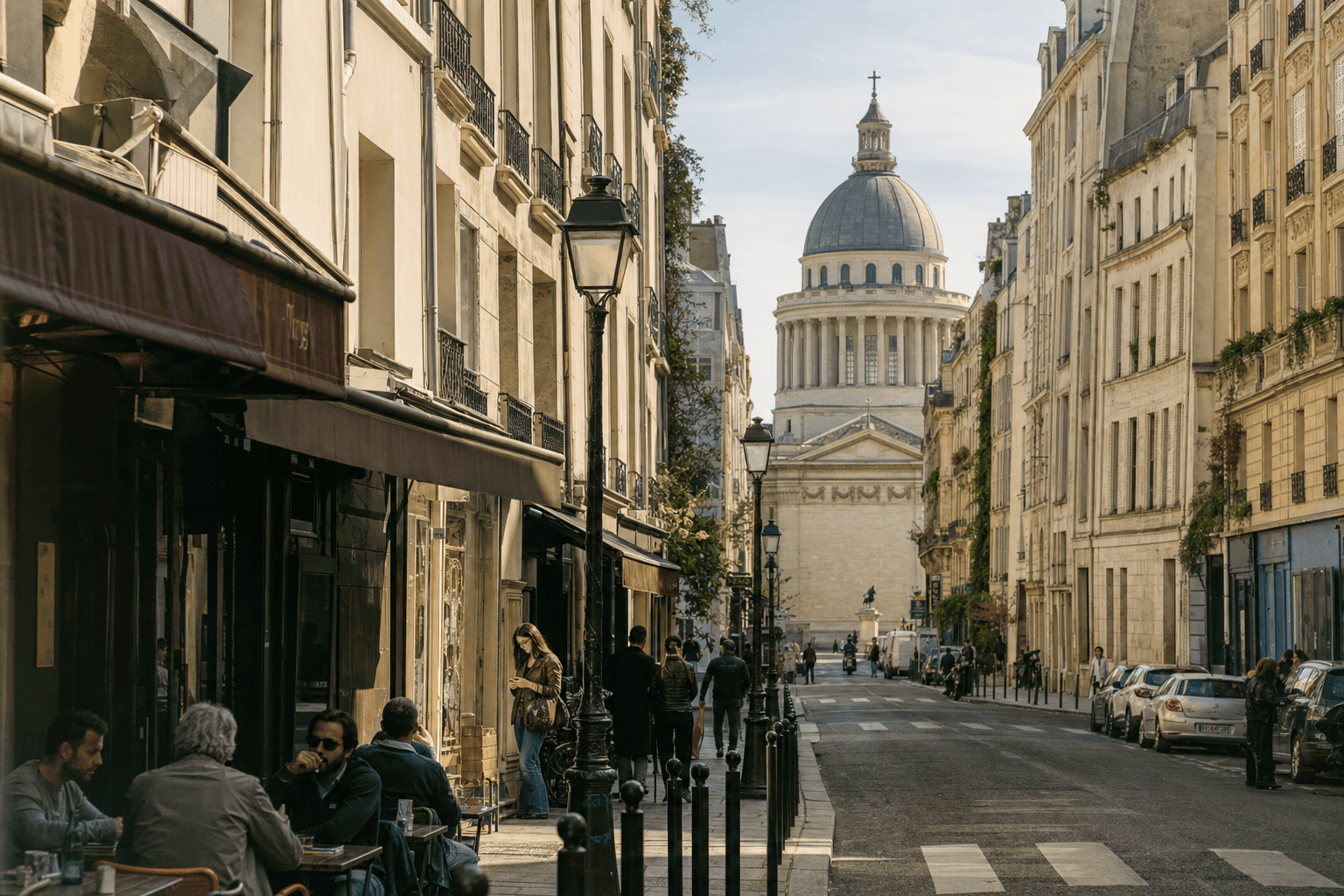
Latin Quarter: Cultural Guide and Walking Tour
Paris
On the Left Bank of the Seine, the Latin Quarter brings together ancient Lutetia ruins, major universities, churches, bookshops, gardens and restaurants. This historic part of Paris is easy to explore on foot, alternating must-see landmarks with quieter streets. The Panthéon, Musée de Cluny, Arènes de Lutèce, Sorbonne, Rue Mouffetard and the riverbanks form an itinerary that can be adapted to a half-day or a full day. Its name recalls the role of Latin in medieval education, while its monuments reflect a much older history, from the Roman era to contemporary intellectual life.
Practical information
Limit yourself to two or three indoor visits and leave time for the streets, bookshops and gardens. Check opening hours, reservations and access requirements with the official establishments before you leave.
Getting to the Latin Quarter from Paris, CDG or ORY
Booking Paris Transfer can arrange your journey from a hotel in Paris, Paris-Charles de Gaulle or Paris-Orly to the Latin Quarter, with the option of a return trip to Paris or the airport. The service covers transportation only and does not include admission tickets or a guided tour. For arrivals with luggage, drop-off near your accommodation or an accessible location may be arranged depending on traffic.
Transportation from Paris, a Paris hotel, CDG or ORY; admission tickets are not included.
Why visit the Latin Quarter?
The Latin Quarter is one of the best areas in Paris for understanding how several eras can coexist within the same landscape. Within a few minutes’ walk, you can go from the banks of the Seine to a medieval street, from a former Roman site to a university institution, and then from a national monument to a lively café terrace. This diversity makes it particularly well suited to a first visit to the capital, as well as to a more thematic walk focused on history, architecture or literature.
The neighborhood lies mainly in the 5th and 6th arrondissements, around Montagne Sainte-Geneviève and Boulevard Saint-Michel. It retains an atmosphere that is scholarly, local and tourist-oriented all at once. Students, researchers, residents, families and travelers mingle around the Sorbonne, Collège de France, bookshops and restaurants. The Panthéon, Musée de Cluny, Arènes de Lutèce, Rue Mouffetard and gardens are complementary landmarks rather than a checklist to rush through.
To fully enjoy the area, allow yourself to slow down. A façade, a courtyard visible from the street, a small church or a bookshop can add as much character to the walk as a famous monument. The Latin Quarter’s charm lies precisely in this alternation between major sites and unexpected discoveries.
From Lutetia to the University Tradition
The history of the Latin Quarter began long before the medieval universities. In Roman times, Lutetia developed on the Left Bank, and several remains still recall the importance of this area. The Gallo-Roman baths, incorporated into the Musée de Cluny, the Arènes de Lutèce and the route of Rue Saint-Jacques still reveal aspects of the ancient city. These traces are scattered, making walking especially rewarding: history appears in a museum, a small square or the alignment of a street rather than in one single monumental complex.
In the Middle Ages, the presence of teachers and students permanently transformed Montagne Sainte-Geneviève. The University of Paris gradually took shape, and Latin became the language of teaching, debate and scholarly exchange. This tradition explains the neighborhood’s name. Founded by Robert de Sorbon in the 13th century, the Sorbonne became one of the symbols of Parisian intellectual life, although the present-day buildings reflect several periods of construction and transformation.
Visitors can also observe traces of former colleges, institutional façades and streets linked to the history of education. The university tradition remains visible today, but it does not define the entire neighborhood: it exists alongside shops, places of worship, museums and residential life.
An Itinerary Between the Panthéon and the Sorbonne
A classic route can begin at Place du Panthéon. Designed in the 18th century by Jacques-Germain Soufflot, the monument is distinguished by its columned portico and vast dome. Initially conceived as a church dedicated to Saint Geneviève, it became a national mausoleum during the French Revolution. Its nave and crypt evoke major figures from French history and culture, while the square provides a spectacular setting for understanding the monumental character of Montagne Sainte-Geneviève.
Nearby, the Church of Saint-Étienne-du-Mont is worth a stop for its architecture and rood screen, a rare surviving example in Paris. Then walk down toward Place de la Contrescarpe and continue along Rue Mouffetard if you would like to discover a lively shopping street. On your way back toward the Sorbonne, take time to notice the bookshops, façades of former colleges and streets running perpendicular to Boulevard Saint-Michel.
The Sorbonne is not necessarily open for unrestricted visits like a museum. Access to the buildings, chapel and university spaces depends on organized tours or special programs. It is therefore best to view the architectural complex from public spaces and check the official requirements before planning an indoor visit. This itinerary can then continue toward Cluny or the riverbanks.
Ancient Ruins and Must-See Museums
The Musée de Cluny is the cultural stop most directly connected to the history of the Latin Quarter. Housed in a medieval mansion above Gallo-Roman baths, it presents collections devoted to the Middle Ages and helps visitors understand how the site evolved. The visit combines architecture, sculptures, everyday objects and major works, notably the famous Lady and the Unicorn tapestry series. Allow enough time so that you do not reduce the museum to its ancient remains alone.
The Arènes de Lutèce offer a very different experience. Located in a landscaped outdoor space, they provide an idea of the former Roman amphitheater and the role of performances in the ancient city. The site is more discreet than the Panthéon, but fits well into a walk between Rue Monge, Rue des Arènes and Montagne Sainte-Geneviève.
To the east, the Jardin des Plantes and the Muséum national d’Histoire naturelle provide a natural extension for travelers interested in botany, zoology or the history of science. Along the Seine, the Institut du monde arabe can complement the itinerary with its collections and contemporary architecture. Since hours, reservations and visiting conditions may change, check with each institution before arriving and avoid trying to fit too many museums into a single half-day.
Bookshops, Cafés and Places to Eat
The Latin Quarter owes much of its identity to its bookshops. Rue Saint-Jacques, Rue des Écoles and the streets near the Sorbonne are home to general, academic, secondhand and specialist shops. You will find books on history, literature and philosophy, foreign-language books and editions intended for students. Even without making a purchase, stepping into a few bookshops gives you a good sense of the area’s intellectual character.
For a break, Place de la Contrescarpe and Rue Mouffetard offer a lively atmosphere, with food shops, cafés and restaurants. Rue Saint-Séverin and Rue de la Huchette are more associated with evening entertainment and small theaters. The selection is highly varied: traditional French cuisine, international restaurants, quick-service options and long-established establishments can all be found within a few streets of one another.
Choose where to eat based on the time of day and the atmosphere you want rather than simply on proximity to a monument. Crowds can vary considerably between lunchtime and evening, and some tables require reservations. For a quieter meal, move slightly away from the most tourist-heavy streets. Music and theater lovers can also extend their evening by checking venue schedules before setting out.
Riverbanks, Gardens and Walking
Walking remains the best way to discover the Latin Quarter, since the distances between the main sites are manageable and the atmosphere changes frequently. From Saint-Michel, head to Square René-Viviani and the Seine riverbanks. This stretch offers beautiful views of Notre-Dame, Île de la Cité and the Left Bank façades. The garden also makes a welcome stop before walking back up toward Saint-Séverin, Cluny or the Sorbonne.
The Luxembourg Gardens, on the edge of the 6th arrondissement, are ideal for a longer walk. Their paths, flowerbeds and pond provide an opportunity to slow down after visiting the monuments. In the other direction, the Jardin des Plantes makes an interesting extension to the southeast, especially for families and anyone wanting to combine urban heritage with nature.
The churches of Saint-Séverin, Saint-Julien-le-Pauvre and Saint-Étienne-du-Mont add a religious and architectural dimension to the route. Please respect silence and services when entering these places. People with reduced mobility should plan for cobblestones, narrow sidewalks, slopes and possible steps. A shorter itinerary with regular breaks will often be more enjoyable than an overly packed schedule.
Access, transportation, and practical tips
Le Quartier latin bénéficie d’une desserte dense en métro, RER et bus. La station Saint-Michel–Notre-Dame est pratique pour commencer près de la Seine, de la fontaine Saint-Michel et du musée de Cluny. Odéon convient davantage à une arrivée par le 6e arrondissement, tandis que Cluny–La Sorbonne et Maubert–Mutualité rapprochent de la montagne Sainte-Geneviève. Cardinal Lemoine, Jussieu et Censier–Daubenton sont utiles pour rejoindre les Arènes de Lutèce, la rue Monge ou le jardin des Plantes.
From Paris-Charles de Gaulle, RER B can take you to central Paris, including the Saint-Michel–Notre-Dame area, depending on network conditions and ongoing works. From Paris-Orly, the journey to the center may require a connection or a pre-booked transportation service. Paris train stations are connected to the neighborhood by public transportation, taxi or a short walk, depending on your arrival station.
Driving is inconvenient on the historic streets, where traffic is heavy and parking is limited. For an arrival with luggage from a Paris hotel, CDG or ORY, being dropped off near your accommodation or an accessible location can make the start of your stay easier. Booking Paris Transfer handles journeys from Paris and its airports, but exploring the neighborhood afterward is best done on foot or by local transportation. Check network conditions, access information and schedules on the day of travel.
Frequently Asked Questions
Which arrondissements is the Latin Quarter in?
How much time should I allow?
Which station should I choose to start?
Is the Latin Quarter suitable for families?
Can you visit the Sorbonne freely?
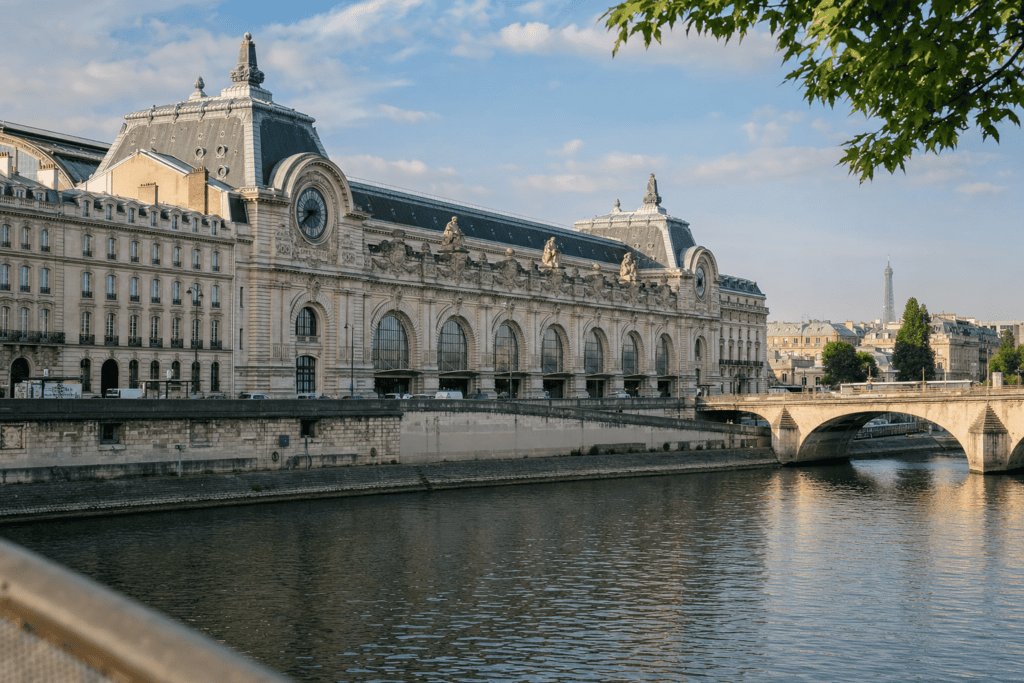 Musée d’Orsay A former 1900 train station that became one of Paris’s major museums, renowned for its collections…
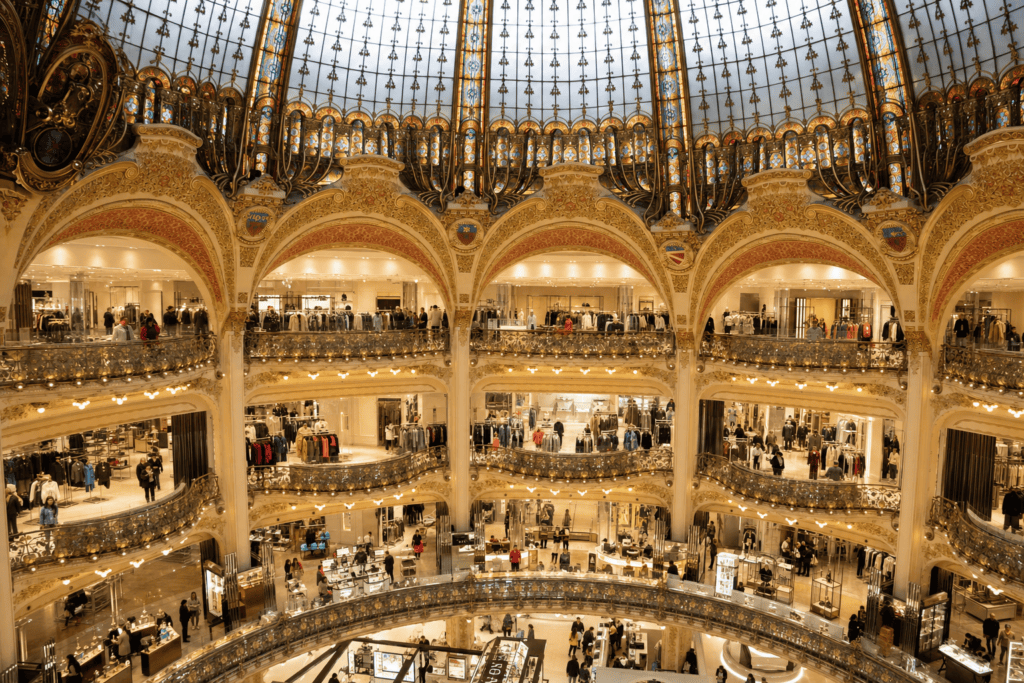 Galeries Lafayette Haussmann A historic Paris department store where you can admire an Art Nouveau dome, shop, and…
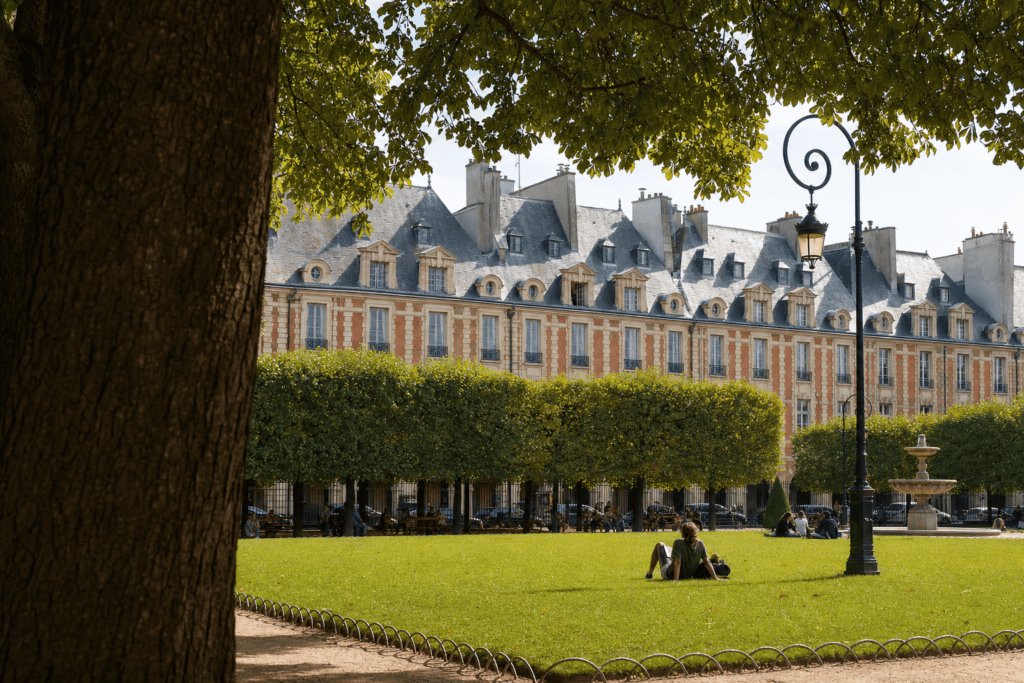 Place des Vosges A remarkably well-preserved royal square, with arcades, gardens, and memories of Victor Hugo.
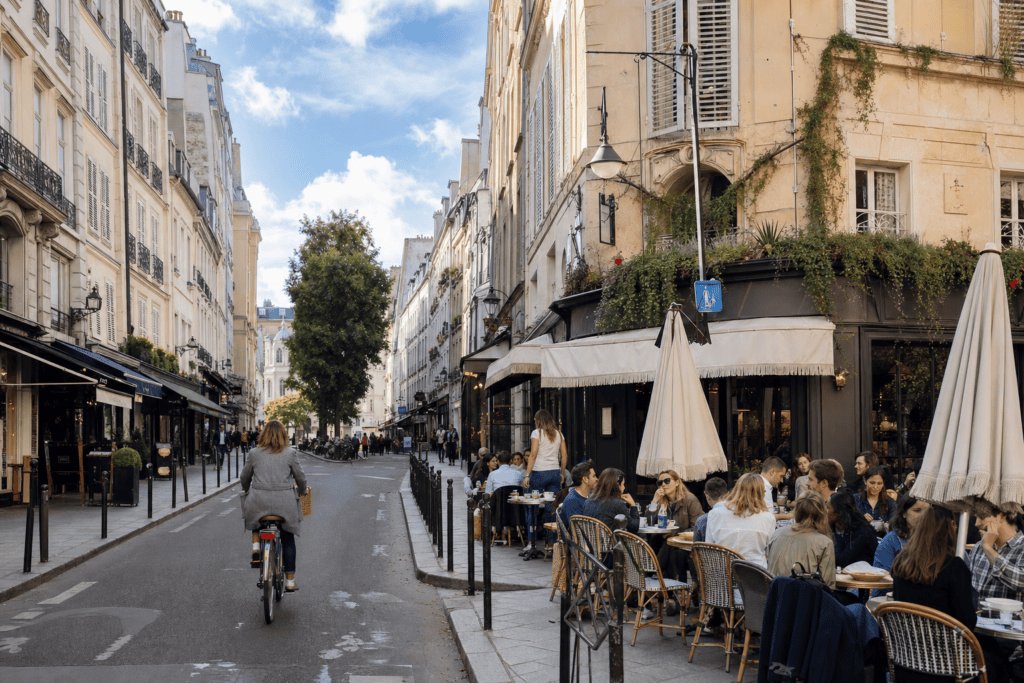 Saint-Germain-des-Prés A Parisian stroll through religious heritage, literary cafés, art galleries, and Left Bank boutiques.
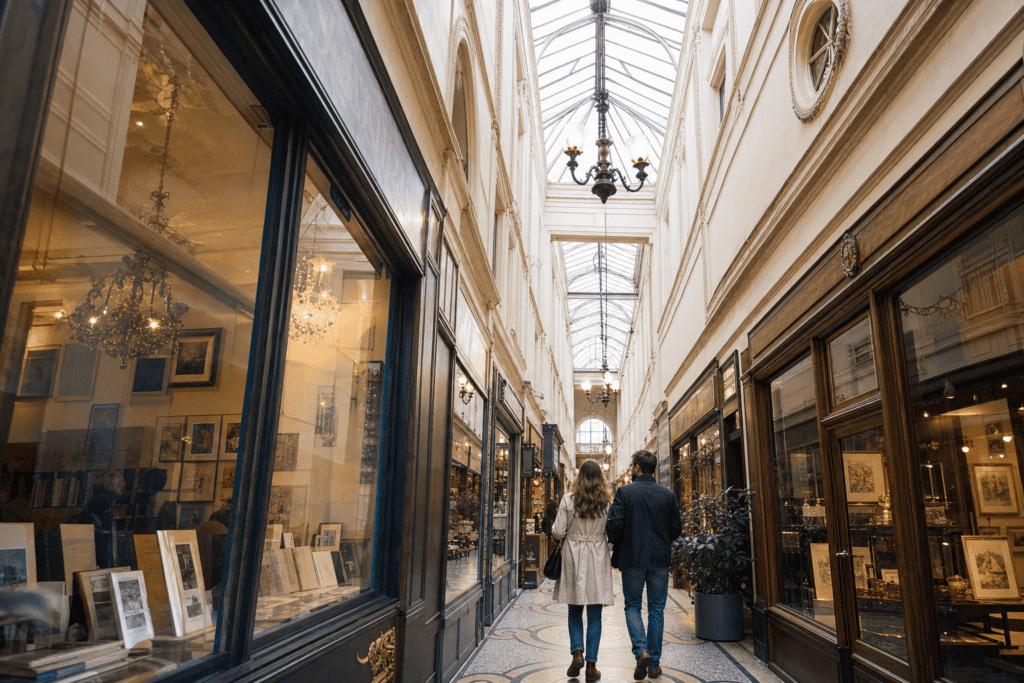 Passage des Panoramas A historic covered arcade in Paris, notable for its glass roof, specialty shops, and side passages…
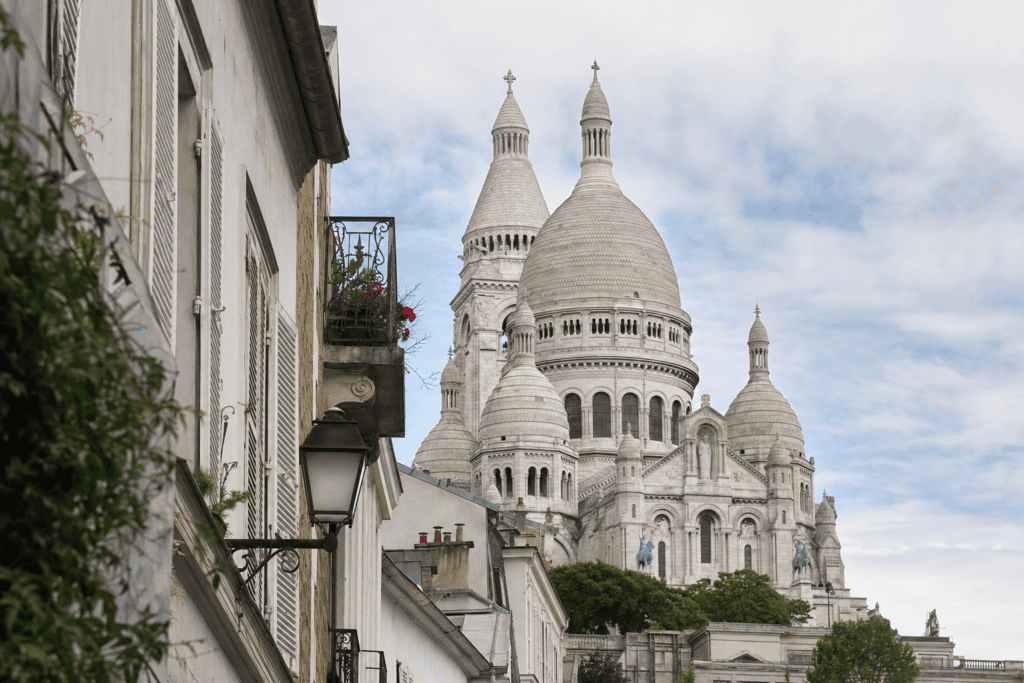 Montmartre and the Sacré-Cœur Basilica A walking route through Abbesses, Place du Tertre, and Sacré-Cœur, with narrow streets…
Online booking · Paris → Latin Quarter, mainly in the 5th and 6th arrondissements, Paris, Île-de-France
Choose your pickup date and time
Your departure and arrival details are already pre-filled. You can adjust them in the fare calculator before viewing the vehicles and fare.