



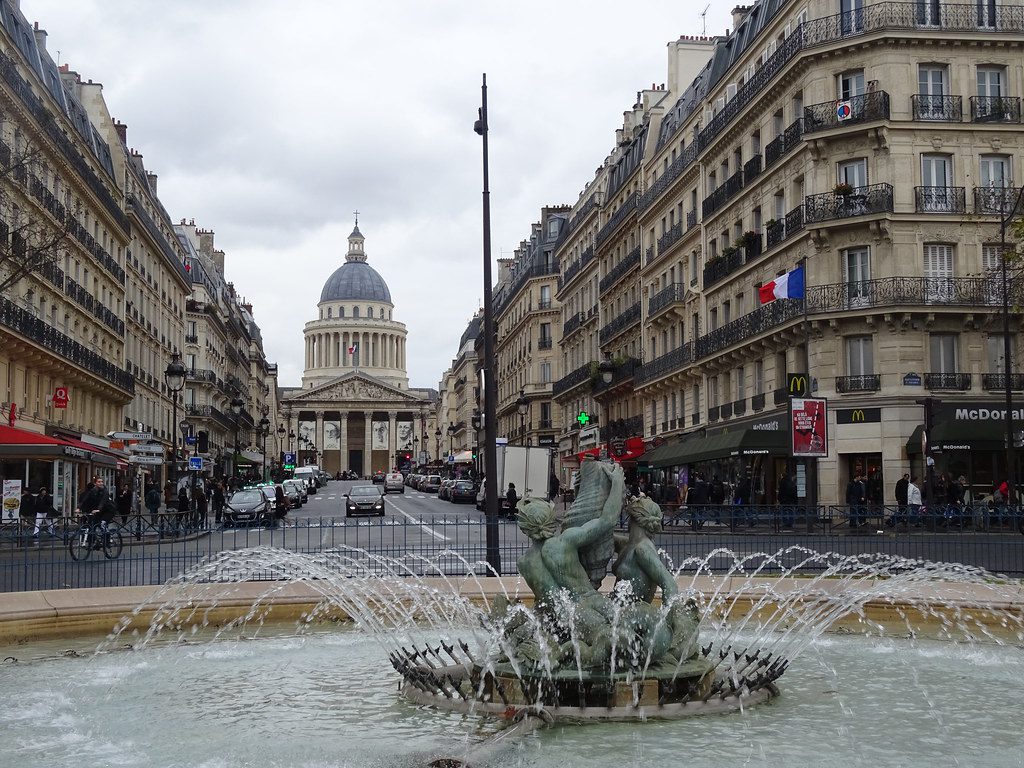
Paris Pantheon: History and Memory Beneath the Dome
Paris
At the top of Montagne Sainte-Geneviève, the Paris Pantheon overlooks the square that bears its name and forms one of the Latin Quarter’s most recognizable cityscapes. Once a church dedicated to Saint Geneviève and converted into a national monument during the French Revolution, it now houses the tombs and tributes dedicated to major figures in French history. A visit reveals spectacular Neoclassical architecture, monumental paintings, Foucault’s pendulum, and a crypt where literature, science, politics, and the Resistance intersect. Its location also makes it easy to plan a walking route between the Sorbonne, Saint-Étienne-du-Mont Church, the Lutetia Arena, and the Luxembourg Gardens.
Practical information
Combine the monument with Saint-Étienne-du-Mont Church, Place de la Contrescarpe, or the Luxembourg Gardens. Check the Centre des monuments nationaux for the latest information.
Getting to the Pantheon from Paris or its airports
From a hotel in Paris, Charles de Gaulle, or Orly, Booking Paris Transfer can arrange private transportation to the Latin Quarter, followed by a return to Paris or your next destination. The service covers transportation only: admission and any Pantheon reservations must be arranged with the monument.
Possible departure from Paris, the Île-de-France region, CDG, or ORY, with a return to Paris depending on your itinerary.
Neoclassical Architecture at the Top of Paris
The Pantheon occupies a remarkable position on Montagne Sainte-Geneviève, in the 5th arrondissement. Construction began in the 18th century at the request of Louis XV, who wanted to build a church dedicated to Saint Geneviève, the patron saint of Paris. Architect Jacques-Germain Soufflot envisioned a building combining the grandeur of an ancient temple, the light of a church, and the technical demands of a vast dome.
The columned façade, sculpted pediment, and imposing dimensions give the monument an almost theatrical presence. From Rue Soufflot, the perspective emphasizes its role as an urban landmark. The Pantheon engages in a dialogue with the Sorbonne, Lycée Henri-IV, and Saint-Étienne-du-Mont Church. This setting explains the appeal of arriving on foot: the monument gradually comes into view amid a neighborhood where university, religious, and republican heritage overlap.
From Royal Church to National Monument
The Pantheon’s history is marked by several changes in function. Conceived as a church under the Ancien Régime, the building was transformed during the French Revolution into a place intended to honor the nation’s great men. It later temporarily returned to religious use before becoming firmly established as a civic and memorial monument.
This evolution can be read in the inscriptions, decorations, and organization of the spaces. The paintings dedicated to Saint Geneviève recall the project’s Christian origins, while the crypt and the republican motto on the façade express another purpose. The Pantheon therefore does not tell a fixed story: it shows how successive regimes sought to represent France and choose the figures worthy of national recognition. The visit is more rewarding when these changes are taken into account rather than viewing the building simply as a deconsecrated church.
The Crypt and the Honored Figures
La crypte constitue le centre mémoriel de la visite. Elle rassemble notamment Voltaire, Jean-Jacques Rousseau, Victor Hugo, Émile Zola, Alexandre Dumas, Pierre et Marie Curie, André Malraux, Joséphine Baker, Simone Veil, Jean Moulin et Missak Manouchian. Chaque présence renvoie à une œuvre, un engagement ou un épisode de l’histoire française. Les tombeaux et plaques ne forment pas seulement une galerie de célébrités : ils révèlent les valeurs que la nation souhaite mettre en avant.
Literature, science, politics, the Resistance, and struggles for equality are all represented here. The women honored also reflect the gradual evolution of the criteria for public recognition. Take time to read the information about each figure, as their stories shed light on the symbolic choices behind entry into the Pantheon. National ceremonies and new decisions may change how the site is presented, so official information remains the best reference when planning a themed visit.
The Nave, Paintings, and Foucault’s Pendulum
When entering the Pantheon, begin by observing the scale of the nave, the columns, and the relationship between the light and the dome. Monumental paintings dedicated to Saint Geneviève and the Christian history of France cover the walls, giving the route a narrative dimension. The architecture is not merely decorative: it creates a succession of perspectives that convey the monumentality of the site.
Foucault’s pendulum adds a scientific dimension to the ensemble. Presented at the Pantheon in the 19th century, it makes the Earth’s rotation visible through the gradual movement of its oscillation. This experiment is a reminder that the monument also honors research and knowledge. Depending on the schedule, exhibitions or educational displays may complement the route. As installations, presentations, and viewing conditions may change, check the site’s information before your visit, especially if you are planning a family outing.
Explore the Latin Quarter Around the Monument
The Pantheon fits easily into a walk devoted to the Latin Quarter. Right next door, Saint-Étienne-du-Mont Church is worth a stop for its blend of architectural styles, façade, and rood screen. Continuing toward Place de la Contrescarpe, you reach a lively area of cafés and shops, followed by Rue Mouffetard. The Lutetia Arena offers another perspective on the neighborhood, with ancient remains preserved amid the modern city.
In the other direction, Rue Soufflot leads toward the Luxembourg Gardens and their promenades. The Musée de Cluny, dedicated to medieval art, is a good addition to a cultural day out. The neighborhood has many places for lunch or dinner; choose according to the atmosphere you want and consider booking at the most popular establishments. This variety makes it easy to adapt the itinerary for a family, a history enthusiast, or a traveler who simply wants to walk through Paris.
Getting Here from Train Stations, Airports, and Paris
The RER B to Luxembourg is a practical way to reach the Pantheon, followed by a walk up Montagne Sainte-Geneviève. Metro lines 10, 7, and 4 also provide access, notably from Cardinal Lemoine, Place Monge, or Maubert–Mutualité, depending on your route. Several bus lines serve the nearby streets. From a Paris train station, generally allow for a connection and a few minutes of walking.
Driving is less convenient in this central area: traffic can be heavy and immediate parking is limited. Drop-off arrangements must take traffic regulations and current conditions into account. From Charles de Gaulle, Orly, or a Paris hotel, a private transfer can make the journey easier for families and travelers with luggage. Booking Paris Transfer provides transportation only and does not supply admission tickets to the monument.
Practical Tips Before Your Visit
Opening hours, prices, booking procedures, and access conditions may vary depending on the season, ceremonies, construction work, or cultural schedule. Check the official Centre des monuments nationaux website before you travel. Security checks may slow entry, especially during busy periods or national events. Adult and school groups should also check the rules that apply to them.
For a well-balanced visit, start with the nave and paintings, then go down to the crypt and choose a few figures to seek out. With children, build the visit around a theme such as inventions, literature, or the Resistance. Visitors with reduced mobility should inquire about the accessibility of their planned route, as the historic layout may require adaptations. Finally, leave time for the neighborhood: the nearby church, historic streets, and Luxembourg Gardens naturally extend the experience.
Frequently Asked Questions
Where is the Pantheon located?
Which figures are honored at the Pantheon?
How do you get to the Pantheon by public transportation?
How much time should I allow?
Which sites can you visit nearby?
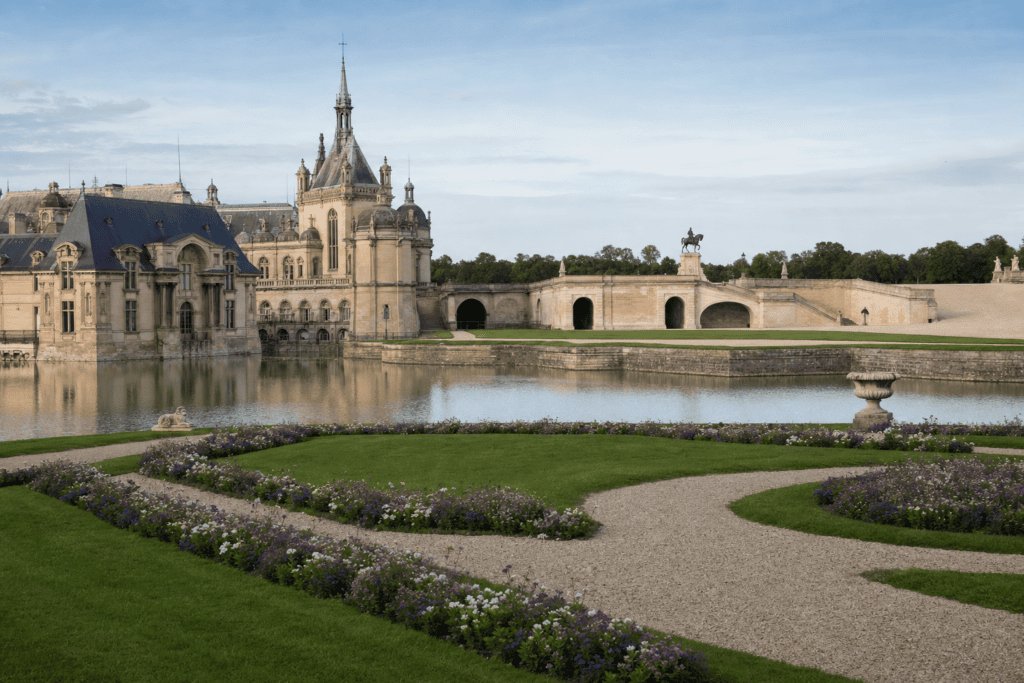 Chantilly Estate A princely estate north of Paris, featuring the Musée Condé, a château, the Great Stables, historic gardens, and…
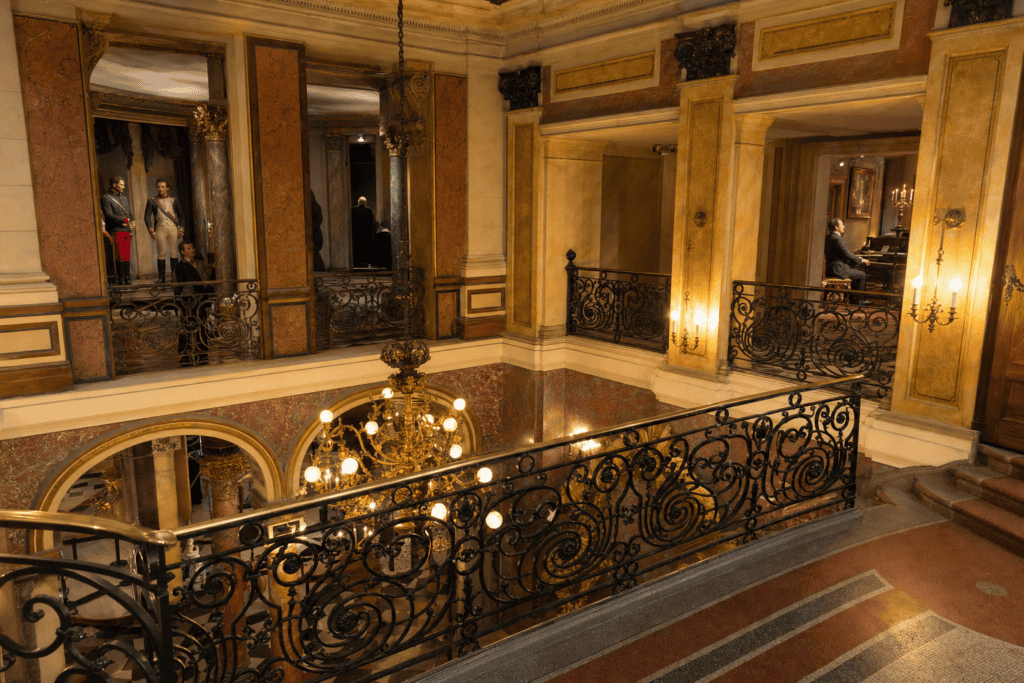 Musée Grévin A family-friendly, photo-worthy outing in Paris, with wax figures, historic sets, the Hall of Mirrors…
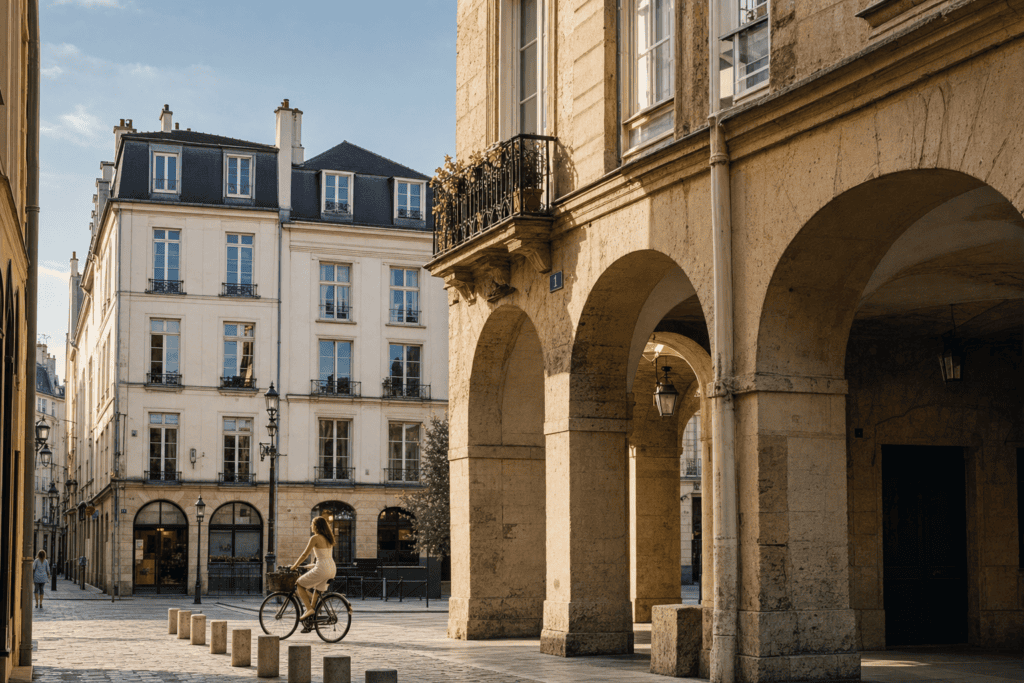 Le Marais An iconic Paris neighborhood known for its private mansions, Place des Vosges, museums, and more…
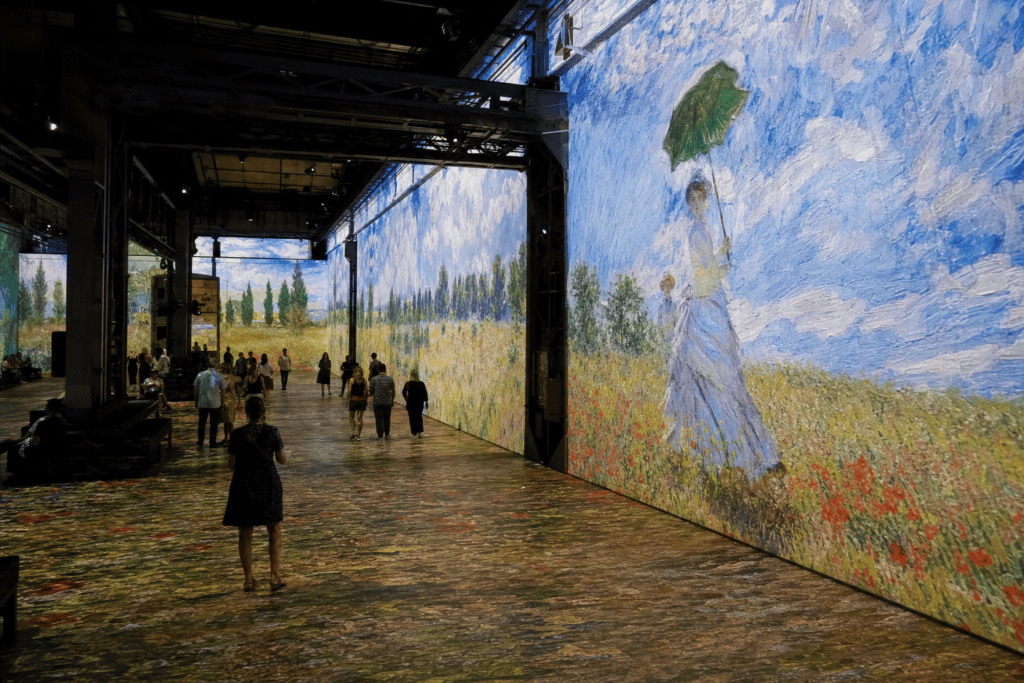 Atelier des Lumières In a former foundry in the 11th arrondissement, Atelier des Lumières combines monumental projections, music, and architecture…
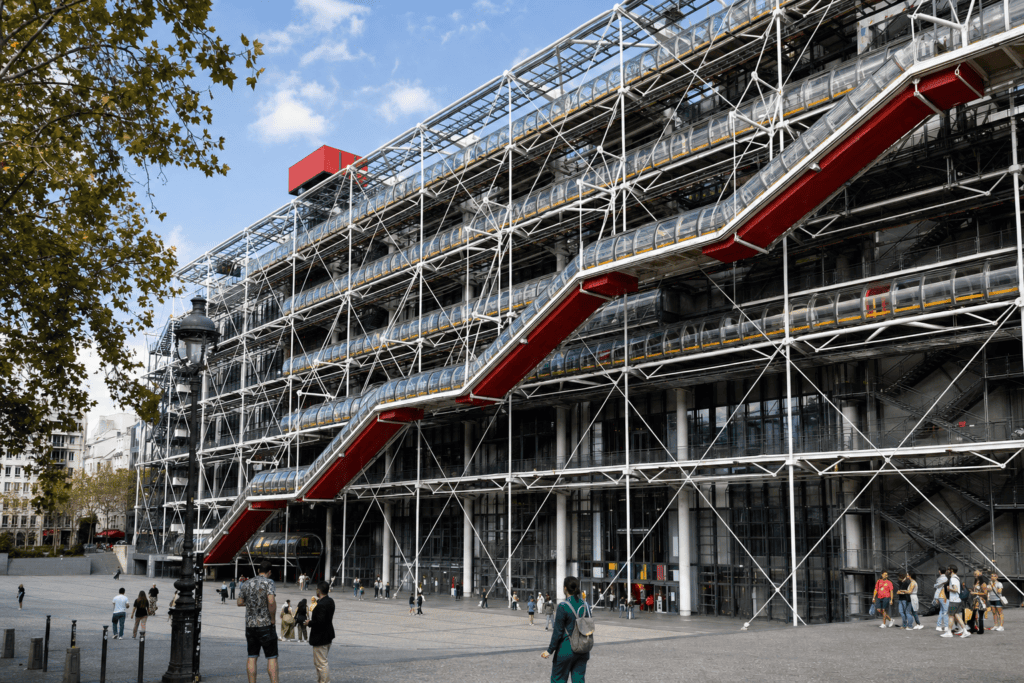 Centre Pompidou The Centre Pompidou is closed for renovations until 2030, but its history, architecture and…
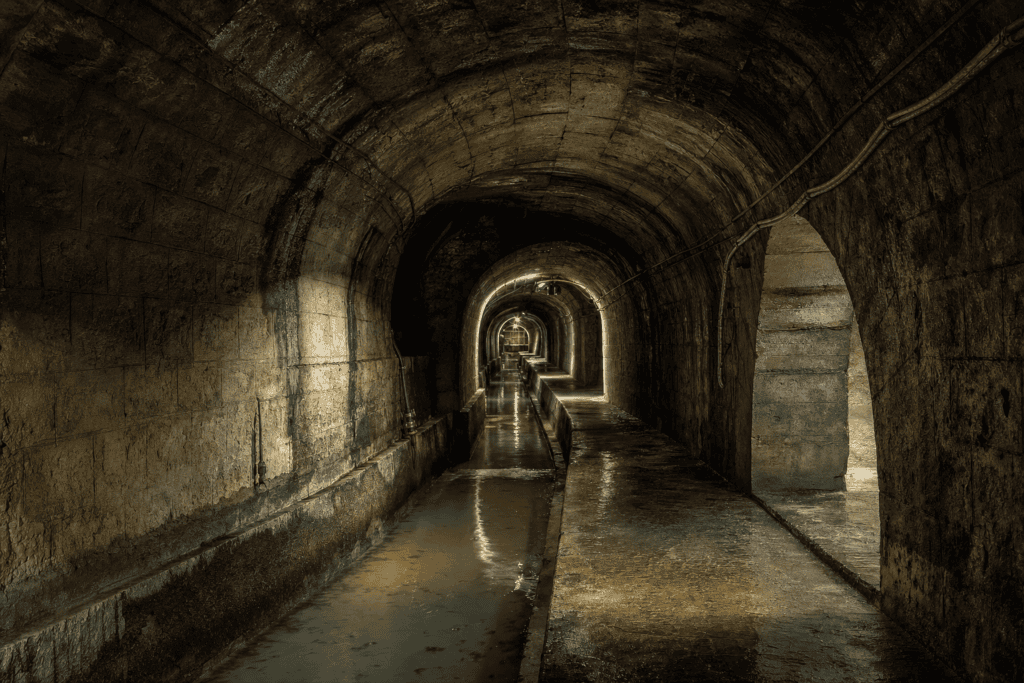 The Paris Sewers An underground Paris experience exploring the history of sanitation, the galleries, and the trades that…
Online booking · Paris → Place du Pantheon, 75005 Paris, France
Choose your pickup date and time
Your departure and arrival details are already pre-filled. You can adjust them in the fare calculator before viewing the vehicles and fare.