



Grande Galerie de l’Évolution: A Practical Guide in Paris
Paris
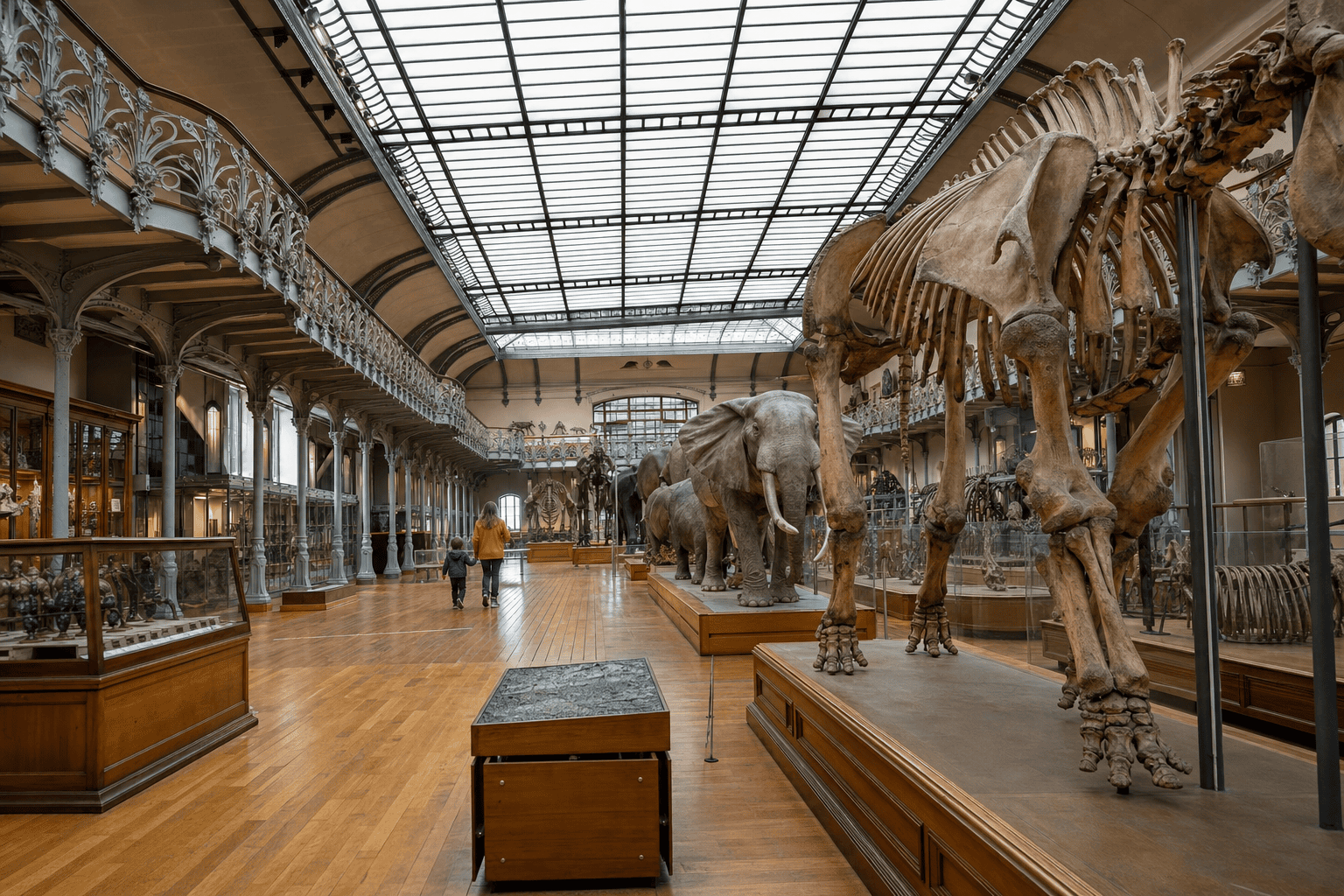
The Grande Galerie de l’Évolution is one of the most spectacular places in Paris’s Jardin des Plantes. In a vast nave lit by a glass roof, hundreds of taxidermied animals evoke the planet’s major environments, from African savannas to the oceans and polar regions. Elephants, giraffes, lions, penguins, whales, and less familiar species create a visual, scientific, and family-friendly journey. The visit also offers a better understanding of evolution, biodiversity, and the effects of human activities on living things.
Practical information
Start by taking time to view the nave from the upper levels, then gradually make your way down toward the animals and themed areas. This perspective offers a better understanding of the exhibition design and the variety of environments on display.
Getting to the Grande Galerie from Paris
Depuis un hôtel parisien, la gare d’Austerlitz, l’aéroport Charles-de-Gaulle ou l’aéroport d’Orly, Booking Paris Transfer peut organiser un trajet privé vers le Jardin des Plantes, avec retour à Paris ou poursuite de votre itinéraire. Le transport peut s’intégrer à une journée au musée et dans le Quartier latin, sans inclure l’entrée du Muséum.
Transportation service departing from Paris, a Paris hotel, CDG, or ORY. Museum admission is not included.
A Monumental Nave in the Heart of the Jardin des Plantes
The Grande Galerie de l’Évolution is located in the Jardin des Plantes, one of Paris’s major scientific and botanical sites. Its architecture is an essential part of the experience: the nave, balconies, glass roof, and height of the building give the route a theatrical quality. From the entrance, the eye extends far above the groups of animals, while the successive levels offer different views of the collections.
The building belonged to the former Gallery of Zoology, which opened in 1889. After a long period of closure and a major transformation, it reopened in 1994 under the name Grande Galerie de l’Évolution. The current presentation makes full use of the interior volume: the animals seem to move through a single landscape, while scientific information unfolds throughout the visit. The architecture is therefore more than a simple backdrop. It directs the eye, creates perspectives, and helps visitors compare the sizes, silhouettes, and ways of moving of different species.
Before or after visiting the gallery, set aside some time to walk along the paths of the Jardin des Plantes. This transition between museum and garden makes the visit especially enjoyable, particularly for families who want to alternate indoor observation with an outdoor stroll.
The African Caravan: A Must-See Display
The main display devoted to African animals is probably the gallery’s most famous image. Elephants, giraffes, zebras, wildebeest, buffalo, and lions are arranged in a composition that evokes a group moving across the savanna. The size of the elephants and the height of the giraffes immediately impress children, but this scene also deserves careful observation of the less visible species.
From the balconies, visitors can understand the overall composition and observe the relationships between herbivores, predators, and more inconspicuous animals. At the lower level, details of the animals’ postures, coats, and expressions draw more attention. Interpretive displays explain adaptations, diets, and the relationships between living things in different environments.
This is not an exact reconstruction of a single African location, but an educational and artistic presentation of the continent’s diversity. This distinction makes it possible to fully appreciate the visual power of the exhibition design while understanding its scientific purpose. For families, a simple observation game works well: ask children to find the animals that live in groups, those that move alone, or those that feed on plants.
Oceans, Whales, and Extreme Environments
The route is not limited to large land mammals. The areas devoted to the oceans convey the scale of the marine world through skeletons, specimens, and displays devoted to the deep sea. The giant squid preserved under the name Wheke is one of the most unusual pieces: its shape and tentacles give an almost mysterious presence to this animal, which is difficult to observe in its natural environment.
The gallery also explores coastlines, reefs, and environments subject to conditions very different from those at the surface. Whales help convey the impressive size of some marine animals, while skeletons reveal their anatomical structure. This approach is especially useful for understanding that biodiversity is not limited to species visible on land.
The polar regions and deserts complete this panorama. Penguins, polar bears, seals, and animals from arid regions illustrate how living things respond to cold, lack of water, light, or scarce resources. In a single visit, visitors move from one continent and environment to another. This diversity makes the gallery a good option when Paris weather is uncertain or when a family wants to discover the natural sciences without making multiple trips.
Understanding Evolution and Biodiversity
The Grande Galerie de l’Évolution does more than present remarkable animals: it also explains how scientists study the diversity of life. Interpretive content covers classification, anatomy, the history of organisms, and the mechanisms of evolution. References to the history of science, particularly the work of Lamarck and Darwin, place these concepts within an approach based on observation, comparison, and research.
Species are presented in relation to their environments. This approach helps explain why a beak shape, fur, shell, or way of moving can constitute an adaptation. Visitors also discover that ecosystems depend on complex balances in which each species occupies a particular place.
Part of the route addresses human impact: habitat transformation, pollution, overexploitation, domestication, and species extinction. The quagga associated with the Muséum’s collections is a striking example of the memory of extinct species. The presentation invites reflection on contemporary responsibilities without turning the visit into a simple succession of alarming messages. For children, the explanations can begin with practical questions: What does a species need to live, and what happens when its environment changes?
Specimens, Conservation, and Scientific Careers
Taxidermied animals are the most immediately visible elements, but each is part of a history of collecting, study, cataloging, and conservation. The collections of the Muséum national d’Histoire naturelle were built over centuries through scientific expeditions, research, exchanges, and the work of the Ménagerie at the Jardin des Plantes. The specimens are not all the same age or from the same source, giving them scientific, historical, and heritage value.
Taxidermy requires great precision to reproduce a posture, proportions, and certain anatomical details. Other objects are skeletons, casts, or reconstructions, depending on their condition and the purpose of the presentation. This diversity is an excellent opportunity to explain that a natural history museum does not display only animals: it also preserves evidence, data, and research materials.
The visit provides an opportunity to discuss the work of many professionals who are often invisible to the public: preparators, conservators, curators, researchers, and educators. It also shows why collections must be cataloged, maintained, and documented over the long term. For a curious child, this aspect transforms a spectacular observation into an introduction to scientific careers and the workings of a major research institution.
Getting There from Paris and Planning Your Visit
La Grande Galerie se situe au 36 rue Geoffroy Saint-Hilaire, dans le 5e arrondissement. Elle est installée à l’intérieur du Jardin des Plantes, dont les différentes entrées se trouvent notamment place Valhubert et dans les rues Geoffroy Saint-Hilaire, Cuvier et Buffon. Il est utile de distinguer l’adresse de la galerie des accès généraux au jardin et de suivre la signalétique du Muséum une fois sur place.
Jussieu, served by lines 7 and 10, and Place Monge, on line 7, are convenient subway stations depending on your departure point. Line 5 and RER C can also take you to the area via Gare d’Austerlitz, which is nearby. Bus routes serving the area may change their routes or stops; check the latest RATP information before traveling.
The visit is easy to incorporate into a day spent in the Latin Quarter. Allow extra time for arrival, any security screening, and purchasing or checking tickets according to the current rules. The Muséum’s official website remains the reference for hours, closures, accessibility conditions, and any reservations. From a Paris hotel, a private transfer may also be worth considering if you are traveling with young children, luggage, or a group.
What to See Around the Gallery
The Jardin des Plantes is a cultural complex that often deserves more than a simple museum visit. The Grandes Serres offer a complementary botanical experience, while the Ménagerie recalls the site’s zoological history. The Galerie de Minéralogie et de Géologie appeals to visitors interested in rocks, crystals, and geological phenomena. The Galerie de Paléontologie et d’Anatomie comparée offers another perspective on the history of life, with its skeletons and anatomical collections. Each space has its own opening conditions, so check them separately before planning your itinerary.
A few minutes away on foot, the Grande Mosquée de Paris, Arènes de Lutèce, rue Mouffetard, rue Monge, and the banks of the Seine make it easy to extend the day. A family itinerary can combine the gallery, the botanical paths, and a break in the Latin Quarter. History enthusiasts can continue to the Panthéon or the Sorbonne, while a walk toward the Seine leads easily to Île Saint-Louis.
This concentration of museums, gardens, monuments, and shopping streets makes it possible to adapt the outing to everyone’s pace. If you are tired, it is better to keep just one other place for the afternoon rather than trying to see everything. The area’s richness lies precisely in the possibility of creating a flexible day on foot, without long journeys.
Useful sources
Frequently Asked Questions
How much time should you allow for the Grande Galerie de l’Évolution?
What is the address of the Grande Galerie de l’Évolution?
Which subway station should you use to get there?
Is the visit suitable for children?
Can the gallery be combined with other visits?
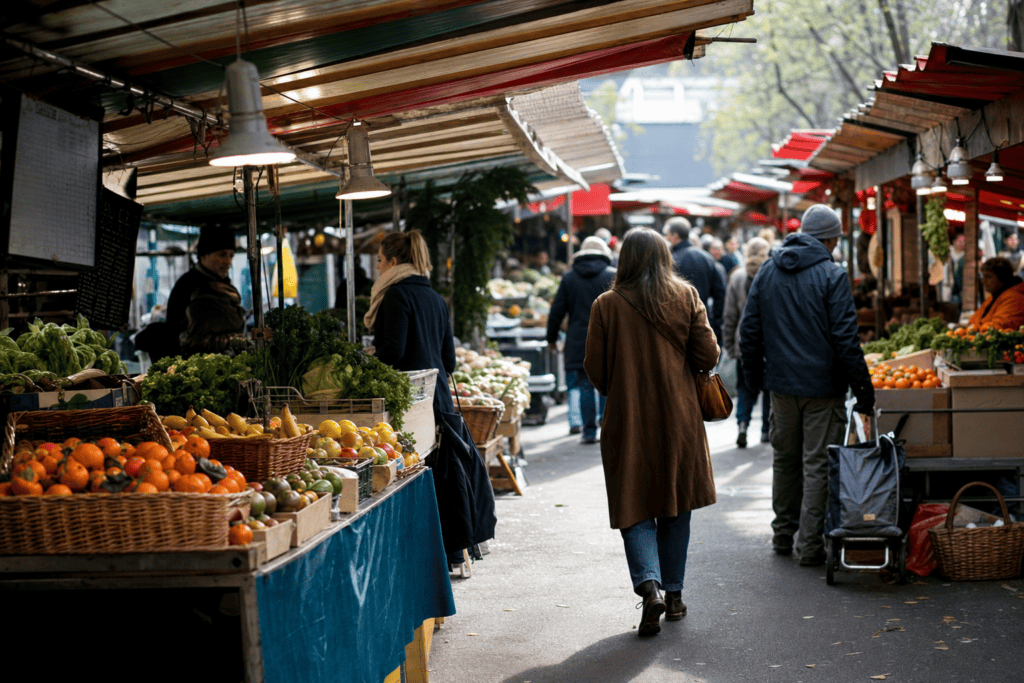 Bastille Market A lively market on Boulevard Richard-Lenoir, ideal for discovering fresh produce and everyday local life…
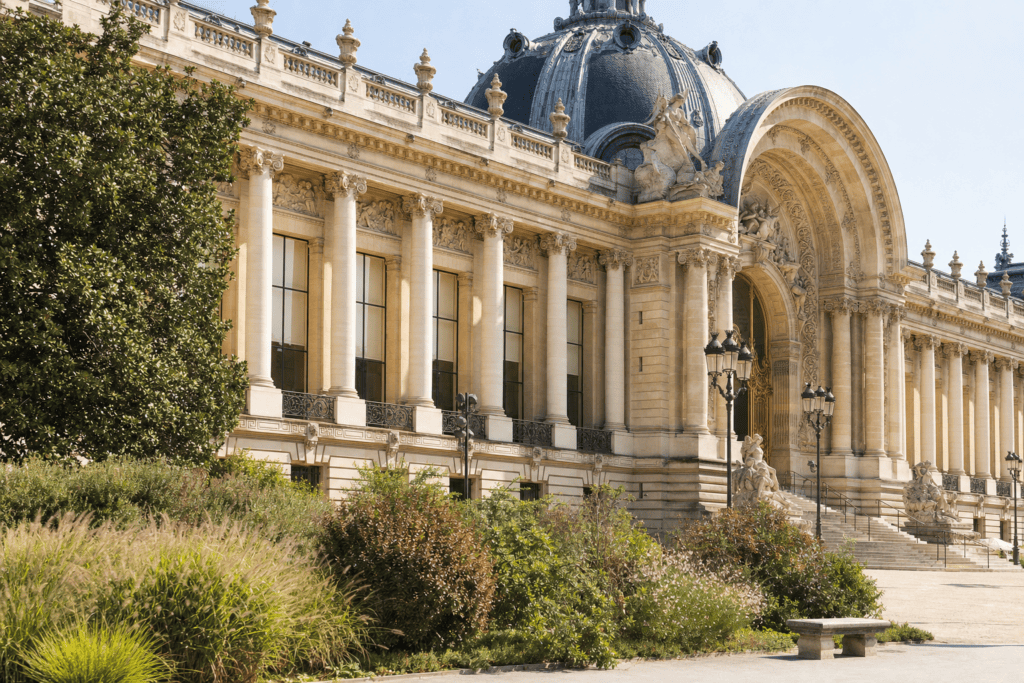 Petit Palais A free Paris museum renowned for its 1900 architecture, varied collections and interior garden.
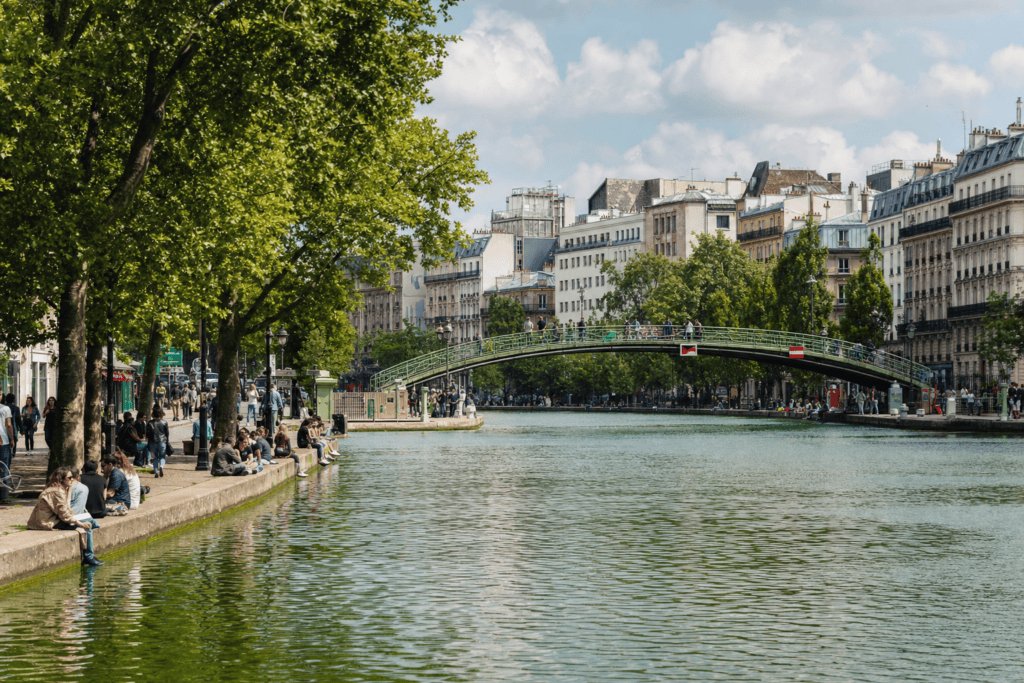 Canal Saint-Martin A Parisian stroll among locks, footbridges, trees and lively quays in the heart of the 10th arrondissement.
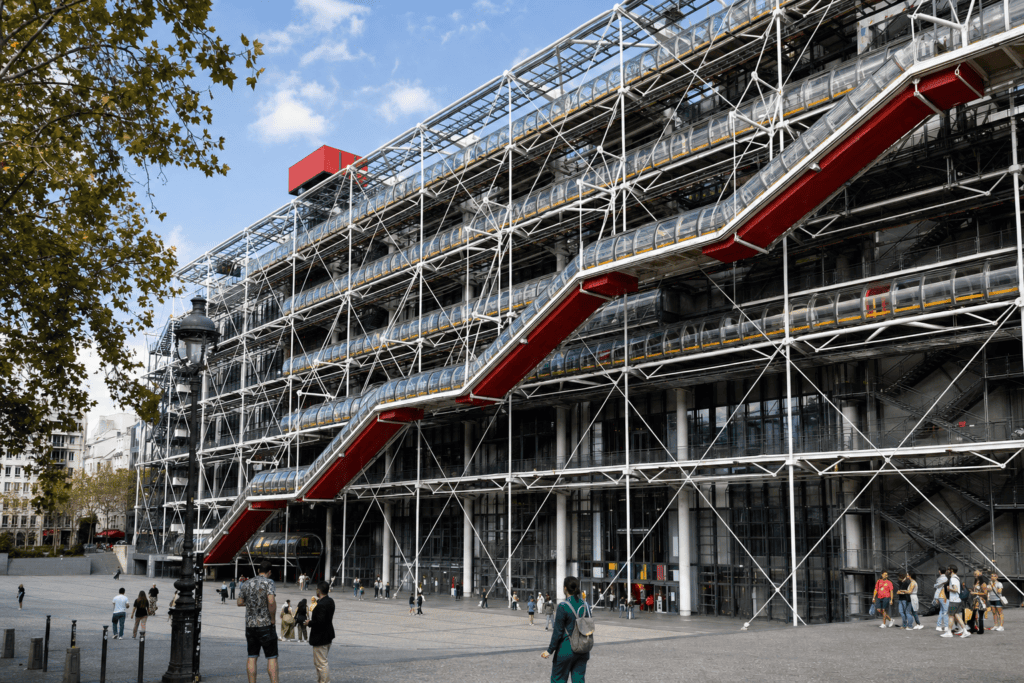 Centre Pompidou The Centre Pompidou is closed for renovations until 2030, but its history, architecture and…
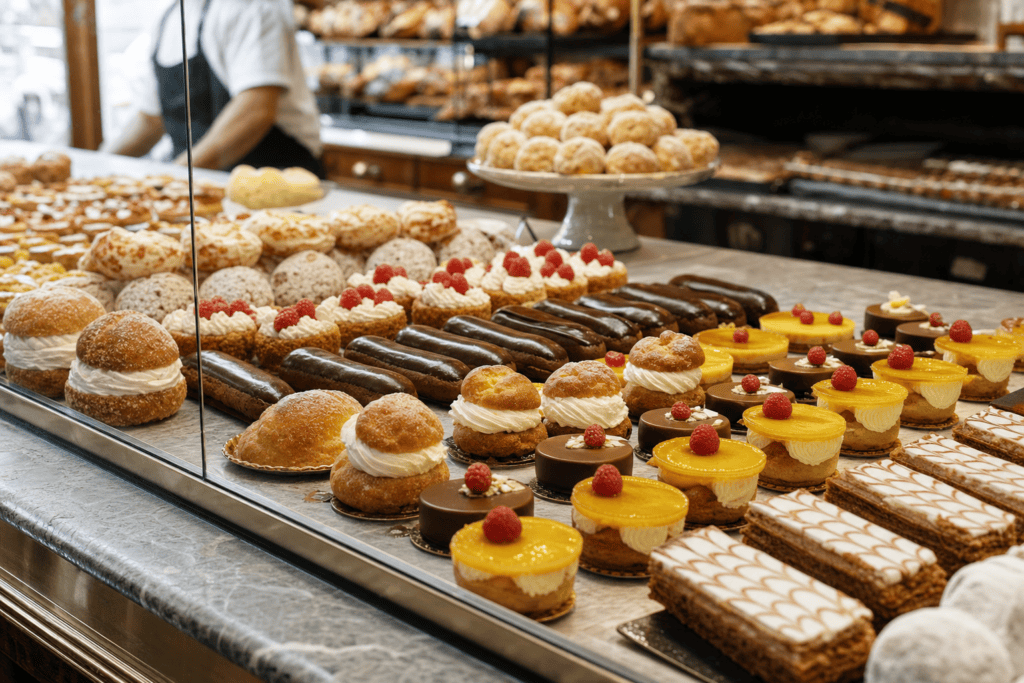 Foodie Paris: pastries, cheeses, and local specialties A practical guide to discovering Parisian bakeries, pastry shops, cheese shops, markets and specialties by neighborhood.
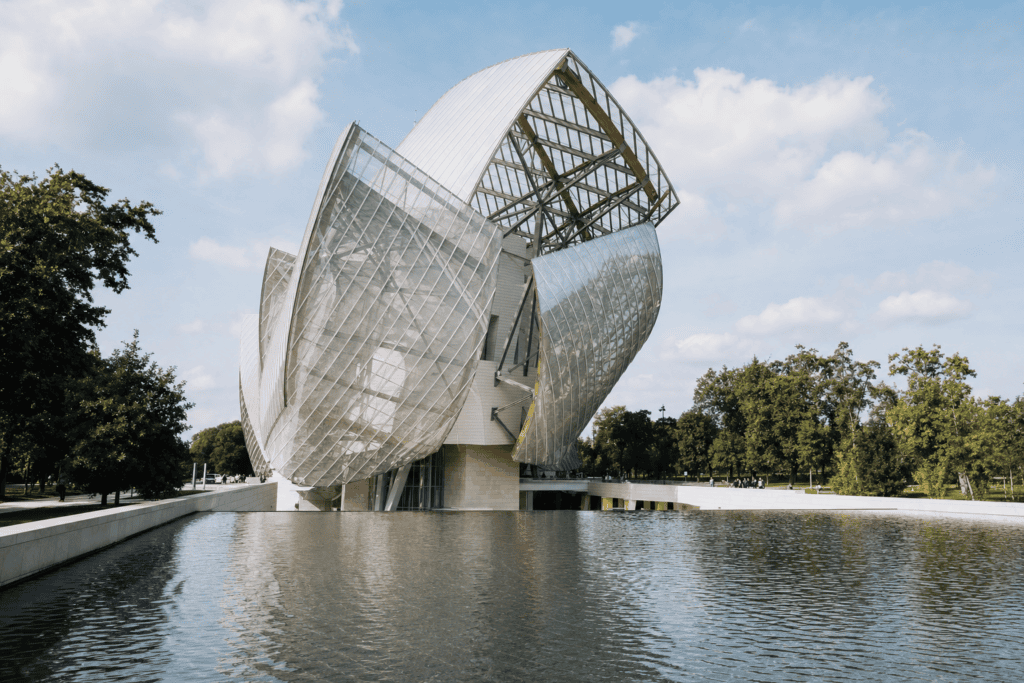 Fondation Louis Vuitton A remarkable Paris cultural venue where exhibitions engage with Frank Gehry’s architecture and the…
Online booking · Paris → 36 rue Geoffroy Saint-Hilaire, 75005 Paris, France
Choose your pickup date and time
Your departure and arrival details are already pre-filled. You can adjust them in the fare calculator before viewing the vehicles and fare.