



Luxembourg Gardens: an elegant stroll in the heart of Paris
Paris
Between the Latin Quarter and Saint-Germain-des-Prés, Luxembourg Gardens offers one of the most pleasant walks on the Left Bank. Visitors come to admire the Luxembourg Palace, sit by the Grand Basin, discover the statues and plantings, or simply take a break in a historic setting. Its orderly paths, fruit garden, Medici Fountain, and seasonal activities make it a great outing for families, couples, and heritage enthusiasts.
Practical information
The RER B serves Luxembourg station, located near the garden. For a first visit, head to the Grand Basin, continue to the Medici Fountain, then adjust your route based on the time available and the gates that are open.
Getting to Luxembourg Gardens easily from Paris
Whether you are arriving from a Paris hotel, a train station, Charles de Gaulle Airport, or Orly Airport, a private transfer can simplify the journey to the 6th arrondissement. Booking Paris Transfer provides transportation from Paris and its airports; it does not sell admission tickets or replace a guided tour of the garden.
Transportation service only: admission to Luxembourg Gardens and activities on site are not included.
Why visit Luxembourg Gardens?
Luxembourg Gardens brings several experiences together in one place: a walk around Luxembourg Palace, a break by the basin, an art route lined with sculptures, and a botanical discovery in a carefully maintained setting. Covering around 23 hectares, it offers a quick escape from the bustle of the surrounding boulevards while remaining in central Paris.
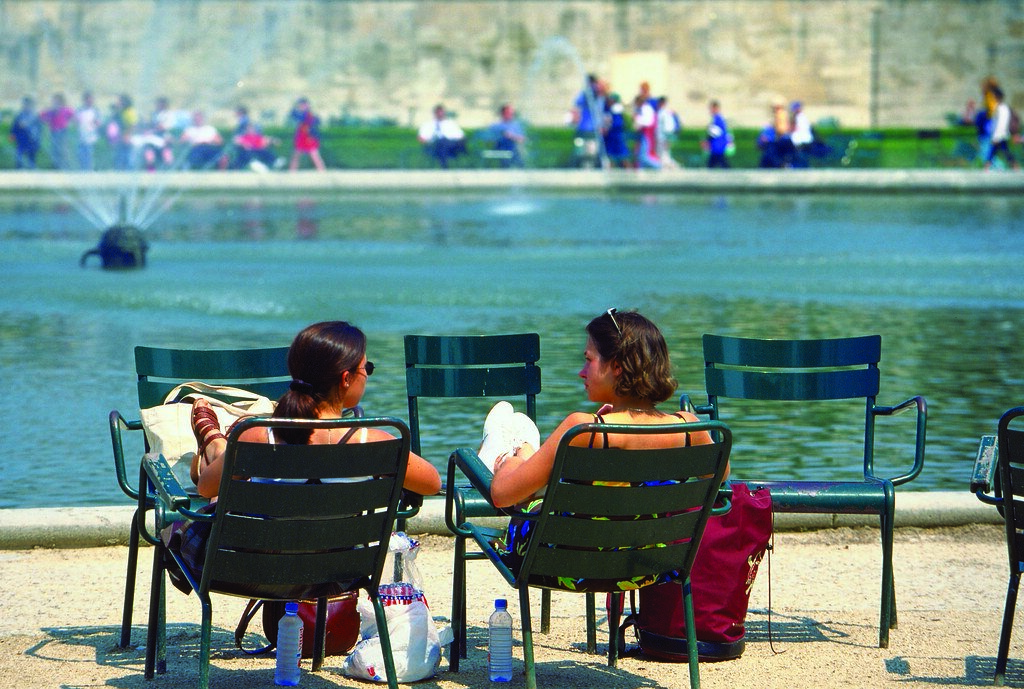
The garden appeals through its balance of heritage and everyday life. The chairs around the basin welcome both visitors and neighborhood regulars. Children can enjoy the activities offered at different times of year, while walkers discover the plantings, chess players, and open views toward the palace.
For a first visit, allow at least an hour. A more leisurely visit deserves additional time, especially if you would like to combine the garden with the Panthéon, Place de l’Odéon, Saint-Germain-des-Prés, or the Musée du Luxembourg.
A history linked to Marie de’ Medici and the Senate
The garden’s history began in the early 17thth century, when Marie de’ Medici had Luxembourg Palace and a vast estate inspired by her Italian background laid out. The garden later evolved considerably. Its current design largely results from changes made in the 19thth century, as part of the major works that reshaped several neighborhoods of Paris.
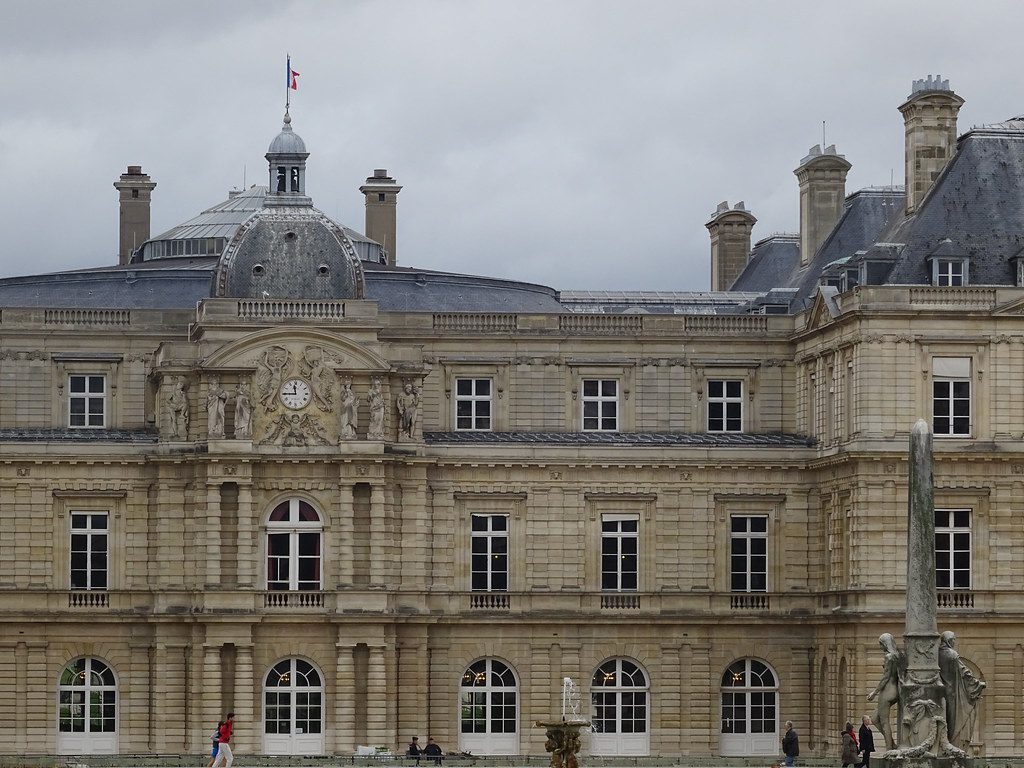
Today, the estate is associated with Luxembourg Palace, home of the Senate. This institutional presence accounts for the site’s heritage significance, but the garden remains very open in spirit: it is still a popular place for Parisians and visitors to take a stroll.
The gates, vistas, and palace evoke a princely residence, while the chairs, recreational facilities, and paths reflect everyday use. The fruit garden and botanical areas continue a long horticultural tradition.
The basin, palace, and viewpoints not to miss
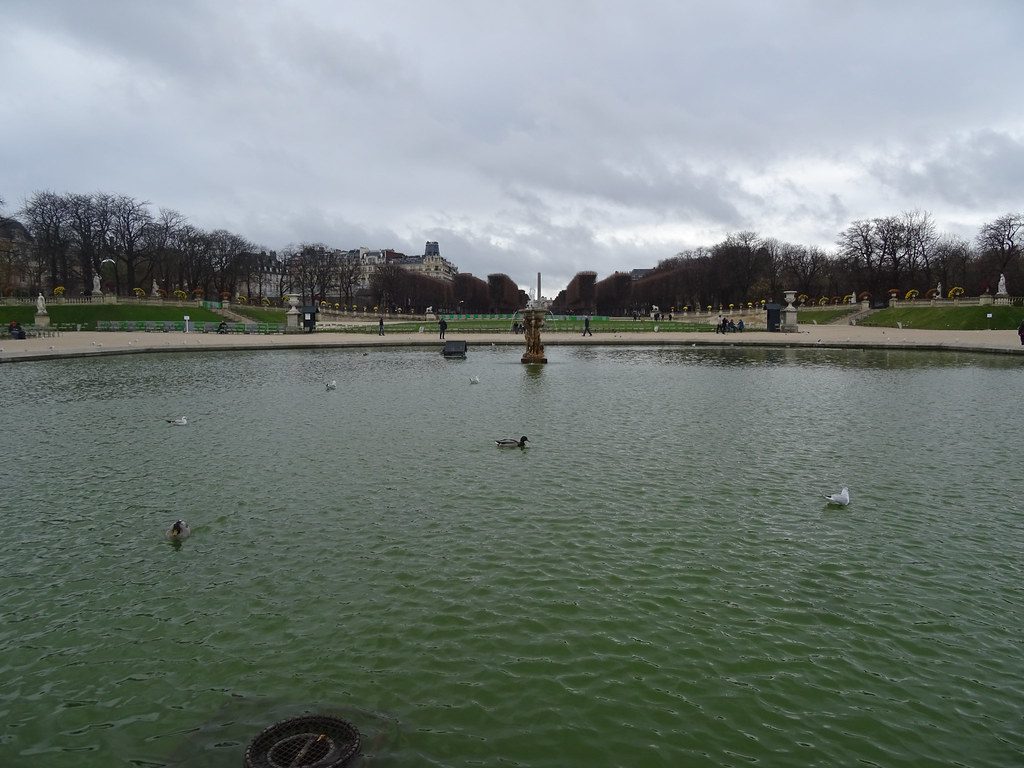
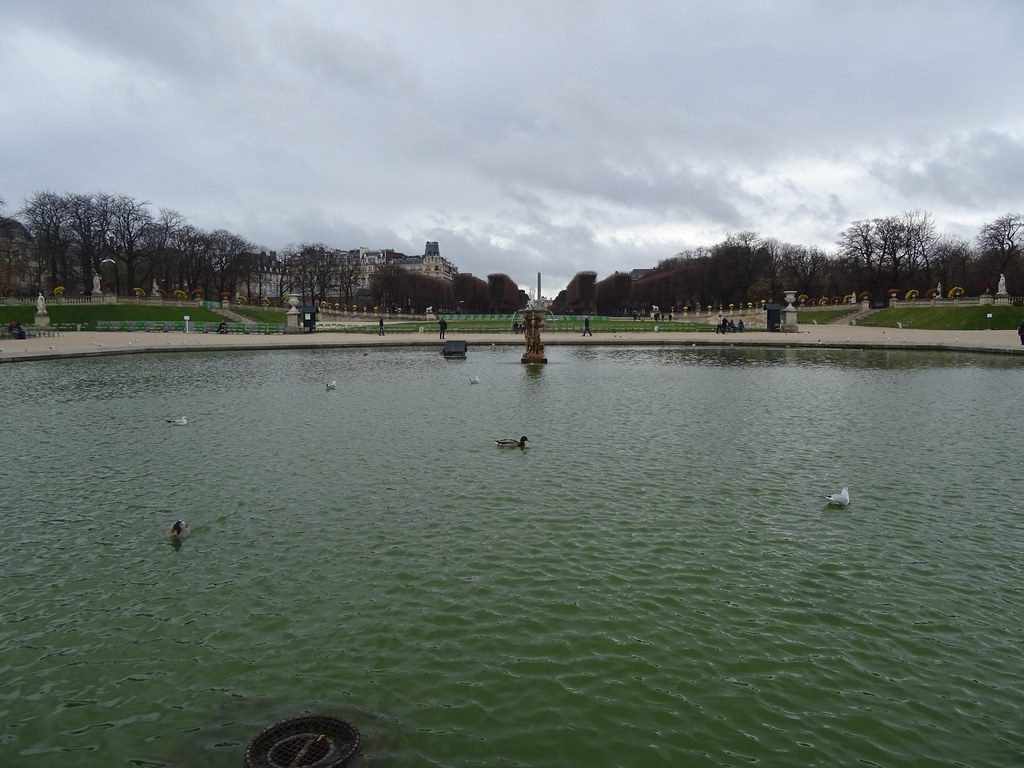
The octagonal Grand Basin in front of the palace is the garden’s main landmark. It is a good place to begin your visit: take time to admire the vistas, and when the activity is available, children can sail their toy boats there under the conditions set on site.
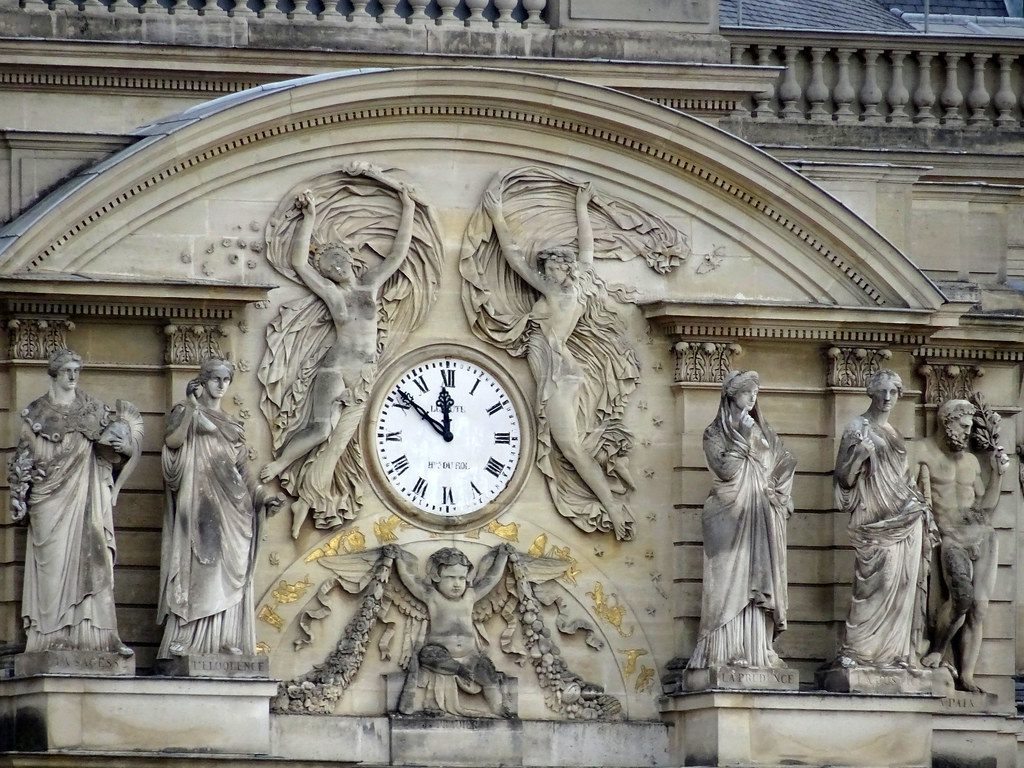
Luxembourg Palace provides the garden’s monumental backdrop. Its interior is not freely open to visitors like a museum; public access depends on the schedule and events organized by the Senate. From the garden, the main highlights are its façades and the way the architecture shapes the vistas.
To the west, the Medici Fountain offers a more intimate atmosphere. Its basin, trees, and sculpted setting contrast with the broad central paths. Also take time to admire the statues throughout the garden, which include historical and mythological figures.
Botany, the fruit garden, and the seasons
Luxembourg Gardens is more than its ornamental flowerbeds. It includes a fruit garden rooted in a long horticultural tradition connected to the former lands of the Carthusians. The collection includes fruit trees, particularly apple and pear trees, giving the route a quieter, more specialized dimension.
The seasons transform the experience. In spring, blooms add color to the flowerbeds and fruit trees draw the eye. In summer, the paths and chairs around the basin are very popular. Autumn highlights the foliage and vistas, while winter reveals more of the structure of the paths and sculptures.
The horticultural areas, greenhouses, and botanical activities are not necessarily accessible like an ordinary walk. Tours, classes, or special openings may be offered on certain dates: check their schedule and access conditions on the Senate’s official website.
What can you do there with family or during a break?
The garden is well suited to a family outing, provided you distinguish the walking areas from spaces reserved for specific activities. The basin is often the liveliest spot for children. Depending on the season and available facilities, games or activities may also be offered.
Heritage enthusiasts can follow a self-guided route among the statues, Medici Fountain, Orangery, and the areas around the palace. Chess players gather around the large chessboards, and the bandstand may host concerts. Guided tours, horticulture classes, and other cultural activities may appear on the official schedule.
For a break, do not assume that all lawns are accessible or that picnicking is permitted everywhere. Dogs, bicycles, scooters, professional photography, and certain activities are also subject to the garden’s rules. Check the signs and official information on the day of your visit; for dogs, pay particular attention to any permitted areas and conditions.
Access, duration, and practical tips
The garden is located in the 6thth arrondissement, between Boulevard Saint-Michel, Rue de Vaugirard, and the Saint-Germain-des-Prés neighborhood. RER B at Luxembourg station is a convenient access point. Depending on where you are coming from, the Odéon, Mabillon, or Saint-Germain-des-Prés metro stations may also work well.
There is no single main entrance. The Odéon gate is convenient from the neighborhood of the same name; the Médicis gate is closest to the Medici Fountain; and the Observatoire gate provides access to the southern sections and the fruit garden. The best entrance depends on your route and which gates are open on the day of your visit.
Hours are not the same year-round and are adjusted to the length of the day. Check the official schedule before setting out, especially in winter, for an early-morning arrival or an end-of-day stroll. Comfortable shoes are recommended for exploring the various paths.
Suggested itinerary and places to combine
For a first visit, enter through the most convenient gate from Luxembourg station. Head to the Grand Basin and take a few minutes to appreciate the view toward the palace. Continue along the central paths, admiring the sculptures and flowerbeds, then make your way to the Medici Fountain for a shadier atmosphere.
Continue toward the Orangery and fruit garden if you enjoy plants and quieter areas. Then gradually return toward the gates along Rue de Vaugirard. This route takes about an hour and a half without a long break; with children or an activity on site, it can fill half a day.
Luxembourg Gardens naturally pairs with the Panthéon and Montagne Sainte-Geneviève, just a few minutes away on foot, or with the Latin Quarter and Place de l’Odéon. From Saint-Germain-des-Prés, you can also begin your walk through the neighborhood streets before entering the garden.
Useful sources

Frequently Asked Questions
Is there an admission fee for Luxembourg Gardens?
What are the hours for Luxembourg Gardens?
Can you visit Luxembourg Palace?
Can you have a picnic in the garden?
Are dogs allowed in Luxembourg Gardens?
When is the best time to visit Luxembourg Gardens?
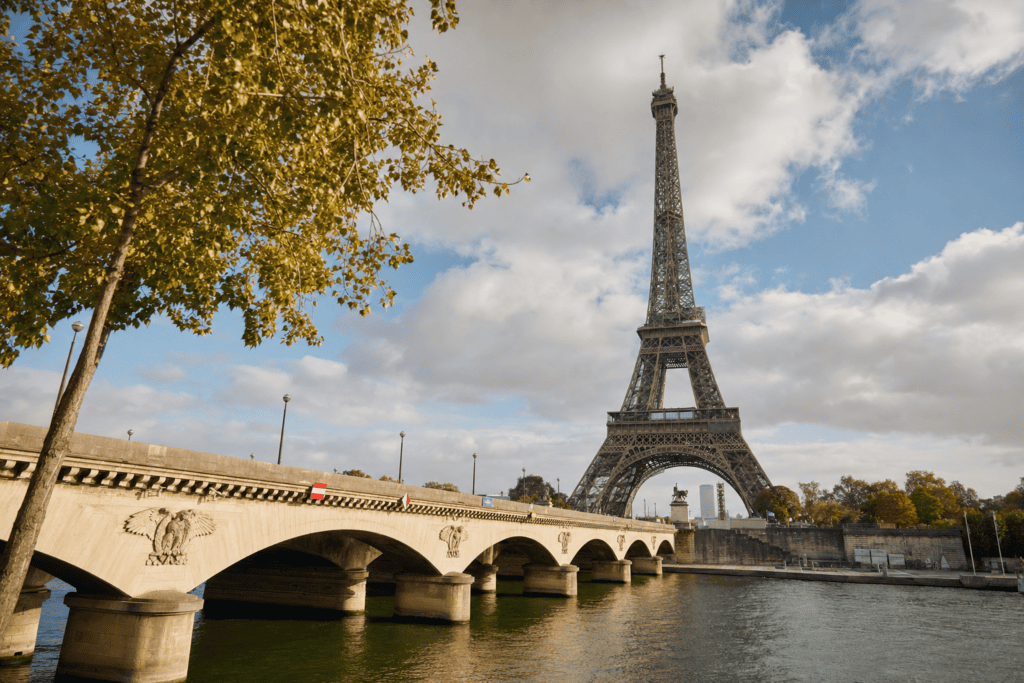 Eiffel Tower Visit the Eiffel Tower with a practical guide to the ascent, panoramic views, access, and the best…
 Foodie Paris: pastries, cheeses, and local specialties A practical guide to discovering Parisian bakeries, pastry shops, cheese shops, markets and specialties by neighborhood.
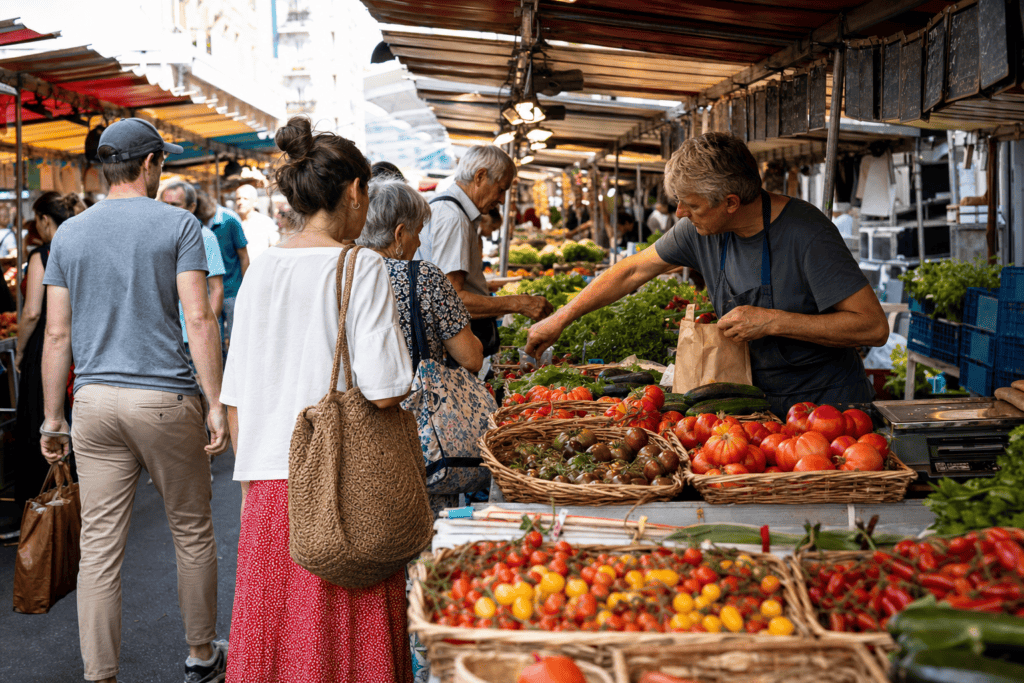 Aligre Market A lively address in the 12th arrondissement where a food hall, outdoor stalls, and a flea market come together to create a truly…
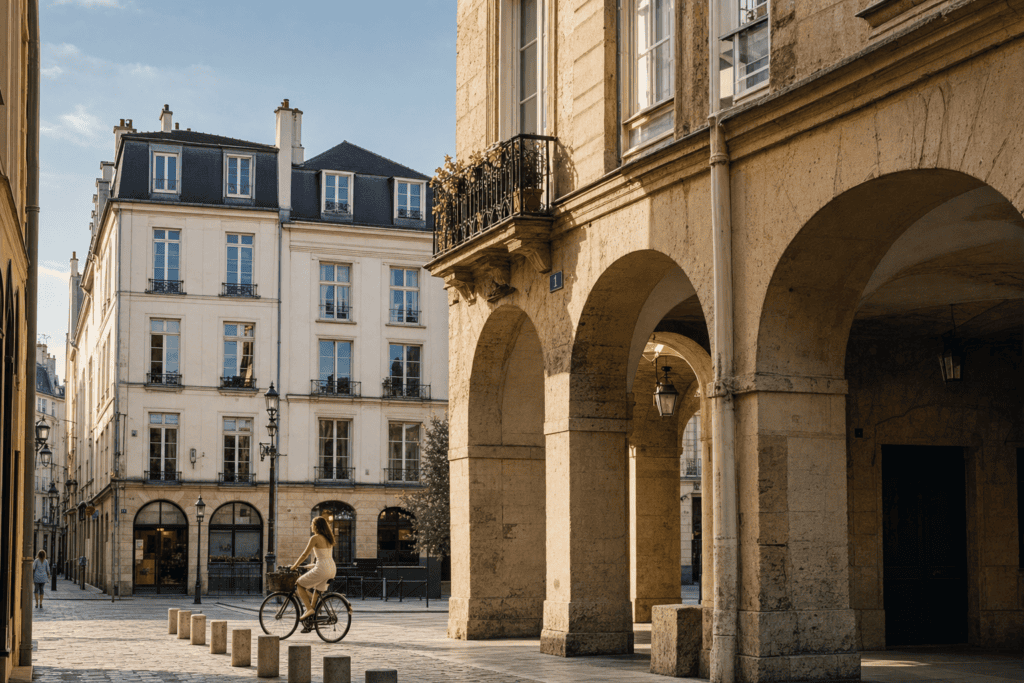 Le Marais An iconic Paris neighborhood known for its private mansions, Place des Vosges, museums, and more…
 Army Museum and Napoleon’s Tomb A rich historical journey through Les Invalides, featuring military collections, monumental architecture, and the tomb of Napoleon I.
 La Madeleine Church A major neoclassical monument, ideal for a stop between Place de la Concorde, the Palais Garnier, and the grand…
Online booking · Paris → Luxembourg Gardens, 75006 Paris. The garden has several entrances, including those near the Assas, Croquet, Férou, Fleurus, Gay-Lussac, Médicis, Observatoire, Odéon, Royer-Collard, and Vavin gates.
Choose your pickup date and time
Your departure and arrival details are already pre-filled. You can adjust them in the fare calculator before viewing the vehicles and fare.