



Montmartre and Sacré-Cœur Basilica: itinerary, views, and tips
Paris
Montmartre and Sacré-Cœur Basilica are among the most iconic places to visit in Paris. In half a day, you can connect Abbesses, Place du Tertre, the hill’s winding streets, the basilica forecourt, and panoramic views over the rooftops of the capital. This walk combines religious heritage, artistic history, stairways, small squares, and open viewpoints. It is best explored on foot, with comfortable shoes and enough time to allow for detours.
Practical information
Wear sturdy shoes, keep your belongings close in crowded areas, and clearly ask about the price and terms before accepting a portrait at Place du Tertre. For a more enjoyable visit, venture a few streets away from the busiest routes.
Getting to Montmartre from Paris easily
A private transfer can take you from a Paris hotel or airports CDG and ORY to a convenient point for your walk, taking current traffic restrictions and access conditions into account. You can then explore the hill on foot and arrange a return to Paris as part of the same itinerary.
Transportation only: no admission ticket, portrait, or guide service is included.
Why visit Montmartre and Sacré-Cœur?
Montmartre stands apart from the rest of Paris because of its terrain and atmosphere. Its stairways, sloping streets, and small squares give the hill an almost village-like identity, even though the neighborhood is now highly touristy. Within minutes, you can go from a shopping street to a residential lane, from a lively terrace to an unobstructed viewpoint.
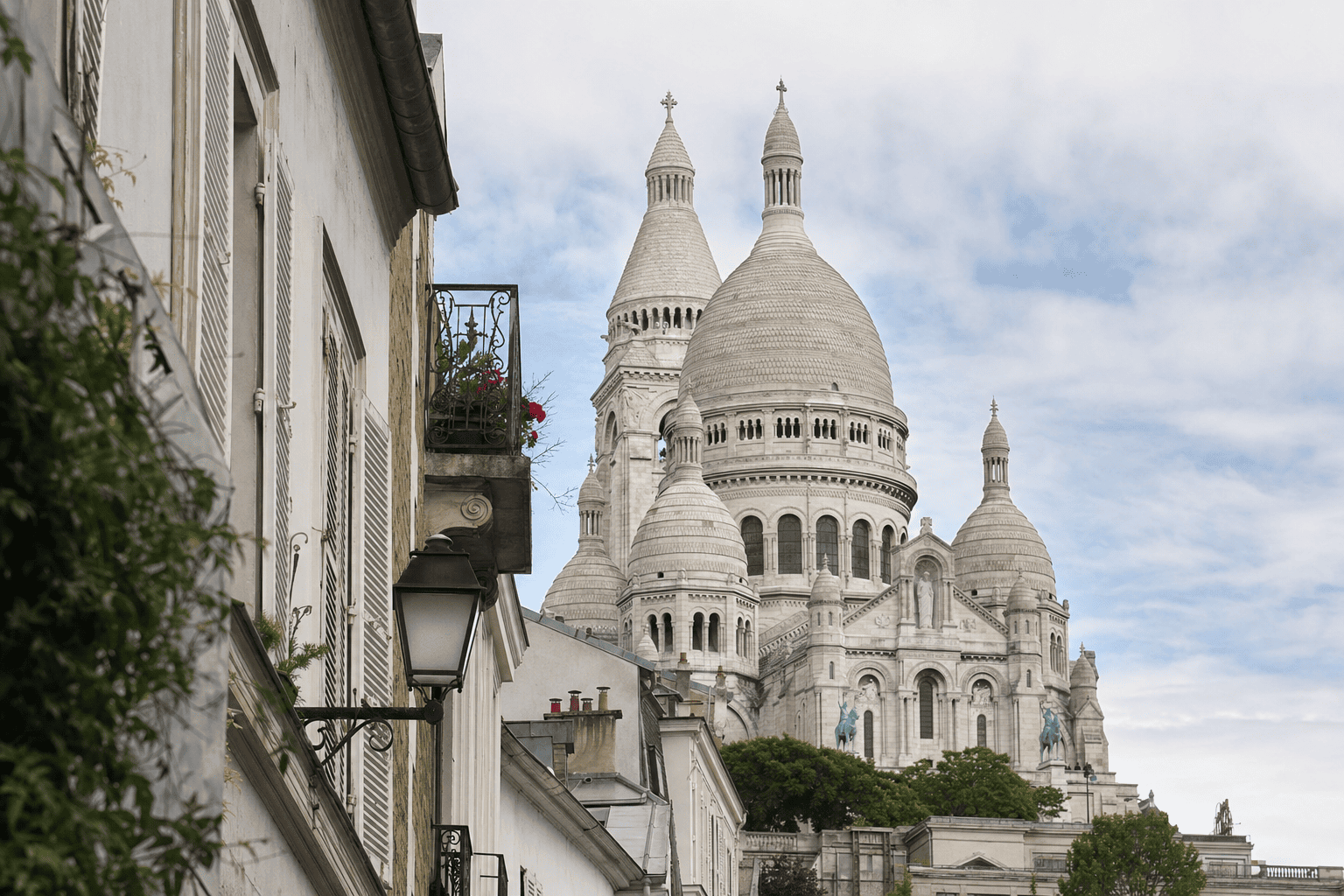
Sacré-Cœur Basilica overlooks the hill and is a visible landmark from many parts of the city. Its light-colored architecture, domes, and Roman-Byzantine influences contrast with Paris’s grand Gothic churches. From the forecourt and the steps of Square Louise-Michel, the view extends across much of the capital.
The visit is particularly suitable for first-time visitors to Paris, photography enthusiasts, and travelers interested in the city’s artistic history. To find a quieter atmosphere, take a few detours along the streets around Saint-Vincent and the northern slope of the hill.
Recommended route from Abbesses to the basilica
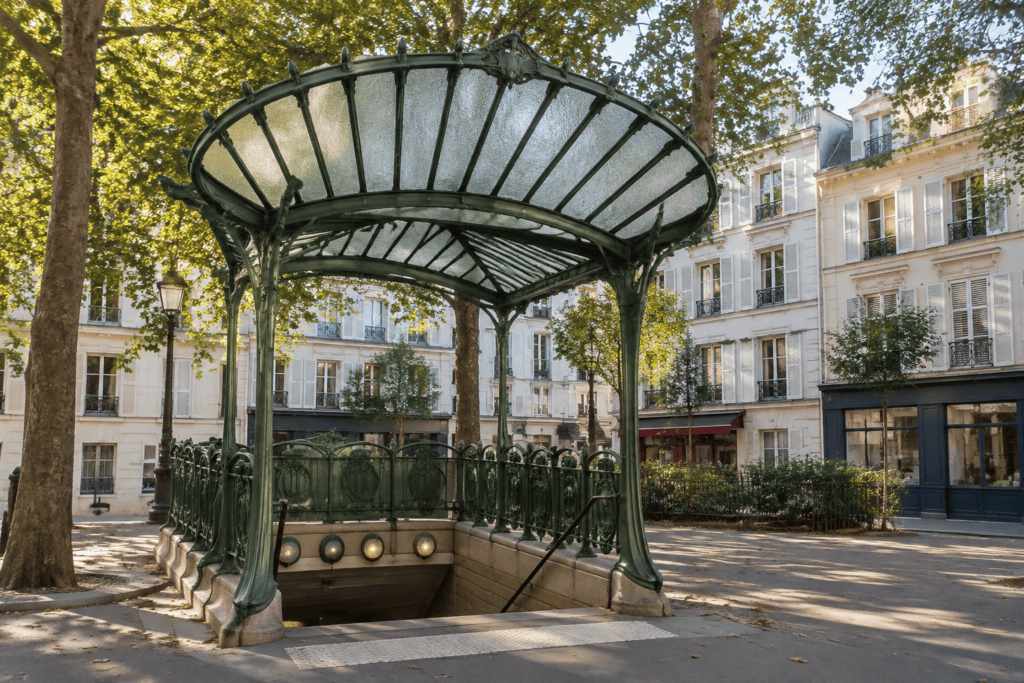
Start near Place des Abbesses, easily recognized by its Art Nouveau-style metro entrance. You can then head to the Wall of Love, located in Square Jehan-Rictus, before continuing toward Place Émile-Goudeau and Rue Ravignan.
Depending on your energy level, take Rue des Abbesses, Rue Lepic, or quieter streets toward Place du Tertre. Rue de l’Abreuvoir and Rue des Saules offer several highly photographed views. La Maison Rose is a private business: photograph it from public space without blocking traffic or disturbing local residents.
After Place du Tertre, head toward Saint-Pierre de Montmartre Church and then to the forecourt of Sacré-Cœur. The steps of Square Louise-Michel allow you to descend gradually while enjoying several views of the basilica and Paris.
Place du Tertre and the artists’ tradition
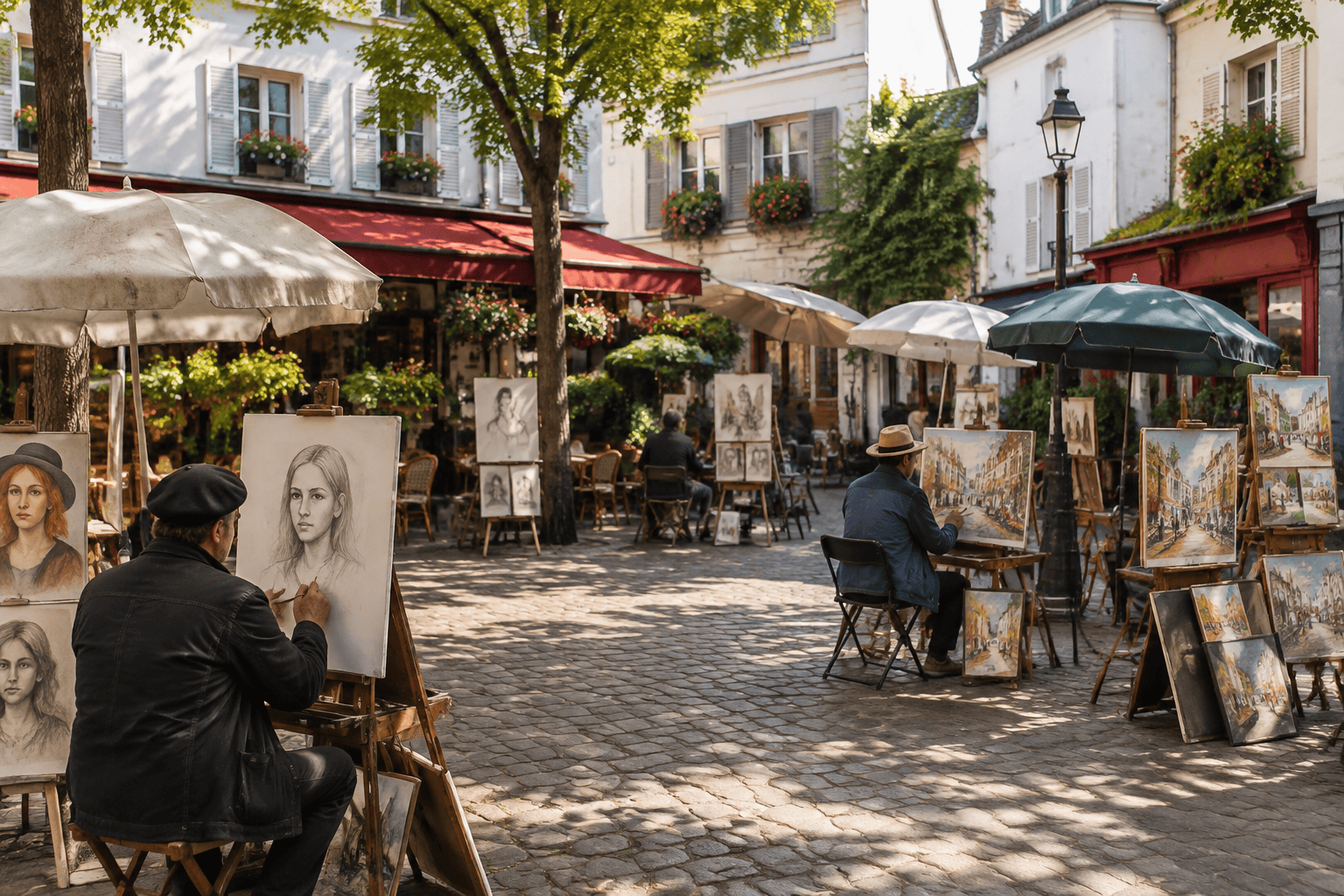
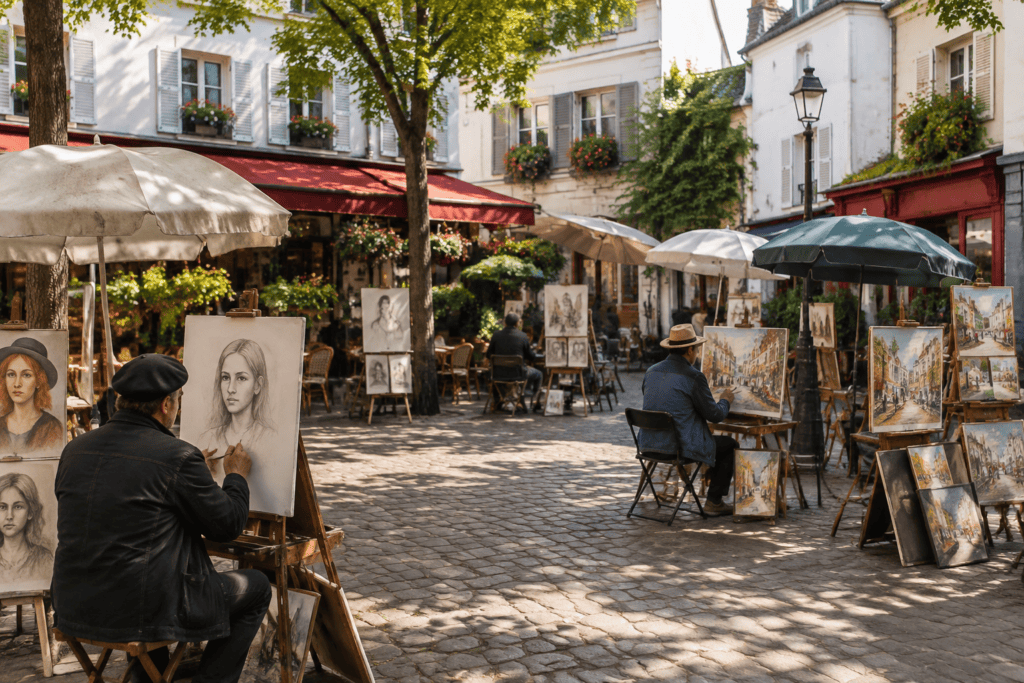
Place du Tertre is the liveliest center of tourist Montmartre. It is associated with the painters, portrait artists, and caricaturists who work there in designated regulated spaces. Their presence continues the hill’s artistic legacy, which has long attracted painters, writers, and musicians.
Take in the low façades, signs, terraces, and streets leading away from the square. Nearby Saint-Pierre de Montmartre Church offers a quieter stop when its opening conditions allow. For exact dates and arrangements, check information from the parish or the City of Paris.
If you would like a portrait, ask about the price, format, turnaround time, and delivery terms before the artist begins. These independent services do not necessarily have a single standard price. The restaurants on the square are convenient, but nearby streets may offer a setting less exposed to the crowds.
Visiting Sacré-Cœur Basilica
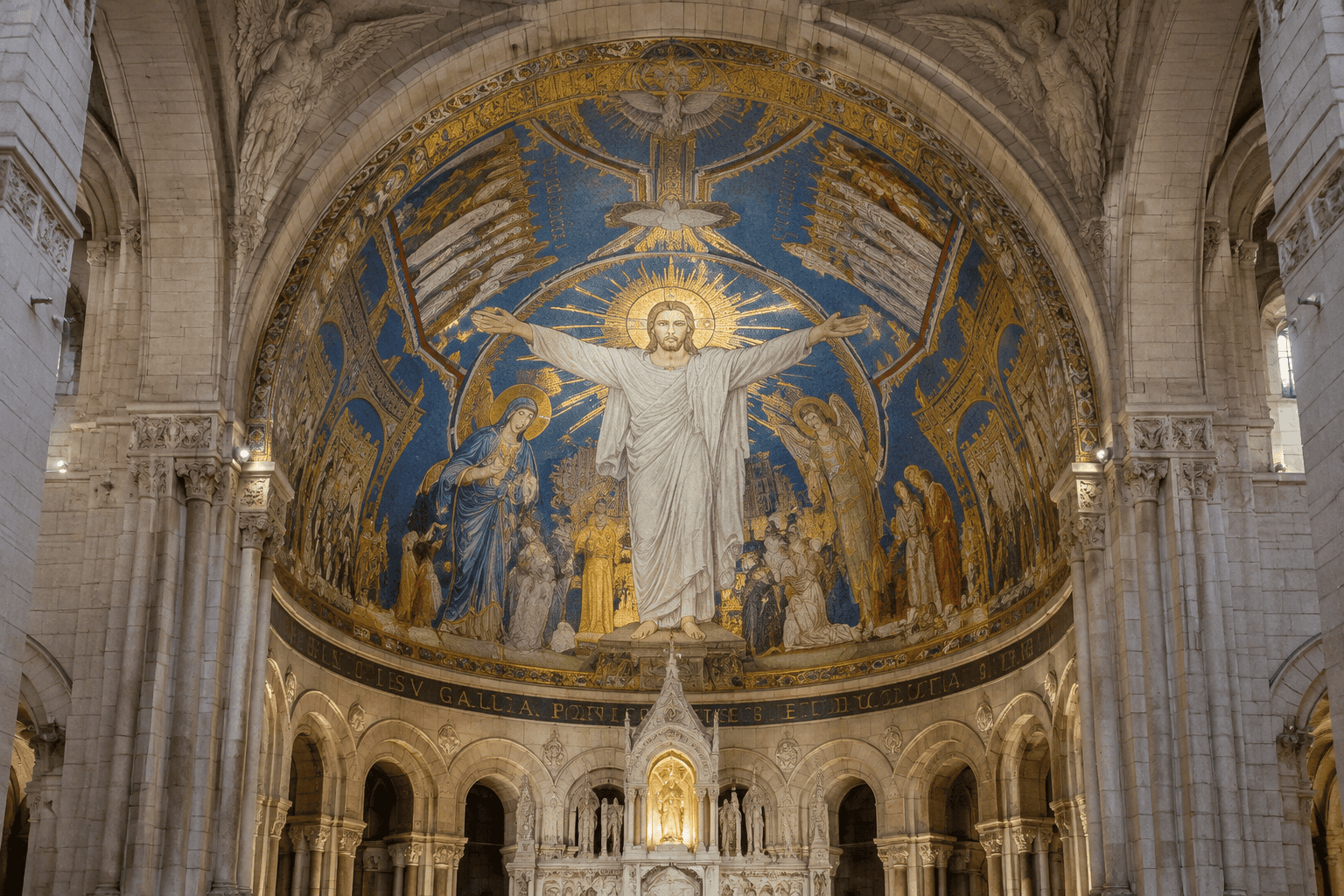
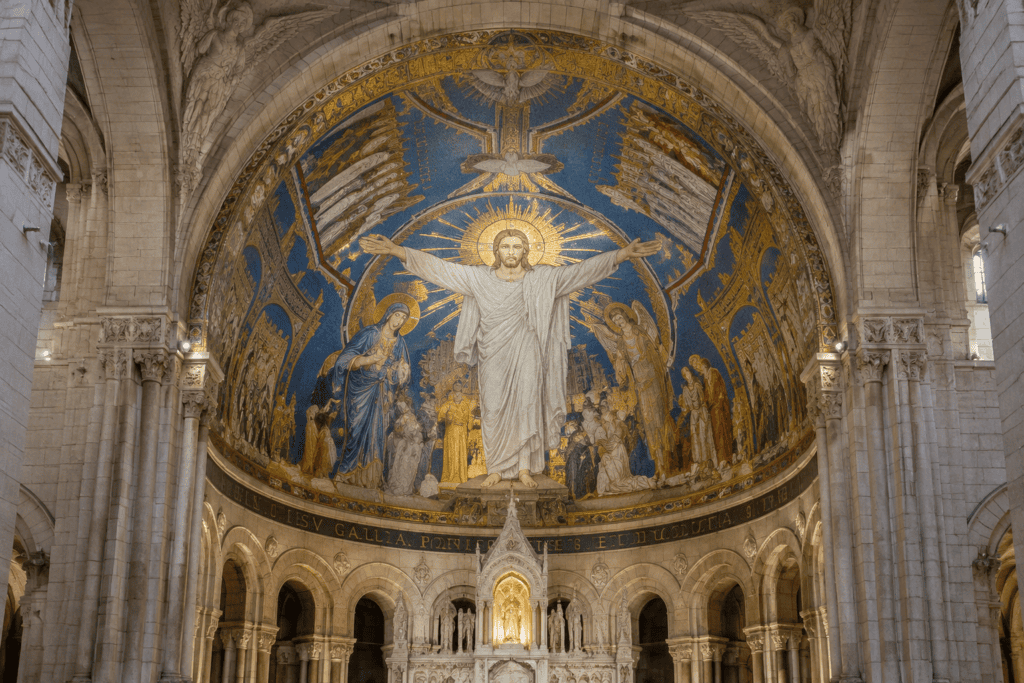
Sacré-Cœur Basilica is a religious building still used for worship. Inside, the atmosphere is quieter than outside, and visitors must respect services, prayer, and posted instructions. The chancel mosaic is one of the sanctuary’s notable features.
The official website states that admission to the basilica is free. Bag checks or a wait may be organized depending on visitor numbers and circumstances. Rules regarding photography, attire, and behavior should be checked on site and followed.
The dome and other areas open to the public may have conditions different from those of the sanctuary. Before your visit, check the official website for updated hours, available access, and any restrictions related to services or construction work.
Panoramic views of Paris from the hill
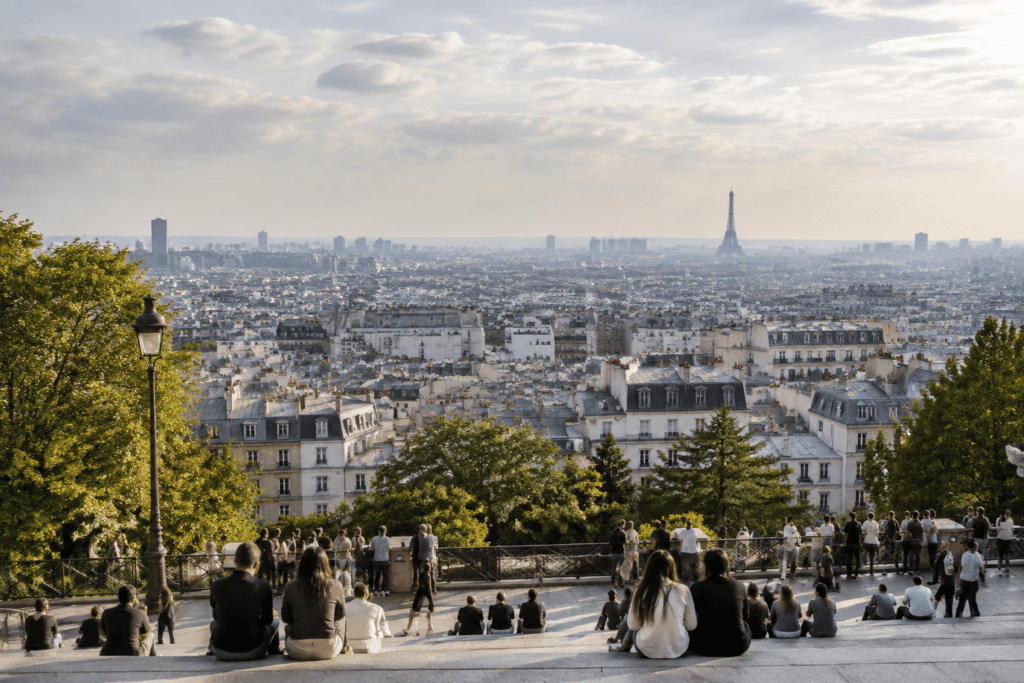
The Sacré-Cœur forecourt and the steps of Square Louise-Michel offer wide-open views over Paris’s rooftops. This is a public space, and no special ticket is required to enjoy the panorama from the steps. The view varies according to your elevation, the weather, and the light.
On a clear day, you can identify several Paris landmarks, including the Eiffel Tower, the dome of Les Invalides, and Montparnasse Tower. Visibility is never guaranteed, however: haze, clouds, and pollution can significantly alter the landscape.
Mornings are often more comfortable for taking photos without too many people around. At sunset, the light can be stunning, but the steps are busier. Do not sit in passageways, and remain attentive to other visitors, especially when traveling with children.
What to see around Montmartre
The Musée de Montmartre explores the artistic and residential history of the hill and has gardens that make for a pleasant break. Espace Dalí offers an experience devoted to the artist and Surrealism. These venues have their own prices, hours, and access conditions: check their official websites directly before adding them to your itinerary.
Nearby, Rue des Saules leads toward Clos Montmartre and the Au Lapin Agile cabaret. The vineyards and some establishments are not freely accessible at all times; admire them from authorized areas and check visiting options before you go.
Heading south, Rue Lepic, Moulin de la Galette, Abbesses, and Pigalle let you extend your walk. Moulin Rouge is a separate outing, generally planned for the evening. It is better to choose a theme or area than to try to cover the entire hill in one walk.
Practical tips for a successful half-day
The distance between Abbesses, Place du Tertre, and Sacré-Cœur looks short on a map, but stairs, detours, and photo stops quickly lengthen the visit. Allow extra time and identify your priority places before setting out.
Cobblestones can be slippery after rain, and the slopes can be tiring. Comfortable shoes, water, and a fully charged phone battery are useful. If you are traveling with a stroller or someone with reduced mobility, plan a specific route: some sections include stairs or uneven surfaces.
The Montmartre funicular can reduce part of the climb, but its operation and network conditions may change. Check the service status with official transportation operators. From Paris, Booking Paris Transfer can arrange a private transfer to a point suited to your walk, from a hotel or airports CDG and ORY, with a return to Paris according to your itinerary. The service covers transportation only.
Useful sources
Frequently Asked Questions
Is admission to Sacré-Cœur Basilica free?
How long does it take to visit Montmartre?
What is the best time to see the panorama?
Is Montmartre suitable for strollers and wheelchairs?
Do you have to pay for a portrait at Place du Tertre?
Can you book a private transfer to Montmartre?
 What to Do in Paris in 3 Days A practical itinerary for discovering Paris in three days, including must-see monuments, neighborhoods to…
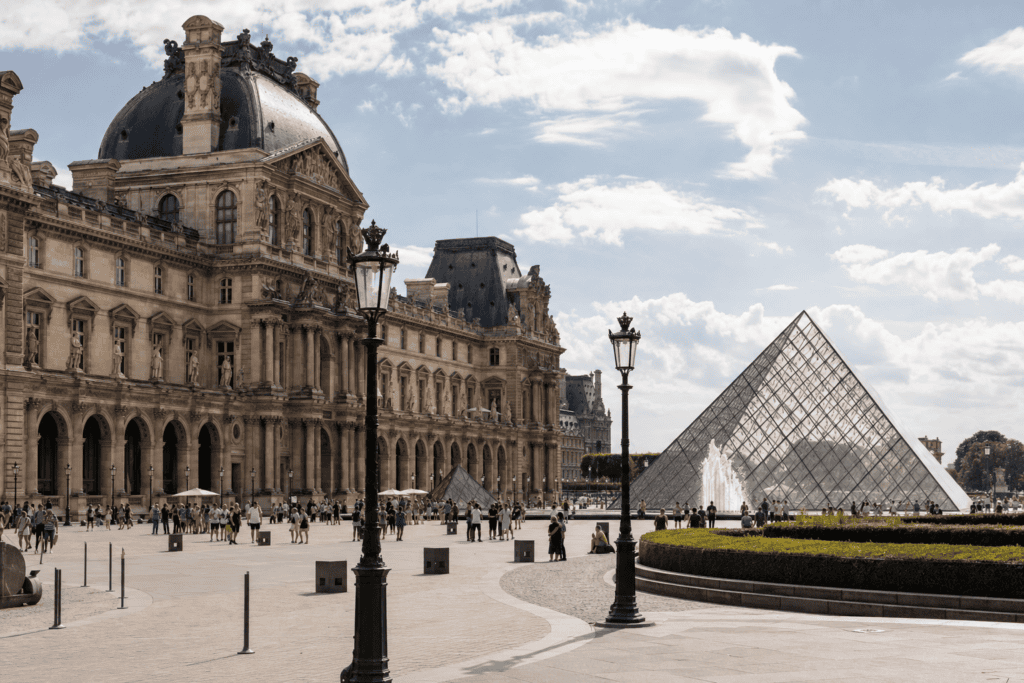 Louvre Museum An essential Paris itinerary featuring the Mona Lisa, antiquities, major European paintings, and the décor of a former palace…
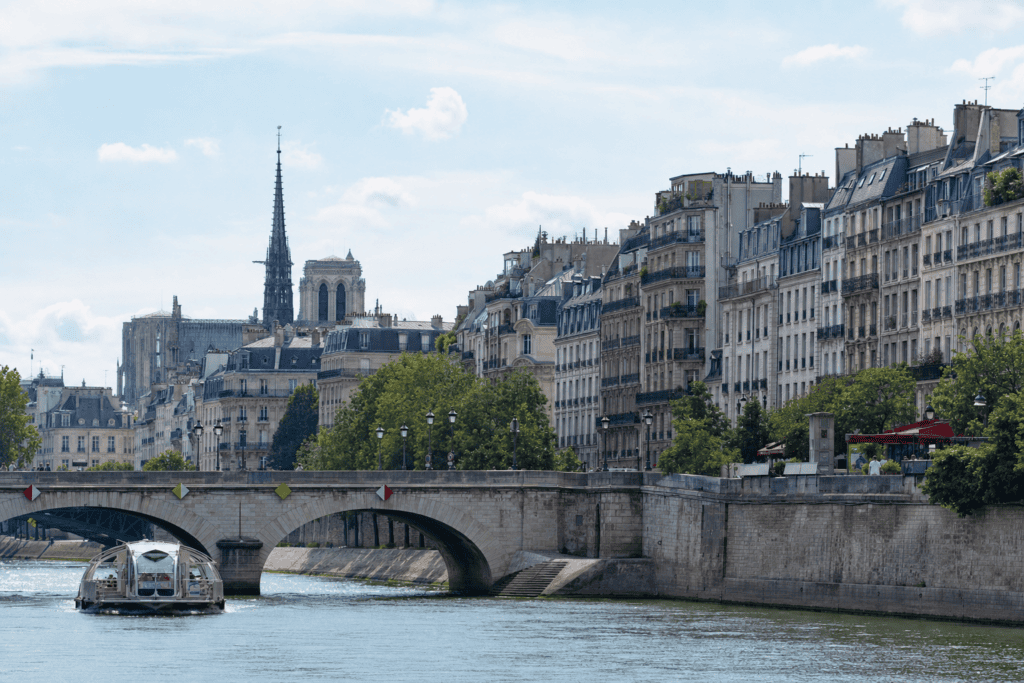
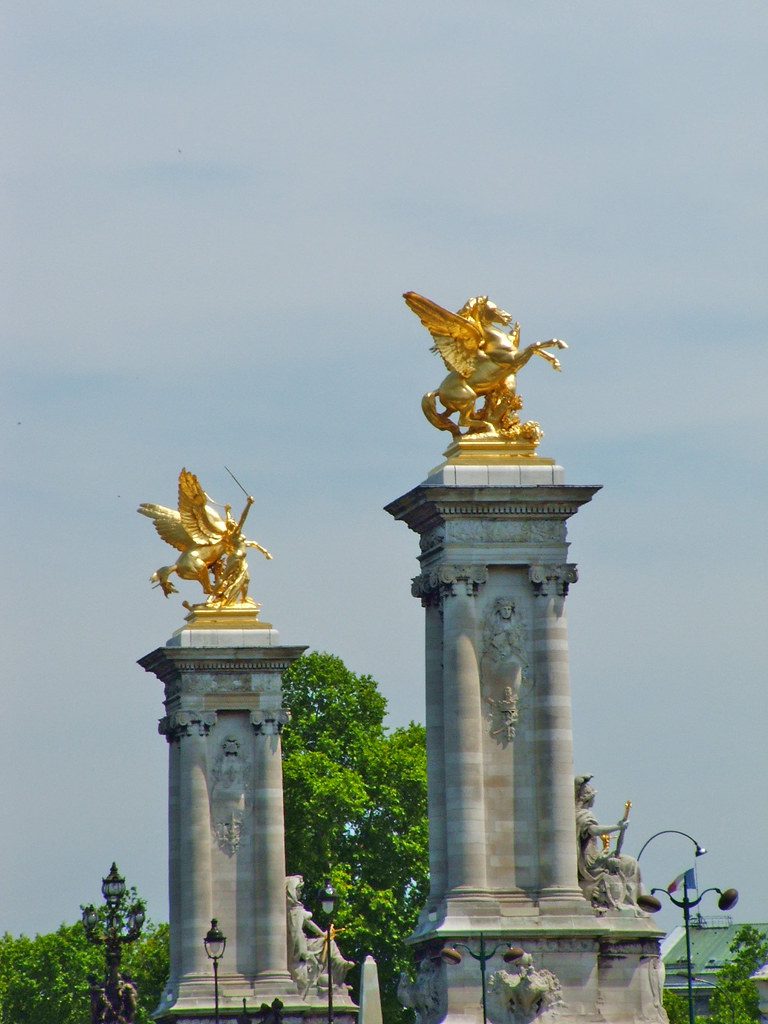 Seine River Cruise Discover Paris’s quays, bridges, and major monuments from the Seine during a…
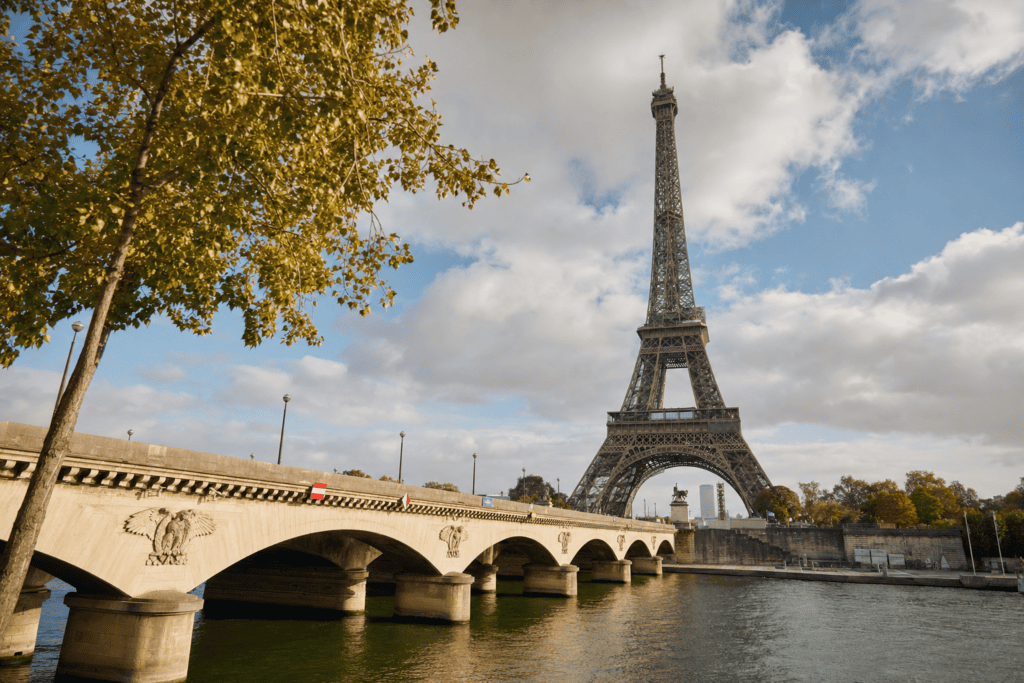 Eiffel Tower Visit the Eiffel Tower with a practical guide to the ascent, panoramic views, access, and the best…
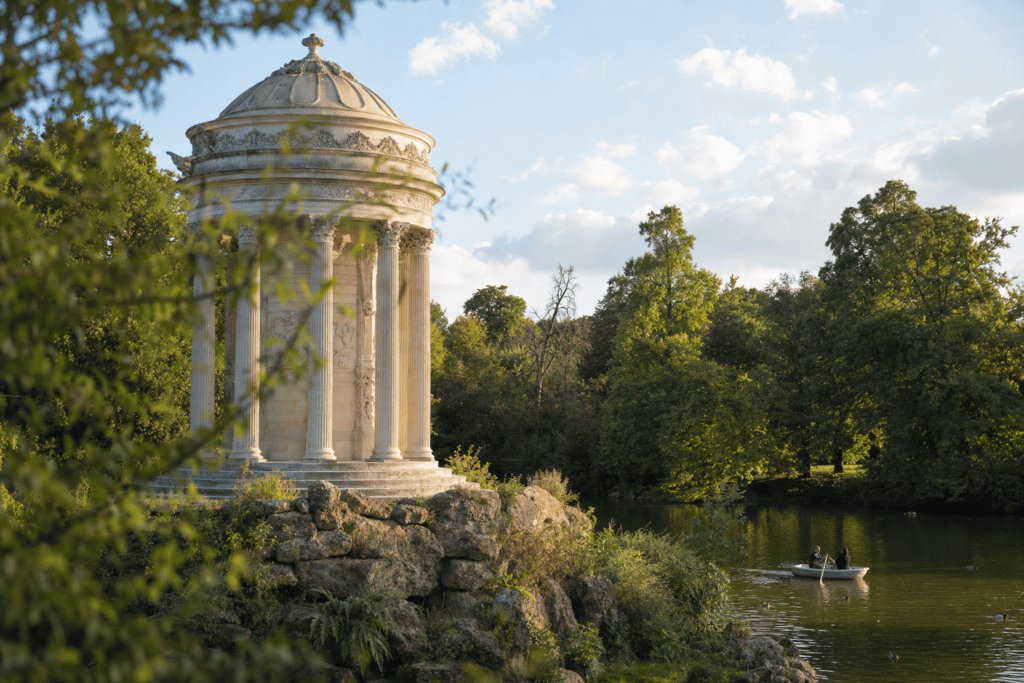 Bois de Boulogne A vast green space west of Paris, ideal for walking, cycling, exploring gardens, and…
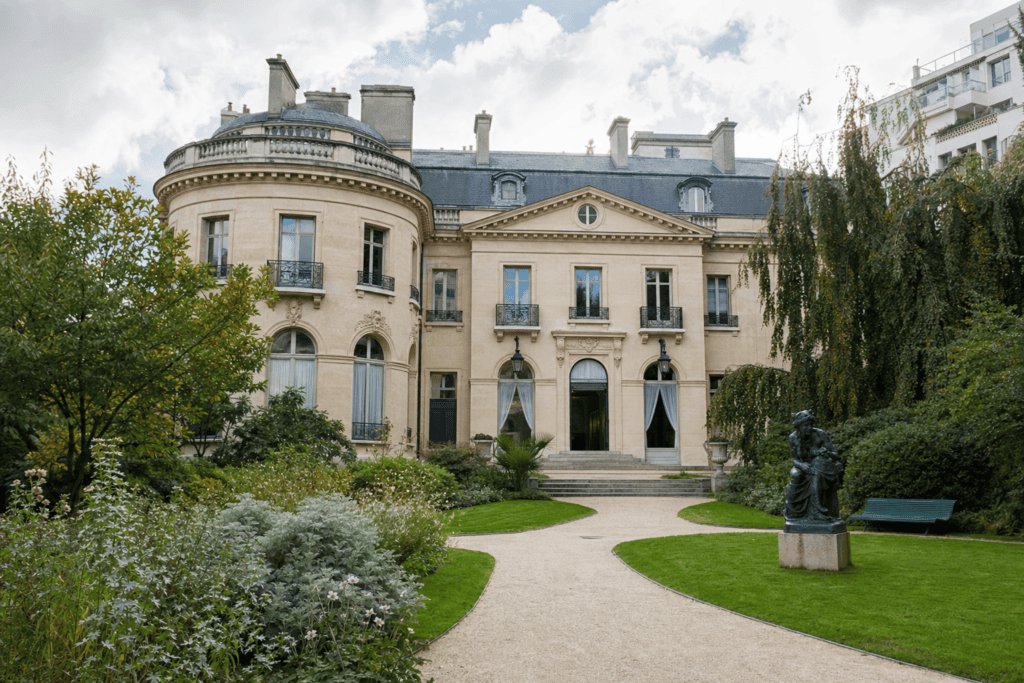 Musée Marmottan Monet A remarkable collection of Monet and Berthe Morisot in the elegant setting of a former mansion…
Book online · Paris → Place du Tertre and the forecourt of Sacré-Cœur Basilica, 75018 Paris
Choose your pickup date and time
Your departure and arrival details are already pre-filled. You can adjust them in the fare calculator before viewing the vehicles and fare.