



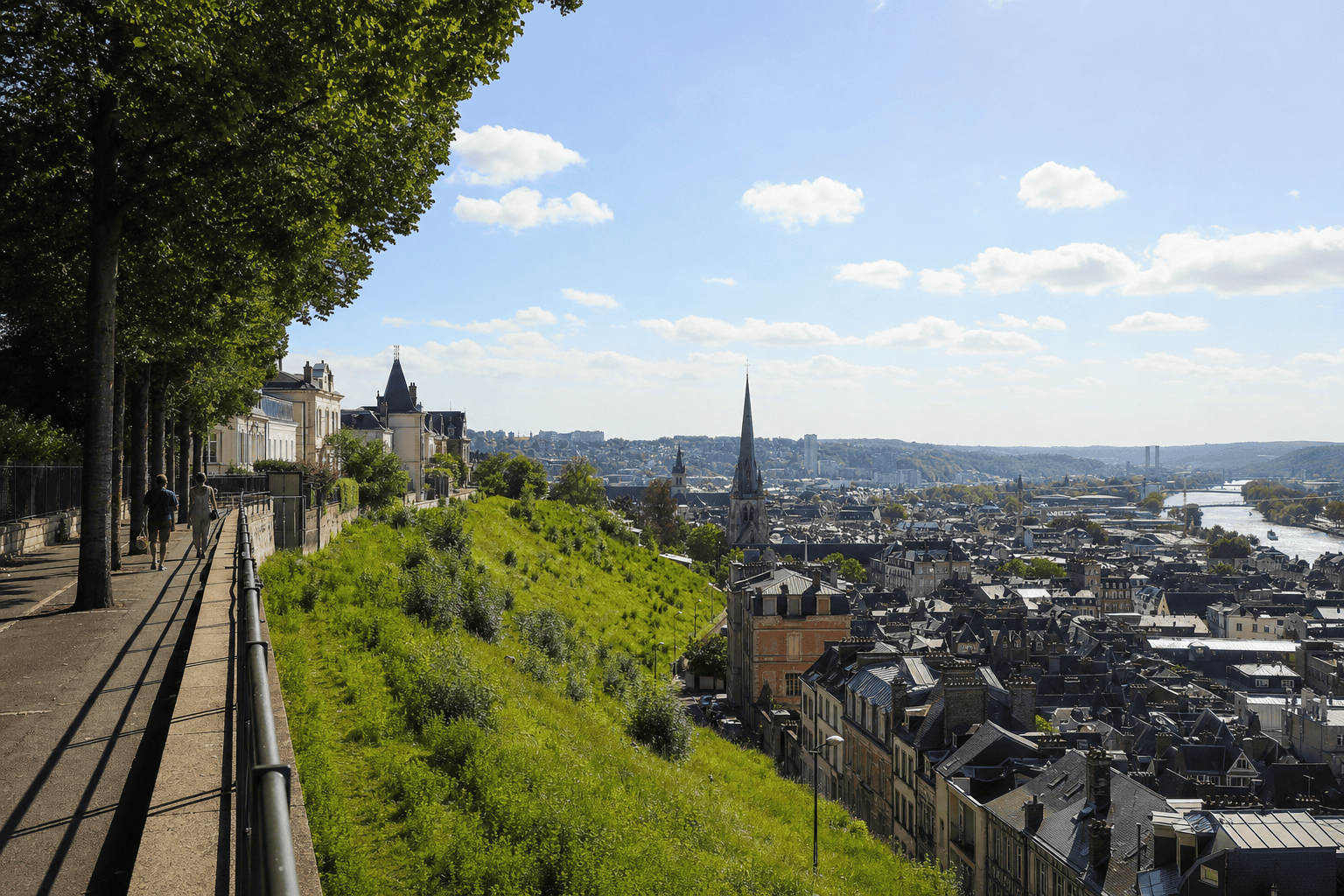
Panorama from Côte Sainte-Catherine in Rouen
Rouen
High above Rouen, the panorama from Côte Sainte-Catherine offers a spectacular view of the city, the Seine, and its many church spires. The viewpoint is especially popular at the end of the day, when the light falls across the rooftops of the historic center and the river’s meanders. The climb takes some effort, but it leads to a natural, historic, and artistic site intimately connected with Rouen.
Practical information
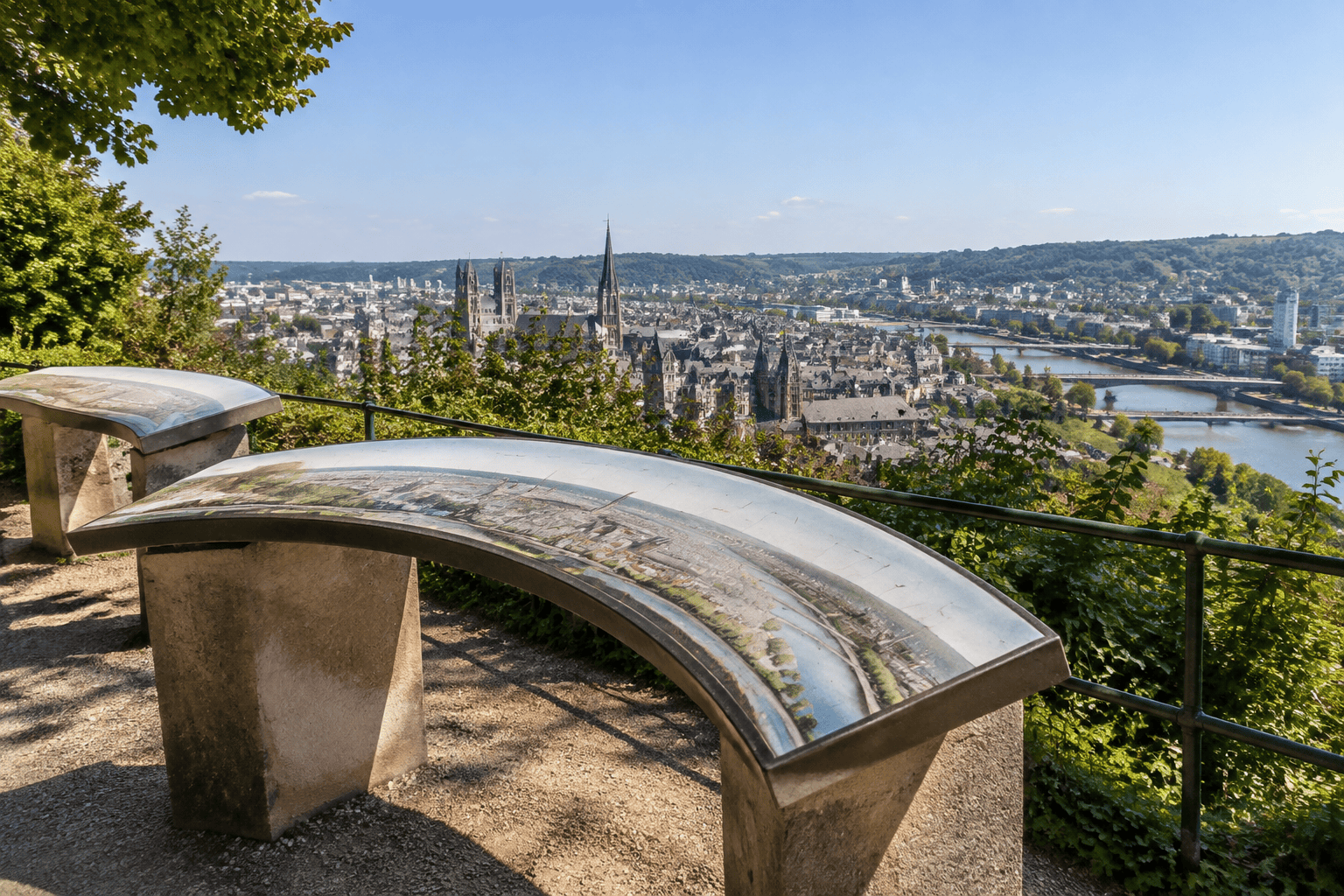
Wear comfortable shoes, bring water, and take a small flashlight if you plan to come back down after sunset. Orientation tables help identify the visible landmarks.
Getting to Rouen from Paris with your driver
To include the panorama from Côte Sainte-Catherine in a Normandy excursion, Booking Paris Transfer can arrange transportation from Paris, a Paris hotel, CDG, or ORY to Rouen, with a return to Paris depending on your itinerary. Transportation does not include an admission ticket or an independent local service based in Rouen, so you remain free to plan your walk and visits on site.
Pickup is available from Paris, the Île-de-France region, CDG, or ORY, with a return to Paris or a customized itinerary departing from Paris.
Panoramic views of Rouen and the Seine
The panorama from Côte Sainte-Catherine is one of the best places to understand Rouen’s geography. From the heights, you can take in the Seine Valley, the tightly packed rooftops of the old town, and the vertical silhouettes of religious buildings. Notre-Dame Cathedral naturally draws the eye, but it is not alone: depending on the direction and the light, several of Rouen’s church spires stand out across the urban landscape.
The viewpoint is located on Sainte-Catherine Hill, which reaches an elevation of about 140 meters. This elevated position gives the view a distinctive depth: the city seems to stretch between the hillsides, while the river shapes the landscape and recalls Rouen’s historic importance as a river port. On clear days, the contrasts between the old neighborhoods, more contemporary areas, and the wooded upper slopes are especially sharp.
To fully enjoy the site, take time to slowly scan the horizon rather than limiting yourself to a single photograph. The orientation tables make it easier to interpret the panorama and identify the areas of Sotteville, Darnétal, and both banks of the city. The view also changes quickly with the clouds, making each visit slightly different.
A climb that is part of the experience
Côte Sainte-Catherine is not a viewpoint you can reach without effort if you choose the traditional walking route. From Rue Henri-Rivière, near Mont-Gargan Cemetery, the official route leads to the panorama via a climb of about 525 steps. The City of Rouen lists the full walk as approximately 2.8 kilometers, taking between 30 and 45 minutes depending on your pace and stops.
These figures should be treated as guidelines: the actual duration depends on your fitness, the weather, and how much time you spend taking in the landscape. The steps may be more demanding for young children, people with walking difficulties, or visitors who want to save energy for the rest of their day.
Wear sturdy shoes, especially after rain, and avoid turning the climb into a race. Several short breaks allow you to recover while gradually discovering the view. If you arrive by public transportation, check the routes and stops currently served by Rouen’s transit network, as itineraries may change. The City specifically mentions access via the Saint-Paul stop, depending on the routes listed on its dedicated page.
Claude Monet’s connection to Rouen
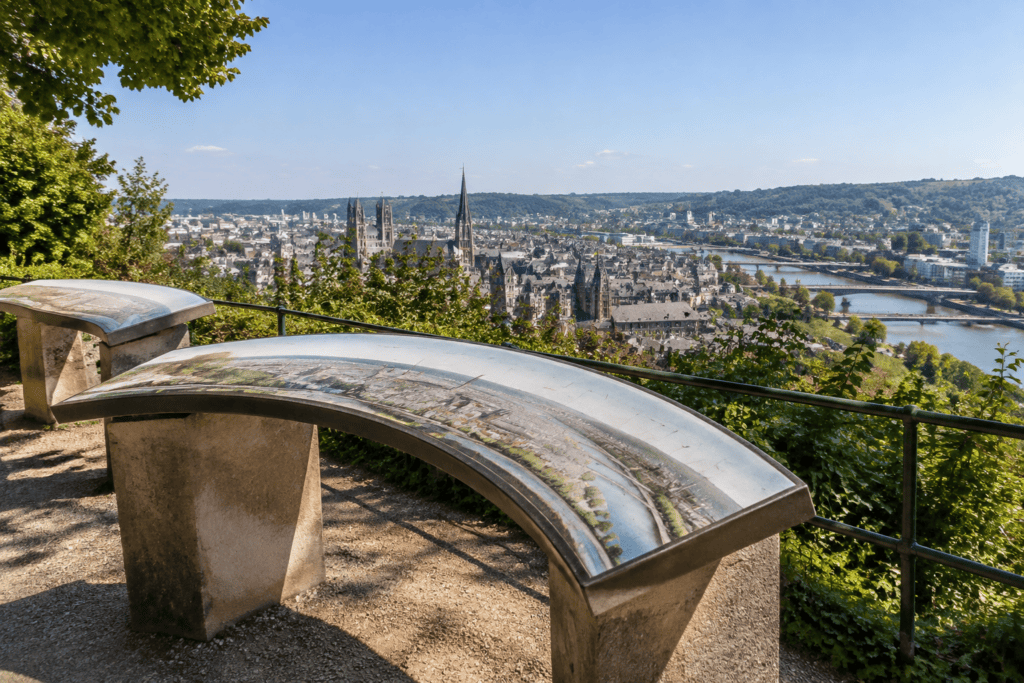
Côte Sainte-Catherine is also an important place for understanding the connection between Rouen and Impressionism. Claude Monet set up his easel there and painted in 1892 General View of Rouen, a work now held at the Musée des Beaux-Arts de Rouen. The choice of location is hardly surprising: from the hill, the city appears as a clearly defined composition, with the cathedral, church spires, rooftops, and valley forming several successive layers.
To recapture this sensibility, focus less on individual monuments than on atmospheric effects. A light mist can soften the outlines, while an evening sky brings out the lines of the rooftops. The Seine sometimes becomes a luminous band, and the façades of the historic center take on golden or rosy hues.
The panorama obviously does not replace a visit to the museum, but it provides a tangible context for Monet’s work. After the climb, you can continue your exploration by descending toward the center and spending some time with the Musée des Beaux-Arts’ Impressionist collections. Check the museum’s hours, temporary exhibitions, and visitor information directly with the museum before you go.
The best time to admire the sunset
Côte Sainte-Catherine is especially well known for sunsets over Rouen. Late afternoon often brings slanting light that reveals the contours of the valley and transforms the silhouettes of the church spires. As the sky changes color, the panorama becomes almost theatrical: the monuments of the historic center stand out against a shifting backdrop while the first city lights gradually appear.
For photography, arrive early enough to choose your spot and let your eyes adjust to the light. A wide-angle lens works well for capturing the city as a whole, while a longer lens lets you frame the cathedral, a church spire, or a detail along the riverbank. A small tripod may be useful after sunset, as long as it does not inconvenience other visitors and you remain mindful of the terrain.
Sunset times vary considerably by season. Check a reliable weather source on the day of your visit and plan your descent accordingly. After dark, visibility along the path may be reduced. A personal flashlight and suitable shoes are therefore sensible precautions, without assuming that lighting or access will be the same year-round.
Nature, scenery, and family discovery
Sainte-Catherine Hill is not just a balcony overlooking Rouen; it is also a natural site best explored on foot. Slopes, wooded areas, and open spaces create a landscape very different from the streets downtown. This variety makes it possible to combine a cultural outing with time outdoors, especially when you want a break between visits to monuments.
With children, the climb can become a small adventure if you adjust the pace. Encourage them to spot the church spires, compare the visible neighborhoods, or look for changes in vegetation along the route. Once at the viewpoint, the orientation tables provide a simple way to understand the shape of the city. However, avoid approaching areas not intended for viewing and keep children under supervision.
The site occasionally hosts tours or activities focused on biodiversity, flora, and the natural heritage. Their schedules, registration requirements, and meeting points may change. Check with the City of Rouen or the tourist office before planning around a specific activity.
How to include the viewpoint in a day in Rouen
The panorama from Côte Sainte-Catherine is worth including in a broader day devoted to Rouen. One enjoyable option is to start in the historic center, visit the cathedral and old streets, then head up to the heights in the afternoon. This plan lets you save the sunset for the end of the day while leaving time for the Musée des Beaux-Arts, Saint-Ouen Abbey Church, or the Saint-Maclou neighborhood.
Another option is to visit the panorama first, when the weather is most favorable, then descend toward the Seine and the quays. The contrast between the sweeping view from the hill and the more intimate scale of the medieval streets is particularly appealing. You can also devote part of the day to places associated with Rouen’s Impressionist history, checking current opening hours and exhibitions.
The climb and descent take more time than a quick photo stop. Avoid scheduling too many activities far apart without allowing extra time. If you are coming from Paris, visiting Rouen can be part of a day trip, but plan an early departure and a return that fits your schedule. Travel times vary depending on your starting point and traffic conditions.
Practical Tips Before Your Visit
Before setting out, check the weather, trail conditions, and any municipal information about the site. The view is naturally more rewarding when the air is clear, but slightly misty days can also create a distinctly Impressionist atmosphere. In rainy weather, the steps and paths may become slippery, so prioritize caution over a fast climb.
The panorama is a place for walking and sightseeing, not a ticketed attraction. No admission ticket is required to view the city from the viewpoint, although occasional guided tours or activities may have their own requirements. Do not rely on outdated schedules or archived programs: for a dated activity, consult the corresponding official page and check whether registration is required.
Respect the site’s peaceful atmosphere, take your trash with you, and stay on the paths when requested. If you visit at sunset, bring an extra layer; the wind can be stronger at higher elevations. Finally, charge your phone before setting out, but do not let the search for the perfect photo make you forget the panorama itself, which is also best enjoyed screen-free.
Frequently Asked Questions
Where is the panorama from Côte Sainte-Catherine located?
How many steps are there to climb?
What is the best time to visit?
Can we visit with children?
Is the panorama connected to Claude Monet?
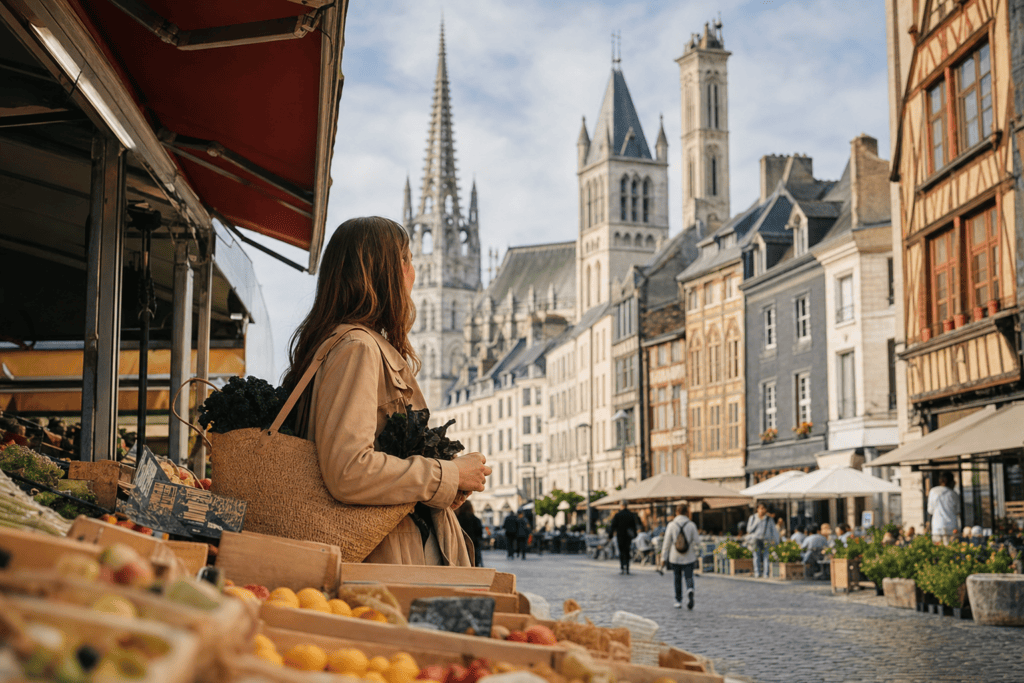 What to do in Rouen: a food-focused itinerary through markets and Norman specialties A food-focused route through Rouen, including Saint-Marc Market, Place du Vieux-Marché, Norman cheeses, apples, and sweet treats…
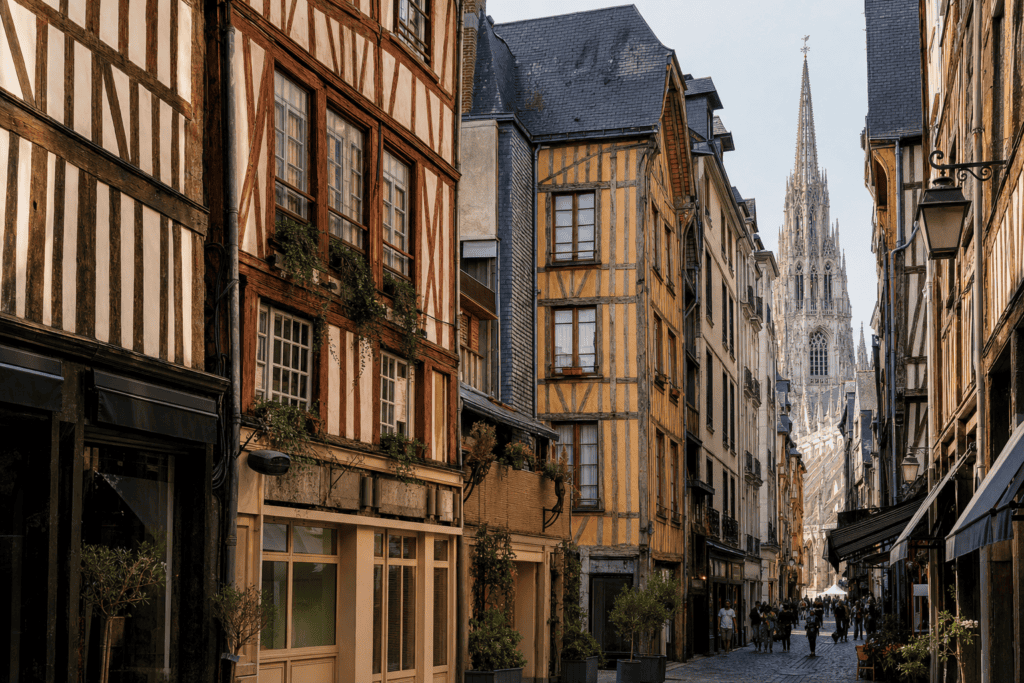 Rouen Historic Center and Half-Timbered House District A walking tour through the heart of Rouen, among the Gros-Horloge, half-timbered houses, squares…
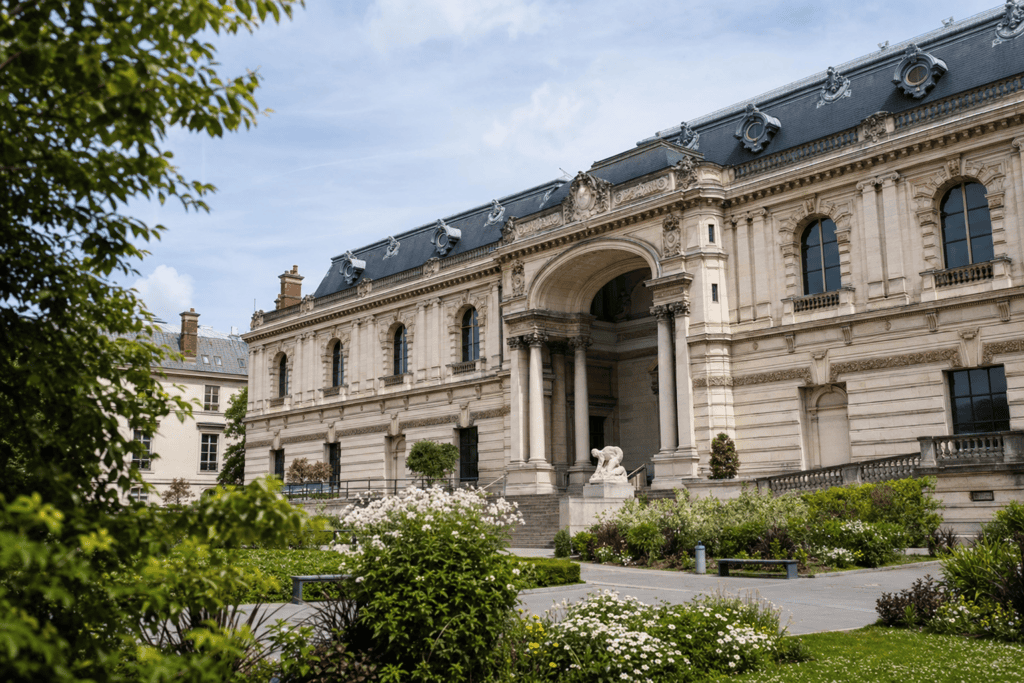 Rouen Fine Arts Museum A major museum in Normandy, from the Renaissance to modern art, featuring Poussin, Delacroix, Géricault, Monet…
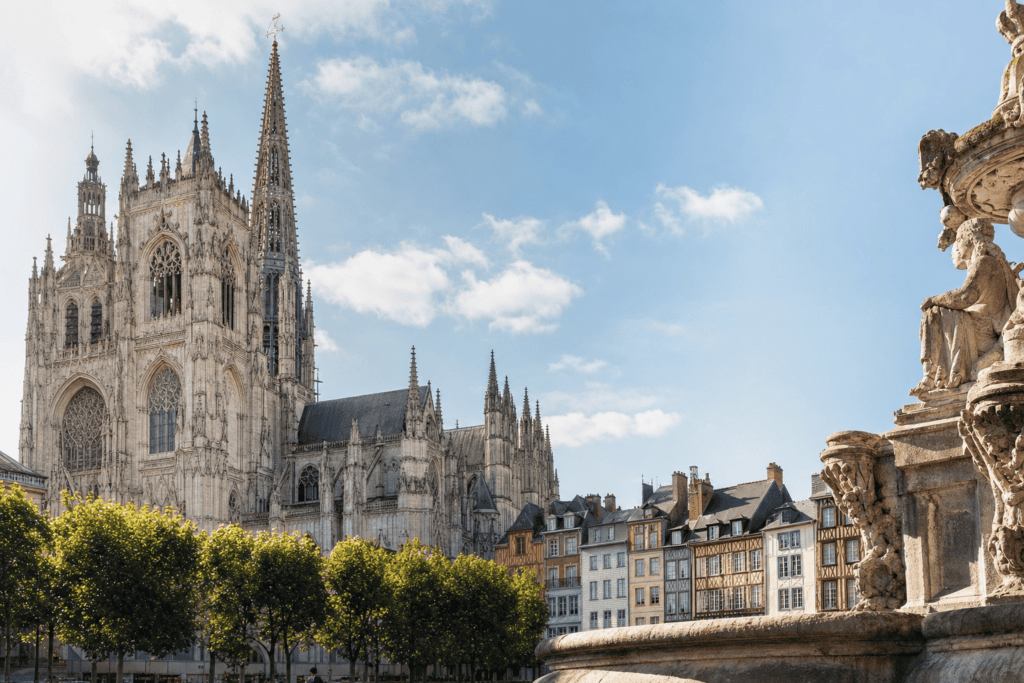 Notre-Dame Cathedral of Rouen A Gothic masterpiece in the heart of Rouen, famous for its façade, stained-glass windows and the series…
Online booking · Paris → Panorama from Côte Sainte-Catherine, Rouen, Seine-Maritime
Choose your pickup date and time
Your departure and arrival details are already pre-filled. You can adjust them in the fare calculator before viewing the vehicles and fare.