



Heritage in Normandy · Normandy
Visiting Rouen: Heritage, History, and the French Art of Living
Visiting Rouen means exploring a city where centuries overlap with remarkable density. Around Notre-Dame Cathedral, half-timbered houses, Gothic churches, museums, and sites associated with Joan of Arc create an exceptionally rich historic center, ideal for a cultural getaway from Paris.
Explore Rouen
Rouen’s must-see attractions
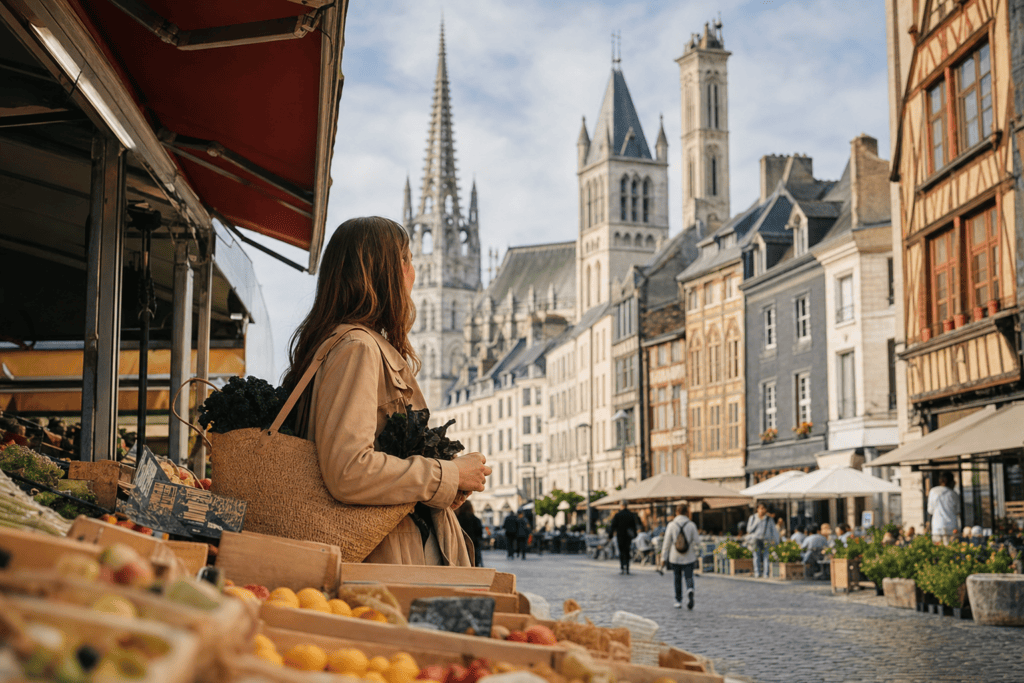 Gastronomy
What to do in Rouen: a food-focused itinerary through markets and Norman specialties
A gourmet route through Rouen featuring Saint-Marc Market, Place du Vieux-Marché, Norman cheeses, apples, and sweet treats from the city center.
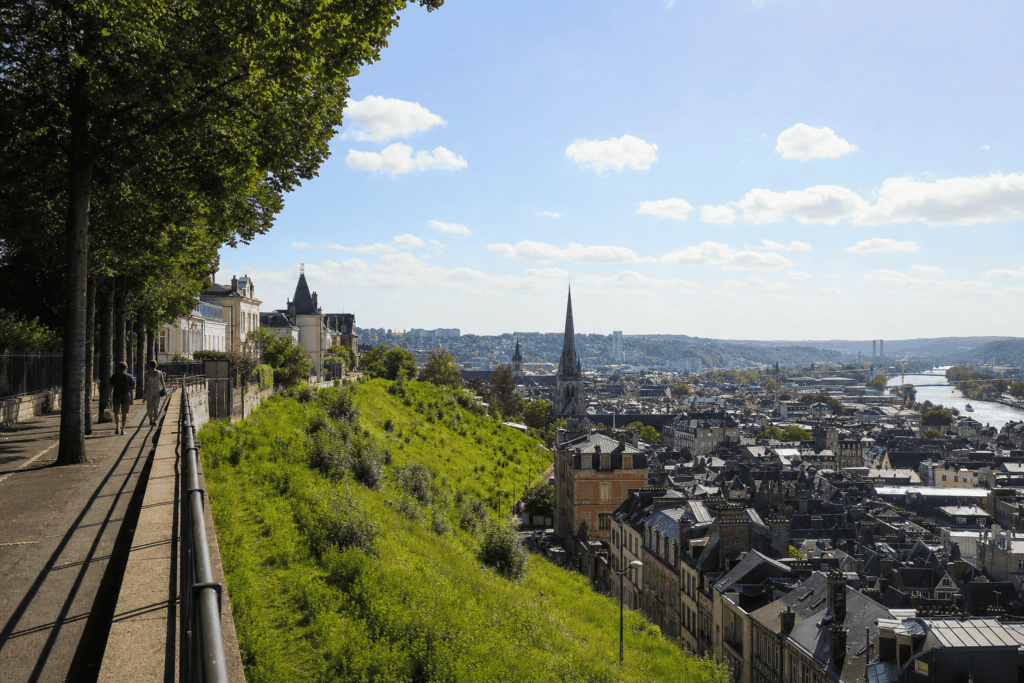 Viewpoints
Panorama of Sainte-Catherine Hill
An iconic viewpoint in Rouen, offering remarkable views over the Seine, the cathedral, and the city’s bell towers…
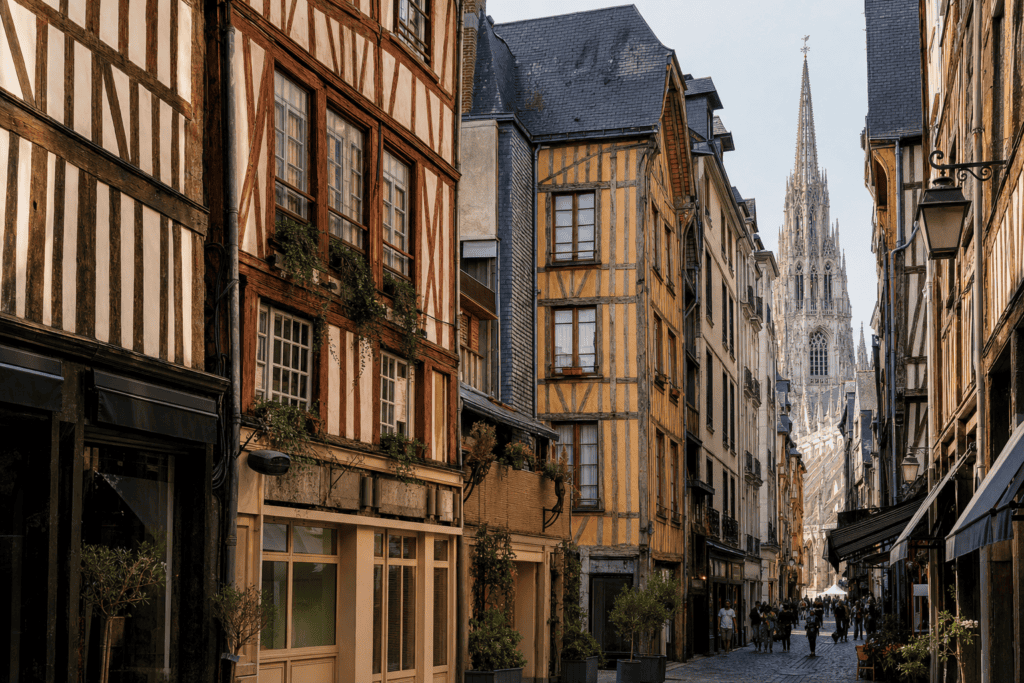 Must-see
Rouen Historic Center and Half-Timbered House District
A walking tour through the heart of Rouen, among the Gros-Horloge, half-timbered houses, historic squares, and…
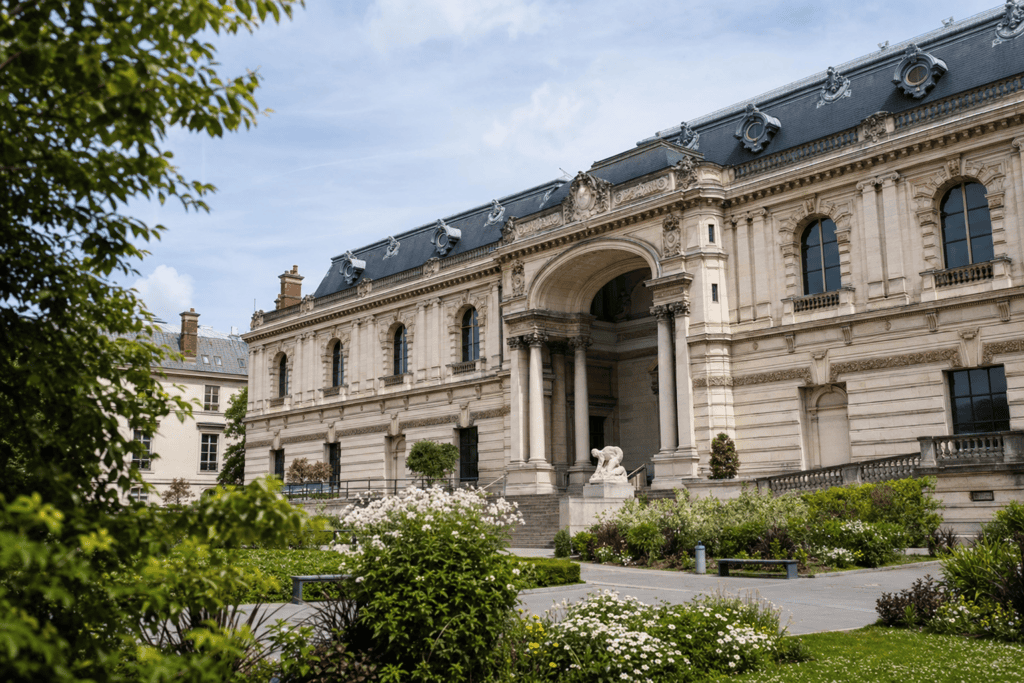 Must-see
Rouen Fine Arts Museum
A major museum in Normandy, spanning the Renaissance to modern art, with works by Poussin, Delacroix, Géricault, Monet, and Renoir.
 Must-see
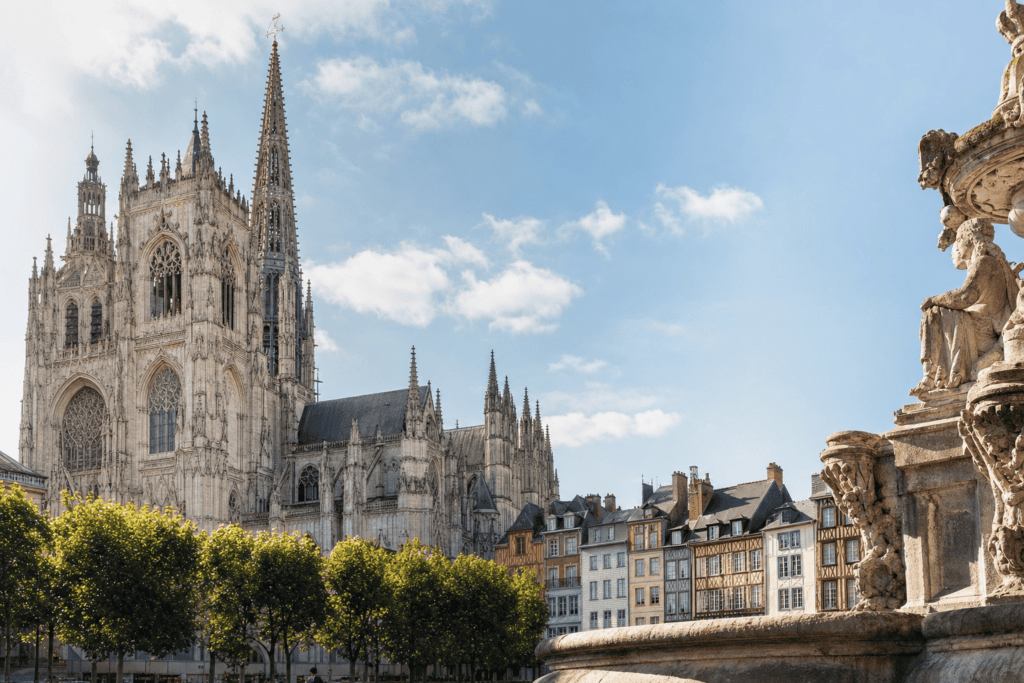
Notre-Dame Cathedral of Rouen
A Gothic masterpiece in the heart of Rouen, famous for its façade, stained-glass windows, and series of paintings…
Other destinations to discover
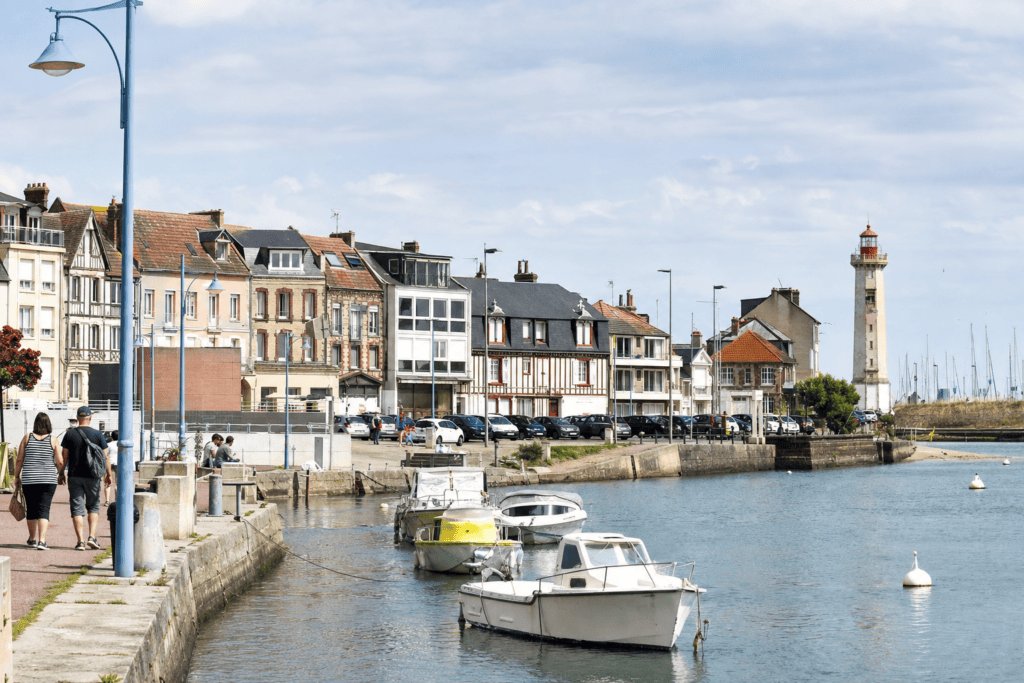
Ouistreham
Discover Riva-Bella Beach, Sword Beach, the Grand Bunker, the harbor and D-Day sites…
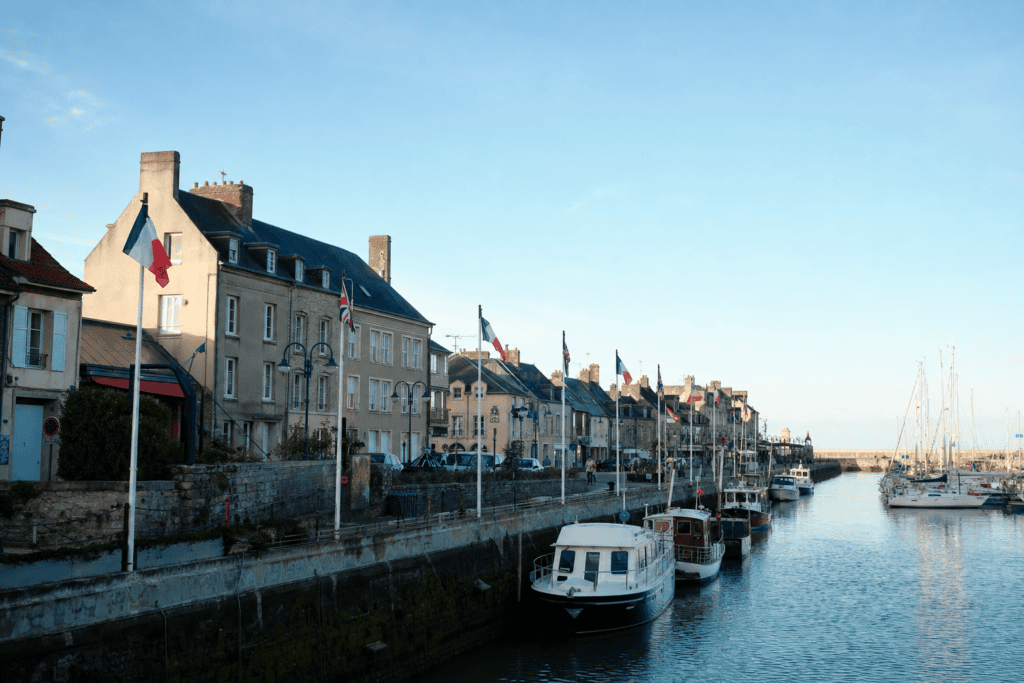
Courseulles-sur-Mer
A Côte de Nacre resort with beaches, a harbor, seafood and Canadian heritage…
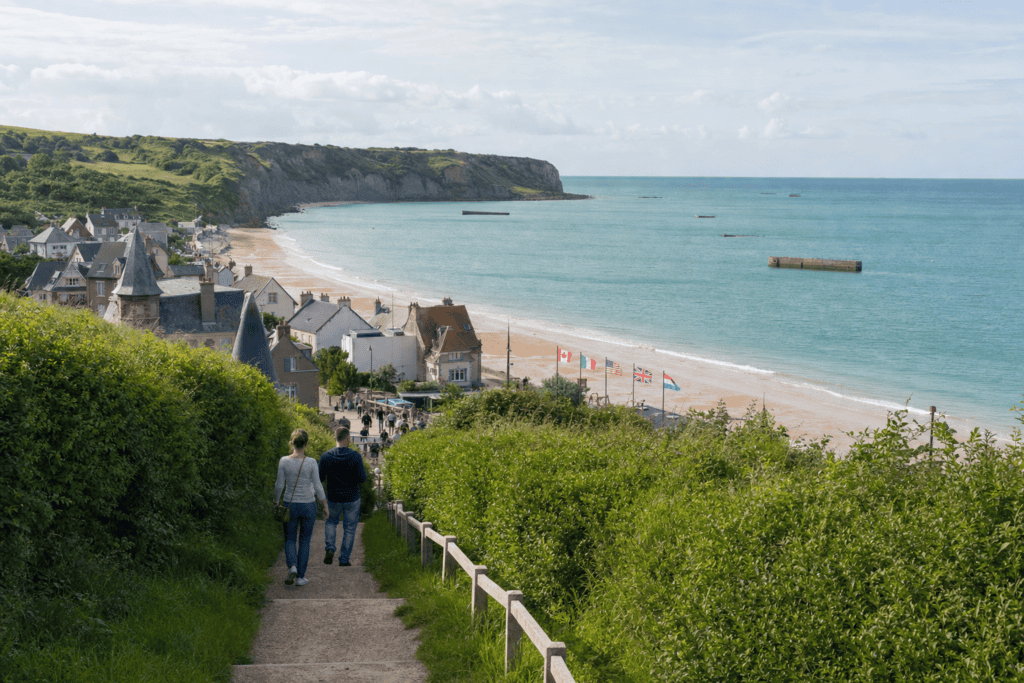
Arromanches-les-Bains
A major D-Day site featuring Mulberry B harbor, Gold Beach, a museum, and remembrance routes from Bayeux.
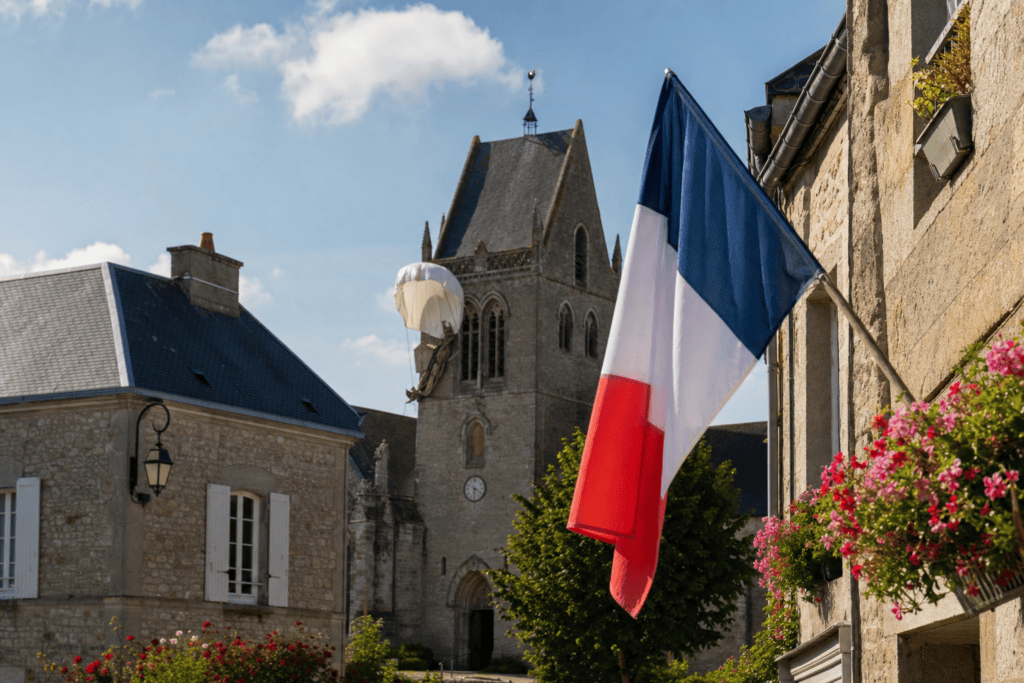
Sainte-Mère-Église
Discover the Airborne Museum, John Steele’s church, La Fière, and Utah Beach from Sainte-Mère-Église.
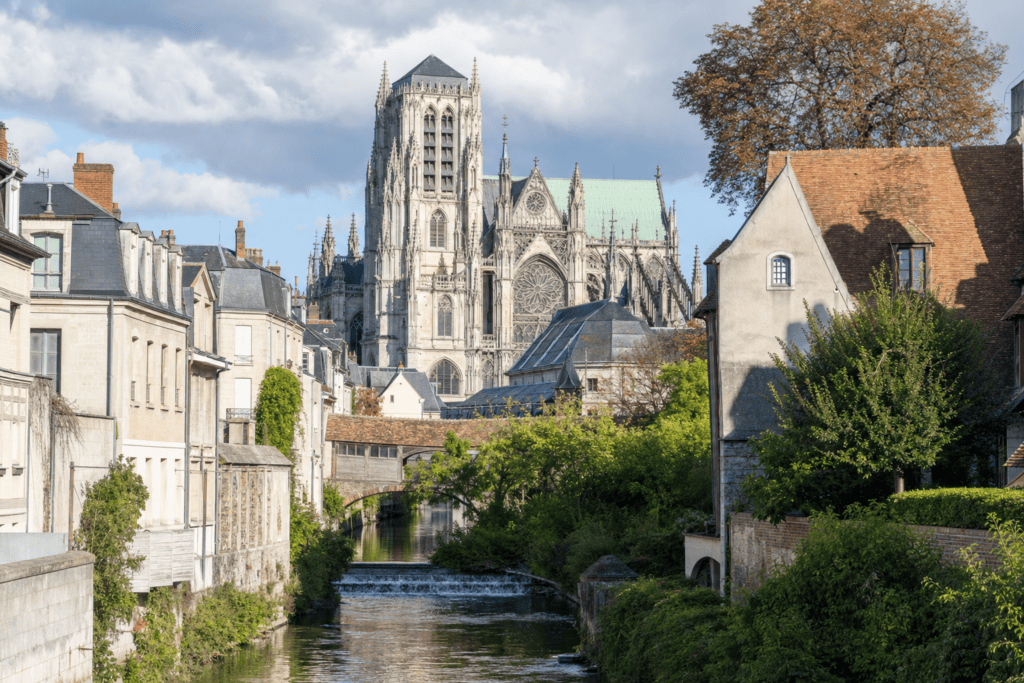
Évreux
A charming Norman town where the cathedral, belfry, museum and banks of the Iton make for a rich and…
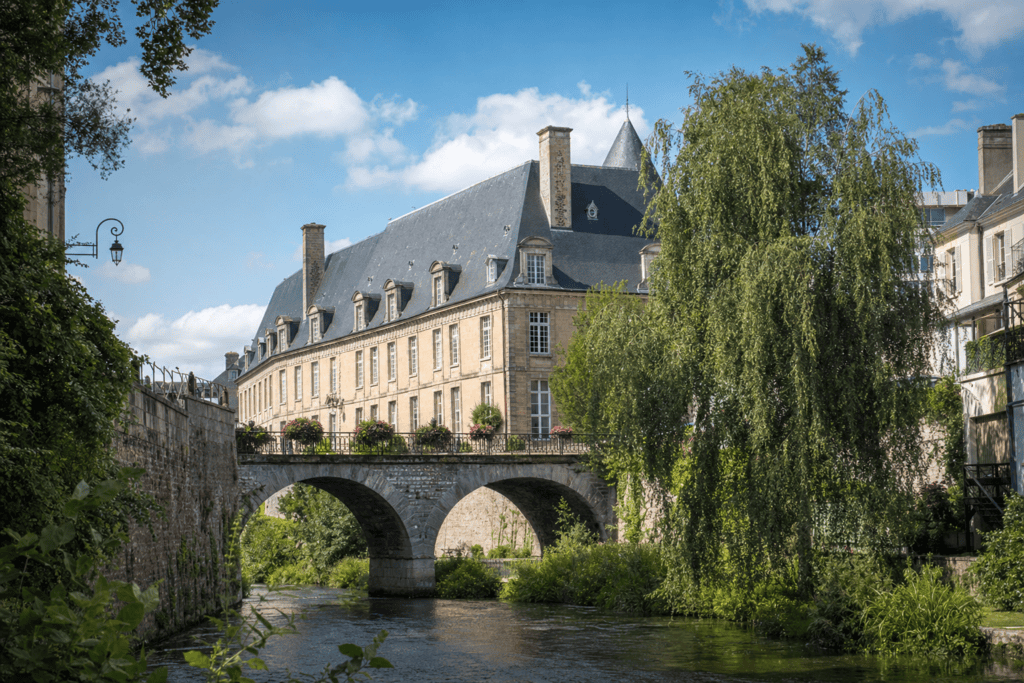
Alençon
Alençon charms visitors with its historic heritage, exceptional needle lace, religious legacy and landscapes…
DESTINATION GUIDE
Rouen Travel Guide
Understanding Rouen’s Historic Identity
Rouen developed in a bend of the Seine, at the crossroads of maritime, commercial, religious, and political influences. The city was an important center of the Duchy of Normandy before becoming a major administrative and cultural city. Its heritage is not limited to a few isolated monuments: the old town forms an urban ensemble where half-timbered houses, Gothic churches, private mansions, historic squares, and buildings reconstructed after World War II come together.
A clarification is needed regarding UNESCO. Rouen’s historic center, presented through Notre-Dame Cathedral, Saint-Ouen Church, Saint-Maclou Church, and its half-timbered houses, appears on the French tentative list of World Heritage sites since 1996. This is a national proposal made before a possible nomination: Rouen is therefore not inscribed on the UNESCO World Heritage List at this time. The designation nevertheless highlights the heritage value and architectural coherence of the historic center.
Start with Notre-Dame Cathedral
Notre-Dame Cathedral is the natural starting point for a first visit. Its façade, made famous by Claude Monet’s series of paintings, reflects several phases in the construction and transformation of Gothic architecture. The portals, sculptures, stained-glass windows, and tower silhouettes deserve close attention, as the building still dominates the cityscape.
Inside, the depth of the nave and the chapels invite you to take your time. The cathedral is close to the former archbishop’s palace, rue Saint-Romain, and the main shopping streets. From here, it is easy to continue to the Joan of Arc Historial, the Gros-Horloge, or the old neighborhoods. As with any religious building, access conditions may vary depending on services, ceremonies, or events, so it is best to check the official information before your visit.
Stroll through the Half-Timbered Streets
The historic center is ideal for exploring on foot. Between the cathedral, rue du Gros-Horloge, rue Eau-de-Robec, and the Saint-Maclou neighborhood, colorful façades and projecting upper stories give Rouen a distinctive atmosphere. Some houses are medieval, while others have been restored or rebuilt using traditional forms. Take time to notice the details: timber joints, carved decorations, colors, proportions, and differences between the rows of buildings.
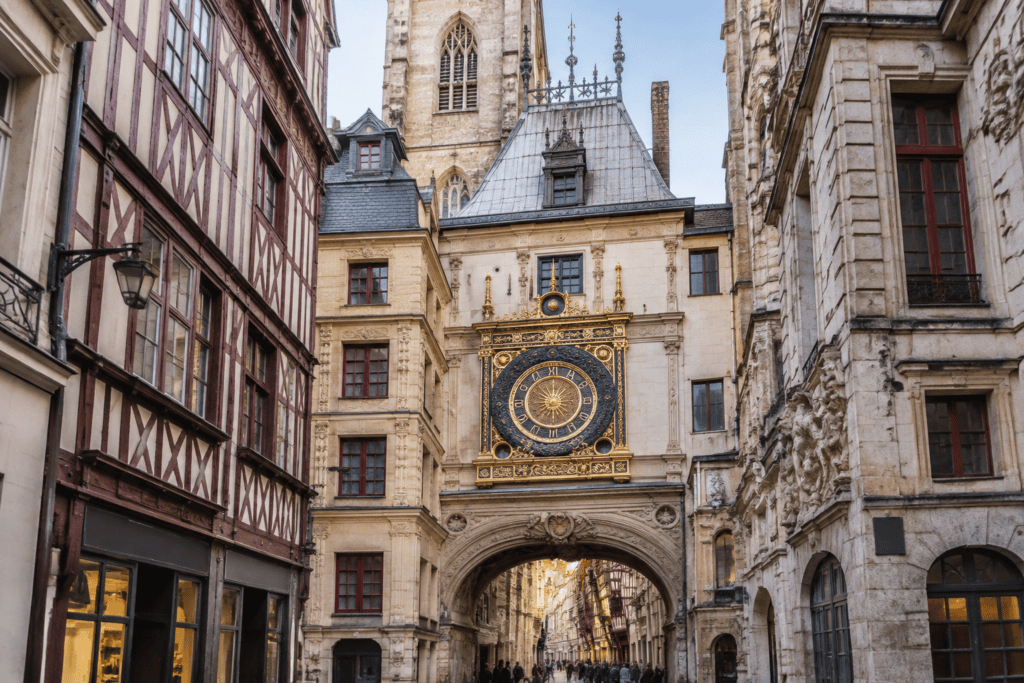
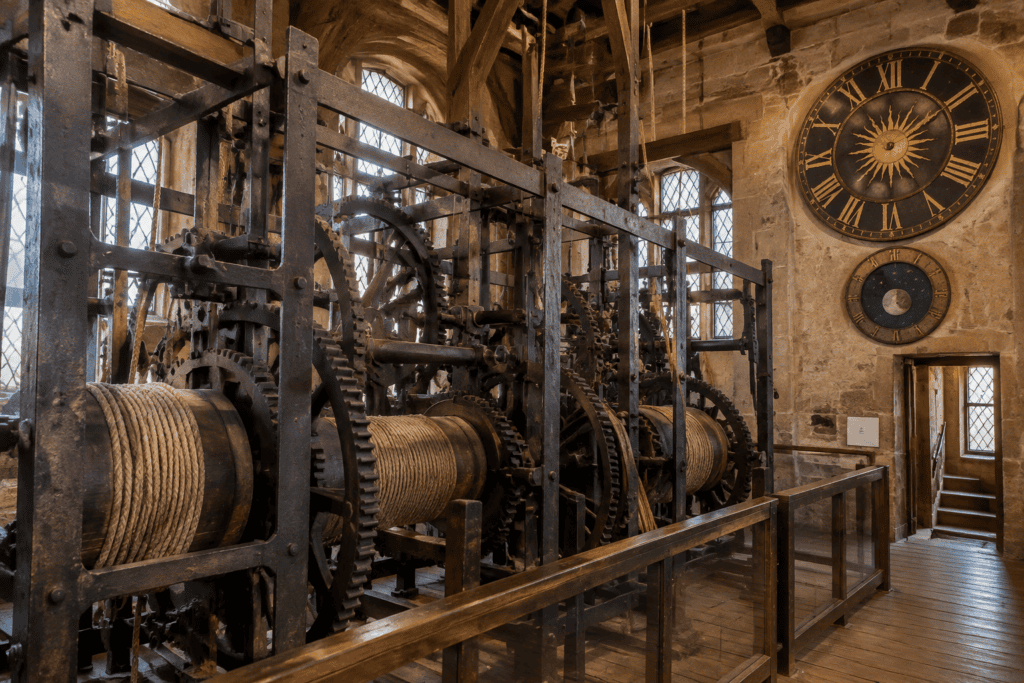
The Gros-Horloge is one of the city’s symbols. This monumental gateway, its belfry, and its mechanism reflect the importance of civic timekeeping in historic cities. The street named after it connects the cathedral with Place du Vieux-Marché and makes for a lively route. For a quieter walk, the streets around the Saint-Maclou Aître offer more intimate architecture linked to Rouen’s religious and funerary history.
Discover Saint-Maclou and the Saint-Maclou Aître
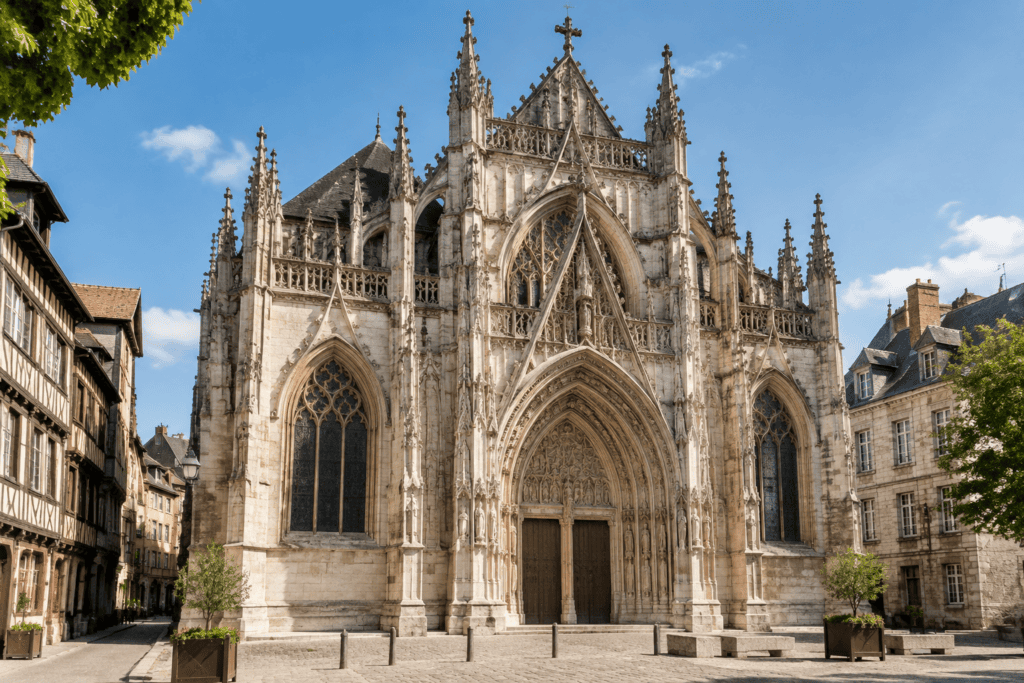
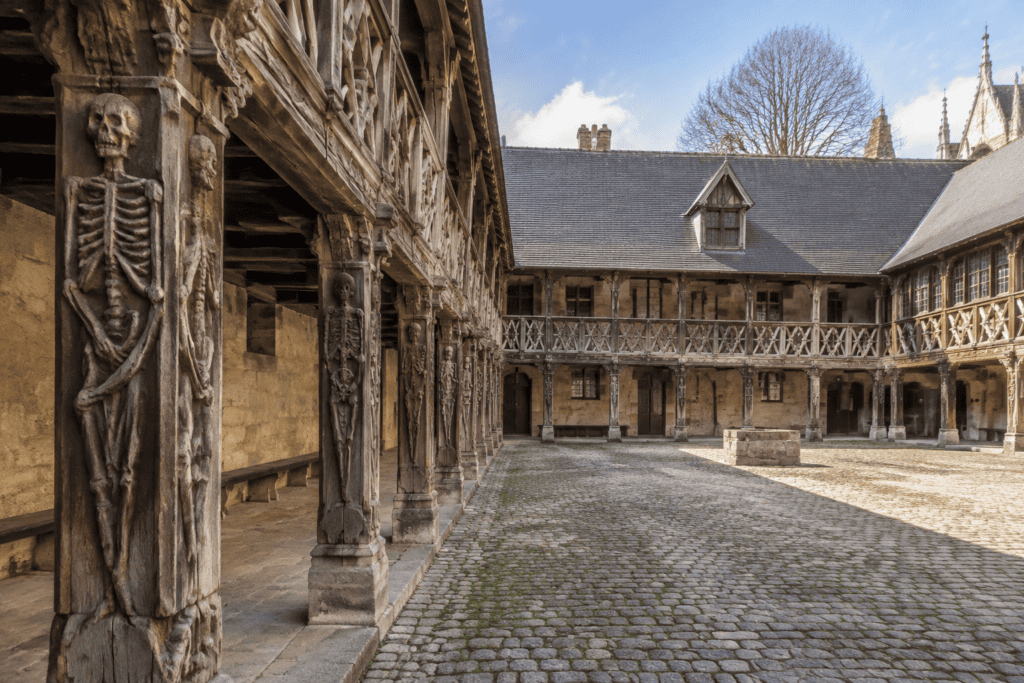
Saint-Maclou Church is a remarkable example of Norman Flamboyant Gothic architecture. Its façade, portal, and sculptures deserve close attention. Just a few steps away, the Saint-Maclou Aître forms a rare architectural ensemble. This former ossuary preserves decorative elements associated with death and major epidemics, creating an atmosphere very different from that of the city center’s large churches.
This area helps you understand Rouen beyond its most photographed monuments. It evokes the historic organization of religious spaces, burial sites, craft activities, and urban institutions. Depending on the program, the aître may also host cultural or artistic activities; municipal information provides the current visiting details.
Follow in the Footsteps of Joan of Arc
Rouen is inseparable from the memory of Joan of Arc. Her trial took place here in 1431, and she was executed on what is now Place du Vieux-Marché on May 30 of that year. Today, the square brings together several memorial features as well as Sainte-Jeanne-d’Arc Church, whose modern architecture houses historic stained-glass windows from Saint-Vincent Church.
The Joan of Arc Historial, housed in the former archbishop’s palace, offers a multimedia, scenographic approach to her trial and conviction, her rehabilitation, and the development of her image over the centuries. It places the events in their political, religious, and judicial context without reducing them to a legendary account.
The Joan of Arc Tower, a remnant of the castle built under Philip II Augustus, completes this route. It is often associated with the trial, although Joan was held in another tower that no longer exists. This distinction separates the memory attached to these sites from the documented historical reality.
Make Time for the Museums
Rouen has a wealth of museums, making it easy to extend an architectural walk or plan an alternative for a rainy day. The Museum of Fine Arts houses works spanning several centuries, with collections of paintings, sculpture, and graphic arts. Its program and collections make it an important stop for understanding Rouen’s place in Norman artistic life.
The Ceramics Museum, the Le Secq des Tournelles Museum dedicated to ironwork, the Museum of Antiquities, and the Flaubert and History of Medicine Museum offer very different experiences. Literature enthusiasts may also be interested in places associated with Gustave Flaubert and Pierre Corneille. This variety makes it possible to create a balanced itinerary without adding unnecessary travel.
Getting to Rouen and Getting Around
From Paris, Rouen is accessible by train from Saint-Lazare station. Travel time and journey details depend on the service selected and the date, so it is recommended that you check schedules with the rail operator. By car, the route generally follows the highway west, but traffic and parking can be more challenging around the historic center.
Once you arrive, the heritage center is best explored on foot. Local public transportation connects to more distant areas, while the Seine quays and central squares offer pleasant routes between visits. Travelers with reduced mobility should check the accessibility of each monument: old streets, cobblestones, steps, and certain protected buildings may make getting around more difficult.
Plan a Day or Weekend
- For a first day: start with the cathedral, continue to the Gros-Horloge, the half-timbered streets, Saint-Maclou, and the Saint-Maclou Aître, then finish at Place du Vieux-Marché.
- For a cultural weekend: add the Joan of Arc Historial, the Museum of Fine Arts, the Joan of Arc Tower, and a walk along the Seine.
- For families: alternate indoor visits with breaks in squares and gardens to maintain a comfortable pace.
- For architecture enthusiasts: compare Flamboyant Gothic, timber-framed houses, classical buildings, and postwar Reconstruction architecture.
As opening hours, reservation procedures, admission fees, and access conditions may change, official websites remain the best source of information before you leave. Rouen can be a destination in its own right or a stop on a longer Normandy itinerary, taking in the landscapes of the Seine, abbeys, the Alabaster Coast, or other heritage cities.
Useful sources
Travel to Rouen from Paris
Booking Paris Transfer offers private transfers from Paris, the Île-de-France region, or airports CDG and ORY to Rouen, with return trips to Paris available. Transportation only is included; no admission tickets are sold.