



Petite France Strasbourg: Covered Bridges Guide
Strasbourg
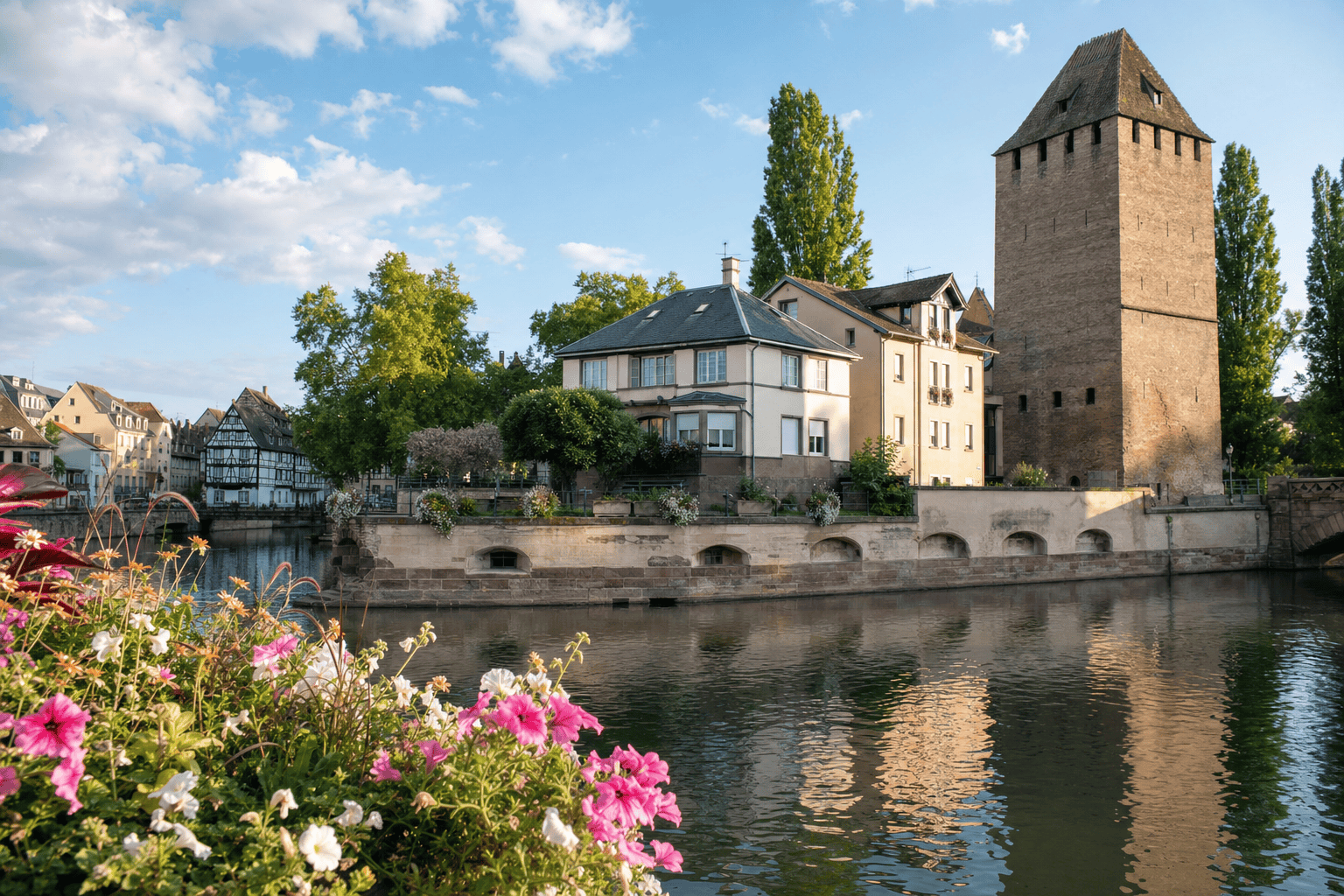
Petite France is the most iconic district in Strasbourg’s historic center. Between the Ill’s canals, half-timbered houses, former tanners’ lanes, and medieval towers, the walk offers a succession of remarkable viewpoints. At its western end, the Covered Bridges recall the defensive role of this part of the Grande-Île. The area is easy to explore on foot—take time to notice the architectural details, locks, and reflections on the water.
Practical information
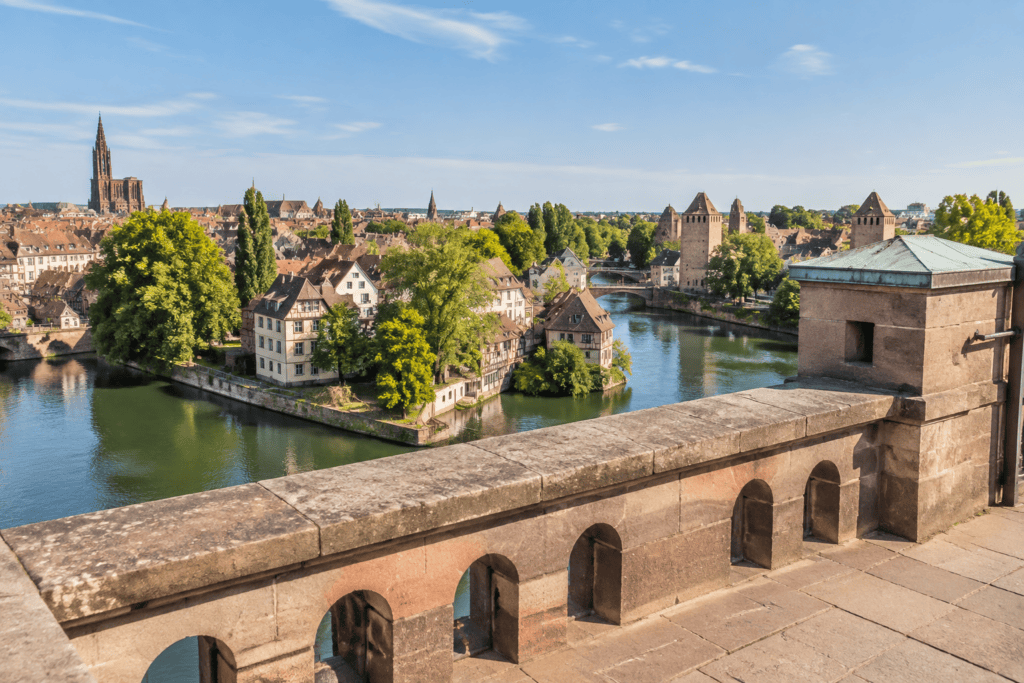
Start at Place Benjamin-Zix, walk along Rue du Bain-aux-Plantes, continue toward Saint-Martin Bridge and the Covered Bridges, then go up to the terrace of Vauban Dam for a panoramic view.
Getting to Strasbourg from Paris with a Private Driver
To include Petite France and the Covered Bridges in an Alsace itinerary, Booking Paris Transfer can arrange a private trip from Paris, a Paris hotel, Charles de Gaulle Airport, or Orly, with arrival in Strasbourg and a return to Paris according to your itinerary. The service covers transportation only; tours and any admission tickets must be arranged separately.
Departure is available from Paris, the Île-de-France region, CDG, or ORY, with a return to Paris or continuation of your itinerary.
Understanding Petite France Before You Go
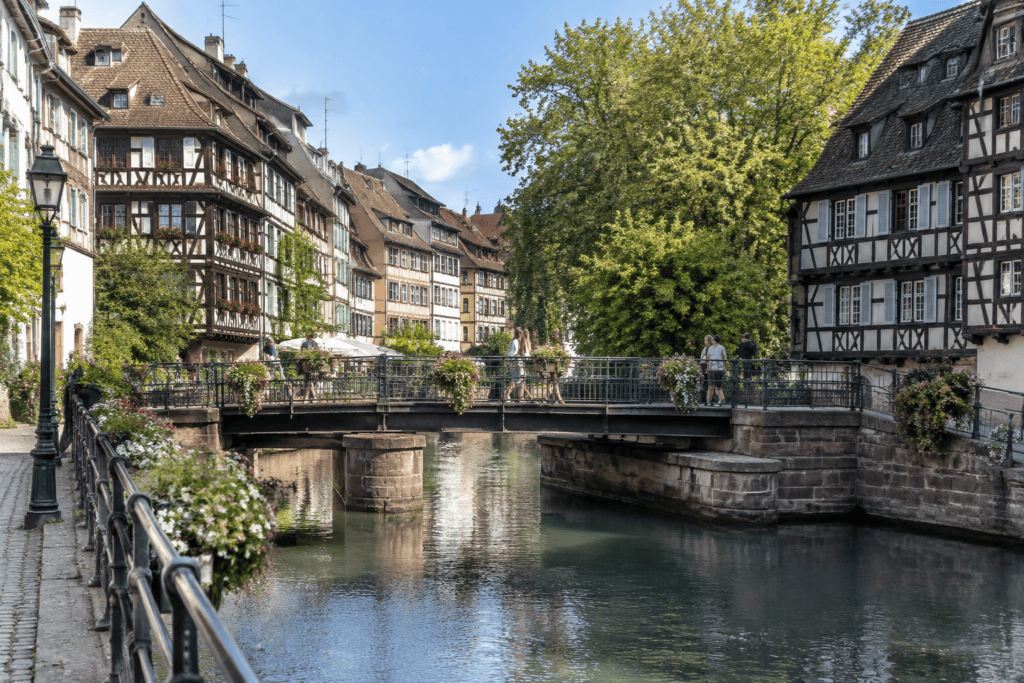
Petite France occupies the western part of the Grande-Île, in an area where the Ill divides into several branches and canals. The presence of water deeply shaped the district’s history. In the Middle Ages, fishermen, millers, artisans, and tanners worked here near the mills and waterways. The often-tall, narrow half-timbered houses still reflect this historic layout. Some feature large, steeply pitched roofs and spaces once used for drying hides.
The walk is enjoyable because it alternates between small cobblestone streets, open quays, pedestrian bridges, and views over the canals. Place Benjamin-Zix is a good starting point, but it is best not to limit your visit to a few famous façades. As you make your way toward the Covered Bridges, you will also find quieter passages, mills, locks, and changing views of the medieval towers.
The Covered Bridges: A Former River Defense System
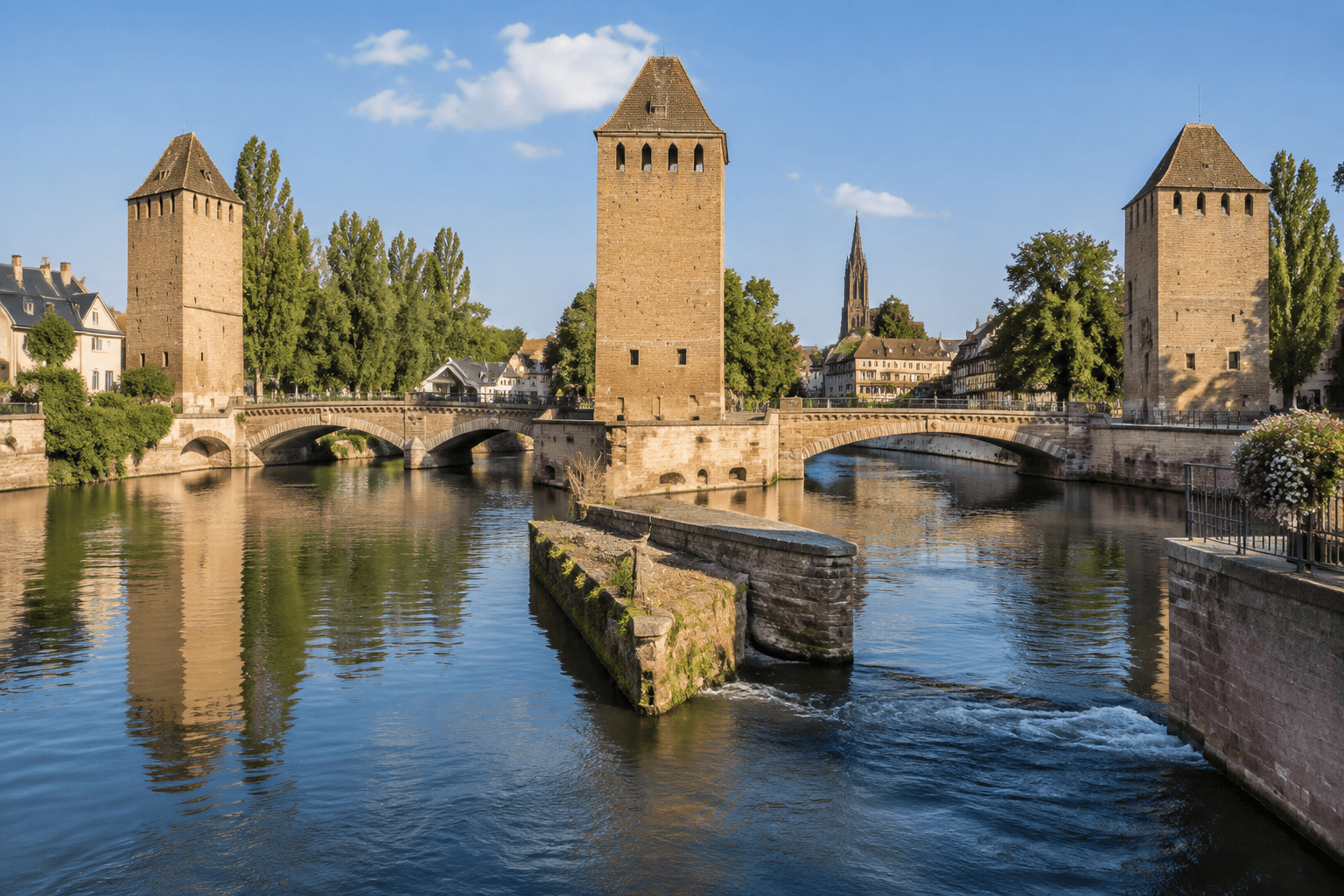
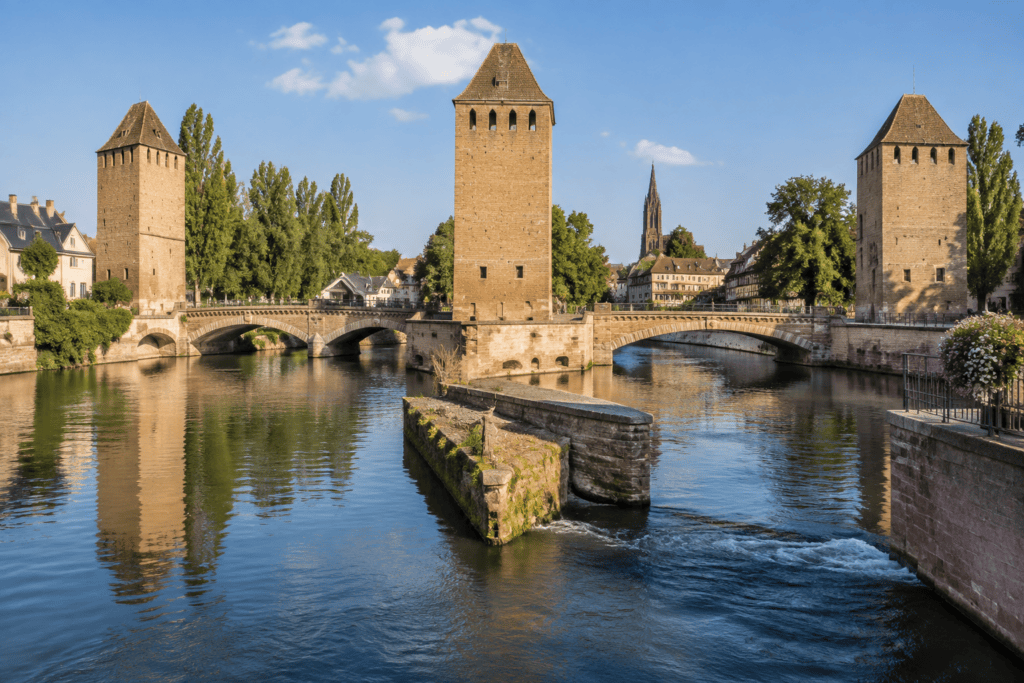
The Covered Bridges are the remains of a former military defense system built where the Ill divides into several branches. Strasbourg’s first stone fortifications date back to the XIIIth century, and this western area was a sensitive point of access to the city. Originally, four towers were linked by bridges topped with covered wooden galleries. These galleries allowed defenders to move under cover, which explains the name that has survived to this day.
One tower disappeared in the XIXth century, but three towers remain. The medieval covered bridges were also replaced: the current sandstone walkways date from 1863 to 1865. The contrast between the towers’ brick, the bridges’ light-colored stone, and the waters of the Ill makes the site especially recognizable. Looking at the projecting defensive structures upstream also helps explain the strategy used to control river crossings.
Recommended Route Through the District
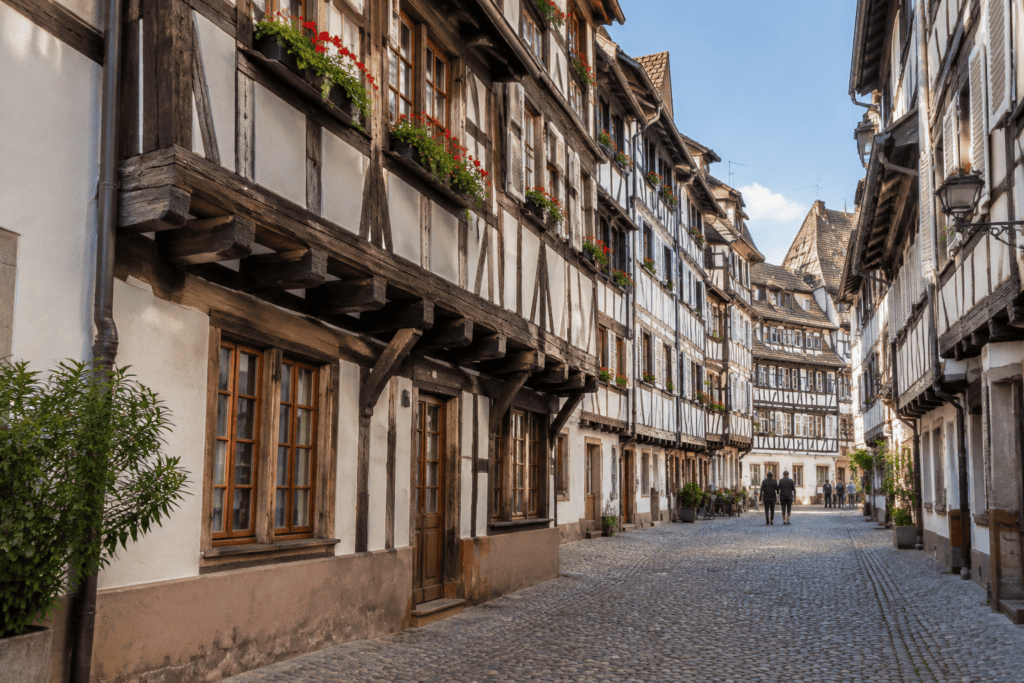
For a first visit, start at Place Benjamin-Zix and take Rue du Bain-aux-Plantes. This street features several highly photographed half-timbered houses, but its real appeal lies in the overall streetscape: aligned façades, rooftops, overhangs, and the water just beside them. Continue toward Pont du Faisan, sometimes locally called Pont Tournant. Depending on boat traffic, it may rotate, adding a distinctive scene to the walk.
Continue to Saint-Martin Bridge, then make your way to the Covered Bridges. Take time to view the towers from the quays before crossing the walkways. Finally, head to Vauban Dam, just a few minutes away on foot. This route forms a compact loop, but the cobblestones, stairs, and narrow sections call for a relaxed pace. To extend your visit, return toward the center along the quays or continue to the Museum of Modern and Contemporary Art.
The Best View from Vauban Dam
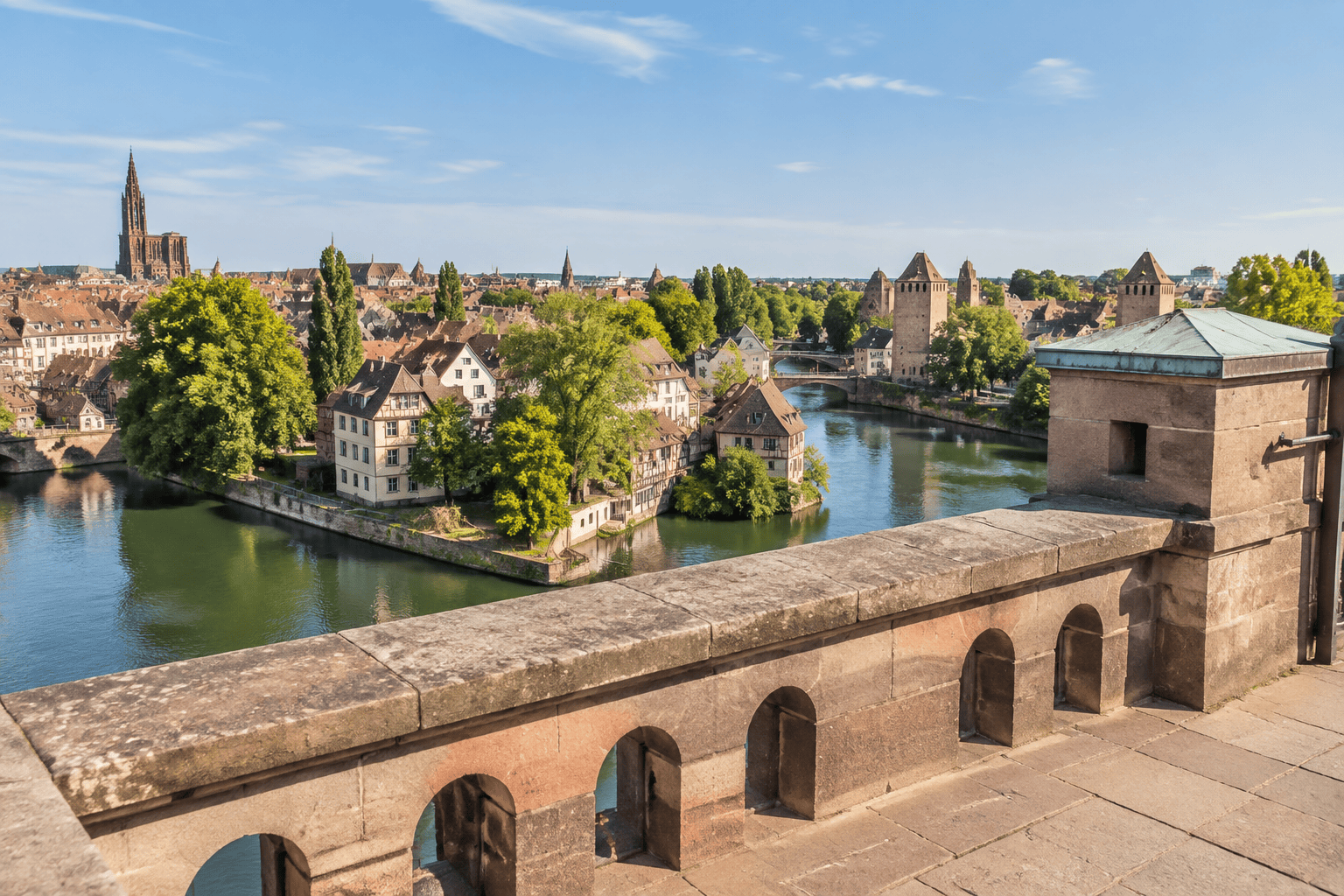
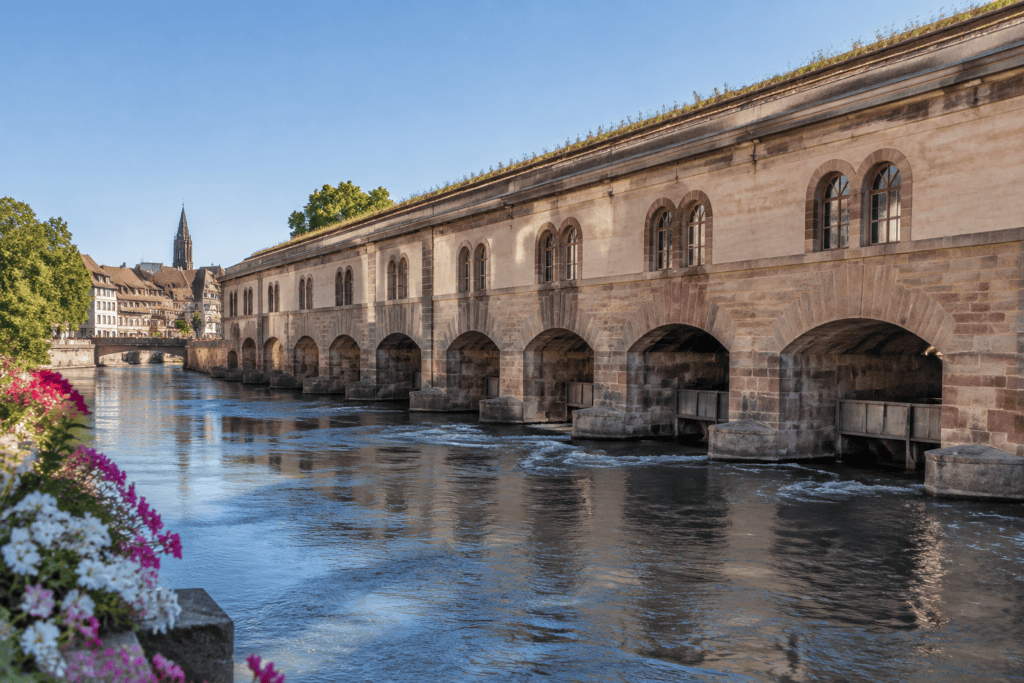
Vauban Dam, also known as the Great Fortification Lock, naturally complements a visit to the Covered Bridges. Built in the late XVIIth century according to plans associated with Vauban’s defensive system, it could help flood the land south of Strasbourg to slow an enemy army. Its arches and gates evoke a time when water was an integral part of urban fortifications.
The upper level is now known for its panoramic terrace. From here, you can take in the Covered Bridges’ towers, the rooftops of Petite France, the branches of the Ill, and several other Strasbourg landmarks beyond. It is often the best place to understand the district’s layout before heading back down into its streets. The terrace is also excellent for photography: in the morning, the façades of Petite France may be well lit; late in the day, the tower silhouettes stand out more against the sky.
Architecture, Canals, and Details to Notice
Petite France is worth visiting as much for its atmosphere as for its monuments. The half-timbered houses are not all alike: look at the shapes of the beams, overhangs, doors, shutters, and upper floors. Former tanners’ houses can sometimes be recognized by their forms, adapted to working with hides, and their location near the water. The canals give the district particular depth, with reflections that change according to the weather and season.
Around the Covered Bridges, the setting becomes more military. Brick towers, narrow passages, and defensive structures contrast with the quays’ romantic image. This juxtaposition is one of the site’s great strengths: within a few minutes, you move from a former artisan district to a fortified gateway of the medieval city. For a closer look, also observe the different bridge levels, the branches of the Ill, and the sightlines connecting the towers to Vauban Dam.
When to Visit and How to Enjoy the Site
Petite France is accessible year-round, but the experience varies greatly depending on the time of day and season. During the day, the main streets can be very busy, especially when tour groups and sightseeing boats gather around the bridges. Arriving early allows you to better enjoy the quays and façades. In the late afternoon, the light can be especially favorable from Vauban Dam, while any evening illuminations create a different atmosphere after dark.
Wear comfortable shoes: the route includes cobblestones and a few uneven sections. Strollers and wheelchairs may encounter difficulties on certain streets or access routes, so it is helpful to check the exact itinerary before your visit. Transportation information, access to the terrace, and any restrictions related to construction or events may change. Check the official Strasbourg city and tourism office websites before you leave.
Extend Your Visit Around the Grande-Île
The Covered Bridges and Petite France can be visited independently, but they are part of a larger heritage area. After Vauban Dam, you can head to the Museum of Modern and Contemporary Art, then return along the Ill’s quays. In the other direction, the Grande-Île gradually leads toward historic churches, central squares, and Notre-Dame Cathedral. This continuity makes it possible to plan a balanced half-day combining military heritage, civic architecture, and religious monuments.
Strasbourg’s Grande-Île and Neustadt are listed as UNESCO World Heritage sites, and Petite France, the Covered Bridges, and Vauban Dam are among the notable ensembles highlighted within this area. To help preserve the district’s charm, be considerate of residents, avoid blocking narrow passages, and respect facilities along the water. A successful visit depends less on the number of places you cover than on the time you spend appreciating the details and views.
Useful sources
Frequently Asked Questions
Are the Covered Bridges still covered today?
How much time should I allow to visit Petite France?
Where can I get the best view of the Covered Bridges?
Can Petite France be reached by public transportation?
Can you visit the towers of the Covered Bridges?
 Strasbourg Christmas Market and Alsatian Traditions A winter stroll through the heart of Strasbourg, exploring the history of the Christkindelsmärik, illuminations, crafts, and Alsatian specialties.
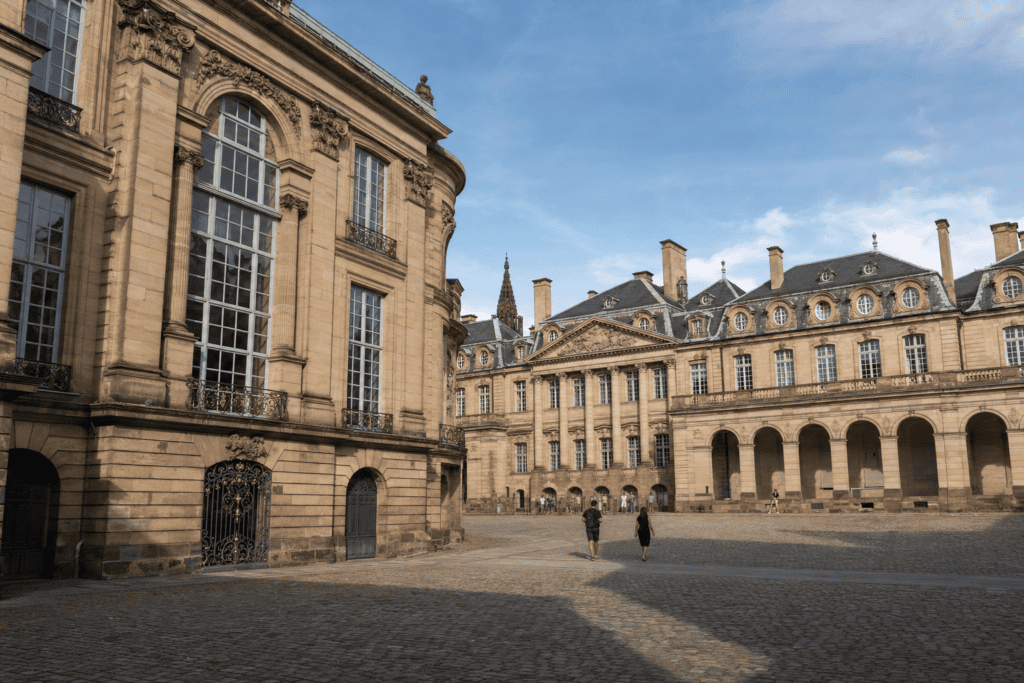 Palais Rohan Museums Three museums in a historic palace, spanning Alsatian archaeology, princely apartments, decorative arts, and European painting.
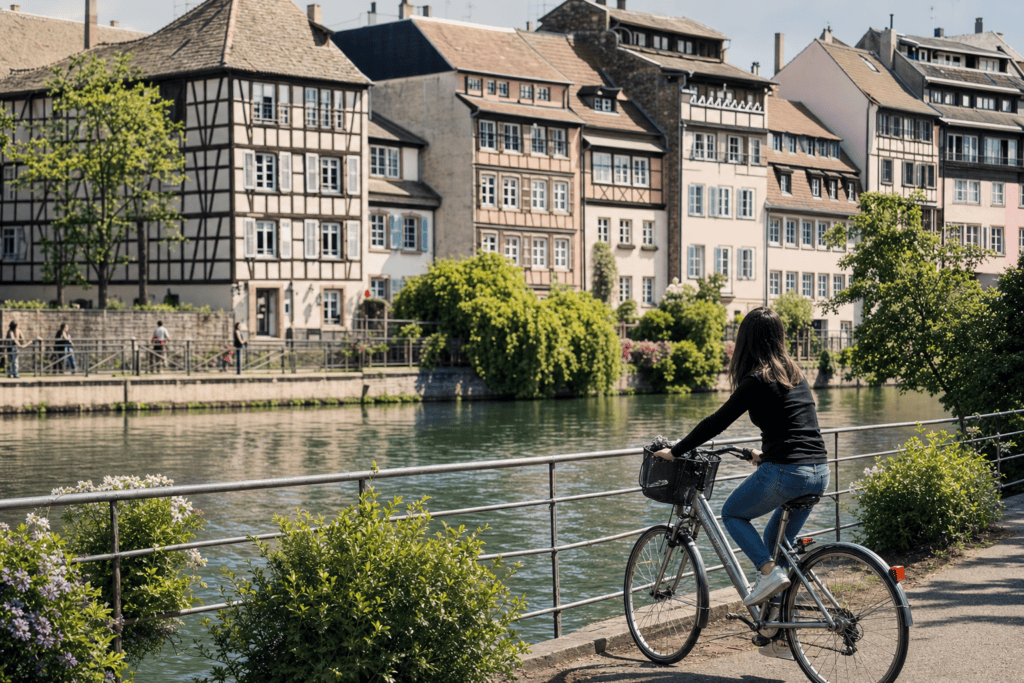 What to Do in Strasbourg by Bike Along the Ill and Canals A bike ride through Petite France, along the Ill quays, canals, parks, and peaceful neighborhoods of…
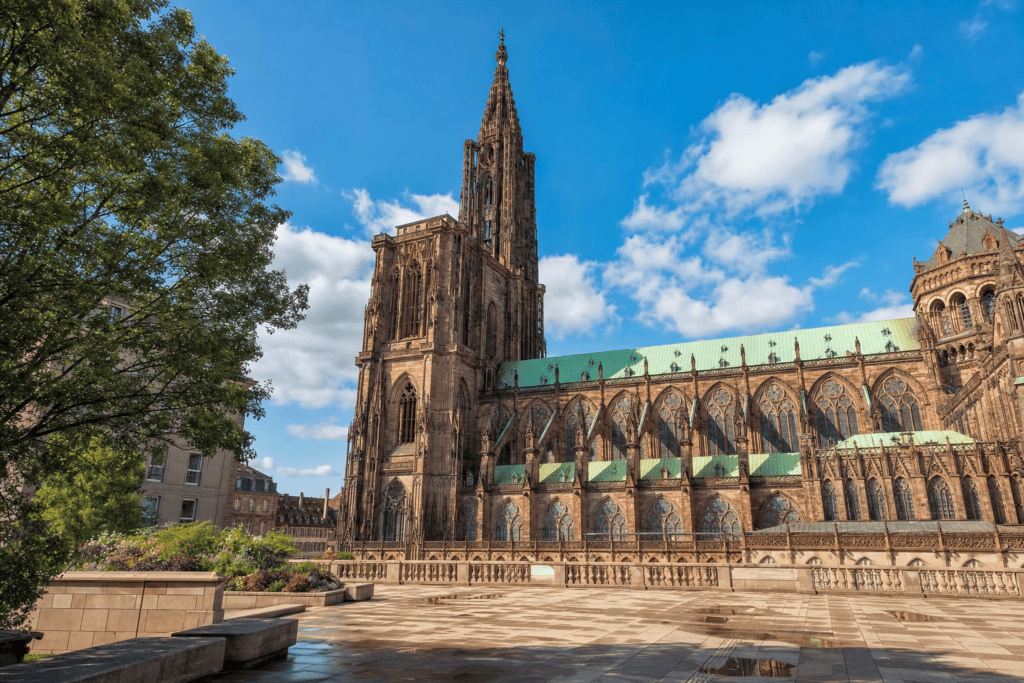 Strasbourg Cathedral and Its Viewing Platform A Gothic masterpiece in the heart of Strasbourg, a climb of about 330 steps and a remarkable panorama…
Online booking · Paris → Covered Bridges, 67000 Strasbourg, France. Petite France stretches around Place Benjamin-Zix and the Ill’s canals.
Choose your pickup date and time
Your departure and arrival details are already pre-filled. You can adjust them in the fare calculator before viewing the vehicles and fare.