



Strasbourg · Grand Est · Grand Est
Visit Strasbourg: Alsatian Heritage and European Capital
Visiting Strasbourg means moving within just a few streets from a medieval center bordered by the Ill to the grand avenues of Neustadt, and then on to the European institutions. Notre-Dame Cathedral, Petite France, the riverfront quays, museums, and Alsatian cuisine make Strasbourg an enjoyable destination to explore on foot, by tram, or by bike, whether for a day or a stay of several days.
Explore Strasbourg
Strasbourg's must-see attractions
 Attractions
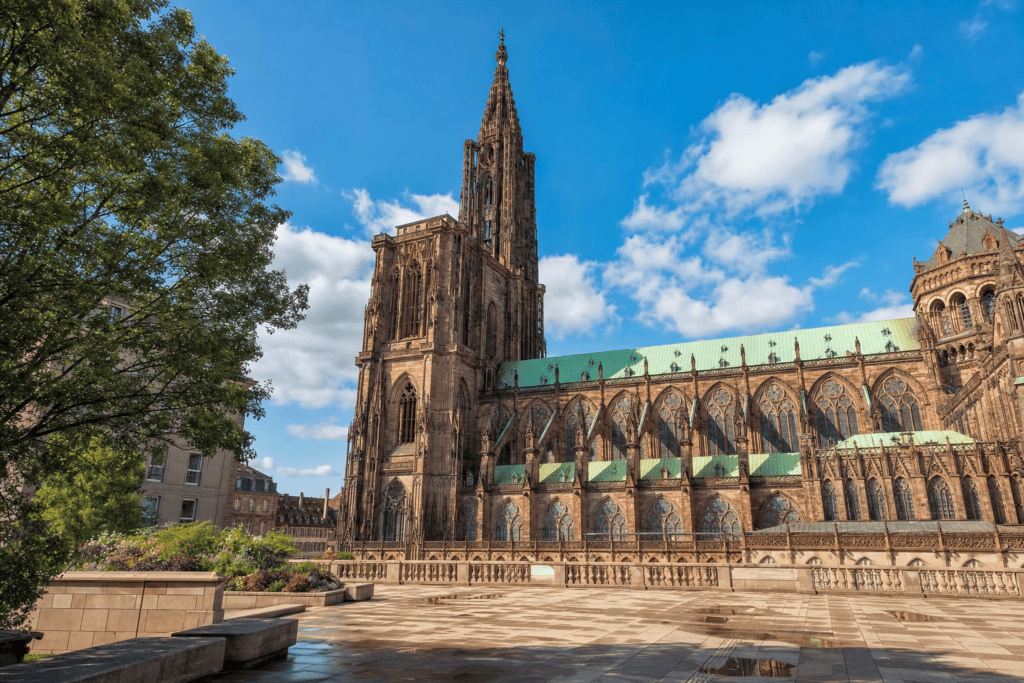
Strasbourg Cathedral and Its Viewing Platform
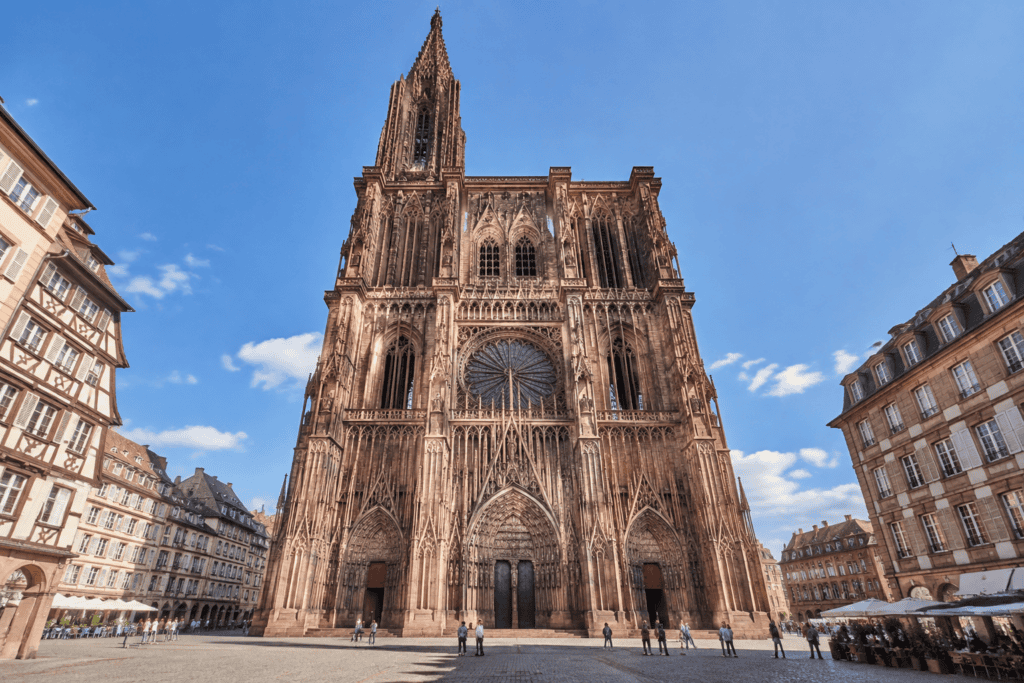
A Gothic masterpiece in the heart of Strasbourg, a climb of around 330 steps, and remarkable views over the…
 Attractions
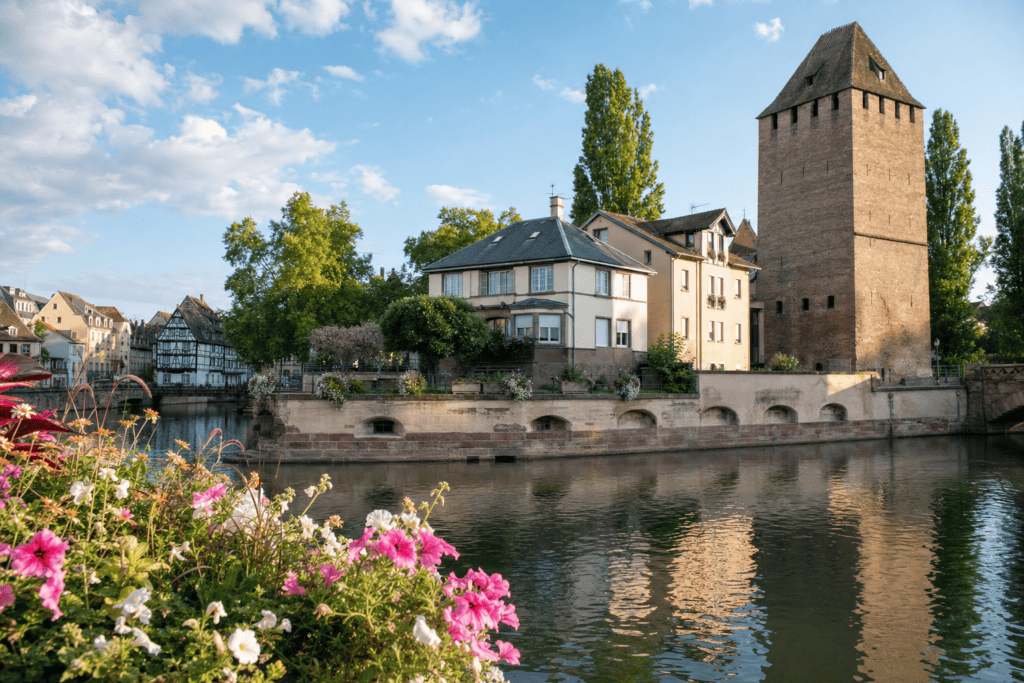
La Petite France and the Covered Bridges
An essential Strasbourg route through half-timbered houses, canals, medieval towers, and the panoramic terrace of the Vauban Dam.
 Attractions
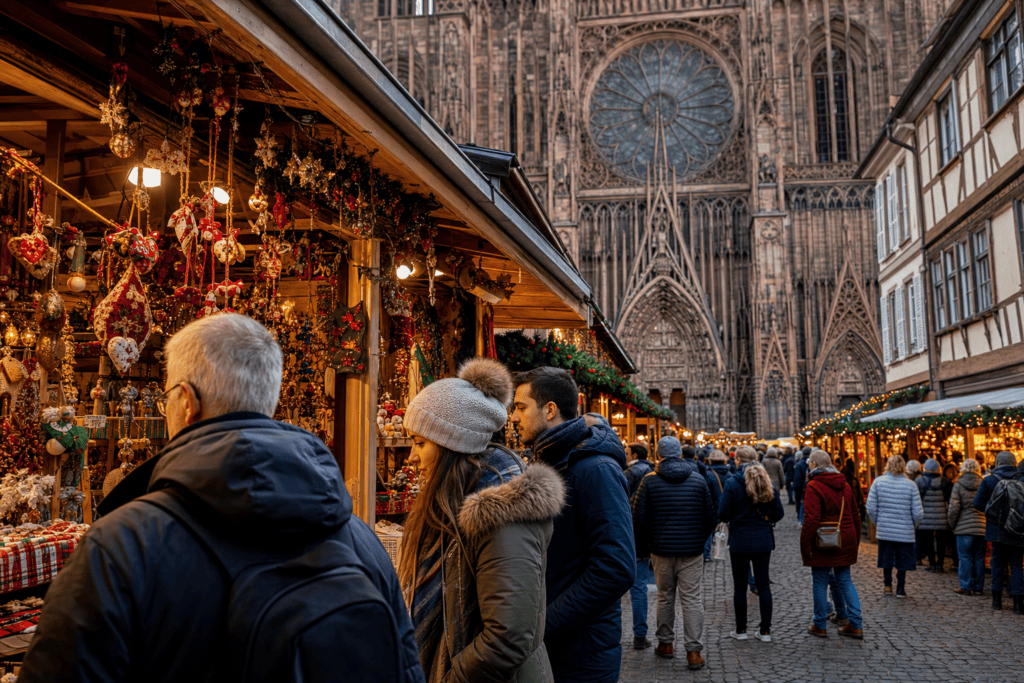
Strasbourg Christmas Market and Alsatian Traditions
A winter stroll through the heart of Strasbourg, exploring the history of the Christkindelsmärik, illuminations, crafts, and Alsatian specialties.
 Attractions
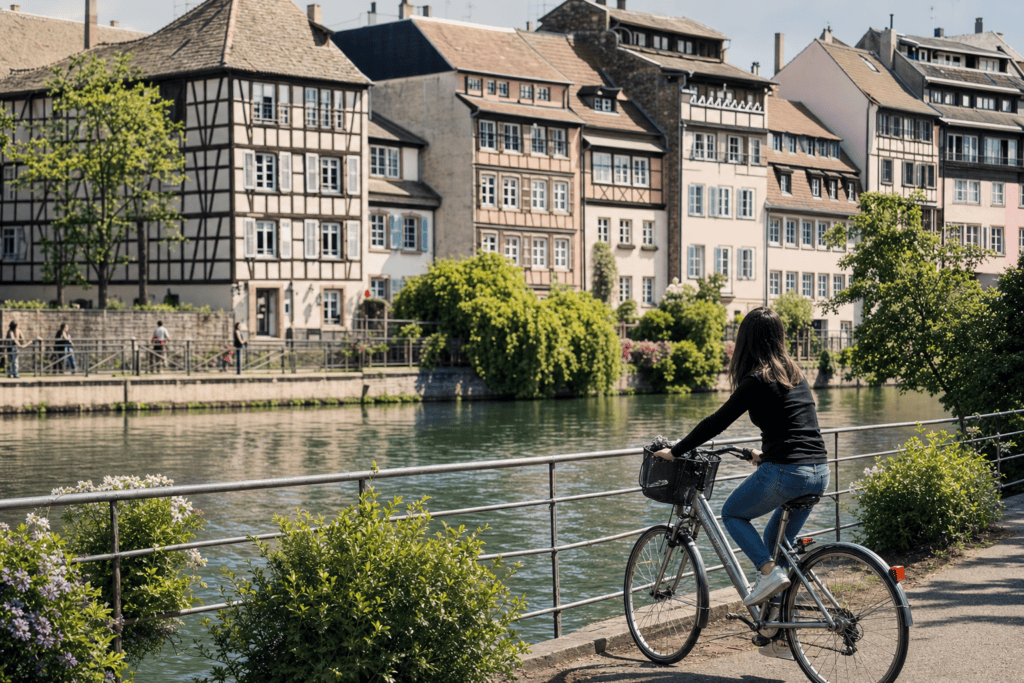
What to Do in Strasbourg by Bike Along the Ill and Canals
A bike ride through Petite France, along the Ill riverbanks and canals, through parks and Strasbourg’s peaceful neighborhoods.
 Must-see
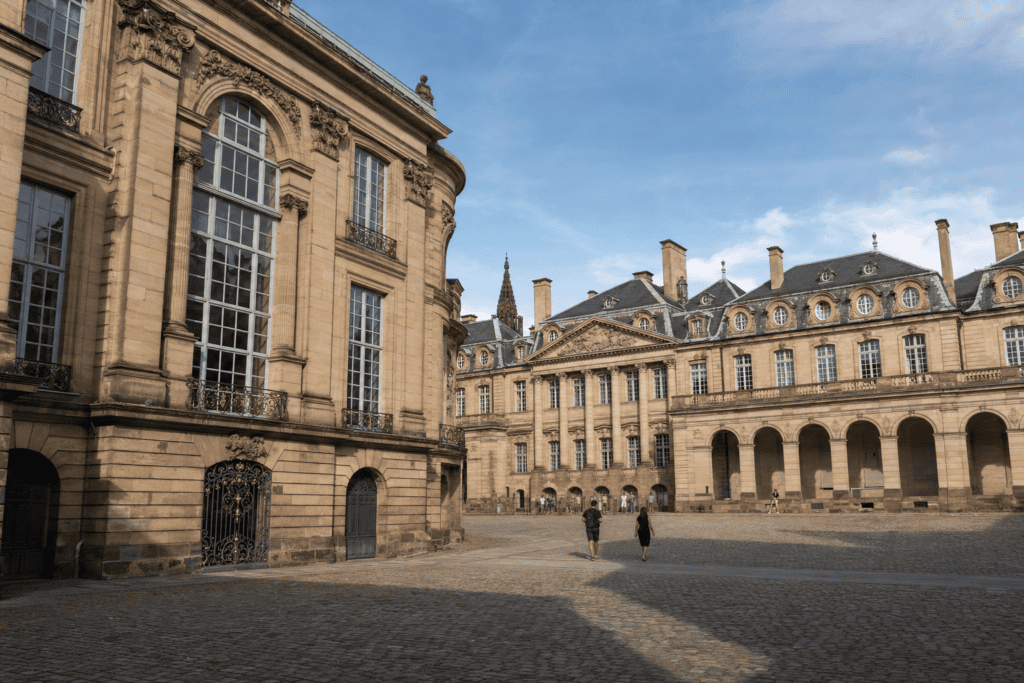
Palais Rohan Museums
Three museums in a historic palace, spanning Alsatian archaeology, princely apartments, decorative arts, and European painting.
Other destinations to discover
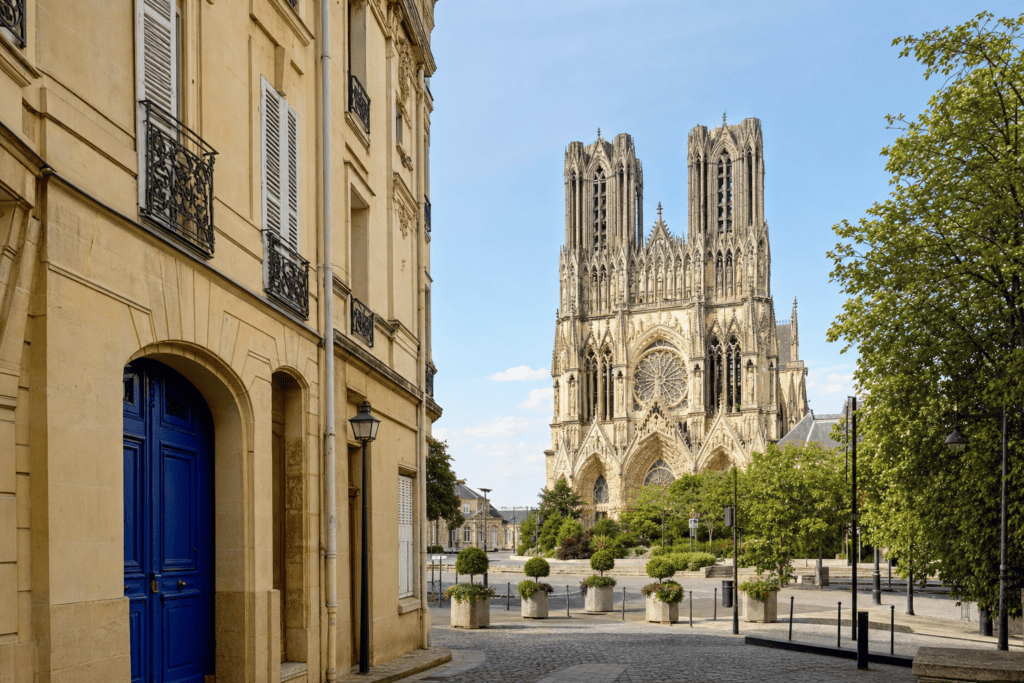
Reims
A major heritage destination in the Grand Est, ideal for combining a cathedral, royal history, Art Deco architecture, and…
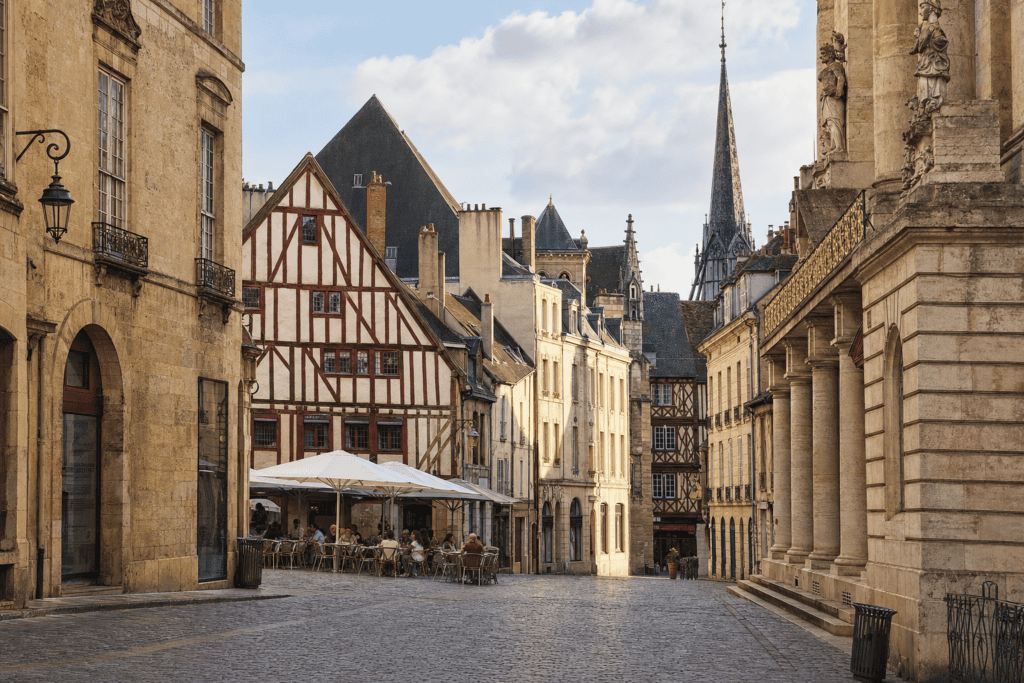
Dijon
An elegant, food-loving city, with the dukes’ palace, the Owl’s Trail, and renowned local wine regions of…
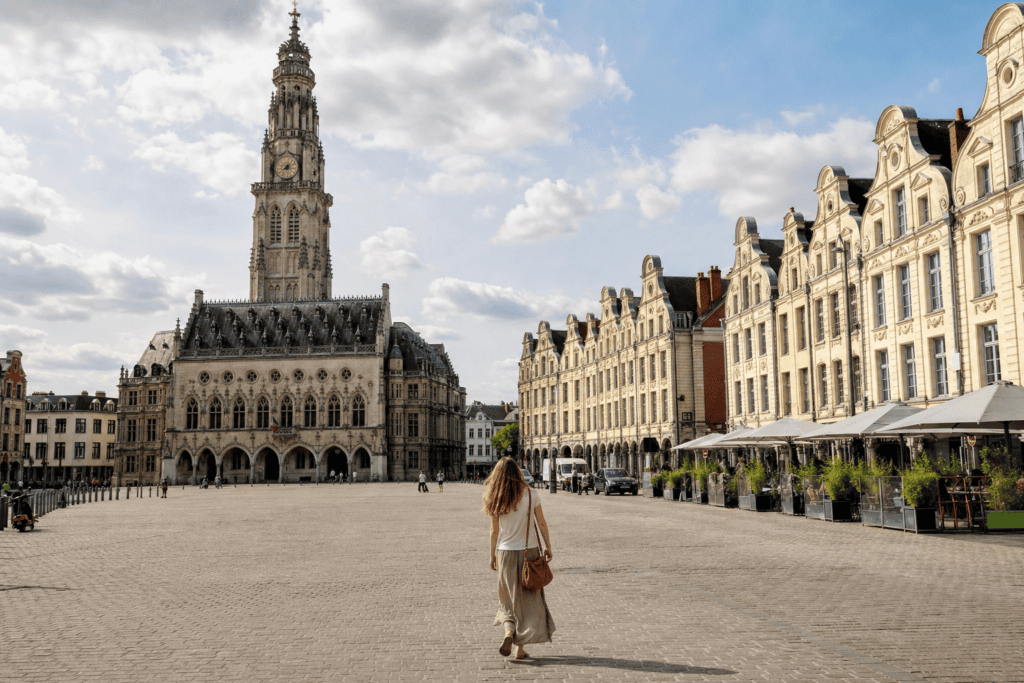
Arras
With Baroque squares, a belfry, underground passages, the Citadel and memorial sites, Arras offers a wealth of heritage in…
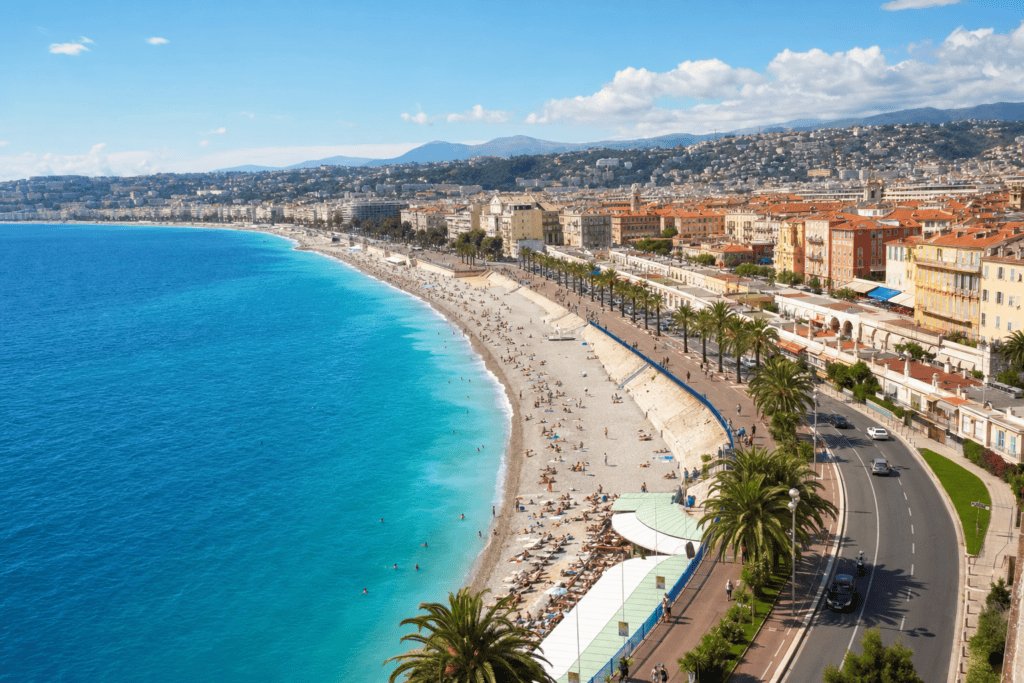
Nice
A bright, vibrant city where the Mediterranean, Belle Époque architecture, the old town, museums, and views over the…
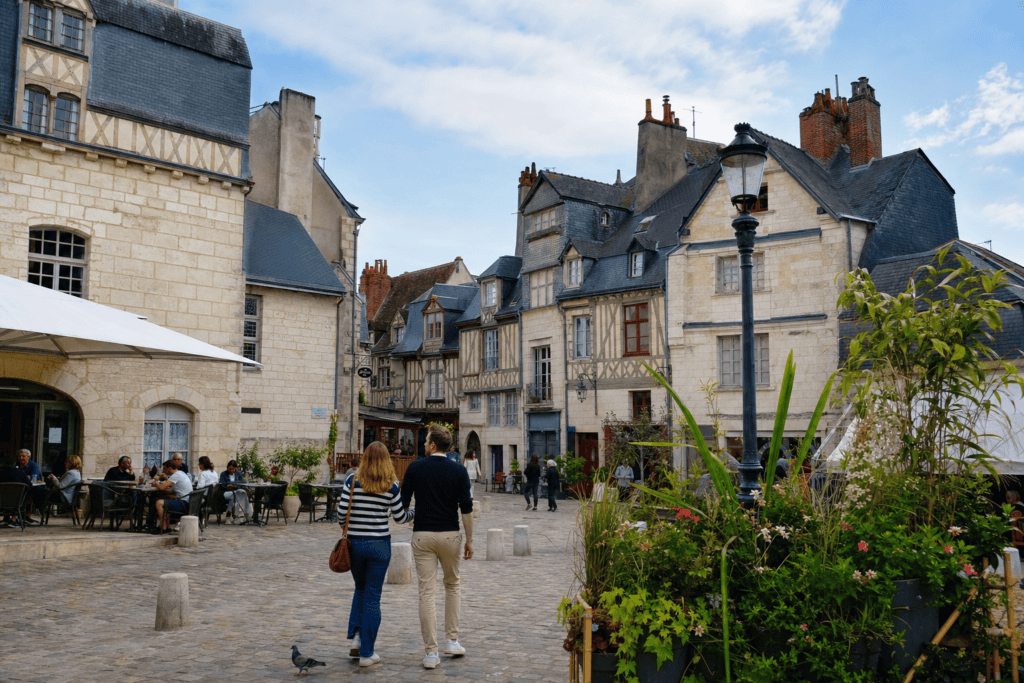
Caen
Ville d’Art et d’Histoire, Tours séduit par son centre ancien, ses quais de Loire, ses musées et…
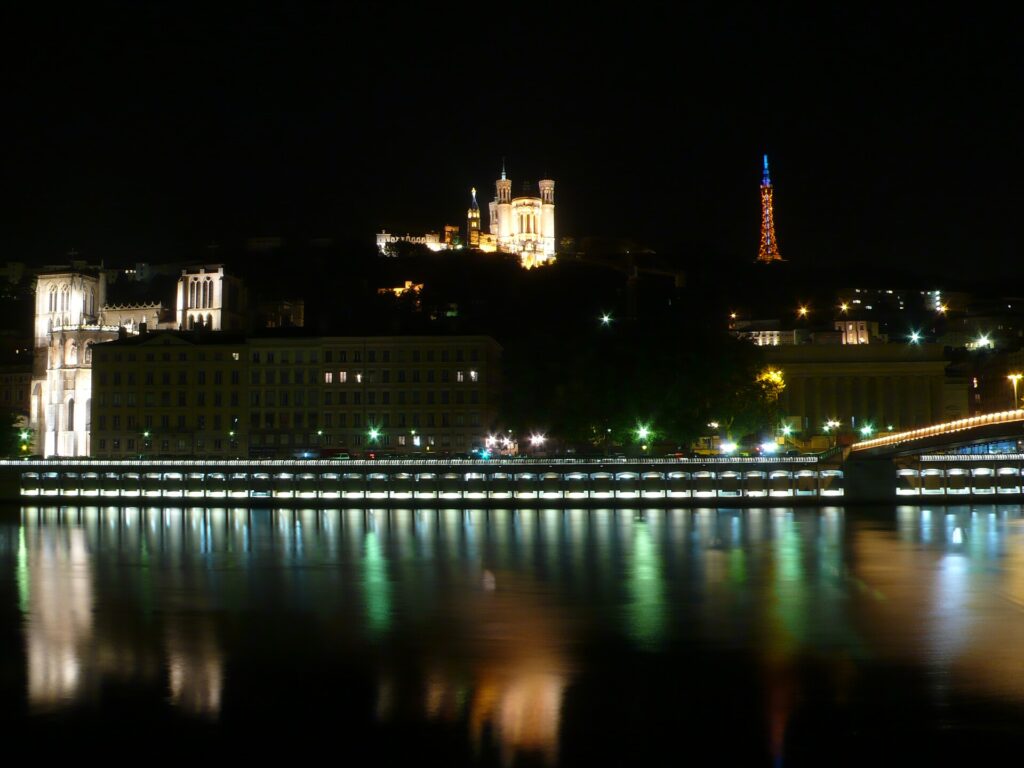
Lyon
Explore Lyon on foot among Roman remains, traboules, Renaissance neighborhoods, the history of the silk workers, museums, and local specialties.
DESTINATION GUIDE
Strasbourg Travel Guide
Why Visit Strasbourg?
Strasbourg has a distinctive identity shaped by French, Germanic, and Rhineland influences. Its history can be read in the juxtaposition of medieval lanes, half-timbered houses, classical squares, and grand avenues designed during the Neustadt era. The Grande-Île and Neustadt are listed as UNESCO World Heritage Sites, a designation that highlights the connection between the historic center and the urban development created in the late 19th century.
The heart of the city is easy to explore on foot. For a first look, connect the cathedral, Petite France, and the quays along the Ill. If you have more time, add Neustadt, the museums, the European Quarter, and the Orangerie Park.
The Grande-Île and Notre-Dame Cathedral
Start with the Grande-Île, Strasbourg's historic center, surrounded by the branches of the Ill. Notre-Dame Cathedral is its most iconic monument. Its pink sandstone, sculpted façade, stained-glass windows, and astronomical clock reflect several centuries of construction and transformation. The nave, chapels, and façade details deserve careful attention rather than a quick stop for a photograph.
On Cathedral Square, the Kammerzell House is a remarkable example of a richly decorated historic house. Nearby, Rohan Palace is home to several museum collections. Since visiting conditions, possible reservations, and opening hours vary by institution, check the official information before setting out.
Petite France, Bridges, and Canals
Petite France is Strasbourg's most recognizable neighborhood. Its half-timbered houses, steep roofs, footbridges, and canals evoke the former activities of millers, fishermen, and tanners. To appreciate the neighborhood, take time to follow the quays and enjoy the different views rather than limiting yourself to the busiest streets.
From Petite France, continue toward the Covered Bridges and Vauban Dam. The dam's terrace offers views of the historic neighborhood's rooftops, waterways, and former defensive structures. From there, the route can continue to the Museum of Modern and Contemporary Art or return leisurely along the quays of the Ill.
Neustadt and Imperial Architecture
Neustadt, or “new town,” stretches north and east of the historic center. Developed primarily between 1871 and 1918, it is distinguished by wider avenues, monumental squares, and architecture that blends Germanic and historicist influences with modern urban-planning principles for its time.
Place de la République, Avenue de la Liberté, the University Palace, and the area around Place de la Contrescarpe are good starting points for an architectural walk. This area helps explain how Strasbourg expanded while maintaining close ties to the Grande-Île.
The European Quarter
The European Quarter can be reached from the center by tram, bike, or a combination of walking and public transportation. It brings together several institutions and reflects Strasbourg's role in the development of Europe. The European Parliament is recognizable by its contemporary architecture facing the Ill.
Visits and information services may be available depending on the institution's calendar. Access arrangements, available time slots, and any required formalities may change: check them directly on the official European Parliament visits website in Strasbourg before your visit. The nearby Orangerie Park is a pleasant addition to exploring the area.
Museums and Culture
Strasbourg offers a diverse cultural scene, particularly around Rohan Palace, the Alsatian Museum, and the Museum of Modern and Contemporary Art. Your choice depends on the time available and your interests: the city's history, decorative arts, regional traditions, or modern creative work. For temporary exhibitions and opening days, consult the museums' official pages.
What to Taste in Strasbourg?
Strasbourg's cuisine is rooted in Alsatian tradition. A culinary introduction might include a winstub, tarte flambée, sauerkraut, baeckeoffe, or kougelhopf, along with regional breads and pastries. Markets, bakeries, and specialty food shops also offer a chance to sample local products over a quick lunch.
The most central restaurants can be very busy. When choosing a place, compare the menus, posted hours, and atmosphere you are looking for. In the Krutenau, train station, and Neustadt areas, you will also find restaurants with a wider range of styles.
How Much Time Should I Allow?
- One day: focus on the cathedral, the Grande-Île, Petite France, and the quays.
- Two days: add Neustadt, one or two museums, and the European Quarter.
- Three days or more: consider a day trip in Alsace, perhaps to a wine-growing village or heritage site, checking opening hours and access conditions separately.
- Getting around: the historic center is easy to explore on foot. Trams, bikes, and buses are useful for reaching more distant neighborhoods.
- For photography: morning often provides pleasant light in Petite France and around the cathedral; Neustadt's vistas are well suited to an end-of-day walk.
Getting to Strasbourg from Paris
The train is generally the most direct option between Paris and Strasbourg. The TGV usually depart from Paris Gare de l’Est and arrive at Strasbourg station; the journey time depends on the service selected and the travel date. Check schedules, any connections, and fare conditions with SNCF or your rail operator before booking.
From Strasbourg station, the historic center is accessible on foot or by public transportation. A car is rarely necessary for visiting the Grande-Île, Petite France, and Neustadt. It can, however, be useful for a broader itinerary through Alsace, provided you check traffic and parking conditions.
For a private trip departing from Paris, Charles de Gaulle Airport, or Orly, Booking Paris Transfer can arrange an intercity itinerary including Strasbourg, a return to Paris, or onward travel to another stop. The company is based in the Paris region and does not offer a local driver based in Strasbourg. Visits, tickets, and activities on site must be booked directly with the relevant providers.
Planning a Paris–Strasbourg Itinerary
Booking Paris Transfer peut étudier un trajet privé au départ de Paris, de l’aéroport Charles-de-Gaulle ou d’Orly, avec une étape à Strasbourg, un retour vers Paris ou une continuation vers une autre destination. Il s’agit d’un service basé dans la région parisienne, et non d’un chauffeur local à Strasbourg. Les billets de train, visites et activités restent à réserver séparément.