




Loire River in Tours: A Riverside Walk
Caen
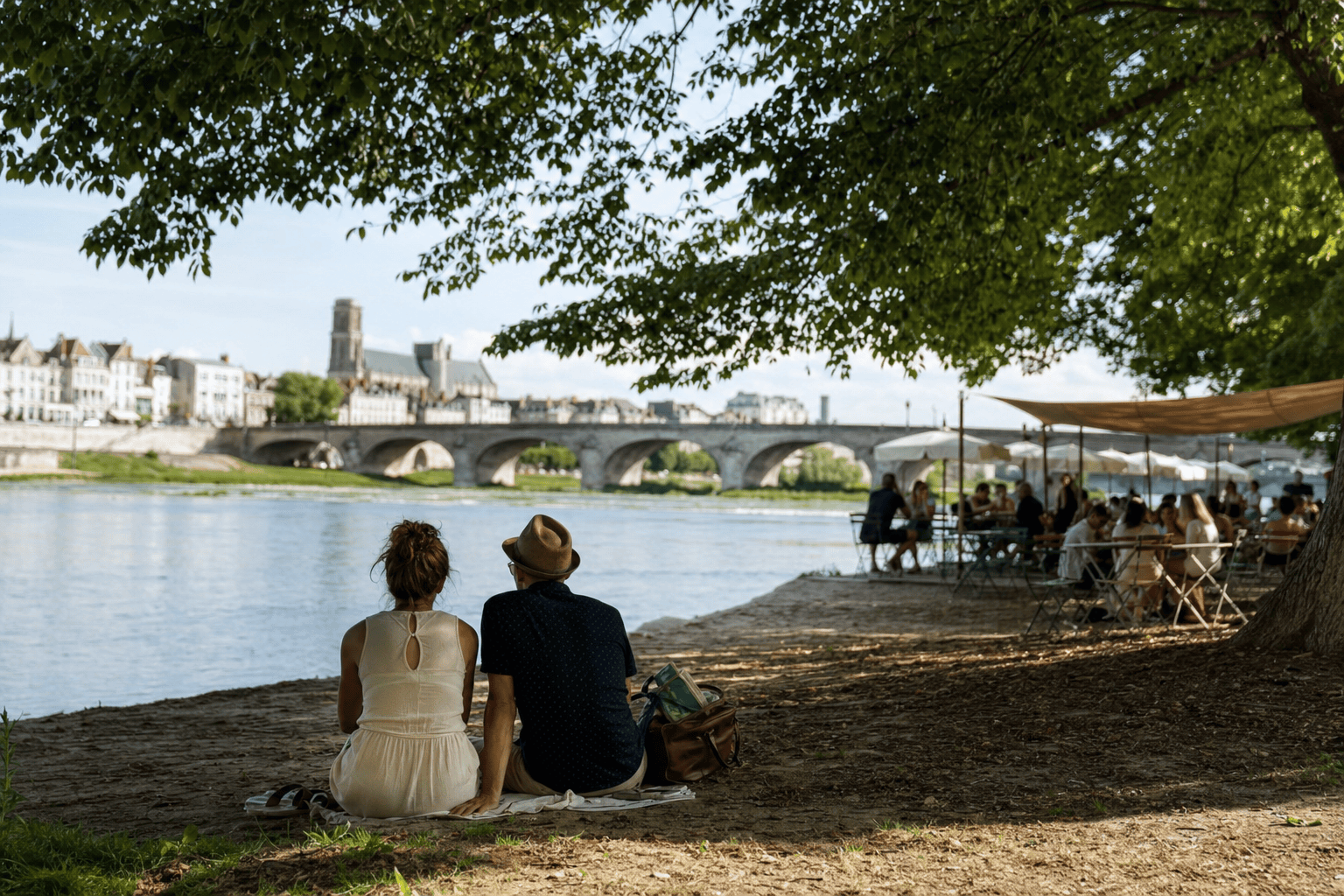
The Loire River in Tours offers an easy outing to fit into a day exploring the Loire Valley. From the historic center, make your way to the quays, admire the views of the river and Aucard Island, then stop at the Tours sur Loire guinguette when its spaces are open. This walk combines scenery, heritage, and a friendly atmosphere without requiring a complicated itinerary. Wilson Bridge, the Saint-Symphorien footbridge, and the quays offer different perspectives, while the pace suits families, couples, photographers, and travelers by bike alike.
Practical information
Start by walking along the quays before settling in. Bring a light jacket, water, and comfortable shoes, and keep a safe distance from currents and fragile natural areas.
Getting to Tours from Paris with a private driver
Booking Paris Transfer can arrange your journey from Paris, the Paris region, CDG, or ORY to Tours, with a return to Paris or onward travel through the Loire Valley. Tours, meals, and reservations are independent of transportation.
Transportation departing from Paris, the Paris region, CDG, or ORY; no ticketing or independent local service based in Tours.
Why Discover the Loire River in Tours
The Loire River in Tours immediately gives the city a different sense of scale. After the streets of Old Tours and the lively squares downtown, the quays open up to much broader views of the river, islands, sandbars, and riverside vegetation. This sense of space is one of the walk’s main attractions. It is not simply a route between two monuments, but a chance to observe a living landscape whose appearance changes with the light, water level, and season.
The Loire is part of the cultural landscape of the Loire Valley, a UNESCO World Heritage Site. This designation applies to a whole area shaped by the river, towns, villages, structures, and heritage sites that developed around it. In Tours, a simple walk can therefore connect the urban heritage with the riverside environment. Wilson Bridge, the quays, and traces of the former port activity recall the Loire’s historic role, while the more natural areas invite you to slow down. The visit is especially well suited to travelers who want to discover Tours without spending the entire day moving from museum to château.
Suggested Route from the City Center
For a first walk, start in Old Tours or the historic center and head toward the Loire, making your way to the Wilson Bridge area. This gradual approach is appealing: old streets give way to the quays, and the view opens up as the river comes into sight. Once you reach the water, follow the riverbank at your own pace. There is no need to set a precise distance, as the best moments often come from an unexpected stop to look at an island, boat, reflection, or the activity along the quays.
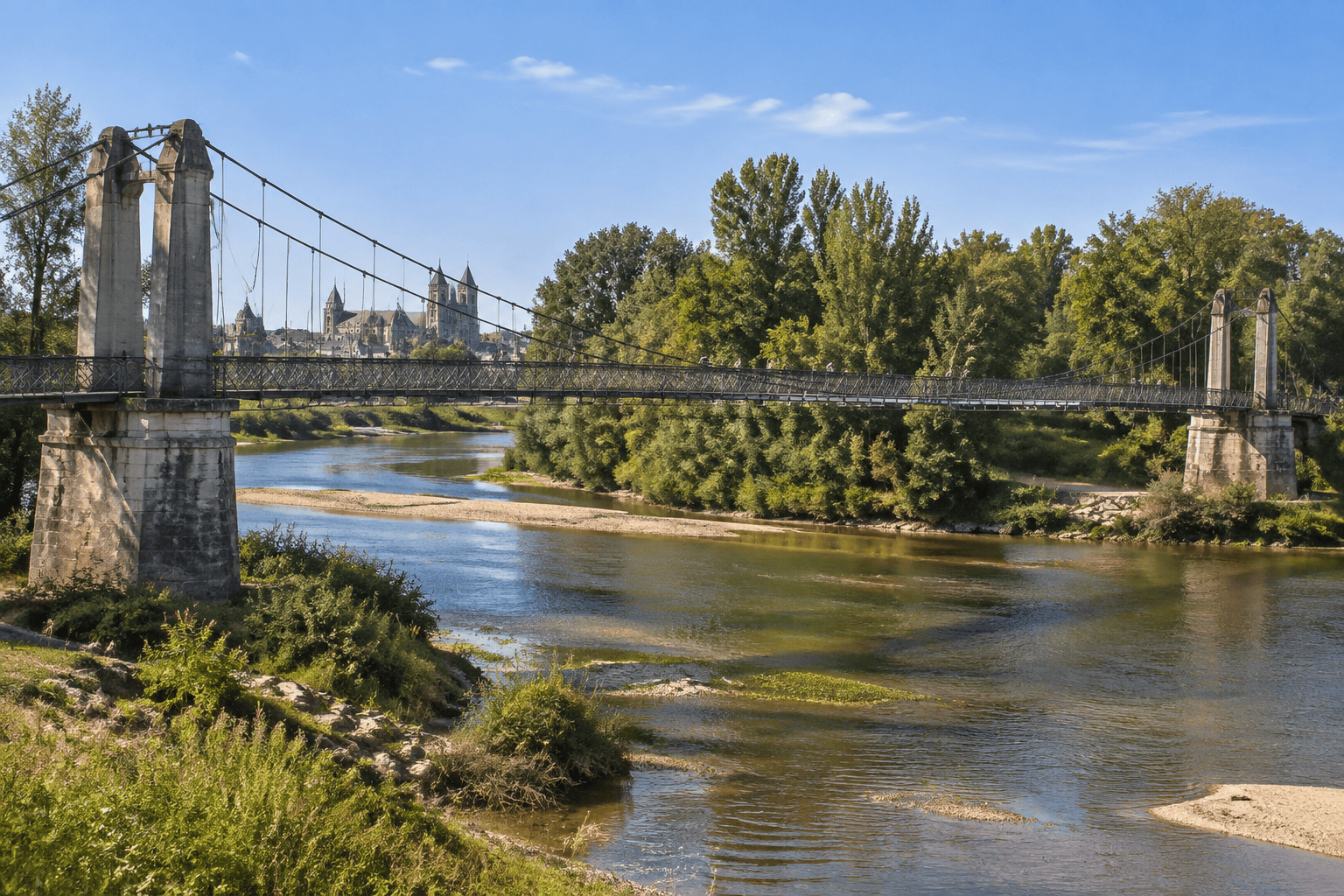
The Tours sur Loire guinguette is located at the foot of Wilson Bridge. After a break, you can extend your walk to the Saint-Symphorien footbridge, also known as the Pont de Fil, for a different perspective of Aucard Island and the city. Depending on your energy, return the way you came or create a loop through the central streets. Cyclists can include Tours in a Loire à Vélo route, but should slow down in busy areas. Surfaces, stairs, quays, and natural surroundings are not equally easy to navigate everywhere, so sturdy shoes are preferable.

The Best Views of the River
Wilson Bridge is the most obvious landmark for understanding Tours’ Loire landscape. From around the bridge, the Loire stretches out widely, and the panorama changes depending on the direction you face. Look upstream to appreciate the relationship between the river and the city, then downstream to see the more open spaces. The bridge itself offers an interesting view of Tours, between the historic neighborhoods, quays, and vegetated areas on the opposite bank.
The Saint-Symphorien footbridge has a different atmosphere. Closer to Aucard Island, it offers views of the river channels and riverside vegetation. Photographers will find beautiful opportunities throughout the day, with especially interesting contrasts as the light softens. It is also worth looking at the details: old slipways, walls, trees, birds, and traces left by changing water levels. The Loire remains a dynamic and sometimes powerful river. Do not enter the currents, venture onto isolated sandbars, or ignore any posted instructions. Observation is more enjoyable when it does not harm natural habitats.
Taking a Break at the Tours sur Loire Guinguette
The Tours sur Loire guinguette is a natural extension of the walk at the foot of Wilson Bridge. Its appeal lies as much in its setting as in its atmosphere: people come to have a drink, eat, listen to an event, or simply enjoy an outdoor space facing the river. The program may include cultural, musical, or family events, but its content, hours, and visitor arrangements may change. Check the official website before planning your evening around a specific event.
Arrangements may vary between the different spaces and associated establishments. Some offer food service, while others focus on drinks or events. For a group, a meal, or a particularly busy date, check reservation options directly with the relevant organizer. Weather also affects the experience: the facilities are designed for outdoor activity, and some events may be adapted. The guinguette does not replace the walk; it is best viewed as a pleasant stop after exploring the quays and viewpoints in the area.
An Enjoyable Outing for Families or Friends
The walk suits a wide range of visitors because everyone can choose their own pace. Families can alternate walking, observing the river, and taking breaks, while couples may enjoy the late-day light and the atmosphere along the quays. For friends, the route works well before drinks or a meal, especially if the group wants a simple outing without organizing a full excursion. Events at the guinguette can add to the visit, but it is best to check the program before setting out.
With young children, stay close to the riverbanks at all times. The Loire is not a supervised swimming area, and sandy areas, islands, and places near the current can be dangerous. A family area may be available at the guinguette depending on the season, but adults must still remain vigilant. Visitors with reduced mobility should ask about the exact access conditions for their chosen day, as temporary facilities, crowds, and routes may vary. In all cases, allow extra time: the quays are best explored when you can stop without rushing.
When to Visit and What to Bring
The guinguette operates according to a seasonal program, generally concentrated during the warmer months. Opening dates, hours, accessible areas, and events should be checked through the official Tours sur Loire channels or with the Tours Tourist Office. This is especially important at the beginning or end of the season and on days when the weather is uncertain. The quayside walk can be enjoyed independently of the guinguette’s opening, provided you take local conditions into account.
Late afternoon is often a good compromise: the heat is less intense, the light highlights the river, and the walk can continue with a break. Announced weekends and evenings may attract more visitors. Bring water, sun protection, a jacket for the return trip, and shoes suitable for quays and uneven paths. In very hot weather, start earlier or wait until evening. If you come by bike, use designated parking areas and adjust your speed in areas shared with pedestrians. Do not base your plans on an unconfirmed schedule: the season and weather may affect arrangements.
Extending Your Discovery in the Loire Valley
This walk can be part of a day dedicated to Tours. Before heading to the river, explore Old Tours, Place Plumereau, and the streets of the historic center. After the guinguette, a short walk through the city lets you change the atmosphere without adding many transfers. Visitors staying longer can use Tours as a starting point for several Loire Valley châteaux, choosing a realistic itinerary and checking each monument’s hours, reservations, and access conditions separately.
Amboise, Villandry, Azay-le-Rideau, and Chenonceaux offer different experiences, but it is best not to try to visit everything in one day. Cycling is another way to follow the river and connect some of its landscapes, provided you choose a route suited to your level. From Paris, chauffeur-driven transportation can simplify the journey to Tours and fit into an itinerary through the Loire Valley; visits, meals, and reservations remain independent of transportation. The focus of this page, however, remains the Tours experience: walking, observing the Loire, understanding its role in the landscape, and stopping at the guinguette when conditions allow.
Useful sources
Frequently Asked Questions
Where is the Tours sur Loire guinguette located?
Does the Loire River walk cost anything?
When is the guinguette open?
Can we visit with children?
Can you explore the quays by bike?
 Tours Market Halls A food-focused stop in the heart of Tours to discover Touraine products and continue your…
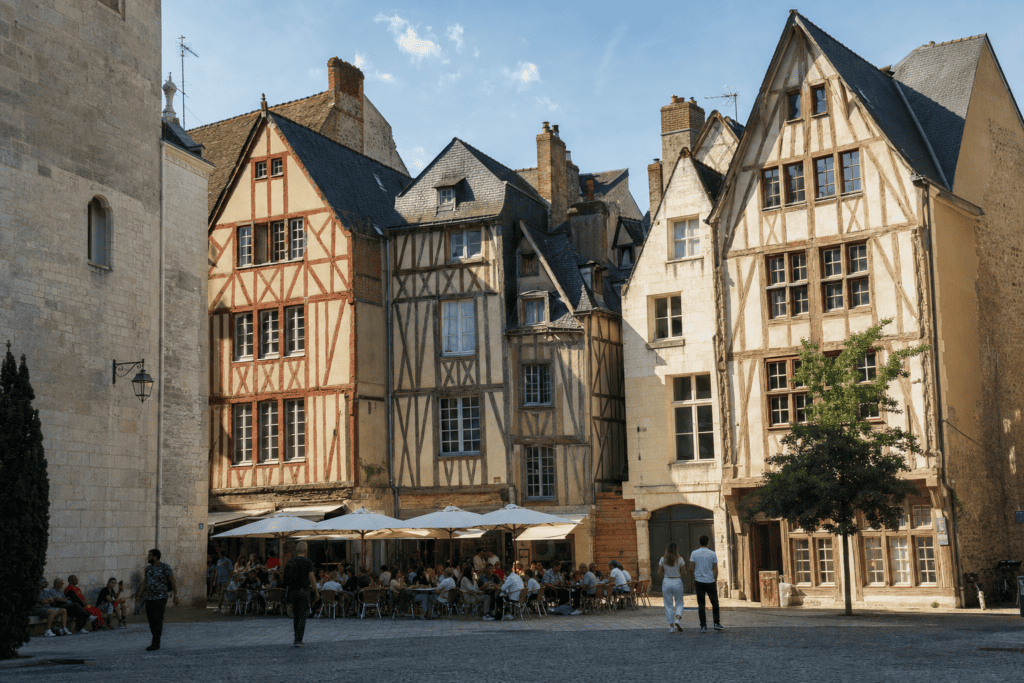 Old Tours and Place Plumereau Explore the historic heart of Tours among half-timbered houses, pedestrian streets, lively squares, and…
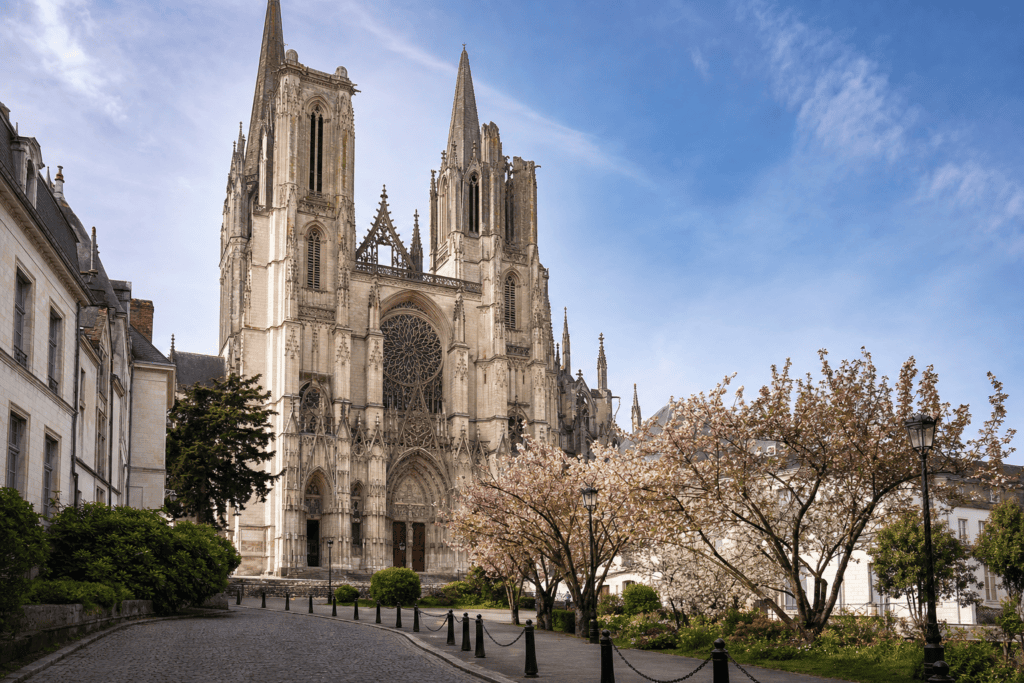 Saint-Gatien Cathedral A remarkable cathedral showcasing the evolution from Gothic architecture to the early Renaissance, its stained glass, and…
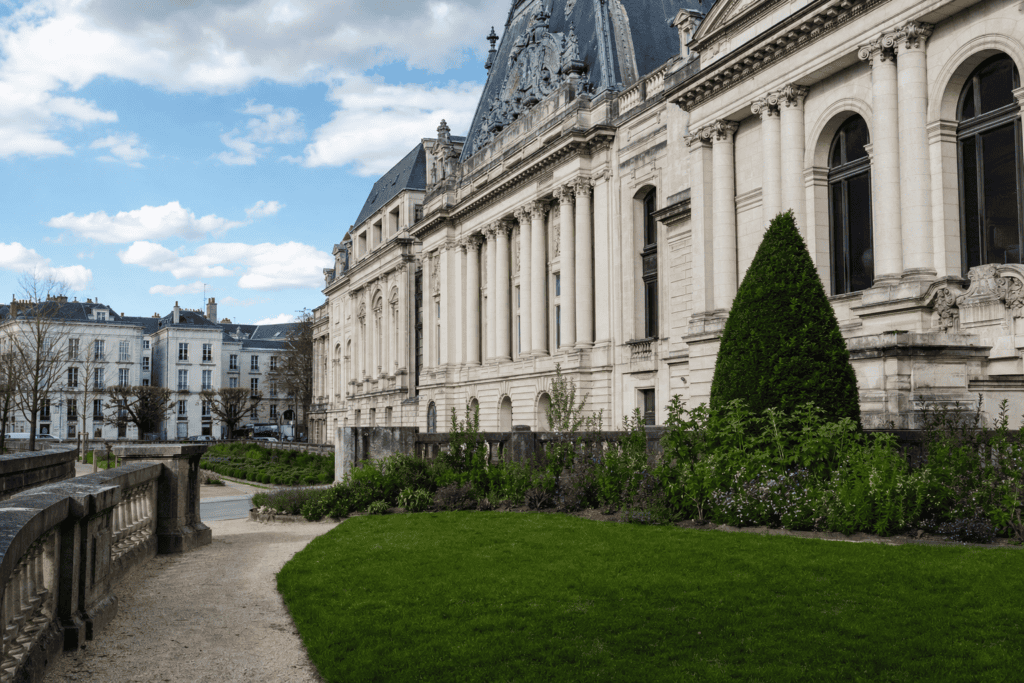 Tours Fine Arts Museum In Tours’ former archbishop’s palace, discover collections ranging from the Middle Ages to modern art, historic rooms…
Online booking · Paris → Tours sur Loire guinguette, at the foot of Wilson Bridge, 1 quai de la Loire, 37000 Tours. Check the address and access details on the official website before your visit.
Choose your pickup date and time
Your departure and arrival details are already pre-filled. You can adjust them in the fare calculator before viewing the vehicles and fare.