



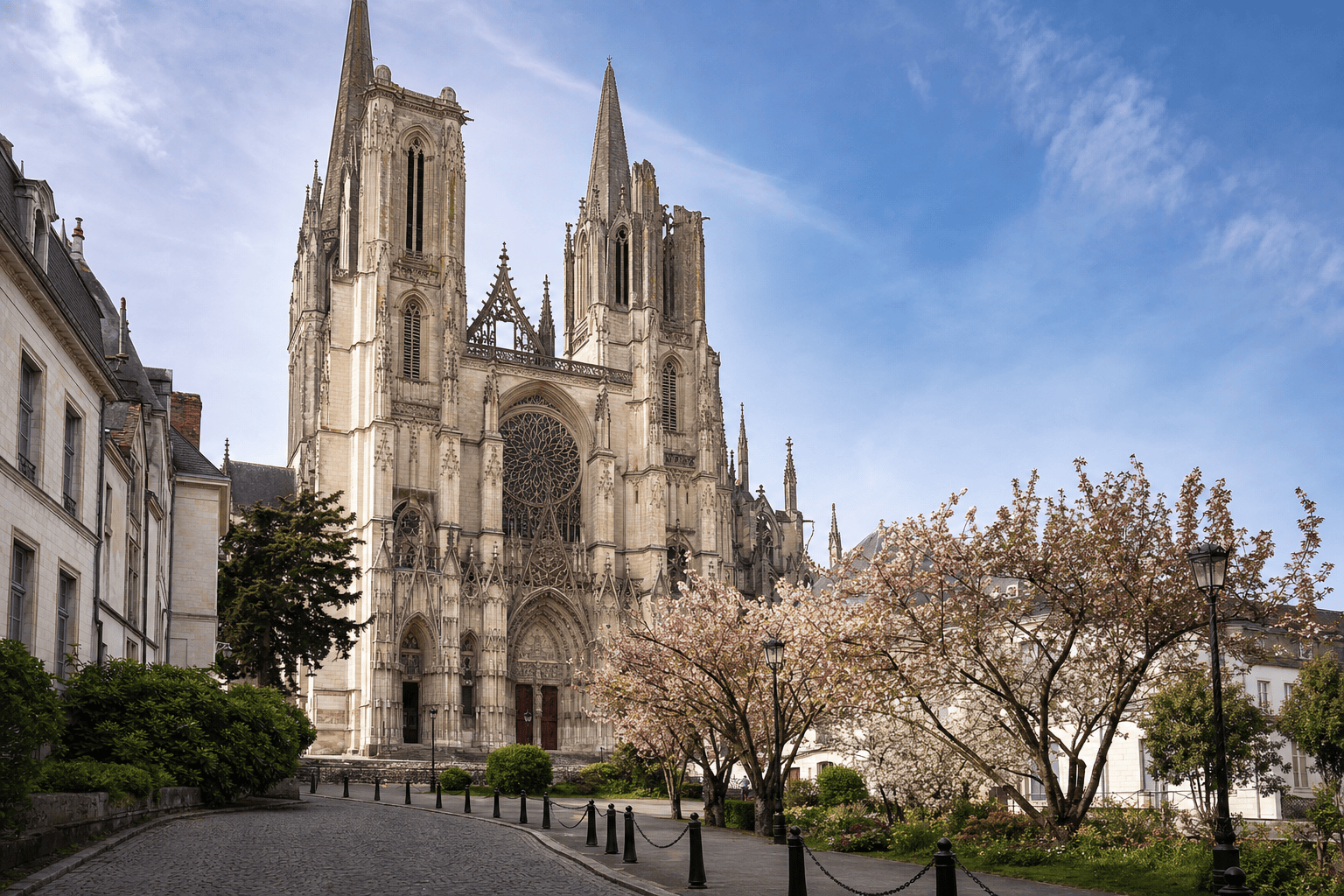
Saint-Gatien Cathedral: A Gothic Masterpiece in Tours
Caen
In the heart of Tours’ historic center, Saint-Gatien Cathedral is home to one of the Loire Valley’s finest Gothic ensembles. Its richly sculpted west façade, luminous stained-glass windows, and proximity to the Psalette Cloister make it an essential cultural stop, easily combined with the Fine Arts Museum, the Loire, and the old streets of the canonical quarter.
Practical information
Start by viewing the façade from the square, then go inside and give your eyes time to adjust to the dim light. Continue to the Psalette Cloister and the nearby Fine Arts Museum.
Travel to Tours from Paris with a chauffeur
To include Saint-Gatien Cathedral in a cultural day trip, Booking Paris Transfer can arrange private transportation from Paris, a Paris hotel, Charles de Gaulle Airport, or Orly Airport, with a return trip to Paris. Transportation does not include admission tickets or guided tours: check the cathedral’s and Psalette Cloister’s official conditions separately.
Transportation service departing from Paris, the Île-de-France region, CDG, or ORY, with a possible return to Paris. Booking Paris Transfer is not a ticketing service and does not present itself as a local chauffeur based in Tours.
Why visit Saint-Gatien Cathedral?
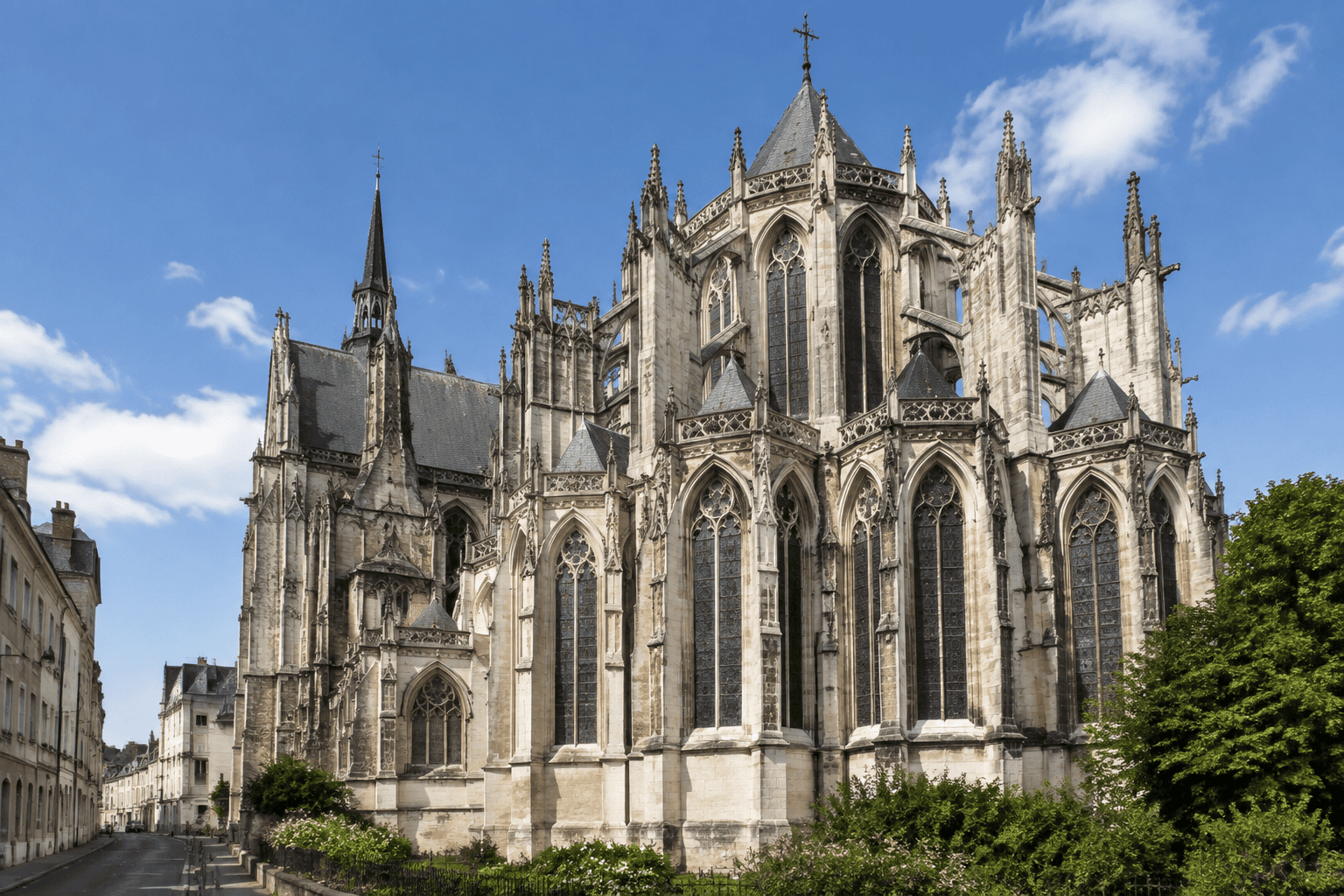
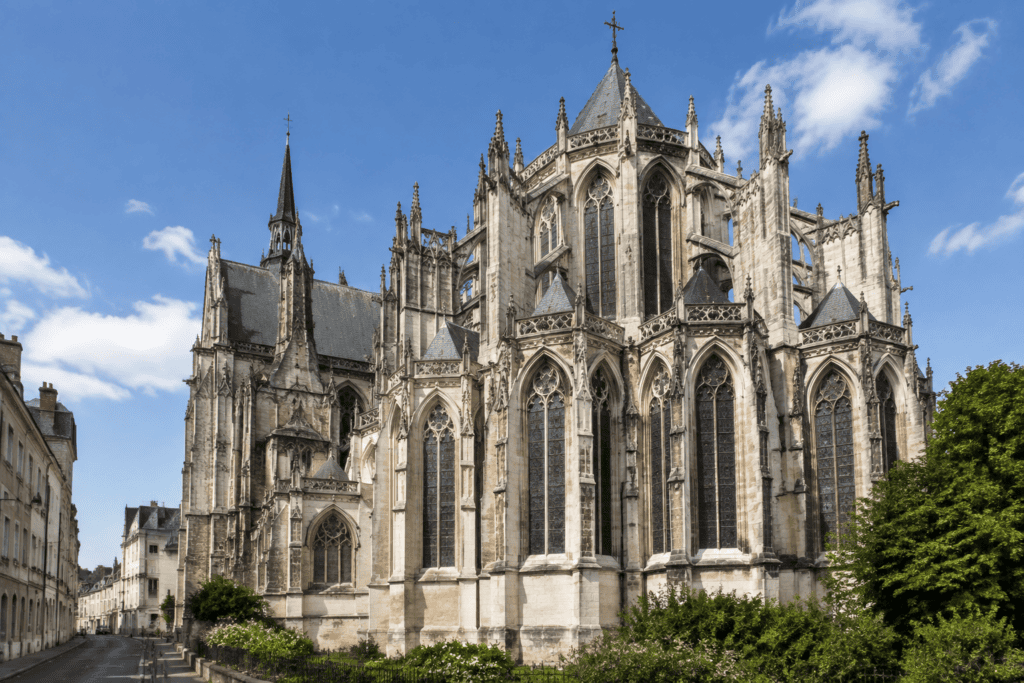
Saint-Gatien Cathedral is one of the major landmarks in downtown Tours. It is worth visiting as much for its architecture as for the distinctive atmosphere of its surroundings. The building reflects several centuries of construction: the chevet belongs to the great Gothic movement of the 13th century, while the nave, transept, and façade were built or transformed later. This evolution gives the cathedral a particularly fascinating silhouette to read.
From Cathedral Square, the two towers immediately draw the eye. Together, they form an urban landmark visible from several parts of Tours, especially near the Loire. Inside, the height of the nave, large windows, and interplay of light create a sense of depth. The visit suits both heritage enthusiasts and travelers looking for a peaceful stop between two discoveries in the Loire Valley. It naturally fits into a walk connecting the train station, the Fine Arts Museum, Vieux Tours, and the Loire riverbanks.
A history built over several centuries
The present cathedral stands on a site occupied by earlier religious buildings, in the heart of the ancient city of Caesarodunum. It is named after Saint Gatien, considered the first bishop of Tours. Construction of the building we admire today took place over a long period, explaining the coexistence of several architectural styles.
The chevet, begun in the 13th century, follows the tradition of Rayonnant Gothic. The nave and transept belong to later phases, while the west façade features an especially elaborate Flamboyant Gothic decoration. The towers add another historical dimension to the ensemble: the north tower, completed in the early 16th century, incorporates early Renaissance elements, while the south bell tower retains a different vocabulary. This layering is not a lack of unity; on the contrary, it shows how tastes, techniques, and religious ambitions evolved over time. The cathedral has been listed as a historic monument since 1862.
The Flamboyant Gothic façade to admire
The west façade is the first great spectacle of the visit. Take a few minutes to observe it from the square before going through the doors. Its decoration belongs to the Flamboyant Gothic style, recognizable by the abundance of curved lines, stone tracery, and motifs that seem to unfold like flames. The composition is organized around the large rose window, vertical openings, and numerous sculpted elements.
The two towers frame the façade without being perfectly identical, as they reflect different periods and architectural choices. This asymmetry gives the ensemble real character. Looking up, you can also see the contrast between the delicate decoration and the power of the volumes. To better appreciate the details, move slightly away in the square rather than staying at the foot of the portal. A standard lens or a phone in panorama mode can help capture the building’s height, but the light changes quickly depending on the time of day. Attentive visitors will notice the transition between Late Gothic and the first Renaissance influences.
Stained glass, light, and interior works
Inside, the stained-glass windows are one of the main reasons to visit. Colored light gradually transforms the stone surfaces and draws attention toward the choir, transept, and chapels. Depending on the weather and time of day, the colors can look very different: bright weather intensifies the blues and reds, while an overcast sky may reveal the panels’ designs more subtly.
The cathedral is best experienced at an unhurried pace. Start by walking along the nave, then observe the side elevations, arches, and vaults. Return afterward to the windows to compare their compositions and periods. The relative quiet of the site also makes it possible to appreciate the proportions of the architecture, which are often less perceptible from outside. As in any religious building, it is best to remain discreet, respect areas reserved for prayer, and follow the photography guidelines posted on site. Volunteers from the Présence Cathédrale association may offer a welcome and explanations at certain times of year; confirm the exact arrangements with the parish.
The Psalette Cloister and the canonical quarter
The visit takes on another dimension with the Psalette Cloister, accessible from inside the cathedral depending on the opening hours and conditions set by the Centre des monuments nationaux. This former space associated with the cathedral chapter offers a more intimate perspective on the religious complex. Its galleries, vaults, and sculpted details help explain the daily organization of the canonical quarter, far from the nave’s monumental scale.
The name Psalette recalls the musical function associated with the cathedral. The cloister also presents an interesting dialogue between Gothic and Renaissance styles, especially visible in certain decorations and in the quality of the stonework. After this stop, continue to the former archbishop’s palace, now home to the Tours Fine Arts Museum. The remarkable cedar in the garden is another point of interest. This proximity makes it possible to follow a coherent route of about two hours: cathedral, cloister, museum, then the old streets around Place Plumereau or a walk toward the Loire. Check the cloister’s opening hours and conditions separately, as they are not necessarily the same as those of the cathedral.
How to plan your visit to Tours
Saint-Gatien Cathedral is located in central Tours, a short distance from the train station and the main heritage sites. From Tours train station, a walk allows you to gradually reach the canonical quarter and the Fine Arts Museum. By car, the city center requires more planning: choose authorized parking just outside the immediate center and finish on foot, as the square and nearby streets are not designed as a large tourist parking area.
The parish lists the cathedral as open daily, but hours may change because of services, ceremonies, or requirements related to the monument. For a guided tour, group visit, or in-depth look at the stained glass, consult information from the parish and the tourist office. The Psalette Cloister is managed by the Centre des monuments nationaux and has its own practical information. Wear appropriate clothing for a place of worship, keep your voice low, and avoid planning a visit too close to a train departure or another activity. The interior light and architectural details are worth taking your time over.
A heritage route around the cathedral
The cathedral is an excellent starting point for exploring Tours on foot. Right next door, the Fine Arts Museum occupies the former archiepiscopal palace and complements the discovery of the religious quarter. Its garden also provides a pleasant break before heading back toward the Loire. As you descend toward the river, you pass through streets that tell the story of the old center’s evolution, with historic buildings, shops, and views of Saint-Gatien’s towers.
Several routes are possible to extend the day. To the west, Vieux Tours and Place Plumereau offer a livelier atmosphere, with historic houses and terraces. To the south, Saint-Martin Basilica, Charlemagne Tower, and the Clock Tower recall Tours’ religious importance in the Middle Ages. Garden lovers can also plan a detour through the city center’s green spaces. The cathedral also fits very well into an itinerary devoted to the Loire Valley châteaux: a morning visit to Tours can be followed by a departure for Amboise, Azay-le-Rideau, or Villandry, provided you allow for travel times and each estate’s individual opening hours.
Frequently Asked Questions
Where is Saint-Gatien Cathedral located?
Is there an admission fee for the cathedral?
Can you visit the Psalette Cloister?
How much time should I allow for a visit?
Can a guided tour be arranged?
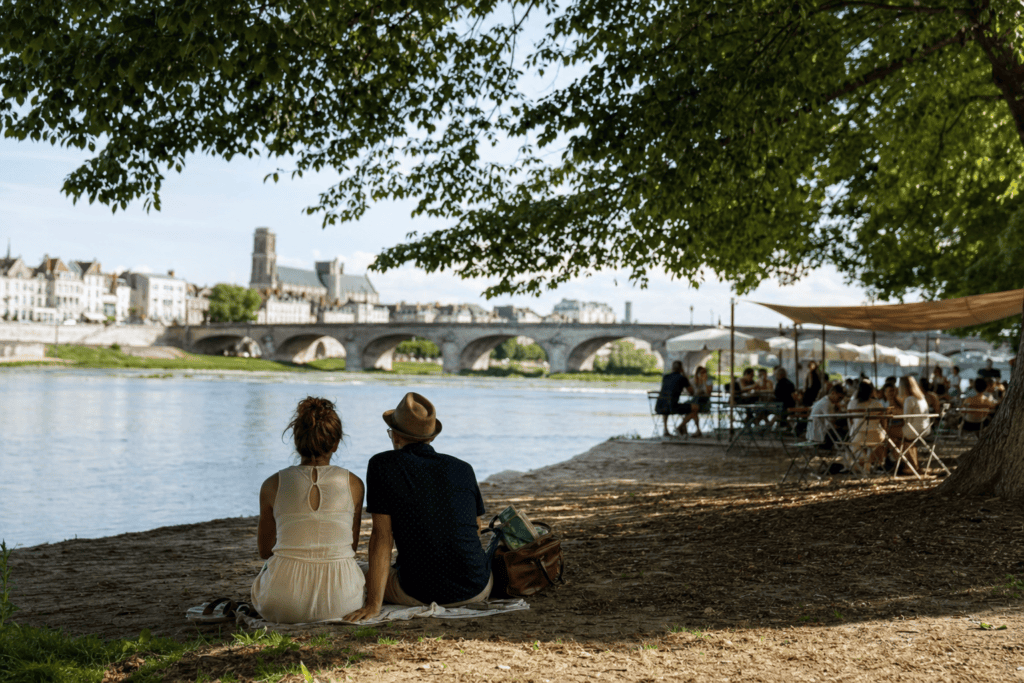 Walk Along the Loire and Visit a Tours Guinguette A leisurely walk along the Loire, between Wilson Bridge, river views, and…
 Tours Market Halls A food-focused stop in the heart of Tours to discover Touraine products and continue your…
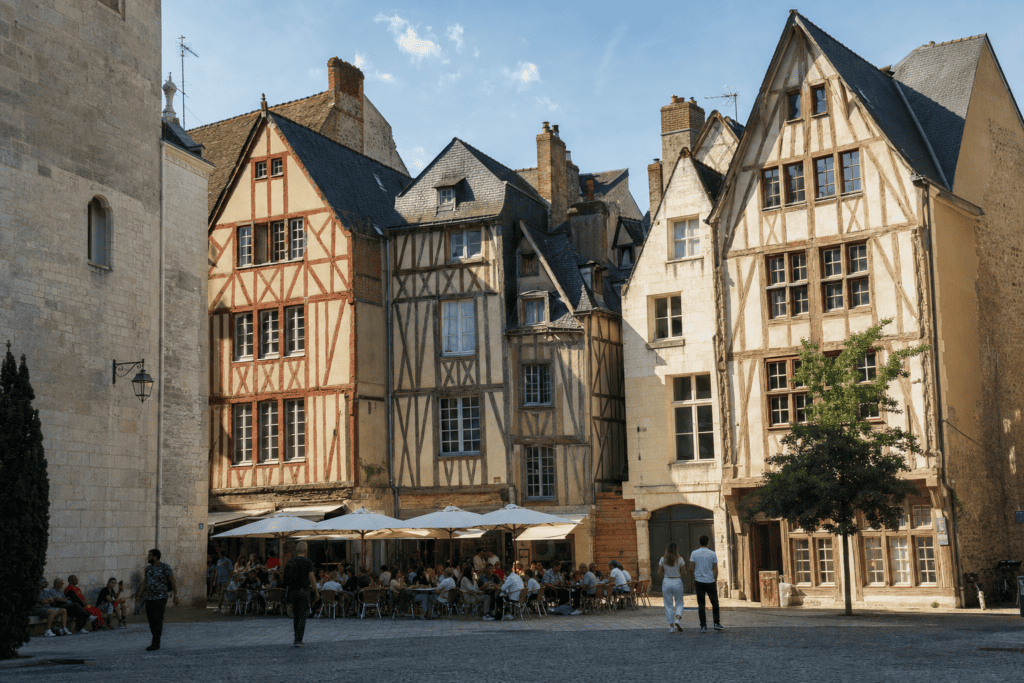 Old Tours and Place Plumereau Explore the historic heart of Tours among half-timbered houses, pedestrian streets, lively squares, and…
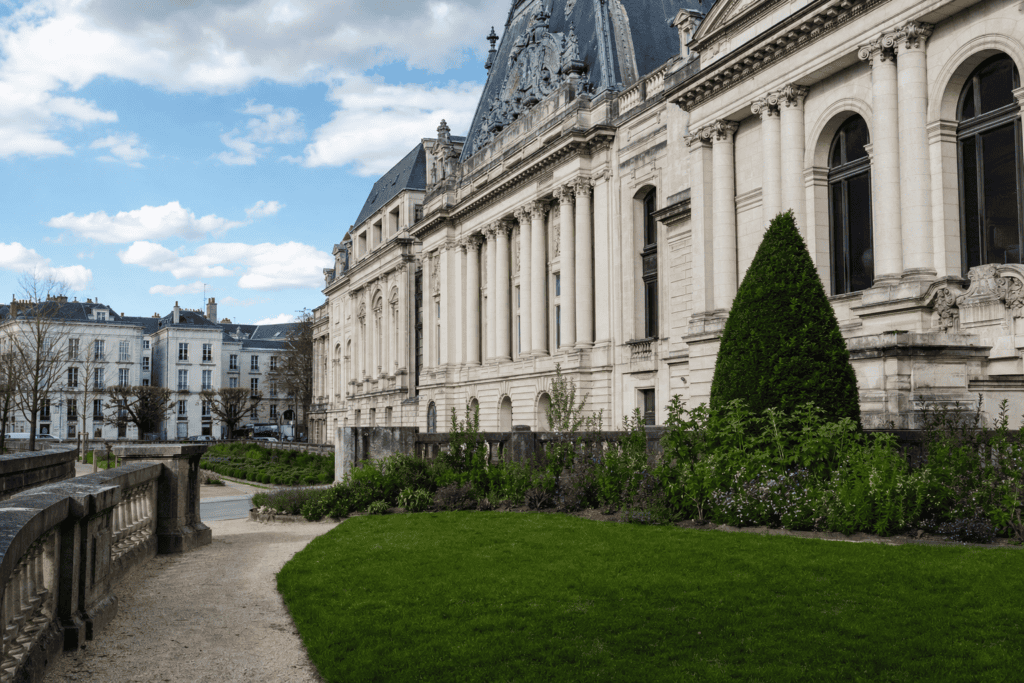 Tours Fine Arts Museum In Tours’ former archbishop’s palace, discover collections ranging from the Middle Ages to modern art, historic rooms…
Online booking · Paris → Place de la Cathédrale, 37000 Tours, France
Choose your pickup date and time
Your departure and arrival details are already pre-filled. You can adjust them in the fare calculator before viewing the vehicles and fare.