



Musée des Beaux-Arts de Tours: Visitor Guide
Caen
Housed in the former archbishops’ palace near Saint-Gatien Cathedral, the Musée des Beaux-Arts de Tours combines architectural heritage, European paintings, and remarkable gardens. Its collection spans several centuries, from Italian primitives to modern art, with works attributed notably to Mantegna, Rubens, Rembrandt, Delacroix, Monet, Degas, and Rodin. Visitors can also admire the historic salons and a monumental cedar in the gardens. Located in the heart of Tours, the museum is an easy cultural stop to include when exploring the episcopal district, the Loire, and the historic center.
Practical information
Combine your visit with the cathedral, the Psalette Cloister, Château de Tours, or a walk toward the Loire. The neighborhood is easy to explore on foot.
Getting to the Musée des Beaux-Arts de Tours from Paris
Booking Paris Transfer can arrange a private ride from Paris, a hotel in the Île-de-France region, Charles de Gaulle Airport, or Orly to Tours, with a return trip to Paris also available. Transportation can be incorporated into a day devoted to the museum and historic center, or into a broader itinerary through the Loire Valley. This service covers transportation only: admission, guided tours, and museum tickets must be arranged directly with the relevant institutions.
Transportation from Paris, the Île-de-France region, CDG, or ORY, with a possible return to Paris. No admission ticket or ticketing service is included.
A Former Archbishop’s Palace in the Heart of Tours
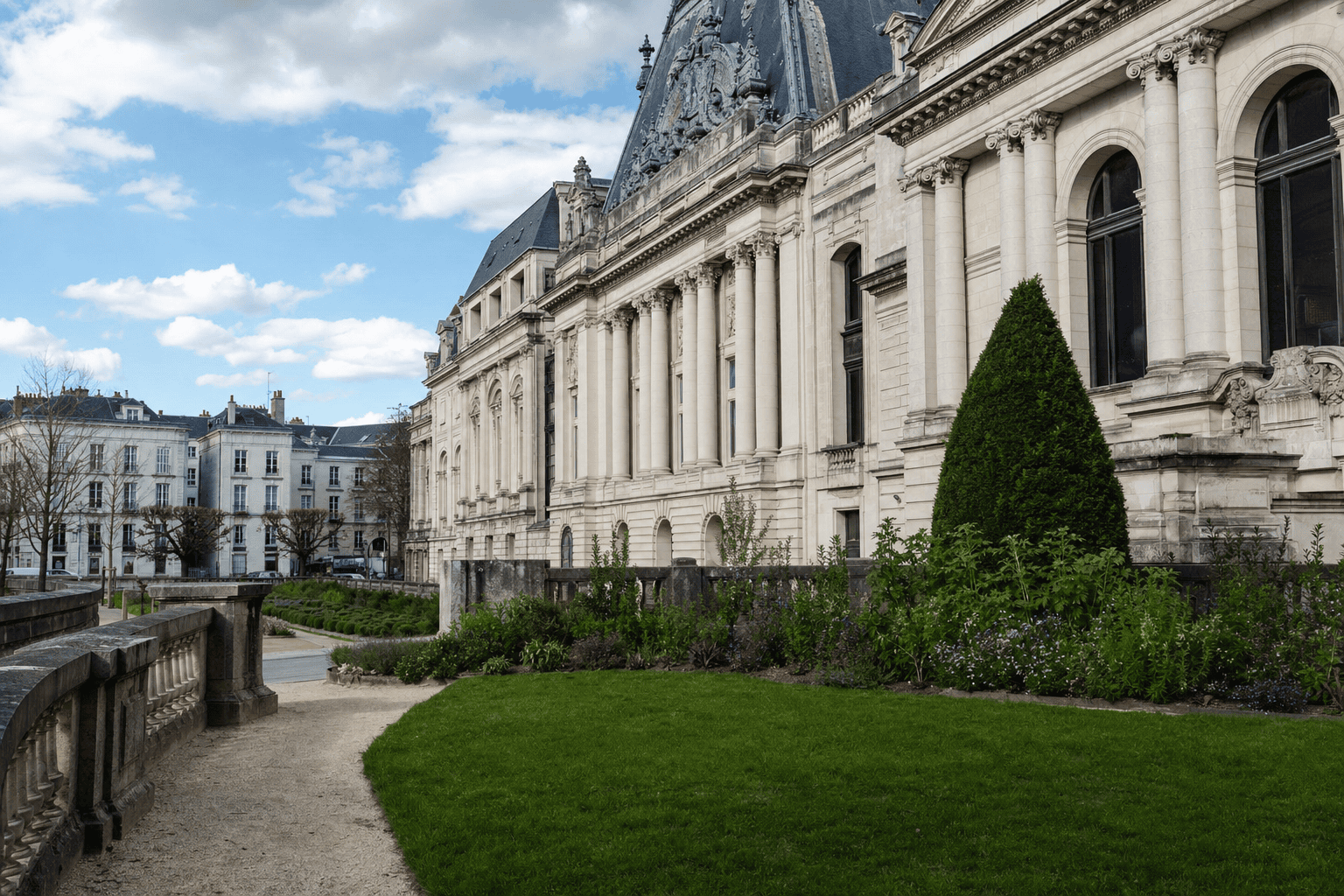
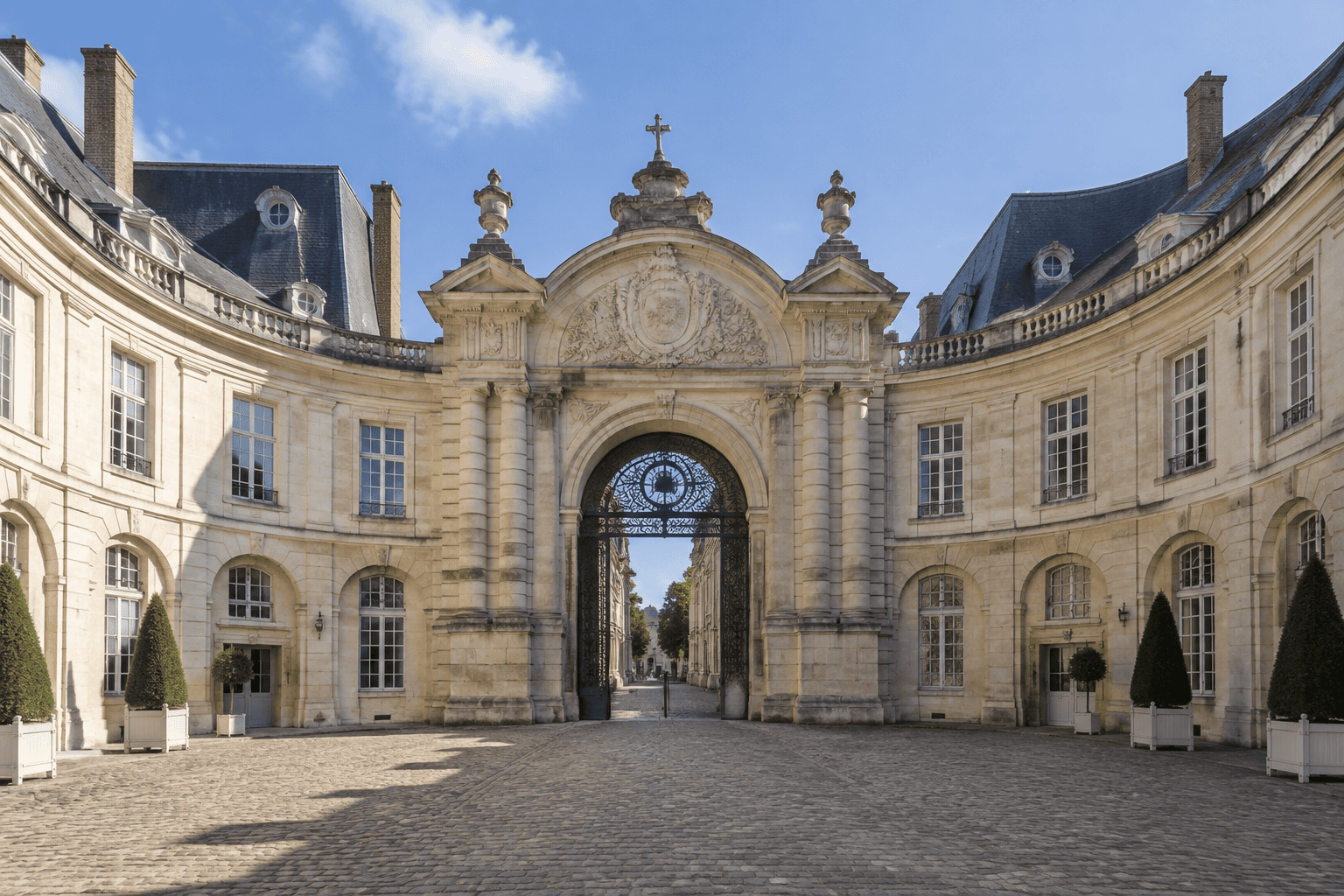
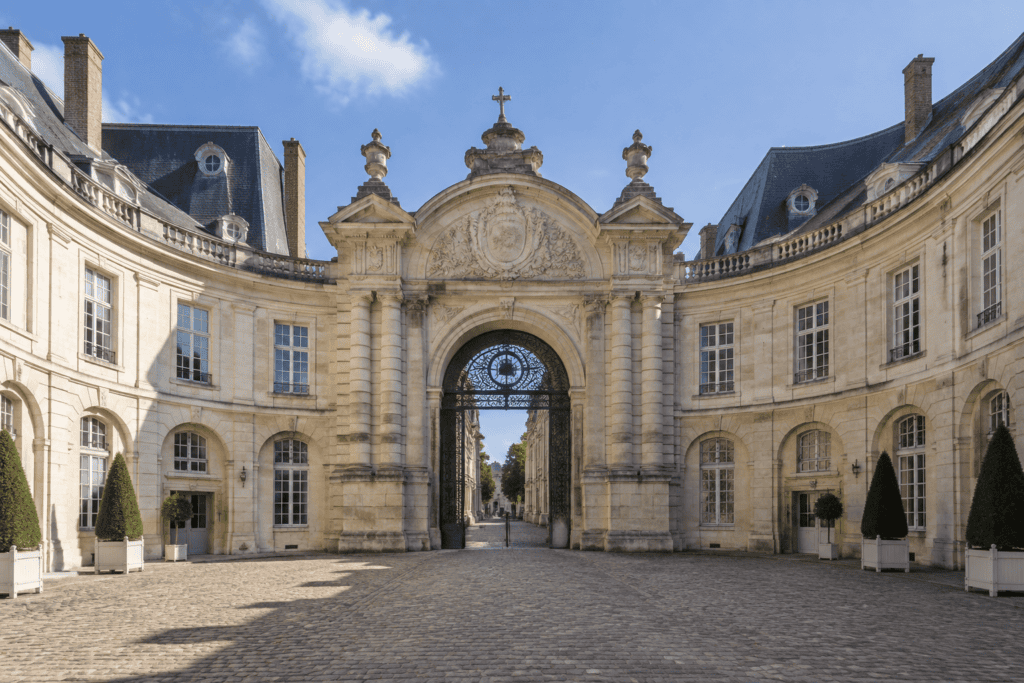
The Musée des Beaux-Arts de Tours occupies the former archbishops’ palace, a site where several periods of the city’s history overlap. The visit therefore begins with architectural heritage that is just as fascinating as the collections. The complex preserves remnants of Gallo-Roman walls and a tower, remains associated with the earliest religious developments, the former Estates General rooms, and buildings remodeled in the 17th and 18th centuries.
This succession of buildings gives the site a distinctive atmosphere. The rooms, courtyards, volumes, and sightlines recall the religious and institutional role of the former archbishopric. The museum is protected as a historic monument, highlighting the site’s importance to the heritage of Tours and the Loire Valley. Take time to notice the transitions between spaces: they help explain how an historic palace was adapted for museum use.
The immediate proximity of Saint-Gatien Cathedral further reinforces the feeling of being in a historic district. Before or after viewing the artworks, a walk around Place François-Sicard helps place the museum within its urban and religious setting.
A Journey from Early Art to Modern Art
The collections cover a very broad period, from the late Middle Ages through modern and contemporary art. This breadth allows visitors to follow the evolution of techniques, subjects, and artistic sensibilities over several centuries. Visitors move from religious painting and Italian primitives to grand decorative works, portraits, landscapes, and the formal experimentation of the 19th and 20th centuries.
The collection also brings several European traditions into dialogue. French, Italian, and Flemish schools are not presented as completely separate worlds; rather, they invite comparisons of color, light, drawing, and composition. This diversity makes the museum appealing to different kinds of visitors. Enthusiasts can explore the artists and provenances in greater depth, while those less familiar with art history can follow themes and impressions.
On a first visit, don’t feel you need to read every label. Identify the rooms that draw your attention, choose a few standout works, and let the contrasts between periods guide you. The building and collections are rich enough to reward careful viewing without imposing a single route.
Works and Artists Not to Miss
The museum’s reputation rests in particular on its old master paintings and the presence of two celebrated panels attributed to Andrea Mantegna. The 17th- and 18th-century galleries also bring together works associated with Rubens, Rembrandt, Philippe de Champaigne, Le Sueur, Boucher, Nattier, and Perronneau. They offer very different approaches to portraiture, history painting, religious scenes, and decorative art.
The 19th century continues the journey with works linked to Delacroix, Chassériau, Monet, Degas, and Rodin. This period is especially interesting for tracing the shift from academic painting toward freer explorations of light, movement, and material. The 20th century then opens onto a range of sensibilities, including Calder, Max Ernst, Maurice Denis, Olivier Debré, Goncharova, Messagier, and Tal-Coat.
The works on display may change depending on loans, conservation work, exhibitions, and artwork movements. Before visiting, check the updated collection presentation on the official website. Public heritage databases can also enrich your discovery with information about techniques, dates, provenances, and the context in which works were created.
Historic Salons and the Palace’s Décor
The museum is more than a succession of paintings hung in neutral rooms. Some spaces retain an atmosphere connected to the residential and official functions of the former archbishopric. The historic salons, their proportions, and their décor recall how artworks were once integrated into an interior alongside furniture, wood paneling, and decorative objects.
This presentation offers a more concrete view of artistic life in past centuries. A painting was not always intended to stand alone: it might form part of a decorative scheme, indicate an owner’s status, or accompany a reception. Notice the frames, hanging heights, door rhythms, and the relationship between the artworks and the architecture.
The contrast with the spaces devoted to modern art makes the route especially lively. The historic rooms emphasize continuity of décor and richness of atmosphere, while more recent works draw greater attention to color, material, abstraction, and movement. The palace thus becomes a genuine aid to understanding, rather than a mere backdrop for the collections.
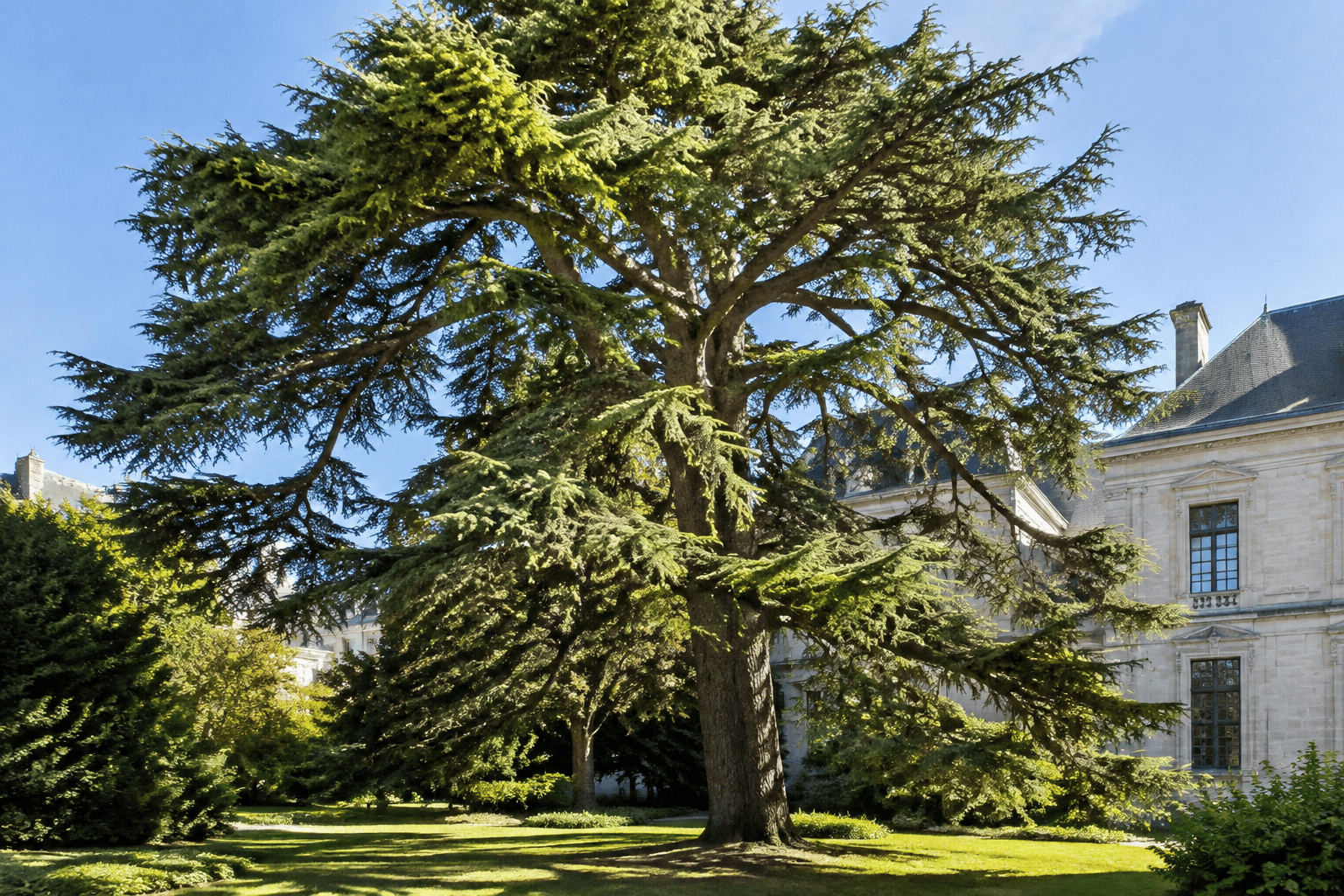
The Garden and Monumental Cedar
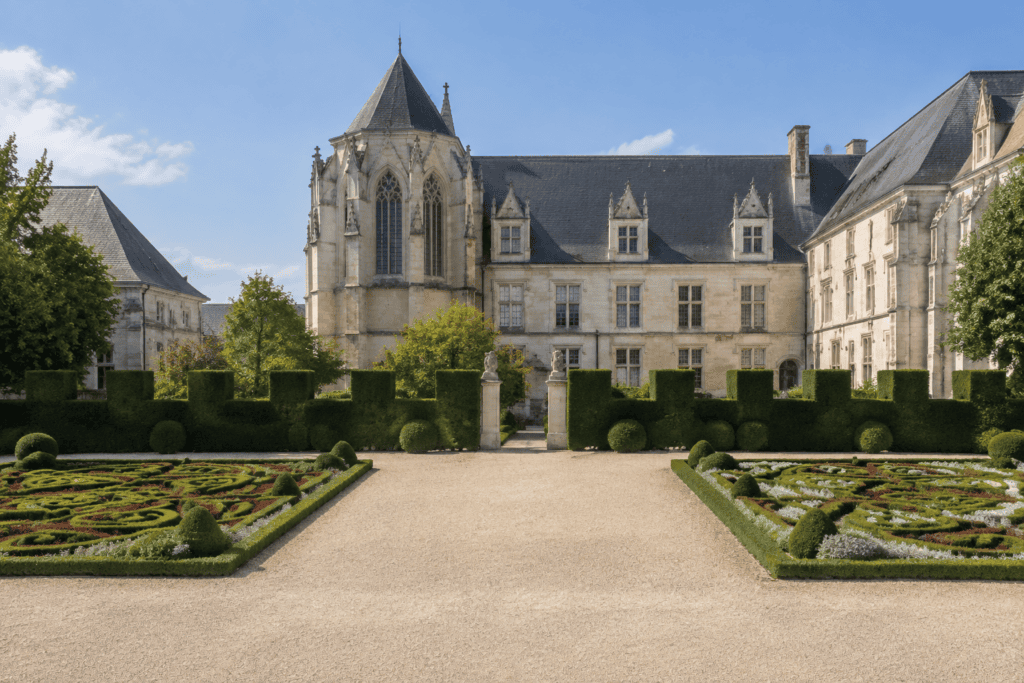
The garden is one of the distinctive attractions of the Musée des Beaux-Arts de Tours. After the galleries, it offers a quieter outdoor space, with views that provide a different perspective on the façades of the former archbishopric. Its layout and relationship to the building evoke the residential and institutional character of the site.
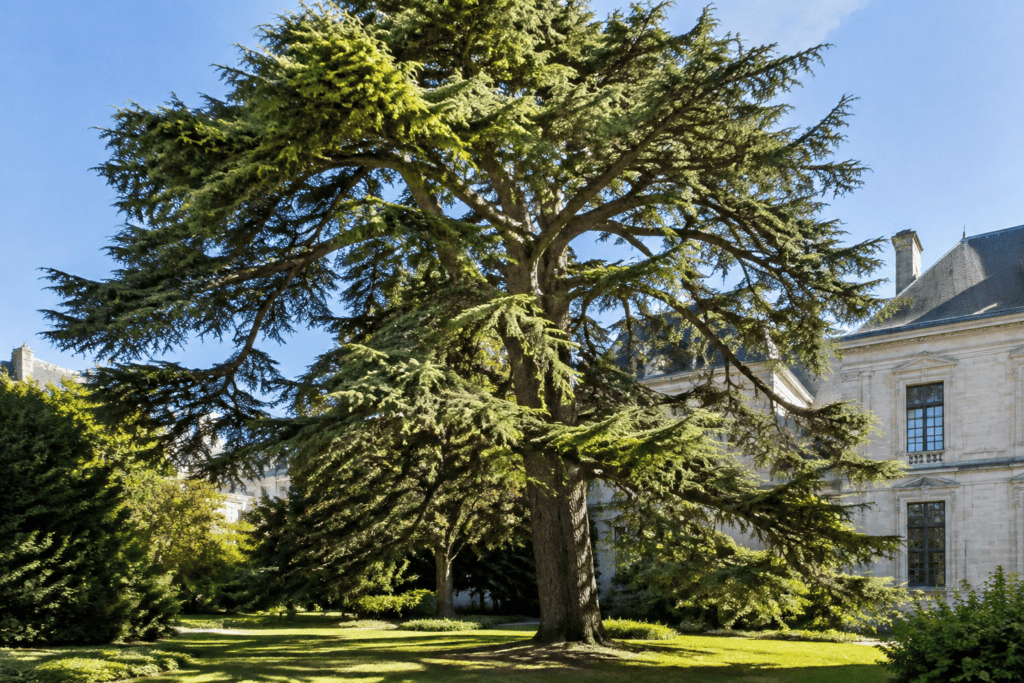
The most spectacular feature is the large cedar of Lebanon, often considered one of Tours’ notable trees. Its imposing silhouette dominates the garden and creates a striking contrast with the historic buildings. It is worth taking time to observe, especially from different angles in the courtyard and outdoor areas. The tree also gives the palace a distinctive sense of scale and helps reveal the garden’s depth.
You can explore this area at the start of your visit to get your bearings, or save it for the end as a break after the collections. Garden access may depend on the season, programming, or specific restrictions. Check the information provided by the institution before traveling, especially if the garden is an essential part of your visit.
Planning Your Visit in Central Tours
The museum is located at 18 Place François-Sicard, in central Tours, near Saint-Gatien Cathedral. The walk from the train station is generally short, though the exact duration depends on the route and starting point. Its location makes it easy to plan a half-day cultural outing without extensive travel: the episcopal district, Château de Tours, and several central streets are all within walking distance.
Opening hours, admission fees, closure days, free-entry policies, and visitor arrangements may change depending on the season, public holidays, or programming. Don’t rely on outdated information in a printed guide or on an unmaintained page. Check the museum’s official website before setting out to verify the details for your visit date.
For a comfortable visit, wear suitable walking shoes and allow some time for the outdoor areas. Families can alternate time in the galleries with a break in the garden or a walk toward the Loire. If you are traveling with a stroller, a person with reduced mobility, or a group, ask in advance about access conditions and any special arrangements.
What to See Around the Musée des Beaux-Arts?
Saint-Gatien Cathedral and the Psalette Cloister are the most natural extensions of a museum visit. They allow you to remain in the same historic district and explore more of the former episcopal complex. Located near the Loire, Château de Tours offers another perspective on local heritage and hosts exhibitions or cultural events depending on the season.
Continuing toward the center, you can reach the old streets, lively squares, and Vieux-Tours. A walk along the Loire then provides a pleasant change of atmosphere, especially after several hours indoors. Culture enthusiasts can also check the programming at the Musée du Compagnonnage and the Olivier Debré Contemporary Art Center.
For a longer day, Tours can serve as a base for exploring the Loire Valley and its châteaux, provided you allow enough time for transportation. The Musée des Beaux-Arts fits equally well into a short urban stop or a broader cultural itinerary from Paris. The key is to leave room to wander: Tours’ richness lies as much in its collections as in the nearby monuments, riverfront, and historic districts.
Useful sources
Frequently Asked Questions
Where is the Musée des Beaux-Arts de Tours located?
How much time should I allow for the visit?
Which artistic periods are represented?
Are the garden and cedar accessible year-round?
Are the opening hours and admission fees fixed?
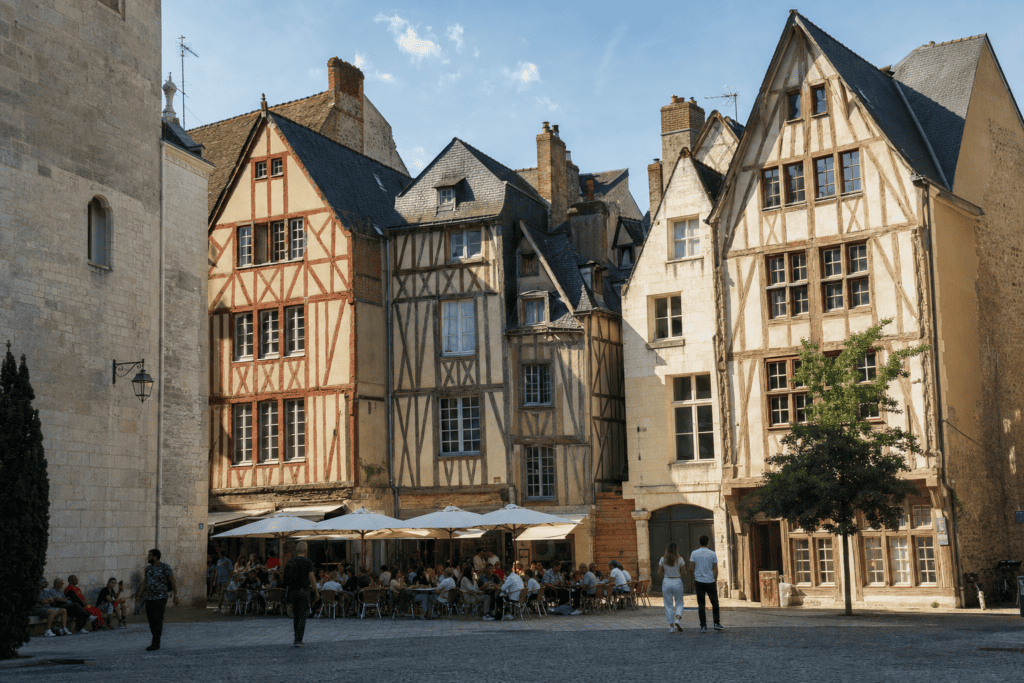 Old Tours and Place Plumereau Explore the historic heart of Tours among half-timbered houses, pedestrian streets, lively squares, and…
 Tours Market Halls A food-focused stop in the heart of Tours to discover Touraine products and continue your…
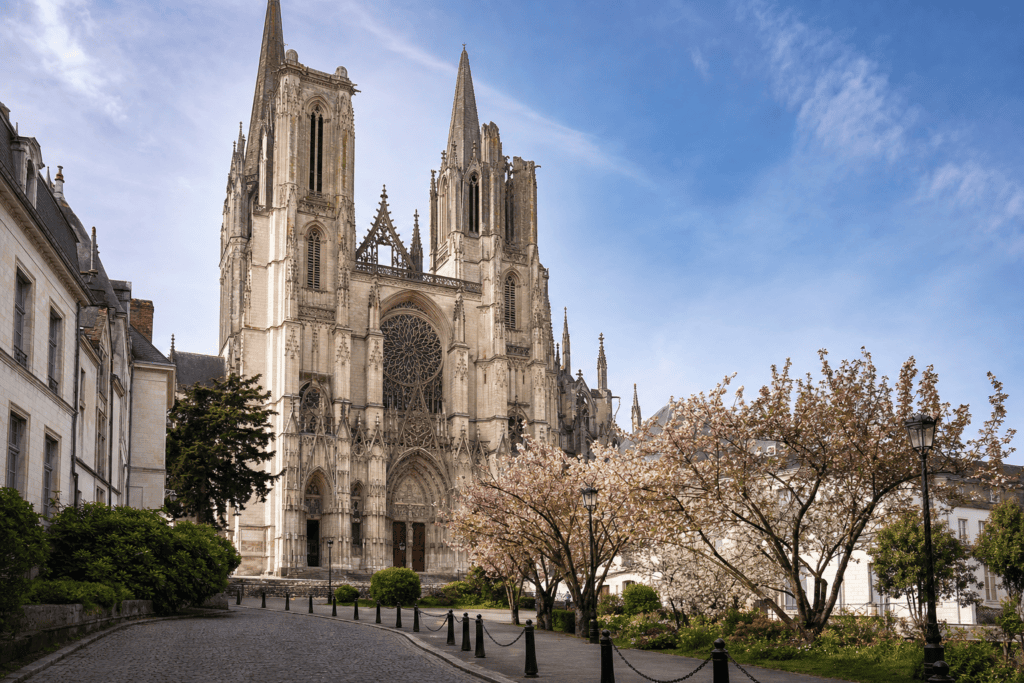 Saint-Gatien Cathedral A remarkable cathedral showcasing the evolution from Gothic architecture to the early Renaissance, its stained glass, and…
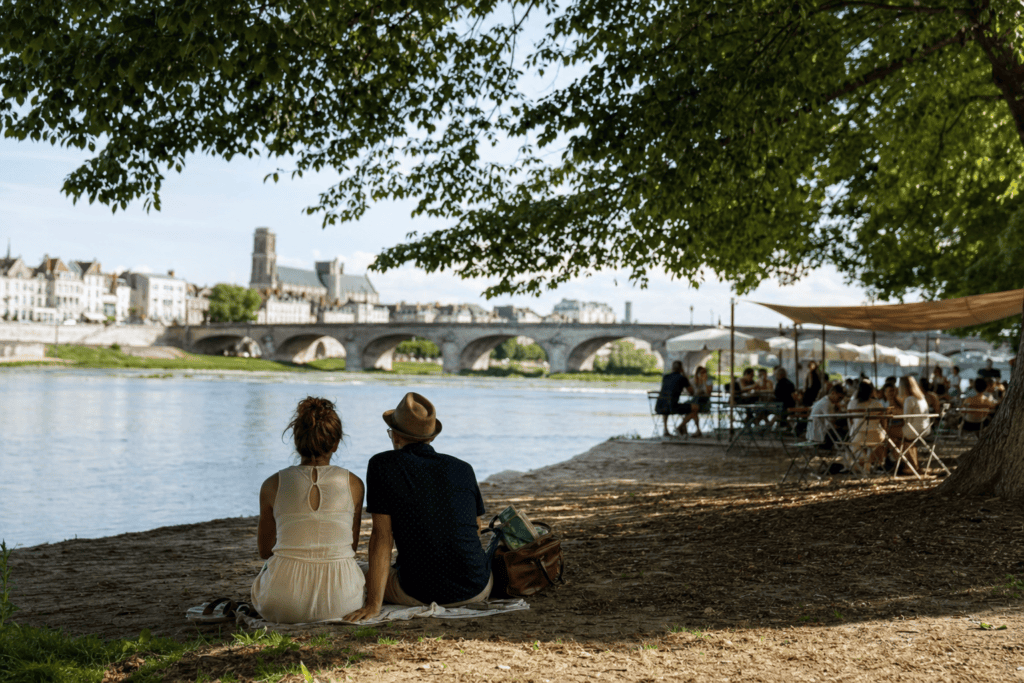 Walk Along the Loire and Visit a Tours Guinguette A leisurely walk along the Loire, between Wilson Bridge, river views, and…
Online booking · Paris → 18 Place François-Sicard, 37000 Tours, France
Choose your pickup date and time
Your departure and arrival details are already pre-filled. You can adjust them in the fare calculator before viewing the vehicles and fare.