



Centre-Val de Loire · Indre-et-Loire · Centre-Val de Loire
Visiting Tours, Gateway to the Loire Valley
Visiting Tours means discovering an elegant, lively city in the heart of the Loire Valley. With the half-timbered houses of Old Tours, the banks of the Loire, museums, gardens, and the great châteaux of Touraine, the city is an excellent base for exploring the region’s heritage, landscapes, and cuisine.
Explore Tours
Tours Highlights
 What to do
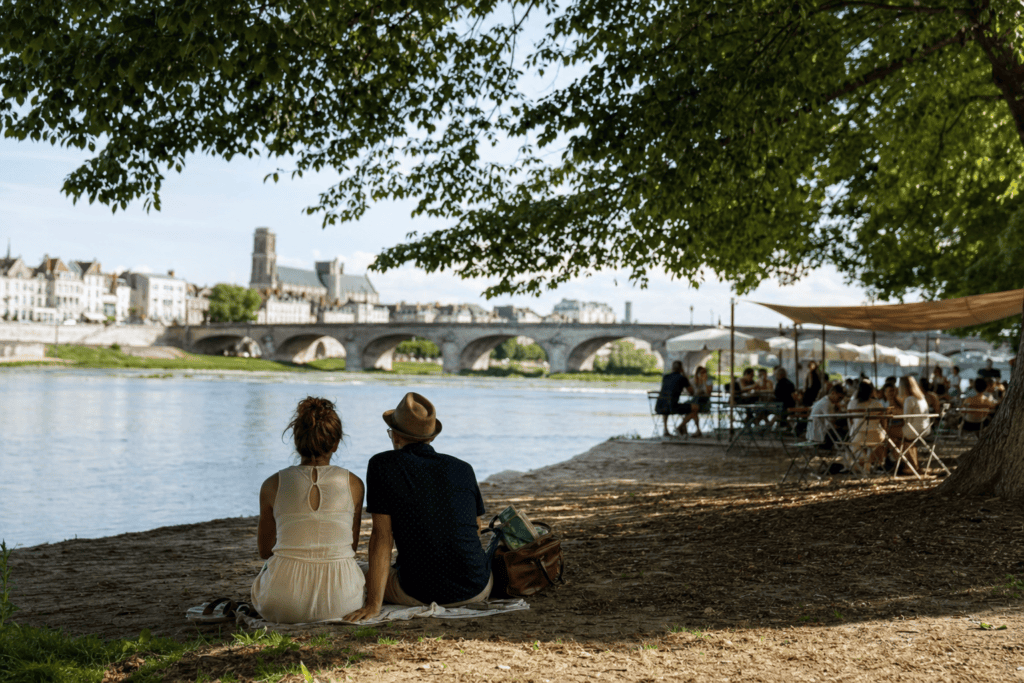
Walk Along the Loire and Visit a Tours Guinguette
A leisurely walk along the Loire, between Wilson Bridge, river views, and a convivial break…
 Markets
Tours Market Halls
A gourmet stop in the heart of Tours to discover Touraine’s local products and continue exploring…
 Must-see
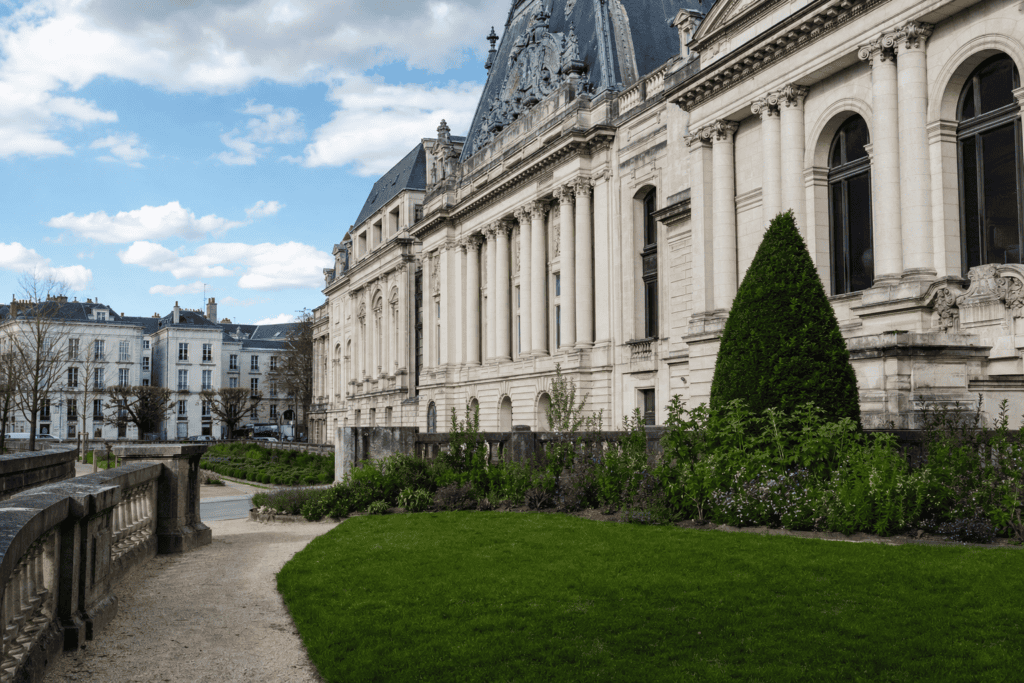
Tours Fine Arts Museum
In Tours’ former archbishop’s palace, discover collections spanning the Middle Ages to modern art, historic rooms, and…
 Must-see
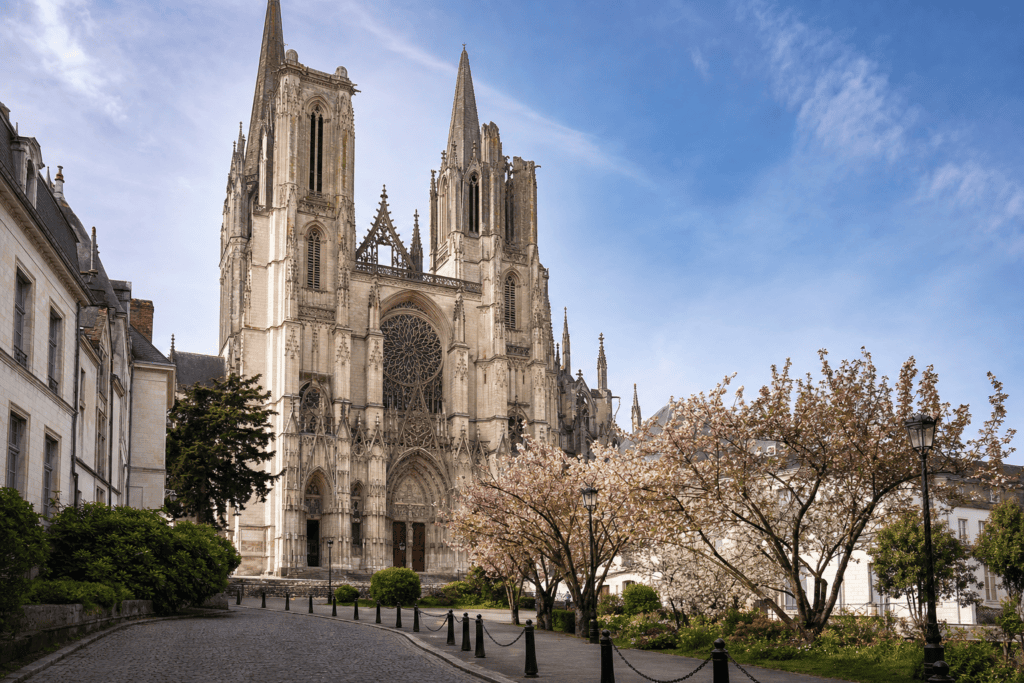
Saint-Gatien Cathedral
A remarkable cathedral showcasing its evolution from Gothic architecture to the early Renaissance, its stained glass, and its surroundings…
 Must-see
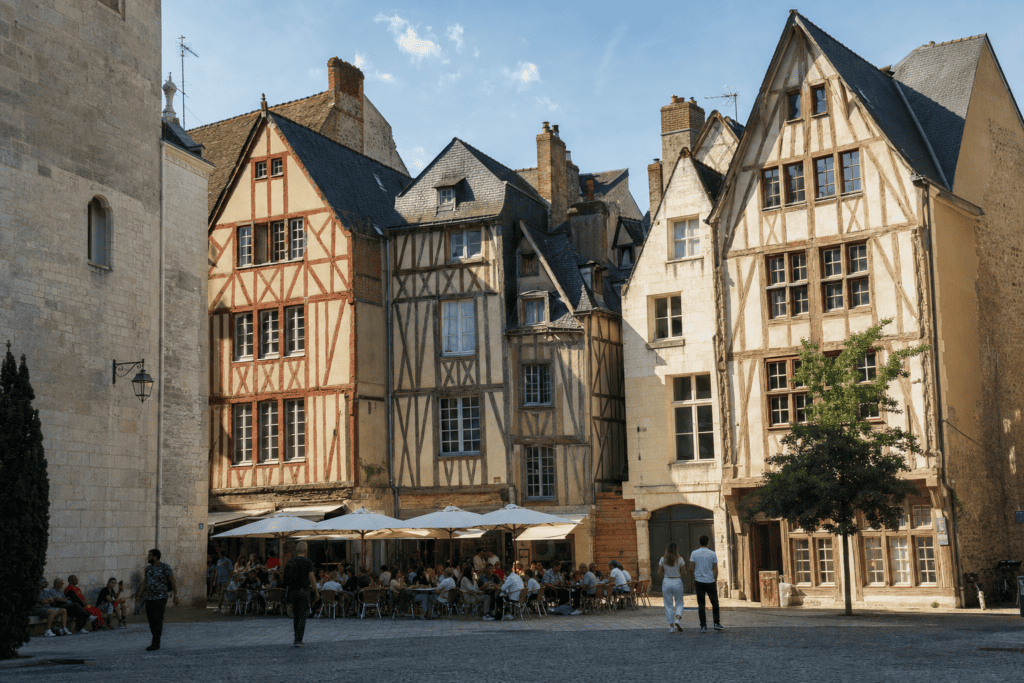
Old Tours and Place Plumereau
The historic heart of Tours unfolds among half-timbered houses, pedestrian lanes, lively squares, and terraces around…
Other destinations to discover
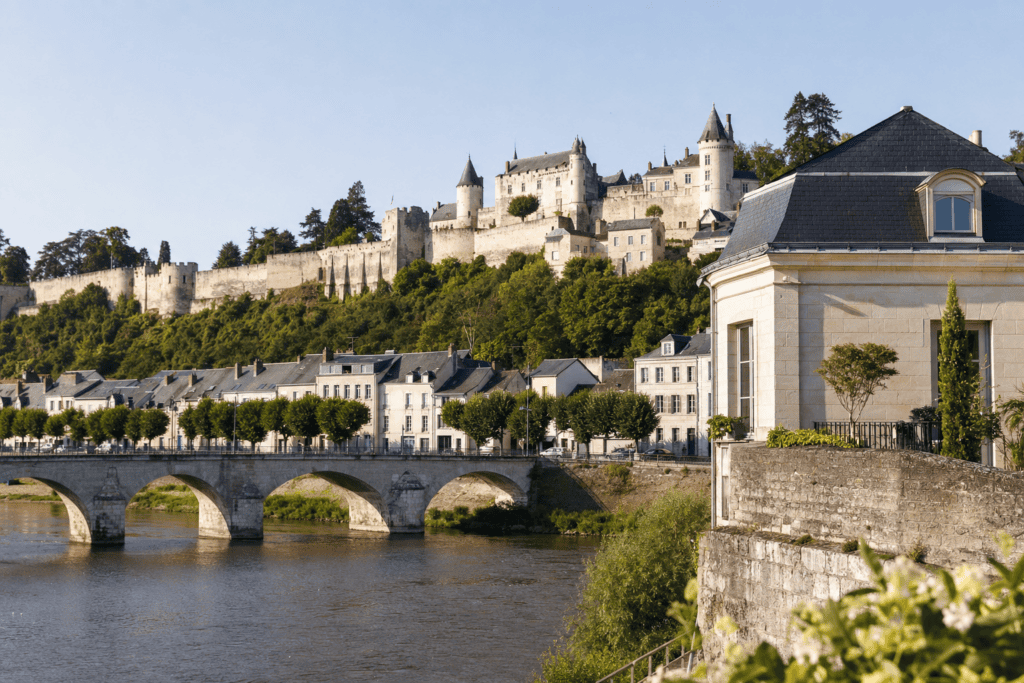
Chinon
A medieval town dominated by a royal fortress, amid heritage, vineyards, and the landscapes of the Vienne.
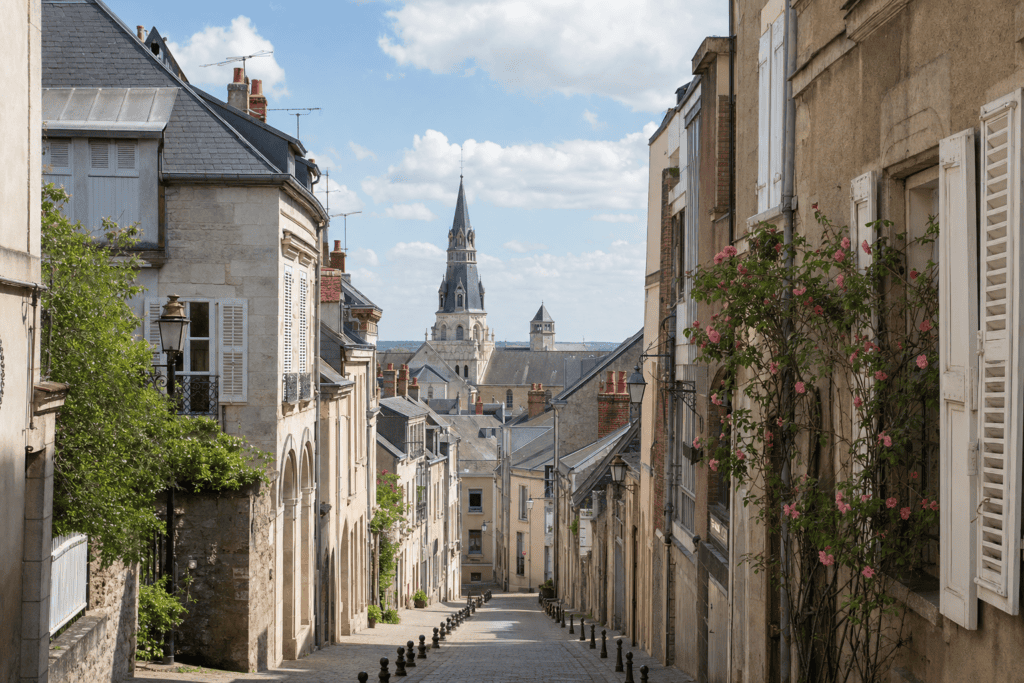
Châteauroux
From Château Raoul and the historic center to gardens, museums, and excursions in the Indre, Châteauroux reveals a discreet, cultural side of Berry…
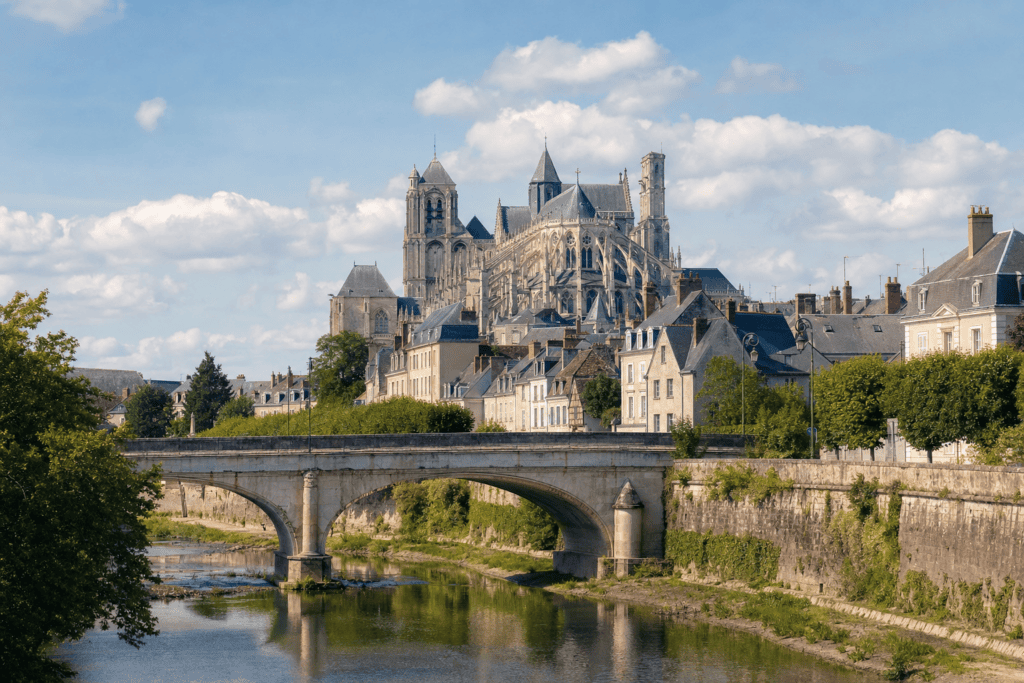
Bourges
A charming heritage town with a Gothic cathedral, medieval palace, half-timbered houses, and gardens of…
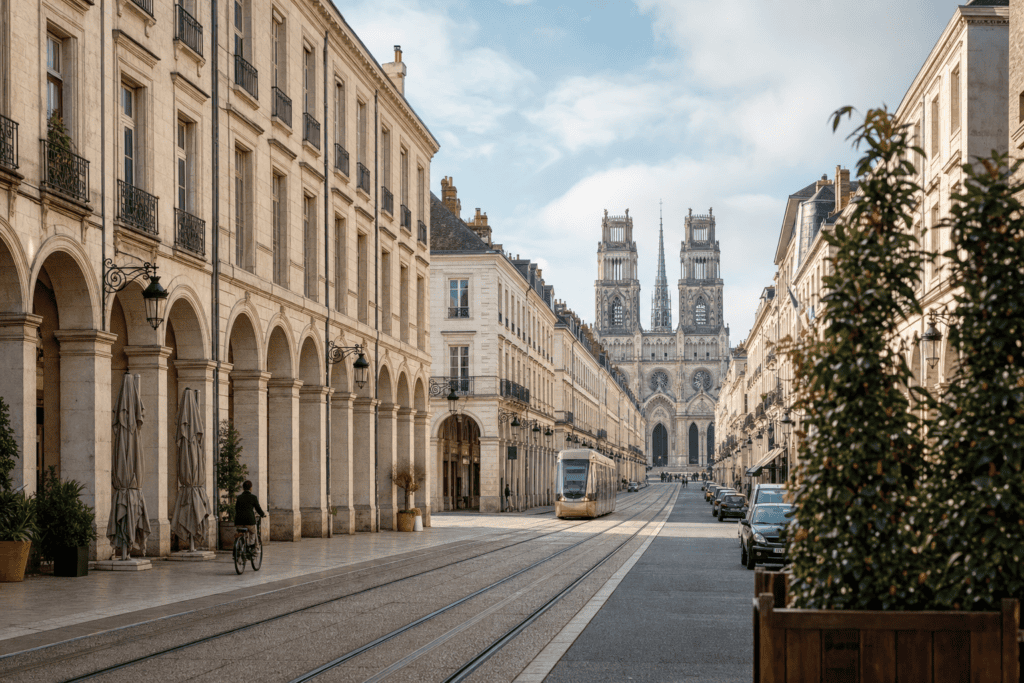
Orléans
With its Gothic cathedral, connections to Joan of Arc, Loire riverfronts, and museums, Orléans offers a cultural getaway…
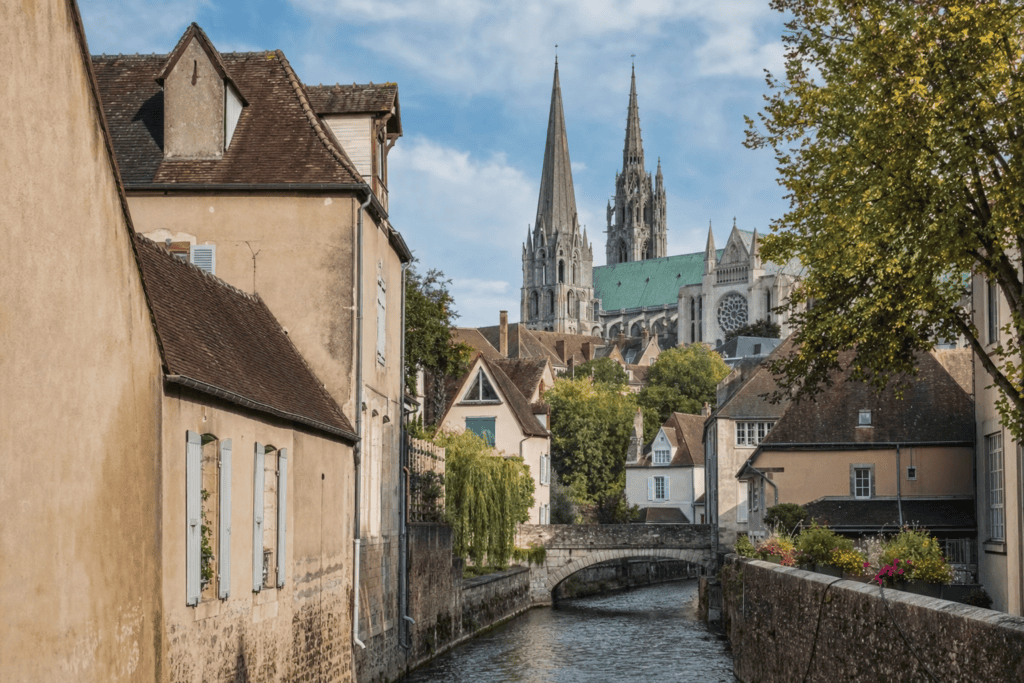
Chartres
A heritage getaway from Paris featuring a Gothic cathedral, medieval stained glass, historic lanes, and surprising creations by…
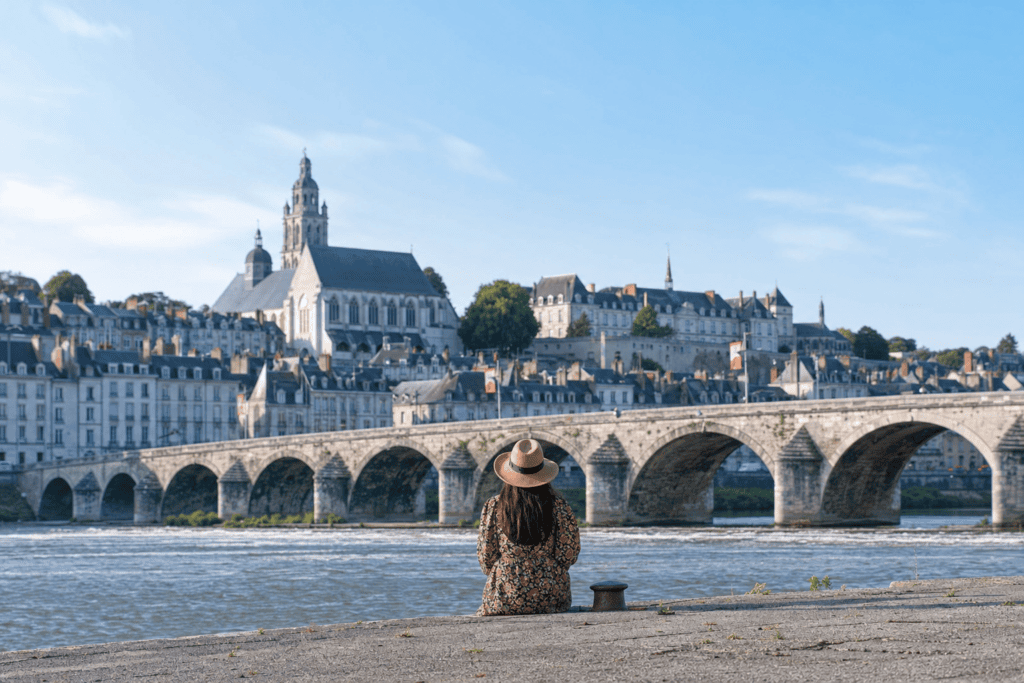
Blois
Royal château, historic lanes, views over the Loire, and the Maison de la Magie: Blois brings together a…
DESTINATION GUIDE
Tours Travel Guide
A Historic City Between the Loire and Cher Rivers
Tours enjoys a prime location in the heart of Touraine, between the Loire to the north and the Cher to the south. This setting partly explains its historic role as a crossroads, as well as its appeal to visitors today: the city combines urban exploration, waterside walks, and excursions to the Loire Valley’s major sites. The Loire Valley cultural landscape, a UNESCO World Heritage Site, includes Tours among its historic cities and brings together architectural heritage, river landscapes, villages, vineyards, and châteaux.
For a first visit, plan on at least one full day. Two days give you time to visit the museums, enjoy the gardens, and spend half a day at a nearby site.
Old Tours and Place Plumereau
Old Tours is the city’s most immediately captivating area. Around Place Plumereau, medieval half-timbered houses stand alongside elegant stone townhouses and small streets made for wandering. The square is lively with its outdoor terraces, but the neighborhood’s appeal goes beyond its atmosphere: it tells the story of the development of the former Châteauneuf district, centered around Saint Martin Basilica.
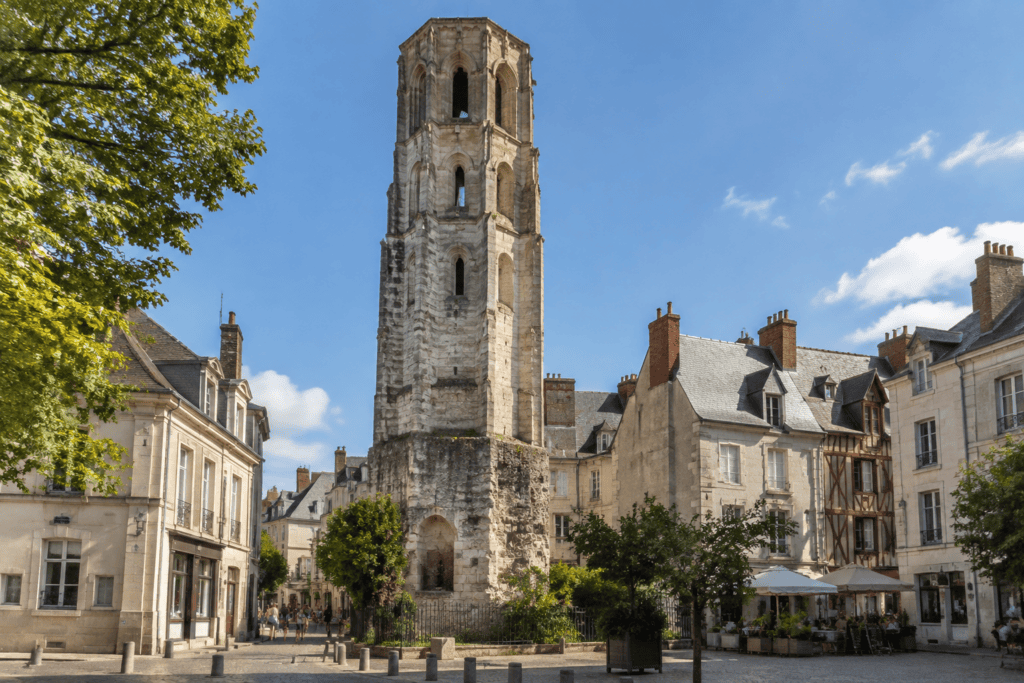
Start your walk along Rue du Change, Rue Colbert, or Rue de la Scellerie, then continue toward Saint Martin Basilica and Charlemagne Tower. The façades, inner courtyards, and carved details often deserve as much attention as the main monuments. A guided tour offered by the tourist office can help you understand the neighborhood’s history and place its buildings within the city’s development.
- Place Plumereau: the landmark of Old Tours and a pleasant place to take a break.
- Saint Martin Basilica: a site associated with the worship of Saint Martin, a major figure in Tours’ history.
- Charlemagne Tower: a remarkable remnant of the former Saint Martin collegiate church.
- Rue du Grand-Marché: a convenient route for continuing toward the shops and restaurants.
The Cathedral, Château, and Museums
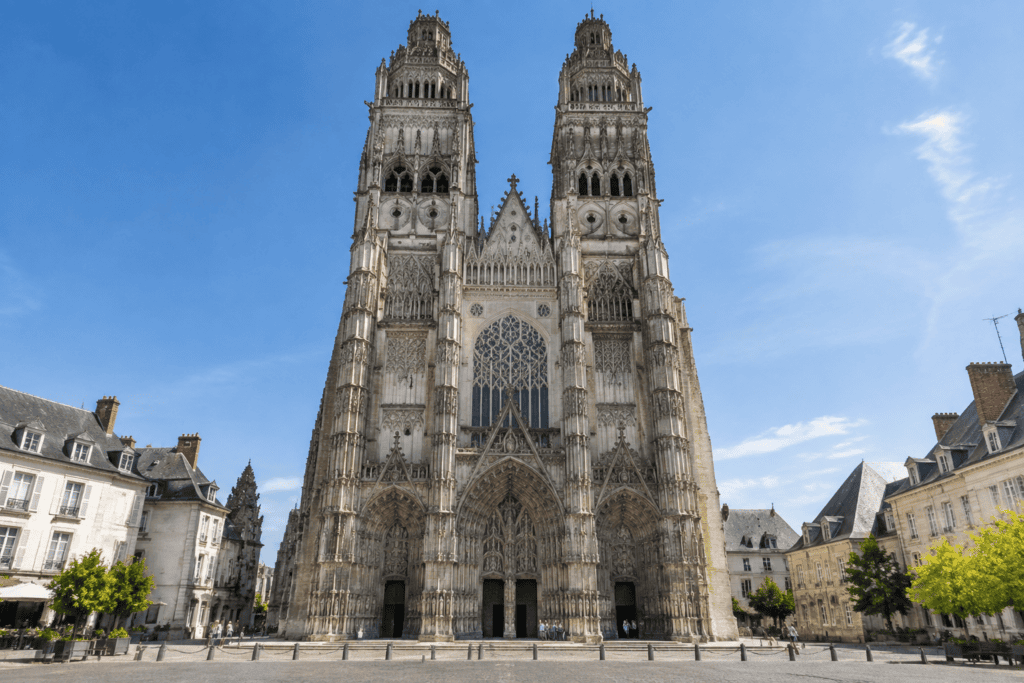
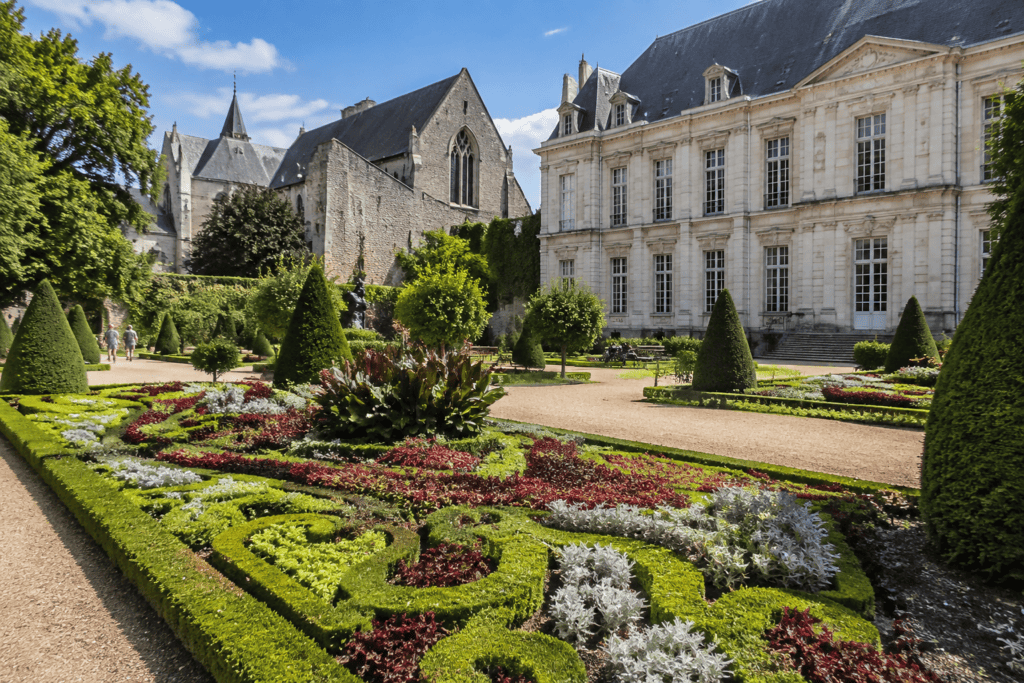
East of the historic center, Saint Gatien Cathedral forms another major heritage complex. Its Gothic façade, stained glass, and proximity to the former archbishop’s palace give this area a different atmosphere from Old Tours. The former archbishop’s garden, connected to the Musée des Beaux-Arts, provides a pleasant transition between religious heritage, art, and a leisurely stroll.
The Musée des Beaux-Arts de Tours houses collections spanning several periods in the history of art. Château de Tours, located near the Loire, hosts exhibitions and cultural projects, particularly those focused on photography. For contemporary art, CCC OD in the city center offers a changing program in a modern building. Check exhibitions and visiting information before you leave, as they may change with the season.
Gardens and Riverside Walks
Tours can also be explored at a slower pace. The botanical garden, established in the 19th century, features plant collections, an arboretum, and walking areas. Jardin des Prébendes d’Oé, closer to the center, is appreciated for its paths, trees, and peaceful atmosphere. Both gardens are ideal for a break between visits, particularly during a family trip.
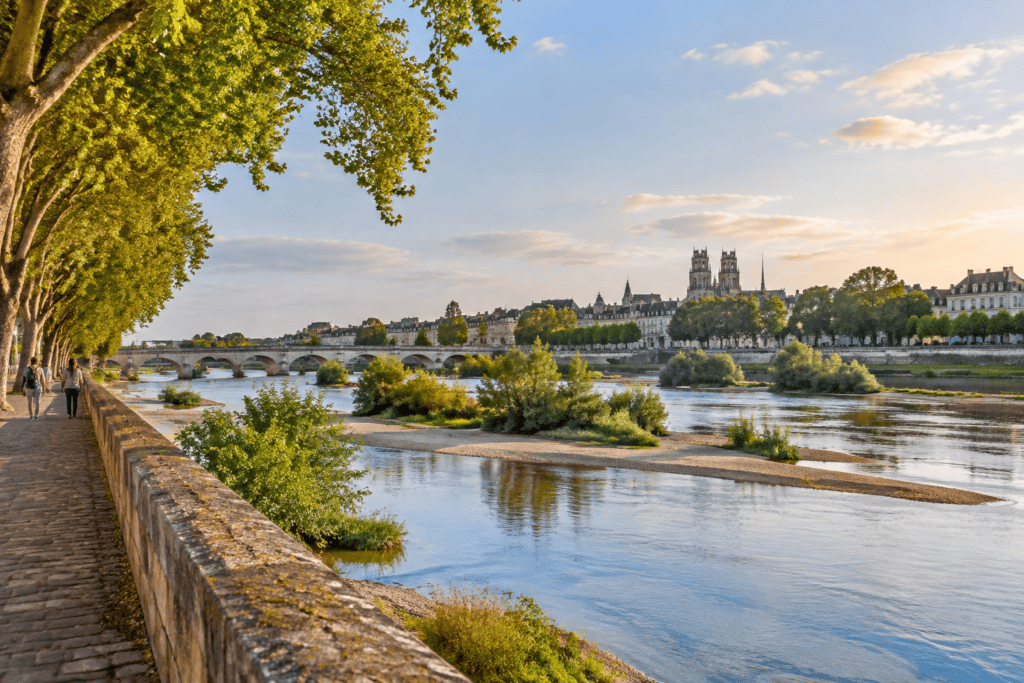
The Loire quays offer another way to discover the city. From the center, you can reach the riverbanks to take in the bridges, islands, and Loire landscapes. Depending on the season and local conditions, seasonal events or installations may be offered along the banks. The Loire à Vélo cycling routes are also an interesting option for exploring the surrounding area without staying within the historic center.
A Base for Exploring the Loire Châteaux
One of Tours’ greatest advantages is its location for exploring the Loire châteaux. From the city, an excursion can take you to Villandry, Azay-le-Rideau, Amboise, Chenonceau, or Langeais, depending on the time available and the type of heritage you want to see. Distances, access, and transportation options vary considerably from one château to another, so it is best to plan a coherent itinerary rather than trying to fit too many visits into one day.
For a first excursion, choose one major château and round out the day with a village, garden, or wine estate. Villandry is particularly known for its gardens, Azay-le-Rideau for its Renaissance architecture and setting on the water, while Amboise combines a royal château, an old town, and the legacy of Leonardo da Vinci. Chenonceau often warrants several hours because of its gardens and grounds.
Touraine Cuisine and Art of Living
Discovering Tours also means enjoying its food. Touraine is known for its wines, particularly those from Vouvray, as well as local specialties such as Tours rillettes, goat cheese, and products from the region’s markets. Les Halles de Tours is a convenient place to experience the variety of local offerings and put together lunch or a picnic to take away.
In the center, favor a stroll without a rigid itinerary: the streets around Place Plumereau, the basilica, and Rue Colbert are home to numerous places to eat, while the quays and neighborhoods near the Loire invite you to extend the evening. For a fuller experience, combine a cultural visit in the morning, a Touraine-style lunch, and a riverside walk at the end of the day.
Practical Tips for Planning Your Stay
- Wear comfortable shoes: Old Tours is best explored on foot, along streets that are sometimes cobbled.
- Group visits by neighborhood to limit travel time and leave room for wandering.
- Check the official websites of monuments, museums, and gardens before your visit to confirm access conditions and any required reservations.
- For the châteaux, compare routes and travel times before finalizing your plans.
- In summer, start heritage visits early and save the quays or gardens for the cooler hours.
Tours works equally well for a cultural weekend or a multi-day stop in the Loire Valley. Its manageable size lets you see the essentials without rushing, while providing convenient access to the landscapes and monuments that have made the region famous.
Getting to Tours from Paris
Booking Paris Transfer arranges private transfers from Paris, your hotel, or airports CDG and ORY to Tours. You can also arrange a return trip to Paris or a custom itinerary starting in Paris and connecting several stops in the Loire Valley. BPT does not sell admission tickets and does not operate as a local driver based in Tours.