



Visiting the Bayeux British War Cemetery
26 km
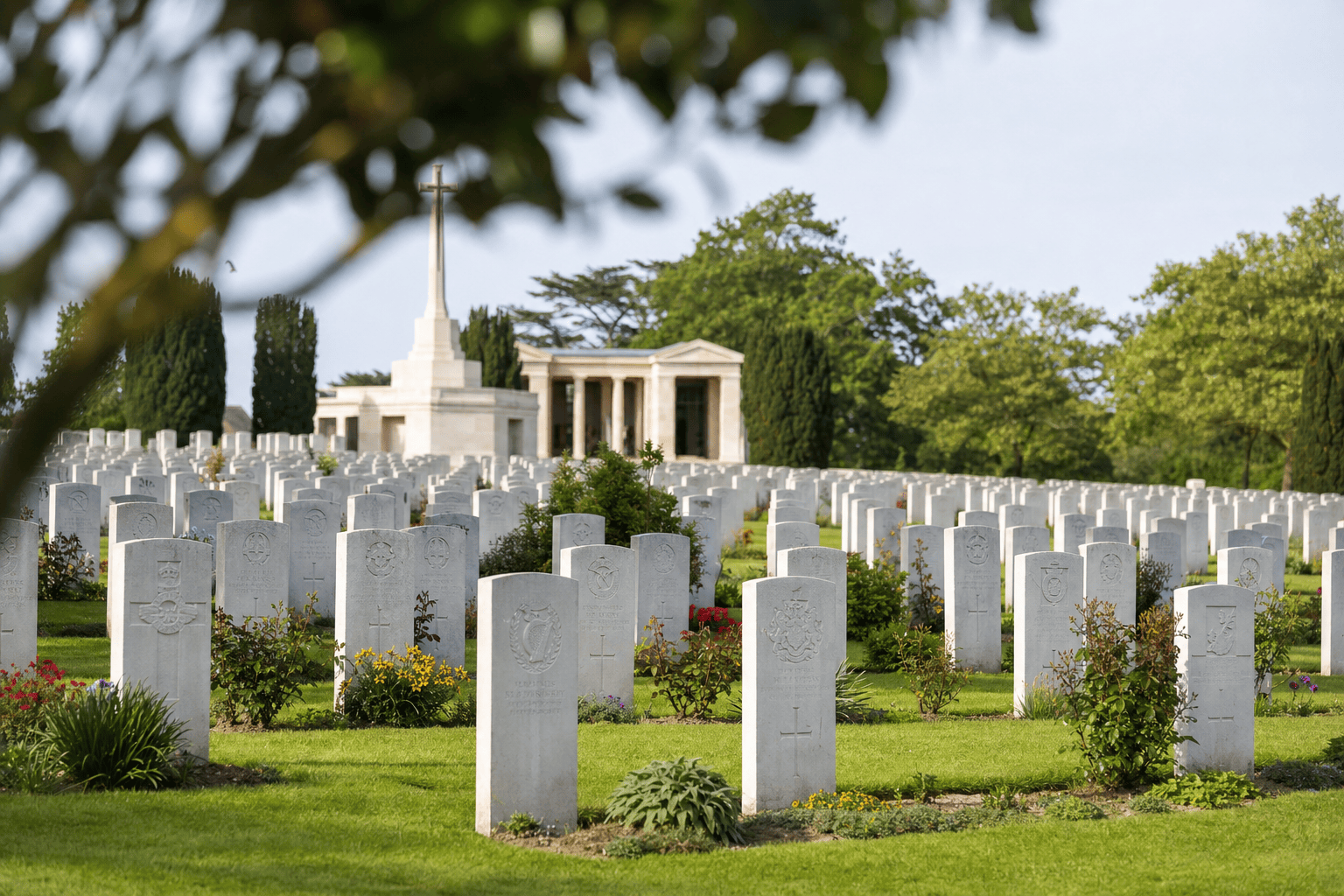
The Bayeux British War Cemetery is one of Normandy’s most important memorial sites. Located on Boulevard Fabian Ware, near the Normandy Battle Memorial Museum, it contains thousands of graves of soldiers who died during World War II. Its rows of headstones, Cross of Sacrifice, and the memorial opposite invite visitors to understand the human cost of the Battle of Normandy. Admission is free, but remembrance and respect for the families should guide every visit.
Practical information
Search for a grave in the Commonwealth War Graves Commission’s official database before you leave. Then combine the site with the nearby museum, Bayeux’s historic center, or a route to the D-Day beaches.
Getting to Bayeux from Paris with a private driver
Arrange your journey from Paris, your hotel in the Île-de-France region, CDG or ORY to the Bayeux British War Cemetery, with a return to Paris or onward travel to the D-Day beaches. Transportation is offered separately from the site’s free admission and any museum tickets.
Transportation from Paris, the Île-de-France region, CDG or ORY only; no ticketing or local chauffeur service in Bayeux.
Why visit this memorial site?
The Bayeux British War Cemetery is an essential stop for understanding the Battle of Normandy beyond the D-Day beaches. Bayeux was liberated very early and then became an important center for Allied forces, military hospitals, and campaign logistics. The men buried here therefore did not all die in the same place or under the same circumstances: some fell in combat, while others succumbed to their wounds in the region.
The site contains 4,648 World War II graves, according to information from the Commonwealth War Graves Commission. The headstones reflect the diversity of the units and countries that fought alongside the United Kingdom. The meticulous grounds, lawns, and plantings create a peaceful setting, but this harmony should not obscure the violence of history. Take time to read a few names, dates, and epitaphs: each grave gives a personal dimension to an event often presented solely on a military scale.
Bayeux and the Battle of Normandy in 1944
On June 6, 1944, Allied forces landed along several sectors of the Normandy coast. However, the region’s liberation was not limited to that one day: fighting continued for several weeks, particularly around Caen, Tilly-sur-Seulles, and the Bessin area. Spared the heaviest destruction, Bayeux quickly became an administrative, medical, and logistical center for the Allies.
The cemetery helps place the operations within this broader timeline. The soldiers buried in Bayeux belonged to British, Canadian, and other Allied forces. Their stories remind us that the campaign was fought along roads, in villages, and through the inland hedgerows, long after the coastal front was opened. To explore this chronology further, the nearby Normandy Battle Memorial Museum presents maps, objects, vehicles, and testimonies about military operations and civilian life.
Before your visit, looking at a battle map or stopping by the museum can help you better understand why Bayeux holds such an important place in the memory of D-Day.
What to see on site
At the entrance, take a moment to observe the cemetery’s overall layout. The long views, carefully maintained lawns, hedges, and flower beds create a landscape designed to promote dignity and reflection. The regular arrangement of the headstones offers an almost silent way of experiencing the site: walk slowly rather than trying to cover everything quickly.
The Cross of Sacrifice is one of the distinctive architectural features of Commonwealth War Graves Commission cemeteries. It structures the space without drawing attention away from the individual graves. Notice the inscriptions, regimental emblems, and nationality details. Some families chose a religious epitaph; others had a personal sentence engraved, sometimes very brief, giving a voice to the dead.
The graves of unidentified soldiers also recall the limits of the investigations carried out after the war. When photographing the site, favor wider views and avoid any behavior that might appear touristic in front of a headstone. The site’s restraint is part of its message.
The Bayeux Memorial opposite the cemetery
Opposite the cemetery stands the Bayeux Memorial, dedicated to Commonwealth soldiers who died in Normandy with no known grave. It directly complements the cemetery: the headstones mark identified graves, while the names engraved on the memorial represent men whose bodies were never found or assigned to a specific grave. Their proximity helps visitors understand two connected forms of remembrance.
The monument bears a Latin inscription referring to William the Conqueror and the historical connection between Normandy and England. It evokes the return of the British to the homeland of the Duke of Normandy, nearly nine centuries after the conquest of England. This historical reference gives the memorial a distinctive identity without diminishing the gravity of the sacrifice it commemorates.
Allow a few minutes to read the names and observe the architecture before leaving. Since figures and access arrangements may change, check the Commonwealth War Graves Commission and tourist office information before your trip.
Tips for a respectful visit
The cemetery is first and foremost a place of burial and remembrance. Walk along the paths, do not touch the headstones, and avoid sitting on the low walls or beside the graves. Photography can be compatible with a visit as long as it remains discreet: do not pose in front of graves, and pause your visit if a family or ceremony is present.
Children may visit the site, but a brief explanation beforehand is helpful. Simply explain the context of D-Day, the difference between an identified grave and a name inscribed on a memorial, and the importance of silence. This preparation turns a quiet walk into a meaningful historical discovery. Pets and strollers may be subject to specific rules; check the current guidelines before visiting.
Memorial-calendar ceremonies may change the usual arrangements or result in larger crowds. Do not rely solely on an old blog post: consult official organizations for any temporary restrictions, guided tours, or practical recommendations.
Planning a half-day in Bayeux
The cemetery is located on Boulevard Fabian Ware, near the Normandy Battle Memorial Museum. A logical sequence is to start at the museum to place the fighting in context, then continue to the cemetery and memorial. You can then head to Bayeux’s historic center to see the cathedral, old streets, and Bayeux Tapestry, depending on the opening hours and availability of these sites.
With a full day, add a coastal area or another memorial site. Arromanches helps explain the role of the artificial harbor, while Longues-sur-Mer offers insight into German coastal defenses. Juno and Gold beaches provide another perspective on the Allied operations. Distances and driving times make a car practical for combining several stops.
If you are looking for a specific person, use the Commonwealth War Graves Commission’s official database before you leave. Note the name, section, and grave reference: this preparation avoids unnecessarily walking through the paths and makes the tribute more personal.
Traveling from Paris and extending your itinerary
Bayeux fits easily into a memorial itinerary from Paris. Trains serve Bayeux station, then travel between the town center, cemetery, and museums should be planned according to your pace. By car, the town can be a first stop before continuing to the D-Day beaches and other sites in the Bessin area.
From Paris, travel time depends on traffic, departure time, and planned stops. To make the most of the day, group the cemetery, museum, and historic center together rather than adding multiple detours. If you would like to visit several coastal areas, a two-day itinerary will generally be more comfortable than one long day.
Booking Paris Transfer can arrange round-trip transportation from Paris, a hotel in the Île-de-France region, Charles de Gaulle Airport, or Orly to Bayeux, with a return to Paris or onward travel through Normandy. The service covers transportation only: cemetery admission and any museum tickets are not included. Share your desired stops so we can plan a realistic journey that respects the time devoted to each site.
Useful sources
Frequently Asked Questions
How many graves are in the Bayeux British War Cemetery?
Is admission to the cemetery charged?
What is located opposite the cemetery?
Can we visit with children?
Which places can be combined with this visit?
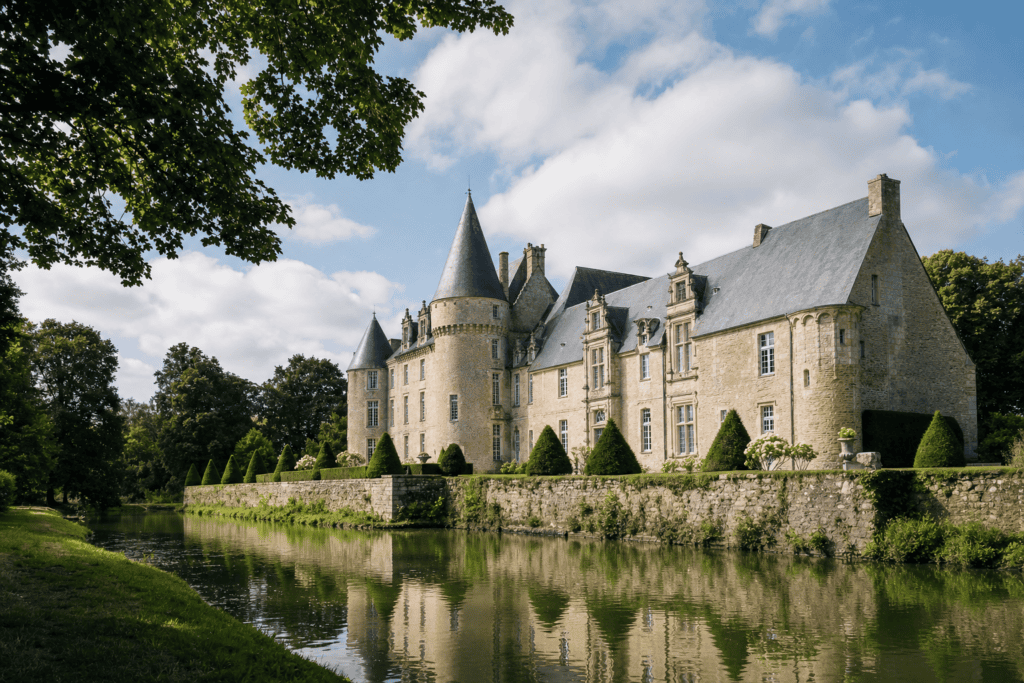 Colombières Castle A medieval fortress in Colombières, near Bayeux, to combine with the heritage of the Bessin area and the…
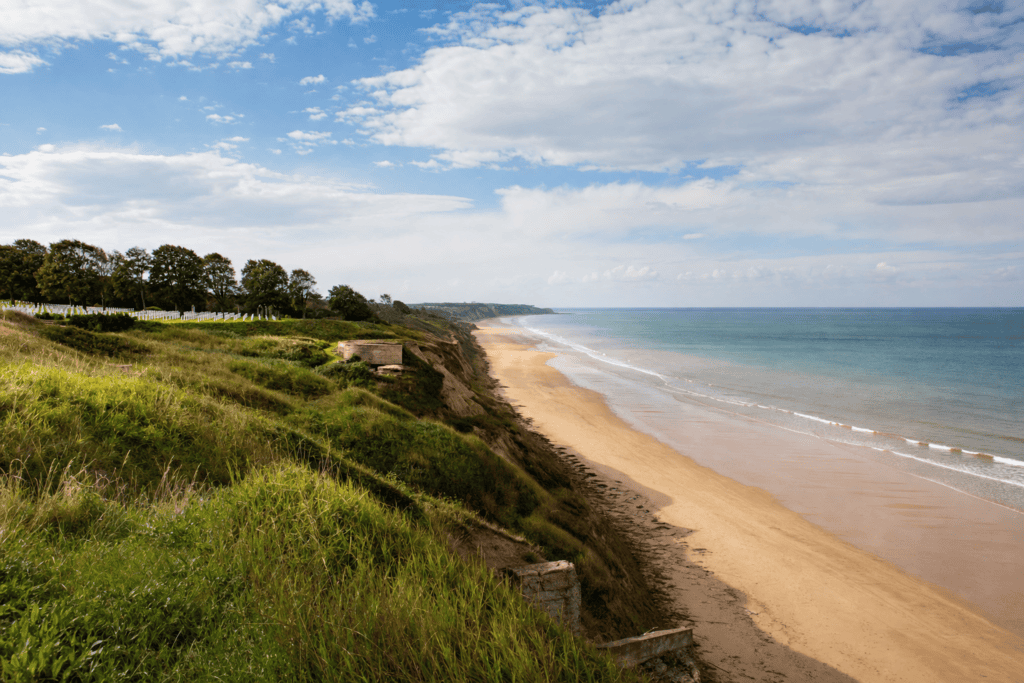 Omaha Beach and the American Cemetery at Colleville-sur-Mer An essential memorial site in Normandy, between Omaha Beach and the American cemetery at…
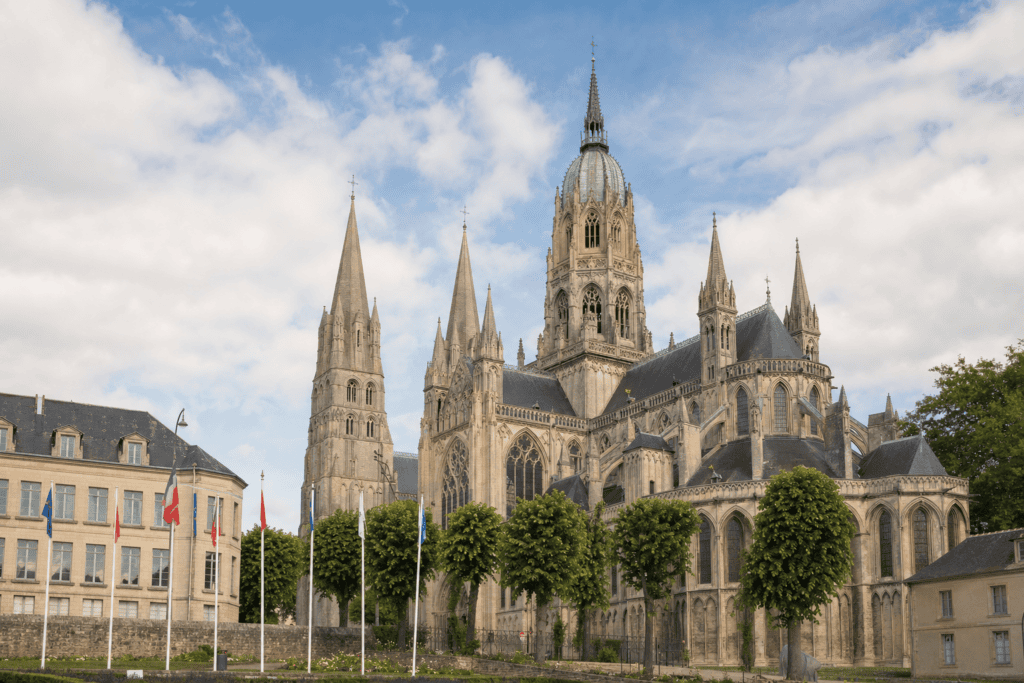 Bayeux Cathedral of Notre-Dame An iconic Bayeux landmark, showcasing Romanesque and Gothic architecture, medieval history, and a stroll…
 Bayeux Market Every Saturday morning, the Saint-Patrice Market brings together producers, merchants, and visitors in the heart of Bayeux…
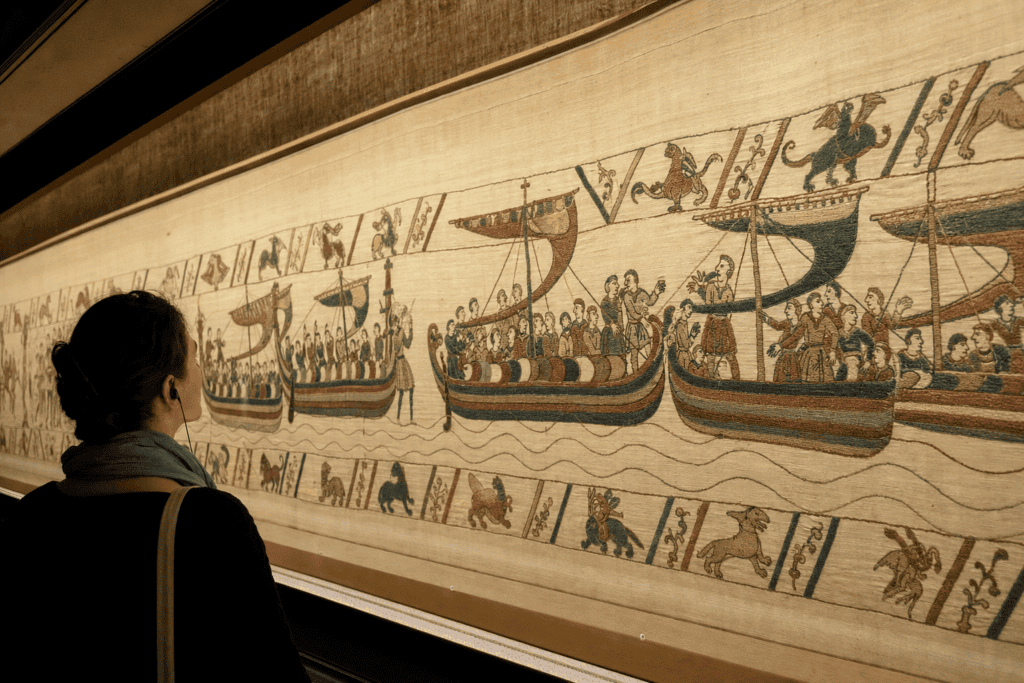 Bayeux Tapestry A narrative embroidery from the 11th century recounts William of Normandy’s conquest of England at…
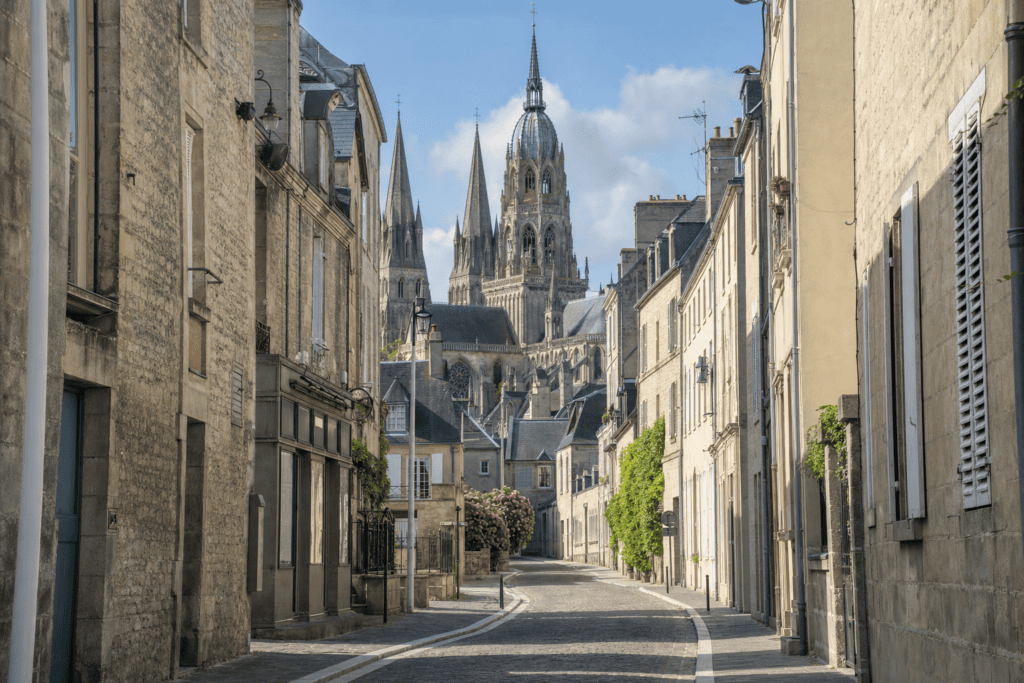 Bayeux Historic Center A walking tour through Bayeux, taking in the cathedral, historic houses, the Tapestry, the banks of the Aure, and wartime history…
Online booking · Paris → Boulevard Fabian Ware, 14400 Bayeux, Normandy, France
Choose your pickup date and time
Your departure and arrival details are already pre-filled. You can adjust them in the fare calculator before viewing the vehicles and fare.