



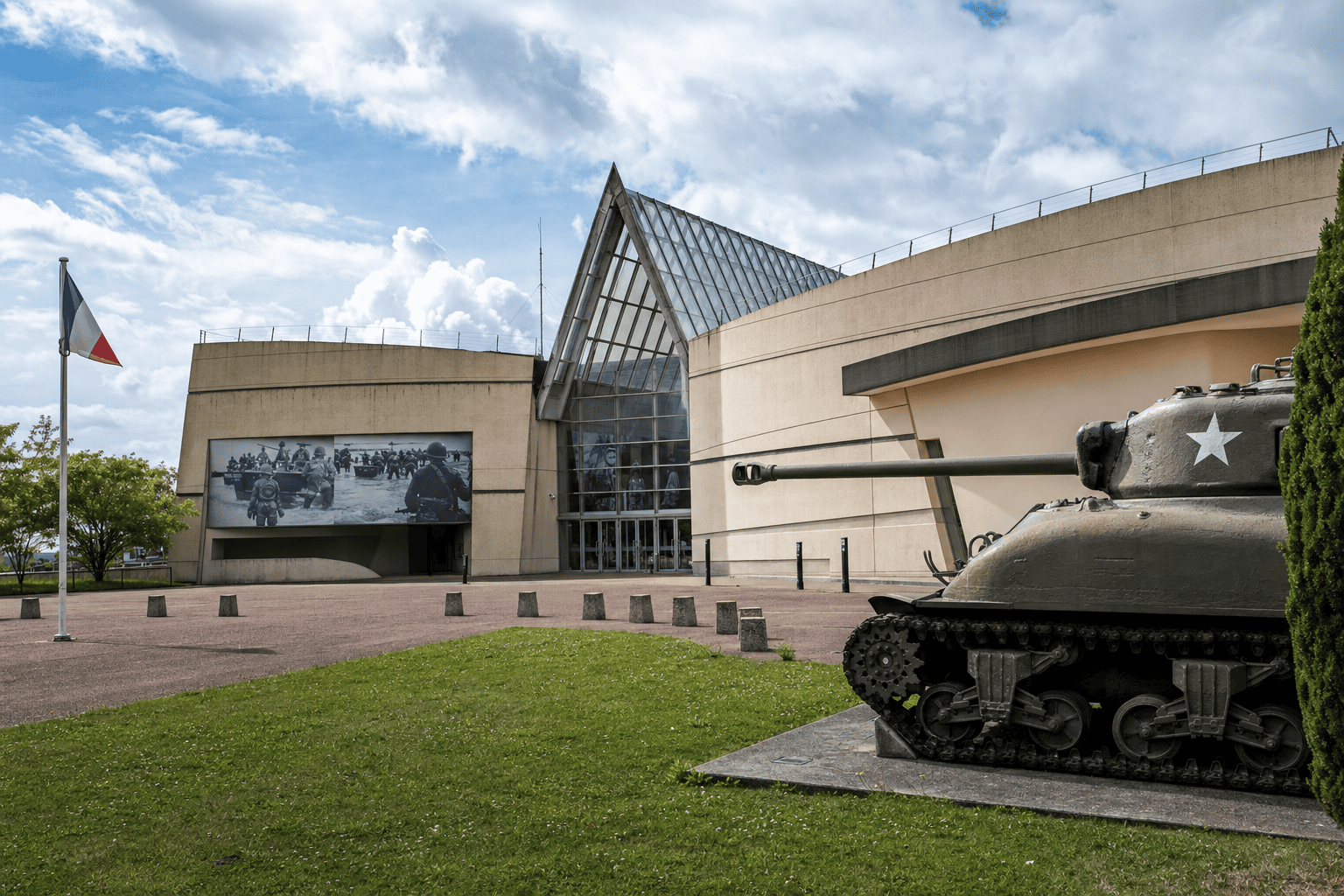
Bayeux Memorial Museum of the Battle of Normandy
26 km
In Bayeux, the Memorial Museum of the Battle of Normandy presents a chronological account of the operations that followed the June 6, 1944, D-Day landings. Maps, photographs, objects, vehicles and documents place the campaign in its military, geographical and human context. The visit helps visitors understand the length of the fighting, the difficulties faced by the Allied advance and the consequences for civilian populations. It provides a useful introduction before exploring the D-Day beaches, coastal batteries and military cemeteries in the region. Since opening hours, admission prices, last entry times, film screenings and visitor arrangements may change, check the museum’s official information before your visit.
Practical information
Combine the museum with the British military cemetery, then choose one D-Day beach sector so you have enough time for visits and travel.
Getting to Bayeux from Paris with a chauffeur
Booking Paris Transfer can arrange private round-trip transportation from Paris, a Paris hotel, Charles de Gaulle Airport or Orly to Bayeux and the Memorial Museum of the Battle of Normandy. The service covers transportation only: museum admission, the film, guided tours, reservations and tickets are not included and must be arranged separately with the venue. Depending on your itinerary, the route can include a return to Paris or several D-Day-related stops, as part of a journey starting in Paris or the Île-de-France region.
Departure from Paris, a Paris hotel, CDG or ORY; return to Paris or a Normandy itinerary departing from Paris. Transportation only, with no admission ticket or guided tour included.
Why visit this museum in Bayeux?
The Memorial Museum of the Battle of Normandy is a worthwhile stop for beginning an itinerary focused on D-Day. The beaches, batteries and cemeteries often present a specific episode or unit. Here, the exhibits provide a broader view of the campaign conducted in Normandy after June 6, 1944. This perspective helps connect the different sites visited in the Bessin, the bocage and along the coast.
Bayeux holds an important place in this history. The city was liberated on June 7, 1944, and quickly became a political and logistical center of liberated France. The museum places this local situation within the wider Allied and German operations. Visitors can therefore better understand the distances between sectors and the sequence of battles.
Above all, the visit reminds us that the battle was not limited to D-Day itself. Fighting, destruction, military movements and the hardships experienced by civilians continued for several weeks. This approach adds depth to Normandy’s memorial landscapes.
A chronological route through the fighting
The exhibits follow the main stages of the Battle of Normandy. This chronological organization makes a campaign involving landings, air operations, ground combat, the Allied advance and the German forces’ response easier to understand. Maps play a useful role: they help visitors locate sectors, movement routes and the distances between the various fronts.
The museum goes beyond the first hours of June 6. It covers the consolidation of the beachhead, fighting in the bocage, successive offensives and the logistical difficulties that slowed the Allied advance. The terrain, hedgerows, villages and resistance from German units explain why the advance was not linear. The documents are best viewed together rather than in isolation.
The end of the route notably covers the fighting in the Falaise Pocket and the pursuit of German forces. Without replacing a specialized history book, the museum offers an accessible overview. Make a note of the dates and place names that catch your attention to help plan the rest of your Normandy itinerary.
Objects, archives and the human dimension
The museum brings together equipment, period objects, photographs, documents and displays devoted to the operations. This variety gives the events a tangible dimension. Military equipment shows the resources committed, while personal belongings remind visitors that the campaign was experienced by soldiers, Resistance members, medical workers, journalists and civilians. The visit therefore goes beyond a technical presentation of weapons and vehicles.
Topics include the Resistance, Allied air forces, airfields, engineering, medical services and the work of war correspondents. These subjects complement a strictly military perspective. They show the role of supplies, medical care, communications and information in an operation of this scale. The photographs also convey the extent of the destruction and the living conditions of local residents.
To get the most from the galleries, alternate between areas devoted to the operations and those focusing on civilian populations. Objects become more meaningful when placed in their historical context. Also allow separate time for any additional spaces identified by the museum.
The archival film: a complement to the exhibits
The museum presents an archival film about the Normandy campaign. It complements the collections by offering a more dynamic representation of how the operations progressed. The footage can help connect the stages presented in the galleries and visualize the scale of troop movements, the role of aviation and the impact of the fighting on towns and villages.
This medium also adds a human dimension to the visit. The archives may show destruction, local residents, scenes related to the Liberation and the context of liberated France. It is particularly useful for visitors who have difficulty interpreting maps or remembering the sequence of operations.
The film’s length, screening times, language and access arrangements should be checked in the official schedule, as they may depend on the season. Plan enough time so you do not have to cut your visit short. With children, briefly explain the context and plan a break if some images prove disturbing.
Preparing for your visit to Bayeux
The Memorial Museum of the Battle of Normandy is located on Boulevard Fabian Ware, near the Bayeux British military cemetery. Before setting out, consult the official page with practical information. Opening hours, closure days, prices, last admission times and booking arrangements may vary by season or schedule. This check is especially useful during school vacations and public holidays.
Tickets, guided tours, activities and reservations must be arranged directly with the venue. If you are traveling as a group, contact the museum in advance to learn about available time slots and applicable conditions. Private transportation never includes admission, the film, a guided tour or a reservation.
For accessibility information, use the details published by the museum and then contact the visitor desk if you have a specific need, such as wheelchair access, assistance, walking limitations or group requirements. If you are arriving from the train station or by car, also plan your route and check parking options suited to your mode of transport.
Places to visit around the museum
The Bayeux British military cemetery is nearby and naturally extends the visit. Its rows of headstones create a place for reflection that contrasts with the museum’s dense documentation. Observe silence and follow the instructions and guidance of the Commonwealth War Graves Commission. This site deserves a thoughtful visit rather than simply a quick photo stop.
Bayeux’s historic center offers a change of perspective. Notre-Dame Cathedral, the old streets and the half-timbered houses reflect the city’s history. The Bayeux Tapestry is another major attraction, but its hours, opening arrangements and booking requirements should be checked on the official website. The Baron Gérard Museum of Art and History can round out a cultural itinerary.
If you are dedicating the day to D-Day, avoid covering too many sectors. Arromanches and Longues-sur-Mer can make a coherent itinerary. Omaha Beach or Pointe du Hoc require more driving and visiting time. Exploring one coastal area thoroughly is often more rewarding than making several overly brief stops.
Tips for a respectful and meaningful visit
Start by studying the general map of the exhibits to locate Bayeux, the beaches and the main routes of advance. This initial overview helps keep the names of units and villages from becoming overwhelming. If a particular sector interests you, note the dates and places mentioned in the galleries. These reference points can guide your exploration of the coast or another memorial site.
With children or teenagers, briefly explain the context before the visit and plan breaks. Some images may be difficult to view. Also encourage them to look at the documents about civilians, medical care, the Resistance and war correspondents. These themes show that the Liberation was not merely a succession of military movements, but a daily experience marked by waiting, destruction, shortages and displacement.
After the visit, review your notes before heading to the coast. The landscapes will then become easier to understand rather than being reduced to mere scenery. Show respect at cemeteries, memorials and places of reflection. Finally, adjust your schedule to your needs, the film schedule and the time you actually have, instead of trying to see everything in one day.
Useful sources
Frequently Asked Questions
Where is the Memorial Museum of the Battle of Normandy located?
How much time should I allow for the visit?
Are the hours and prices the same year-round?
How can I check the accessibility arrangements?
Is admission included in a private transfer from Paris?
Can the museum be combined with the D-Day beaches?
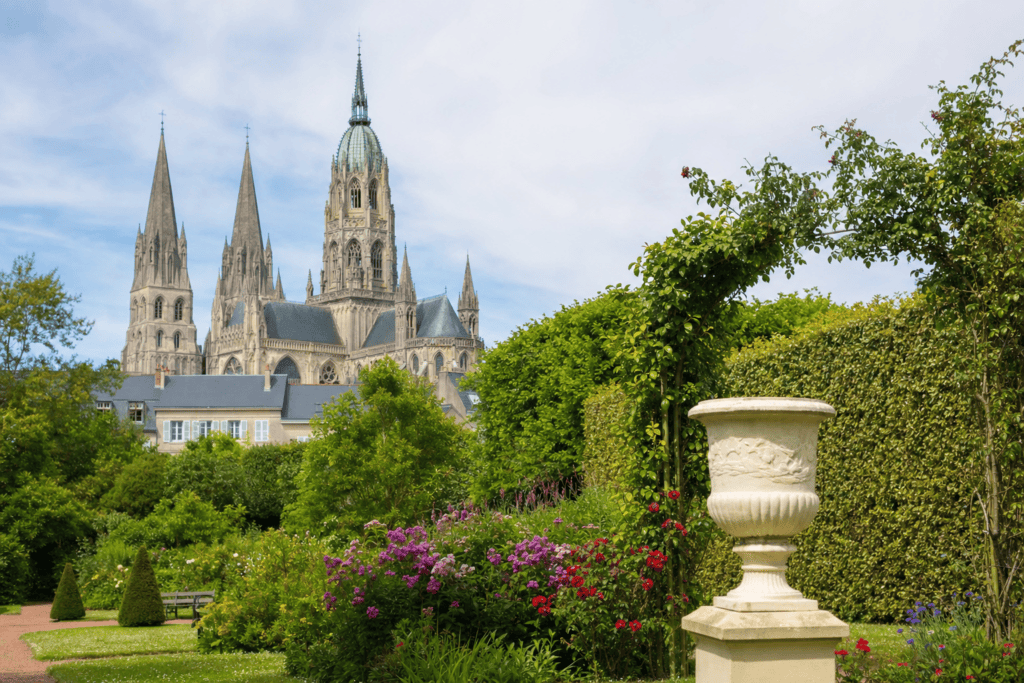 Bayeux Botanical Gardens A 2.6-hectare historic landscaped park known for its weeping beech and botanical walk…
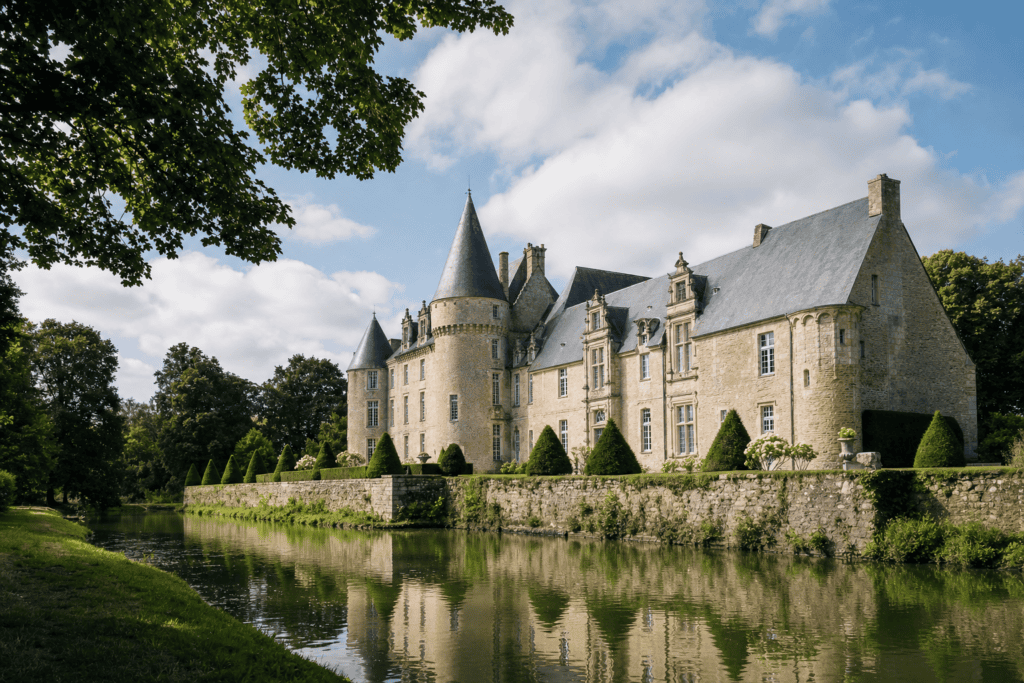 Colombières Castle A medieval fortress in Colombières, near Bayeux, to combine with the heritage of the Bessin area and the…
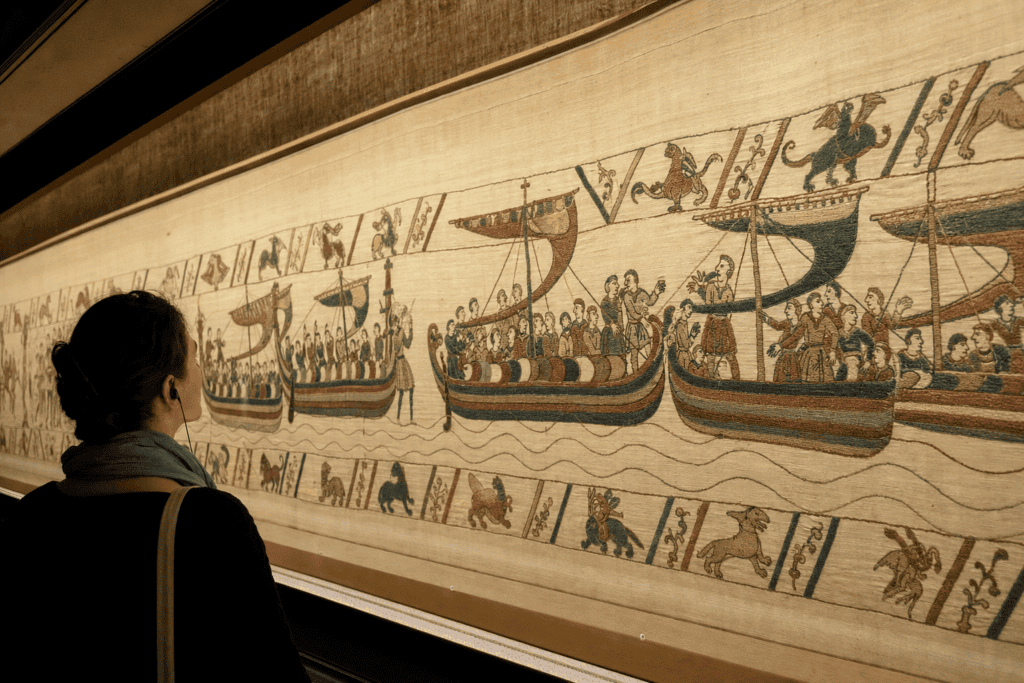 Bayeux Tapestry A narrative embroidery from the 11th century recounts William of Normandy’s conquest of England at…
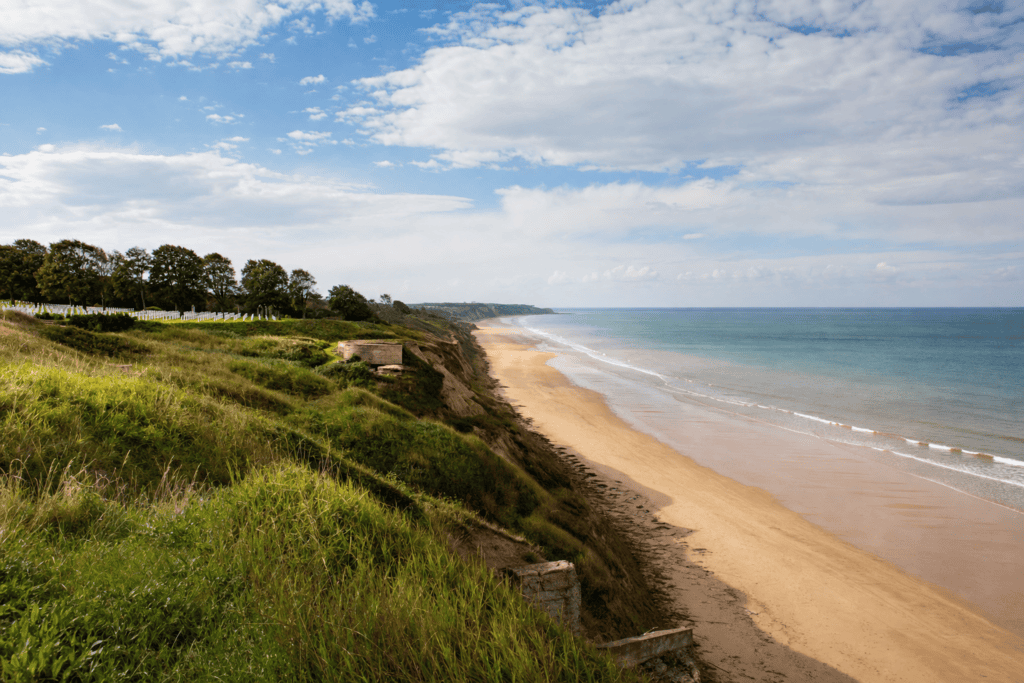 Omaha Beach and the American Cemetery at Colleville-sur-Mer An essential memorial site in Normandy, between Omaha Beach and the American cemetery at…
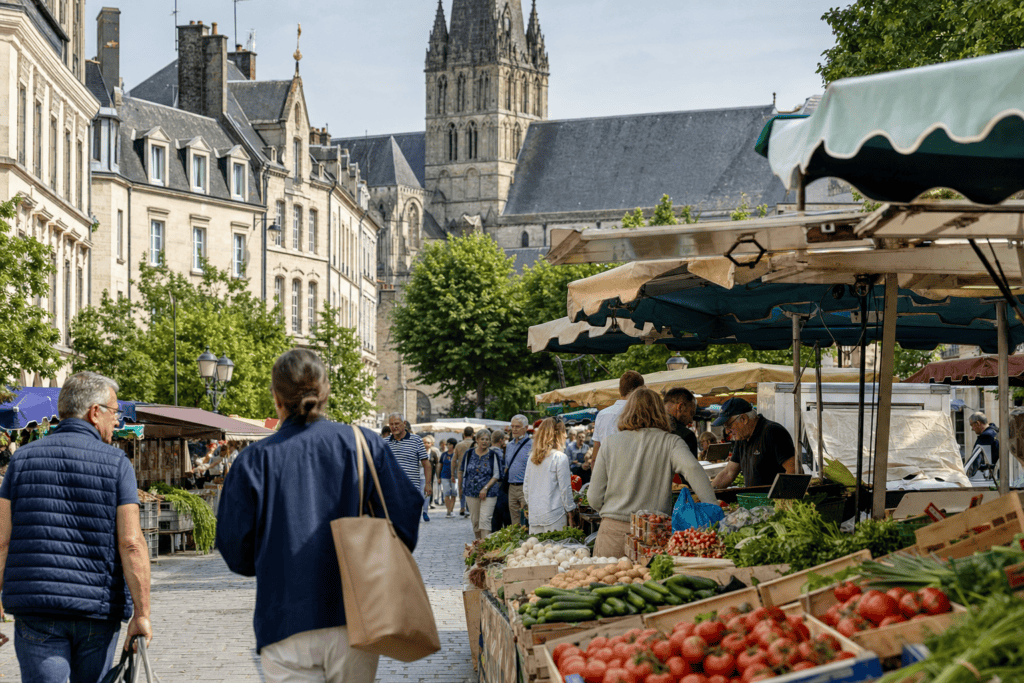 Bayeux Market Every Saturday morning, the Saint-Patrice Market brings together producers, merchants, and visitors in the heart of Bayeux…
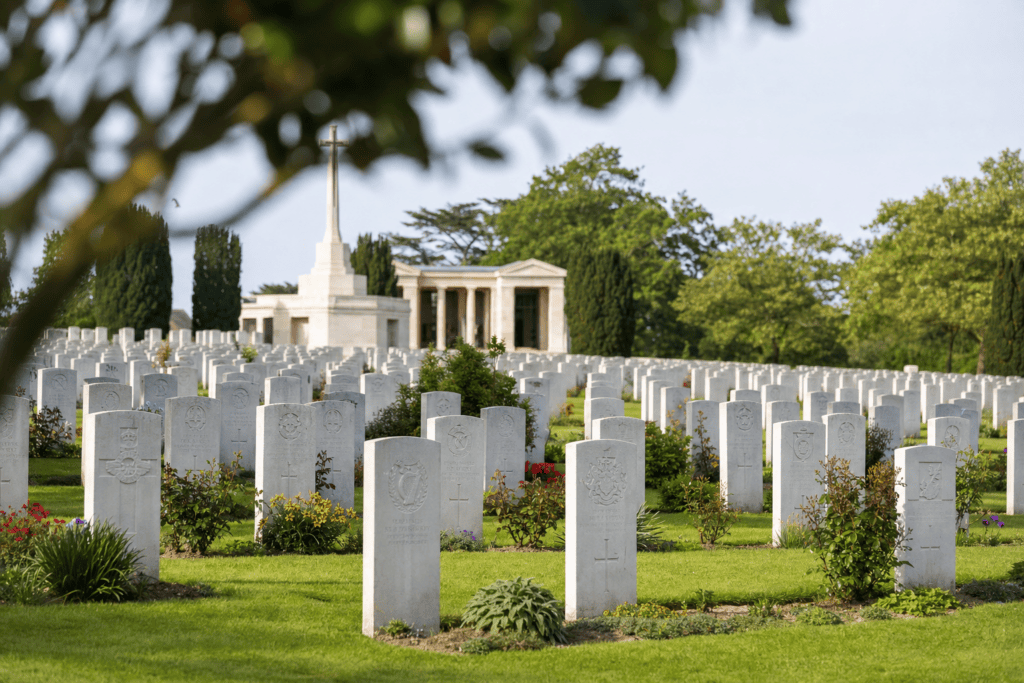 Bayeux British Military Cemetery A major memorial site in Bayeux, with Commonwealth graves, the Bayeux Memorial, and…
Online booking · Paris → Boulevard Fabian Ware, 14400 Bayeux, France
Choose your pickup date and time
Your departure and arrival details are already pre-filled. You can adjust them in the fare calculator before viewing the vehicles and fare.