



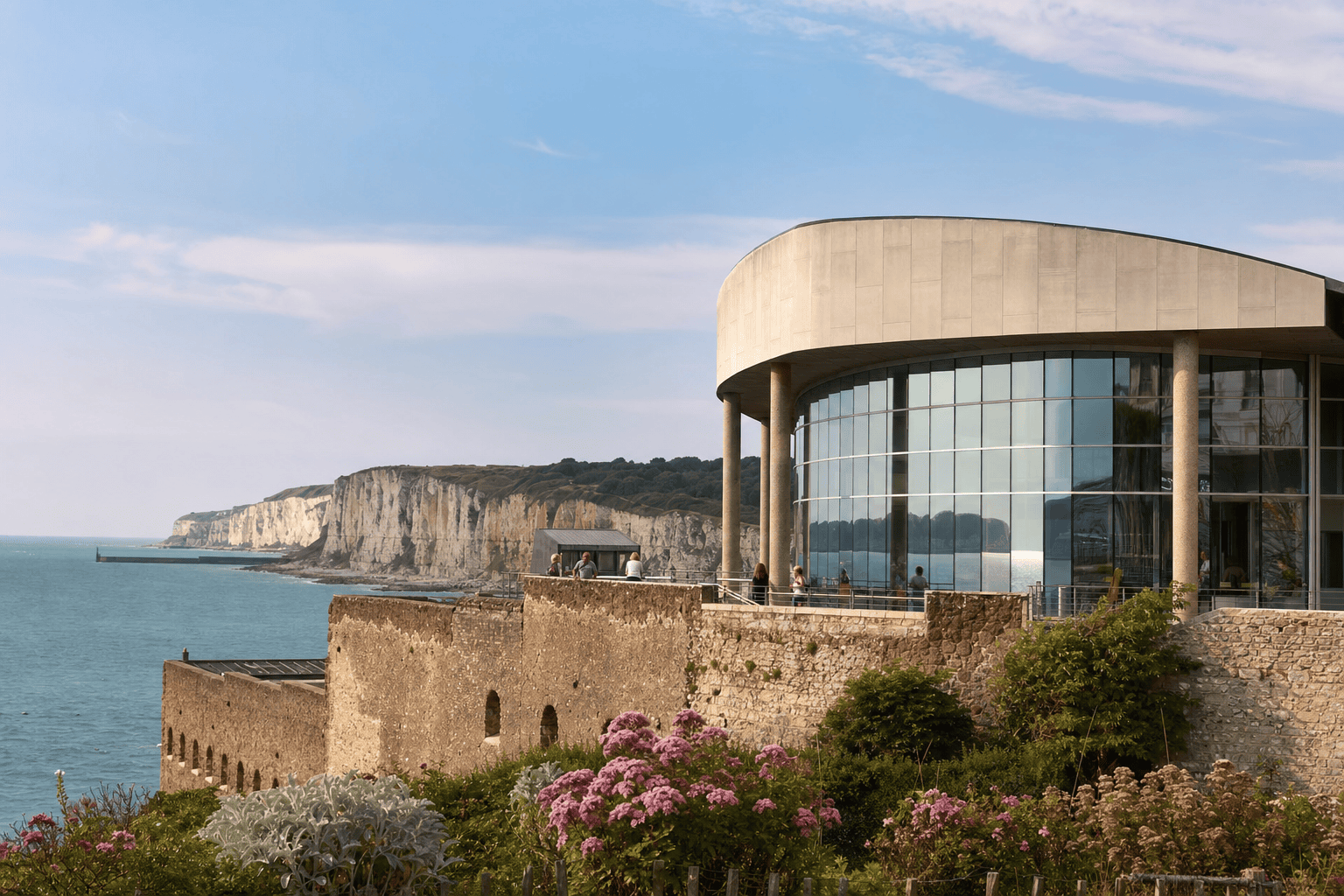
Musée des Pêcheries: Fécamp’s Maritime History
Fécamp
Housed in a former cod-drying facility in the heart of Fécamp’s harbor, the Musée des Pêcheries tells the story of a city deeply connected to the sea. The exhibits explore deep-sea cod fishing, the Terre-Neuvas, herring, harbor trades, and the lives of families who remained on land. They also feature fine arts, ethnography, local history, and objects related to childhood. The observation deck complements the visit with views of the harbor basins, the city, and the coastline. This perspective offers a better understanding of Fécamp’s geography before or after exploring the collections. Since opening hours, admission fees, accessible areas, and access conditions may change, check the official information before your visit.
Practical information
First, take in the harbor from the observation deck when it is accessible, then spend more time in the maritime galleries if the history of the Terre-Neuvas is what interests you most.
Getting to the Musée des Pêcheries from Paris
For a cultural excursion in Normandy, Booking Paris Transfer can arrange private transportation from Paris, your hotel in the Île-de-France region, Charles de Gaulle or Orly Airport to Fécamp, with a return to Paris or continuation of an itinerary along the Alabaster Coast. Transportation is separate from the museum visit: contact the museum directly for opening hours, programming, admission fees, and access conditions.
Private transportation from Paris, the Île-de-France region, CDG, or ORY; museum admission is not included.
A former drying facility in the heart of the harbor
The building itself is a first reason to visit the Musée des Pêcheries. The museum occupies a former cod-drying facility in Fécamp’s harbor district, close to the maritime landscape reflected in the collections. This setting gives the visit a tangible quality: you are not simply viewing objects related to fishing, but entering a place connected to the activity that shaped the local economy.
The site’s conversion brought together collections devoted to several aspects of Fécamp’s history. Industrial heritage, architecture, and objects therefore form a coherent whole. Take time to look at the building’s spacious interiors, openings, and views over the harbor basins. They are reminders that Fécamp was a working port before it became a tourist destination. This relationship between the site, the collections, and the surrounding area gives the museum a character distinct from that of an institution devoted to a single subject.
The observation deck for understanding Fécamp
The observation deck offers a particularly interesting perspective on Fécamp when access conditions and the day’s setup allow. From this elevated point, you can see the city’s rooftops, the harbor basins, the port, and part of the coastline. The view helps explain the relationship between the English Channel, the port facilities, and the neighborhoods built around this activity.
This view usefully complements the maps, models, and documents displayed in the galleries. Compare the visible landscape with historical representations to identify changes in the city and port. In clear weather, the panorama may inspire you to continue toward the quays, beach, or Cap Fagnet. If visibility is limited, the indoor collections still make for a rewarding visit. Since the exact route may vary depending on which areas are open and on the program, follow the staff’s guidance rather than assuming there is only one set order.
Deep-sea fishing and the Terre-Neuvas
Deep-sea cod fishing holds a central place in Fécamp’s collective memory. Sailors left on long voyages to the fishing grounds of Newfoundland, facing difficult conditions and a highly specific organization of work. The museum explains this activity through boats, tools, documents, images, and objects associated with life at sea. It also explores other forms of fishing, particularly herring fishing and fresh-fish fishing.
The dories make the story especially tangible. These small boats, used from fishing vessels, convey the harshness of work carried out far from shore. To better understand the exhibits, connect each object with a task or purpose: a tool indicates an operation, a model shows how a vessel was organized, and a photograph brings a crew or working context to life. The visit thus goes beyond the romantic image of sailors and presents a professional world exposed to cold, danger, and isolation.
A maritime history experienced on land
The history told at the Musée des Pêcheries is not limited to boats and fish catches. Sailors’ long absences transformed the lives of families who remained in Fécamp. Women, children, and relatives kept daily life going, while preparing, processing, selling, and distributing fish provided work for many occupations. This social dimension adds depth to the maritime story.
Clothing, documents, tools, and professional objects connect the port economy with everyday activities. They evoke departures, waiting, risks at sea, and solidarity among residents. With teenagers, this section is a good opportunity to discuss changes in work, sailing conditions, and the role of families in a port economy. Visitors discover a city whose maritime identity influenced housing, daily rhythms, and social relationships far beyond the quays.
Fine arts, ethnography, and childhood
The Musée des Pêcheries is not solely a fishing museum. The visit also brings together fine-art works, ethnographic objects, and elements devoted to local history. This variety takes you from ships and maritime occupations to the landscapes, portraits, interiors, and customs of the Pays de Caux. The works offer another perspective on Fécamp and its surroundings, while everyday objects show how local residents lived and worked.
The childhood collections, particularly those associated with the collection of Dr. Léon Dufour, introduce a different atmosphere. They explore the early years of life, healthcare, and education. Families can set their own pace by focusing on models, tangible objects, and scenes from everyday life. Art lovers will also appreciate the change of mood between the galleries. This variety allows everyone to shape their visit around their interests, without reducing Fécamp to its past as a fishing port.
Planning your museum visit
Before setting out, check the official information on opening hours, days, admission fees, temporary exhibitions, and access conditions. These details may change depending on the season, construction work, or cultural programming. If you would like to join a guided tour, workshop, or activity, also check the schedule for your chosen date. This preparation is especially useful for a day trip from Paris or a stop during a stay in Normandy.
Once there, follow the signs and the staff’s guidance. The route may change if certain galleries are temporarily closed or an exhibition is being installed. Wear comfortable shoes and allow some time to enjoy the views over the harbor. After the museum, you can head to the quays, beach, or downtown heritage sites. In bad weather, the collections offer a complete cultural activity; in good weather, they make an excellent starting point before a walk along the coast.
Continue exploring around Fécamp
The Musée des Pêcheries fits easily into a day in Fécamp. A walk along the quays lets you view the harbor basins and reconnect with the port setting presented in the galleries. The beach then offers another perspective on the cliffs and the English Channel. If the weather and your fitness level allow, Cap Fagnet adds a more expansive panorama of the Alabaster Coast. However, elevated routes require extra time and suitable footwear.
The city’s religious heritage also deserves attention, particularly the Abbey Church of the Holy Trinity. La Boucane du Grand Quai, meanwhile, recalls the former fish-processing and smoking industry; its opening hours and interior access should be confirmed with local sources. For a well-balanced day, start at the museum, have lunch in Fécamp, then choose between the historic center, the quays, and the coast. From Paris or the Île-de-France region, private transportation can arrange the round trip and include Fécamp in an itinerary along the Alabaster Coast, without including site admission.
Useful sources
Frequently Asked Questions
Where is the Musée des Pêcheries located?
What can you see at the Musée des Pêcheries?
Is the museum suitable for families?
How much time should I allow?
Can the museum be combined with a walk?
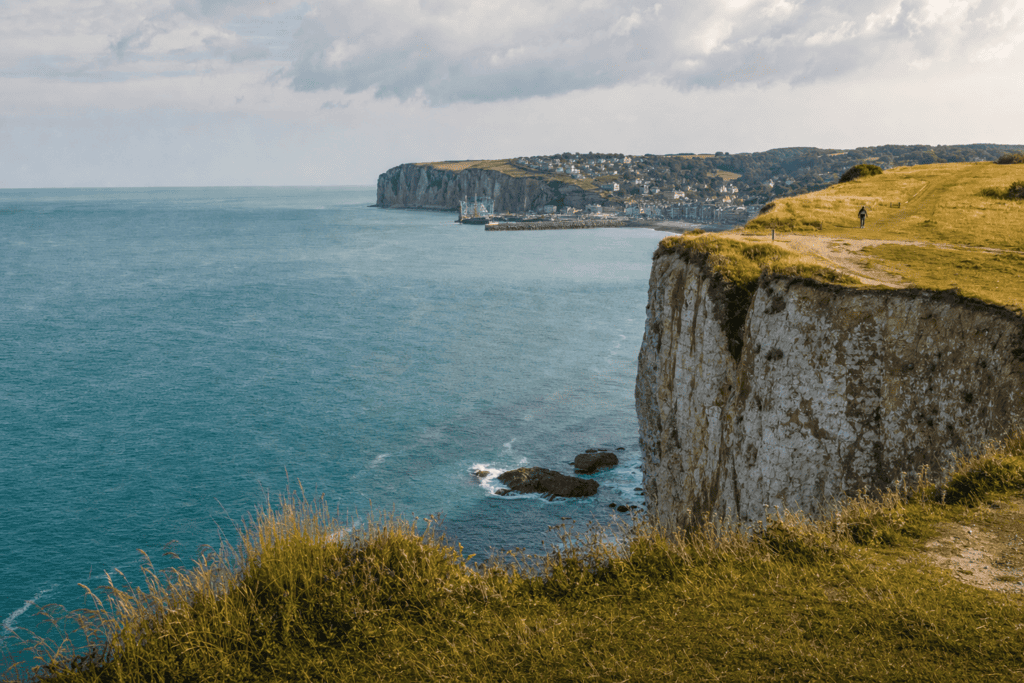 Cap Fagnet A natural viewpoint above Fécamp, with cliffs, the English Channel, a sailors’ chapel, trails, and remains of the…
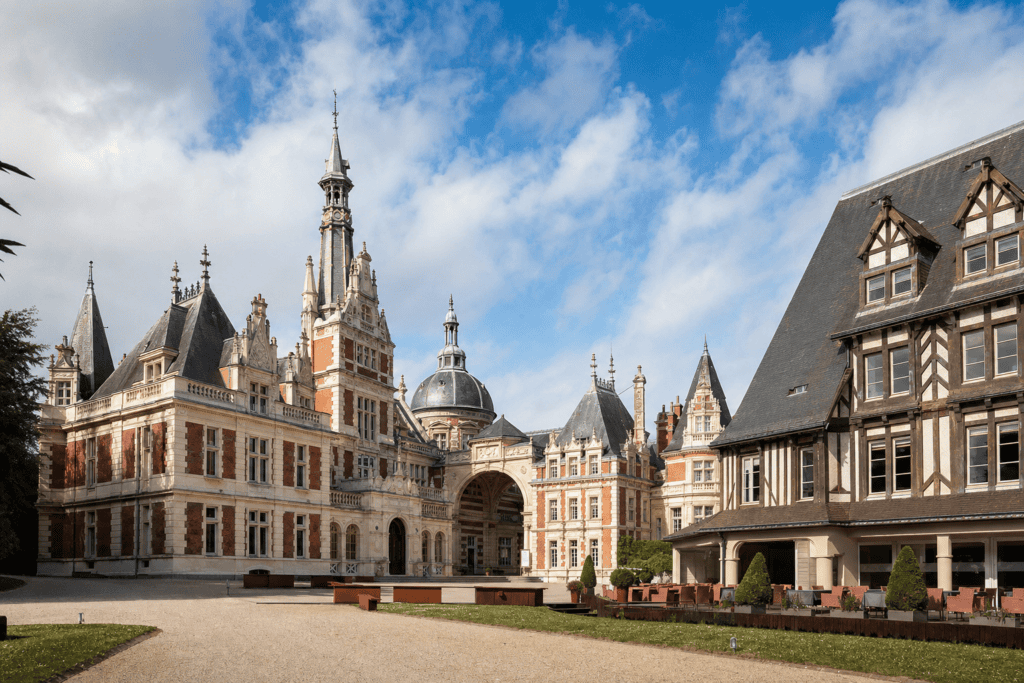 Bénédictine Palace A unique eclectic palace in Fécamp, featuring an art museum, historic distillery, antique collections and an introduction to…
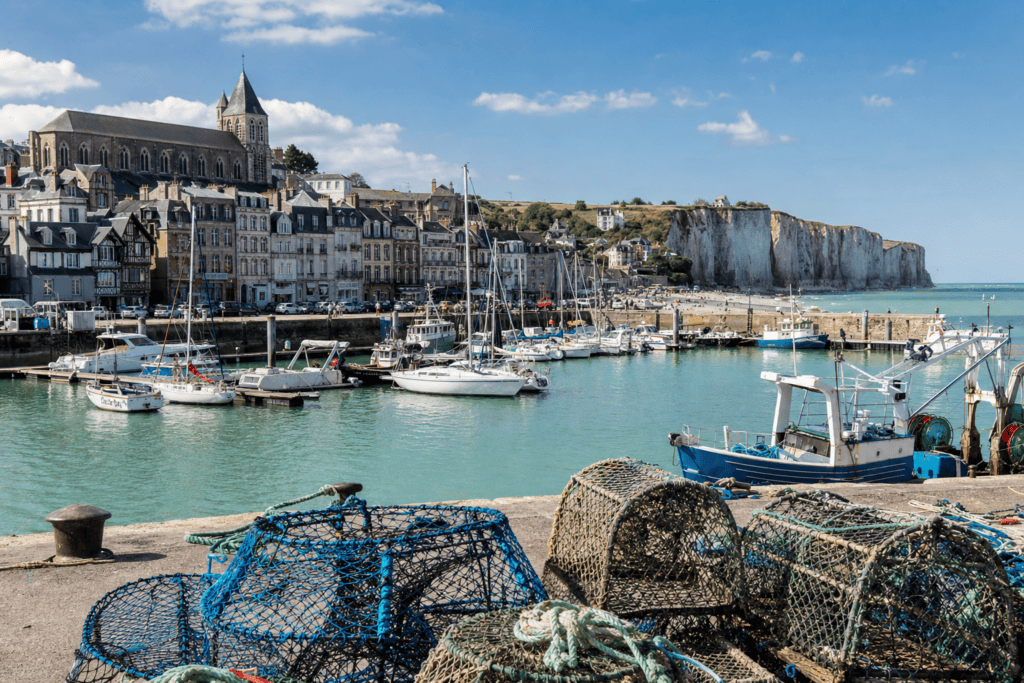 What to do in Fécamp between the harbor, beach, and Côte d’Albâtre A practical itinerary for discovering Fécamp through its port, beach, piers, maritime heritage and coastal panoramas…
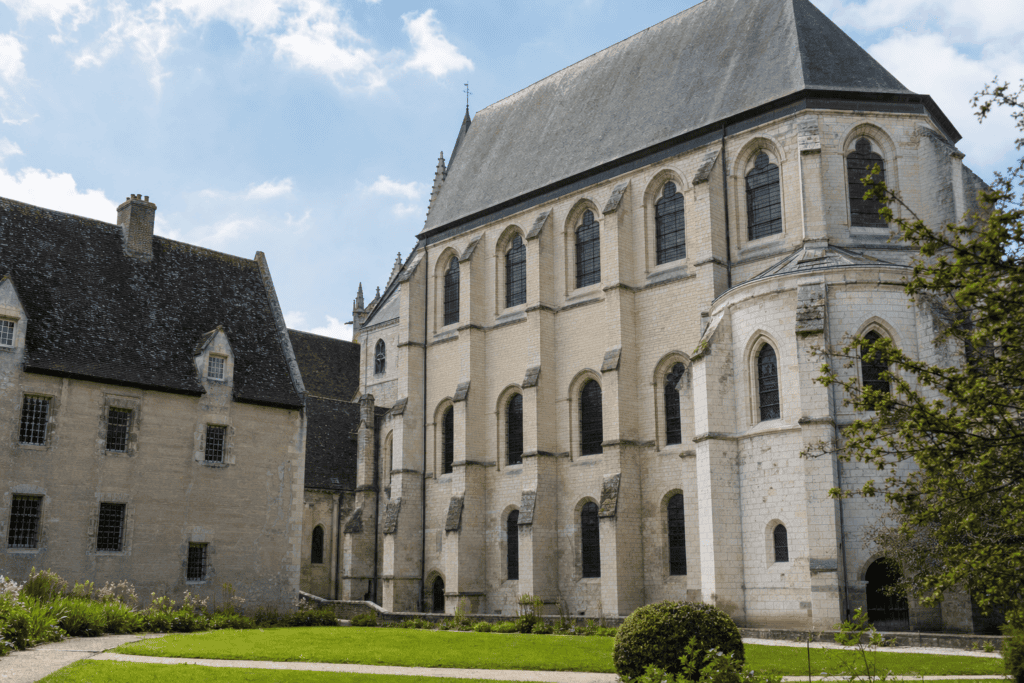 Trinity Abbey of Fécamp A magnificent Norman abbey church in the heart of Fécamp, featuring Gothic architecture, Benedictine history, and the relic of the Precious Blood…
Online booking · Paris → 3, quai Capitaine-Jean-Recher, 76400 Fécamp, France
Choose your pickup date and time
Your departure and arrival details are already pre-filled. You can adjust them in the fare calculator before viewing the vehicles and fare.