



What to Do in Fécamp Between the Harbor, Beach, and Cliffs
Fécamp
What can you do in Fécamp if you want to discover more than an iconic monument? The town unfolds like a living maritime landscape: you move from the quays to the pebble beach, from the seafront promenade to the heights of Cap Fagnet, with the memory of the Terre-Neuvas, white cliffs, and Norman flavors all around you. This itinerary offers a gradual introduction to Fécamp and can easily be adapted to a half-day, a full day, or a weekend. Bring good walking shoes, a windbreaker, and some time to watch the sea: here, the light and tides often transform the same places.
Practical information
Start along the seafront, continue toward the quays and town center, then save Cap Fagnet for a final panoramic view. Check museum and site opening hours and visiting conditions with the relevant offices.
Getting to Fécamp from Paris with a Private Driver
For a day on the Côte d’Albâtre, arrange your journey from Paris, a Paris hotel, CDG, or ORY to Fécamp, with a return to Paris according to your itinerary. Transportation supports your itinerary; it does not include admission tickets or reservations for the sites visited.
Transportation service departing from Paris and the Île-de-France region, with the option of returning to Paris. Schedules, visits, and tickets must be confirmed directly with the establishments.
Start at the Harbor, the Maritime Heart of Fécamp
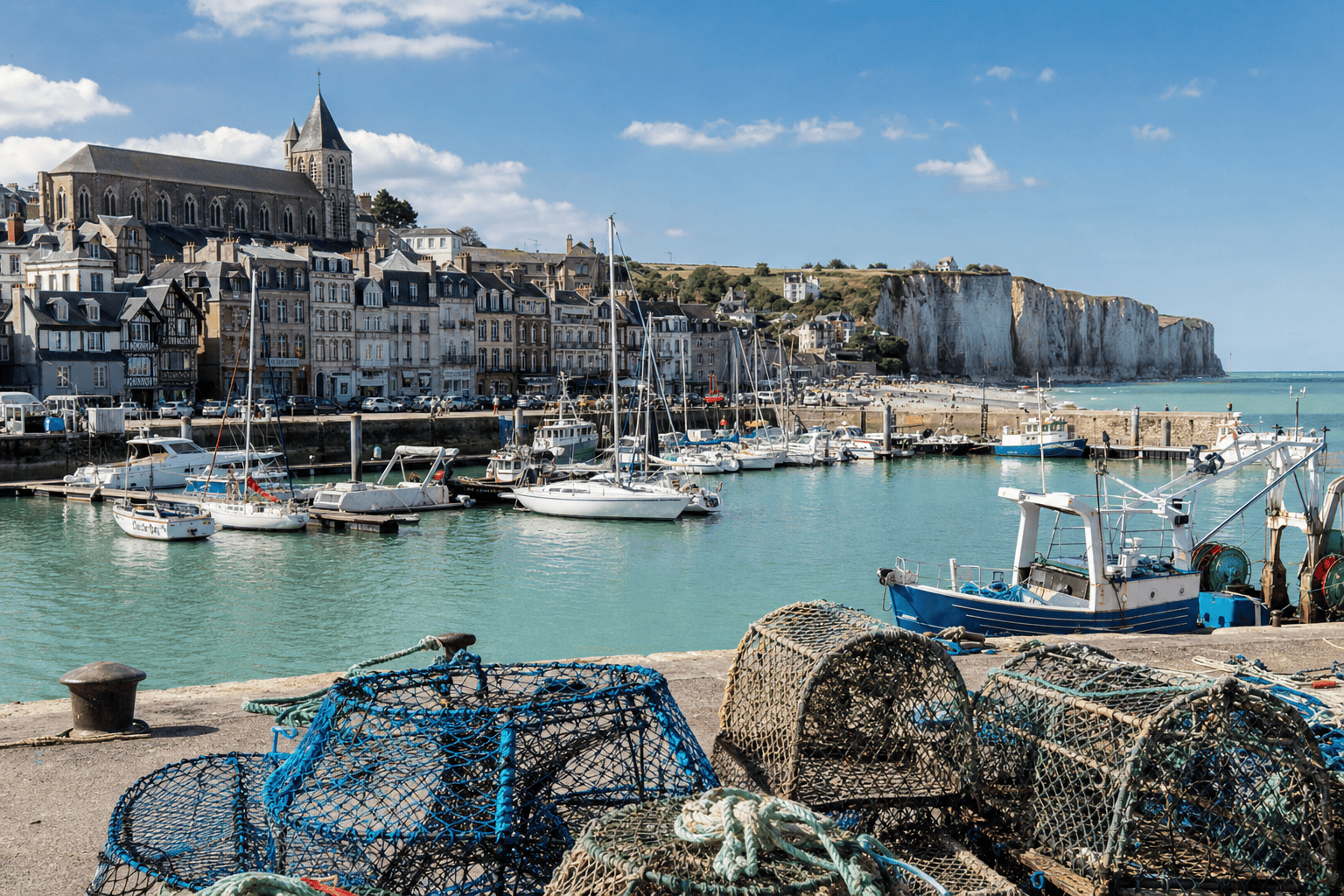
To get a sense of Fécamp, start at its harbor. The town developed around this opening onto the English Channel, long associated with cod fishing in the waters of Newfoundland. Today, the basins accommodate recreational boating, fishing, and commercial activities, giving the quays a livelier atmosphere than a simple tourist backdrop.
Take a leisurely walk along the Grand Quai and Quai de la Vicomté. The names of the quays recall the engineers, sailors, and entrepreneurs who shaped local history. Watch the boats, ropes, old harbor silhouettes, and changing light on the water. This route is especially well suited to an unhurried visit: stop for a coffee, watch the channel traffic, or gradually make your way to the beach.
To put this walk into context, the official website of the Fécamp Tourist Office introduces the quays, lighthouses, and maritime history of the town.
Walk Along the Beach and Seafront Promenade
Fécamp Beach is a pebble beach, typical of the Côte d’Albâtre. It is less a classic swimming spot than an open viewpoint over the English Channel. From the seafront promenade, you can take in the waterfront, cliffs, and harbor entrance. In calm weather, the beach invites you to linger; when the wind picks up, it strongly conveys the maritime character of the Normandy coast.
The promenade connects the casino area with the harbor entrance. Take time to admire the façades of the maritime district, where brick, flint, and light colors create a highly recognizable architectural style. Pebbles should not be collected: they help provide natural protection for the coastline, and removing them is prohibited.
For a pleasant outing, wear closed-toe shoes rather than sandals. When visiting with family, stay alert to waves and slippery areas. The Normandy Tourism guide to the Côte d’Albâtre recalls the essential precautions concerning erosion and coastal retreat.
Walk to the Piers and Lighthouses
At the harbor entrance, the wooden piers offer one of Fécamp’s most distinctive viewpoints. They extend toward the channel, allowing you to observe the sea from a different perspective, almost at water level. Historically, they helped protect and channel the harbor entrance; today, they have become a popular place for walks among both locals and visitors.
The walk is short, but it deserves more than a quick pass. Watch the currents, boats entering and leaving, anglers, and the lighthouses marking the passage. The green lighthouse on the south pier is an immediately recognizable landmark. In rough weather, the scene can be impressive, but keep away from exposed areas and never approach the waves to take a photograph.
The piers are especially beautiful at sunrise or late in the day, when the contrasts between wood, water, and cliffs become more pronounced. Before setting out, check with the Tourist Office for any access restrictions, as conditions may vary depending on the weather or construction work.
Connect Heritage, the Abbey, and the Memory of Sailors
Fécamp is more than its coastline. From the harbor, head to the historic center to understand the town’s religious and ducal role. The Church of the Holy Trinity, the Palace of the Dukes of Normandy, and the old streets bear witness to a history that began long before the rise of the seaside resort. Fécamp was notably a residence of the Dukes of Normandy until the beginning of the 13th century.
An urban route connects several monuments on foot, with short distances between stops and a gradual way of reading the town. It is a good option when the weather is changeable or when you want to alternate between the outdoors and architecture. Saint-Étienne Church, for its part, recalls the relationship between Fécamp and sailors, while street names and former quays extend this memory throughout the urban landscape.
Hall Ducal Town and Abbey Town route provides a useful basis for organizing this part of your visit. As opening hours for the buildings may change, check the official information before planning an indoor visit.
Discover Les Pêcheries and Local Know-How
To explore Fécamp’s identity in greater depth, Les Pêcheries Museum is a natural stop. Housed in a former factory, it explores the town’s maritime history, fishing activities, residents, and art collections. The building itself is part of the experience: its conversion highlights how strongly the local economy was shaped by the sea and the industries connected to it.
After your visit, take some time to sample Norman specialties. Seafood naturally plays an important role in Fécamp’s restaurants and shops, while cheeses, cream, apples, and regional desserts offer another perspective on the Pays de Caux. Bénédictine is also part of the town’s industrial and culinary history. Palais Bénédictine combines architecture, collections, a distillery, and an introduction to the liqueur; visit and tasting arrangements should be checked on the official website.
To prepare for this stop, visit the Fécamp Tourist Office website, which lists museums, experiences, restaurants, and seasonal events.
Rise Above Fécamp at Cap Fagnet
End your exploration on the heights of Cap Fagnet. From this headland, the view opens over Fécamp, the sea, and the white cliffs of the Côte d’Albâtre. The viewpoint reveals the town’s geography: the harbor cuts into the coastline, the beach stretches between the surrounding heights, and the buildings form a link between the valley, sea, and Pays de Caux plateau.
Cap Fagnet also has a historic dimension. Its strategic position explains the presence of defensive remains and traces from different periods. The Notre-Dame-du-Salut Chapel, associated with the local maritime tradition, adds a heritage stop to this high-level walk. Hiking routes cross the area, including sections of the GR®21.
Never approach the edge of the cliffs, even when the ground appears stable. Coastal retreat and erosion make some areas dangerous without any visible warning. Stay on marked trails and respect private property. For a more relaxed walk, choose clear weather, wear suitable shoes, and allow enough time to return before dark.
Plan a Smooth Day Between the Sea and Town
For a full day, start in the morning at the beach and seafront promenade. The light is often soft and visitor numbers more moderate. Continue to the piers, then return via the quays for lunch in the harbor area or town center. Spend the afternoon at Les Pêcheries Museum, exploring the religious heritage and Palais Bénédictine, depending on your interests and available opening hours.
Then set aside time to climb to Cap Fagnet. It is better not to try to fit everything in too quickly: Fécamp is best discovered in stages, with breaks to watch the boats, cliffs, and architectural details. If you have a second day, add an excursion to Yport or a hike along the Côte d’Albâtre, checking trail conditions and local recommendations.
From Paris, private transportation can simplify a day trip, especially for departures from a hotel, Charles de Gaulle Airport, or Orly, with a return to Paris at the end of the itinerary. Booking Paris Transfer provides transportation only between Paris and Fécamp, or an itinerary departing from Paris; visits, reservations, and tickets must be arranged directly with the relevant sites.
Frequently Asked Questions
How much time should you allow to visit Fécamp?
Is Fécamp Beach a sandy beach?
Can you walk along the cliffs around Fécamp?
What can you visit in Fécamp when it rains?
Is Fécamp suitable for a day trip from Paris?
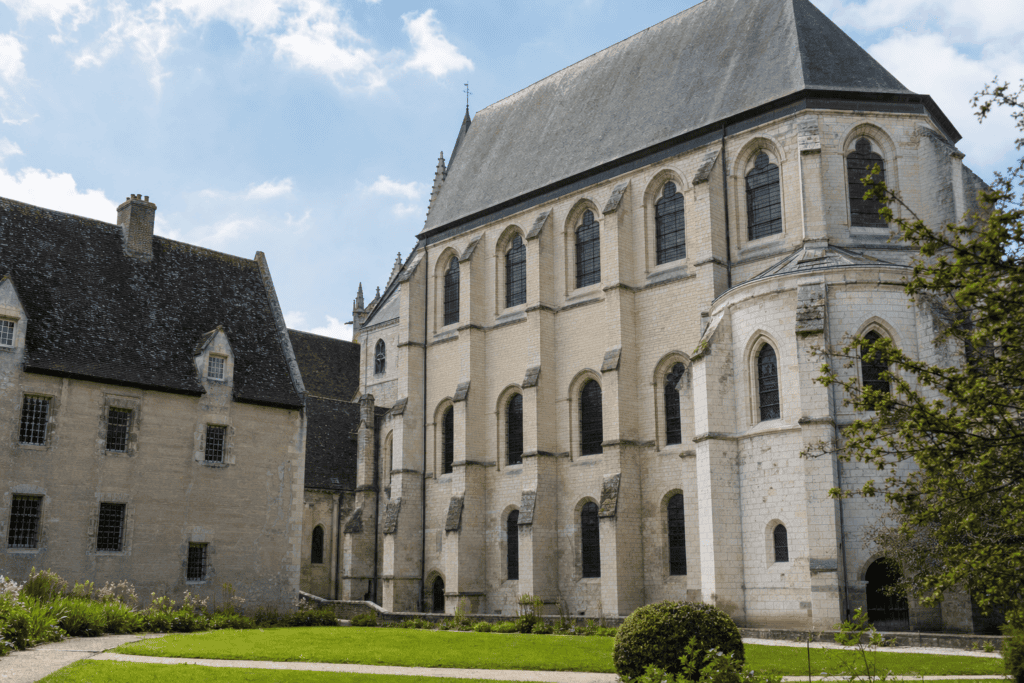 Trinity Abbey of Fécamp A magnificent Norman abbey church in the heart of Fécamp, featuring Gothic architecture, Benedictine history, and the relic of the Precious Blood…
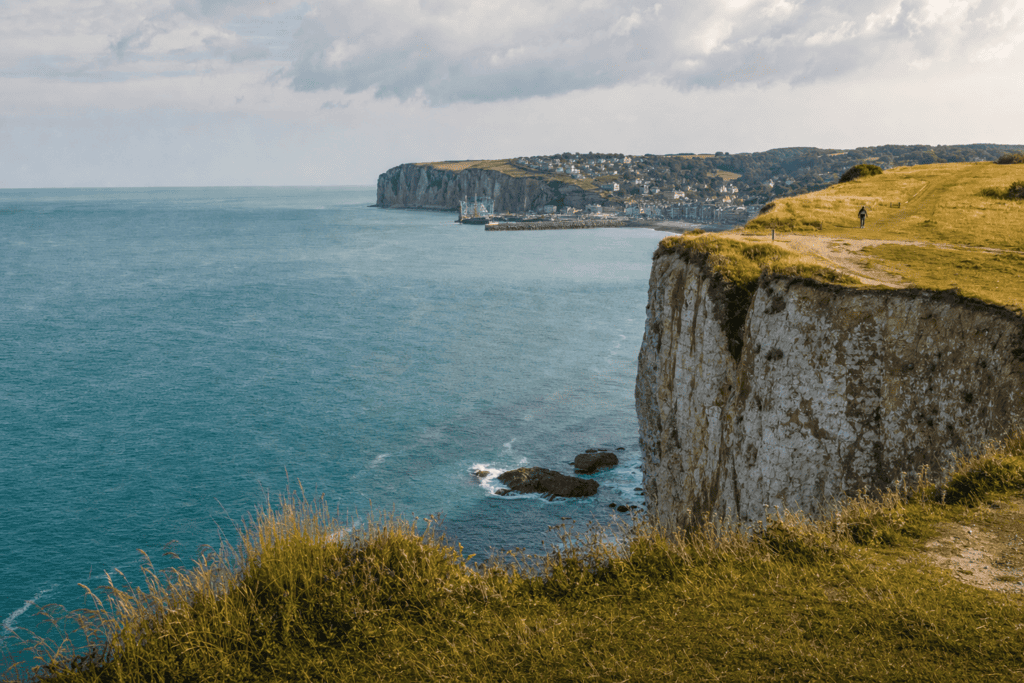 Cap Fagnet A natural viewpoint above Fécamp, with cliffs, the English Channel, a sailors’ chapel, trails, and remains of the…
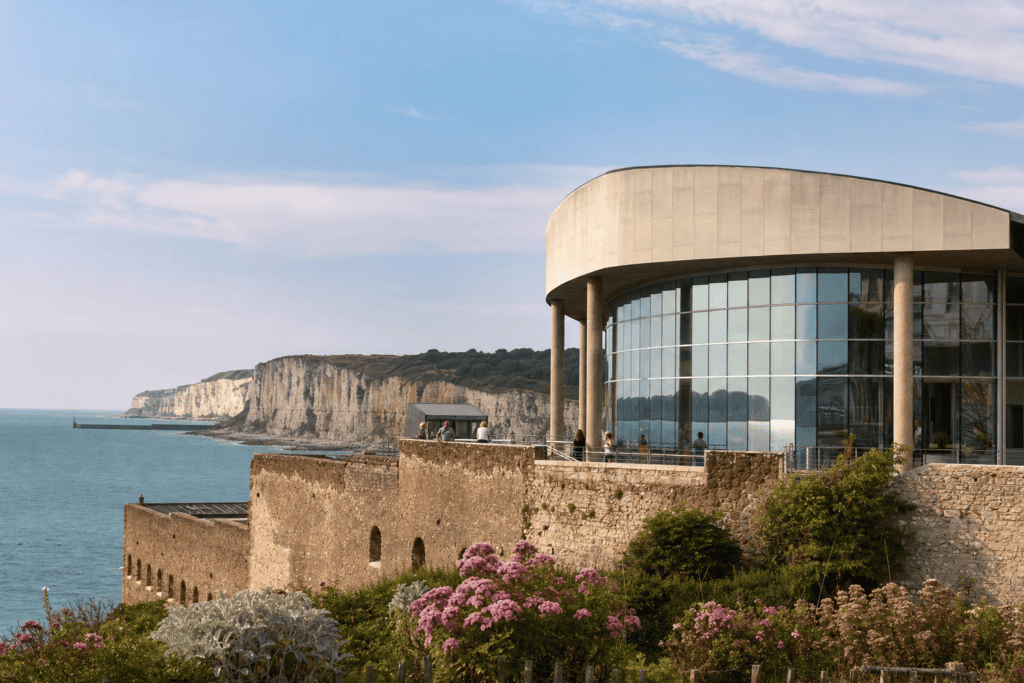 Fisheries Museum In a former cod drying house, discover the deep-sea fishing industry, art collections and the town’s memory…
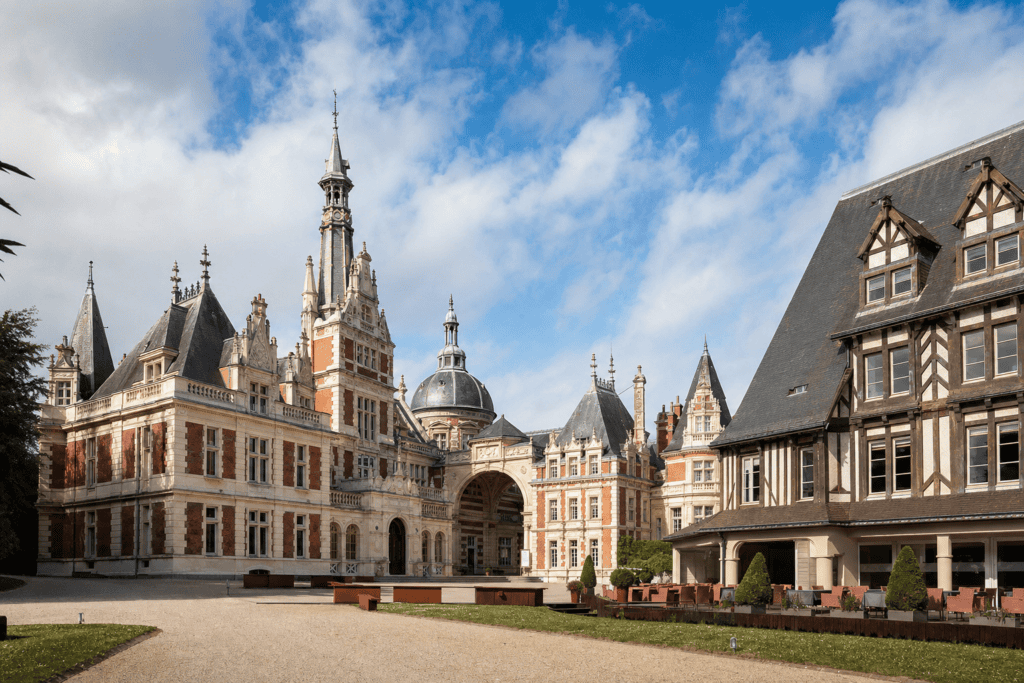 Bénédictine Palace A unique eclectic palace in Fécamp, featuring an art museum, historic distillery, antique collections and an introduction to…
Online booking · Paris → Fécamp, 76400, Seine-Maritime, Normandy
Choose your pickup date and time
Your departure and arrival details are already pre-filled. You can adjust them in the fare calculator before viewing the vehicles and fare.