



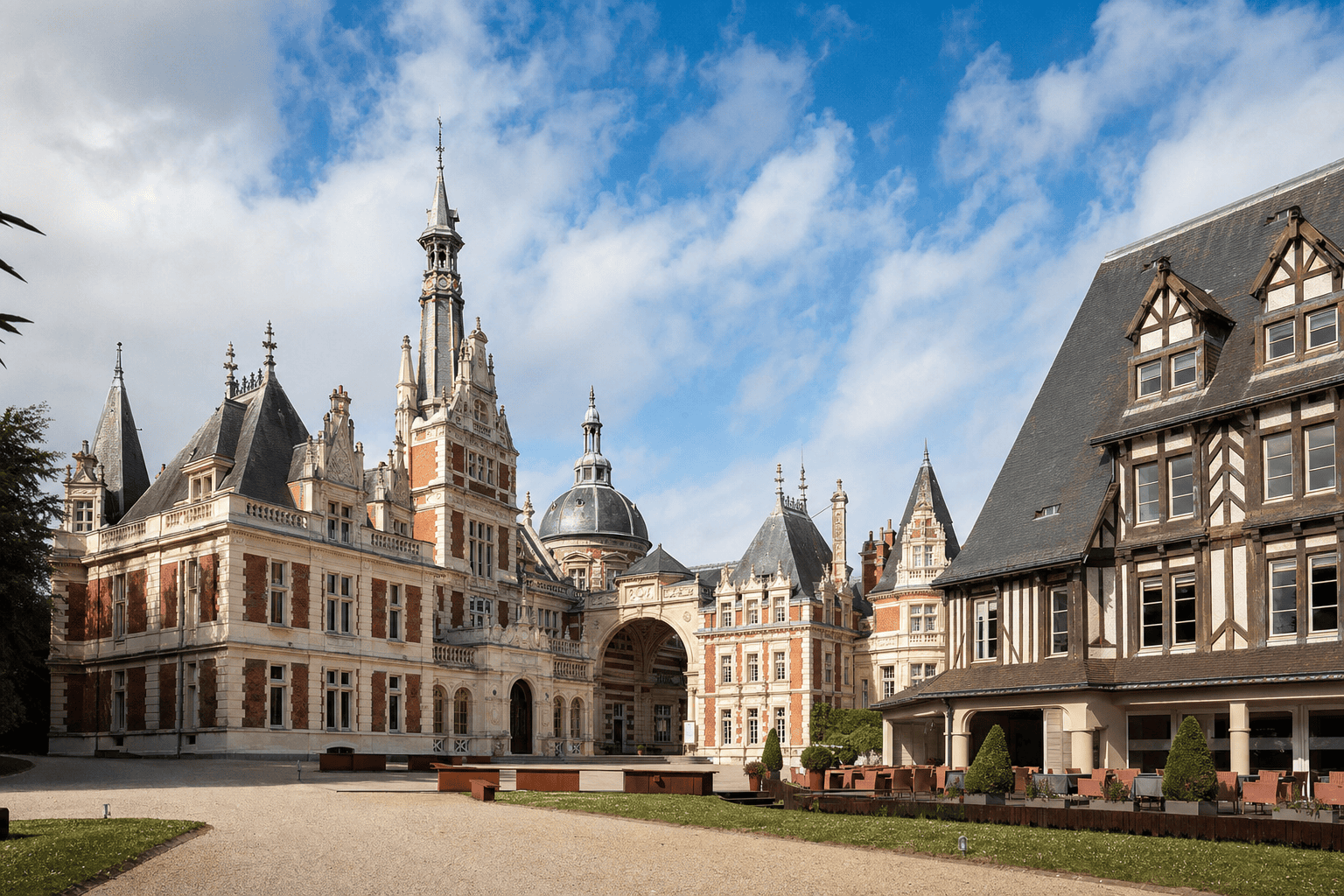
Palais Bénédictine: Museum, Distillery and Heritage
Fécamp
In Fécamp, Palais Bénédictine combines a spectacular landmark, an art museum and a production site connected to the famous Norman liqueur. Designed by Alexandre Le Grand at the end of the 19th century, the building blends Neo-Gothic features, Renaissance influences, stained glass and lavish decoration. The tour offers insight into the history of Bénédictine, showcases historic collections and, depending on the option selected, introduces visitors to the stills, cellars and certain stages of production. It is a particularly interesting cultural stop on the Alabaster Coast, which can be combined with the port, the Abbey Church of the Holy Trinity, Les Pêcheries museum and Fécamp seafront.
Practical information
Combine Palais Bénédictine with Les Pêcheries museum, the Abbey Church of the Holy Trinity and a walk toward the port or beach to create a full day in Fécamp.
Getting to Palais Bénédictine from Paris
Booking Paris Transfer can arrange private transportation from Paris, a Paris hotel, Charles de Gaulle or Orly Airport to Fécamp, with a return to Paris or a Normandy itinerary including several stops. The service covers transportation only: tickets and visits to Palais Bénédictine must be booked separately with the venue.
Departure from Paris, the Île-de-France region, CDG or ORY; return to Paris available. Transportation is separate from admission and tours of the palace.
A Spectacular Palace in the Heart of Fécamp
Palais Bénédictine immediately draws attention with its richly decorated architecture. Located in central Fécamp, it resembles a private palace, a Renaissance residence and a Neo-Gothic building all at once. This deliberately theatrical appearance reflects Alexandre Le Grand’s vision: to give his liqueur a setting as memorable as its history.
The façade deserves a first look before you enter: turrets, sculptures, openings, ornaments and stone details create a highly expressive whole. Inside, the stained glass, ceilings and woodwork continue this sense of abundance. Don’t try to see everything too quickly. The building reveals itself in small details, as you look up and pay attention to the transitions between rooms. This architecture also reflects the industrial and commercial culture of the Belle Époque, when brands sought to build a strong, recognizable image associated with a particular region.
Alexandre Le Grand and the Birth of a Brand
The history of the palace is inseparable from that of Alexandre Le Grand, a Fécamp merchant who drove the development of Bénédictine. The traditional story recounts the discovery, in a family library, of a manuscript attributed to the Benedictine tradition of the former Abbey of Fécamp. Inspired by it, Alexandre Le Grand is said to have worked on developing a liqueur that gradually became an international brand.
The visit encourages visitors to distinguish between documented facts, local memory and commercial legend. This nuance does not lessen the appeal of the tour; on the contrary, it shows how a recipe, a name, a city and a setting were brought together to create a cohesive world. Inaugurated in 1898, the palace reflects an era when architecture, historical storytelling, advertising and industrial production all contributed to a product’s success. The spaces devoted to its founder also offer a better understanding of his passion for collecting and his ambition to promote Fécamp beyond Normandy.
Art Collections in a Theatrical Setting
Palais Bénédictine is not solely devoted to the production of a liqueur. It also houses the collections assembled by Alexandre Le Grand, including works and objects connected with early art, religion and the history of the region. Depending on the tour, visitors may see paintings, sculptures, liturgical objects, historic pieces, metalwork and documents associated with the Benedictine tradition.
The exhibition is arranged in evocatively named spaces, including the Dome Room, the Oratory, the Abbots’ Room and the Manuscripts Cabinet. Each room has a distinct atmosphere and contributes to the impression of visiting a complete work of art rather than a traditional museum. Display cases add depth to the story, while the stained glass and ornaments naturally draw the eye. To fully enjoy this section, take your time and alternate between observing the collections and the architecture. Visitors interested in religious heritage and decorative arts will find plenty to linger over.
Understanding the Distillery and Still Houses
The distillery gives the palace a tangible dimension. Bénédictine is made from numerous plants and spices, whose complete combination remains confidential. The tour introduces some of the ingredients, explains the main preparation stages and places the liqueur within a tradition of distillation, blending and aging. This approach shows that beyond the brand story, the site remains connected to genuine production expertise.
The hammered copper stills are among the most impressive features. Their presence recalls the role of heat, aromatic preparations and spirits in shaping the final profile. The different eaux-de-vie and preparations are then blended before being aged in barrels or large vats, according to the methods presented by the venue. The areas accessible to visitors depend on the option selected and the day’s operations. A guided tour can therefore provide more detailed explanations than a self-guided visit, particularly about technical processes and preserving the recipe.
A Sensory Experience Centered on Bénédictine
Tasting takes on greater meaning after exploring the collections and distillery. Bénédictine is often described through notes of citrus, spices, plants and honey, but the real interest lies in taking the time to observe its color, aroma and finish. Depending on the program announced by the venue, some experiences may present several expressions or offer an approach connected with mixology.
Visitors who do not drink alcohol should inquire before booking to learn about any alternatives that may be available. Alcoholic tastings are intended for adults of legal drinking age and should remain moderate, especially if you will be driving afterward. The palace may also offer a restaurant or cocktail area, with opening days and services subject to change. Check the current information rather than assuming a permanent offering. Tasting is not essential to enjoying the museum, but it usefully complements your understanding of the ingredients and blending process.
Planning Your Visit to Fécamp
Palais Bénédictine is located at 110 rue Alexandre Le Grand, Fécamp. Before setting out, check the official information on opening hours, prices, available time slots and the conditions applying to each tour. These details may change depending on the season, events, construction work or the type of experience selected. Booking is especially advisable for guided tours, tastings and busy periods.
Wear comfortable shoes and ask for details if you have difficulty with stairs, narrow passages or dimly lit areas. To plan a well-organized day, start at the palace, continue through the historic center and to the abbey church, then make your way to Les Pêcheries museum or the seafront. Travelers arriving from Paris can also plan a private itinerary including several stops in Normandy. Transportation and admission to the landmark remain separate services: tickets must be obtained directly from the venue.
What to See Around Palais Bénédictine?
The visit fits easily into a broader exploration of Fécamp. The Abbey Church of the Holy Trinity places the Benedictine story within the ancient history of the city and its abbey. The port, meanwhile, recalls Fécamp’s maritime importance and its fishing heritage. Continuing toward the seafront, you’ll find the atmosphere of the Alabaster Coast, with its open landscapes, beach and cliffs visible depending on the viewpoint and conditions.
Les Pêcheries museum complements the palace well, presenting different aspects of local heritage, from fishing to fine art, along with the history of residents and maritime activities. Together, these attractions create a balanced day combining architecture, industry, culture and scenery. If you have more time, check which walking routes are open and review the weather conditions before heading to higher ground. For an excursion from Paris, a private journey can connect Fécamp with other stops in Normandy without turning the day into a series of transfers.
Useful sources
Frequently Asked Questions
Where is Palais Bénédictine located?
How much time should I allow for the visit?
Should you book in advance?
Can children visit the palace?
Can I visit just the museum?
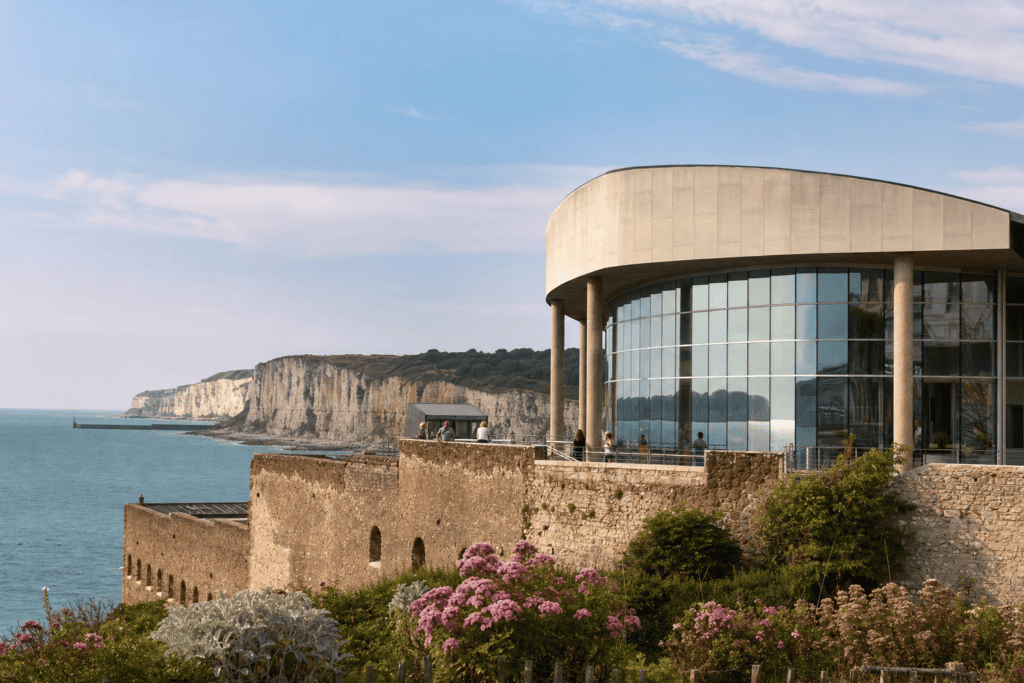 Fisheries Museum In a former cod drying house, discover the deep-sea fishing industry, art collections and the town’s memory…
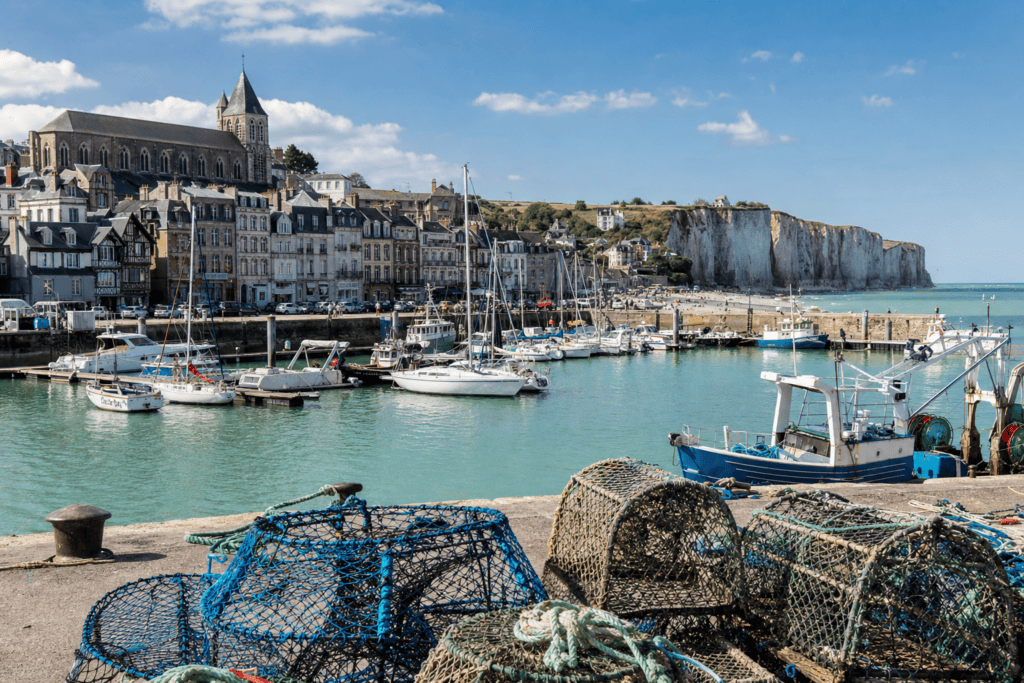 What to do in Fécamp between the harbor, beach, and Côte d’Albâtre A practical itinerary for discovering Fécamp through its port, beach, piers, maritime heritage and coastal panoramas…
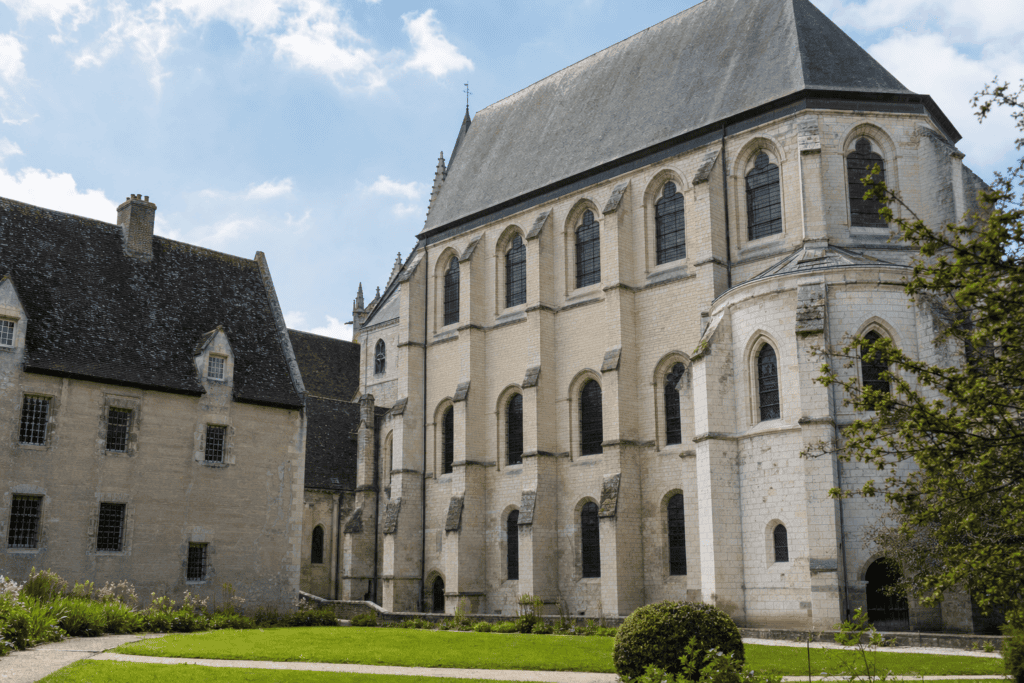 Trinity Abbey of Fécamp A magnificent Norman abbey church in the heart of Fécamp, featuring Gothic architecture, Benedictine history, and the relic of the Precious Blood…
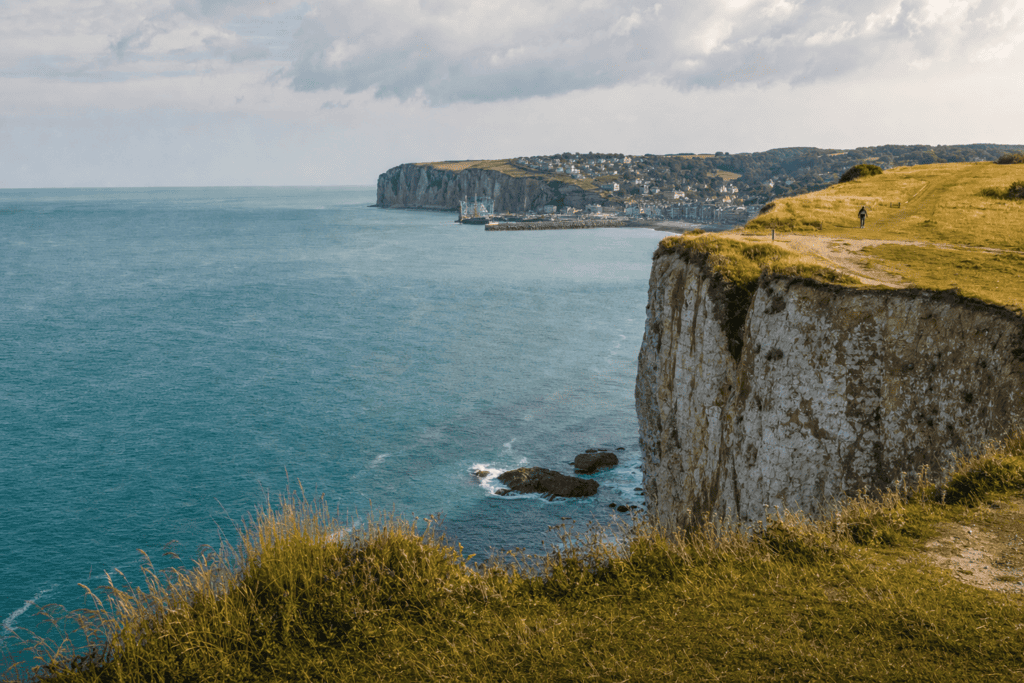 Cap Fagnet A natural viewpoint above Fécamp, with cliffs, the English Channel, a sailors’ chapel, trails, and remains of the…
Online booking · Paris → 110 rue Alexandre Le Grand, 76400 Fécamp, Normandy
Choose your pickup date and time
Your departure and arrival details are already pre-filled. You can adjust them in the fare calculator before viewing the vehicles and fare.