



Visiting Le Panier in Marseille: Narrow Streets, History, and Local Favorites
Marseille
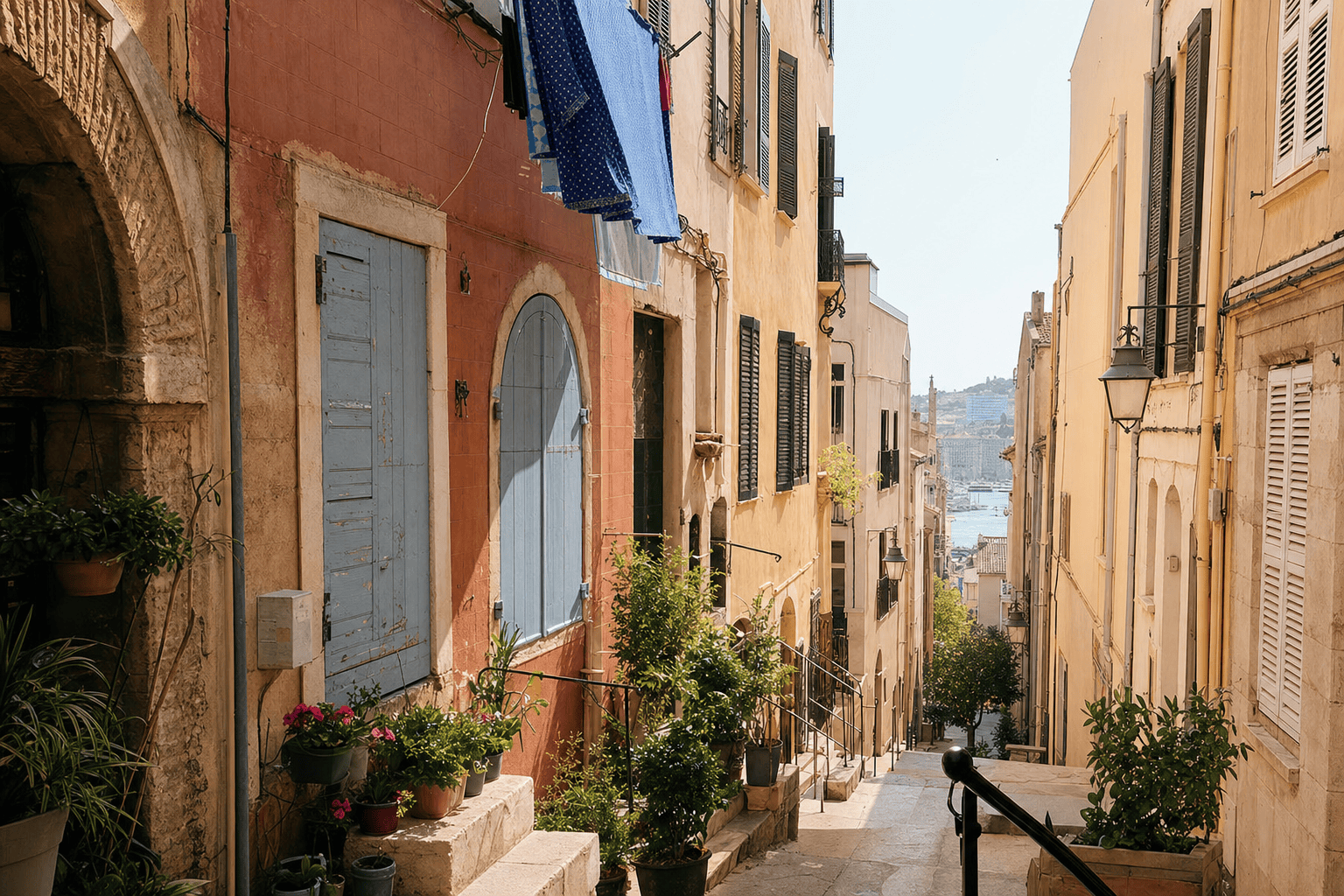
Visiting Le Panier in Marseille means exploring one of the city’s oldest and most iconic areas on foot. Perched above the Old Port, its sloping lanes connect small squares, colorful façades, workshops, street art, and landmarks such as the Vieille Charité. The neighborhood is best discovered at an unhurried pace, among ancient heritage, local history, Mediterranean culture, and everyday residential life.
Practical information
Wear comfortable shoes, bring water, and take time to look up: balconies, signs, old doors, and murals are all part of the experience. Since this is a residential neighborhood, avoid blocking passageways and respect private entrances.
Getting to Marseille from Paris
For a stay in Marseille, Booking Paris Transfer can arrange a private journey from Paris, a Paris hotel, CDG, or ORY, with a return to Paris also possible. Transportation is offered separately from a visit to Le Panier and any admission tickets.
Transportation service departing from Paris, the Île-de-France region, CDG, or ORY; no ticketing service or independent local driver in Marseille.
Why visit Le Panier in Marseille?
Le Panier is not a single monument, but a neighborhood to explore at a leisurely pace. Its appeal lies in the succession of streets, stairways, small squares, old houses, workshops, and cultural venues. A narrow lane may open onto a small square; an unassuming façade may reveal a mural; and a climb may offer a view toward the Old Port or the sea.
The area lies north of the Old Port, around the Saint-Laurent, Moulins, and Carmes hills. The name Le Panier primarily refers to a historical and cultural area; it is not a single administrative neighborhood with perfectly defined boundaries. Part of the area lies in Marseille’s 2ndth arrondissement.
People come here to discover the historic center, admire the architecture, photograph façade details, visit cultural institutions, or simply experience the atmosphere of a still-residential Marseille neighborhood. The walk is especially appealing to history buffs, photographers, craft enthusiasts, and urban walkers.
A History Linked to the Origins of Marseille
Le Panier sits on the heights of the north shore of the Old Port, in an area closely tied to Marseille’s beginnings. The Phocaean Greeks founded Massalia around 600 BCE, and ancient settlement developed around the port and nearby hills. Archaeological remains visible in the historic center recall this long history of occupation, although today’s neighborhood should not be portrayed as an intact ancient setting.
The exact origin of the name “Le Panier” has not been established with absolute certainty. A commonly repeated explanation links it to the sign of an inn bearing a basket, sometimes identified as the “Logis du Panier,” mentioned in accounts of the neighborhood’s history. This tradition explains the present-day name, but it should not be confused with the age of the site, which dates back well before the modern era.
Over the centuries, the area became home to people connected with the port, trade, and small-scale crafts. Its urban layout developed within a space constrained by hills and former fortifications, explaining the steep streets, narrow passageways, and staircases.
Le Panier was also shaped by the destruction of 1943, when German authorities ordered the evacuation and demolition of part of the old neighborhoods near the Old Port. Subsequent rebuilding and renovation changed some areas. Today’s neighborhood is therefore the result of layers of different eras, rather than a place that has remained entirely intact.
Squares and Landmarks Not to Miss
From the Old Port, head up toward the place de Lenche, one of the area’s best-known squares. It is located in an area associated with ancient Marseille, but the precise identification of the square with a Greek agora should be treated with caution: archaeological interpretations concern a broader area and do not allow today’s square to be presented unqualifiedly as Massalia’s preserved agora. Its terraces and location nevertheless make it a good starting point for exploring the neighborhood.
Continue toward the montée des Accoules and the Accoules bell tower, a distinctive landmark of the old town. The place des Moulins, located at one of the neighborhood’s high points, recalls through its name the former presence of windmills on the hill.
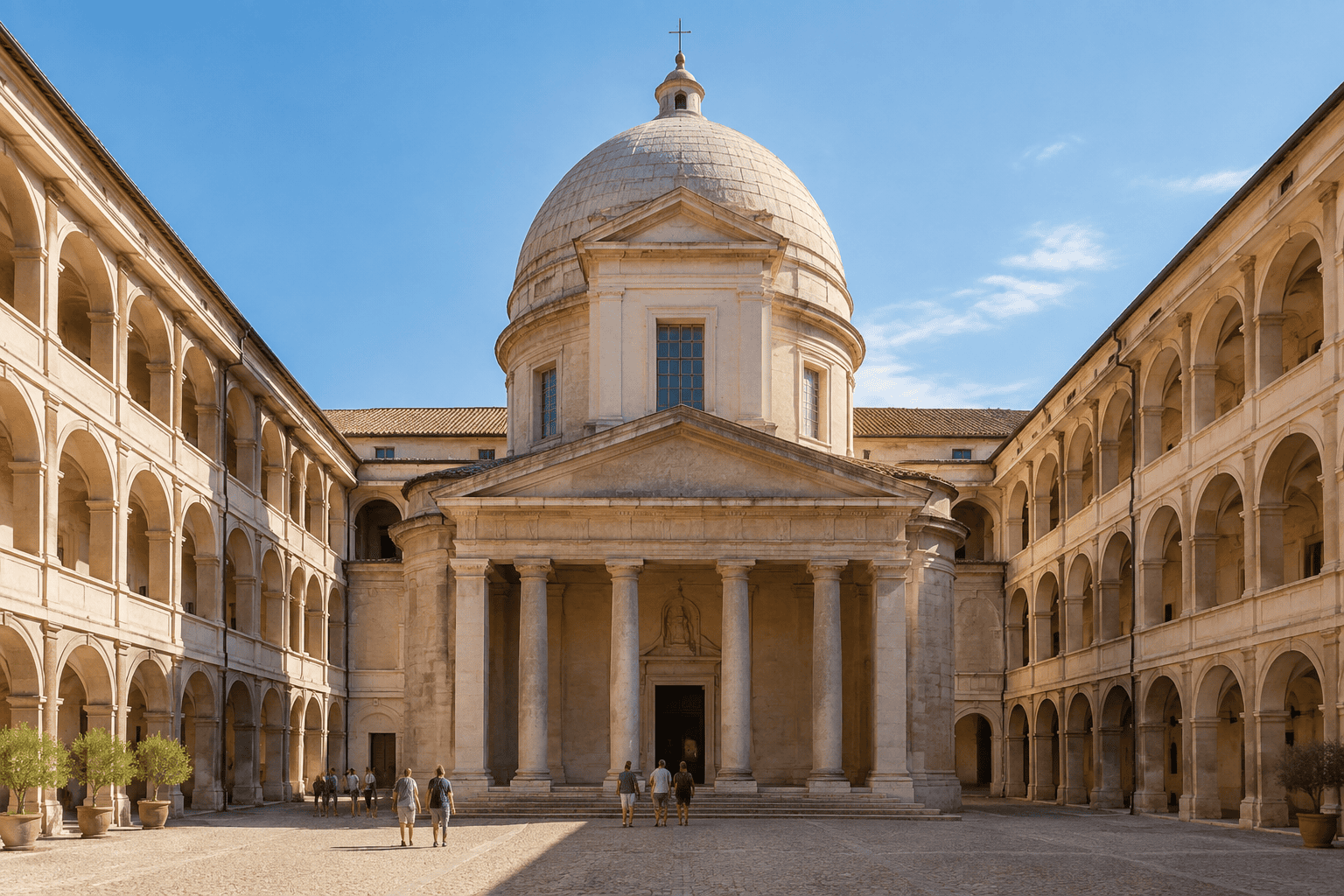
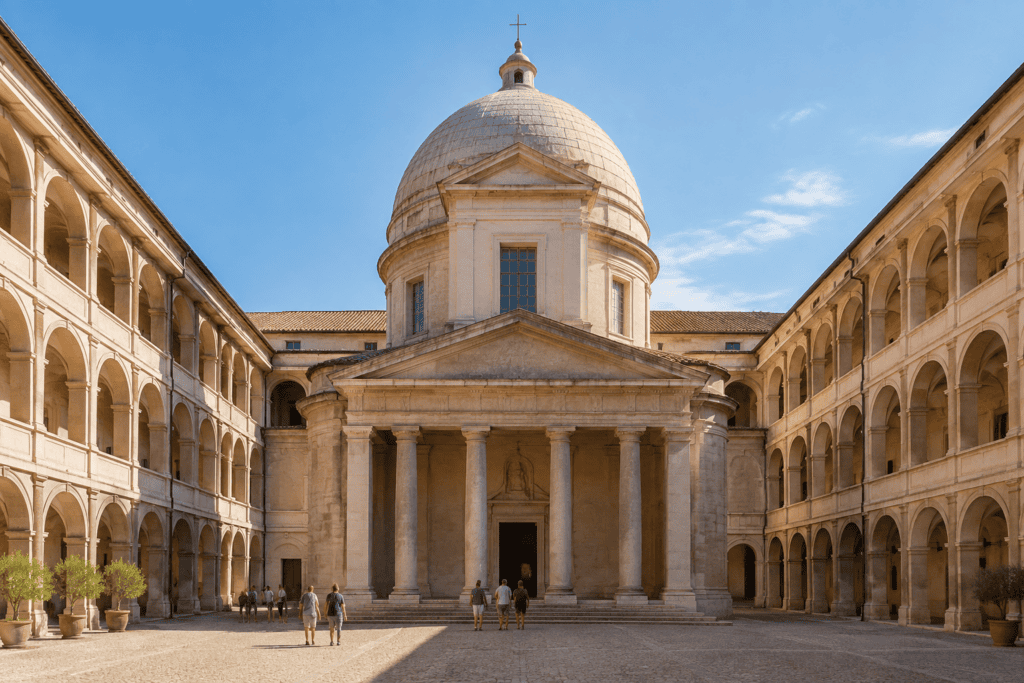
The Vieille Charité is the area’s major cultural stop. Built in the 17thth century as part of a project intended to house the poor, it is organized around a courtyard dominated by a chapel with a remarkable façade. The site now hosts cultural spaces and exhibitions. Since visiting arrangements vary with the program, check the official information before you go.
La Maison Diamantée, the Pavillon Daviel, and the Hôtel-Dieu round out the architectural tour. Some buildings can be viewed from public areas, while others are accessible according to their function or program. Since Le Panier is still a residential neighborhood, be sure to respect places of worship, businesses, and private spaces.
A Walking Tour Through Narrow Streets and Colorful Façades
A pleasant loop can begin at the Old Port, continue to Place de Lenche, follow Rue du Panier, Montée des Accoules, and Place des Moulins, then descend toward the Vieille Charité. This route lets you experience the neighborhood’s terrain and understand how it developed around the former high ground.
Do not limit yourself to the best-known routes. Side streets often reveal the most interesting details: colorful shutters, wrought-iron balconies, old doors, hanging laundry, and artisans’ signs. Since some passages are narrow, give residents priority and avoid stopping in front of building entrances.
The walk can continue toward the Cathedral of La Major, Fort Saint-Jean, and Mucem. Together, these sights create a coherent day combining the old town, religious heritage, contemporary architecture, and sea views. For a shorter visit, stick to the Old Port–Place de Lenche–Vieille Charité route.
If you prefer a more structured experience, the Tourist Office and various providers offer guided tours and themed routes at certain times of year. Check availability and terms directly with the relevant organizations.
Street Art, Workshops, and Marseille Cuisine
Le Panier is known for its murals and street art. These works evolve: some are painted over, restored, or replaced. It is therefore best to view street art as a living expression of the neighborhood rather than a permanent collection.
This creativity can also be found in designer boutiques, workshops, and small galleries. Depending on the venue, you may discover ceramics, illustrations, jewelry, decorative items, or specialties inspired by Provence and the Mediterranean. Independent businesses’ hours vary by season and day of the week.
For a gourmet break, look for establishments serving Marseille specialties, Mediterranean products, or local pastries. Orange blossom–flavored navettes and olive-oil-based products are among the tasty souvenirs associated with the city. Check opening hours or make a reservation when necessary.
Finally, remember that Le Panier is a residential neighborhood. Being discreet, respecting private spaces, and keeping noise under control make the walk more pleasant for residents and visitors alike.
Practical Tips for a Successful Visit
Exploring Le Panier’s streets and public spaces is free. Museums, monuments, guided tours, and exhibitions may nevertheless have their own hours, admission fees, closing days, and access arrangements. Check the official websites of the City of Marseille, the Tourist Office, and the relevant venues before setting out.
Wear shoes with good traction. The slopes and stairs can be challenging in hot weather or after rain. In summer, a hat, water, and sun protection are useful. Visitors with reduced mobility should plan their route in advance, as some direct connections include stairs or very steep streets.
Le Panier combines easily with the Old Port, Mucem, Fort Saint-Jean, and the Cathedral of La Major. To keep a comfortable pace, it is best to spend half a day in the neighborhood before continuing toward the waterfront.
For photography, mornings and late afternoons often provide interesting light. Ask permission before photographing people, interiors, or artisans at work.
Including Le Panier in a Marseille Itinerary
For a first visit, start at the Old Port, head up to Place de Lenche, explore Le Panier’s narrow streets, visit the Vieille Charité, then continue toward Mucem and Fort Saint-Jean. This route connects several sides of Marseille: its ancient origins, historic urban fabric, cultural venues, and seascape.
History enthusiasts can explore the traces of Massalia and the neighborhood’s development in greater depth. Travelers drawn to contemporary creativity will enjoy the street art, workshops, and contrast between old façades and newer developments. For a more local experience, plan a break at an independent establishment and consider returning to the neighborhood at another time of day.
From Paris, Booking Paris Transfer can arrange a private journey to Marseille departing from a Paris hotel or CDG or ORY, with a return to Paris possible depending on the itinerary. The service covers transportation only; a visit to Le Panier and any tickets should be arranged separately through the official sites.
Frequently Asked Questions
Is Le Panier really the oldest neighborhood in Marseille?
How long does it take to visit Le Panier?
Is Le Panier accessible for people with reduced mobility?
Can Le Panier be visited with a guide?
What is there to see near Le Panier?
Is the Greek agora exactly on Place de Lenche?
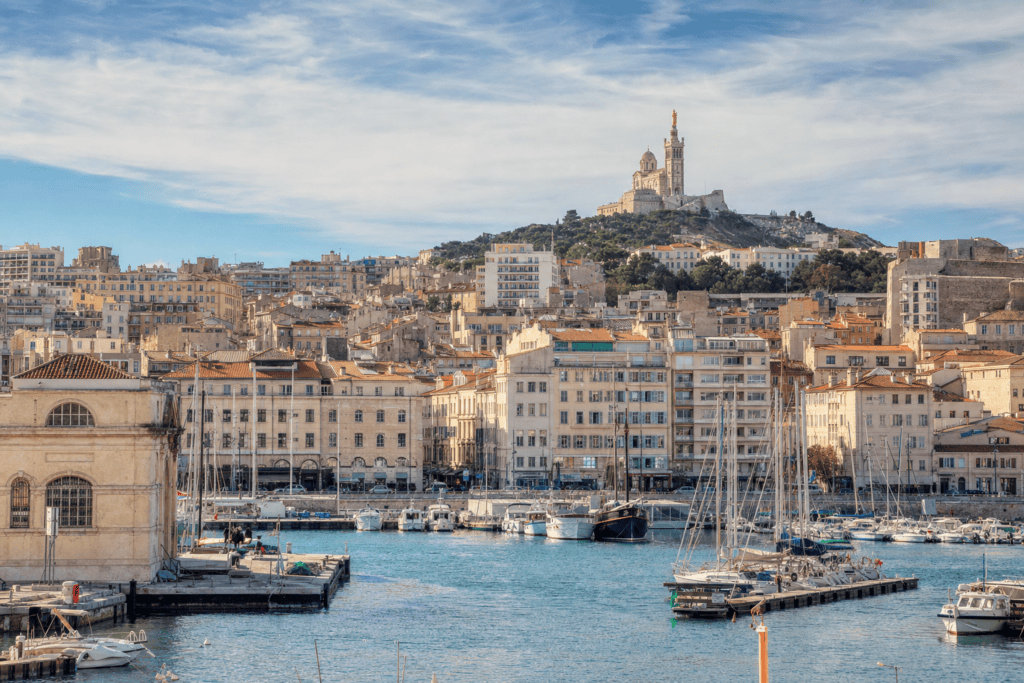 Marseille’s Old Port The Old Port captures the essence of Marseille’s atmosphere: the fish market, quays, boats, sunshade, access to…
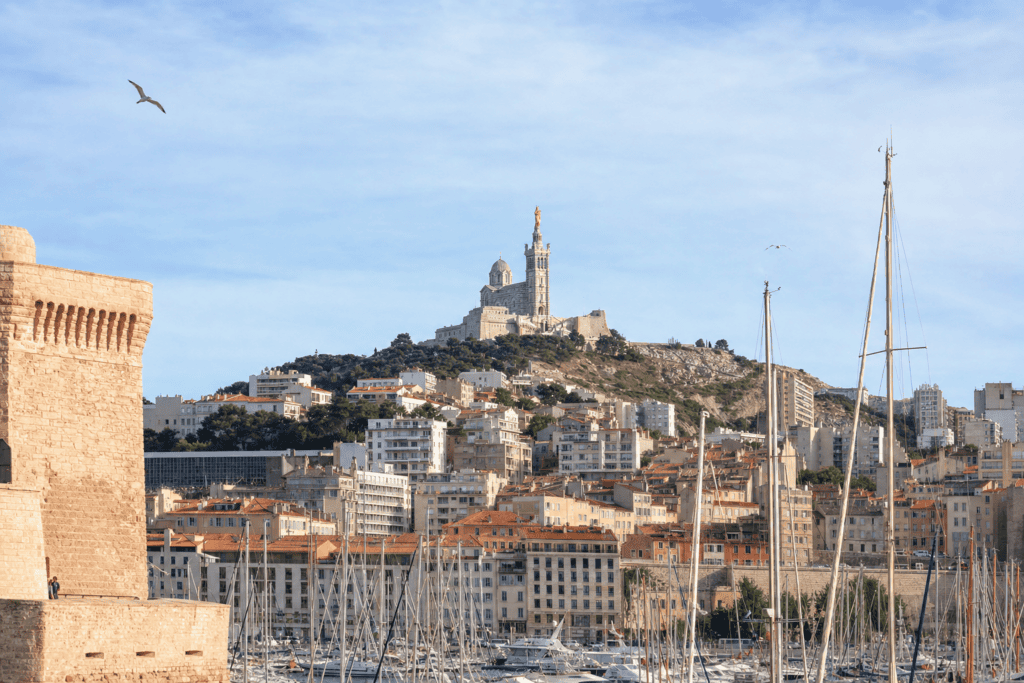 Notre-Dame de la Garde La Bonne Mère overlooks Marseille from a 154-meter hill. Discover its history, its basilica…
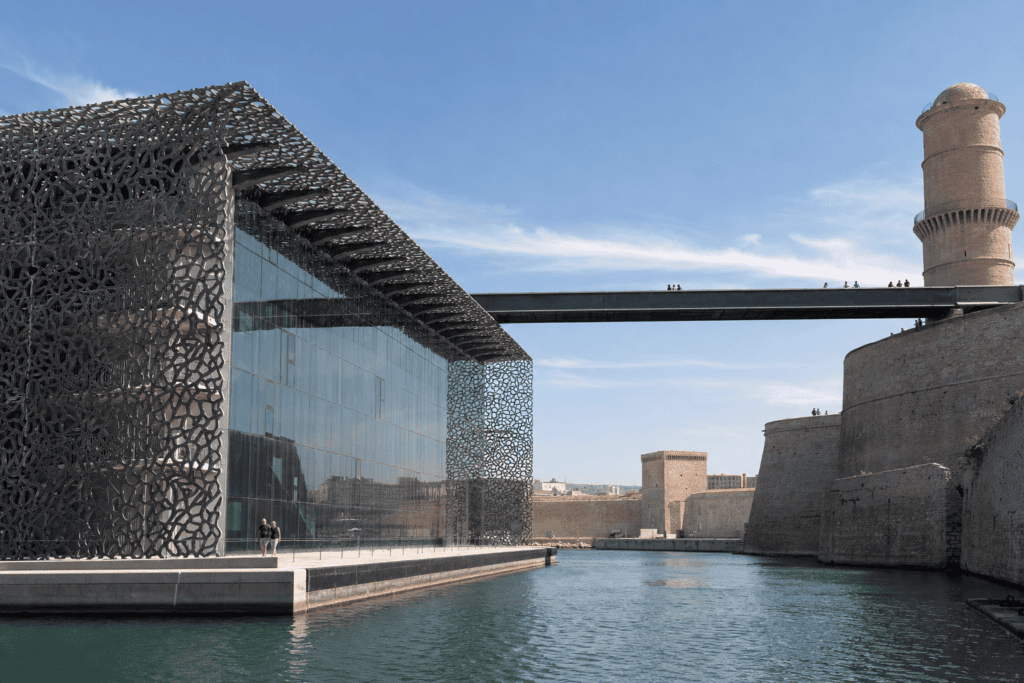 Mucem and Fort Saint-Jean A Marseille walk combining a contemporary museum, historic fortress, Mediterranean gardens, and views over the Old Port.
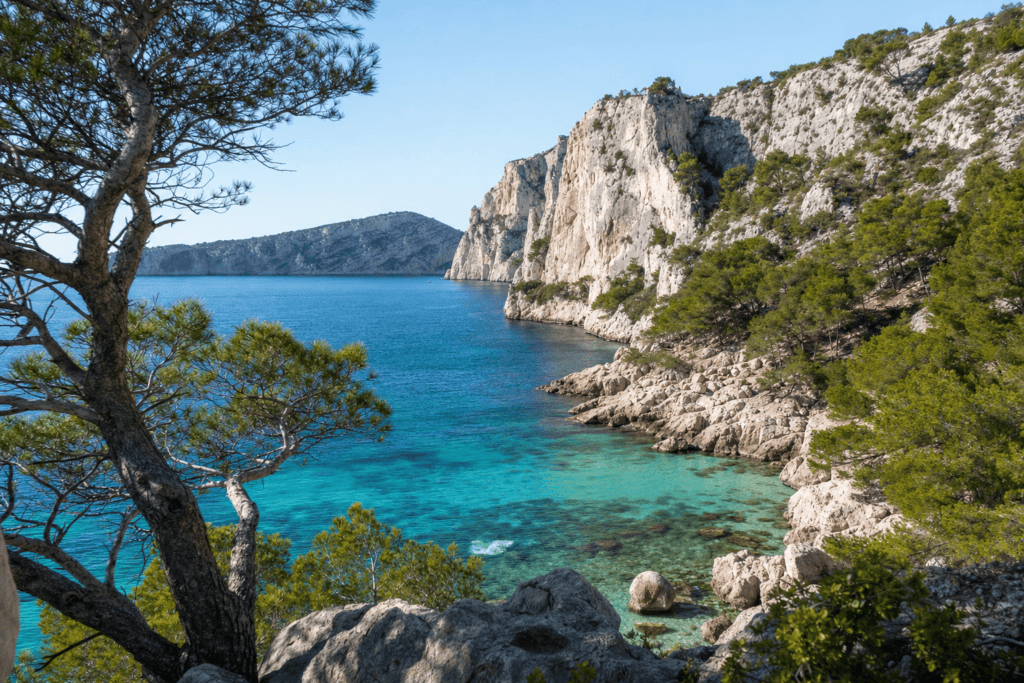 Calanques National Park A practical guide to discovering the landscapes, hiking trails, and access rules of Calanques National Park…
Online booking · Paris → Le Panier, 13002 Marseille, France
Choose your pickup date and time
Your departure and arrival details are already pre-filled. You can adjust them in the fare calculator before viewing the vehicles and fare.