



Mediterranean, heritage, and wide-open horizons · Provence-Alpes-Côte d’Azur
Visiting Marseille: The Essential Guide to the City, Sea, and Calanques
Marseille is a city of contrasts: an old port opening onto the Mediterranean, lively and creative neighborhoods, iconic landmarks, urban beaches, and the spectacular landscapes of Calanques National Park. Whether you come for a cultural weekend, a food-focused getaway, or a longer itinerary through Provence, the Phocean city offers a rich, vibrant, deeply maritime experience.
Explore Marseille
Marseille’s must-see attractions
 Attractions
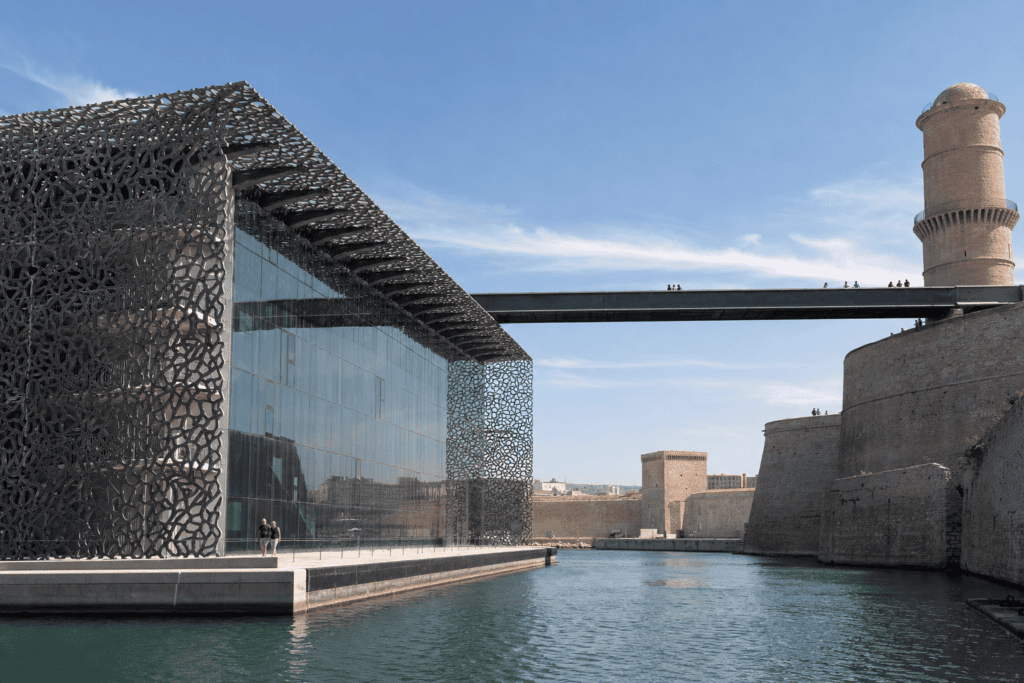
Mucem and Fort Saint-Jean
A Marseille walk combining a contemporary museum, historic fortress, Mediterranean gardens, and views over the Old Port.
 Attractions
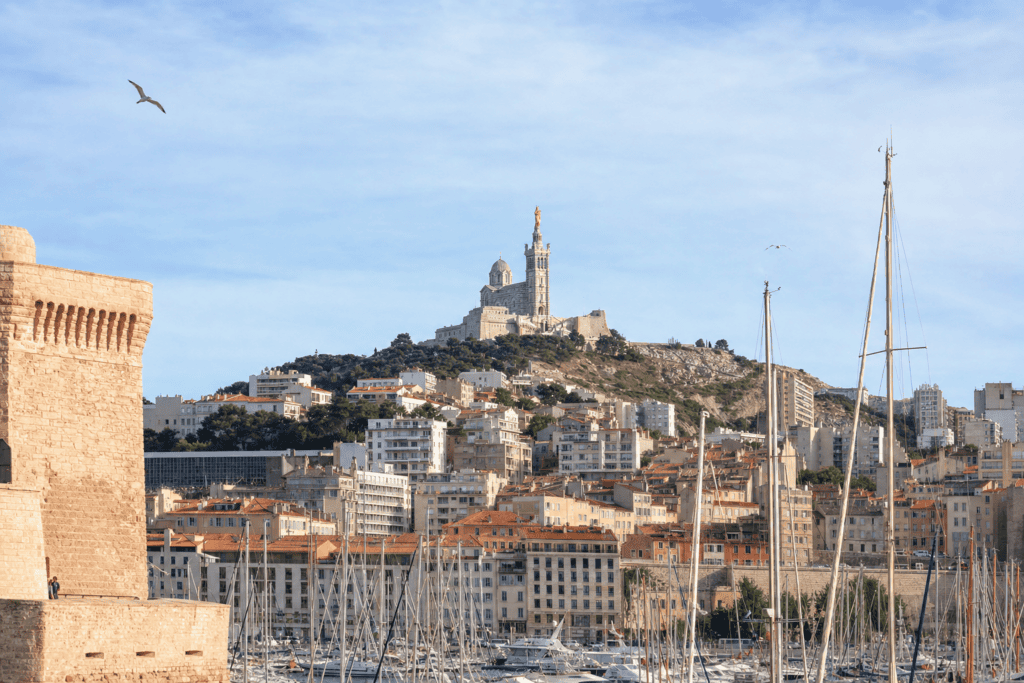
Notre-Dame de la Garde
La Bonne Mère has overlooked Marseille from a 154-meter-high hill for centuries. Discover its history, Romanesque-Byzantine basilica, and…
 Attractions
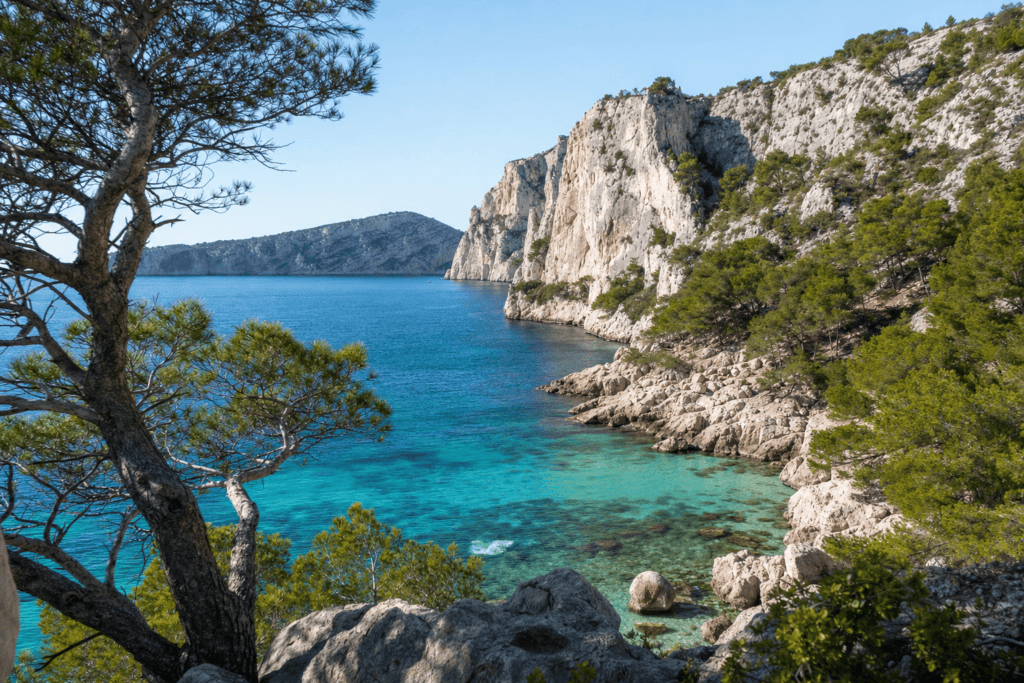
Calanques National Park
A practical guide to discovering the landscapes, hiking trails and access rules of Calanques National Park from Marseille.
 Must-see
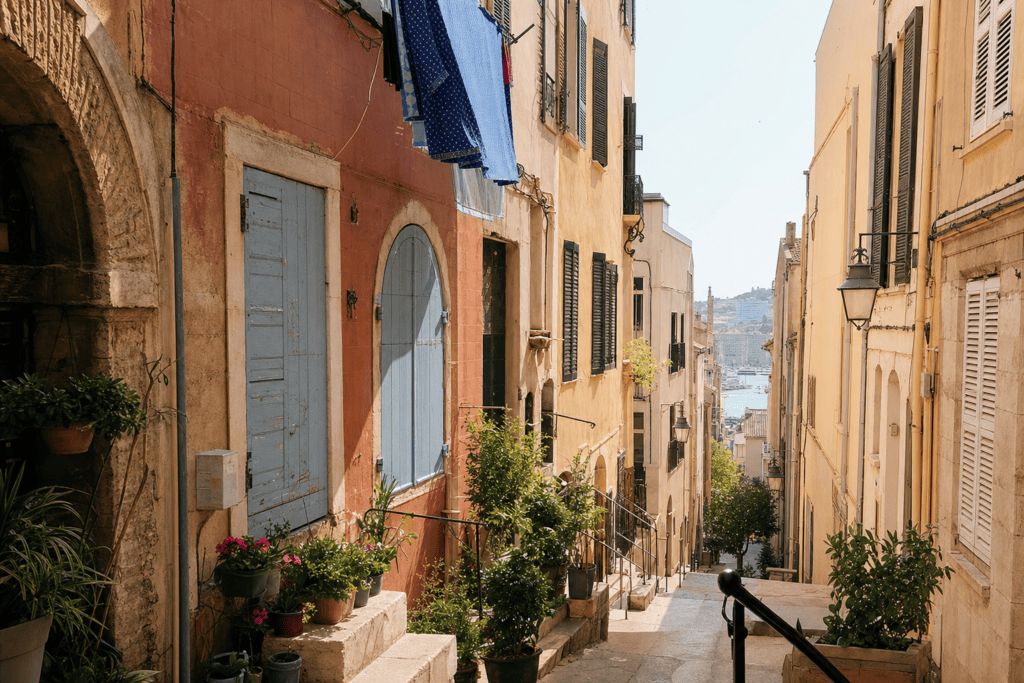
Le Panier
Le Panier is best explored on foot, among sloping lanes, small squares, colorful façades, the Vieille Charité, street art, and…
 Must-see
Marseille’s Old Port
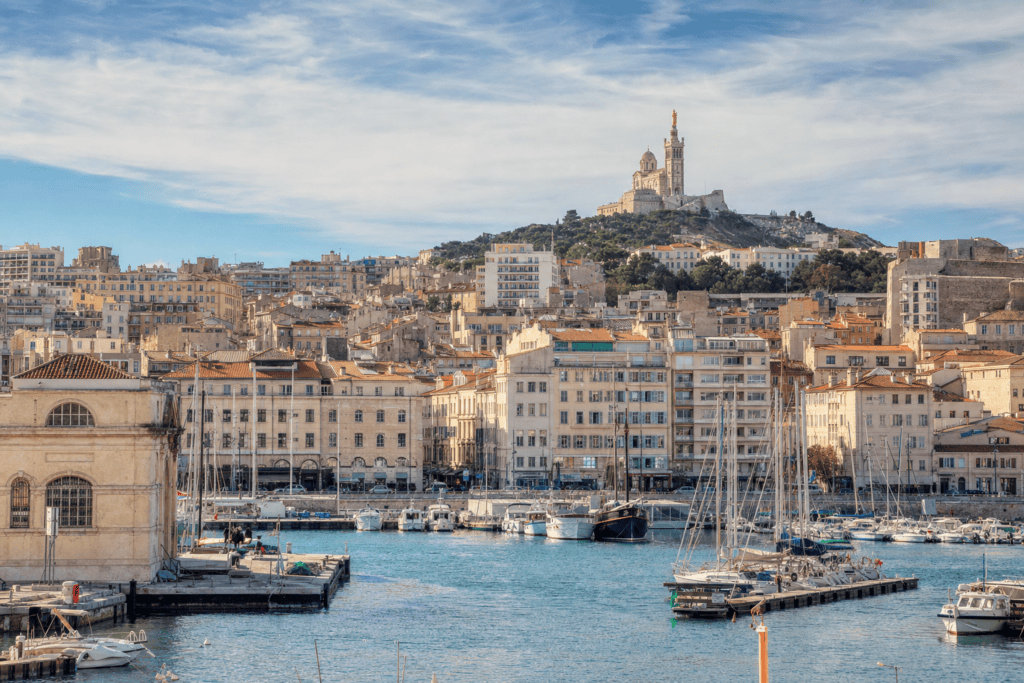
Marseille’s Old Port captures the city’s atmosphere: the fish market, waterfront quays, boats, canopy, access to Le Panier, and…
Other destinations to discover
Avignon
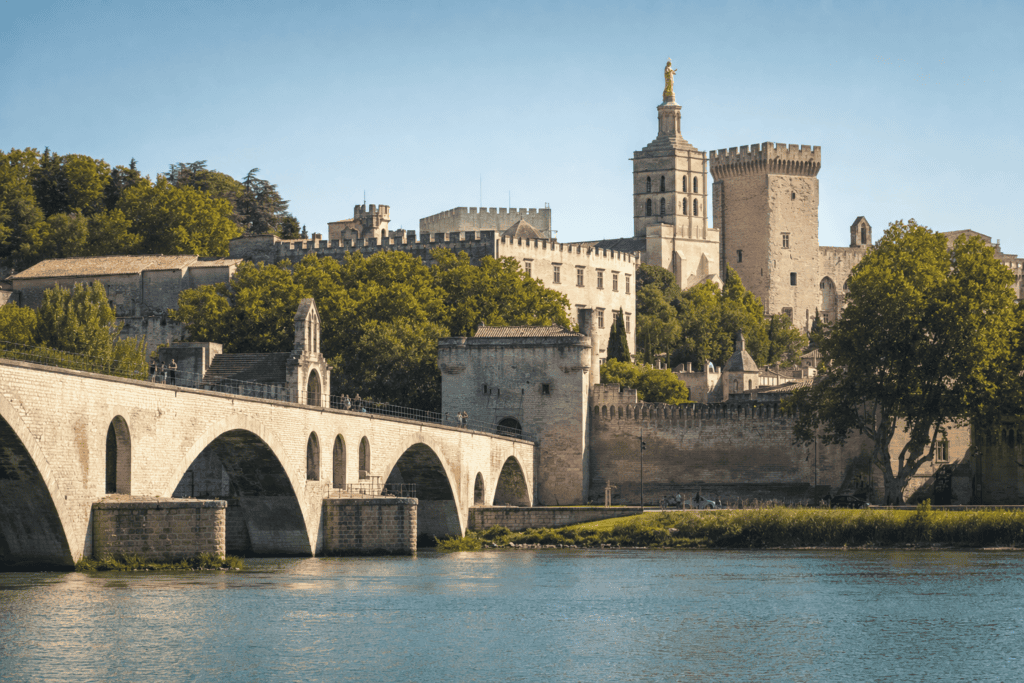
A spectacular medieval city centered around the Palais des Papes, the Pont Saint-Bénézet, and the ramparts, in the heart…
Gorges du Verdon
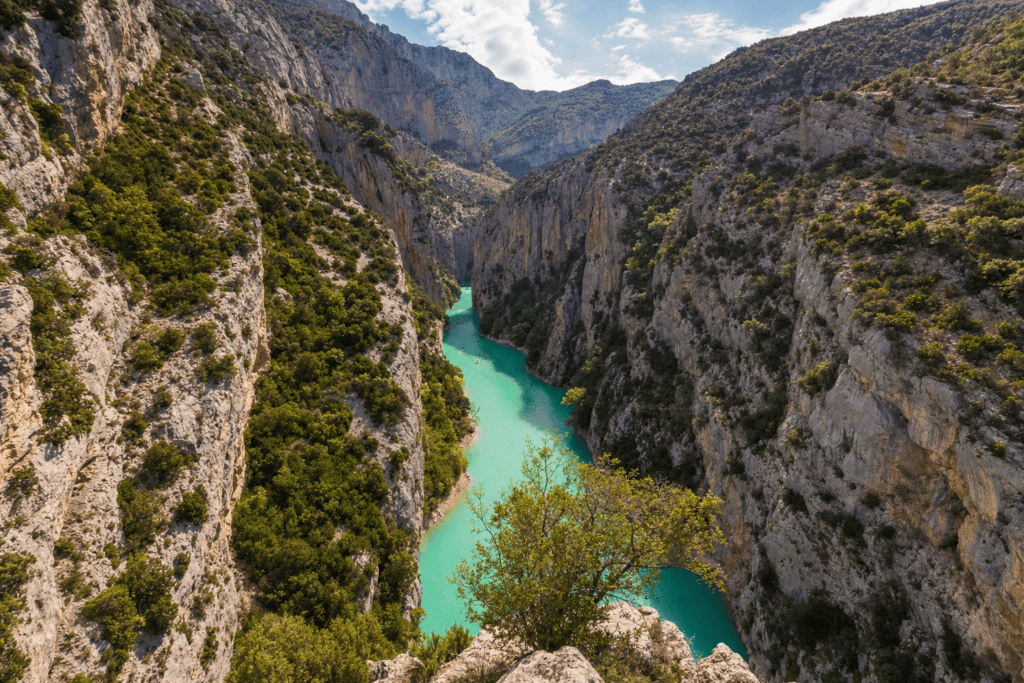
A comprehensive guide to discovering the viewpoints, trails, lakes and villages of the Verdon Gorge, with…
Nice
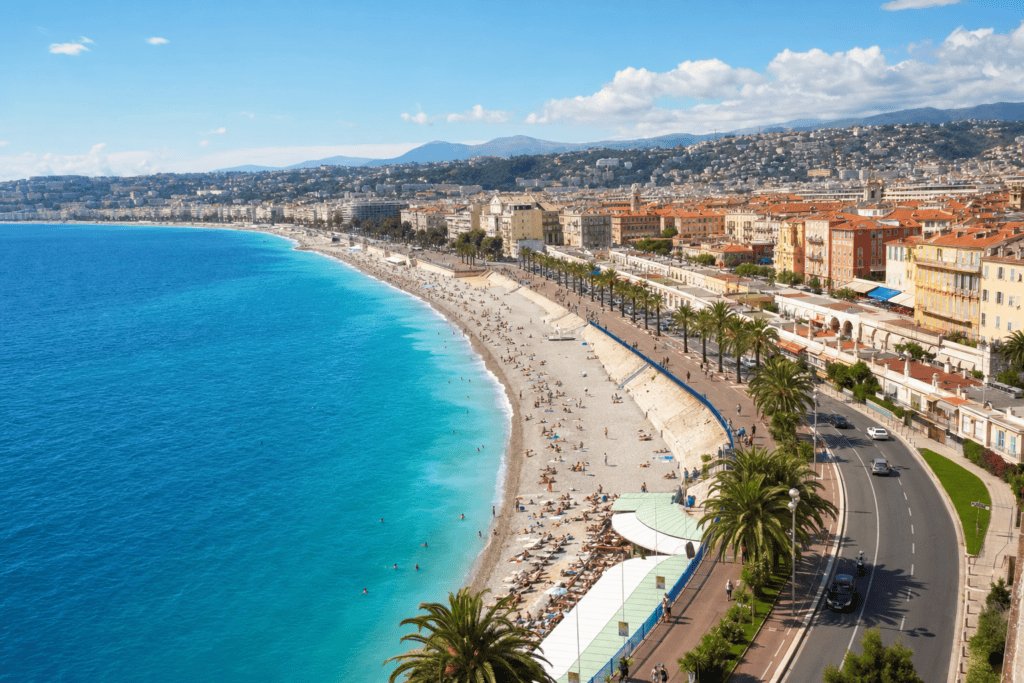
A bright, vibrant city where the Mediterranean, Belle Époque architecture, the old town, museums, and views over the…
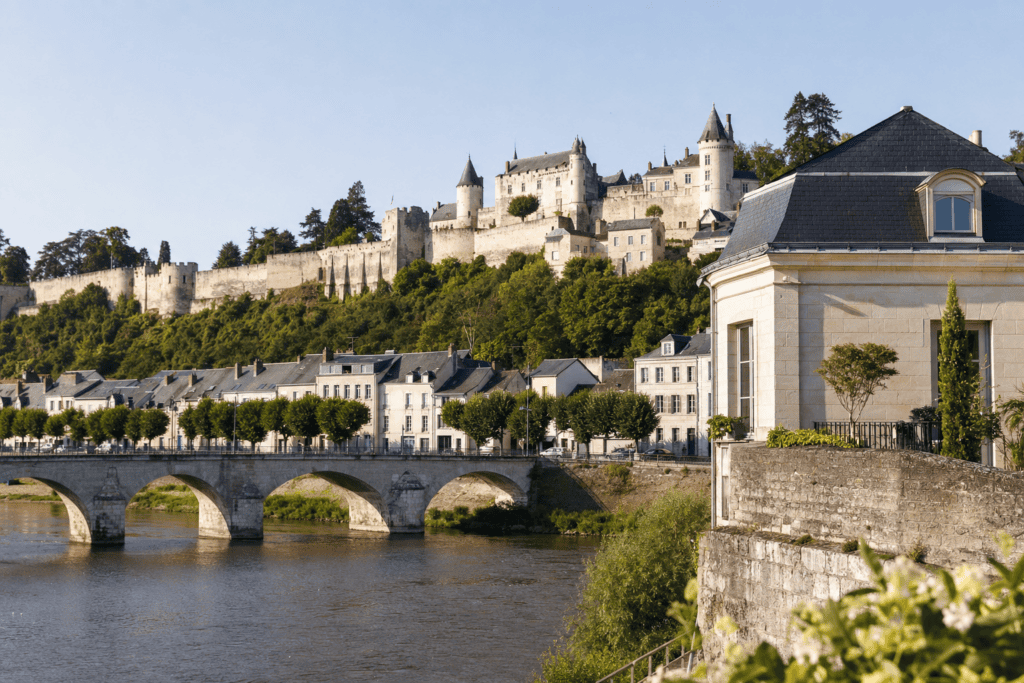
Chinon
A medieval town dominated by a royal fortress, amid heritage, vineyards, and the landscapes of the Vienne.
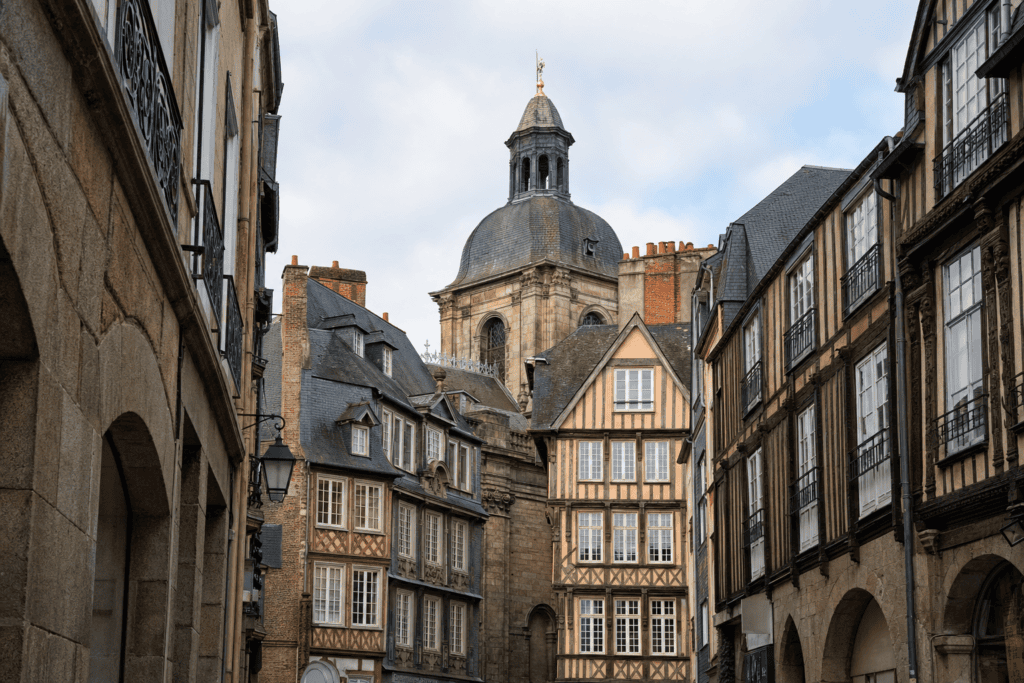
Rennes
Rennes charms visitors with its historic center, colorful half-timbered houses, and Thabor Gardens…
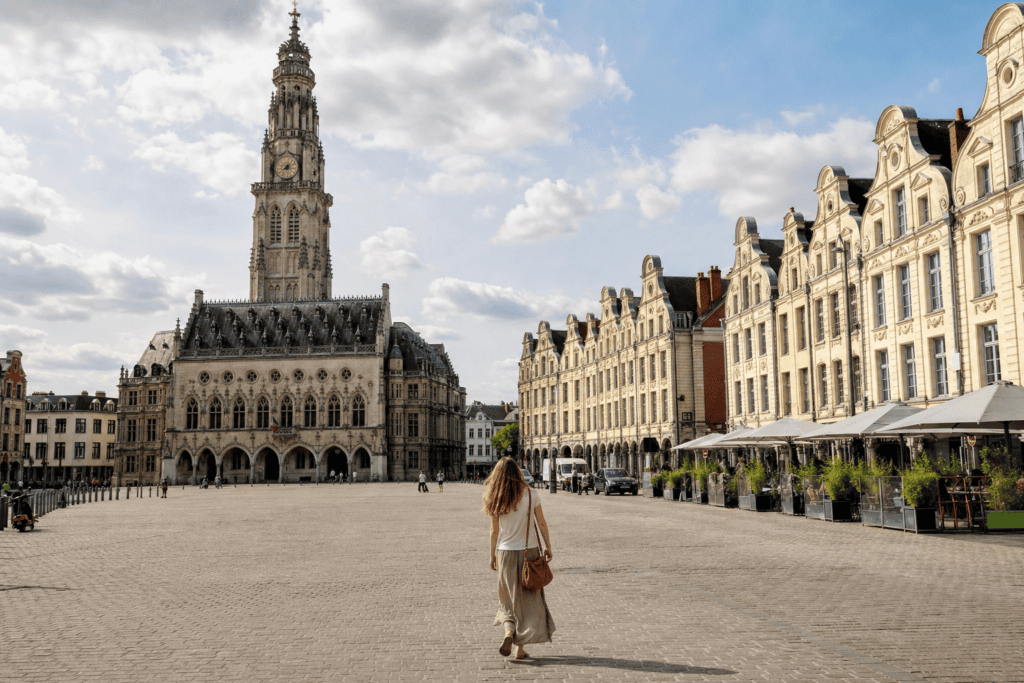
Arras
With Baroque squares, a belfry, underground passages, the Citadel and memorial sites, Arras offers a wealth of heritage in…
DESTINATION GUIDE
Marseille Travel Guide
Why visit Marseille?
Founded in antiquity by settlers from Phocaea, Marseille is one of the Mediterranean’s great historic cities. Its identity is expressed through more than its monuments and coastline: it can be found in the markets, accents, terraces, fishing ports, weathered façades, and many neighborhoods that make up the city. A first visit is best enjoyed by alternating urban walks, cultural discoveries, and time by the water.
The city center is easy to explore in stages. The Old Port is the natural starting point: it is at once a former harbor basin, a place for strolling, and an ideal vantage point for observing daily life in Marseille. From the quays, it is easy to reach Le Panier, Mucem, La Major Cathedral, and the redeveloped Joliette district.
The Old Port, Le Panier, and La Joliette
The Old Port is especially pleasant early in the morning, when the quays are quieter and fishing boats return to the market stalls. Continue toward Le Panier, one of Marseille’s oldest neighborhoods. Its sloping lanes, small squares, stairways, and workshops invite you to take your time rather than follow an overly rigid itinerary. Comfortable shoes are recommended, as some streets are cobbled or steep.
Toward La Joliette, the urban landscape changes. Former port areas now house cultural venues, shops, and waterfront promenades. Sainte-Marie-Majeure Cathedral, often called La Major, stands out for its scale and monumental architecture. It forms a remarkable ensemble with Mucem and Fort Saint-Jean.
Mucem and Fort Saint-Jean
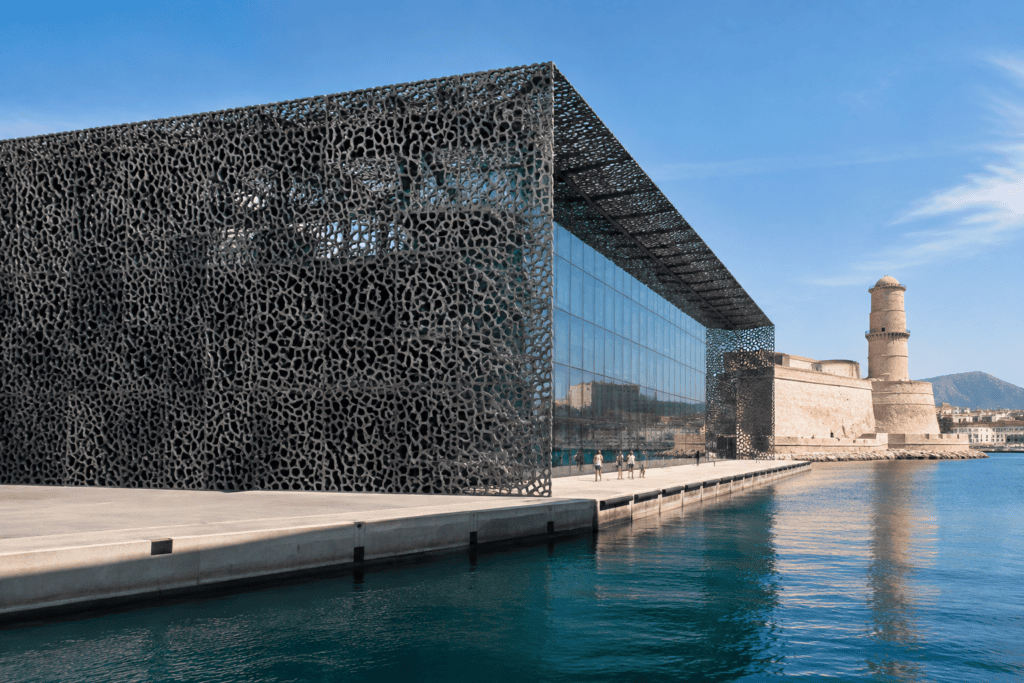
Mucem is one of Marseille’s major cultural landmarks. Located on the waterfront, it explores Mediterranean civilizations and cultures through exhibitions, collections, and multidisciplinary programming. The J4 building, recognizable by its contemporary exterior, is connected to Fort Saint-Jean by a footbridge offering beautiful views of the port and sea.
Fort Saint-Jean is also worth visiting in its own right. Its courtyards, ramparts, towers, and gardens create a historic and scenic route linking Le Panier, the Old Port, and Mucem. The landscaped outdoor areas are free to access, while museum exhibitions have separate admission requirements. Before visiting, it is wise to check Mucem’s official information, as opening hours, closures, and visiting arrangements may change.
Notre-Dame de la Garde and the Panoramas
Perched on a hill south of the Old Port, Notre-Dame de la Garde Basilica is one of Marseille’s symbols. The climb takes some effort, but it is rewarded with sweeping views of the city, islands, harbor, and surrounding hills. The present building, designed in the 19th century by architect Henry Espérandieu, combines a restrained crypt, a richly decorated upper church, and a silhouette crowned by a statue of the Virgin Mary.
For the best panorama, choose a clear day and take time to observe Marseille’s geography: the port, central neighborhoods, southern beaches, Frioul Islands, and limestone ranges can all be seen from the hill. You can get there on foot or by public transportation; check practical details with the City of Marseille before your visit.
The Calanques: A Natural Area to Respect
Calanques National Park stretches between Marseille, Cassis, and La Ciotat. It combines limestone cliffs, coves, hills, islands, and marine areas. The scenery is spectacular, but the site is fragile: visitor numbers, erosion, wildfires, and pressure on biodiversity require responsible tourism.
There are many ways to explore the area: hike toward Marseilleveyre, discover coastal sections, take a boat trip, view the landscapes from the sea, or explore the underwater world with a specialized provider. Trails vary considerably in difficulty. Bring water, sun protection, suitable footwear, and enough time to make the return journey.
- Check access conditions and wildfire risk before any summer hike.
- Stay on marked trails and do not enter temporarily closed areas.
- Do not pick plants, disturb wildlife, or leave any trash behind.
- Avoid the coves most exposed to crowds during peak hours.
The Marseilleveyre massif offers panoramic views over the bay and the Calanques. The park is home to remarkable biodiversity, including many protected species and highly varied terrestrial and marine environments. The beauty of the site depends directly on respecting these rules.
Beaches, the Corniche, and the Islands
For a more urban experience, the Corniche Kennedy connects several viewpoints and beaches along Marseille’s coast. The Prado beaches are well suited to swimming and seaside walks, while Vallon des Auffes offers a more intimate setting, defined by small boats and buildings clinging to the rocks.
The Frioul Islands offer a higher vantage point and a different perspective on Marseille. Depending on the weather and sailing conditions, a trip out to sea can be a useful addition to a visit to the city center. However, boat excursions depend on operators, seasons, and sea conditions, so check departure details directly with the provider concerned.
What to Eat in Marseille?
Bouillabaisse is the city’s most famous specialty, but it is not the only way to discover local cuisine. Marseille navettes, Mediterranean fish, vegetable-based dishes, aioli, and Provençal products all feature prominently on the city’s tables. For a more spontaneous experience, explore the markets, food shops, and small restaurants in the central neighborhoods rather than limiting yourself to the immediate vicinity of the Old Port.
When to Go and How to Plan Your Stay
Spring and fall are often pleasant seasons for combining city sightseeing with walks in nature. Summer is ideal for swimming and boat trips, but heat, crowds, and access restrictions in the mountain areas should be anticipated. Winter offers a quieter atmosphere and a good opportunity to focus on museums, heritage, and cuisine.
Pour un premier séjour, prévoyez deux jours pour le centre historique, le Mucem, Notre-Dame de la Garde et le littoral urbain. Ajoutez une journée si vous souhaitez consacrer du temps aux Calanques ou aux îles. Depuis Paris, Marseille est accessible en train à grande vitesse ; un transfert privé peut aussi être envisagé entre Paris, les aéroports de Paris-Charles-de-Gaulle ou Paris-Orly et Marseille dans le cadre d’un itinéraire longue distance, d’un circuit multi-ville ou d’un retour vers Paris. Booking Paris Transfer n’est pas un opérateur local de transport à Marseille et ne vend pas de billets d’entrée.
Useful sources
Getting to Marseille from Paris
Booking Paris Transfer étant basé à Paris, les trajets vers Marseille s’envisagent au départ de Paris, de Paris-CDG ou de Paris-Orly, dans le cadre d’un transfert longue distance, d’un retour vers Paris ou d’un itinéraire multi-ville en Provence commençant dans la région parisienne. Les billets d’entrée et excursions locales ne sont pas vendus par Booking Paris Transfer.