




Marseille’s Old Port: the ideal starting point for discovering the city
Marseille
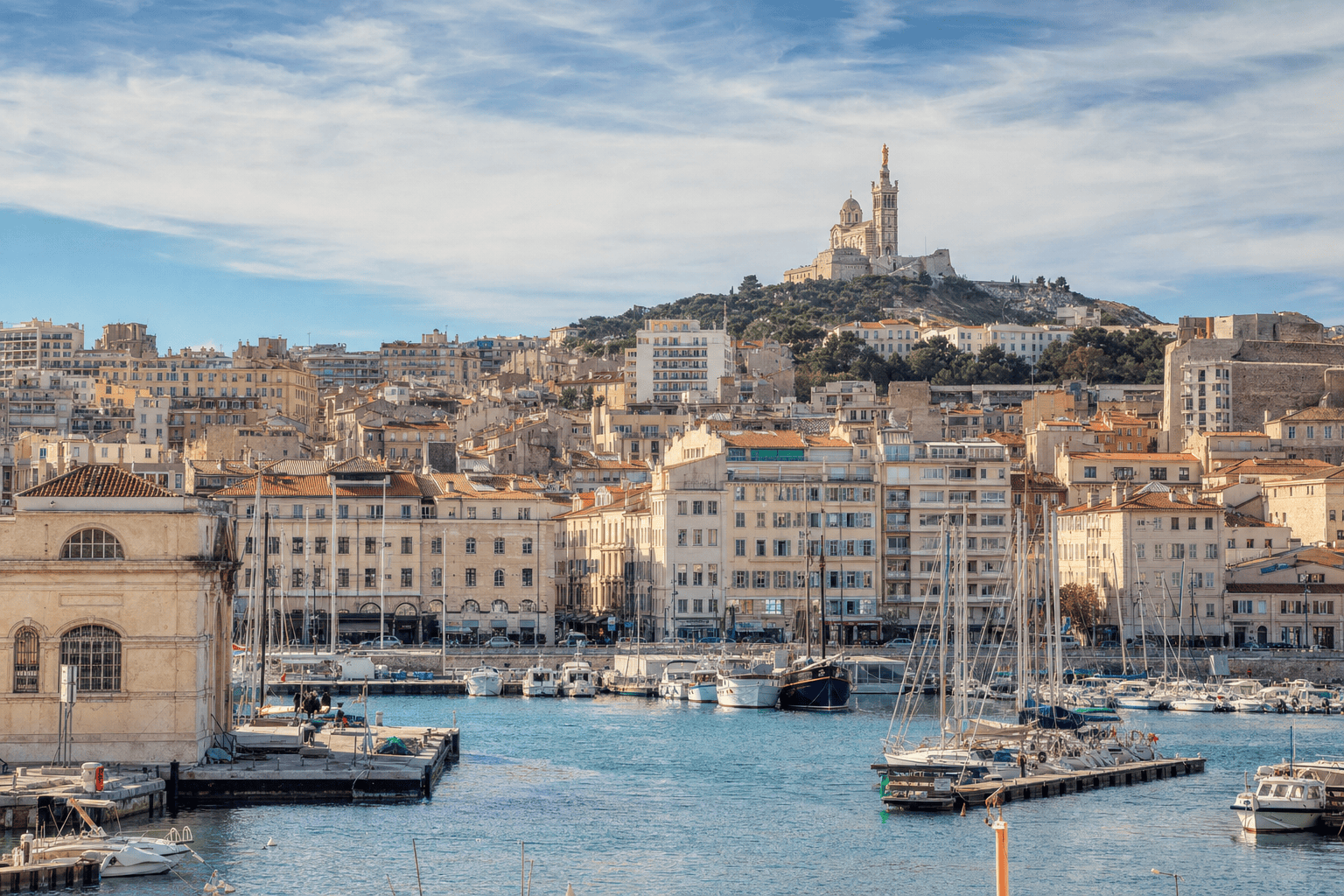
The Old Port is the maritime, historic, and vibrant heart of Marseille. Located at the foot of La Canebière, it brings together lively quays, fishing boats, terraces, the fish market, Norman Foster’s canopy, and several of the city’s main tourist routes within just a few hundred yards. This is the natural place to begin discovering Marseille: heading toward Le Panier and the Mucem, up toward Notre-Dame de la Garde, or aboard an excursion to the Calanques and the Frioul Islands.
Practical information
Start near the canopy, walk around the quays, then continue on foot toward Le Panier and the Mucem. Wear comfortable shoes: the best routes alternate between quays, cobblestone streets, and short uphill stretches.
Paris → Marseille: reach the Old Port with a private driver
For a long-distance journey from Paris, a Paris hotel, CDG, or ORY, Booking Paris Transfer can arrange private transportation to Marseille, with a return to Paris or continuation along a tailor-made itinerary. The service covers transportation only and does not include Mucem tickets, boat excursions, or local ticketing services.
Private transportation service departing from Paris/Île-de-France, CDG, or ORY; advance booking recommended.
1. Why the Old Port is the best starting point in Marseille
The Old Port is more than a place to photograph: it is a true crossroads for exploring the city. From its quays, Marseille’s geography becomes immediately clear. The sea opens out before you, La Canebière leads back into the city center, the Le Panier neighborhood begins just a few minutes away on foot, and the Mucem lies beyond the port toward Fort Saint-Jean. This concentration makes the area especially convenient for a first day.
The port is also part of everyday life. People pass between terraces, fishermen, sightseeing boats, and locals who simply come to walk along the water. The atmosphere changes completely depending on the time of day: very active in the morning, more relaxed around midday, then lively with restaurants and evening lights.
To enjoy the area without rushing, allow at least an hour and a half. Add time if you would like to visit the Mucem, explore Le Panier’s lanes, take the Ferry Boat, or book a boat excursion. The Old Port therefore serves as a gateway to several Marseille experiences rather than as an isolated attraction.
2. The quays, the canopy, and the best views
The walk can begin on Quai de la Fraternité, on the La Canebière side, and continue along both sides of the port. The canopy designed by Norman Foster is one of the most recognizable landmarks. Its mirrored ceiling reflects the quays and the silhouettes passing beneath it; it is a convenient meeting point and a pleasant place to observe port life while sheltered from the sun.
As you continue, take time to look at the façades, masts, and moored boats. The north side leads toward City Hall, Le Panier, and the Mucem. The south side leads toward Cours Estienne-d’Orves, La Criée theater, and routes toward Palais du Pharo. Each side offers different perspectives of the water and Marseille’s hills.
The light is often especially appealing in the late afternoon, but morning is still the best time to combine a walk with the market. For photos, the quays are open and highly exposed: bring sun protection in summer and watch for wind gusts, which are common along the coast.

3. The fish market: a maritime tradition still visible today
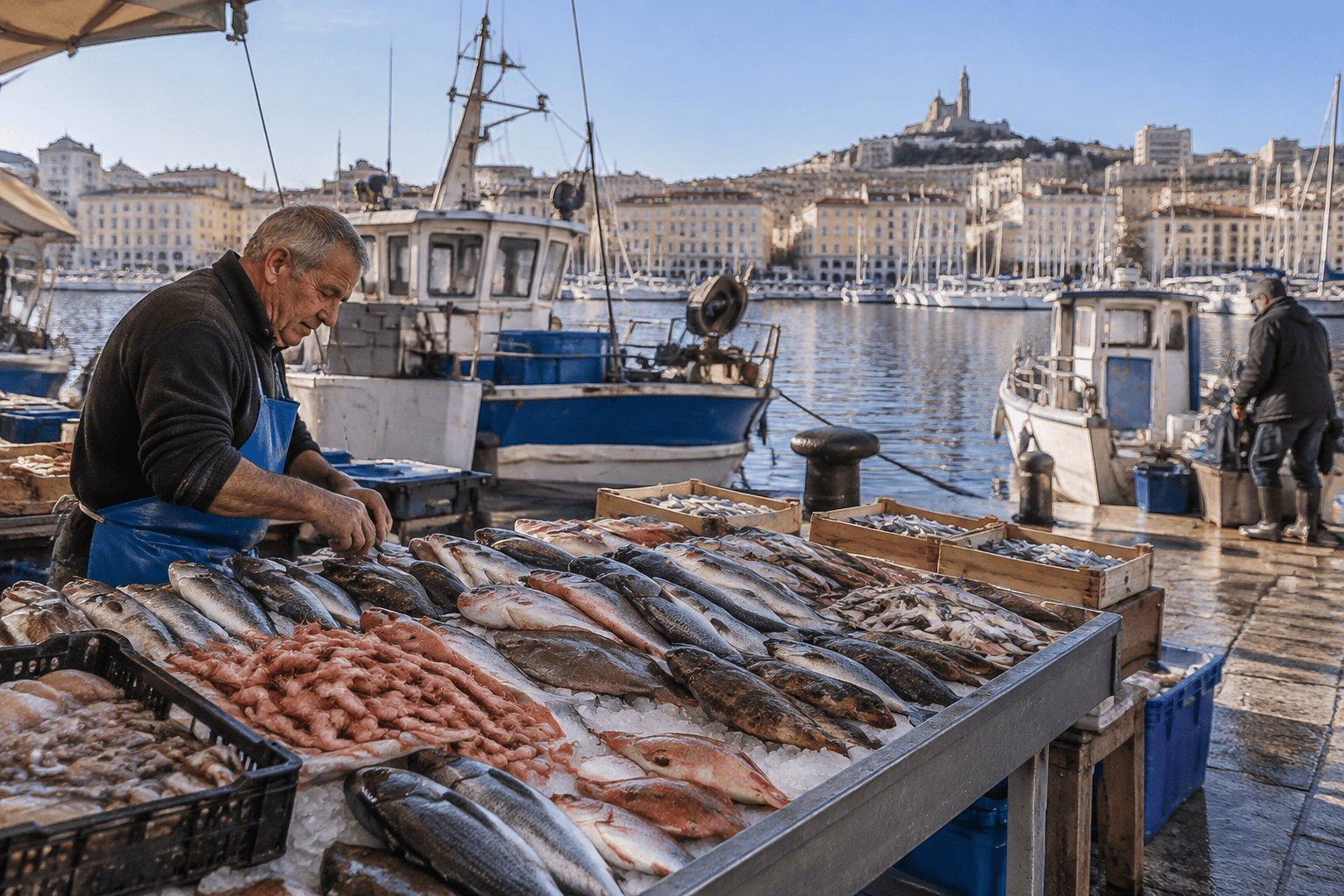
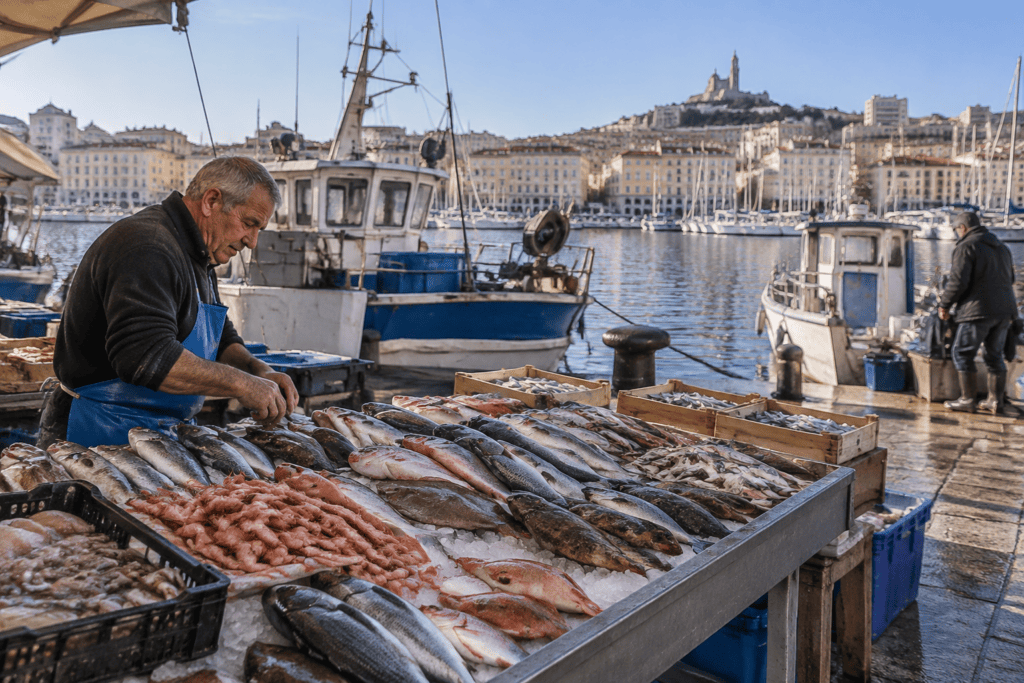
On Quai de la Fraternité, the fish market gives the Old Port a very tangible character. The stalls display the day’s available catch, depending on the season, weather, and fishermen’s activity. You may see Mediterranean fish such as red mullet, scorpionfish, sardines, gilt-head bream, whiting, or monkfish, although the selection is not the same every day.
Today’s market sells directly to consumers. It should not be confused with the former wholesale fish market, which was once located in the halls now occupied by La Criée Theater, before fishing operations moved to Saumaty. Nevertheless, the small market seen today preserves a powerful image of Marseille’s connection to the sea.
Tourism professionals generally list morning hours, but these may be affected by weather conditions, special dates, or local arrangements. Check the official website of the Tourist Office or the City of Marseille before setting out. If you photograph the stalls, be discreet and ask vendors’ permission when people are recognizable.
4. From the Old Port to Le Panier and the Mucem
One of the Old Port’s main advantages is its proximity to two of Marseille’s major sites. Heading north, you reach Le Panier, known for its sloping lanes, colorful façades, small squares, and old Mediterranean neighborhood atmosphere. The walk can require some effort, but it quickly takes you from the port’s open space into a much more intimate urban setting.
Continuing toward the sea, you reach the Mucem and Fort Saint-Jean. The museum is devoted to the civilizations of Europe and the Mediterranean, and its contemporary architecture creates a striking contrast with the fort’s historic structures. A footbridge also connects the area to Le Panier. Museum hours, possible admission fees, and access conditions may change: always check the Mucem’s official information before your visit.
A pleasant itinerary is to leave the Old Port in the morning, cross through Le Panier, visit the fort or museum, and return along the quays. This loop lets you discover several sides of Marseille without relying on a long journey by public transportation.
5. Ferry Boat, excursions, and activities at sea
The Old Port is also a starting point for seeing Marseille from the water. The Ferry Boat traditionally connects the two sides of the port between the City Hall area and Place aux Huiles. This short crossing is one of the city center’s signature experiences, but its operation may depend on service conditions and local transit information.
For a longer outing, companies offer seasonal excursions to the Calanques, the Frioul Islands, and other points along the coast. Routes are not interchangeable: some focus on scenery, while others emphasize swimming or guided sightseeing. Sea conditions can also cause cancellations or changes. Book only with the relevant operator and confirm the boarding point, schedule, and conditions on the scheduled day.
The Old Port is not a swimming area. To swim, you must go to Marseille’s authorized beaches and coves, such as Catalans Beach or other coastal areas, taking safety conditions and local regulations into account.
6. How to get to the Old Port and plan your visit
Vieux-Port station on metro line M1 is the most direct way to reach the heart of the quays. Bus lines also serve the area, while several pedestrian routes connect the port with La Canebière, Le Panier, and the central neighborhoods. Check maps, schedules, and any service disruptions on the RTM’s official website before you leave.
By car, access to central Marseille can be slow, particularly during busy periods, events, or roadworks. It is generally easier to find a parking garage and finish on foot or by public transportation than to look for a space along the quays. Visitors with reduced mobility should anticipate uneven surfaces, crowded sidewalks, and Le Panier’s slopes; the most comfortable route is not always the shortest.
For a well-paced day, arrive in the morning, visit the market, walk along the quays, have lunch in the area, then choose between Le Panier, the Mucem, or a boat trip. In summer, avoid the hottest hours on streets without shade and carry water with you.
7. Practical tips for a more enjoyable experience
The Old Port is very busy, especially during peak season and major events. Keep your belongings close in crowded areas and be especially careful around boarding areas and terraces. The quays are pleasant to explore, but they remain an active port area: do not cross barriers or approach areas reserved for boats.
The area offers many places to eat, but the most visible restaurants around the port can be in high demand. Comparing menus, moving slightly away from the quays, or booking in advance can make the experience more comfortable. The fish market is mainly interesting for its atmosphere and products; it is not a covered market where you can sit for an extended meal.
Finally, plan for a flexible visit. Part of the Old Port’s charm lies in the unexpected: a boat maneuvering, a stall being restocked, changing light, or a street in Le Panier that catches your attention. If you are traveling from Paris, Booking Paris Transfer can arrange private transportation between Paris, a Paris hotel, CDG, or ORY and Marseille, with the option of arranging a return to Paris as part of a long-distance itinerary. This service covers transportation only and does not include the purchase of admission tickets or local excursions.
Frequently Asked Questions
Where exactly is Marseille’s Old Port located?
What is the best time to visit the Old Port?
Can you walk from the Old Port to Le Panier and the Mucem?
Can you swim in the Old Port?
Does the Ferry Boat run every day?
How can I travel from Paris to Marseille to visit the Old Port?
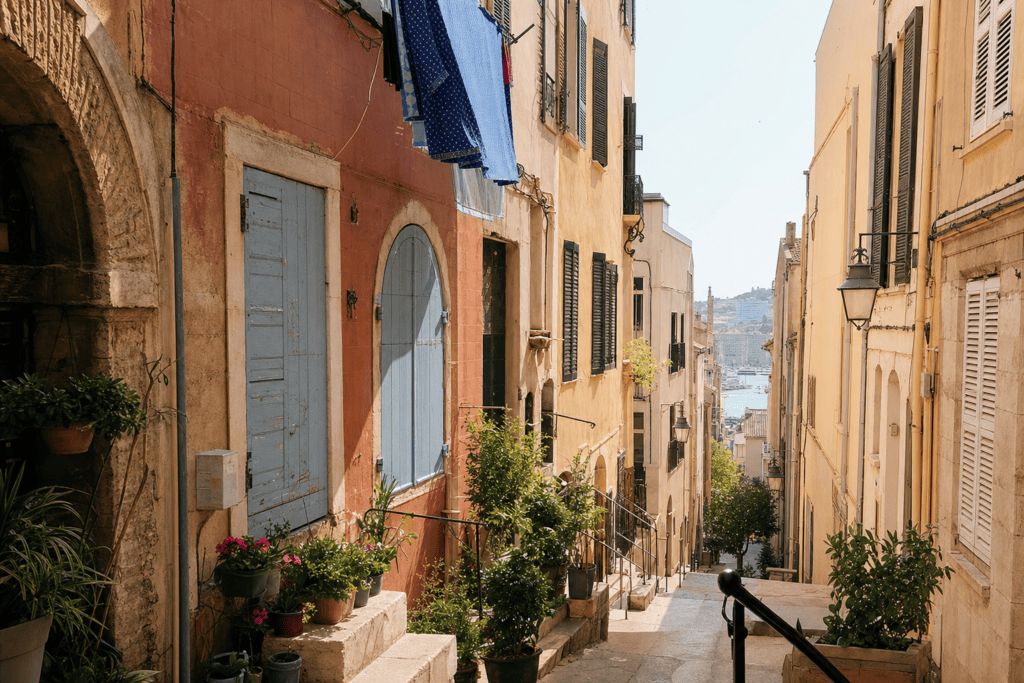 Le Panier Le Panier is best explored on foot, through sloping lanes, small squares, colorful façades, the Vieille Charité, street…
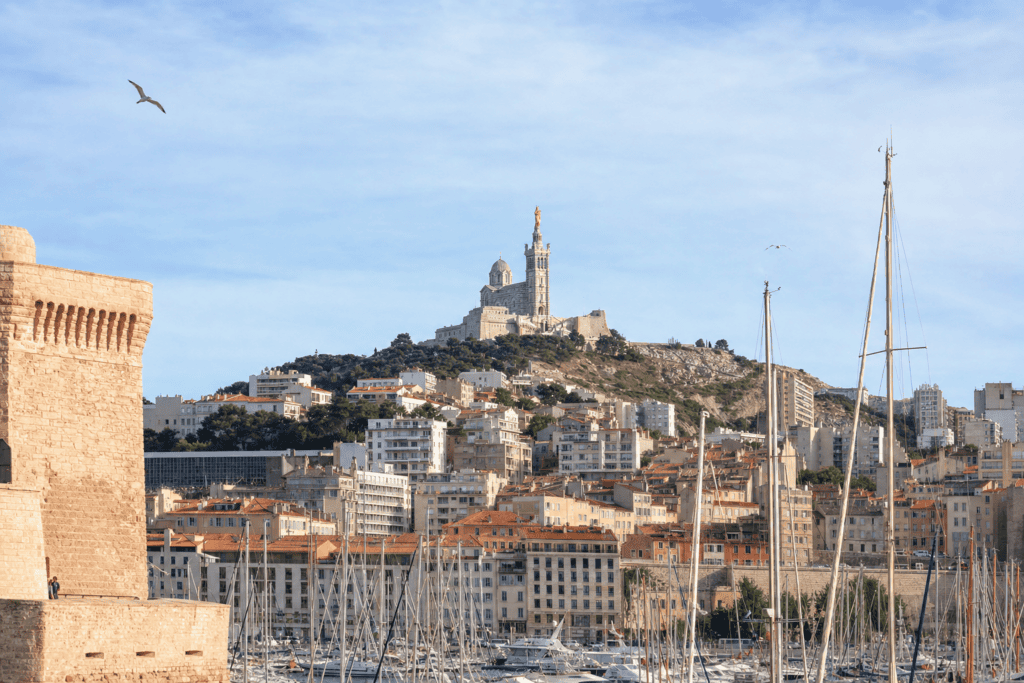 Notre-Dame de la Garde La Bonne Mère overlooks Marseille from a 154-meter hill. Discover its history, its basilica…
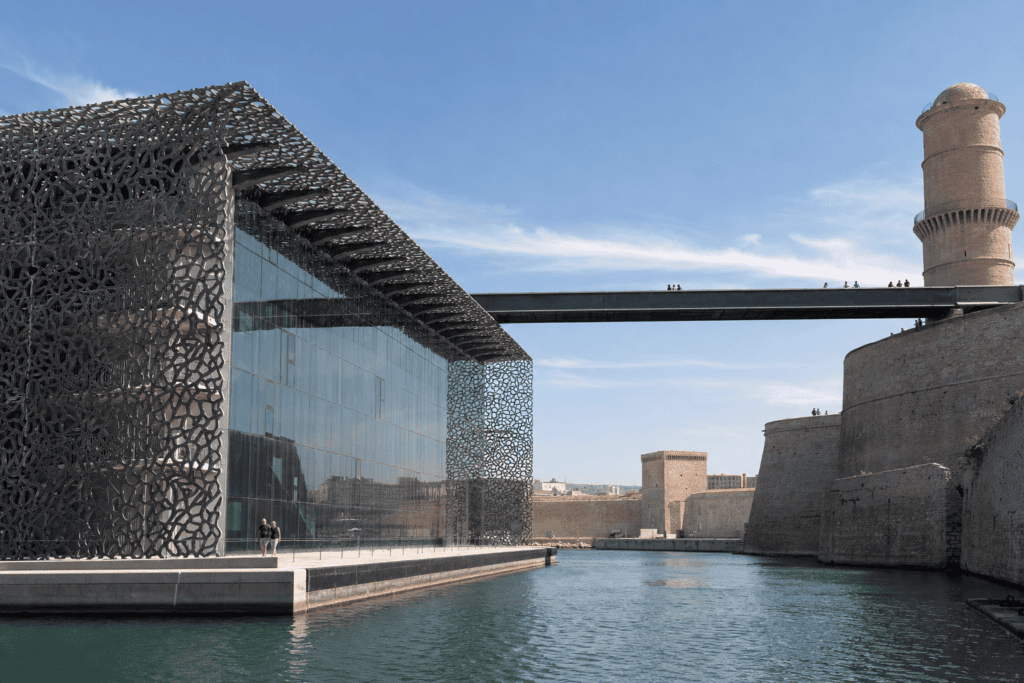 Mucem and Fort Saint-Jean A Marseille walk combining a contemporary museum, historic fortress, Mediterranean gardens, and views over the Old Port.
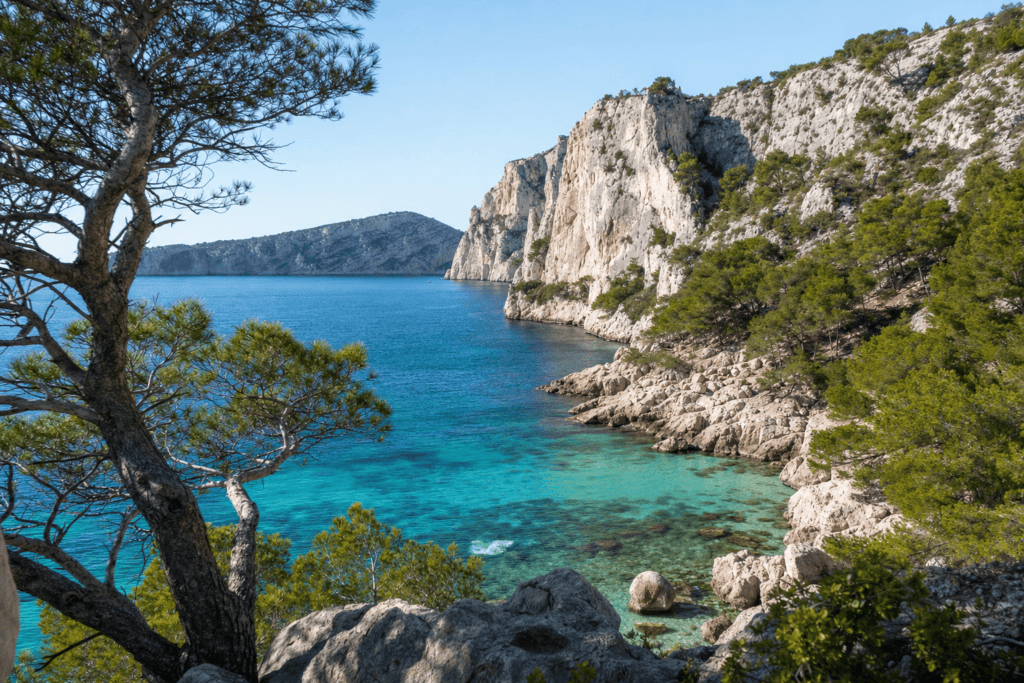 Calanques National Park A practical guide to discovering the landscapes, hiking trails, and access rules of Calanques National Park…
Online booking · Paris → Quai de la Fraternité, 13001 Marseille, France
Choose your pickup date and time
Your departure and arrival details are already pre-filled. You can adjust them in the fare calculator before viewing the vehicles and fare.