



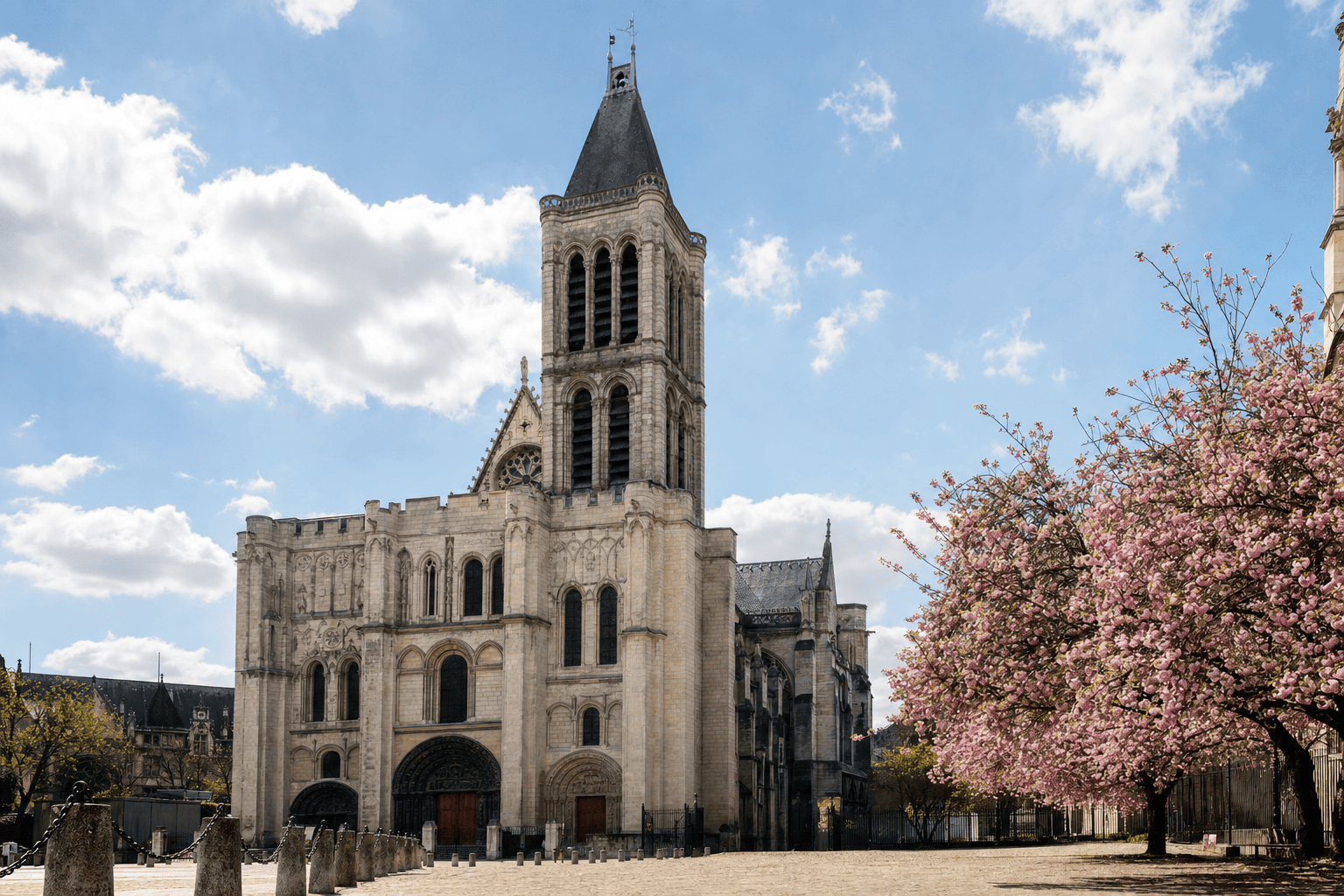
Basilica of Saint-Denis: History, Tombs and Gothic Art
Paris
In Saint-Denis, north of Paris, the Basilica of Saint-Denis brings together a cathedral, a landmark in the development of Gothic architecture, and the necropolis of numerous French sovereigns. A visit lets you admire the choir associated with Abbot Suger, the stained-glass windows, the vaulted ceilings and a remarkable collection of sculpted tombs. Since 1966, the building has been the cathedral of the Diocese of Saint-Denis while retaining its heritage and funerary roles. Allow around one and a half to two hours on site. The Paul Éluard Museum of Art and History, the historic center and the Stade de France can round out a day trip from Paris. Since opening hours, prices, access conditions, ceremonies and any closed areas may change depending on events or restoration work, check the official information before you leave.
Practical information
First take in the façade and east end from outside, then spend time viewing the choir before examining the tombs in detail. Wear comfortable shoes and check the visiting conditions separately for the basilica, museum and Stade de France. Since prices and hours may change, do not rely on outdated information.
Getting to Saint-Denis from Paris
From Paris, a Paris hotel, CDG or ORY, Booking Paris Transfer can arrange your trip to Saint-Denis, with a return to Paris or continuation of an itinerary in Île-de-France. The service is limited to transportation; admission to the basilica and any tours must be booked with the relevant sites.
Departure from Paris, a Paris hotel, CDG or ORY; return to Paris or continuation of an itinerary in Île-de-France.
Why visit the Basilica of Saint-Denis?
The Basilica of Saint-Denis is an exceptional place to understand France’s religious, artistic and political history together. It is not simply a former abbey: today, it is the cathedral of the Diocese of Saint-Denis and retains a liturgical function while welcoming visitors as a historic monument. Its necropolis contains the tombs of numerous kings, queens, princes and princesses, giving the visit a highly tangible historical dimension.
The visit combines architecture and memory. The choir rebuilt in the 12thth century under the direction of Abbot Suger illustrates several principles of early Gothic art: verticality, pointed arches, ribbed vaults and an emphasis on light. The recumbent effigies and funerary monuments then trace the evolution of how rulers, prayer and dynastic memory were represented.
The urban contrast adds to the site’s appeal. Close to Paris, a medieval building stands alongside metropolitan neighborhoods, the Stade de France and Saint-Denis’s contemporary developments. The basilica appeals to enthusiasts of history, architecture, sculpture and religious heritage, as well as travelers looking to get beyond Paris’s best-known tourist routes.
From Medieval Origins to Cathedral
Christian tradition links the site to Denis, considered the first bishop of Paris and a martyr of the 3rdth century. A shrine and then a religious community developed around his tomb. The abbey gradually took on a major role in the kingdom’s spiritual and political life, particularly when Capetian rulers chose it as the place for their dynastic memory.
In the 12thth century, Abbot Suger, adviser to Kings Louis VI and Louis VII, undertook a profound transformation of the abbey church. The new choir was consecrated in 1144. Its slender supports, vaults and large windows reflected a new approach to religious space. The monument was not built in a single campaign, however: the nave, transept, chapels and façade bear witness to successive periods of construction and restoration.
The French Revolution upended the necropolis. Tombs were opened, moved or damaged. During the Restoration, some remains and monuments were brought together again. The religious function remained, while the basilica also became a place for preserving and passing on the history of the monarchy and architecture. This layering of periods explains the richness of today’s visitor experience.
Tombs, Recumbent Effigies and Remarkable Works
The necropolis is at the heart of the visit. Medieval recumbent effigies depict the deceased lying down, often with hands clasped in prayer. Observing them makes it possible to compare the faces, clothing, crowns and attributes that indicate each figure’s rank. Styles change over time: funerary sculpture gradually becomes more descriptive and monumental, with greater attention to staging.
The tomb of Dagobert, the monuments to Francis Iand and Claude of France, along with the tomb of Henry II and Catherine de’ Medici, illustrate different approaches to royal memory. The Renaissance ensembles are especially detailed, with reliefs, allegorical figures and compositions that invite visitors to slow down rather than simply recognize famous names.
The tombs of Louis XVI and Marie Antoinette recall the upheavals of the Revolution and the restoration of monarchical memory in the 19thth century. To explore this theme further in Paris, the Conciergerie and the Expiatory Chapel offer additional perspectives, with their own opening hours, prices and visiting conditions. On site, respect the building’s religious character and the guidelines regarding photography.
Understanding Gothic architecture
In the choir, the eye is naturally drawn toward the vaults and tall windows. Pointed arches and ribbed vaults help distribute the loads and reduce the amount of space occupied by the walls. This structure makes it possible to open up large glazed windows and creates a brighter space, in keeping with Suger’s spiritual vision.
It is interesting to compare the different parts of the building. The choir retains the impression of an innovative early Gothic space, while the nave, transept and chapels reflect successive transformations. The supports, proportions and effects of light vary considerably. The basilica should therefore be read as a layered monument rather than a uniform setting.
The stained-glass windows change in appearance depending on the outdoor light and weather. Look at the colors, figurative scenes and signs of restoration, as well as the relationship between the windows and the vaults. The interpretive materials provided by the monument can enrich this observation. An attentive visit thus connects the technical choices to the building’s spiritual and commemorative function, without reducing Gothic architecture to a simple pursuit of height.
The Spire and the Monument’s Restoration
The basilica’s silhouette bears the traces of a complex conservation history. The north spire, weakened and then dismantled in the 19thth century, is the subject of a reconstruction project led by the Centre des Monuments Nationaux. The project draws on historical studies, surveys and the transmission of skills, particularly those related to stonework and carving.
The question of the spire shows that an old monument is never frozen in time. Restoration requires documenting earlier states, distinguishing preserved elements from reconstructions and taking the stability of the whole structure into account. The official information about the project offers insight into the work of architects, craftspeople and heritage specialists.
Publicly accessible areas, activities and facilities associated with the construction project depend on the progress of the work and the schedule. They are therefore not guaranteed parts of the visit. Even without a dedicated spire tour, observing the façade, east end and materials reveals the different phases of construction, repair and restoration. Check the monument’s announcements before planning a visit focused on this project.
Access from Paris and Getting Around
Metro line 13 serves Basilique de Saint-Denis station from several parts of Paris, including Saint-Lazare, Invalides and Montparnasse, with transfers depending on your starting point. From Châtelet, Gare du Nord or Gare de l’Est, you will generally need to connect to line 13 using a route suited to the day’s journey. From central Paris, the total trip often takes around 25 to 40 minutes, but this estimate can change because of construction, disruptions or crowds.
Tram T1 also serves Saint-Denis and can be useful from several municipalities in northeastern Île-de-France. Travel time varies considerably depending on the departure station and transfers. Before leaving, check RATP information on service conditions, elevators and station accessibility. Do not assume that a usually direct route will remain so on the day of your visit.
Visitors with wheelchairs, strollers or luggage should check the monument’s access conditions directly. Access to certain areas may depend on the building’s layout, construction work or temporary restrictions. For a private transfer, Booking Paris Transfer can arrange transportation from Paris, a Paris hotel, Charles de Gaulle Airport or Orly, with a return to Paris or continuation of an itinerary in Île-de-France. The service covers transportation, not admission tickets.
What to See Around the Basilica
Saint-Denis’s historic center is worth exploring after your visit. The Paul Éluard Museum of Art and History, housed in a former Carmelite convent, presents collections related to the city, its surrounding area and its social history. It complements the basilica by giving greater prominence to local residents and urban change. Its hours, prices, reservations and access conditions are separate from those of the cathedral, so check them independently.
The Stade de France offers a very different experience, focused on contemporary architecture, major events and sports history. Guided tours and accessible areas depend on its own schedule. The Saint-Denis Canal, meanwhile, offers an urban walk among water-related structures, industrial heritage, public facilities, housing and new developments. The neighborhood is best explored while respecting private spaces and local guidelines.
For a day trip from Paris, start with the basilica, have lunch in Saint-Denis, then choose the museum or Stade de France. Another option is to return to Paris to visit Sainte-Chapelle, the Conciergerie or the Panthéon. The Saint-Denis Festival and European Heritage Days may enrich your itinerary depending on the announced dates, but access and reservations should be confirmed with the organizers.
Useful sources
Frequently Asked Questions
Is the Basilica of Saint-Denis a cathedral?
How much time should I allow for the visit?
How do you get there from Paris by public transportation?
Are the opening hours and admission fees fixed?
Is the basilica accessible to people with reduced mobility?
Can you visit the basilica and Stade de France on the same day?
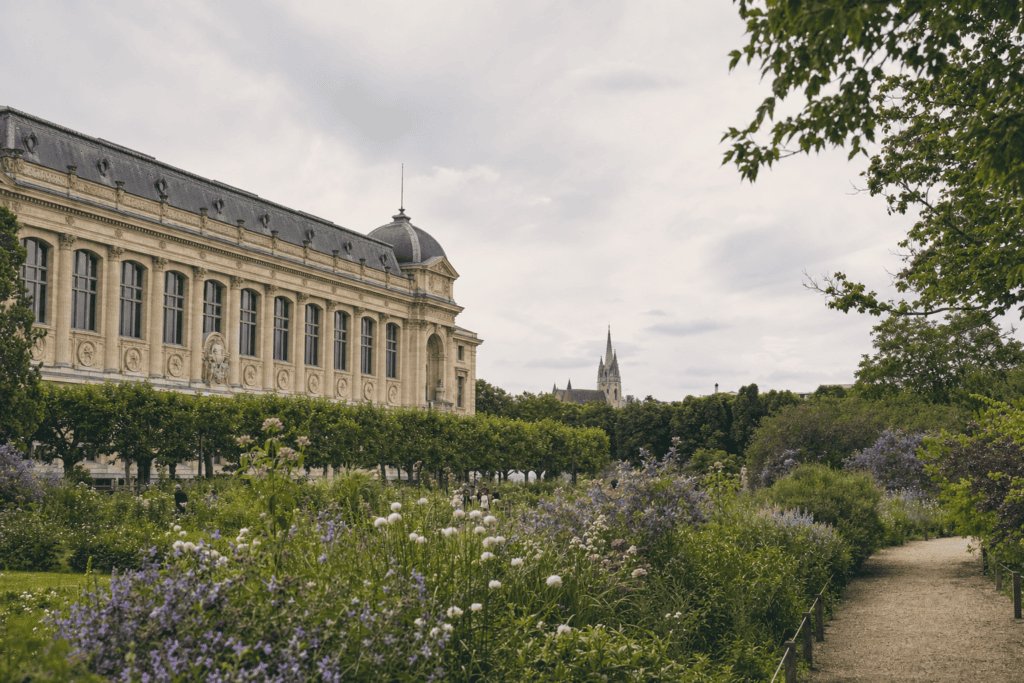 Jardin des Plantes A historic botanical garden where you can see the great greenhouses, plant collections, remarkable trees, and…
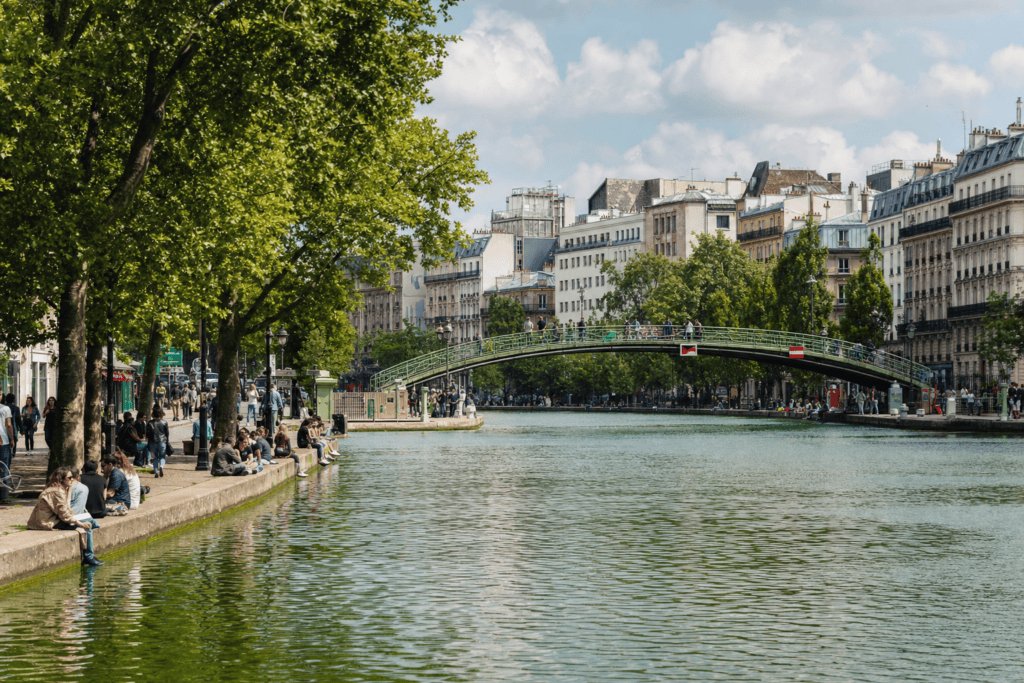 Canal Saint-Martin A Parisian stroll among locks, footbridges, trees and lively quays in the heart of the 10th arrondissement.
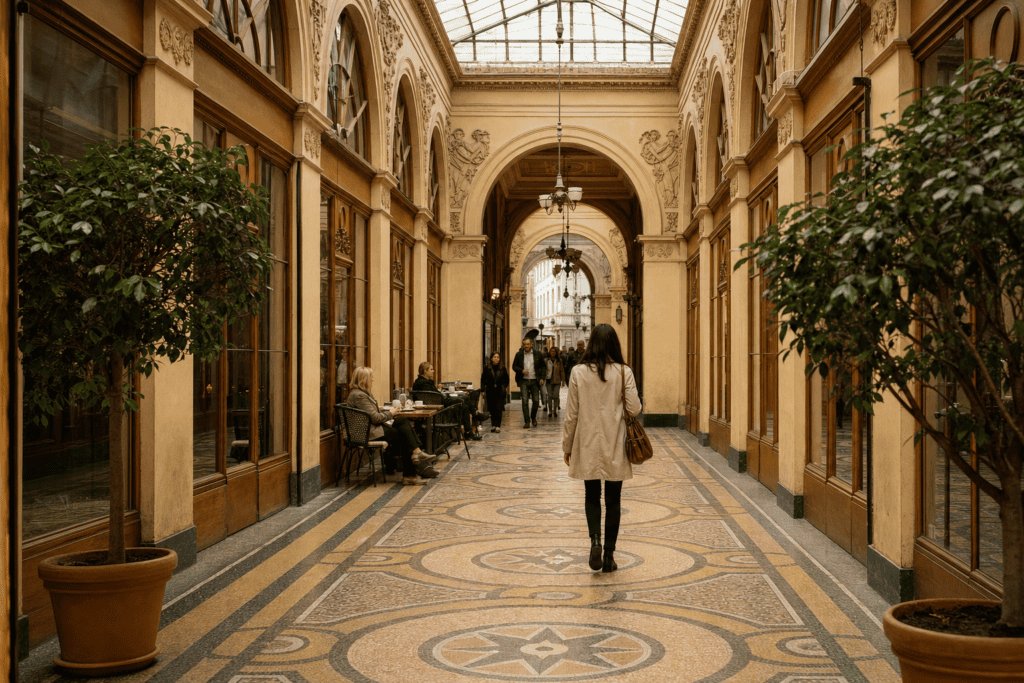 Galerie Vivienne A historic Parisian covered passage where mosaics, a glass roof, an old bookshop, and refined boutiques create an elegant stroll…
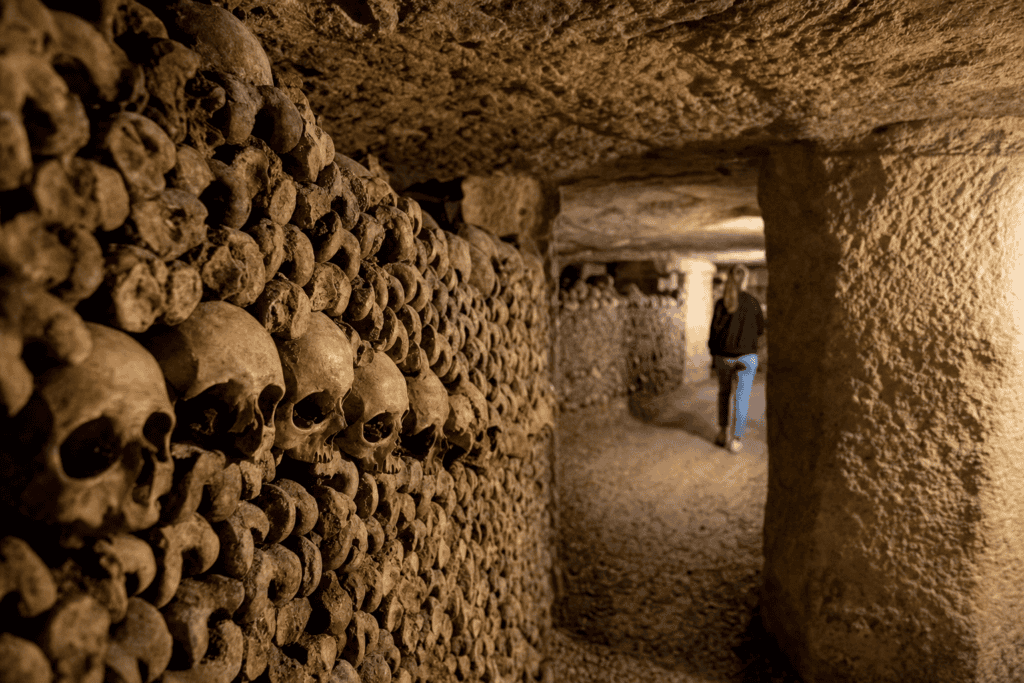 Paris Catacombs A 1,500-meter underground route through the former quarries and municipal ossuary of Paris,…
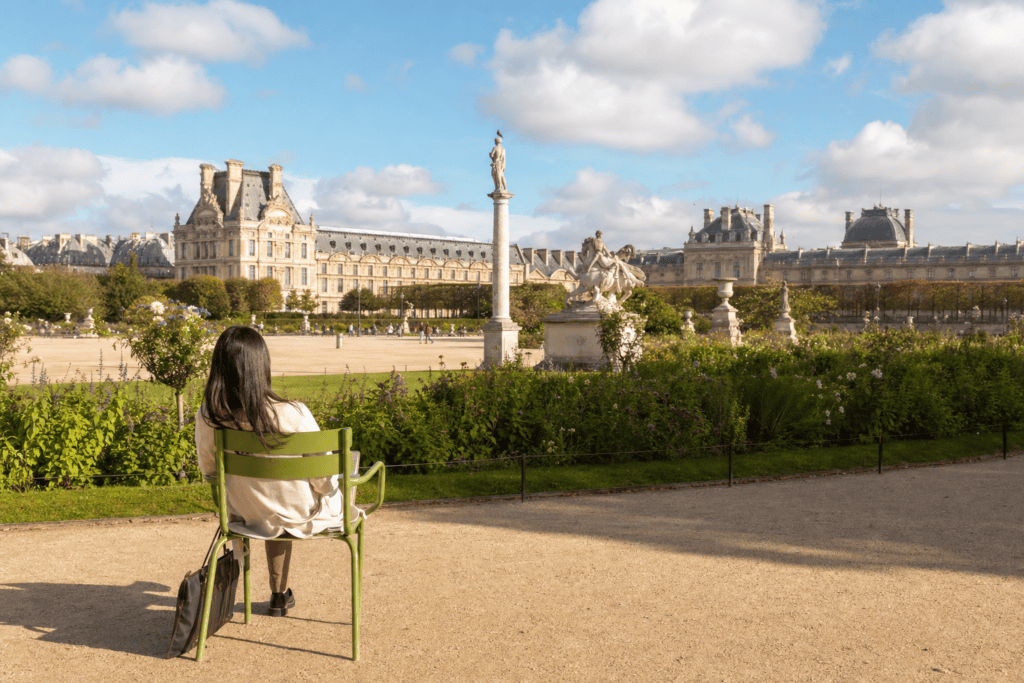 Tuileries Garden A former royal garden turned into a must-see Parisian promenade between the Louvre and Place de…
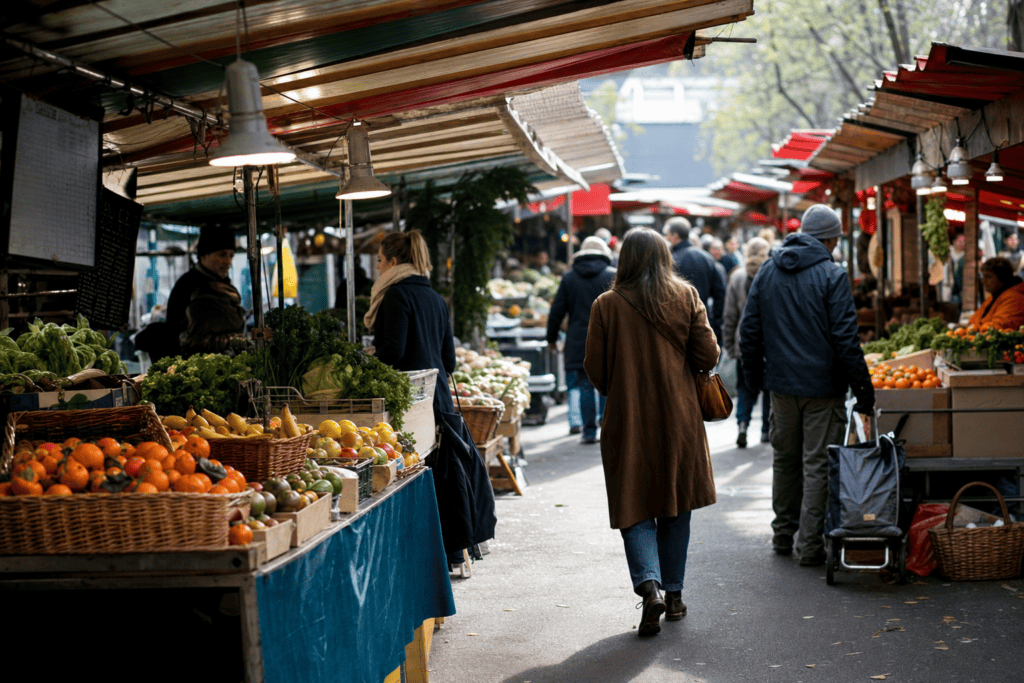 Bastille Market A lively market on Boulevard Richard-Lenoir, ideal for discovering fresh produce and everyday local life…
Online booking · Paris → 1 rue de la Légion d’Honneur, 93200 Saint-Denis, Seine-Saint-Denis, Île-de-France
Choose your pickup date and time
Your departure and arrival details are already pre-filled. You can adjust them in the fare calculator before viewing the vehicles and fare.