



Paris Catacombs: A Guide to an Unusual Visit
Paris
Beneath the streets of the 14th arrondissement, the Paris Catacombs reveal another side of the capital: a world of former limestone quarries, reinforced galleries, and a municipal ossuary created in the late 18th century. The official route lies about twenty meters underground and offers an experience that is historical, geological, and deeply reflective. The visit begins near Place Denfert-Rochereau, in an area with excellent connections to the rest of Paris, before gradually descending into a silent world where the city’s urban development can be read beneath the stone.
Practical information
The route includes 131 steps down and 112 steps back up. Wear comfortable shoes and choose clothing suitable for an underground environment.
Getting to the Catacombs from Paris or the airports
To include the Catacombs in your Paris stay, Booking Paris Transfer can arrange private transportation from your Paris hotel, CDG or ORY, with a return to Paris or onward travel to another stop on your itinerary. Transportation does not include the admission ticket: check booking details and visiting conditions directly with the official website.
Possible departures from Paris, the Île-de-France region, CDG or ORY, depending on the requested itinerary.
Why visit the Paris Catacombs?
The Paris Catacombs are more than a macabre curiosity. They tell the story of how the capital addressed the sanitation problems linked to its cemeteries in the late 18th century. They also show that Paris was built with stone extracted from its own underground. This dual perspective—funerary and urban—gives the site a special place in Paris’s heritage.
The route passes through a developed section of the former quarries and leads to the municipal ossuary, where the remains of several million Parisians were transferred as cemeteries were closed over the years. The atmosphere is solemn, but the visit remains a well-documented museum experience, marked by inscriptions, historical references, and architectural features. For visitors already familiar with the monuments above ground, it offers a way to understand Paris from its foundations, far from the usual routes between the Seine, the Louvre, and Montmartre.
A history born from the former quarries
The underground of southern Paris consists in part of limestone layers quarried since antiquity, and especially during the Middle Ages, when the stone was used for major construction projects in the capital. These quarries supplied materials for religious buildings, fortifications, and civic structures. Underground extraction gradually created a complex network of galleries, whose stability sometimes posed serious problems for the streets and buildings above.
In response to the risk of collapse, the General Inspection of Quarries was established in 1777. A few years later, the Tombe-Issoire quarries were chosen to receive bones transferred from Parisian cemeteries. The first removals began between 1785 and 1787, notably from the Cimetière des Innocents. The site was consecrated as a municipal ossuary on April 7, 1786. The name “Catacombs,” inspired by the catacombs of Rome, soon contributed to its fame. Open to the public as early as 1809, the site became one of Paris’s major historical attractions.
Understanding the municipal ossuary
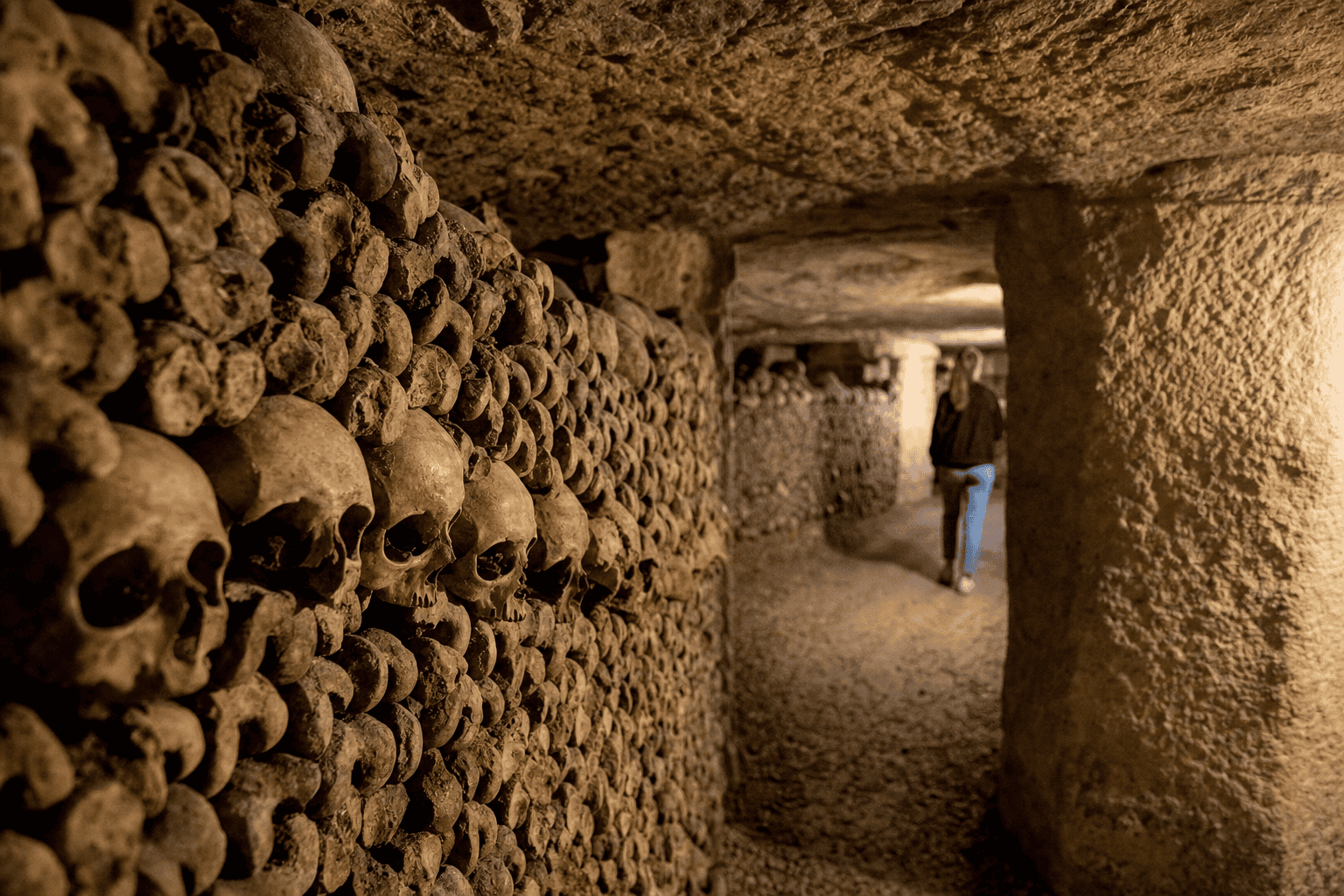
The ossuary is the emotional heart of the route. Before it opened to the public, the bones had been placed more haphazardly in the former quarries. At the beginning of the 19th century, engineer Héricart de Thury oversaw a reorganization intended to give the site a monumental, educational, and contemplative character. Long bones were arranged into regular facades, while other fragments were piled behind these compositions.
Inscriptions recall the fragility of life and give the route a distinctive tone, blending religious remembrance, Romantic aesthetics, and an impulse toward order. It is important not to reduce the Catacombs to a spectacular setting: the human remains must be treated with respect and must not be touched. Above all, the visit encourages reflection on changing funerary practices, the growth of Paris, and the place given to the dead in an increasingly dense city. Respectful behavior directly helps preserve the site’s heritage and commemorative character.
The geology beneath the streets of Paris
The visit also offers a chance to observe the geology that made Paris’s development possible. The quarries lie in a limestone layer dating from the Lutetian age, approximately 40 to 48 million years ago. The name refers to Lutetia, the Roman name for Paris. At that time, the region was covered by a tropical sea; the accumulated sediments later formed the rocks quarried by workers.
In the galleries, visitors discover extraction and reinforcement techniques adapted to an underground world that was difficult to map. Pillars, retaining walls, construction inscriptions, and quarry levels bear witness to the work of engineers and laborers. This geological dimension is essential to understanding why the Catacombs exist in this exact location and why monitoring the underground remains important to Parisian urban planning. The site thus connects natural history, architecture, and the city’s development, extending far beyond the presence of the bones alone.
Access from Denfert-Rochereau and the Paris route
The official entrance is at 1 Avenue du Colonel Henri Rol-Tanguy, on Place Denfert-Rochereau, in the 14th arrondissement. The site is particularly easy to include in a Paris itinerary thanks to Denfert-Rochereau station, served by the metro and RER B. Bus routes 38 and 68 also serve the area. From Paris airports, RER B provides a natural connection to this part of the capital, subject to traffic and transportation conditions on the day.
The square itself is worth a closer look: the pavilions of the former Barrière d’Enfer, designed by Claude-Nicolas Ledoux, recall Paris’s former tax boundary. After the visit, you can continue toward Montparnasse Cemetery, the Montparnasse neighborhood, or the Luxembourg Gardens, depending on the time available. If arriving by car, it is best to check nearby parking options rather than count on an extended drop-off in front of the entrance.
Practical tips before going underground
Online reservations are strongly recommended, as visitor capacity must be managed in this fragile underground site. Hours, prices, and any special conditions may change, so always check the official information before setting out. The route is approximately 1,500 meters long and lies about twenty meters underground. It includes 131 steps down and 112 steps back up, so assess your physical comfort before visiting.
Suitcases and large bags are not accepted, and the site does not have luggage storage. Permitted bags must be small. Comfortable shoes are recommended, as the floor and surroundings differ from those of a typical museum. Eating, drinking, and smoking are prohibited in the galleries, and the bones must not be touched. The audio guide, available according to the arrangements indicated by the site, can enhance your understanding of the spaces and their history.
What to see around the Catacombs
The Catacombs are located in a particularly interesting part of southern Paris for anyone interested in urban history. Place Denfert-Rochereau offers a chance to see Ledoux’s pavilions, remnants of the former Farmers-General wall. A few metro stops away or within walking distance, Montparnasse Cemetery offers another perspective on Parisian memory, with its tree-lined paths and numerous graves of artists, writers, and public figures.
The Montparnasse neighborhood can then lead to the cafés, shops, and major avenues of the 6th and 14th arrondissements. Visitors with more time can reach the Luxembourg Gardens, the Latin Quarter, or the museums in central Paris via the transportation network. This combination explains the site’s appeal as part of a longer stay: an underground visit in the morning or afternoon can be paired with a cultural walk above ground without crossing the entire metropolitan area. The Catacombs thus become a natural stop on an itinerary devoted to the history of Paris.
Useful sources
Frequently Asked Questions
How much time should you allow to visit the Paris Catacombs?
Where is the entrance to the Paris Catacombs?
Can you bring a suitcase?
Is the visit suitable for people with walking difficulties?
Can you reach the Catacombs by public transportation?
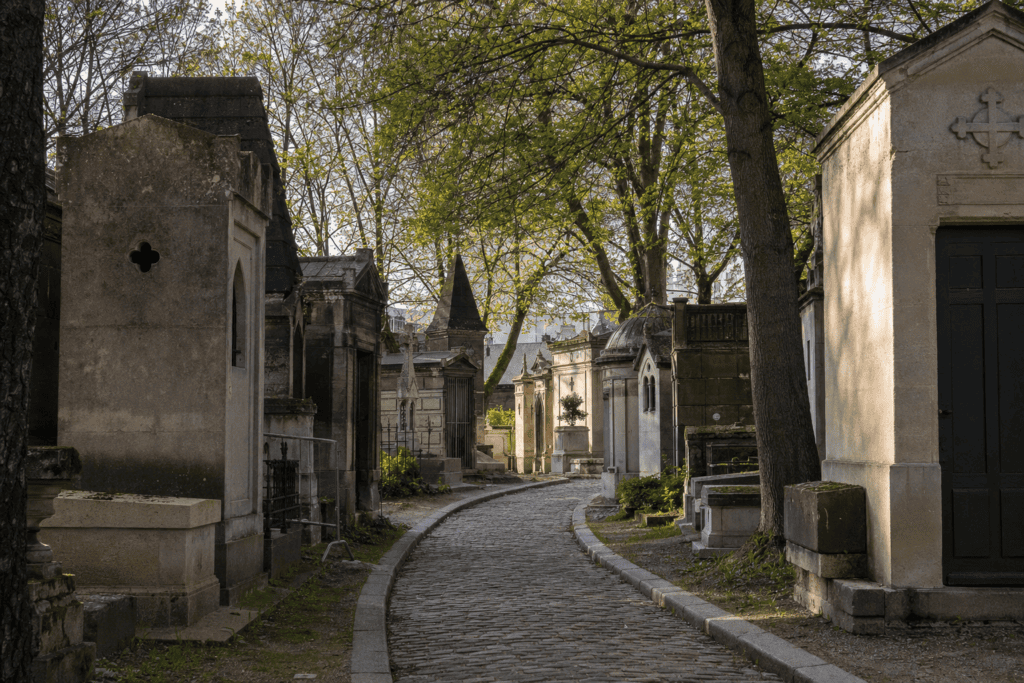 Montparnasse Cemetery A cultural, tree-lined walk following in the footsteps of writers, artists, and intellectuals in the heart of the 14th arrondissement…
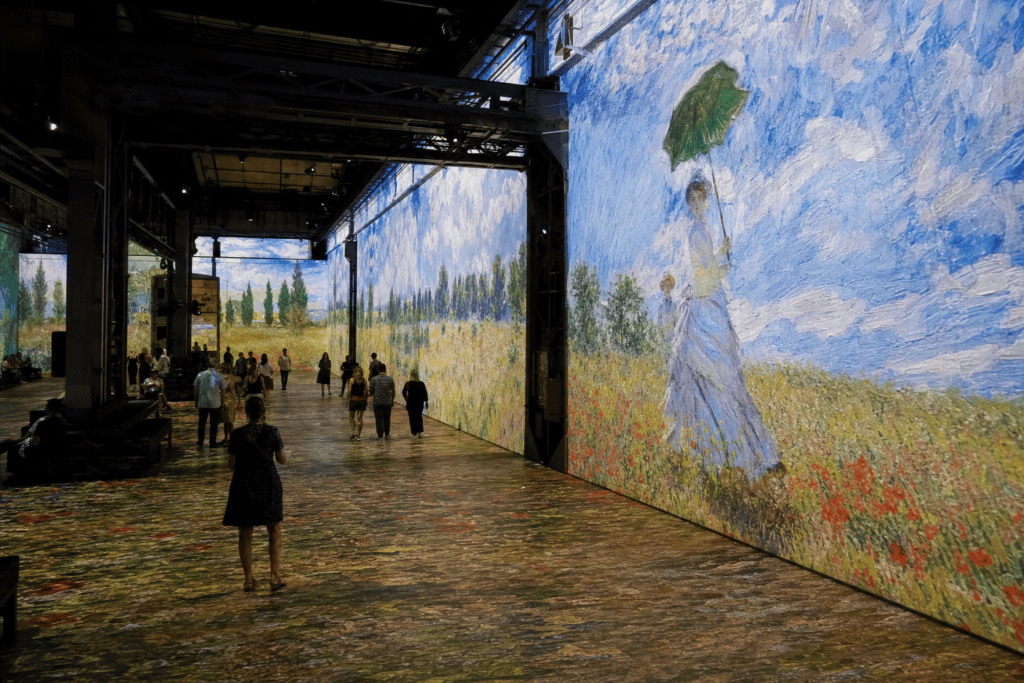 Atelier des Lumières In a former foundry in the 11th arrondissement, Atelier des Lumières combines monumental projections, music, and architecture…
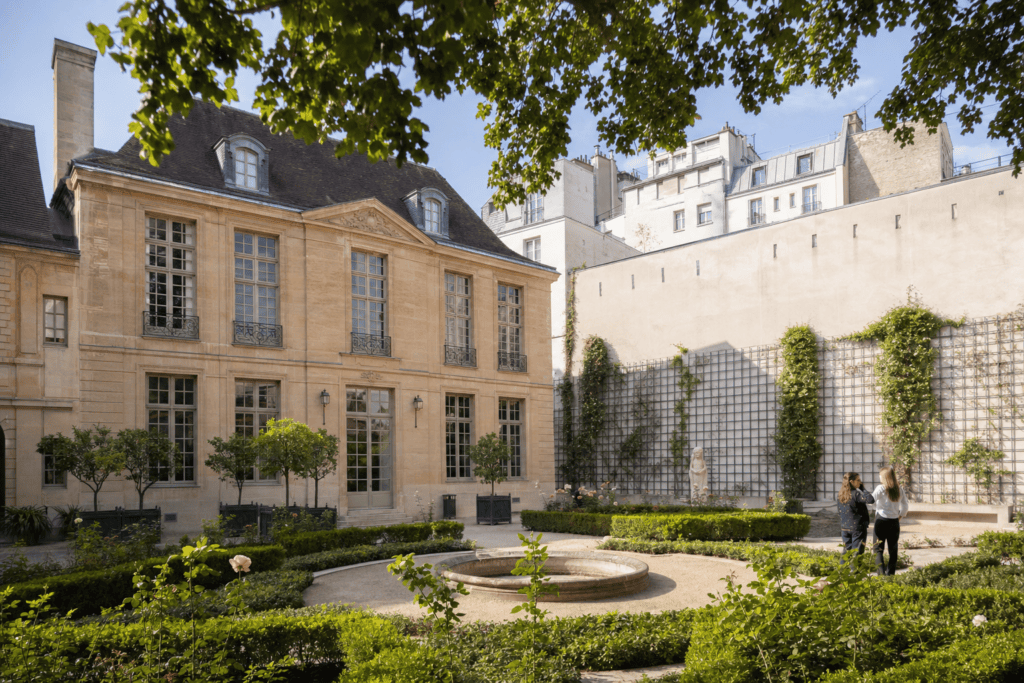 Musée Picasso Paris A major Picasso collection in the Hôtel Salé, in the historic heart of the Marais.
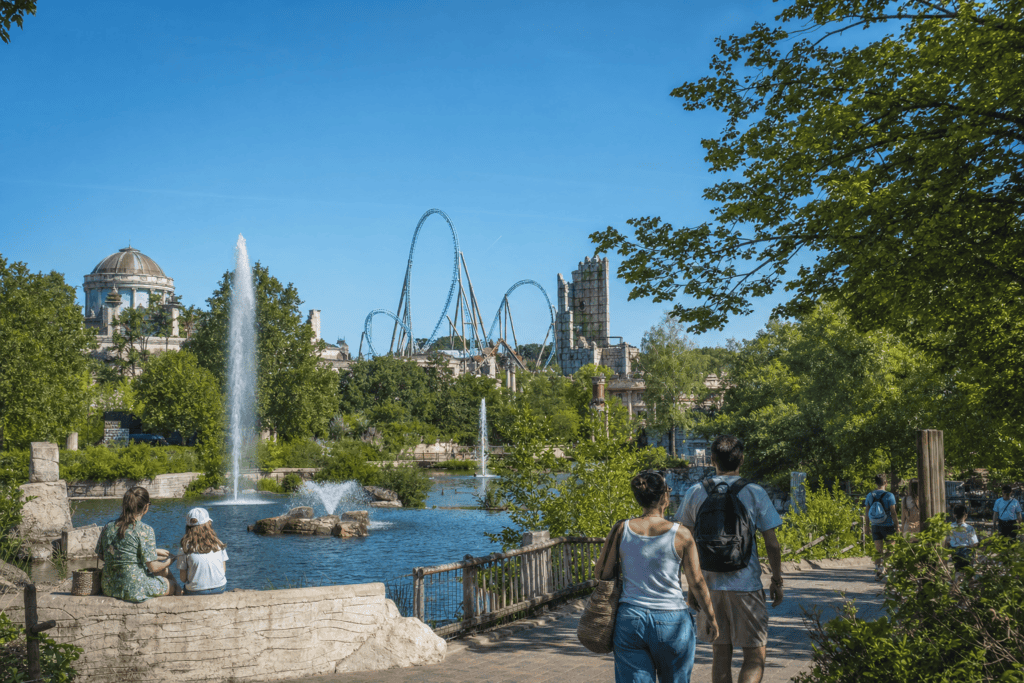 Parc Astérix In Plailly, attractions, shows, and Gaulish humor make for a family excursion that is easy to organize from Paris…
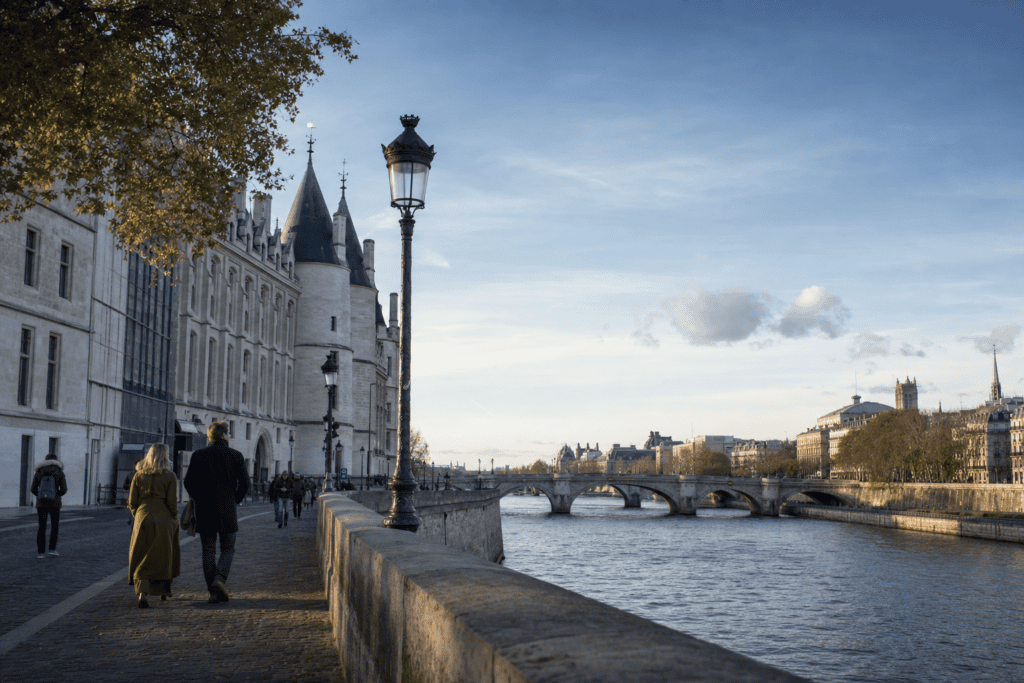 Photo Walk Along the Seine A photographic itinerary along the Seine, between Notre-Dame, the Louvre, historic bridges, and…
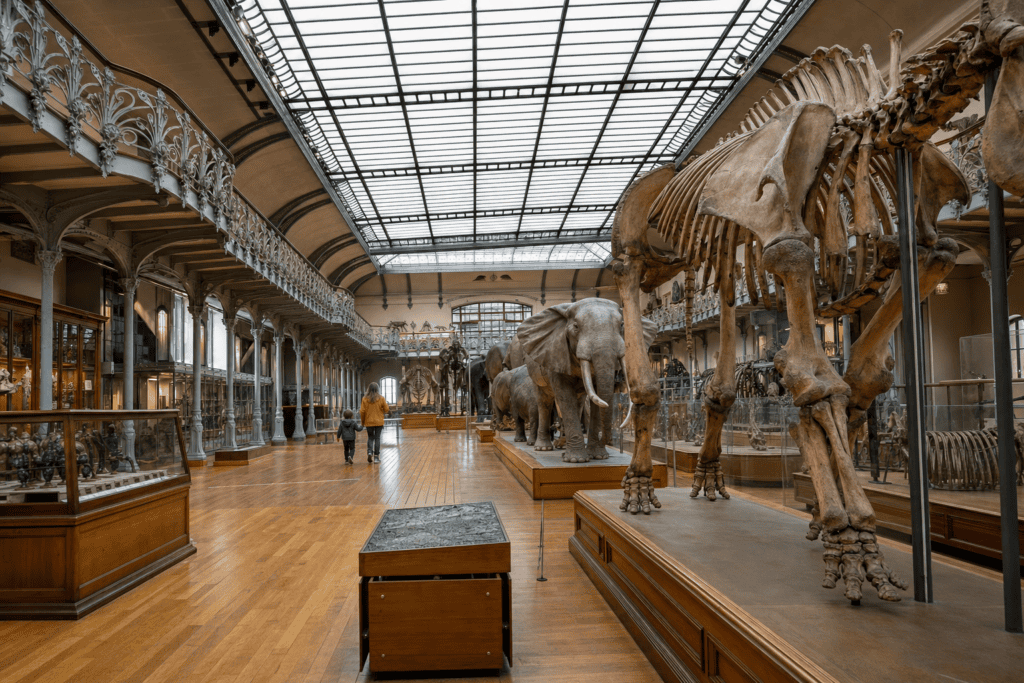 Gallery of Evolution A monumental gallery and an impressive display of animals in the heart of the Jardin des Plantes, ideal for…
Online booking · Paris → 1 Avenue du Colonel Henri Rol-Tanguy, 75014 Paris
Choose your pickup date and time
Your departure and arrival details are already pre-filled. You can adjust them in the fare calculator before viewing the vehicles and fare.