



Canal Saint-Martin: A Guide to the Quays and Locks
Paris
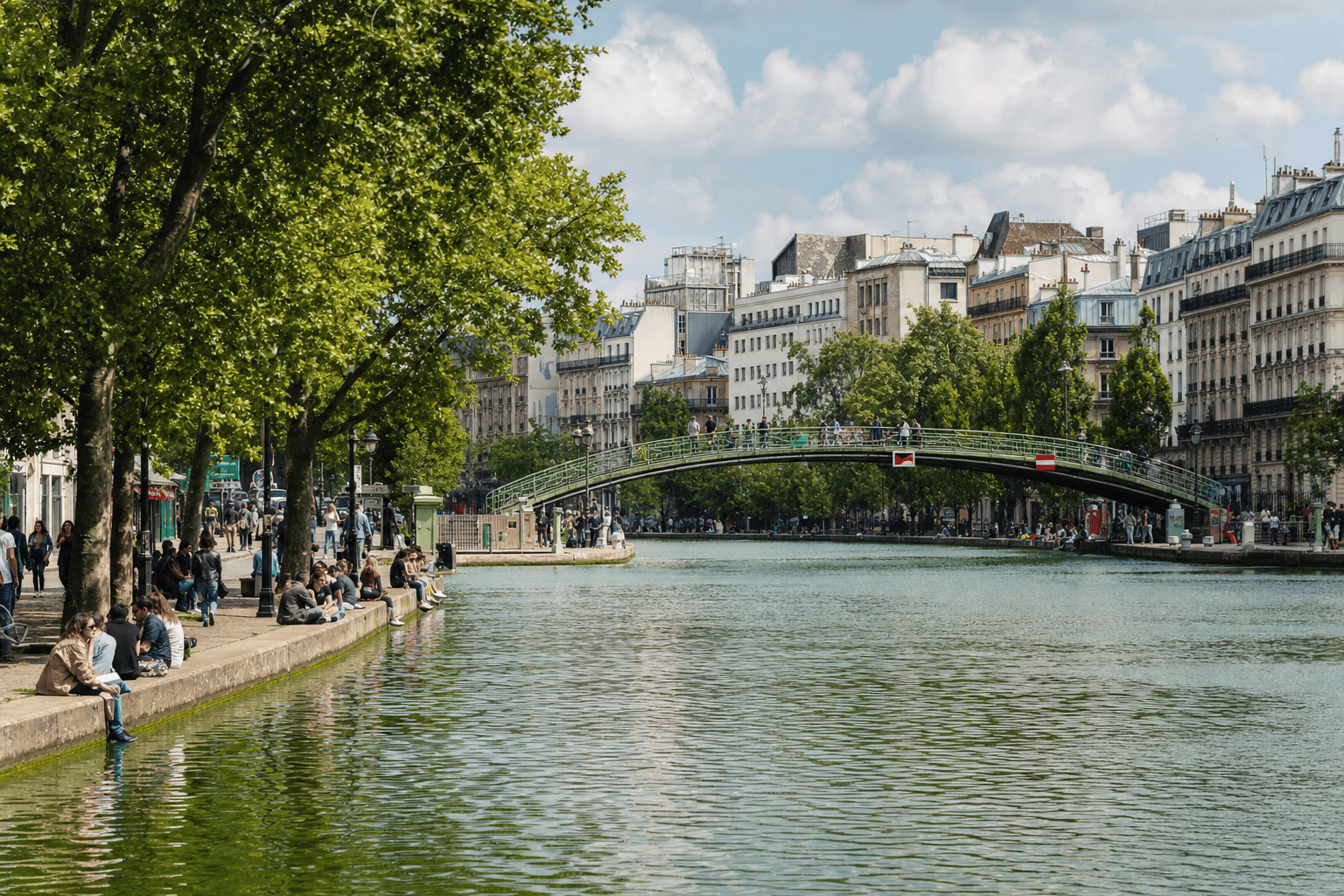
Canal Saint-Martin is one of Paris’s most distinctive landscapes. Between Bassin de la Villette and Port de l’Arsenal, its route combines tree-lined quays, locks, metal footbridges, and a long underground section. The best-known open-air section is in the 10th arrondissement, around Quai de Valmy and Quai de Jemmapes. Farther south, the canal disappears beneath the boulevards before resurfacing in the Arsenal basin, near the Seine and Bastille. This geography explains why it is not possible to follow the entire route above ground. For a first visit, the Temple and Récollets locks offer the best overview of the visible canal, while a cruise helps you understand how it passes beneath Paris.
Practical information
Do not look for a continuous waterside path between Bassin de la Villette and Port de l’Arsenal: the central section runs underground. For an easy stroll, stay on the open-air section in the 10th arrondissement.
Getting to Canal Saint-Martin from Paris or its airports
From Paris, a Paris hotel, Charles de Gaulle, or Orly, a private transfer can make it easier to reach Canal Saint-Martin with your luggage. The service is for transportation only and does not include a guided tour, cruise ticket, or on-site activity.
Departure from Paris, Île-de-France, CDG, or ORY; return to Paris is possible depending on your itinerary.
Understanding the canal’s route
Canal Saint-Martin is part of Paris’s canal network. It connects Bassin de la Villette with Bassin de l’Arsenal, but this connection is not continuously visible from the quays. Between the open-air section in the 10th arrondissement and the Arsenal basin, the canal passes beneath the city through a succession of vaults and galleries. The total length generally given for Canal Saint-Martin is approximately 4.5 kilometers, while its underground section measures about 1.9 kilometers. These figures may vary slightly depending on how the basins and connecting sections are counted.
To the north, the visible route begins around Bassin de la Villette and the Rotonde de la Villette, then narrows toward the canal locks. The iconic promenade runs mainly between Quai de Valmy and Quai de Jemmapes, in the 10th arrondissement. South of Rue du Faubourg-du-Temple, the canal disappears beneath Parisian boulevards and squares before reaching Port de l’Arsenal. The 11th arrondissement borders several areas along this urban sequence, but not all visible quays should be described as being in the 11th.
A waterway created in the 19th century
The construction of Canal Saint-Martin met two needs: improving Paris’s water supply and facilitating the transport of goods. The project was part of the major hydraulic works launched under Napoleon I. Fed by the Ourcq River, the canal overcomes a change in elevation through several locks. Its gradual opening in the early 19th century accompanied the growth of a capital where building materials, wood, fuel, and foodstuffs were still transported extensively by water.
For decades, the canal was therefore an industrial facility before becoming a place for strolling. Its surroundings changed as river transport declined and railways and road traffic developed. In the 1960s, one proposal called for covering the waterway to create a route for cars. Abandoning that idea preserved the landscape of the quays, trees, and movable structures. Today, the canal remains navigable and functional while also serving as urban heritage valued for its architecture and neighborhood atmosphere.
Locks, footbridges, and movable structures
The locks give Canal Saint-Martin its distinctive rhythm. The Temple and Récollets locks, located in the open-air section, make it possible to observe the changes in water level needed for boats to pass. When the gates close, the process is slow and methodical: the water rises or falls, and the vessel then continues on its way. The quays offer several viewpoints, but it is important to keep away from the equipment and avoid interfering with operations.
Swing bridges and footbridges complete this working landscape. The swing bridges on Rue Dieu and Rue de la Grange-aux-Belles are associated with boat traffic and illustrate the canal’s historic operation. The footbridges allow pedestrians to switch sides and offer elevated views of the trees, façades, and barges. The available information does not support claiming that several structures were officially renamed in 2025 after actresses. That claim is therefore omitted here: it is better to observe the existing structures and consult City of Paris announcements for any changes to place names.
A walking tour in the 10th arrondissement
To discover the most characteristic landscape, start near Jaurès or Bassin de la Villette and head south along Quai de Valmy or Quai de Jemmapes. This stretch lets you see the sequence of locks, the footbridges, and both tree-lined banks. The route is easy to follow and can be interrupted at any time by a Métro station or a cross street. The area around the Récollets lock is a good place to stop and understand the relationship between the waterway and the neighborhood buildings.
Continuing toward Rue du Faubourg-du-Temple, you reach the area where the canal enters the city underground. From there, it is no longer possible to continue beside the water as if the route remained above ground. You can head to République, Gare de l’Est, or the streets of the 10th arrondissement, then continue your visit in the surrounding neighborhoods. For a longer outing, start at Bassin de la Villette and combine walking with a bike ride. The basin itself offers a more open setting and perspectives different from those of the canal’s narrow quays.
Bassin de la Villette and Port de l’Arsenal
Bassin de la Villette is the northern landmark of the route. Wider than the canal, it is lined with cultural facilities, cafés, and promenades that create a sense of space. However, it should not be confused with Canal Saint-Martin itself: the basin is a body of water connected to the network, while locks and narrow quays are more characteristic of the canal heading south. From Jaurès or Stalingrad, it is easy to plan a visit combining the basin with the open-air section.
At the other end, Port de l’Arsenal is connected to Canal Saint-Martin by the underground section. It is near Bastille, where the Seine meets the city, and has the atmosphere of an urban marina. The connection between these two points exists hydraulically, but it is not a continuous open-air promenade. Canal cruises may reveal the underground section when the route and operating conditions allow. Check the exact itinerary with the operator, as not all cruises cover the same basins.
Cinema, cafés, and neighborhood life
The canal is strongly associated with the imagery of French cinema, particularly the film Hôtel du Nord by Marcel Carné. The film helped popularize a poetic, working-class vision of the area, although the hotel shown on screen is not located directly on the Canal Saint-Martin quays, as the film setting might suggest. This distinction lets you enjoy the reference without confusing the work with the actual geography.
You can continue your visit along Rue de Lancry, Rue de Marseille, Rue du Faubourg-du-Temple, and around Quai de Valmy and Quai de Jemmapes. The area has cafés, restaurants, independent shops, and cultural venues, with an offering that changes over the years. The quays are pleasant places to take a break, but they remain shared public spaces where cyclists, residents, and pedestrians move together. Temporary activities, installations, and events depend on the city’s programming. Check official announcements if you are coming for a specific event rather than simply for a stroll.
Access, transportation, and practical tips
Le Canal Saint-Martin est bien desservi par le métro. Jaurès et Stalingrad conviennent au bassin de la Villette et au nord de la section ouverte. Jacques Bonsergent, République et Gare de l’Est sont pratiques pour les quais de Valmy, les écluses et les rues du 10e arrondissement. Bastille permet de rejoindre le port de l’Arsenal, mais ce point d’arrivée se situe de l’autre côté de la section souterraine : il ne faut pas s’attendre à pouvoir remonter directement le long de l’eau depuis la Bastille jusqu’aux écluses.
Wear comfortable shoes and take extra care near the banks, lock gates, and movable bridges. Families may enjoy watching the boats and lock operations, provided children are supervised. Spring and fall often offer pleasant light; summer evenings are lively but more crowded. Travelers arriving from Charles de Gaulle or Orly can reach their Paris hotel by public transportation or book a private airport transfer. For this neighborhood, the service is transportation with luggage, not a guided tour or cruise booking.
Frequently Asked Questions
Can you walk directly from Bassin de la Villette to Bassin de l’Arsenal along Canal Saint-Martin?
How long is Canal Saint-Martin?
Which arrondissement contains the best-known section?
Can you visit the underground section?
What is the best starting point for a first stroll?
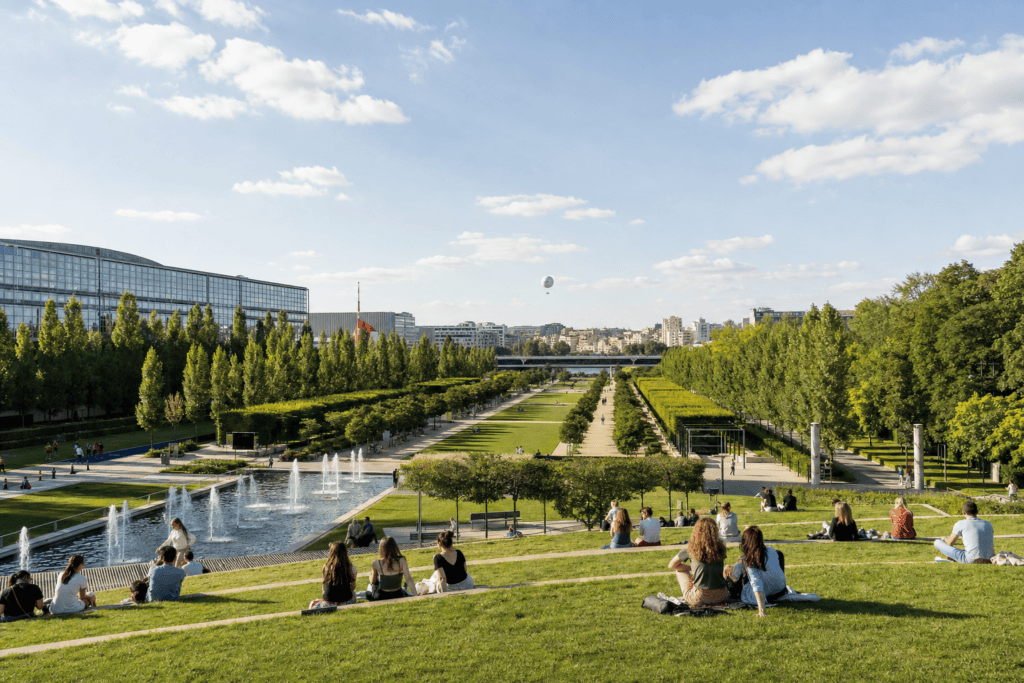 Parc André-Citroën A 14-hectare contemporary park with large greenhouses, themed gardens, a central lawn and waterfront paths…
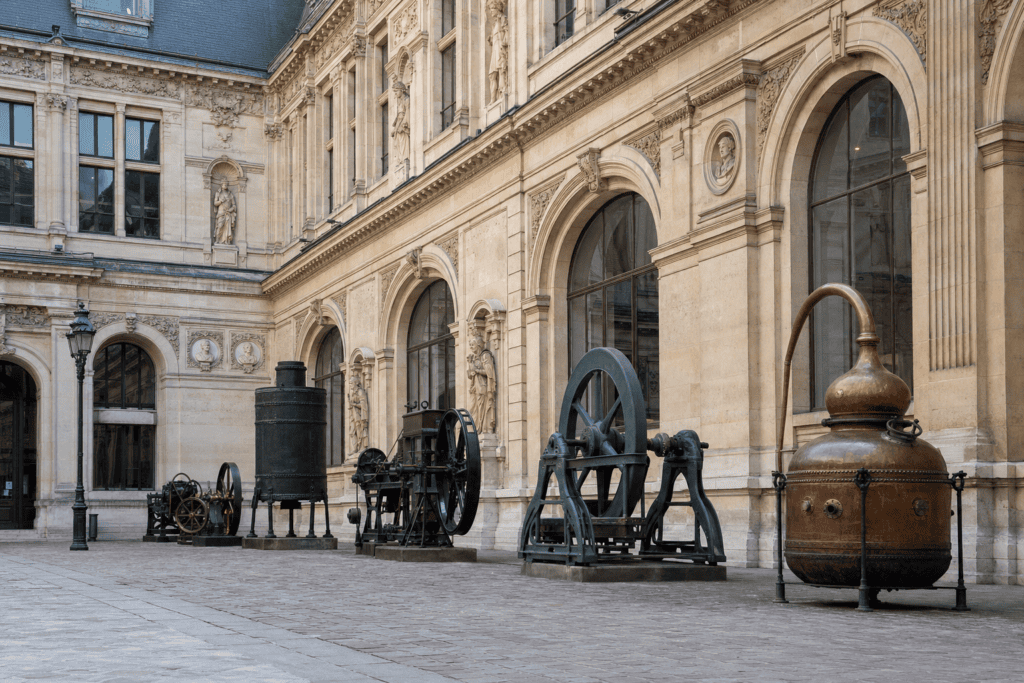 Musée des Arts et Métiers A Paris museum dedicated to inventions, machines, and scientific instruments, featuring the Foucault pendulum…
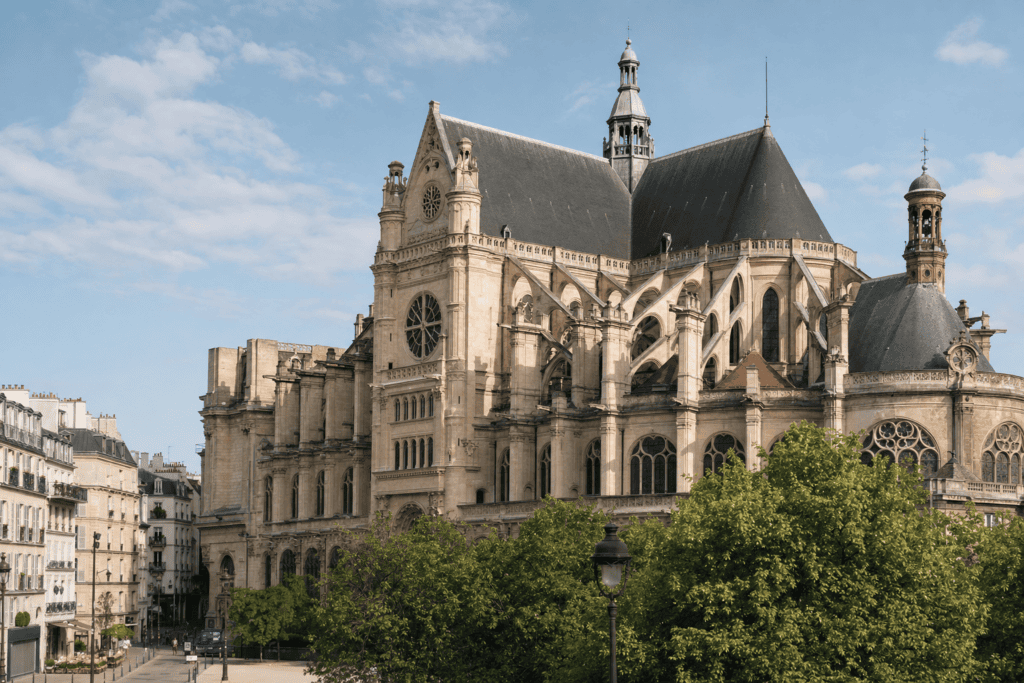 Saint-Eustache Church A monumental church in Les Halles where architecture, the memory of traditional trades, historic art, and contemporary creativity come…
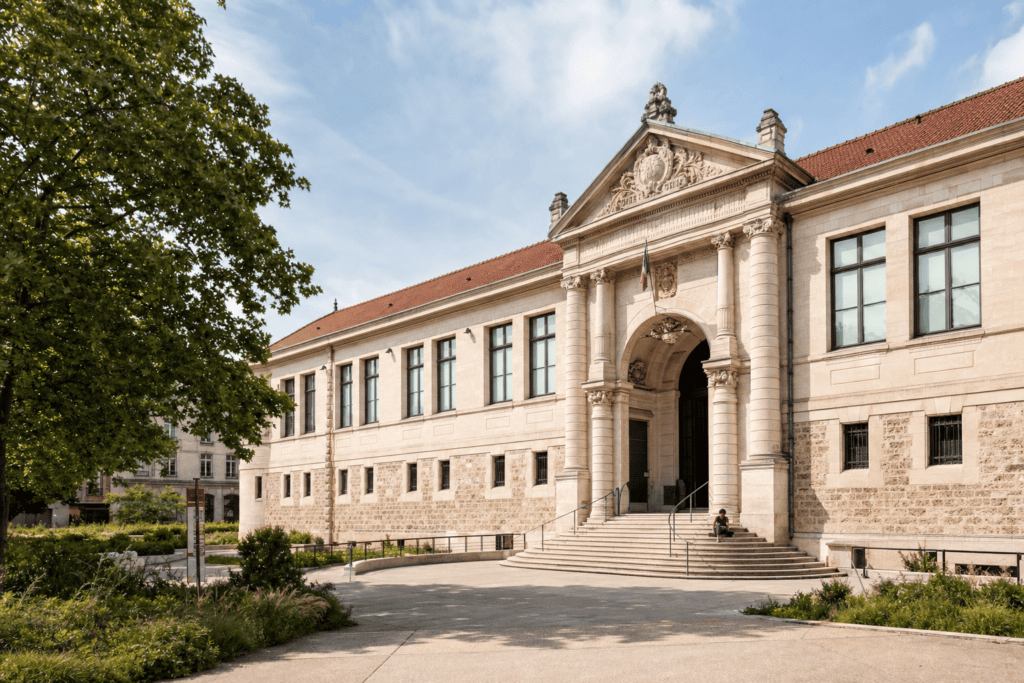 National Museum of the History of Immigration An essential Paris museum for understanding the history of migration, individual journeys, and the role…
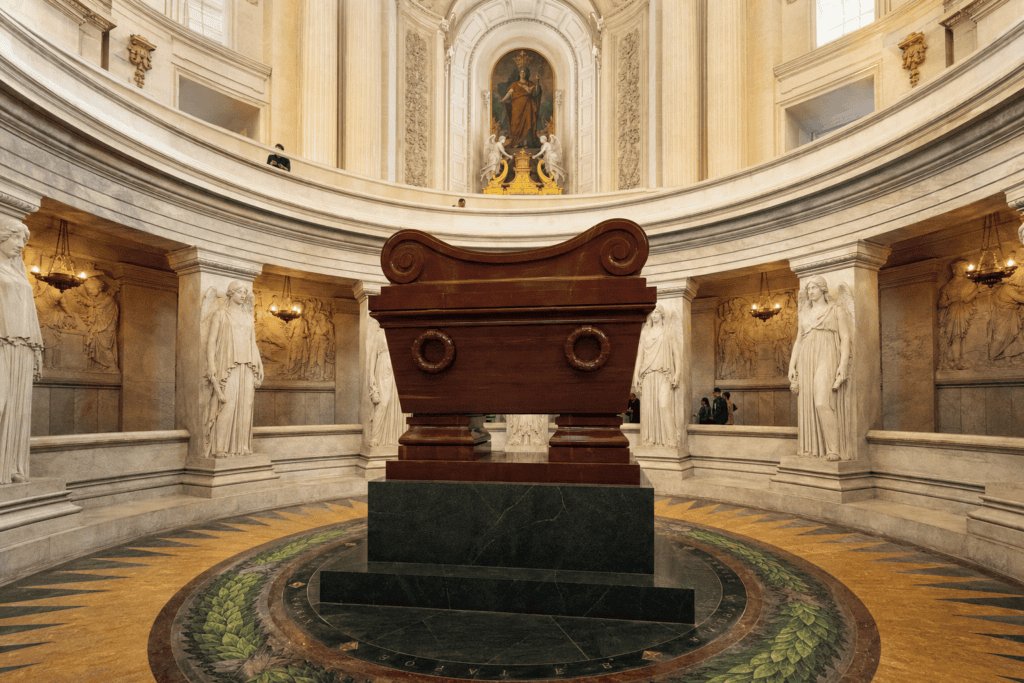 Army Museum and Napoleon’s Tomb A rich historical journey through Les Invalides, featuring military collections, monumental architecture, and the tomb of Napoleon I.
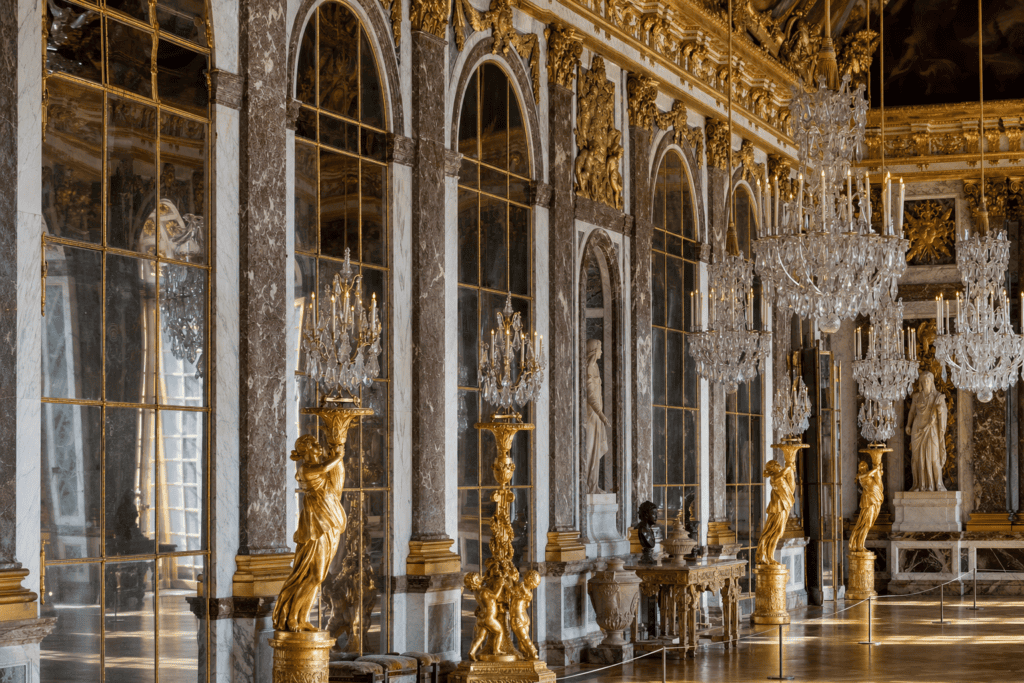 Palace of Versailles A day trip from Paris featuring the royal palace, Le Nôtre’s gardens, the Grand Trianon, the Petit Trianon, and…
Online booking · Paris → Canal Saint-Martin, Paris, mainly in the 10th arrondissement for the open-air section; the underground route continues toward the Arsenal basin.
Choose your pickup date and time
Your departure and arrival details are already pre-filled. You can adjust them in the fare calculator before viewing the vehicles and fare.