



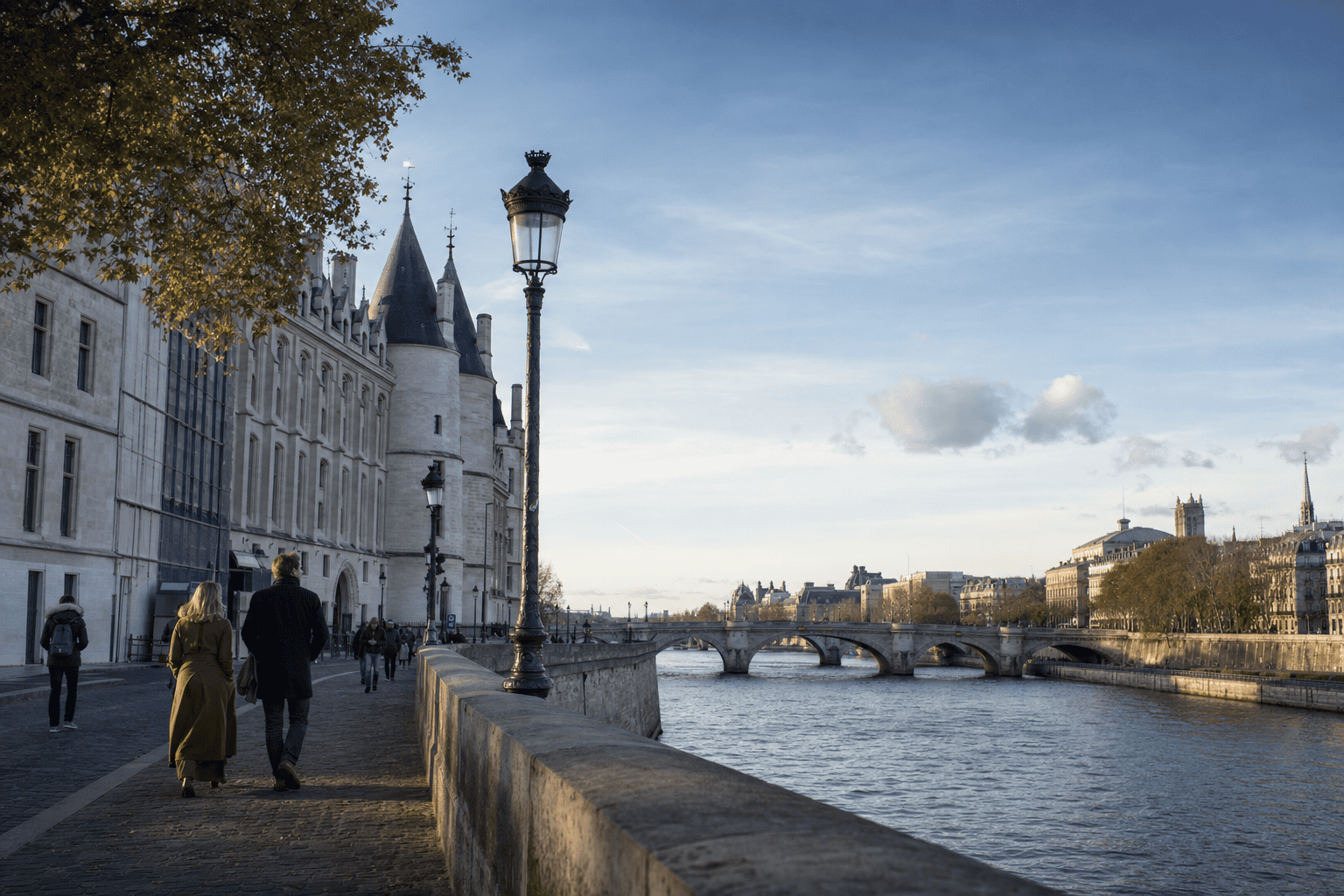
Photo Walk Along the Seine Quays in Paris
Paris
A photo walk along the Seine quays offers a particularly rewarding way to discover Paris: the river connects the Île de la Cité, the Louvre, historic bridges, and views across western Paris. To make the most of the best vantage points, it is better to distinguish between two formats: a two- to four-hour central walk between Île Saint-Louis, Notre-Dame, Pont Neuf, and the Louvre, or a longer route including Pont Alexandre III, the Eiffel Tower, Bir-Hakeim, and Trocadéro, planned as a full day with travel between stops. This approach lets you photograph the monuments without turning the session into a rushed walk.
Practical information
Choose a versatile lens, wear comfortable shoes, and bring a spare battery. Before heading down to the lower quays, check the latest information from the City of Paris regarding access, construction, flooding, and permitted activities.
Easily Reach the Quays from Paris
If you are carrying bulky equipment or would like to separate the central route from the section toward the Eiffel Tower, Booking Paris Transfer can arrange a private ride from Paris, Paris-CDG, or Paris-Orly. The service covers transportation from Paris or its airports, with a return to Paris arranged according to your itinerary; it does not include admission tickets or a local guided tour.
Departure is available from a Paris hotel, Paris-CDG, or Paris-Orly; return to Paris can be arranged according to your route.
Why Photograph the Seine in Paris?
The Seine is an ideal thread for understanding Paris through images. Within the historic riverbanks listed by UNESCO, the river connects monuments built in very different periods: Notre-Dame and Île de la Cité, the Louvre, the Institut de France, Les Invalides, the Grand Palais, and the Eiffel Tower. This continuity gives the walk a real sense of coherence, even as the architectural styles change from one quay to the next.
Photography also benefits from the many intermediate layers. A railing, arch, barge, or bookseller’s silhouette can structure the image before leading the eye toward a monument. The upper quays offer urban views and open perspectives, while the lower quays bring the photographer closer to the water and reflections. The Left Bank often lends itself to compositions featuring Île de la Cité and historic façades; the Right Bank offers long views toward the Louvre and western Paris.
To prepare for the historical and geographical context of the route, see the overview of the UNESCO-listed riverbanks of the Seine. It helps explain why this walk brings together so many major sites over a relatively short distance.
Central Route: Île Saint-Louis, Notre-Dame, and the Louvre
For a two- to four-hour session, start near Île Saint-Louis and make your way toward Île de la Cité. The upstream quays feature orderly façades, trees, and open views of the bridges’ arches. Pont de la Tournelle is an interesting first stop: point your camera downstream, and the curve of the Seine can lead the eye toward Notre-Dame. The island’s buildings also offer stone and wrought-iron details well suited to tight compositions.
Sur la rive gauche, le quai de Montebello donne accès à plusieurs vues du chevet de Notre-Dame. En variant la distance, vous pouvez intégrer les arbres, l’eau ou les silhouettes des promeneurs au premier plan. Le Petit Pont, le pont Saint-Michel et le pont de l’Archevêché permettent ensuite de comparer des hauteurs et des angles différents. Le site de l’office de tourisme consacré au Quai de Montebello can serve as a reference when planning this section.
Continue toward Pont Neuf and Quai de Conti. This stretch offers more monumental compositions, with the tip of the island, the bridge’s mascarons, and the silhouette of the Institut de France. It remains compact enough to leave time for breaks and framing experiments.
Pont Neuf, Passerelle des Arts, and Views of the Louvre
Pont Neuf deserves a proper stop rather than just a quick crossing. Despite its name, it is the oldest surviving bridge in Paris and is recognizable by its arches, balconies, and mascarons. From the quays, try a horizontal composition repeating the arches; from the bridge deck, look instead for a more open view of Île de la Cité. The sculpted details are especially clear when the light comes from the side.
On the way to Passerelle des Arts, alternate views of the water with compositions facing the Louvre. The footbridge is ideal for working with simple graphic lines: railings, silhouettes, boats, and façades can be layered within a single frame. It is also a good place to observe the difference between a carefully structured architectural photograph and a more spontaneous image captured as a walker or boat passes by.
However, avoid stopping in the middle of the walkway, especially when it becomes busier. A standard lens is sufficient for most views; a moderate wide-angle lens is easier to control than an ultra-wide focal length, which can distort buildings. To document the continuation toward the Louvre and the other quays, the tourism office presents several routes along the Seine in Paris.
From the Louvre to Pont Alexandre III
From the Louvre onward, the walk takes on a larger scale. The quays near the Tuileries Garden showcase the palace façades, rows of trees, and long classical perspectives. Pont Royal offers a first opportunity to photograph the arches and their reflections. Farther west, Pont de la Concorde opens views toward Place de la Concorde, the National Assembly, and Les Invalides. This section is interesting for urban landscape images, but it already requires more time than the central route.
Pont Alexandre III deserves a dedicated stop. Built for the 1900 Exposition Universelle, it combines candelabras, sculptures, gilding, and ironwork in highly decorative architecture. From the quays, use part of the bridge as a frame around Les Invalides or the Grand Palais. From the bridge itself, the perspectives are broader and allow you to work in vertical format with streetlamps and ornaments in the foreground.
Direct light brings out the gilding and metal details; on overcast days, the forms are softer and contrasts easier to manage. Since the area may be affected by ceremonies, construction, or events, check local conditions before planning a long session.
Extending to the Eiffel Tower, Bir-Hakeim, and Trocadéro
The stretch between Pont Alexandre III and the Eiffel Tower should not be presented as the simple continuation of a walk lasting a few hours. It is a much longer extension. To complete it comfortably, plan for a full day or use an intermediate trip by metro or private transportation. This allows you to spend the first part on the central quays, then reach the western area without sacrificing time for observation and photography.
Around Pont de l’Alma and Port du Gros Caillou, the views become more open. The quays, barges, and lines of the river can draw the eye toward the Eiffel Tower. Photograph the transitions as well: a boat beneath an arch, a fragmented reflection, or an isolated silhouette gives the landscape a sense of scale and keeps the results from becoming nothing more than postcards.
Pont de Bir-Hakeim offers a more graphic approach. Its columns and upper level create repetitions that frame the Eiffel Tower and dramatically change how the monument is read. Trocadéro can then complete the route with an elevated view, but the esplanade and gardens experience varying levels of traffic. Check the access information for Trocadéro before your visit.
Light, Composition, and Equipment for the Session
The best time depends on the section you are photographing. Morning is well suited to Île Saint-Louis and Île de la Cité when you are looking for quieter quays and clear views of the façades. In late afternoon, low-angle light reveals the relief of Pont Neuf, the mascarons, and the ornaments of Pont Alexandre III. During blue hour, city lights can reflect in the water, but exposure becomes more challenging: check the highlights in the sky and around streetlamps.
A standard zoom or versatile prime lens is enough to cover most of the route. A moderate wide-angle lens helps include an entire bridge or façade without exaggerating distortion. A short telephoto can isolate Notre-Dame behind trees, compress a series of arches, or frame a detail of Pont Alexandre III. A tripod is not essential for a walk; it may nevertheless be useful during blue hour if using it does not obstruct traffic and complies with local rules.
Work in horizontal format for river panoramas and vertical format for bridges or the Eiffel Tower. Before each shot, check the edges of the frame: a railing, sign, or person standing too close can alter the image’s balance.
Access, Safety, and Respect for the Quays
For a local walk, there is no need to plan your route around train stations or airports. Simply choose a starting point suited to the desired duration. Châtelet, Hôtel de Ville, Saint-Michel, and Louvre–Rivoli work well for the central route. Concorde, Invalides, Alma-Marceau, or Bir-Hakeim are more convenient for extensions westward. Walking is the best way to connect nearby points; the metro or an intermediate ride lets you separate the historic center from the Eiffel Tower area.
The lower quays do not have the same conditions everywhere. Some access points involve stairs, the paving may be uneven, and dampness can make surfaces slippery. Wind, flooding, construction, demonstrations, and temporary restrictions may also change how a section can be used. Before heading down to the riverbank, check the updated pages from the City of Paris, particularly the information concerning access, traffic conditions, and the Rives de Seine park.
Keep your distance from the edge, watch children closely, and do not block stairs or passageways. On busy bridges, make brief stops to the side. People being photographed should be treated with respect, and bulky equipment should not inconvenience other users.
Useful sources
Frequently Asked Questions
How Much Time Should You Allow for This Photo Walk?
What Is the Best Time to Photograph the Seine Quays?
Can You Photograph Notre-Dame from the Quays?
Is the walk suitable for families?
Do You Need to Book an Activity or Ticket?
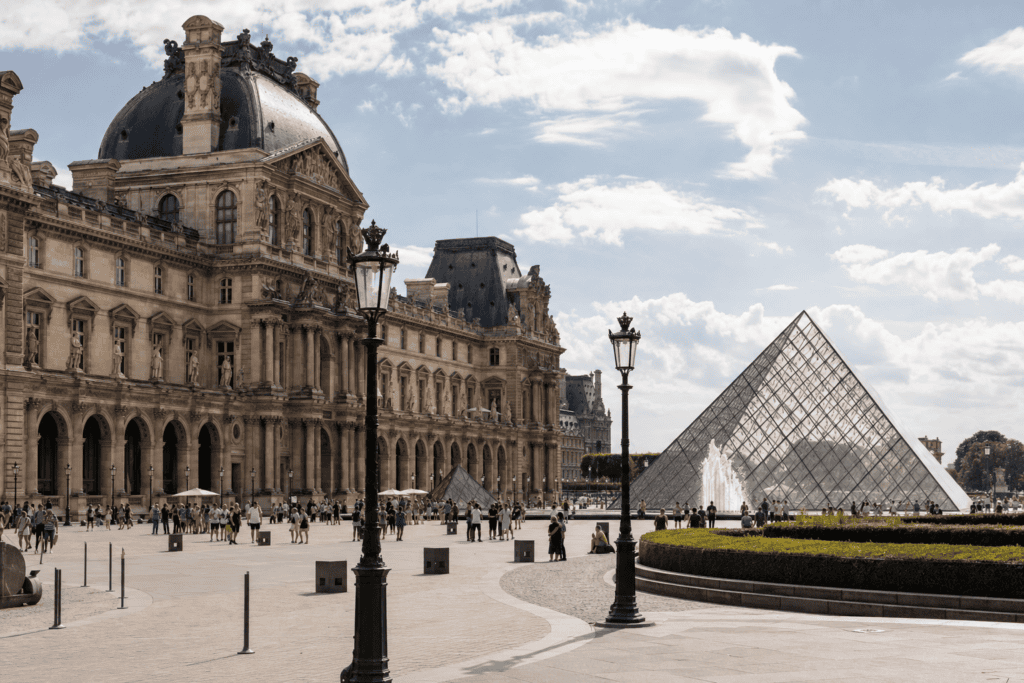 Louvre Museum An essential Paris itinerary featuring the Mona Lisa, antiquities, major European paintings, and the décor of a former palace…
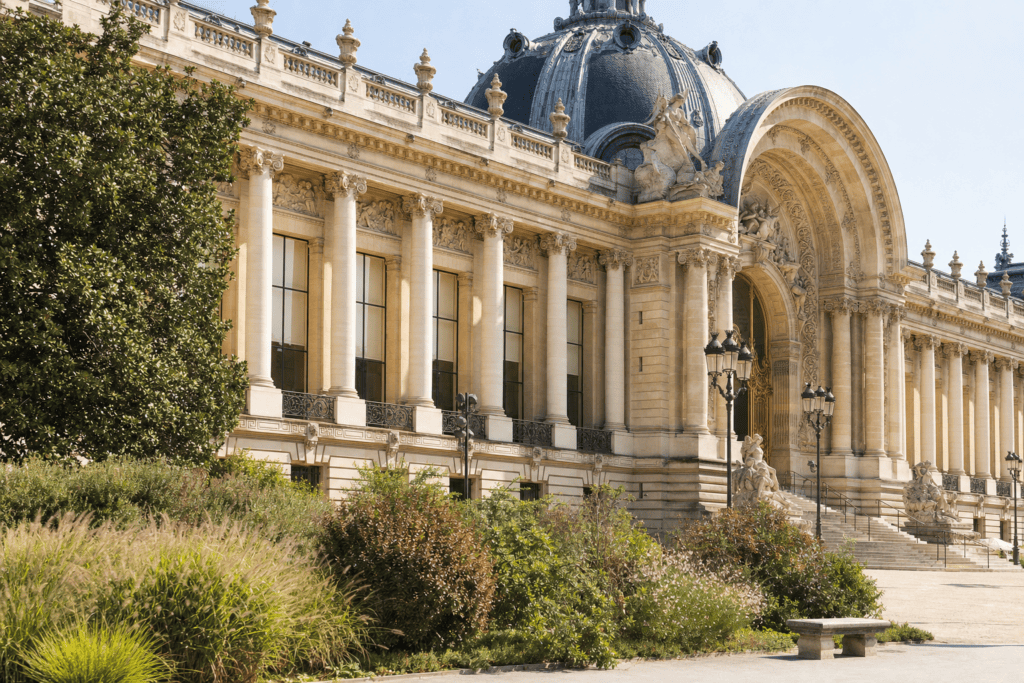 Petit Palais A free Paris museum renowned for its 1900 architecture, varied collections and interior garden.
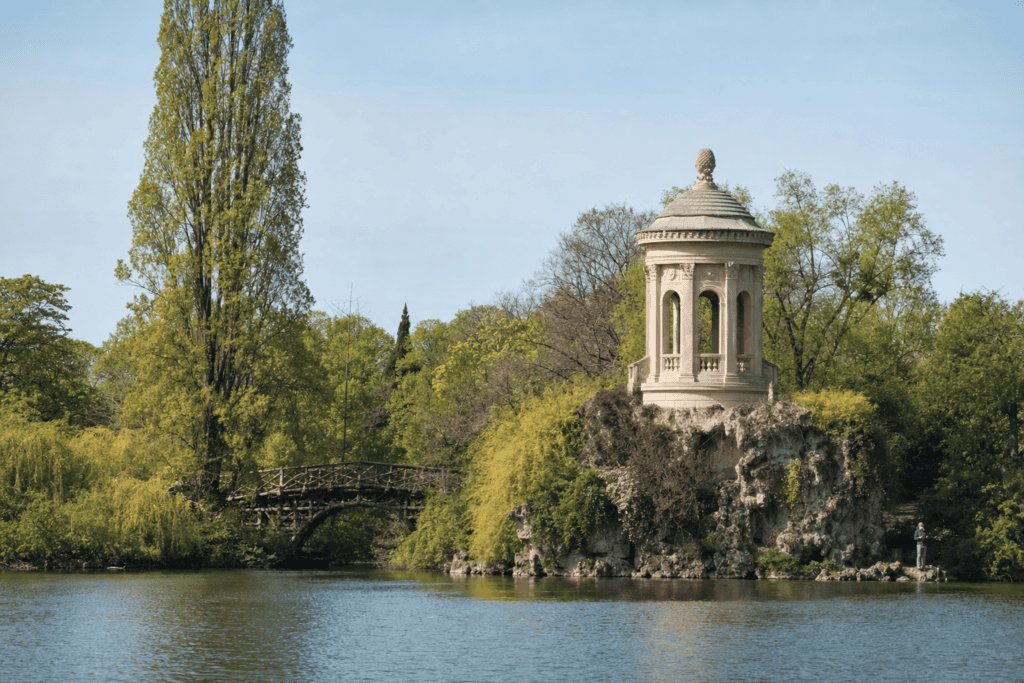 Bois de Vincennes Lakes, forest, cycling paths, and botanical gardens: an easy nature escape from Paris.
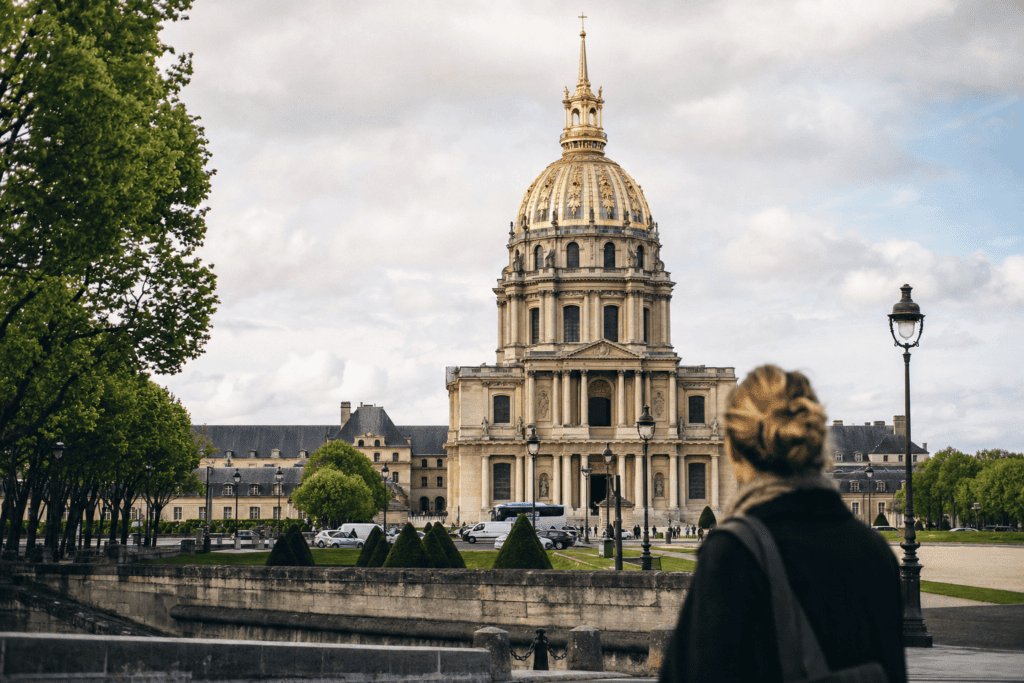 Hôtel des Invalides A monumental Parisian complex where royal architecture, military history, museums and Napoleon’s tomb come together…
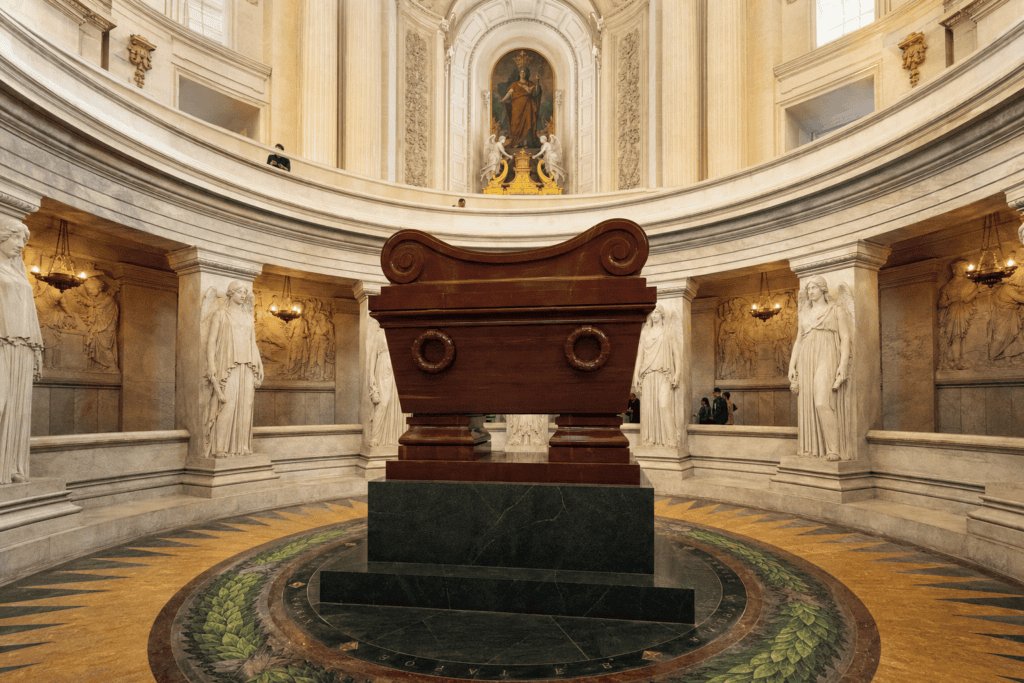 Army Museum and Napoleon’s Tomb A rich historical journey through Les Invalides, featuring military collections, monumental architecture, and the tomb of Napoleon I.
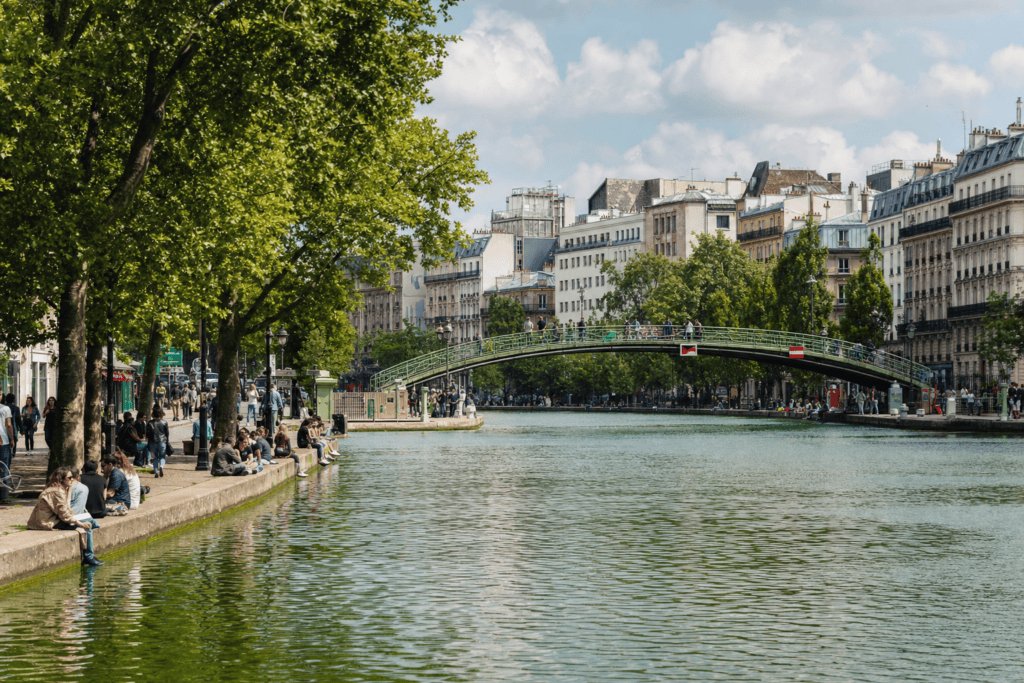 Canal Saint-Martin A Parisian stroll among locks, footbridges, trees and lively quays in the heart of the 10th arrondissement.
Online booking · Paris → Seine riverbanks and quays, Paris, Île-de-France
Choose your pickup date and time
Your departure and arrival details are already pre-filled. You can adjust them in the fare calculator before viewing the vehicles and fare.