

Montparnasse Cemetery: A Visitor’s Guide in Paris
Paris
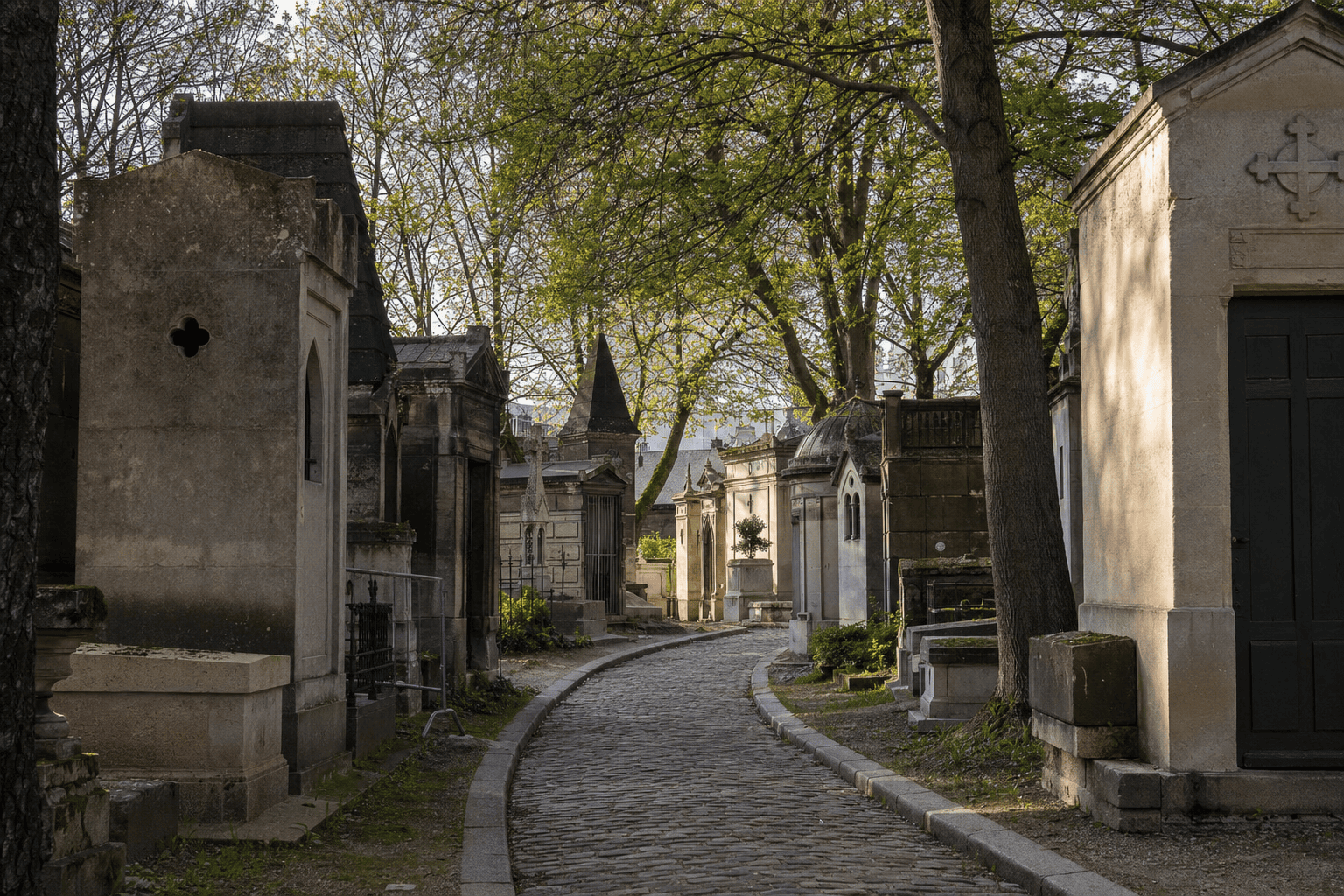
In the 14th arrondissement, Montparnasse Cemetery offers a unique walk through Parisian history, literature, philosophy, the arts, and the landscape. Established in the 19th century, this vast cemetery is home to the graves of Charles Baudelaire, Jean-Paul Sartre, Simone de Beauvoir, Samuel Beckett, and many other notable figures. It is best to plan your visit with the official burial map, as the graves are spread across numerous sections. Above all, this is a place of remembrance and reflection: sightseeing should remain discreet, considerate, and respectful of families.
Practical information
Download or print the official map of notable people’s graves before your visit. Identify the sections along your route and wear comfortable shoes.
Getting to Montparnasse Cemetery from Paris
Booking Paris Transfer can arrange a private ride from a Paris hotel, Montparnasse Station, Charles de Gaulle, or Orly to Montparnasse Cemetery, with a return to Paris according to your itinerary. The service covers transportation only; access to and visits of the cemetery are free and independent.
Departures are available from Paris, a Paris hotel, Montparnasse Station, CDG, or ORY, with a return to Paris according to your route.
A Necropolis Established in the 19th Century
Montparnasse Cemetery, long known as the Southern Cemetery, opened in 1824 as part of the reorganization of Parisian burial grounds. Like Père-Lachaise, Montmartre Cemetery, and Passy Cemetery, it reflected the desire to move burials away from the former parish cemeteries in the heart of the city. At the time, the Montparnasse area was still on the outskirts of the densely built Paris visitors know today.
The site covers approximately 19 hectares in the 14th arrondissement. Its orderly sections, tree-lined paths, and vistas create a landscape very different from the nearby boulevards. A former flour mill, some remnants of which are still visible, recalls the area’s rural past before it was fully incorporated into the capital. This feature gives the cemetery a historical depth that extends beyond its funerary monuments.
Over the decades, the site became an important place of remembrance for literary, artistic, and intellectual circles. Montparnasse Station, the studios, cafés, and theaters all contributed to the neighborhood’s cultural identity. A visit therefore takes you through two centuries of Parisian history while highlighting the changes to the urban landscape around the cemetery.
Baudelaire, Sartre, and the Writers
Literature is one of the clearest themes running through a visit to Montparnasse Cemetery. Charles Baudelaire lies in the family grave, which also contains his mother and stepfather, General Aupick. His cenotaph, located in another part of the cemetery, is a separate landmark to look for on the map. This distinction helps prevent confusion between the family grave and the memorial dedicated to the poet.
The shared grave of Jean-Paul Sartre and Simone de Beauvoir attracts readers interested in existentialism, philosophy, and the intellectual life of the 20th century. It also reflects Montparnasse’s importance in Parisian cultural history, even though both writers were associated with many other neighborhoods and places of debate. The relatively understated monument is often visited in a quiet atmosphere.
The official map also helps visitors find Guy de Maupassant, Samuel Beckett, Eugène Ionesco, Joseph Kessel, and other literary figures. It is better to choose a few stops than try to walk every path. An itinerary focused on poetry, theater, or philosophy makes the visit easier to follow and leaves time to place each person within the context of their era and work.
Art, Photography, and Notable Graves
The cemetery also preserves the memory of many artists and creators. Man Ray’s grave evokes the connections between photography, Dadaism, and Surrealism, while Jean Seberg’s recalls the history of cinema and the links between Paris and the French New Wave. Other graves are notable for their sculpture, materials, typography, or composition rather than the fame of the person buried there.
A clarification is needed regarding Constantin Brancusi and The Kiss. Brancusi is indeed associated with Montparnasse Cemetery, but the funerary sculpture titled The Kiss should not be presented as his own grave. It is generally identified as the monument on Tatiana Rachewski’s grave, attributed to Brancusi. Since sources and maps may use different wording, check the official information on site before repeating this as certain.
This nuance highlights the value of an attentive visit: the stories connected to the monuments can be more complex than a simple list of famous names. Observe the works without touching them, and avoid intrusive photography when relatives are paying their respects. The cemetery remains an active burial site, and artistic interest must always come after the dignity of individuals and families.
A Tree-Lined Landscape in the 14th Arrondissement
With its trees, paths, and numerous vistas, Montparnasse Cemetery forms a genuine pause in a highly urban neighborhood. The vegetation includes linden trees, Japanese pagoda trees, arborvitae, maples, ash trees, and conifers. The landscape changes according to the sections, exposure, and season: some paths are shaded, while others offer more open views of the monuments and surrounding walls.
The landscape deserves to be explored independently of the famous graves. In spring, foliage softens the mineral lines; in autumn, colors highlight the contrasts between stone, bronze, and vegetation. This landscape dimension also explains why the cemetery can seem larger than its entrances suggest. Walking is an essential part of the experience.
Keep in mind, however, that this tranquility is not that of an ordinary public park. Funerals and family visits may take place, and some burial plots change over time. Stay on the paths, speak quietly, do not sit on monuments, and keep passageways clear. Do not assume that pets are allowed: check the official regulations before bringing an animal, as the rules may be updated.
Planning Your Visit
The best preparation is to consult the official map of notable people’s graves published by the City of Paris. Note the sections and group stops by area rather than crossing the cemetery several times. For a first visit, a literary route could include Baudelaire, Maupassant, Sartre, Beauvoir, and Beckett. Another itinerary could focus on visual arts, cinema, and sculpted monuments.
The duration depends on your approach. A quick visit focused on a few graves can take about an hour, while a more comprehensive walk often takes 1½ to 2 hours or longer. The paths are generally easy to walk, but the ground, edges, and weather conditions can make some sections less comfortable. Suitable footwear is therefore recommended.
Do not rely solely on lists found on blogs or social media. Locations, names, and the people highlighted may differ from one source to another. For sensitive or up-to-date information, rely on the City of Paris website and official documents. Guided tours may occasionally be offered by the city or associations; if so, check the organizer, schedule, and arrangements before setting out.
Getting There by Metro, Train, or from an Airport
The entrance at 3 Boulevard Edgar-Quinet is in a well-served area of Paris. Edgar-Quinet, Raspail, and Vavin stations are the most useful reference points for reaching the cemetery by metro. Montparnasse–Bienvenüe is another option, particularly for travelers arriving at Montparnasse Station or using the metro lines that converge there. The final walk depends on the exit you choose and your mobility.
Montparnasse Station is especially convenient for visitors coming from western and southwestern France. From the platforms, allow extra time for the remaining journey on foot or by public transportation. From Charles de Gaulle or Orly, public transit, taxis, and chauffeur-driven vehicles can reach the 14th arrondissement; travel time varies greatly depending on the time of day and traffic.
Driving is less convenient in this central area, where traffic and parking can be challenging. An arranged drop-off near the entrance can avoid searching for a parking space, but it does not guarantee smooth traffic. If you are departing from a Paris hotel, train station, or airport, confirm the meeting point and allow extra time, especially on weekdays. Check transportation information before departure, as routes and access points may change.
What to See Around Montparnasse
Montparnasse Cemetery is easy to include in a day exploring southern Paris. After your visit, the streets around Vavin, Boulevard du Montparnasse, and Rue de la Gaîté evoke the cafés, studios, theaters, and brasseries associated with the neighborhood’s artistic life. This walk provides an urban context for the people buried in the cemetery and shows how Montparnasse became a major cultural center in the 20th century.
Depending on the current programming and access conditions, the Fondation Cartier for Contemporary Art can complement an art-focused day. Montparnasse Tower offers a more panoramic view of the capital, while the Luxembourg Gardens are another possible stop for extending your walk in a landscaped setting. Always check opening hours, any required reservations, and closures for each venue.
Montparnasse Station also makes it easy to combine the visit with lunch or a train journey. If your time is limited, make the cemetery your main stop rather than trying to fit in distant locations. Its size, the search for graves, and its atmosphere all call for a leisurely visit. The neighborhood is particularly well suited to a walking itinerary, provided you respect the pace and purpose of each place.
Useful sources
Frequently Asked Questions
Is admission to Montparnasse Cemetery free?
Which notable people can be found there?
Is Constantin Brancusi buried near The Kiss?
Can you bring a dog?
How much time should I allow?
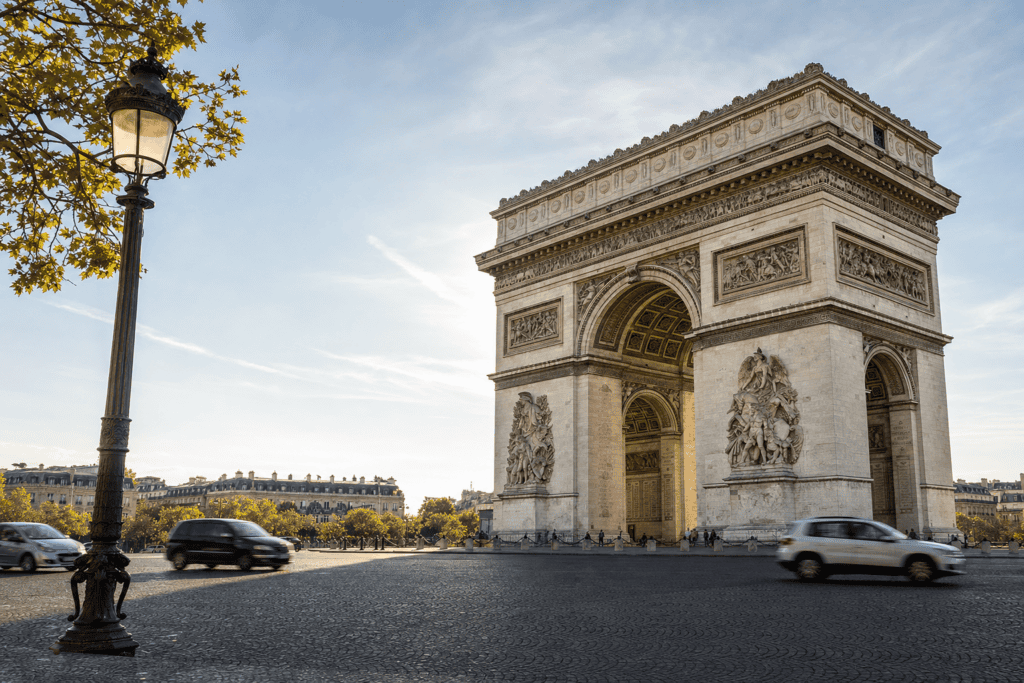 Arc de Triomphe A major historic monument offering spectacular views over the Champs-Élysées, Paris and its grand avenues.
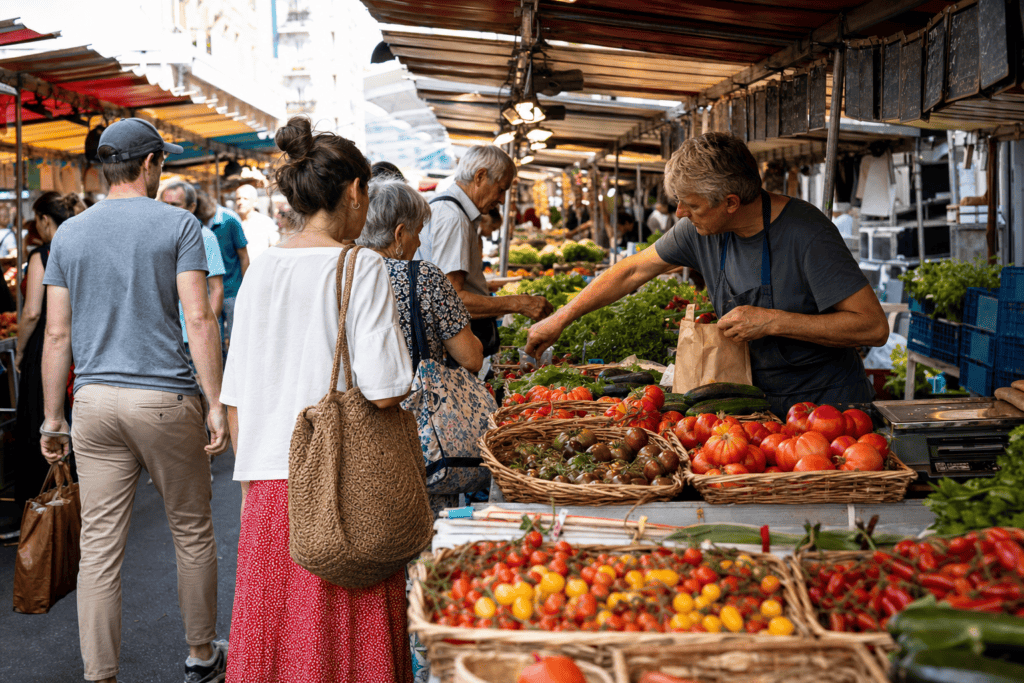 Aligre Market A lively address in the 12th arrondissement where a food hall, outdoor stalls, and a flea market come together to create a truly…
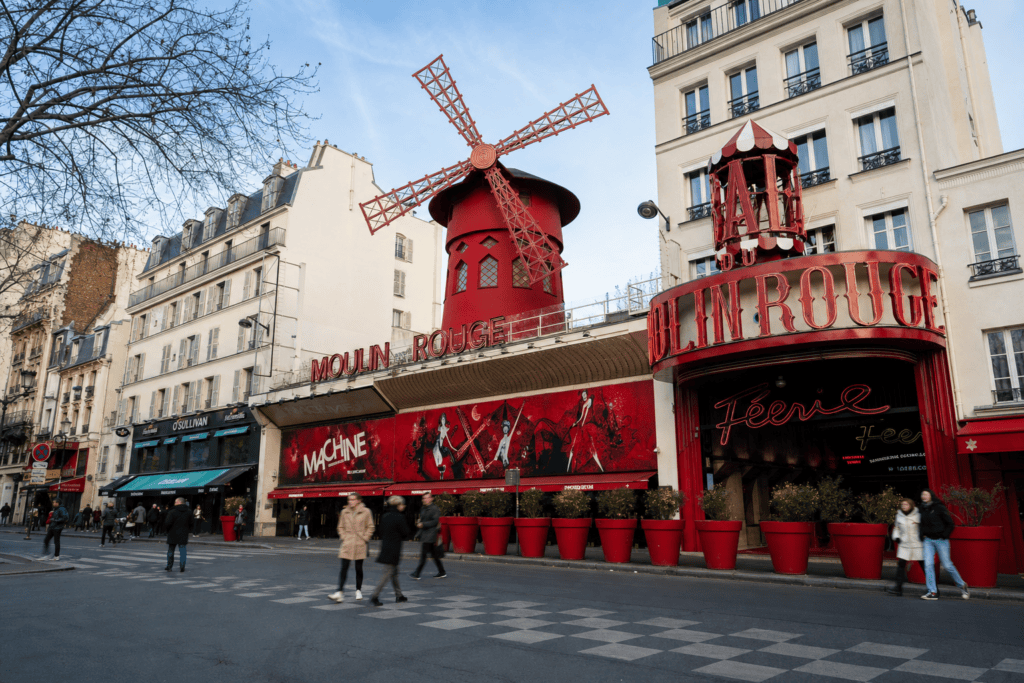 Moulin Rouge A historic Montmartre cabaret, famous for its Féerie revue, spectacular costumes, and the legacy of…
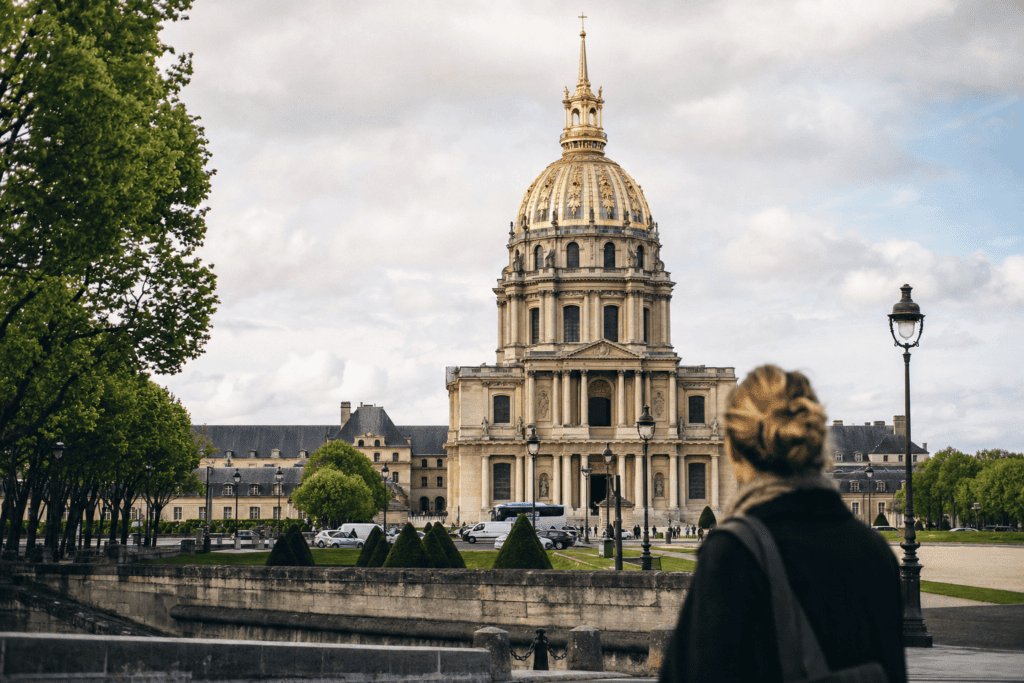 Hôtel des Invalides A monumental Parisian complex where royal architecture, military history, museums and Napoleon’s tomb come together…
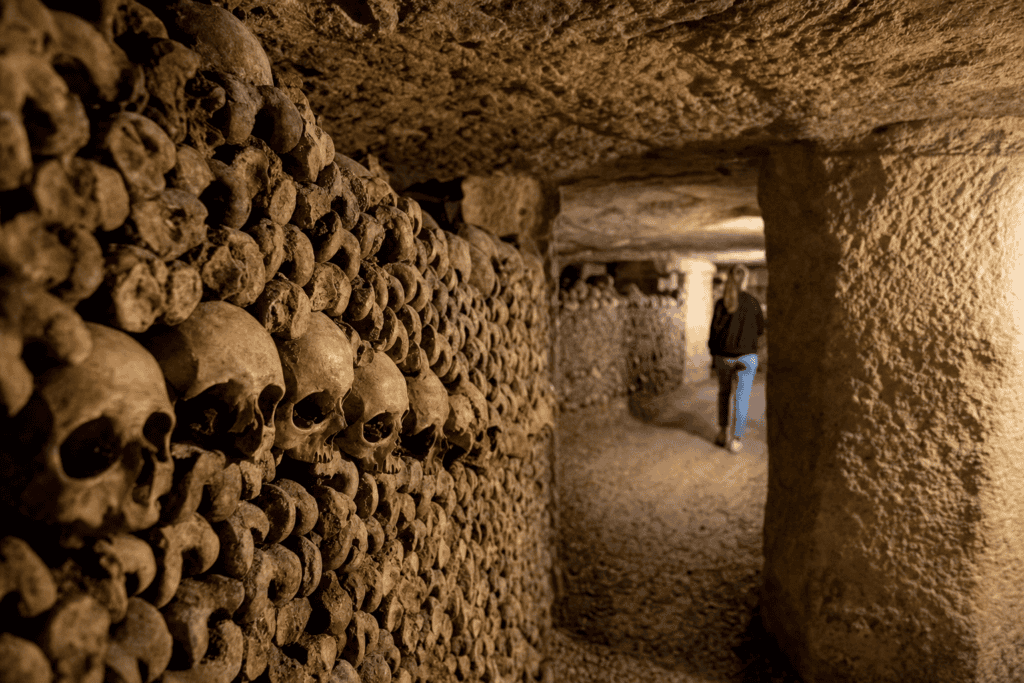 Paris Catacombs A 1,500-meter underground route through the former quarries and municipal ossuary of Paris,…
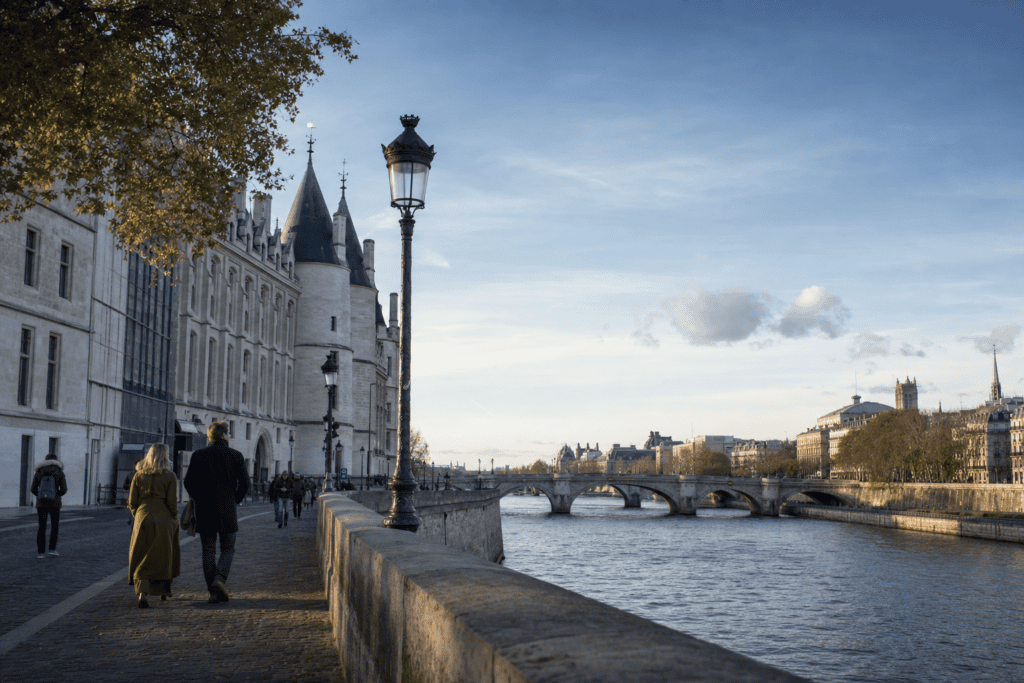 Photo Walk Along the Seine A photographic itinerary along the Seine, between Notre-Dame, the Louvre, historic bridges, and…
Online booking · Paris → 3 Boulevard Edgar-Quinet, 75014 Paris, France
Choose your pickup date and time
Your departure and arrival details are already pre-filled. You can adjust them in the fare calculator before viewing the vehicles and fare.