



Musée Picasso Paris: Visit the Hôtel Salé and Its Collections
Paris
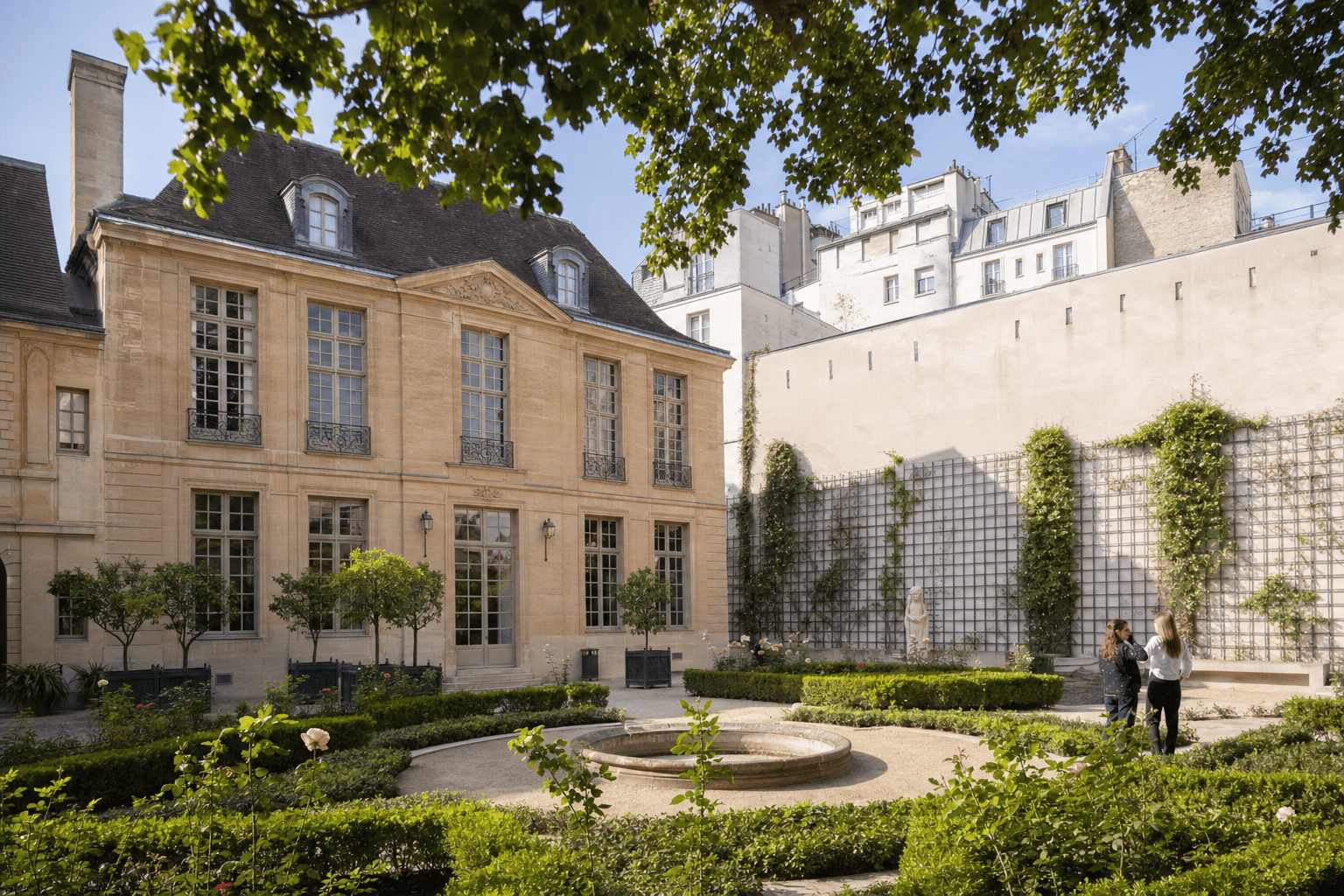
Housed in the Hôtel Salé in the heart of the Marais, the Musée Picasso Paris brings together an exceptional public collection devoted to Pablo Picasso. A visit combines the artist’s work with the discovery of a grand 17th-century mansion, including its monumental spaces, staircase, and historic interiors. It is an especially appealing destination for modern art enthusiasts, as well as travelers looking to combine heritage, architecture, and a Parisian stroll. Before setting out, check the official information on opening hours, reservations, accessibility, services, and the current program.
Practical information
Combine your visit with the Place des Vosges, the Musée Carnavalet, Rue de Bretagne, or a stroll past the Marais’s historic mansions. Do not bring suitcases to the museum without first checking the current rules.
Getting to the Musée Picasso from Paris
Booking Paris Transfer can arrange a private ride from your hotel in Paris, Paris-Charles-de-Gaulle, Paris-Orly, or an address in the Île-de-France region to the Musée Picasso Paris, with a return to Paris if needed. Transportation is separate from the museum reservation and admission ticket.
Transportation service departing from Paris, the Île-de-France region, CDG, or ORY. No admission ticket, discounted fare, or local museum service is included.
An Exceptional Public Collection Devoted to Picasso
The Musée Picasso Paris holds a special place among museums devoted to the artist. It is not limited to a handful of famous paintings: its collections trace Picasso’s work across several periods, techniques, and media. Paintings, sculptures, drawings, prints, ceramics, photographs, and documents offer a broader view of his practice and working environment.
The public collection was formed in part through the dation system, which allowed the French state to receive artworks in payment of inheritance taxes. The museum therefore preserves works from Picasso’s immediate surroundings and studios, often referred to as the “Picassos of Picasso.” This distinctive feature gives the visit historical depth: you see not only finished works, but also studies, variations, and objects that shed light on the creative process.
For a first visit, do not limit yourself to the best-known works. The notebooks, sculptures, ceramics, and documents often provide a better understanding of the freedom with which Picasso transformed forms and materials.
The Hôtel Salé: A Marais Landmark Worth Discovering
The Hôtel Salé is reason enough to visit the museum. Built between 1656 and 1659 for Pierre Aubert de Fontenay, a tax farmer responsible for the salt tax, it takes its name from the fiscal function of its first owner. The building belongs to the history of the Marais’s private mansions, in a neighborhood where grand residences were built during the 17th and 18th centuries.
Its dimensions, proportions, and decorative details create an experience very different from that of a museum housed in a contemporary building. The main residence, enfilade of rooms, ceilings, and monumental staircase form an architectural journey that complements the collections rather than serving as mere decoration. The Hôtel Salé’s impressive spaces offer particularly interesting views of the sculptures and large-scale works.
Take time to observe the transitions between rooms and the building’s details. The contrast between classical architecture and Picasso’s artistic explorations is an integral part of the visit, especially for travelers who want to understand the relationship between a collection and its exhibition space.
Create an Itinerary That Suits Your Interests
A successful visit does not necessarily mean viewing every work at the same pace. You can approach the route as a journey through Picasso’s career, comparing periods, techniques, and ways of depicting the human figure. Cubist experiments, more classical paintings, assemblages, sculptures, and ceramics reveal the diversity of an artist who constantly challenged his own methods.
Visitors who know little about Picasso can begin with the collection galleries, then spend more time with a few works that particularly speak to them. Art enthusiasts will appreciate the connections between media: an idea that first appears in a drawing may continue in a sculpture, ceramic, or painting. Studio-related documents also provide useful context for understanding the works.
Allow approximately 1½ to 2 hours for a comfortable visit, adjusting the duration according to the temporary exhibition and your interests. The displays and program change, so check the museum’s official website for what will be on view on your chosen date.
Access from Airports, Train Stations, and Paris
The museum is located at 5 Rue de Thorigny in the 3rd arrondissement. The metro stations generally listed for reaching the area are Saint-Paul, served by Line 1, and Chemin Vert and Saint-Sébastien–Froissart, served by Line 8. The exact walking distance depends on the station and the day’s route. Check the museum’s official website and RATP information before setting out, especially in case of construction work.
From Paris-Charles-de-Gaulle, the public-transit route involves a transfer and a final walk through the Marais. From Paris-Orly, you should also allow for a transfer and variable travel time depending on crowds. Paris’s main train stations are connected to the metro network; the most suitable route depends on your arrival station, luggage, and the condition of the network. Do not allow too little time for your connection.
A private transfer from CDG, Orly, or a hotel in the Île-de-France region can avoid transfers when traveling with luggage. Drop-off is provided in accordance with traffic regulations and does not include an admission ticket or museum reservation.
Extend Your Day in the Marais
The museum fits easily into a day devoted to the Marais. After viewing the collections, head to Rue Vieille-du-Temple, Rue de Bretagne, or Rue des Rosiers to experience the neighborhood’s different atmospheres. Historic mansion façades, boutiques, galleries, and passageways make for an engaging walk combining heritage and everyday Parisian life. The area is compact but busy: wear comfortable shoes and take time to walk rather than making multiple short trips.
The Place des Vosges is a lovely continuation, particularly for taking in the square’s uniform layout and arcades. The Musée Carnavalet suits travelers who want to explore Parisian history further, subject to its opening hours and program. The Marché des Enfants Rouges offers another opportunity for a break, while the Centre Pompidou can extend the day with modern and contemporary art, subject to its opening conditions.
To avoid an overly busy schedule, choose just one additional cultural stop. The Marais is also discovered through its details: a carved doorway, courtyard, street view, or garden may be reason enough for an impromptu pause between visits.
Cloakroom, Accessibility, Garden, and Services
Check the cloakroom rules before your visit. Conditions for bags, bulky items, bottles, umbrellas, and luggage may depend on security requirements and can change. Do not assume that suitcases are accepted. If you are arriving directly from an airport or train station, plan for luggage storage outside the museum.
For accessibility information, consult the official details and contact the institution if you need clarification about the entrance, routes, elevators, restrooms, or assistance. A historic building may present particular constraints, and conditions may differ depending on the areas, exhibitions, or ongoing work.
Do not assume that the garden or any dining areas are open at all times. Access, hours, and availability may vary by season or program. In particular, confirm directly with the museum whether the rooftop café is operating before including it in your itinerary. Also check collection hours, last admission, exceptional closures, and reservation procedures.
When to Visit and Who Is It For?
The Musée Picasso Paris works equally well for a first encounter with the artist or a more in-depth visit. Modern art enthusiasts will find an extensive collection, while architecture lovers will appreciate the Hôtel Salé and its history. Families can select a few works and consult the official calendar to find activities or workshops for young visitors during their stay.
School holidays, weekends, and temporary exhibitions can bring larger crowds. A morning arrival may be comfortable, but the best choice depends on the time slots actually offered. Do not plan around free admission or a discounted rate without checking the official conditions that apply to your profile and visit date.
Allow extra time if you need to continue to a train station or airport afterward. Transportation to the museum is separate from admission: a driver can arrange the journey from Paris, CDG, or Orly, but does not replace a reservation, ticket, or access checks. This distinction is especially important when departing the same day.
Frequently Asked Questions
Where is the Musée Picasso Paris located?
How much time should I allow for the visit?
Which metro stations serve the museum?
Can you bring a suitcase?
Are the garden and café always accessible?
 Conciergerie An iconic monument on the Île de la Cité, combining medieval architecture, the French Revolution, and memories of…
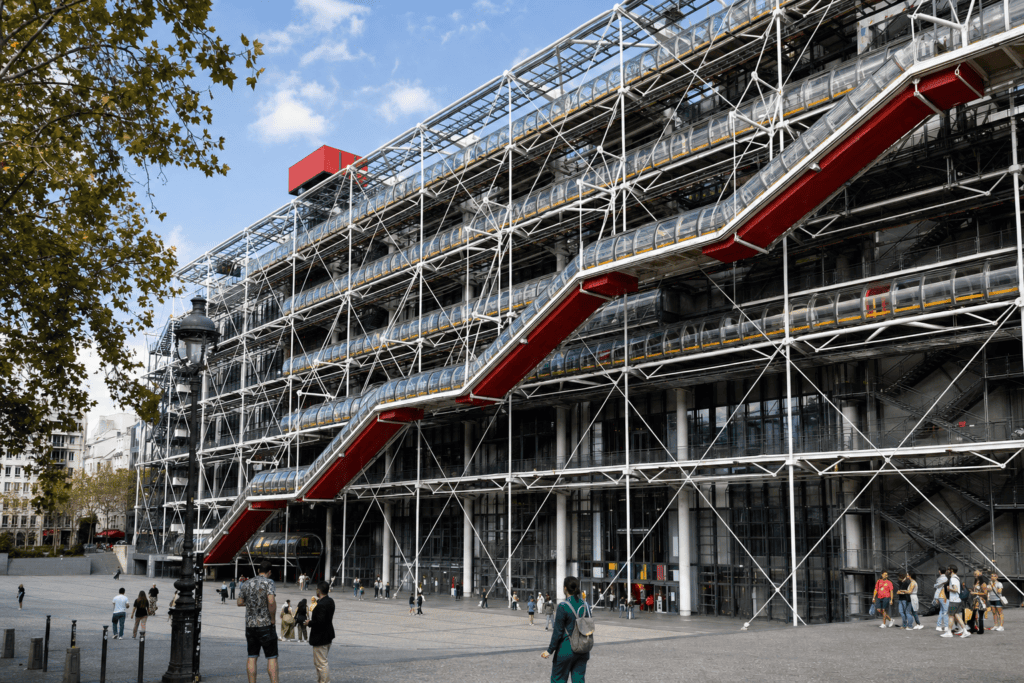 Centre Pompidou The Centre Pompidou is closed for renovations until 2030, but its history, architecture and…
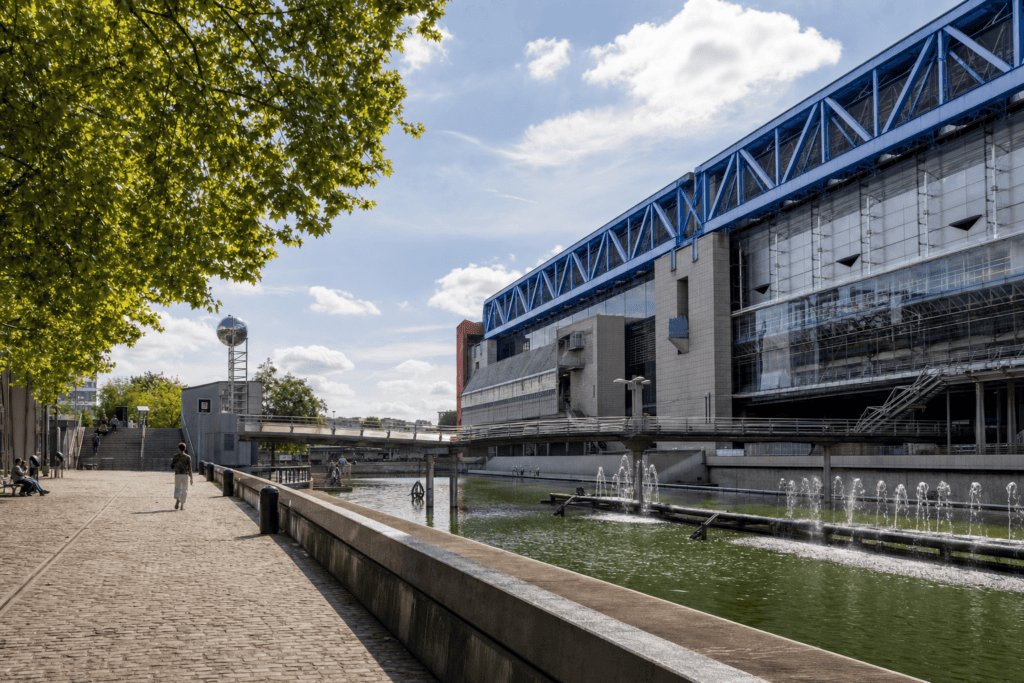 Cité des Sciences et de l’Industrie An interactive museum in Parc de la Villette where families can explore science through exhibitions,…
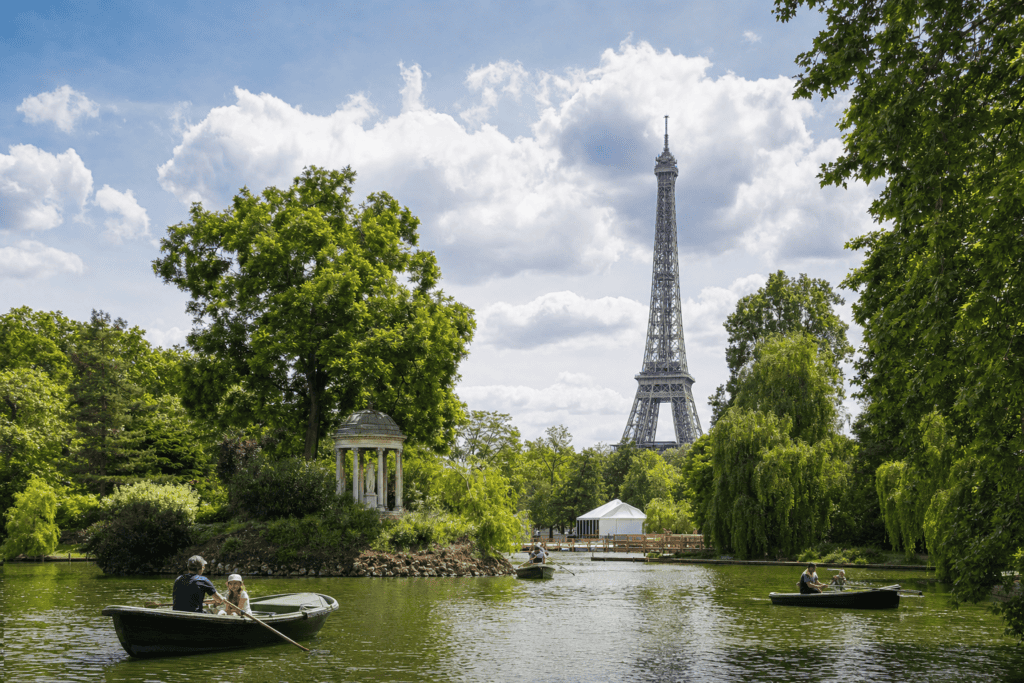 Jardin d’Acclimatation A historic Paris park with rides, animals, gardens, and a walk suitable for a flexible family outing…
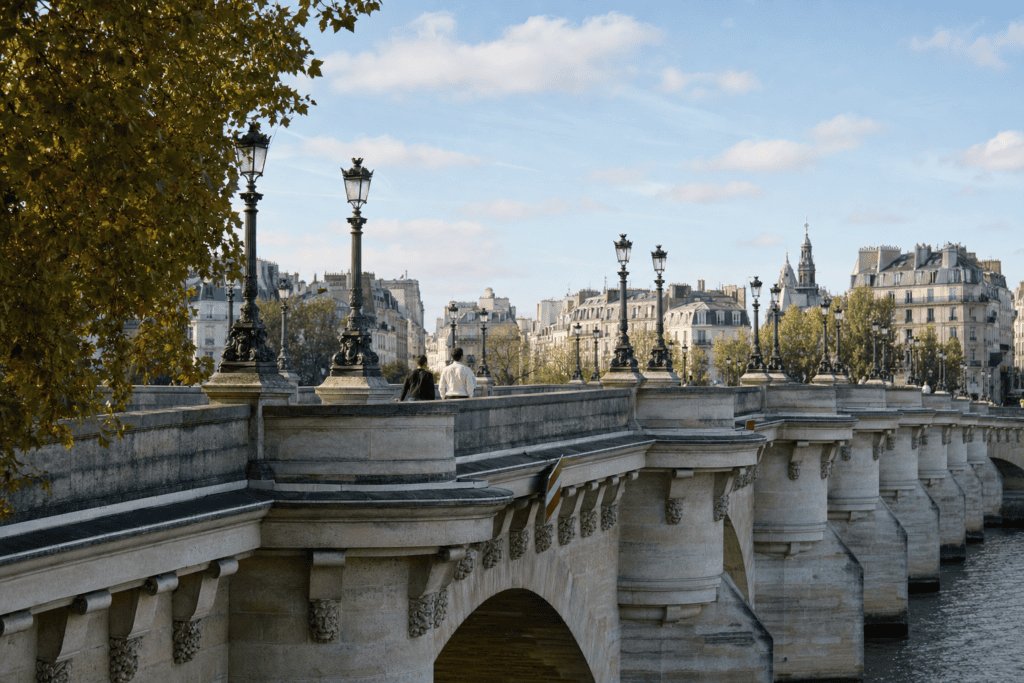 Pont Neuf Pont Neuf connects the two banks of the Seine around Île de la Cité…
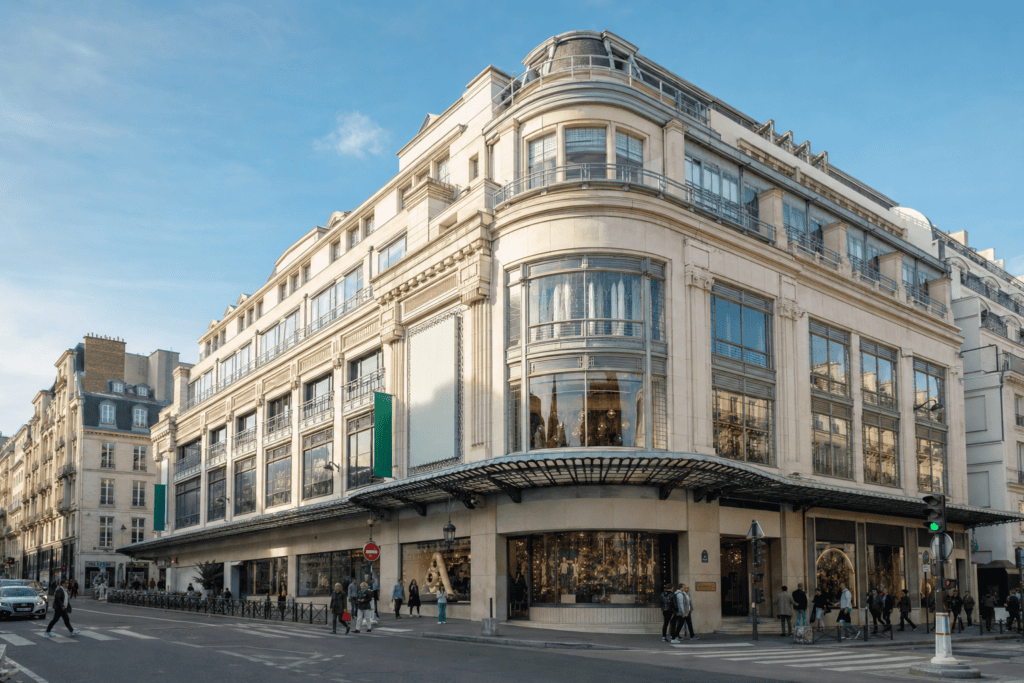 Le Bon Marché Rive Gauche A historic Left Bank department store combining fashion, design, gastronomy and the art of living…
Online booking · Paris → 5 Rue de Thorigny, 75003 Paris, France
Choose your pickup date and time
Your departure and arrival details are already pre-filled. You can adjust them in the fare calculator before viewing the vehicles and fare.