



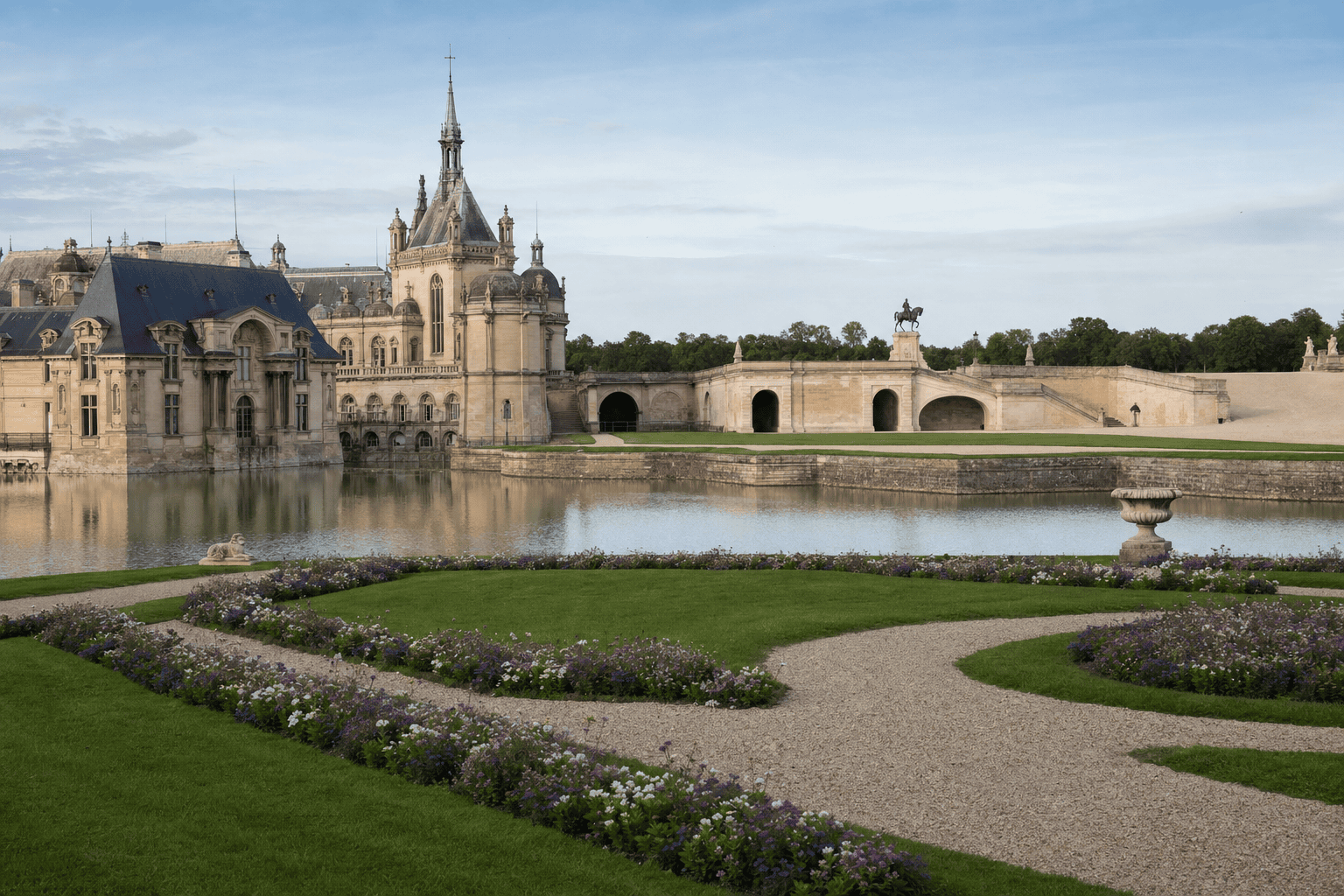
Domaine de Chantilly: Château and Gardens Guide
Paris
About 40 kilometers north of Paris, the Domaine de Chantilly brings together a princely château, the Condé Museum, the Great Stables, a horse museum, and several historic gardens. Located in the town of Chantilly in the Oise department, it makes a particularly rich cultural excursion from Paris, and can also be considered as a stop between Paris-Charles de Gaulle Airport and the capital with careful planning. The history of the Montmorency family, the Princes of Condé, and the Duke of Aumale unfolds here through the architecture, collections, equestrian heritage, and landscapes. A full day is recommended to enjoy the estate without rushing.
Practical information
Before setting out, check the opening hours, tickets, any timed-entry requirements, shows, restaurants, shuttles, and accessibility conditions: these details may vary by date.
Private transfer between Paris and Chantilly
Booking Paris Transfer can arrange a private ride from Paris, a Paris hotel, CDG, or ORY, with a return to Paris after your visit. This can be convenient for a group, a family with luggage, or an excursion included in an itinerary beginning in Paris. The service covers transportation only: it does not include admission tickets, restaurant reservations, or a guided tour. For a layover at CDG, the available time and airport procedures must be assessed separately before making any request.
Possible departure from Paris, a Paris hotel, CDG, or ORY; return to Paris or an itinerary beginning in Paris. Transportation only, excluding admission tickets.
Why visit the Domaine de Chantilly from Paris?
The Domaine de Chantilly is one of the most comprehensive excursions to plan from Paris. A visit brings together several experiences in one estate: a princely château, a collection of Old Master paintings, monumental stables, a museum devoted to horses, and gardens in different styles. This variety sets it apart from a simple stroll around a monument. It makes it possible to plan a day suited to enthusiasts of history, art, architecture, photography, or equestrian heritage.
The estate is located in the town of Chantilly, in the Oise department, near the Chantilly Forest and not far from Senlis. It is a good choice for travelers who have already visited Versailles and are looking for another side of France’s aristocratic heritage. Families can alternate between indoor spaces and walks, while art enthusiasts can take time to explore the Condé Museum. The destination is also of interest to visitors arriving via Paris-Charles de Gaulle, provided they allow for luggage, security checks, and the time needed to reach their Paris accommodation afterward.
A Princely History and the Role of the Duke of Aumale
L’histoire de Chantilly s’étend sur plusieurs siècles. Les Montmorency ont contribué à l’importance du site avant que le domaine ne devienne une résidence majeure des princes de Condé, branche de la maison de Bourbon. Les transformations successives ont produit un ensemble architectural complexe, où le Petit Château de la Renaissance côtoie le Grand Château reconstruit au XIXth century after the destruction and upheaval of the revolutionary period.
Henri d’Orléans, Duke of Aumale, is the central figure behind its present configuration. The son of Louis-Philippe, he was a particularly active collector, bibliophile, and historian. He had the estate restored and brought together artworks, manuscripts, books, and objects connected with his family history. His will stipulated that the collections remain on display in Chantilly, which explains the museum’s distinctive atmosphere. The rooms do not always follow the logic of a contemporary museum: they largely preserve the arrangement chosen by the prince. This historical presentation is precisely one of the site’s attractions, but it deserves an attentive visit to be fully appreciated.
The Condé Museum: A Collection to Explore Slowly
The Condé Museum is the artistic heart of the Domaine de Chantilly. It houses a remarkable collection of Old Master paintings, including works associated with the Italian Renaissance, the French school, and Flemish painting. The museum is often described as one of France’s most important collections of Old Masters after the Louvre; this wording should be understood as a qualitative and institutional comparison, since rankings vary depending on the periods, artists, and criteria considered. The official website remains the best source for information about the works and exhibitions on display at the time of your visit.
The museum’s appeal lies not only in its famous paintings. Take time to observe their placement in the galleries, along with the woodwork, libraries, décor, and the way the Duke of Aumale envisioned his collection. Literature enthusiasts may also want to explore the book room, whose access or presentation may be subject to specific conditions. A guided tour, official route, or advance preparation can help identify the artists and understand the provenance of the works. Allow plenty of time: rushing through the rooms before heading to the gardens would mean missing much of the museum’s distinctive character.
The Great Stables and Equestrian Heritage
The Great Stables give Chantilly a highly distinctive heritage identity. Built in the 18thth century for the horses of the Prince of Condé, they reflect the importance of hunting, riding, and ceremony in aristocratic life. Their scale and architecture explain why they are often described as a palace devoted to the horse. The building is therefore not merely a functional dependency of the château: it is a monument in its own right.
The Living Horse Museum complements this discovery with a historical and cultural perspective. It explores the relationship between people and horses through objects, artworks, and exhibits designed for different audiences. Equestrian demonstrations and shows may be offered depending on the program; their dates, times, access conditions, and availability should be checked on official sources before booking. This part of the estate is especially suitable for families, riders, and visitors curious to understand Chantilly’s importance in equestrian culture. Allow time to walk between the Great Stables, château, and park, as the grounds are more extensive than a typical indoor visit.
Gardens, Park, and the Chantilly Hamlet
The gardens extend the architectural discovery through a succession of landscaped settings. The formal French parterre, associated with André Le Nôtre, offers the most immediately recognizable views of the water features, statues, and château façades. The estate also includes areas with different characters, notably an English garden and an Anglo-Chinese garden. This variety lets visitors move from a highly ordered design to more relaxed walks, with paths, groves, and changing viewpoints.
The Hamlet is one of the most picturesque areas. Its rustic cottages recall the 18thth century taste for country villages and give the walk an atmosphere distinct from the formal parterres. The Hamlet restaurant is associated with Chantilly cream prepared on site, but its opening arrangements should be checked before traveling. Comfortable shoes are useful, as distances, paths, and surfaces can vary. Spring brings blooms and soft light; fall offers appealing colors in the vistas and wooded surroundings. Photographers will benefit from allowing plenty of time rather than limiting the park to a passage between two buildings.
Getting There from Paris, the Train Station, and a Layover at CDG
By public transportation, the usual route runs from Paris Gare du Nord to Chantilly-Gouvieux station. Some direct trains connect the two stations in about 25 minutes, but the journey time, service, and schedule depend on the train selected: check the information on the day of departure with SNCF Connect. From the station, the château is not right on the platform. The walk is generally described as taking around 20 minutes, but it may be less comfortable with luggage, in bad weather, or for people with limited mobility. Buses or shuttles may be available depending on the season; confirm their operation before your visit.
By car from Paris, the route generally uses the A3 and A1, followed by local directions to the estate. An excursion from Paris-Charles de Gaulle is possible, but it should not be treated as a quick, improvised stop. Allow time for disembarking, collecting or storing luggage, security checks on your return, traffic, the drive to Chantilly, and admission times. If you have a subsequent flight, allow a substantial buffer and check the airport and airline rules. A private transfer from CDG can simplify connections for a group with luggage, but it covers transportation only and does not replace the security time required at the airport.
Planning an Enjoyable, Realistic Day
For a first visit, start with the château and Condé Museum while your attention is at its best. Continue to the Great Stables and the Living Horse Museum, then spend the afternoon in the gardens, park, and Hamlet. This sequence is only a guide: visiting hours, shows, and transport conditions may require you to change the order. Check the official program before setting an arrival time, especially if you want to attend an equestrian presentation or have lunch on site.
The estate includes La Capitainerie and the Hamlet restaurant, among other dining options, but opening days, hours, and access arrangements may change. Advance booking or verification is therefore recommended. Tickets, timed entries, rules regarding animals, and accessibility provisions should also be reviewed before departure. Some outdoor surfaces and historic buildings may make getting around more difficult, even though solutions are available for part of the visit. For an outing from Paris, a full day is more comfortable than a half-day: it leaves time for breaks, photographs, and transport delays without reducing Chantilly to a series of hurried stops.
Frequently Asked Questions
How do you get to the Domaine de Chantilly from Paris?
Is the Domaine de Chantilly within walking distance of the station?
Can you visit Chantilly during a layover at CDG?
What should you see at the Domaine de Chantilly?
Can I eat on-site?
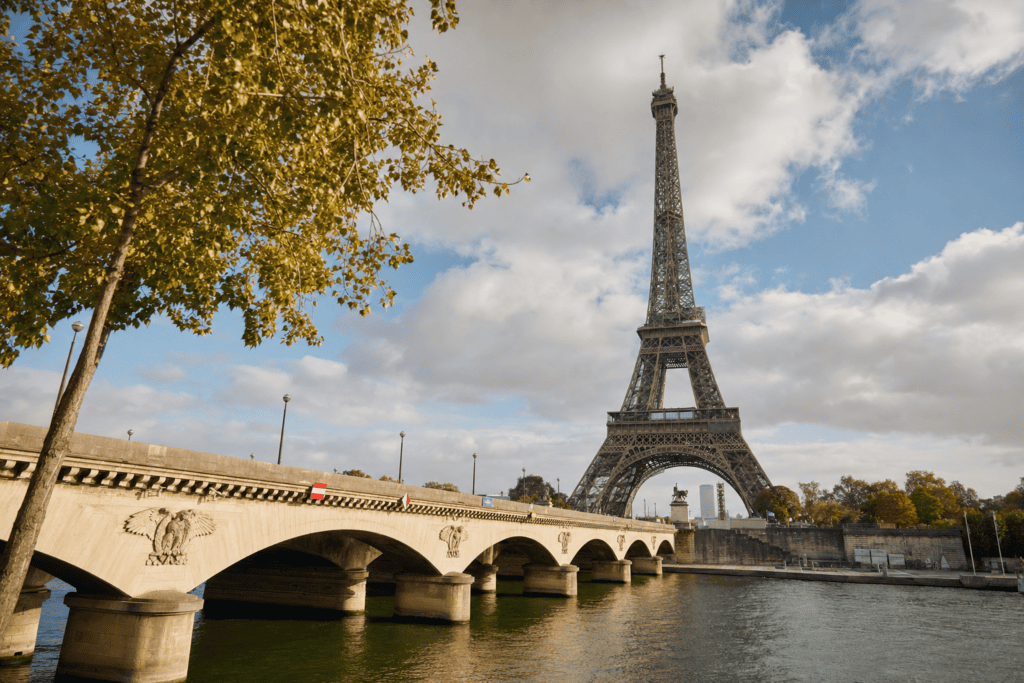 Eiffel Tower Visit the Eiffel Tower with a practical guide to the ascent, panoramic views, access, and the best…
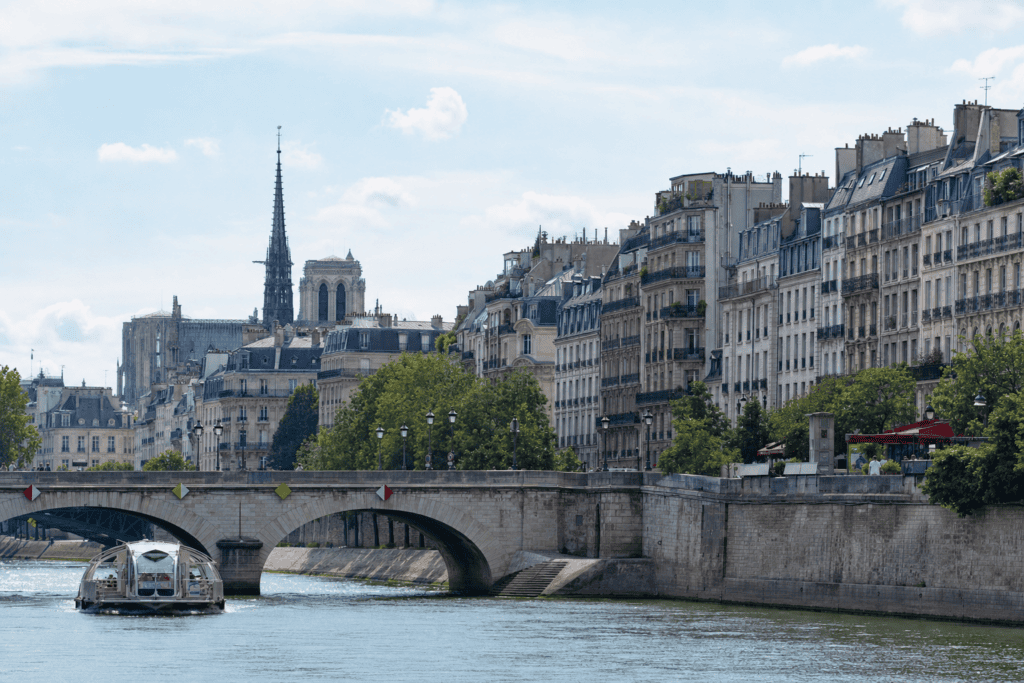 What to Do in Paris in 3 Days A practical itinerary for discovering Paris in three days, including must-see monuments, neighborhoods to…
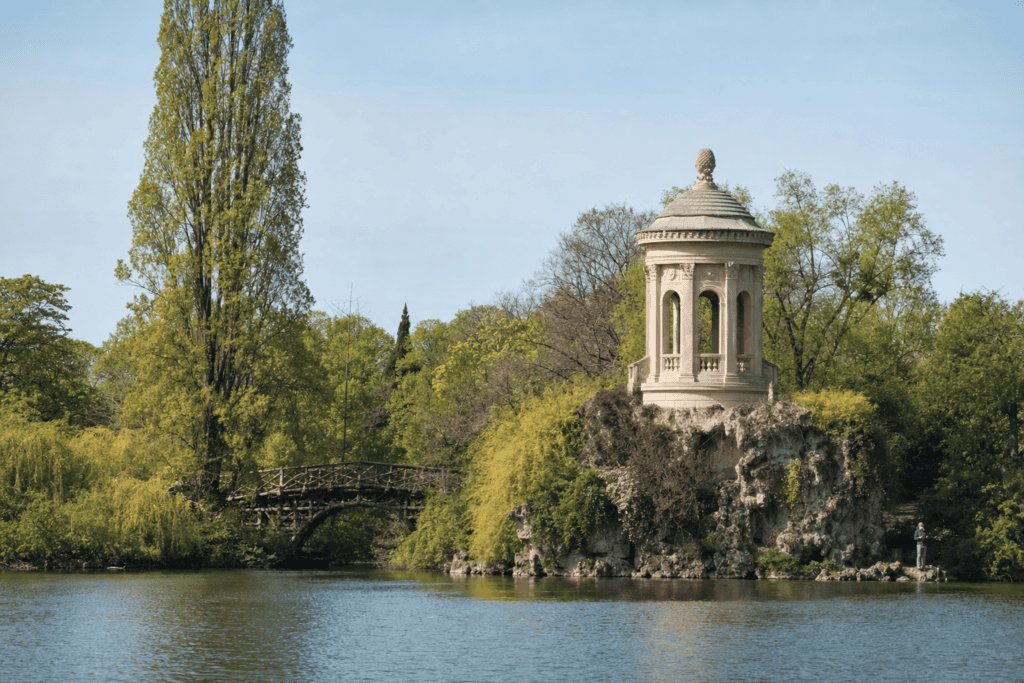 Bois de Vincennes Lakes, forest, cycling paths, and botanical gardens: an easy nature escape from Paris.
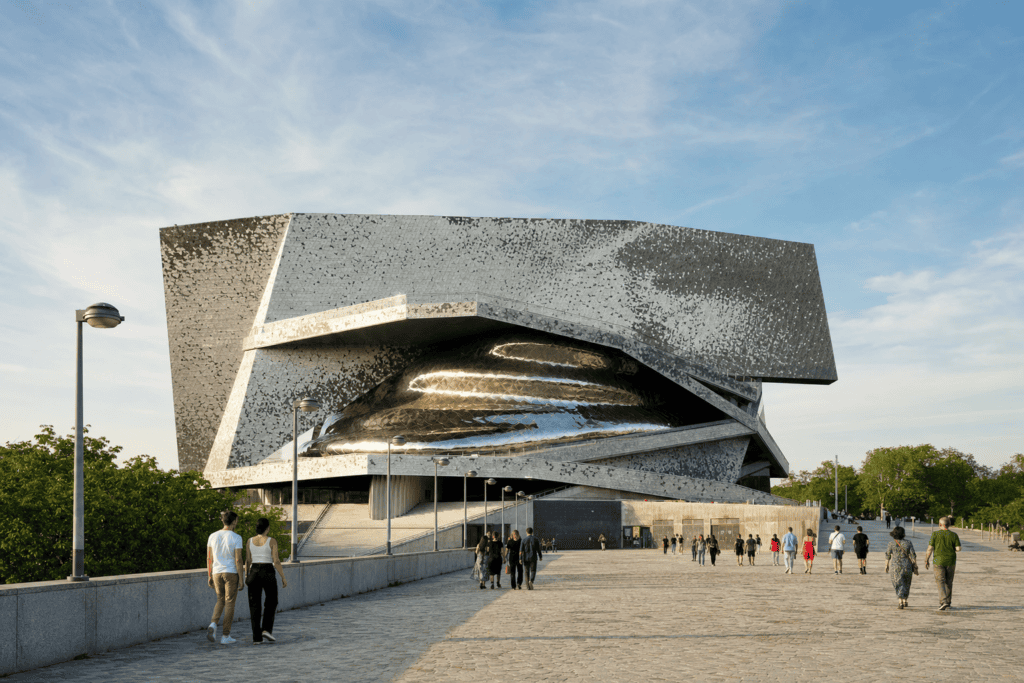 Philharmonie de Paris A major Paris cultural venue where you can hear orchestras, discover Jean Nouvel’s architecture and explore…
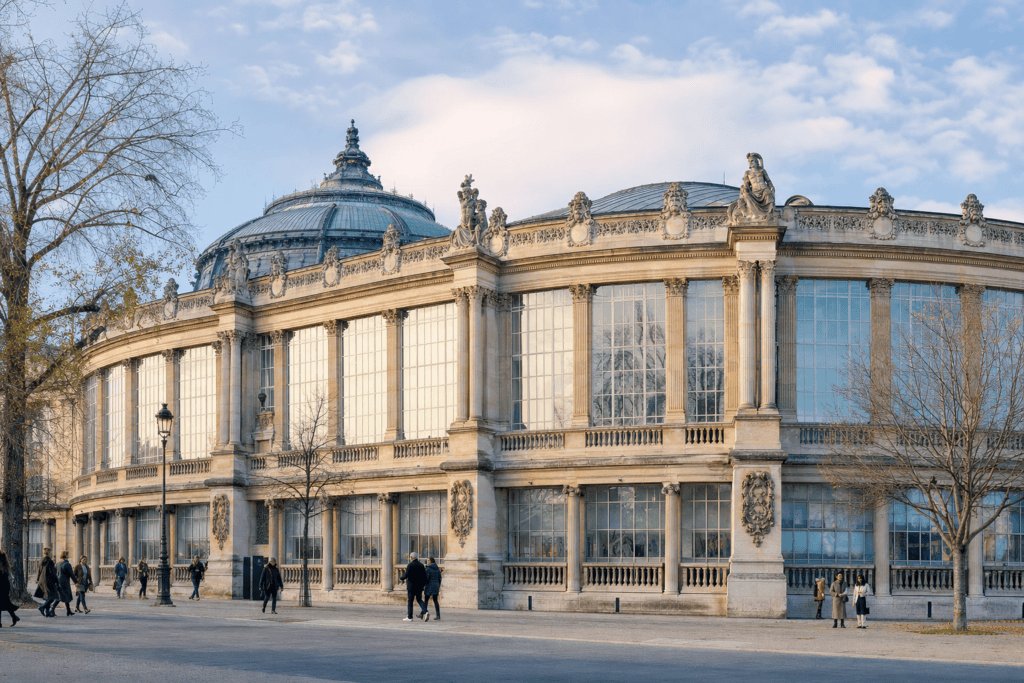 Le Palais des Glaces A Paris venue known for comedy, stand-up, theater, and comedies, near République.
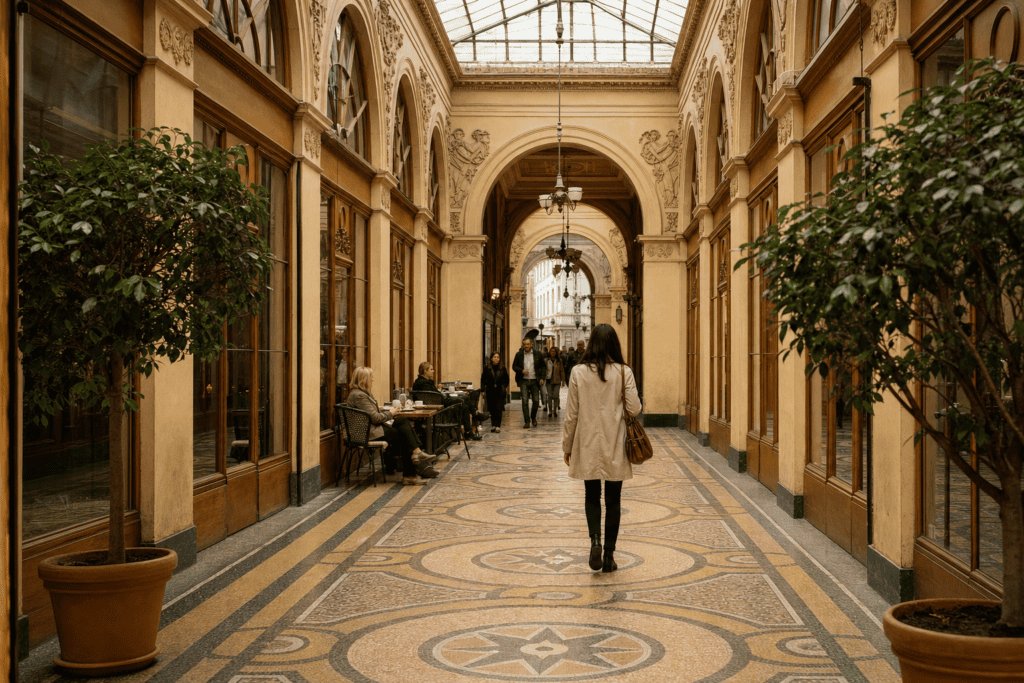 Galerie Vivienne A historic Parisian covered passage where mosaics, a glass roof, an old bookshop, and refined boutiques create an elegant stroll…
Online booking · Paris → Château de Chantilly, 60500 Chantilly, France
Choose your pickup date and time
Your departure and arrival details are already pre-filled. You can adjust them in the fare calculator before viewing the vehicles and fare.