



Bois de Vincennes: Nature Guide East of Paris
Paris
East of Paris, Bois de Vincennes offers a true forest escape without leaving the capital. With its broad paths, lakes, meadows, and botanical gardens, it works equally well for a family stroll, a bike ride, or a break by the water. Lac Daumesnil, Parc Floral, the Arboretum, and Château de Vincennes make it possible to create very different itineraries. Since the park is so expansive, the best way to explore it is to choose an area and a goal before setting out rather than trying to cover everything in one visit.
Practical information
Choose your arrival point carefully, bring water, and check the hours for facilities such as Parc Floral and boat rentals.
Getting to Bois de Vincennes from Paris
From a Paris hotel, train station, or the CDG and ORY airports, your driver can drop you off at the most suitable access point: Lac Daumesnil, Parc Floral, Château de Vincennes, or Route de la Pyramide. You can then explore at your own pace, with the option of returning to Paris.
Private transportation service departing from Paris, Île-de-France, CDG, or ORY, with the option of returning to Paris. Admission tickets are not included.
A vast green space in eastern Paris
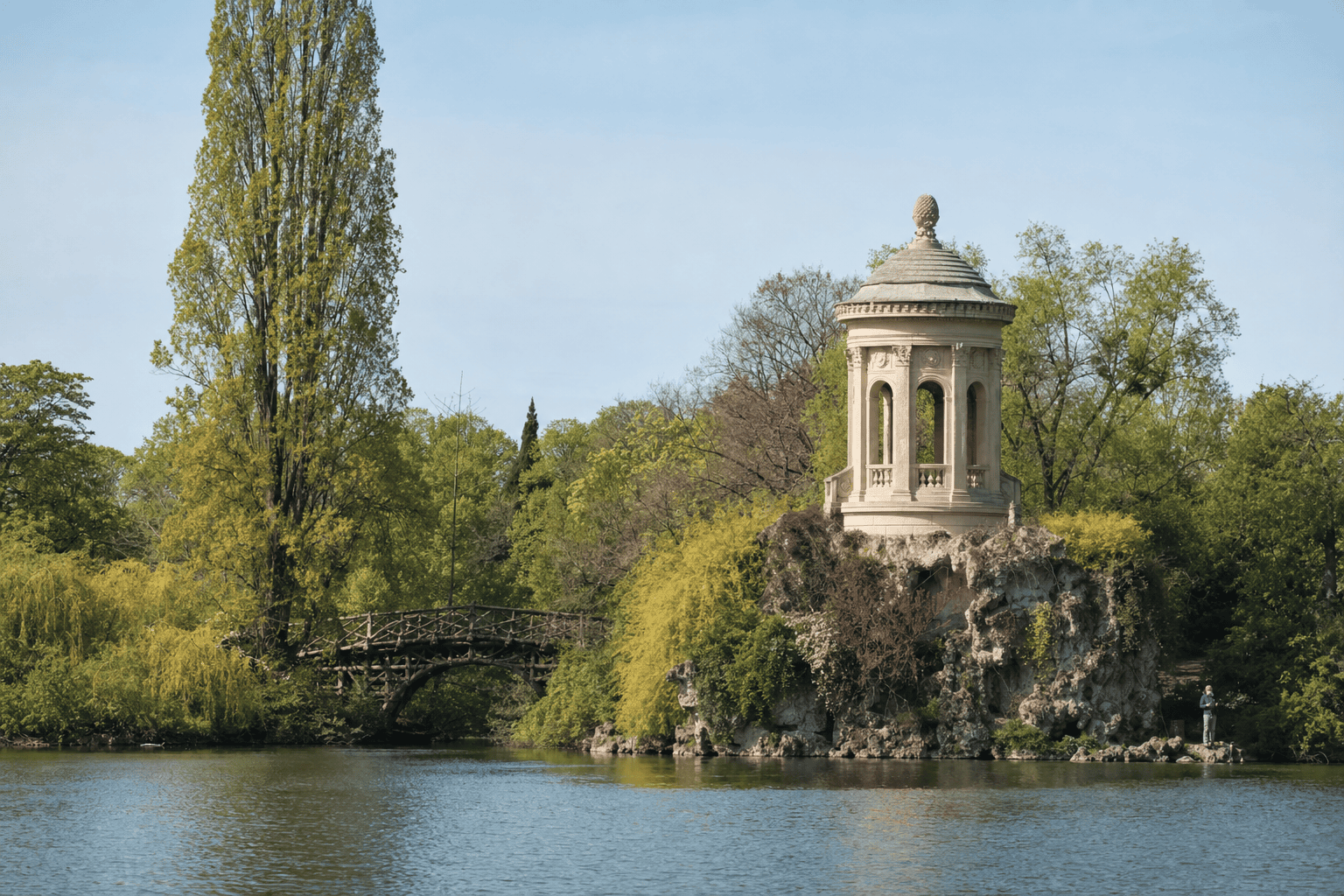
Bois de Vincennes is a vast area of woodland, meadows, lakes, and gardens in Paris’s 12th arrondissement, bordering Vincennes and Saint-Mandé. Its size and varied landscapes feel more like exploring a territory than crossing an urban park. The broad paths make it easy to navigate the busiest areas, while quieter trails lead to wooded sections and clearings. Lac Daumesnil is ideal for a first, easy introduction, with landscaped shores and islands. Visitors seeking more peace and quiet can head toward Lac des Minimes, Lac de Gravelle, or the paths near Route de la Pyramide. This variety explains why the park appeals equally to families, walkers, athletes, and photography enthusiasts. For an enjoyable outing, choose one main area and leave time to wander rather than trying to see everything.
Lac Daumesnil and walks by the water
Lac Daumesnil is the most iconic area of Bois de Vincennes. Its walking route follows the water, crosses footbridges to Île de Reuilly and Île de Bercy, and offers opportunities to pause along the shore or on the lawns when conditions allow. Boat rentals are traditionally associated with the lake, but availability depends on the season and operating conditions, so it is best to check official information before planning this activity. The other bodies of water offer different atmospheres. Lac des Minimes feels more wooded and less directly urban, while Lac de Gravelle and Lac de Saint-Mandé fit into longer itineraries. For an outing with young children, Lac Daumesnil is generally the easiest choice thanks to its clear access points and variety of places to stop.
Cycling or walking along the park’s paths
Bois de Vincennes is well suited to exploring by bike, provided you adjust your speed to the crowds and share the paths responsibly. Forest roads and designated routes connect Lac Daumesnil, Route de la Pyramide, Parc Floral, and the area around the château. Sport cyclists are also familiar with the Raymond-Poulidor circuit, often called Polygone, which has a long history of sporting use in the park. For a family ride, it is better to choose areas where you can stop easily rather than follow an overly ambitious route. Walkers have many options: a loop around the lake, a crossing between the château and Parc Floral, or a quieter route toward Lac des Minimes. From central Paris, cycling can also extend an outing that begins near Bastille by following the Coulée verte eastward.
Parc Floral, the Arboretum, and plant diversity
Bois de Vincennes includes several places where visitors can experience plant life beyond the forest paths. Parc Floral de Paris features horticultural collections, flower beds, lawns, and areas well suited to a family stroll. It is especially appealing in spring and summer, when blooms shape the routes, but access conditions and opening hours should be checked before visiting. The Paris Arboretum focuses on trees and species, with a more contemplative atmosphere. École Du Breuil and Jardin d’Agronomie Tropicale René-Dumont add their own distinctive settings and histories. Nature lovers can also observe the differences between meadows, woodlands, and wetlands as the seasons change. To make the most of the gardens, allow more time than you would for a simple walk around a lake and check any admission requirements specific to each site.
From royal estate to today’s landscape
The history of Bois de Vincennes is closely tied to Château de Vincennes and the former royal hunts. Long associated with the royal estate, the area gradually changed purpose and became a public space for walks and leisure. Nineteenth-century landscaping, particularly under Napoleon III and engineer Adolphe Alphand, organized part of the landscape around broad avenues, vistas, meadows, and bodies of water. This design still explains the alternation between wide-open areas and more wooded paths. The château is a useful starting point for understanding this evolution: its medieval walls and military history create an interesting contrast with the neighboring greenery. An outing can therefore combine heritage and nature, for example with a visit to the château, a walk toward Parc Floral, and a break beside a lake. The park thus reflects centuries of royal, military, horticultural, and recreational uses.
Itineraries based on the time available
With two hours, focus on Lac Daumesnil and its islands: the route is immediately enjoyable and does not require crossing the entire park. For a half-day, add Parc Floral or the area around Château de Vincennes, taking their respective hours into account. Families can plan a short walk, a break on the lawns, and an activity in a garden or near the lake without making too many transfers. Botany enthusiasts will benefit from setting aside time for Parc Floral and the Arboretum rather than attempting a large loop. Walkers seeking tranquility may prefer Lac des Minimes and Lac de Gravelle, farther from the most direct urban entrances. A bike ride can connect several areas, but leave extra time for passing other visitors, stops, and busy sections. Choosing an itinerary by area makes the visit more enjoyable and avoids unnecessary detours.
Access, transportation, and practical tips
Choose your access point according to your plans. Château de Vincennes station is convenient for reaching the château, esplanade, and Parc Floral. For Lac Daumesnil, the Porte Dorée, Porte de Charenton, and Avenue Daumesnil areas are generally more suitable. Other entrances serve Route de la Pyramide and the wooded areas, but distances between sections are considerable. By car, the entrances through the Paris gates and the park roads can be useful for a precise drop-off, although traffic and parking are less convenient on pleasant weekends or during events. Wear suitable shoes, bring water, and consider carrying a map or offline route if you move away from the main entrances. The park paths and facilities do not necessarily follow the same hours. From a Paris hotel, train station, or airport, Booking Paris Transfer can arrange private transportation to your chosen access point, with a return to Paris, excluding admission tickets.
Frequently Asked Questions
How much time should you allow to visit Bois de Vincennes?
Can you rent a boat at Lac Daumesnil?
Which access point should you choose for Lac Daumesnil?
Is Bois de Vincennes suitable for children?
Can you cycle in the park?
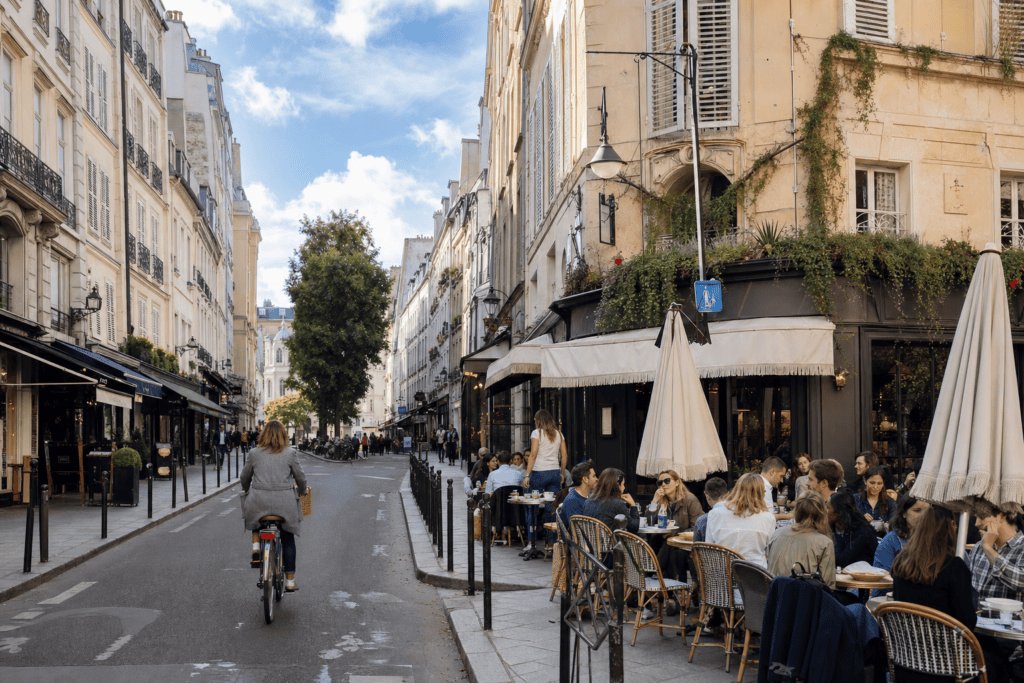 Saint-Germain-des-Prés A Parisian stroll through religious heritage, literary cafés, art galleries, and Left Bank boutiques.
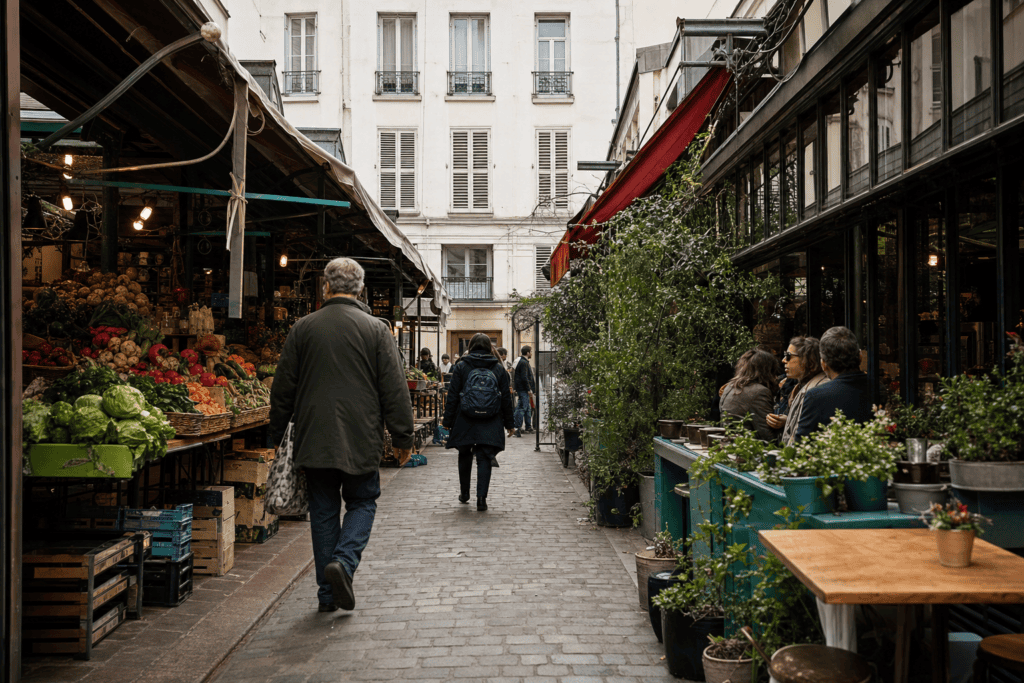 Marché des Enfants Rouges In the Haut Marais, this historic covered market brings together fresh produce and food counters from the…
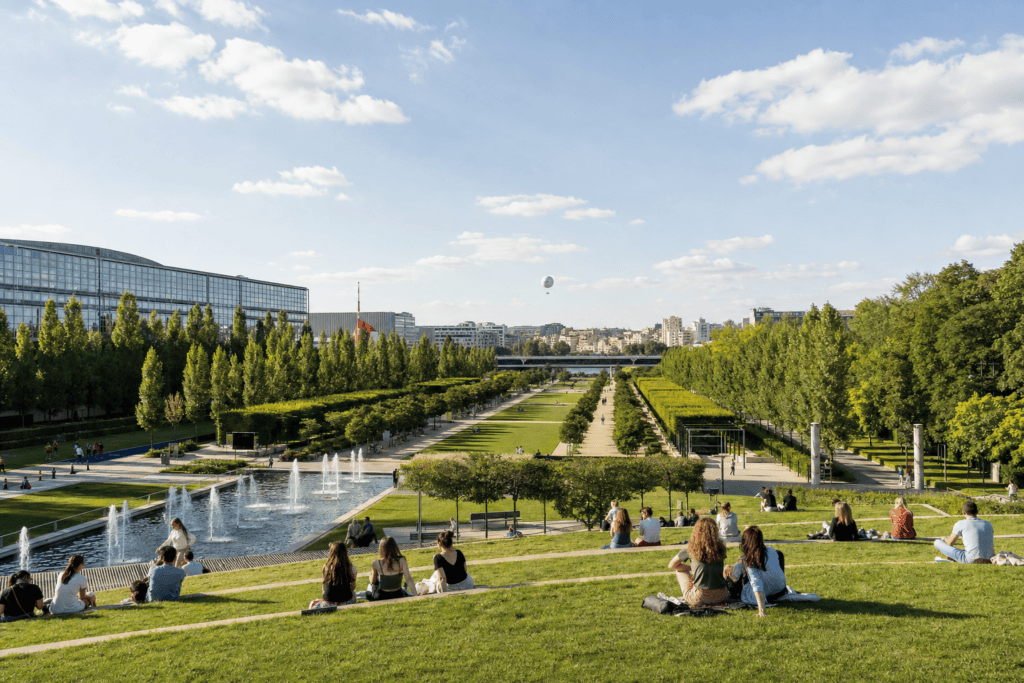 Parc André-Citroën A 14-hectare contemporary park with large greenhouses, themed gardens, a central lawn and waterfront paths…
 Petit Palais A free Paris museum renowned for its 1900 architecture, varied collections and interior garden.
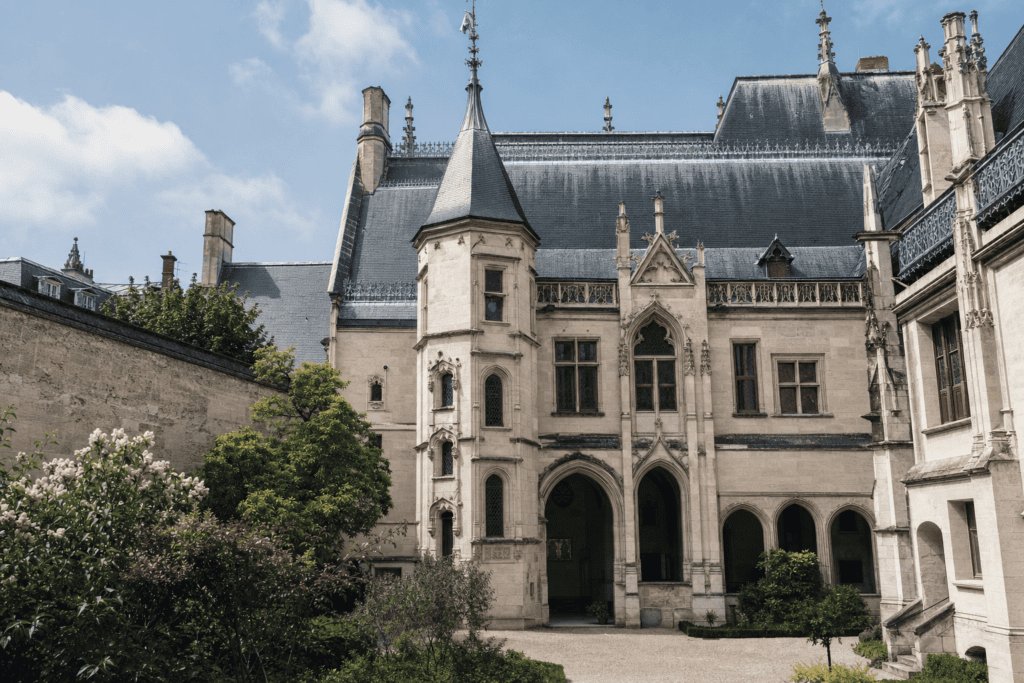 Cluny Museum A unique Paris museum where you can admire ancient Roman baths, the former Cluny abbots’ residence, and…
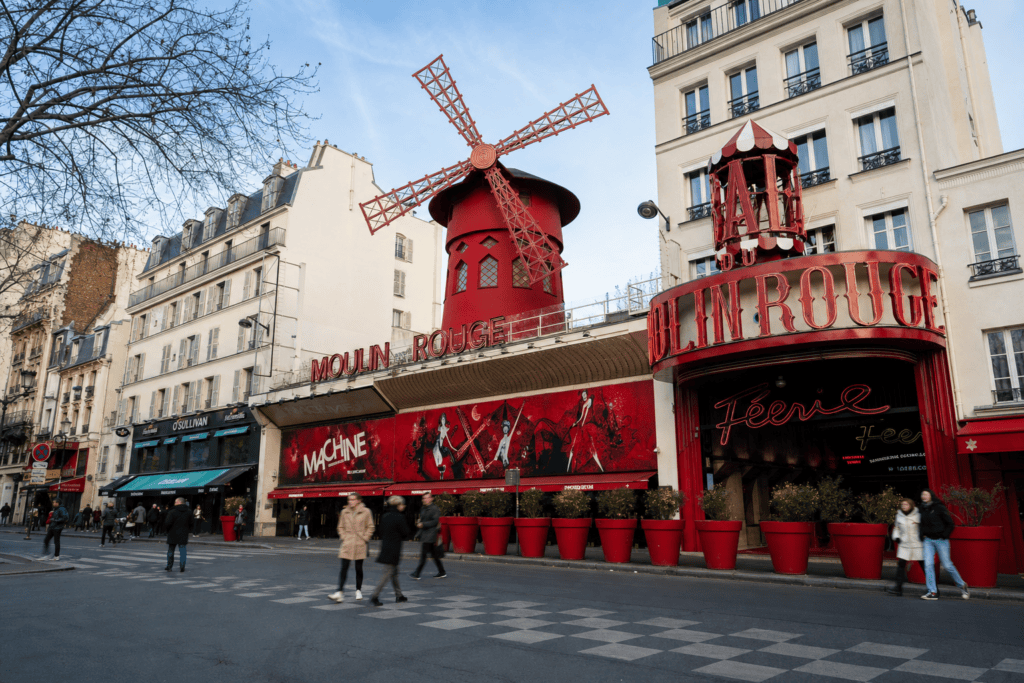 Moulin Rouge A historic Montmartre cabaret, famous for its Féerie revue, spectacular costumes, and the legacy of…
Online booking · Paris → Bois de Vincennes, 75012 Paris, with access points also near Vincennes and Saint-Mandé
Choose your pickup date and time
Your departure and arrival details are already pre-filled. You can adjust them in the fare calculator before viewing the vehicles and fare.